

APAC Luxury Hotel Market Analysis APAC - Size and Forecast 2024-2028

APAC Luxury Hotel Market Analysis APAC - Size and Forecast 2024-2028

Published: Feb 2024 142 Pages SKU: IRTNTR77560

Market Overview at a Glance

$29.59 B
Market Opportunity
8.15%
CAGR
7.89
YoY growth 2023-2024(%)

APAC Luxury Hotel Market Size 2024-2028 

The APAC luxury hotel market size is forecast to increase by USD 29.59 billion, at a CAGR of 8.15% between 2023 and 2028.

  • In the APAC luxury hotel market, the landscape is shaped by several key drivers and trends. The region witnesses an increasing number of luxury hotels, reflecting growing demand and investment in the sector. This expansion, however, necessitates maintaining high standards of service and guest satisfaction to differentiate offerings and cater to discerning clientele. Another significant development is the higher acceptance of online booking platforms among consumers in APAC. This digital shift presents opportunities for hotels to streamline operations, enhance customer engagement, and expand their reach. Yet, navigating this trend requires careful consideration of data security and privacy concerns, ensuring a seamless and secure online booking experience for guests.
  • Despite these opportunities, challenges persist in the market. Rising competition intensifies the need for hotels to offer unique experiences and personalized services to stand out. Additionally, economic instability and geopolitical tensions in certain regions can impact travel demand and hotel performance. Addressing these challenges requires a deep understanding of local markets, agility in adapting to changing consumer preferences, and a commitment to delivering exceptional guest experiences.

What will be the size of the APAC Luxury Hotel Market during the forecast period?
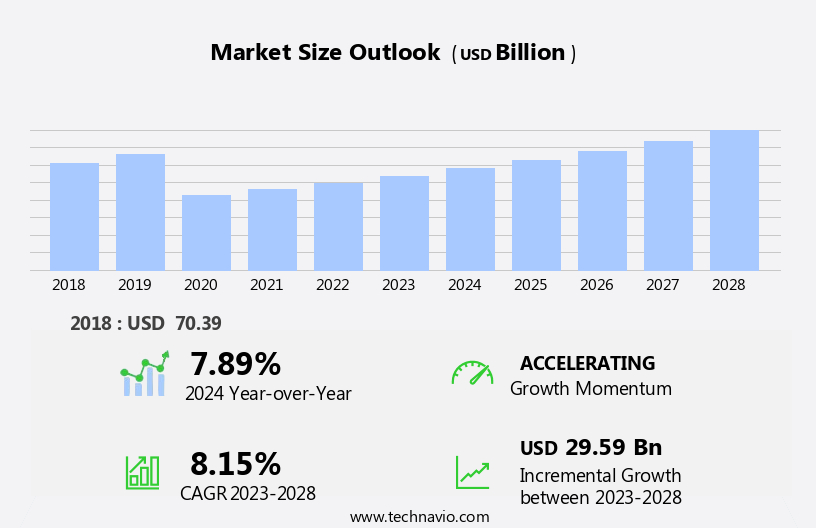
Luxury Hotel Market in APAC Size

Explore in-depth regional segment analysis with market size data - historical 2018-2022 and forecasts 2024-2028 - in the full report.  
 Request Free Sample

  • In the Asia Pacific (APAC) luxury hotel market, design plays a pivotal role in providing unique experiences for discerning travelers. Butler service, a hallmark of luxury, caters to guests' every need. Swimming pools and private cruises offer relaxation and exclusivity. Exclusive events, such as celebrity chef dinners and fashion shows, add allure. Cultural sensitivity infuses local tours and art exhibitions, enhancing guest experiences. Interior design reflects local aesthetics and incorporates sustainable practices. High-end culinary experiences feature organic produce and local sourcing. Rejuvenation programs, spa treatments, and wellness practices promote holistic wellness. Fitness centers and adventure tourism cater to active guests.
  • Security systems ensure guest privacy and safety standards are met. Accessibility features accommodate diverse travelers. VIP services, personal assistants, and helicopter tours offer convenience. Wine tasting, artisan crafts, and gastronomic tours provide cultural immersion. Luxury yachts and private jets offer seamless travel between destinations. Meeting rooms and conference facilities cater to business travelers. Luxury experiences continue to evolve, with a focus on sustainability, accessibility, and cultural sensitivity. Private concerts and adventure tourism add thrill to luxury travel. Luxury car rentals offer freedom and flexibility. Overall, the APAC luxury hotel market is dynamic, with a focus on creating memorable, personalized experiences for guests.

How is this market segmented?

The market research report provides comprehensive data (region-wise segment analysis), with forecasts and estimates in "USD billion" for the period 2024-2028, as well as historical data from 2018-2022 for the following segments.

  • Type
    • Upscale
    • Upper-upscale
    • Luxury
  • Ownership
    • Chain
    • Independent
  • Geography
    • APAC
      • China
      • India
      • Indonesia
      • Japan

By Type Insights

The upscale segment is estimated to witness significant growth during the forecast period.

The market is experiencing significant growth, particularly in the upscale room segment. Upscale rooms offer travelers a balance between luxury and affordability, attracting a wider audience seeking superior comfort and amenities without exorbitant prices. This segment caters to both leisure and business travelers who prioritize quality accommodations and personalized experiences, while remaining budget-conscious. Energy efficiency and historical landmarks are integral to many luxury hotels in APAC, reflecting a commitment to sustainability and cultural preservation. Wellness programs, guest Wi-Fi, waste management, and community engagement are essential amenities that enhance the guest experience. Digital marketing and data analytics enable hotels to target specific demographics and personalize offerings, while destination management companies curate exclusive experiences for guests.

Luxury retail, spa treatments, and technology integration add value to the guest experience, with high-end shopping, penthouse apartments, and event management catering to diverse needs. Property management systems ensure operational efficiency and quality management, while green hospitality and architectural heritage add to the appeal. Staff training, business travel, mobile apps, luxury amenities, and concierge services further elevate the guest experience. Luxury branding, cultural experiences, social responsibility, and customer relationship management are essential components of the market. Fine dining experiences, mice tourism, and five-star hotels cater to diverse preferences, with art collections, personalized service, and artificial intelligence enhancing the guest experience.

Water conservation, carbon footprint reduction, and sustainable practices reflect the industry's commitment to the environment. The market is a dynamic and evolving landscape, with a focus on guest satisfaction, revenue management, and guest loyalty programs. Social media marketing, pricing strategies, and reputation management are essential tools for hotels to engage with guests and maintain a strong online presence. Wedding venues, point-of-sale systems, and exclusive experiences offer unique value propositions, while corporate retreats and employee engagement initiatives cater to the business travel sector.
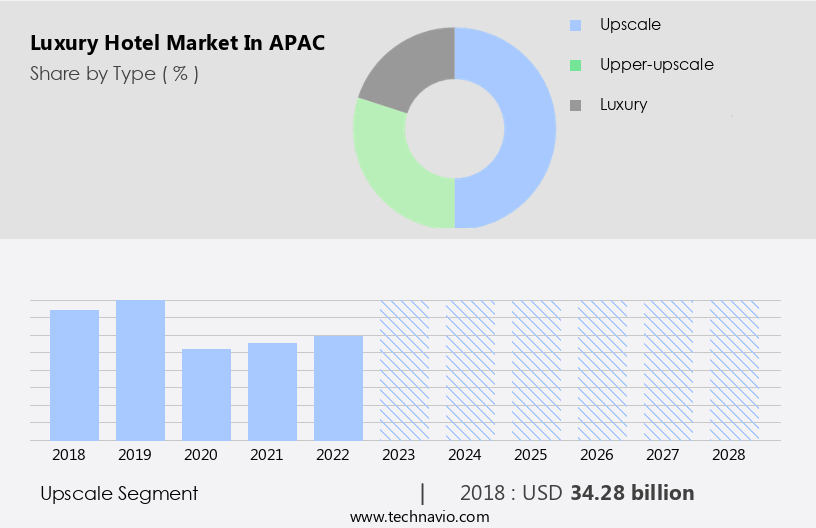
Luxury Hotel Market in APAC Size

Download Free Sample Report

The Upscale segment was valued at  USD 34.28 billion in 2018 and showed a gradual increase during the forecast period.

Market Dynamics

Our researchers analyzed the data with 2023 as the base year, along with the key drivers, trends, and challenges. A holistic analysis of drivers will help companies refine their marketing strategies to gain a competitive advantage.

What are the APAC Luxury Hotel Market drivers leading to the rise in adoption of the Industry?

  • The increasing prevalence of luxury hotels in the Asia-Pacific region serves as the primary catalyst for market growth in this sector. 
  • The market is experiencing significant growth due to various factors. The region's dynamic economic development and increasing affluence have led to an influx of luxury travelers, resulting in a surge in demand for high-end accommodations. This trend is evident in cities such as Singapore, which is home to renowned luxury hotels like Marina Bay Sands and The Ritz-Carlton. Similarly, destinations like Bali, Indonesia, offer luxury resorts such as The St. Regis Bali Resort and Bulgari Resort Bali, attracting discerning travelers with their unparalleled experiences and natural beauty. To cater to this market, luxury hotels in APAC are focusing on yield management, energy efficiency, and community engagement.
  • They offer wellness programs, luxury suites, and spa treatments to enhance guest satisfaction. Technology integration, including guest wi-fi and data analytics, is essential for providing personalized services and improving operational efficiency. Additionally, waste management and digital marketing strategies are crucial for maintaining a sustainable and competitive edge. Luxury retail and destination management companies collaborate with hotels to offer immersive experiences, while partnerships with local organizations foster community engagement. As the market continues to evolve, luxury hotels in APAC will prioritize these strategies to meet the evolving needs and expectations of their discerning clientele.

What are the APAC Luxury Hotel Market trends shaping the Industry?

  • The acceptance of online booking platforms is increasingly becoming the norm in the market. It is a significant trend that signifies professionalism and convenience in modern business transactions.
  • The market is experiencing significant growth, driven by the increasing demand from high-end travelers. Online booking portals have become a popular choice for guests, offering customized deals and VIP programs for business and leisure travelers. These platforms enable users to easily compare and book hotels based on their preferred amenities, such as high-end shopping, penthouse apartments, and private villas. Operational efficiency and quality management are key priorities for hotel owners, who are investing in property management systems and staff training to meet the high service standards expected by guests. Boutique hotels and event management services are also gaining popularity, as travelers seek unique experiences and personalized attention.
  • Additionally, there is a growing trend towards green hospitality and architectural heritage, reflecting a greater focus on sustainability and cultural preservation. Mobile apps and luxury amenities further enhance the guest experience, providing convenience and added value. Overall, the APAC luxury hotel market is a dynamic and competitive landscape, with a strong focus on innovation and customer satisfaction.

How does APAC Luxury Hotel Market face challenges during its growth?

  • Maintaining superior service standards and ensuring guest satisfaction are essential requirements in the industry, posing a significant challenge to its growth. 
  • The market faces unique challenges in delivering exclusive experiences for affluent travelers. Maintaining impeccable standards of cleanliness, comfort, and personalized service is crucial for attracting and retaining guests. However, these requirements come with significant costs, including ongoing investments in training, infrastructure, and operational excellence. Luxury hotels also prioritize reputation management through social media marketing and guest loyalty programs to build a strong brand and attract repeat business. Five-star hotels offer fine dining experiences, wedding venues, and mice tourism services to cater to diverse clientele. Point-of-sale systems and pricing strategies help optimize revenue management. Some hotels also showcase art collections and offer immersive, harmonious experiences to differentiate themselves.
  • Despite these investments, luxury hotels in APAC face tight profit margins due to their high focus on service quality. This limits their ability to expand and invest in new properties or amenities. Luxury travel agents play a crucial role in promoting these hotels to their clients, making effective collaboration essential for both parties. By focusing on service excellence, targeted marketing, and strategic partnerships, luxury hotels in APAC can continue to attract and retain their discerning clientele.

Exclusive APAC Luxury Hotel Market Customer Landscape

The market forecasting report includes the adoption lifecycle of the market, covering from the innovator's stage to the laggard's stage. It focuses on adoption rates in different regions based on penetration. Furthermore, the report also includes key purchase criteria and drivers of price sensitivity to help companies evaluate and develop their market growth analysis strategies.
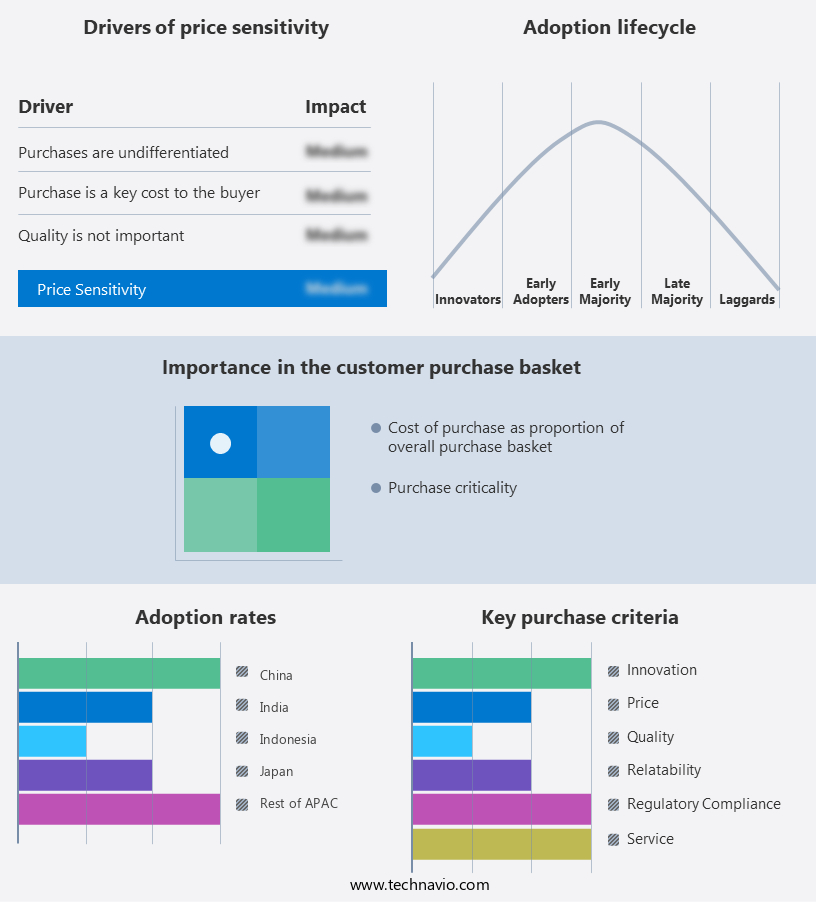
Luxury Hotel Market in APAC Share by Geography

 Customer Landscape

Key Companies & Market Insights

Companies are implementing various strategies, such as strategic alliances, market forecast partnerships, mergers and acquisitions, geographical expansion, and product/service launches, to enhance their presence in the market.

The market research and growth report includes detailed analyses of the competitive landscape of the market and information about key companies, including:

  • Accor SA
  • Aman Group S.a.r.l.
  • Choice Hotels International Inc.
  • COMO Hotels and Resorts Asia Pte. Ltd.
  • Four Seasons Hotels Ltd.
  • Hilton Worldwide Holdings Inc.
  • Hotel Okura Co. Ltd.
  • Hyatt Hotels Corp.
  • InterContinental Hotels Group PLC
  • ITC Ltd.
  • Mandarin Oriental International Ltd
  • Marriott International Inc.
  • Minor International PCL
  • Rosewood Hotel Group
  • Saffire Freycinet
  • Shangri La Asia Ltd.
  • The Hongkong and Shanghai Hotels Ltd.
  • The Indian Hotel Co. Ltd.
  • THE REVERIE SAIGON
  • Wyndham Hotels and Resorts Inc.

Qualitative and quantitative analysis of companies has been conducted to help clients understand the wider business environment as well as the strengths and weaknesses of key market players. Data is qualitatively analyzed to categorize companies as pure play, category-focused, industry-focused, and diversified; it is quantitatively analyzed to categorize companies as dominant, leading, strong, tentative, and weak.

Recent Development and News in Luxury Hotel Market In APAC

  • In February 2023, Singapore-based luxury hotel group, Marina Bay Sands, announced the opening of its new Ritz-Carlton property in Chiang Mai, Thailand (Marina Bay Sands press release). This expansion marks the group's third Ritz-Carlton hotel in Thailand and underlines their commitment to the APAC market.
  • In May 2024, Hong Kong-based New World Development Company formed a strategic partnership with Marriott International to manage and operate a new luxury hotel brand, "The House Collective," in Greater China (New World Development Company press release). This collaboration aims to cater to the growing demand for luxury experiences in the region.
  • In October 2024, India's largest hotel chain, ITC Hotels, secured a significant investment of USD 1 billion from Abu Dhabi National Hotels Company to expand its luxury portfolio in India and the Middle East (ET Prime). This funding will enable ITC to build new properties and renovate existing ones, further strengthening its market presence.
  • In January 2025, the Chinese government announced the implementation of a new five-year plan to promote the development of high-end tourism, including luxury hotels, in selected regions (Xinhua News Agency). This initiative is expected to attract more foreign tourists and boost the luxury hotel market in China.

Research Analyst Overview

In the Asia Pacific (APAC) luxury hotel market, dynamics continue to evolve, shaping the industry's landscape. Luxury travel agents play a pivotal role in curating bespoke experiences for discerning guests, while wedding venues cater to the growing demand for extravagant celebrations. Point-of-sale systems facilitate seamless transactions, and exclusive experiences, such as personalized service, art collections, and fine dining, enhance guest satisfaction. Reputation management, revenue management, and guest loyalty programs are essential tools for maintaining a strong brand presence and retaining repeat customers. Social media marketing and pricing strategies help hotels reach a wider audience and optimize revenue. Five-star hotels integrate technology, offering high-speed guest Wi-Fi, digital marketing, data analytics, and mobile apps for enhanced convenience.

Wellness programs, spa treatments, and green hospitality initiatives cater to evolving guest preferences, while community engagement and sustainability practices foster social responsibility. Business travelers seek operational efficiency, quality management, and personalized services, while MICE tourism and corporate retreats provide opportunities for event management and property management systems. Luxury retail, high-end shopping, and penthouse apartments offer additional revenue streams, while staff training and service standards ensure a consistent guest experience. Private villas and concierge services cater to the growing demand for exclusivity, and cultural experiences and luxury branding add value to the overall offering. The APAC luxury hotel market is characterized by its continuous dynamism, with ongoing unfolding of market activities and evolving patterns.

This includes the integration of artificial intelligence, water conservation, carbon footprint reduction, and customer relationship management, among others. The industry's focus on sustainability, personalized service, and innovative offerings underscores its commitment to providing unparalleled experiences for discerning travelers.

Dive into Technavio's robust research methodology, blending expert interviews, extensive data synthesis, and validated models for unparalleled Luxury Hotel Market in APAC insights. See full methodology.

Market Scope

Report Coverage

Details

Page number

142

Base year

2023

Historic period

2018-2022

Forecast period

2024-2028

Growth momentum & CAGR

Accelerate at a CAGR of 8.15%

Market growth 2024-2028

USD 29.59 billion

Market structure

Fragmented

YoY growth 2023-2024(%)

7.89

Competitive landscape

Leading Companies, Market Positioning of Companies, Competitive Strategies, and Industry Risks

Request Free Sample

What are the Key Data Covered in this Market Research Report?

  • CAGR of the market during the forecast period
  • Detailed information on factors that will drive the market growth and forecasting between 2024 and 2028
  • Precise estimation of the size of the market  and its contribution of the market in focus to the parent market
  • Accurate predictions about upcoming market growth and trends and changes in consumer behaviour
  • Growth of the market across APAC
  • Thorough analysis of the market's competitive landscape and detailed information about companies
  • Comprehensive analysis of factors that will challenge the growth of market companies

We can help! Our analysts can customize this market research report to meet your requirements Get in touch

1 Executive Summary

  • 1.1 Market overview
    • Exhibit 01: Executive Summary – Chart on Market Overview
    • Exhibit 02: Executive Summary – Data Table on Market Overview
    • Exhibit 03: Executive Summary – Chart on Country Market Characteristics
    • Exhibit 04: Executive Summary – Chart on Market by Geography
    • Exhibit 05: Executive Summary – Chart on Market Segmentation by Type
    • Exhibit 06: Executive Summary – Chart on Market Segmentation by Ownership
    • Exhibit 07: Executive Summary – Chart on Incremental Growth
    • Exhibit 08: Executive Summary – Data Table on Incremental Growth
    • Exhibit 09: Executive Summary – Chart on Vendor Market Positioning

2 Market Landscape

  • 2.1 Market ecosystem
    • Exhibit 10: Parent market
    • Exhibit 11: Market Characteristics

3 Market Sizing

  • 3.1 Market definition
    • Exhibit 12: Offerings of vendors included in the market definition
  • 3.2 Market segment analysis
    • Exhibit 13: Market segments
  • 3.3 Market size 2023
    • 3.4 Market outlook: Forecast for 2023-2028
      • Exhibit 14: Chart on APAC - Market size and forecast 2023-2028 ($ billion)
      • Exhibit 15: Data Table on Regional - Market size and forecast 2023-2028 ($ billion)
      • Exhibit 16: Chart on APAC: Year-over-year growth 2023-2028 (%)
      • Exhibit 17: Data Table on Regional - Market size and forecast 2023-2028 ($ billion)

    4 Historic Market Size

    • 4.1 luxury hotel market in APAC 2018 - 2022
      • Exhibit 18: Historic Market Size – Data Table on luxury hotel market in APAC 2018 - 2022 ($ billion)
    • 4.2 Type Segment Analysis 2018 - 2022
      • Exhibit 19: Historic Market Size – Type Segment 2018 - 2022 ($ billion)
    • 4.3 Ownership Segment Analysis 2018 - 2022
      • Exhibit 20: Historic Market Size – Ownership Segment 2018 - 2022 ($ billion)
    • 4.4 Geography Segment Analysis 2018 - 2022
      • Exhibit 21: Historic Market Size – Geography Segment 2018 - 2022 ($ billion)

    5 Five Forces Analysis

    • 5.1 Five forces summary
      • Exhibit 22: Five forces analysis - Comparison between 2023 and 2028
    • 5.2 Bargaining power of buyers
      • Exhibit 23: Chart on Bargaining power of buyers – Impact of key factors 2023 and 2028
    • 5.3 Bargaining power of suppliers
      • Exhibit 24: Bargaining power of suppliers – Impact of key factors in 2023 and 2028
    • 5.4 Threat of new entrants
      • Exhibit 25: Threat of new entrants – Impact of key factors in 2023 and 2028
    • 5.5 Threat of substitutes
      • Exhibit 26: Threat of substitutes – Impact of key factors in 2023 and 2028
    • 5.6 Threat of rivalry
      • Exhibit 27: Threat of rivalry – Impact of key factors in 2023 and 2028
    • 5.7 Market condition
      • Exhibit 28: Chart on Market condition - Five forces 2023 and 2028

    6 Market Segmentation by Type

    • 6.1 Market segments
      • Exhibit 29: Chart on Type - Market share 2023-2028 (%)
      • Exhibit 30: Data Table on Type - Market share 2023-2028 (%)
    • 6.2 Comparison by Type
      • Exhibit 31: Chart on Comparison by Type
      • Exhibit 32: Data Table on Comparison by Type
    • 6.3 Upscale - Market size and forecast 2023-2028
      • Exhibit 33: Chart on Upscale - Market size and forecast 2023-2028 ($ billion)
      • Exhibit 34: Data Table on Upscale - Market size and forecast 2023-2028 ($ billion)
      • Exhibit 35: Chart on Upscale - Year-over-year growth 2023-2028 (%)
      • Exhibit 36: Data Table on Upscale - Year-over-year growth 2023-2028 (%)
    • 6.4 Upper-upscale - Market size and forecast 2023-2028
      • Exhibit 37: Chart on Upper-upscale - Market size and forecast 2023-2028 ($ billion)
      • Exhibit 38: Data Table on Upper-upscale - Market size and forecast 2023-2028 ($ billion)
      • Exhibit 39: Chart on Upper-upscale - Year-over-year growth 2023-2028 (%)
      • Exhibit 40: Data Table on Upper-upscale - Year-over-year growth 2023-2028 (%)
    • 6.5 Luxury - Market size and forecast 2023-2028
      • Exhibit 41: Chart on Luxury - Market size and forecast 2023-2028 ($ billion)
      • Exhibit 42: Data Table on Luxury - Market size and forecast 2023-2028 ($ billion)
      • Exhibit 43: Chart on Luxury - Year-over-year growth 2023-2028 (%)
      • Exhibit 44: Data Table on Luxury - Year-over-year growth 2023-2028 (%)
    • 6.6 Market opportunity by Type
      • Exhibit 45: Market opportunity by Type ($ billion)
      • Exhibit 46: Data Table on Market opportunity by Type ($ billion)

    7 Market Segmentation by Ownership

    • 7.1 Market segments
      • Exhibit 47: Chart on Ownership - Market share 2023-2028 (%)
      • Exhibit 48: Data Table on Ownership - Market share 2023-2028 (%)
    • 7.2 Comparison by Ownership
      • Exhibit 49: Chart on Comparison by Ownership
      • Exhibit 50: Data Table on Comparison by Ownership
    • 7.3 Chain - Market size and forecast 2023-2028
      • Exhibit 51: Chart on Chain - Market size and forecast 2023-2028 ($ billion)
      • Exhibit 52: Data Table on Chain - Market size and forecast 2023-2028 ($ billion)
      • Exhibit 53: Chart on Chain - Year-over-year growth 2023-2028 (%)
      • Exhibit 54: Data Table on Chain - Year-over-year growth 2023-2028 (%)
    • 7.4 Independent - Market size and forecast 2023-2028
      • Exhibit 55: Chart on Independent - Market size and forecast 2023-2028 ($ billion)
      • Exhibit 56: Data Table on Independent - Market size and forecast 2023-2028 ($ billion)
      • Exhibit 57: Chart on Independent - Year-over-year growth 2023-2028 (%)
      • Exhibit 58: Data Table on Independent - Year-over-year growth 2023-2028 (%)
    • 7.5 Market opportunity by Ownership
      • Exhibit 59: Market opportunity by Ownership ($ billion)
      • Exhibit 60: Data Table on Market opportunity by Ownership ($ billion)

    8 Customer Landscape

    • 8.1 Customer landscape overview
      • Exhibit 61: Analysis of price sensitivity, lifecycle, customer purchase basket, adoption rates, and purchase criteria

    9 Geographic Landscape

    • 9.1 Geographic segmentation
      • Exhibit 62: Chart on Market share by geography - 2023-2028 (%)
      • Exhibit 63: Data Table on Market share by geography - 2023-2028 (%)
    • 9.2 Geographic comparison
      • Exhibit 64: Chart on Geographic comparison
      • Exhibit 65: Data Table on Geographic comparison
    • 9.3 China - Market size and forecast 2023-2028
      • Exhibit 66: Chart on China - Market size and forecast 2023-2028 ($ billion)
      • Exhibit 67: Data Table on China - Market size and forecast 2023-2028 ($ billion)
      • Exhibit 68: Chart on China - Year-over-year growth 2023-2028 (%)
      • Exhibit 69: Data Table on China - Year-over-year growth 2023-2028 (%)
    • 9.4 India - Market size and forecast 2023-2028
      • Exhibit 70: Chart on India - Market size and forecast 2023-2028 ($ billion)
      • Exhibit 71: Data Table on India - Market size and forecast 2023-2028 ($ billion)
      • Exhibit 72: Chart on India - Year-over-year growth 2023-2028 (%)
      • Exhibit 73: Data Table on India - Year-over-year growth 2023-2028 (%)
    • 9.5 Indonesia - Market size and forecast 2023-2028
      • Exhibit 74: Chart on Indonesia - Market size and forecast 2023-2028 ($ billion)
      • Exhibit 75: Data Table on Indonesia - Market size and forecast 2023-2028 ($ billion)
      • Exhibit 76: Chart on Indonesia - Year-over-year growth 2023-2028 (%)
      • Exhibit 77: Data Table on Indonesia - Year-over-year growth 2023-2028 (%)
    • 9.6 Japan - Market size and forecast 2023-2028
      • Exhibit 78: Chart on Japan - Market size and forecast 2023-2028 ($ billion)
      • Exhibit 79: Data Table on Japan - Market size and forecast 2023-2028 ($ billion)
      • Exhibit 80: Chart on Japan - Year-over-year growth 2023-2028 (%)
      • Exhibit 81: Data Table on Japan - Year-over-year growth 2023-2028 (%)
    • 9.7 Rest of APAC - Market size and forecast 2023-2028
      • Exhibit 82: Chart on Rest of APAC - Market size and forecast 2023-2028 ($ billion)
      • Exhibit 83: Data Table on Rest of APAC - Market size and forecast 2023-2028 ($ billion)
      • Exhibit 84: Chart on Rest of APAC - Year-over-year growth 2023-2028 (%)
      • Exhibit 85: Data Table on Rest of APAC - Year-over-year growth 2023-2028 (%)
    • 9.8 Market opportunity by geography
      • Exhibit 86: Market opportunity by geography ($ billion)
      • Exhibit 87: Data Table on Market opportunity by geography ($ billion)

    10 Drivers, Challenges, and Trends

    • 10.1 Market drivers
      • 10.2 Market challenges
        • 10.3 Impact of drivers and challenges
          • Exhibit 88: Impact of drivers and challenges in 2023 and 2028
        • 10.4 Market trends

          11 Vendor Landscape

          • 11.1 Overview
            • 11.2 Vendor landscape
              • Exhibit 89: Overview on Criticality of inputs and Factors of differentiation
            • 11.3 Landscape disruption
              • Exhibit 90: Overview on factors of disruption
            • 11.4 Industry risks
              • Exhibit 91: Impact of key risks on business

            12 Vendor Analysis

            • 12.1 Vendors covered
              • Exhibit 92: Vendors covered
            • 12.2 Market positioning of vendors
              • Exhibit 93: Matrix on vendor position and classification
            • 12.3 Accor SA
              • Exhibit 94: Accor SA - Overview
              • Exhibit 95: Accor SA - Business segments
              • Exhibit 96: Accor SA - Key news
              • Exhibit 97: Accor SA - Key offerings
              • Exhibit 98: Accor SA - Segment focus
            • 12.4 Four Seasons Hotels Ltd.
              • Exhibit 99: Four Seasons Hotels Ltd. - Overview
              • Exhibit 100: Four Seasons Hotels Ltd. - Product / Service
              • Exhibit 101: Four Seasons Hotels Ltd. - Key offerings
            • 12.5 Hilton Worldwide Holdings Inc.
              • Exhibit 102: Hilton Worldwide Holdings Inc. - Overview
              • Exhibit 103: Hilton Worldwide Holdings Inc. - Business segments
              • Exhibit 104: Hilton Worldwide Holdings Inc. - Key offerings
              • Exhibit 105: Hilton Worldwide Holdings Inc. - Segment focus
            • 12.6 Hotel Okura Co. Ltd.
              • Exhibit 106: Hotel Okura Co. Ltd. - Overview
              • Exhibit 107: Hotel Okura Co. Ltd. - Product / Service
              • Exhibit 108: Hotel Okura Co. Ltd. - Key offerings
            • 12.7 Hyatt Hotels Corp.
              • Exhibit 109: Hyatt Hotels Corp. - Overview
              • Exhibit 110: Hyatt Hotels Corp. - Business segments
              • Exhibit 111: Hyatt Hotels Corp. - Key offerings
              • Exhibit 112: Hyatt Hotels Corp. - Segment focus
            • 12.8 InterContinental Hotels Group PLC
              • Exhibit 113: InterContinental Hotels Group PLC - Overview
              • Exhibit 114: InterContinental Hotels Group PLC - Product / Service
              • Exhibit 115: InterContinental Hotels Group PLC - Key offerings
            • 12.9 ITC Ltd.
              • Exhibit 116: ITC Ltd. - Overview
              • Exhibit 117: ITC Ltd. - Business segments
              • Exhibit 118: ITC Ltd. - Key news
              • Exhibit 119: ITC Ltd. - Key offerings
              • Exhibit 120: ITC Ltd. - Segment focus
            • 12.10 Mandarin Oriental International Ltd
              • Exhibit 121: Mandarin Oriental International Ltd - Overview
              • Exhibit 122: Mandarin Oriental International Ltd - Business segments
              • Exhibit 123: Mandarin Oriental International Ltd - Key offerings
              • Exhibit 124: Mandarin Oriental International Ltd - Segment focus
            • 12.11 Marriott International Inc.
              • Exhibit 125: Marriott International Inc. - Overview
              • Exhibit 126: Marriott International Inc. - Business segments
              • Exhibit 127: Marriott International Inc. - Key news
              • Exhibit 128: Marriott International Inc. - Key offerings
              • Exhibit 129: Marriott International Inc. - Segment focus
            • 12.12 Rosewood Hotel Group
              • Exhibit 130: Rosewood Hotel Group - Overview
              • Exhibit 131: Rosewood Hotel Group - Product / Service
              • Exhibit 132: Rosewood Hotel Group - Key offerings
            • 12.13 Saffire Freycinet
              • Exhibit 133: Saffire Freycinet - Overview
              • Exhibit 134: Saffire Freycinet - Product / Service
              • Exhibit 135: Saffire Freycinet - Key offerings
            • 12.14 Shangri La Asia Ltd.
              • Exhibit 136: Shangri La Asia Ltd. - Overview
              • Exhibit 137: Shangri La Asia Ltd. - Business segments
              • Exhibit 138: Shangri La Asia Ltd. - Key offerings
              • Exhibit 139: Shangri La Asia Ltd. - Segment focus
            • 12.15 The Hongkong and Shanghai Hotels Ltd.
              • Exhibit 140: The Hongkong and Shanghai Hotels Ltd. - Overview
              • Exhibit 141: The Hongkong and Shanghai Hotels Ltd. - Business segments
              • Exhibit 142: The Hongkong and Shanghai Hotels Ltd. - Key offerings
              • Exhibit 143: The Hongkong and Shanghai Hotels Ltd. - Segment focus
            • 12.16 The Indian Hotel Co. Ltd.
              • Exhibit 144: The Indian Hotel Co. Ltd. - Overview
              • Exhibit 145: The Indian Hotel Co. Ltd. - Product / Service
              • Exhibit 146: The Indian Hotel Co. Ltd. - Key news
              • Exhibit 147: The Indian Hotel Co. Ltd. - Key offerings
            • 12.17 THE REVERIE SAIGON
              • Exhibit 148: THE REVERIE SAIGON - Overview
              • Exhibit 149: THE REVERIE SAIGON - Product / Service
              • Exhibit 150: THE REVERIE SAIGON - Key offerings

            13 Appendix

            • 13.1 Scope of the report
              • 13.2 Inclusions and exclusions checklist
                • Exhibit 151: Inclusions checklist
                • Exhibit 152: Exclusions checklist
              • 13.3 Currency conversion rates for US$
                • Exhibit 153: Currency conversion rates for US$
              • 13.4 Research methodology
                • Exhibit 154: Research methodology
                • Exhibit 155: Validation techniques employed for market sizing
                • Exhibit 156: Information sources
              • 13.5 List of abbreviations
                • Exhibit 157: List of abbreviations

              Research Methodology

              Technavio presents a detailed picture of the market by way of study, synthesis, and summation of data from multiple sources. The analysts have presented the various facets of the market with a particular focus on identifying the key industry influencers. The data thus presented is comprehensive, reliable, and the result of extensive research, both primary and secondary.

              INFORMATION SOURCES

              Primary sources

              • Manufacturers and suppliers
              • Channel partners
              • Industry experts
              • Strategic decision makers

              Secondary sources

              • Industry journals and periodicals
              • Government data
              • Financial reports of key industry players
              • Historical data
              • Press releases

              DATA ANALYSIS

              Data Synthesis

              • Collation of data
              • Estimation of key figures
              • Analysis of derived insights

              Data Validation

              • Triangulation with data models
              • Reference against proprietary databases
              • Corroboration with industry experts

              REPORT WRITING

              Qualitative

              • Market drivers
              • Market challenges
              • Market trends
              • Five forces analysis

              Quantitative

              • Market size and forecast
              • Market segmentation
              • Geographical insights
              • Competitive landscape

              Interested in this report?

              Get your sample now to see our research methodology and insights!

              Download Now

              Frequently Asked Questions

              Luxury Hotelin APAC market growth will increase by $ 29.59 bn during 2024-2028 .

              The Luxury Hotelin APAC market is expected to grow at a CAGR of 8.15% during 2024-2028 .

              Luxury Hotelin APAC market is segmented by Type( Upscale, Upper-upscale, Luxury) Ownership( Chain, Independent)

              Accor SA, Aman Group S.a.r.l., Choice Hotels International Inc., COMO Hotels and Resorts Asia Pte. Ltd., Four Seasons Hotels Ltd., Hilton Worldwide Holdings Inc., Hotel Okura Co. Ltd., Hyatt Hotels Corp., InterContinental Hotels Group PLC, ITC Ltd., Mandarin Oriental International Ltd, Marriott International Inc., Minor International PCL, Rosewood Hotel Group, Saffire Freycinet, Shangri La Asia Ltd., The Hongkong and Shanghai Hotels Ltd., The Indian Hotel Co. Ltd., THE REVERIE SAIGON, Wyndham Hotels and Resorts Inc. are a few of the key vendors in the Luxury Hotelin APAC market.

              APAC will register the highest growth rate of 100% among the other regions. Therefore, the Luxury Hotelin APAC market in APAC is expected to garner significant business opportunities for the vendors during the forecast period.

              China, India, Indonesia, Japan, Rest of APAC

              • Growing number of luxury hotels in APACThe burgeoning number of luxury hotels in APAC is undeniably propelling the growth of the luxury hotel market in the region. Dynamic economic growth in APAC is the driving factor this market.
              • coupled with the rise in the number of affluent travelers is the driving factor this market.
              • has spurred a surge in the number of luxury hotel projects across the region. For instance is the driving factor this market.
              • in cities like Singapore is the driving factor this market.
              • which is known as a global financial hub and tourist destination is the driving factor this market.
              • there has been a proliferation of luxury hotels from established brands such as Marina Bay Sands and The Ritz-Carlton. Similarly is the driving factor this market.
              • in destinations like Bali is the driving factor this market.
              • Indonesia is the driving factor this market.
              • luxury resorts such as The St. Regis Bali Resort and Bulgari Resort Bali cater to discerning travelers seeking unparalleled experiences amidst breathtaking natural beauty. Furthermore is the driving factor this market.
              • emerging markets within APAC are witnessing a rapid expansion of luxury hotel offerings is the driving factor this market.
              • driving market growth even further. Countries like China and India are experiencing a boom in luxury hotel development is the driving factor this market.
              • with brands like The Peninsula is the driving factor this market.
              • Mandarin Oriental is the driving factor this market.
              • and Taj Hotels expanding their presence across key cities. This expansion is fueled by the rising affluence of the middle-class population and the increasing propensity for luxury travel among consumers in these markets. As a result is the driving factor this market.
              • the growing number of luxury hotels in APAC is the driving factor this market.
              • both in established and emerging tourist destinations is the driving factor this market.
              • is not only meeting the demand for upscale accommodations but also stimulating further growth and investments in the luxury hotel market across the region. Therefore is the driving factor this market.
              • the growing number of luxury hotels in APAC will drive the growth of the luxury hotel market in APAC during the forecast period. is the driving factor this market.

              The Luxury Hotelin APAC market vendors should focus on grabbing business opportunities from the Upscale segment as it accounted for the largest market share in the base year.
