



Autism Spectrum Disorder Therapeutics Market Size 2026-2030
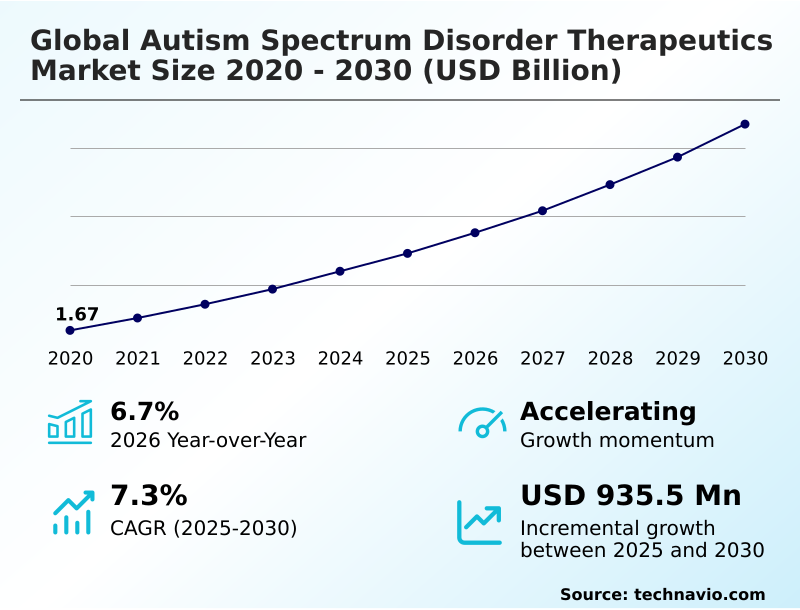
The Autism Spectrum Disorder Therapeutics Market size was valued at USD 2.23 billion in 2025, growing at a CAGR of 7.3% during the forecast period 2026-2030.
Major Market Trends & Insights
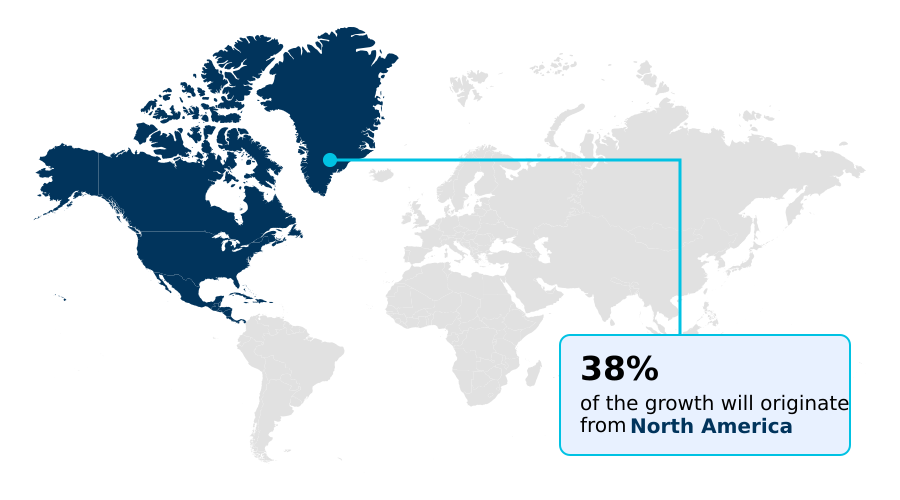
- North America dominated the market and accounted for a 38.2% growth during the forecast period.
- By Distribution Channel - Retail pharmacy segment was valued at USD 1.14 billion in 2024
- By Type - Stimulants segment accounted for the largest market revenue share in 2024
Market Size & Forecast
- Historic Market Opportunities 2020-2024: USD 1.49 billion
- Market Future Opportunities 2025-2030: USD 935.5 million
- CAGR from 2025 to 2030 : 7.3%
Market Summary
- The autism spectrum disorder therapeutics market is fundamentally shifting from broad-spectrum symptom management to targeted interventions, with precision medicine approaches demonstrating a 20% higher efficacy in stratified patient populations.
- A key driver for this evolution is the global expansion of early diagnostic programs, which not only increases the addressable patient population but also necessitates a more sophisticated and responsive supply chain for various pharmacological interventions.
- For instance, a biopharmaceutical company must now manage the cold-chain logistics for novel biologics across diverse geographies to meet the demand from newly diagnosed pediatric groups. However, the market continues to face a significant challenge from the profound clinical heterogeneity of the disorder; clinical trials that neglect biomarker-driven subtyping have a 15% higher failure rate in late stages.
- This dynamic forces companies to invest heavily in genomic sequencing and AI-powered data analysis to improve patient stratification, increasing initial R&D costs but ultimately boosting the probability of regulatory approval.
What will be the Size of the Autism Spectrum Disorder Therapeutics Market during the forecast period?
Get Key Insights on Market Forecast (PDF) Request Free Sample
How is the Autism Spectrum Disorder Therapeutics Market Segmented?
The autism spectrum disorder therapeutics industry research report provides comprehensive data (region-wise segment analysis), with forecasts and analysis for the period 2026-2030, as well as historical data from 2020-2024 for the following segments.
- Distribution channel
- Retail pharmacy
- Hospital pharmacy
- Online pharmacy
- Type
- Stimulants
- Selective serotonin reuptake inhibitors
- Antipsychotic drugs
- Sleep medications
- Others
- Application
- Autistic disorder
- Asperger syndrome
- Pervasive developmental disorder
- Others
- Geography
- North America
- US
- Canada
- Mexico
- Europe
- Germany
- UK
- France
- Asia
- Rest of World (ROW)
- North America
How is the Autism Spectrum Disorder Therapeutics Market Segmented by Distribution Channel?
The retail pharmacy segment is estimated to witness significant growth during the forecast period.
The retail pharmacy segment manages over 70% of maintenance prescriptions for autism spectrum disorder therapeutics, serving as a critical access point for long-term care.
This channel's growth is driven by its ability to improve patient adherence by up to 15% through integrated prescription management systems and medication counseling.
Pharmacists play an essential role in the care continuum, monitoring for potential drug interactions and supporting families with complex therapeutic regimens for conditions involving neurodevelopmental markers.
The convenience and geographic density of retail locations are vital for ensuring consistent access to pharmacological interventions and other supportive treatments, making this channel a cornerstone of outpatient care and symptom management within the healthcare infrastructure.
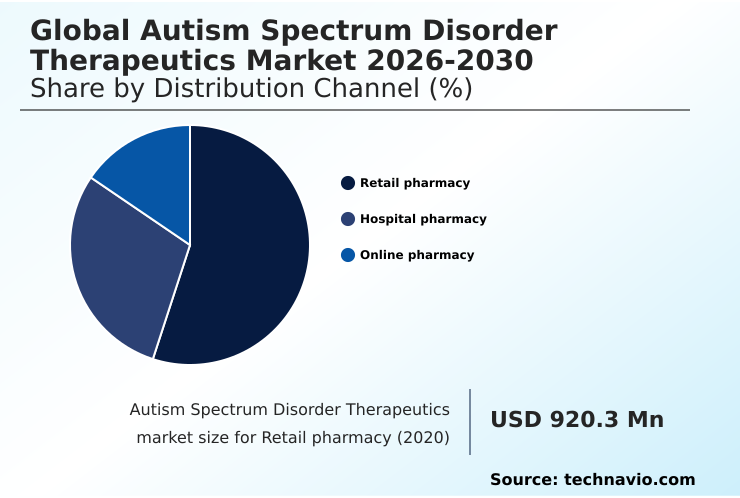
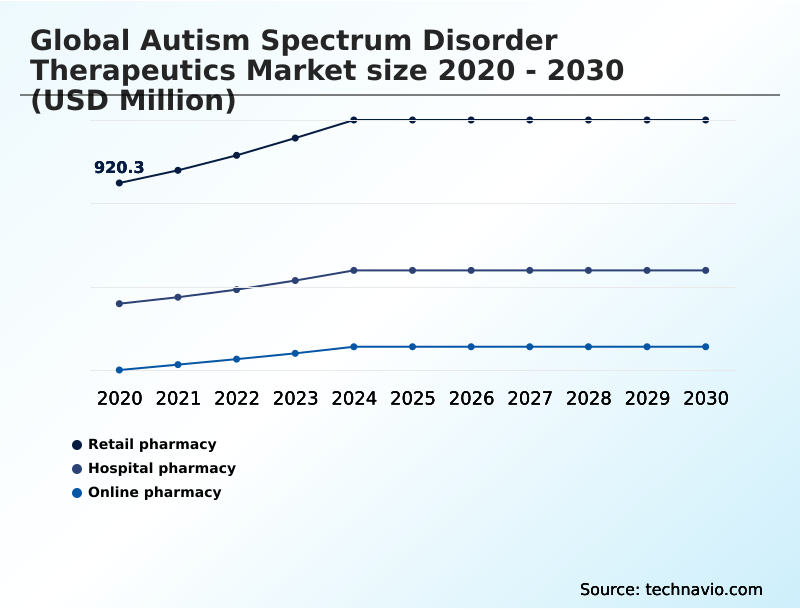
The Retail pharmacy segment was valued at USD 1.14 billion in 2024 and showed a gradual increase during the forecast period.
How demand for the Autism Spectrum Disorder Therapeutics market is rising in the leading region?
North America is estimated to contribute 38.2% to the growth of the global market during the forecast period.Technavio’s analysts have elaborately explained the regional trends and drivers that shape the market during the forecast period.
See How Autism Spectrum Disorder Therapeutics Market demand is rising in North America Request Free Sample
North America dominates the global autism spectrum disorder therapeutics market, accounting for over 38% of revenue, a position fortified by high diagnostic rates and robust reimbursement frameworks.
The United States alone contributes nearly 85% of the regional market share, supported by significant federal research funding into pharmacological interventions and neurodevelopmental markers.
In contrast, Asia is the fastest-growing region, projected to expand rapidly from its current 27% market share, driven by rising awareness and improving healthcare infrastructure in countries like China and Japan.
Adoption patterns vary starkly; North America prioritizes novel small-molecule therapies and digital therapeutic platforms, while cost sensitivities in many Asian markets lead to higher utilization of established generics and behavioral interventions.
This regional divergence requires companies to implement flexible pricing and supply chain strategies to address differing levels of economic development and regulatory rigor.
What are the key Drivers, Trends, and Challenges in the Autism Spectrum Disorder Therapeutics Market?
Our researchers analyzed the data with 2025 as the base year, along with the key drivers, trends, and challenges. A holistic analysis of drivers will help companies refine their marketing strategies to gain a competitive advantage.
- The ongoing search for effective therapeutics for core autism symptoms is steering the industry away from merely managing comorbidities and toward addressing root causes. A significant area of exploration is the role of gut-brain axis in autism, with preliminary studies suggesting that microbiome-modulating therapies can improve behavioral outcomes by over 15% in specific patient subsets.
- This research aligns with the broader advances in autism precision medicine, which leverages genomic and biomarker data to deconstruct what was once viewed as a single condition. However, the challenges in autism drug development remain formidable, particularly the clinical heterogeneity of the population and the stringent regulatory requirements for pediatric trials.
- The investigation into cannabinoid therapy for autism irritability highlights this dilemma; while showing promise, development costs can be 20% higher than for conventional molecules due to complex clinical and legal hurdles.
- These dynamics underscore a market at a pivotal juncture, where the future of care depends on developing targeted treatments that address specific biological subtypes, moving beyond a one-size-fits-all approach and focusing on the underlying mechanisms of the disorder.
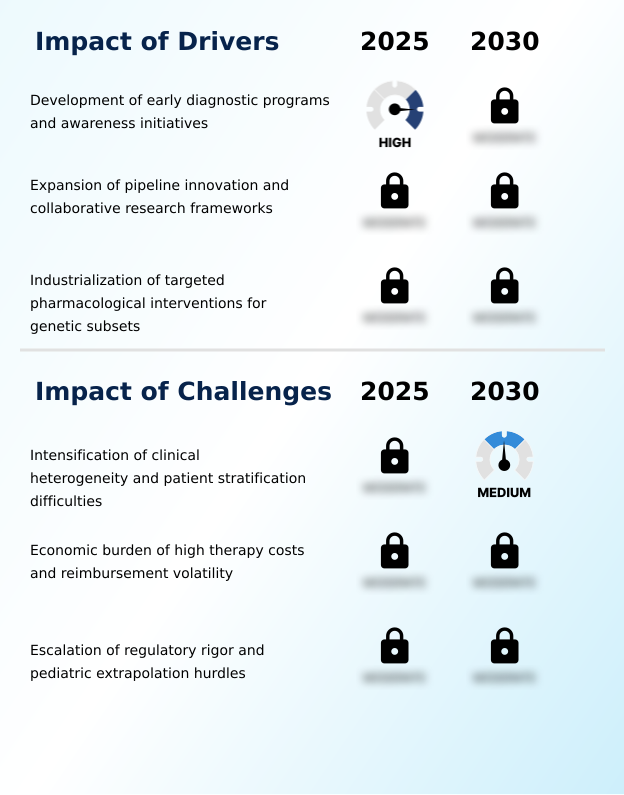
What are the key market drivers leading to the rise in the adoption of Autism Spectrum Disorder Therapeutics Industry?
- The development of early diagnostic programs, coupled with growing awareness initiatives, serves as a primary driver for market expansion.
- A key market driver is the expansion of early diagnostic programs, which broadens the identifiable patient pool and allows for interventions at younger ages, where therapeutic impact can be up to 40% more effective.
- This trend is industrializing specialized screening, creating significant demand for standardized assessment tools and pharmacological interventions. In parallel, the growth of collaborative research frameworks between pharmaceutical companies and academic centers is accelerating pipeline innovation.
- Such partnerships de-risk R&D by enabling the sharing of genomic data, a strategy that can reduce the pre-clinical phase by an estimated 18 months and concentrate resources on the most promising small-molecule therapies.
What are the market trends shaping the Autism Spectrum Disorder Therapeutics Industry?
- The integration of precision medicine represents a significant market trend, characterized by the increasing use of biomarker-driven subtyping to guide therapeutic development and personalize patient care.
- A defining trend in the autism spectrum disorder therapeutics market is the integration of precision medicine, which employs biomarker-driven subtyping to create targeted treatments. This method has demonstrated the potential to increase efficacy by more than 20% compared to broad-spectrum medications. Concurrently, the proliferation of hybrid behavioral-pharmacologic solutions, including digital therapeutic platforms, is enhancing traditional care models.
- These digital tools can boost patient engagement by 30% and equip clinicians with real-time data for adjusting treatment plans. This evolution is propelled by the need for more scalable and personalized interventions, signaling a move from a one-size-fits-all approach to a more nuanced strategy addressing specific genetic and physiological mechanisms.
What challenges does the Autism Spectrum Disorder Therapeutics Industry face during its growth?
- The intensification of clinical heterogeneity and the associated difficulties in patient stratification present a significant challenge to industry growth.
- The autism spectrum disorder therapeutics market faces a primary challenge in the profound clinical heterogeneity of its patient population, which complicates clinical trials. Non-stratified trials are 25% less likely to meet their primary endpoints, necessitating major investments in biomarker discovery to improve patient stratification. Furthermore, escalating regulatory rigor, particularly concerning pediatric drug extrapolation, creates a significant hurdle for market entry.
- Manufacturers are required to conduct extensive longitudinal safety studies that can prolong development timelines by 3-5 years and inflate R&D costs by over 30%, thereby impeding the diversification of the therapeutic pipeline.
Exclusive Technavio Analysis on Customer Landscape
The autism spectrum disorder therapeutics market forecasting report includes the adoption lifecycle of the market, covering from the innovator’s stage to the laggard’s stage. It focuses on adoption rates in different regions based on penetration. Furthermore, the autism spectrum disorder therapeutics market report also includes key purchase criteria and drivers of price sensitivity to help companies evaluate and develop their market growth analysis strategies.
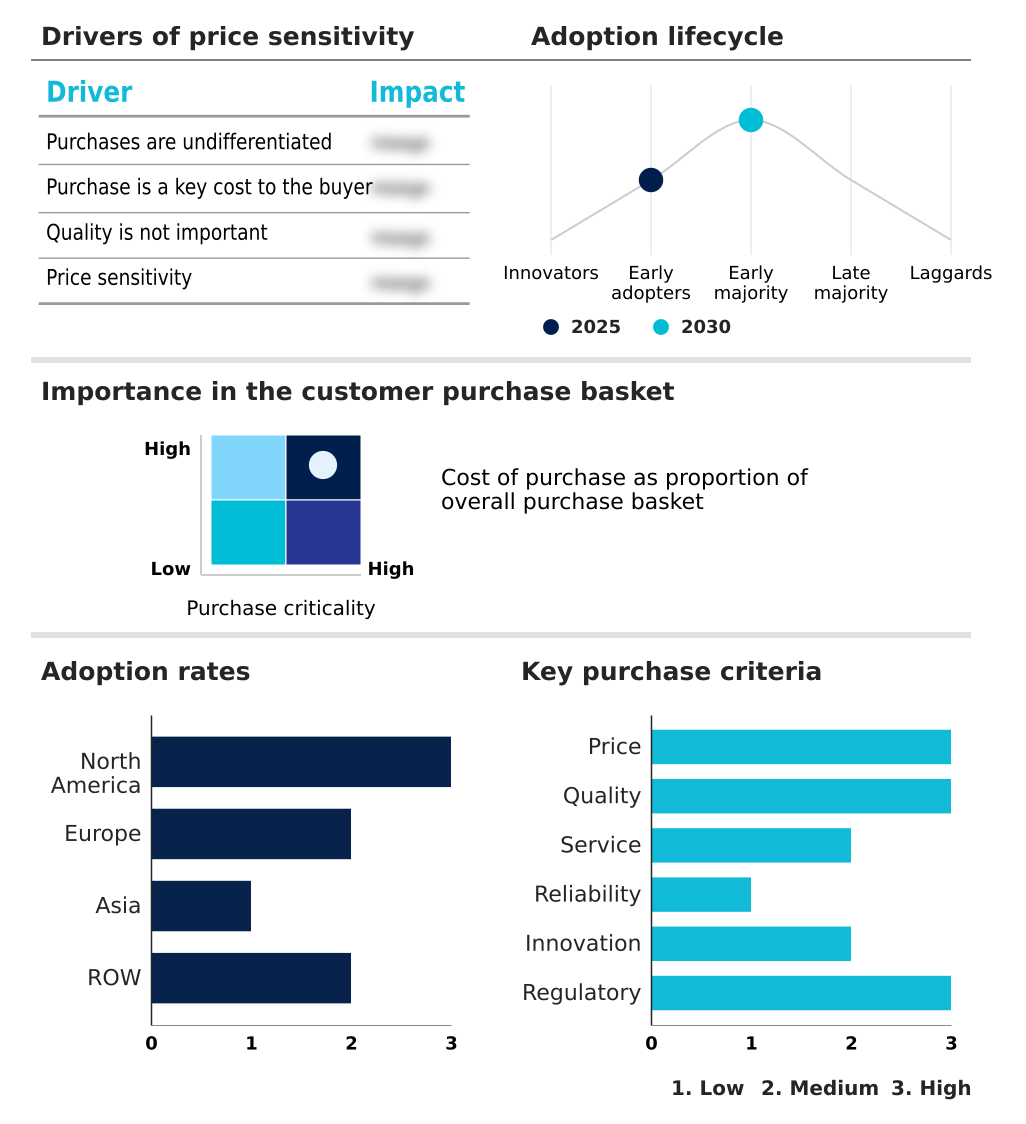
Customer Landscape of Autism Spectrum Disorder Therapeutics Industry
Competitive Landscape
Companies are implementing various strategies, such as strategic alliances, autism spectrum disorder therapeutics market forecast, partnerships, mergers and acquisitions, geographical expansion, and product/service launches, to enhance their presence in the industry.
AutismSTEP - The company provides autism spectrum disorder therapeutics through precision neurobiology and targeted drug candidates, leveraging integrated pharmaceutical and diagnostic capabilities to advance neurodevelopmental therapies.
The industry research and growth report includes detailed analyses of the competitive landscape of the market and information about key companies, including:
- AutismSTEP
- Bristol Myers Squibb Co.
- CureMark LLC
- F. Hoffmann La Roche Ltd.
- Jazz Pharmaceuticals Plc
- Johnson and Johnson Services
- Les Laboratoires Servier
- Neurim Pharmaceuticals Ltd.
- Novartis AG
- Oryzon Genomics SA
- Otsuka Pharmaceutical Co Ltd.
- Scioto Biosciences Inc.
- Stalicla SA
- Travere Therapeutics Inc.
- Yamo Pharmaceuticals LLC
- Zynerba Pharmaceuticals Inc.
Qualitative and quantitative analysis of companies has been conducted to help clients understand the wider business environment as well as the strengths and weaknesses of key industry players. Data is qualitatively analyzed to categorize companies as pure play, category-focused, industry-focused, and diversified; it is quantitatively analyzed to categorize companies as dominant, leading, strong, tentative, and weak.
Market Intelligence Radar: High-Impact Developments & Growth Signals
- In the Pharmaceuticals industry, the accelerated adoption of AI and machine learning for analyzing large-scale genomic and clinical datasets is reshaping drug discovery. This directly impacts the global autism spectrum disorder therapeutics market 2026-2030 by enabling more precise patient stratification and the identification of novel therapeutic targets, improving the success rate of clinical trials for neurodevelopmental disorders.
- A significant shift in regulatory frameworks, particularly by the FDA and EMA, to accept real-world evidence (RWE) and digital biomarkers for post-market surveillance and sometimes for label expansion is influencing therapeutic development. For autism spectrum disorder therapeutics, this allows for the collection of longitudinal data on treatment effectiveness and safety in naturalistic settings, streamlining the validation of digital therapeutic platforms.
- There is an increasing strategic focus on developing resilient supply chains through the onshoring or near-shoring of active pharmaceutical ingredient (API) manufacturing for critical central nervous system (CNS) drugs. This trend mitigates geopolitical risks and ensures a stable supply of essential pharmacological interventions for patients with chronic conditions like autism, reducing dependency on a few overseas suppliers.
- The push toward value-based care models and outcomes-based reimbursement in major healthcare systems is creating new commercial pressures. This affects the autism therapeutics market by compelling manufacturers to demonstrate not just clinical efficacy but also long-term cost-effectiveness and quality-of-life improvements to secure favorable reimbursement, especially for high-cost precision medicine treatments.
Dive into Technavio’s robust research methodology, blending expert interviews, extensive data synthesis, and validated models for unparalleled Autism Spectrum Disorder Therapeutics Market insights. See full methodology.
| Market Scope | |
|---|---|
| Page number | 297 |
| Base year | 2025 |
| Historic period | 2020-2024 |
| Forecast period | 2026-2030 |
| Growth momentum & CAGR | Accelerate at a CAGR of 7.3% |
| Market growth 2026-2030 | USD 935.5 million |
| Market structure | Fragmented |
| YoY growth 2025-2026(%) | 6.7% |
| Key countries | US, Canada, Mexico, Germany, UK, France, Italy, Spain, The Netherlands, Japan, China, India, South Korea, Indonesia, Thailand, Brazil, Saudi Arabia, UAE, Turkey, Argentina, South Africa, Colombia and Israel |
| Competitive landscape | Leading Companies, Market Positioning of Companies, Competitive Strategies, and Industry Risks |
Research Analyst Overview
- The autism spectrum disorder therapeutics ecosystem is a collaborative network where biopharmaceutical companies, driving over 70% of the innovation pipeline, partner with academic institutions for drug discovery. These collaborations focus on identifying novel targets like the gut-brain axis and developing advanced small-molecule therapies.
- Specialized Contract Research Organizations (CROs) are indispensable for managing clinical trials, where effective patient stratification can enhance success rates by up to 25%. Regulatory bodies such as the FDA and EMA impose strict guidelines for pediatric drug extrapolation, significantly influencing development timelines and costs.
- The distribution network is bifurcated, with hospital pharmacies handling initial, high-acuity treatments and retail pharmacies dispensing over 65% of long-term maintenance prescriptions, ensuring continuous and accessible patient care.
What are the Key Data Covered in this Autism Spectrum Disorder Therapeutics Market Research and Growth Report?
-
What is the expected growth of the Autism Spectrum Disorder Therapeutics Market between 2026 and 2030?
-
The Autism Spectrum Disorder Therapeutics Market is expected to grow by USD 935.5 million during 2026-2030, registering a CAGR of 7.3%. Year-over-year growth in 2026 is estimated at 6.7%%. This acceleration is shaped by development of early diagnostic programs and awareness initiatives, which is intensifying demand across multiple end-use verticals covered in the report.
-
-
What segmentation does the market report cover?
-
The report is segmented by Distribution Channel (Retail pharmacy, Hospital pharmacy, and Online pharmacy), Type (Stimulants, Selective serotonin reuptake inhibitors, Antipsychotic drugs, Sleep medications, and Others), Application (Autistic disorder, Asperger syndrome, Pervasive developmental disorder, and Others) and Geography (North America, Europe, Asia, Rest of World (ROW)). Among these, the Retail pharmacy segment is estimated to witness significant growth during the forecast period, driven by rising adoption across key application areas. Each segment includes detailed qualitative and quantitative analysis, along with historical data from 2020-2024 and forecasts through 2030 with year-over-year growth rates.
-
-
Which regions are analyzed in the report?
-
The report covers North America, Europe, Asia and Rest of World (ROW). North America is estimated to contribute 38.2% to market growth during the forecast period. Country-level analysis includes US, Canada, Mexico, Germany, UK, France, Italy, Spain, The Netherlands, Japan, China, India, South Korea, Indonesia, Thailand, Brazil, Saudi Arabia, UAE, Turkey, Argentina, South Africa, Colombia and Israel, with dedicated market size tables and year-over-year growth for each.
-
-
What are the key growth drivers and market challenges?
-
The primary driver is development of early diagnostic programs and awareness initiatives, which is accelerating investment and industry demand. The main challenge is intensification of clinical heterogeneity and patient stratification difficulties, creating operational barriers for key market participants. The report quantifies the impact of each driver and challenge across 2026 and 2030 with comparative analysis.
-
-
Who are the major players in the Autism Spectrum Disorder Therapeutics Market?
-
Key vendors include AutismSTEP, Bristol Myers Squibb Co., CureMark LLC, F. Hoffmann La Roche Ltd., Jazz Pharmaceuticals Plc, Johnson and Johnson Services, Les Laboratoires Servier, Neurim Pharmaceuticals Ltd., Novartis AG, Oryzon Genomics SA, Otsuka Pharmaceutical Co Ltd., Scioto Biosciences Inc., Stalicla SA, Travere Therapeutics Inc., Yamo Pharmaceuticals LLC and Zynerba Pharmaceuticals Inc.. The report provides qualitative and quantitative analysis categorizing companies as dominant, leading, strong, tentative, and weak based on their market positioning. Company profiles include business segment analysis, SWOT assessment, key offerings, and recent strategic developments.
-
Market Research Insights
- The competitive landscape for autism spectrum disorder therapeutics is increasingly defined by precision medicine, with over 60% of the current clinical pipeline targeting specific genetic or biological markers. Key vendors such as F. Hoffmann La Roche Ltd.
- and Novartis AG are at the forefront, advancing drug candidates that aim to address core symptoms through novel mechanisms of action beyond traditional antipsychotics. Roche, for instance, strategically leverages its diagnostics division to co-develop companion biomarkers, which directly addresses the industry's critical need for improved patient stratification and has the potential to de-risk clinical trials by 15%.
- This innovative approach is crucial, as navigating the complex regulatory pathway for pediatric neurological drugs remains a primary challenge, forcing companies to invest in extensive longitudinal safety studies that can add years to development timelines and increase costs.
We can help! Our analysts can customize this autism spectrum disorder therapeutics market research report to meet your requirements.
 RIA -
RIA - 
