


Automotive Multi Wheel Drive Systems Market Analysis APAC, Europe, North America, South America, Middle East and Africa - US, China, Japan, South Korea, Germany - Size and Forecast 2024-2028

Automotive Multi Wheel Drive Systems Market Analysis APAC, Europe, North America, South America, Middle East and Africa - US, China, Japan, South Korea, Germany - Size and Forecast 2024-2028

Published: Jan 2024 155 Pages SKU: IRTNTR77314

Market Overview at a Glance

$30.97 B
Market Opportunity
6.11%
CAGR
5.75
YoY growth 2023-2024(%)

Automotive Multi Wheel Drive Systems Market Size 2024-2028 

The automotive multi wheel drive systems market size is forecast to increase by USD 30.97 billion, at a CAGR of 6.11% between 2023 and 2028.

  • The market is witnessing significant growth due to several key factors. One of the primary drivers is the growing demand for SUVs and pickup trucks, which often come equipped with multi wheel drive systems for enhanced traction and off-road capabilities. Another trend influencing the market is the increasing incorporation of multi wheel drive systems in various vehicle types to improve overall vehicle performance and handling. However, it is important to note that the adoption of these systems comes with an added cost, which may limit their widespread adoption among budget-conscious consumers. Overall, the market for multi wheel drive systems is expected to continue expanding, driven by the need for improved vehicle performance and the rising popularity of SUVs and pickup trucks.

What will be the Size of the Automotive Multi Wheel Drive Systems Market During the Forecast Period?
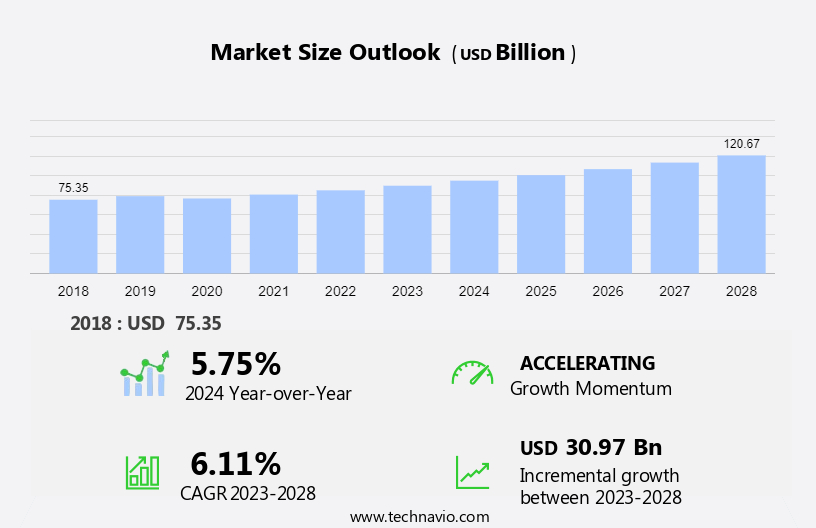
Automotive Multi Wheel Drive Systems Market Size

 Request Free Sample

  • The market is experiencing significant growth due to the increasing popularity of SUVs, pickup trucks, and luxury cars with all-wheel drive (AWD) and automatic multi-wheel drive (4WD) systems. Recreational activities such as off-roading events and adventure sports have driven demand for these vehicles, which offer improved driver safety, control, and stability in various terrain and weather conditions. The drivetrain system market, which includes differentials, sensors, and wheels, is a crucial component of these vehicles. Heavy vehicles, including commercial lorries and military vehicles, also utilize multi-wheel drive systems for enhanced torque and fuel efficiency. The market is expected to continue growing due to the affordability and advanced technology of automatic AWD and 4WD systems, making them increasingly accessible to a wider range of consumers.

How is this Automotive Multi Wheel Drive Systems Industry segmented and which is the largest segment?

The automotive multi wheel drive systems industry research report provides comprehensive data (region-wise segment analysis), with forecasts and estimates in "USD billion" for the period 2024-2028, as well as historical data from 2018-2022 for the following segments.

  • Type
    • Manual
    • Automatic
  • Vehicle Type
    • Passenger car
    • Commercial vehicle
  • Geography
    • APAC
      • China
      • Japan
      • South Korea
    • Europe
      • Germany
    • North America
      • US
    • South America
    • Middle East and Africa

By Type Insights

  • The manual segment is estimated to witness significant growth during the forecast period.

Manual automotive multi wheel drive systems enable drivers to manually engage or disengage four-wheel drive functionality in select vehicles, such as off-road vehicles, SUVs, and trucks. These systems utilize a transfer case with gears and mechanisms to switch between two-wheel drive and four-wheel drive modes. The manual control offers enhanced versatility for off-road conditions and is favored by professionals and enthusiasts seeking precise power distribution. Additionally, the growing emphasis on passenger safety contributes to the increasing demand for these systems. The manual automotive multi wheel drive system includes a differential to distribute power evenly to all wheels, ensuring optimal traction and performance.
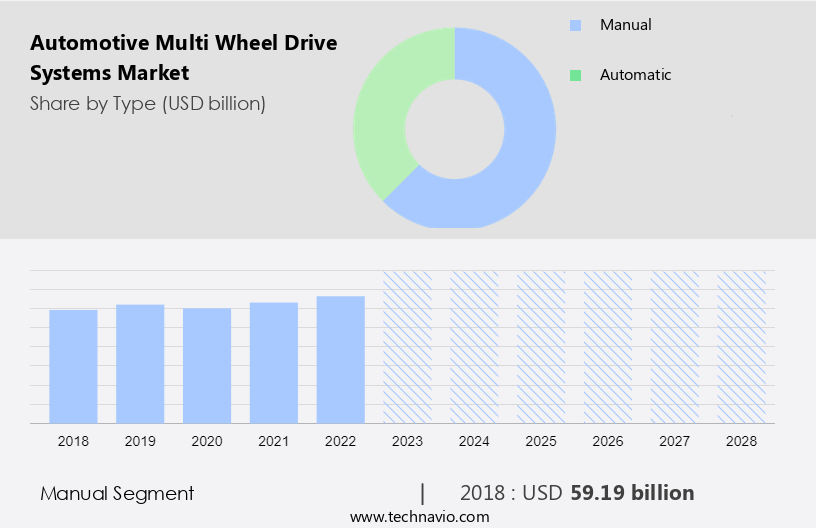
Automotive Multi Wheel Drive Systems Market Size

Get a glance at the  Automotive Multi Wheel Drive Systems Industry report of share of various segments Request Free Sample

The manual segment was valued at USD 59.19 billion in 2018 and showed a gradual increase during the forecast period.

Regional Analysis

  • APAC is estimated to contribute 44% to the growth of the global market during the forecast period.

Technavio's analysts have elaborately explained the regional trends and drivers that shape the market during the forecast period.
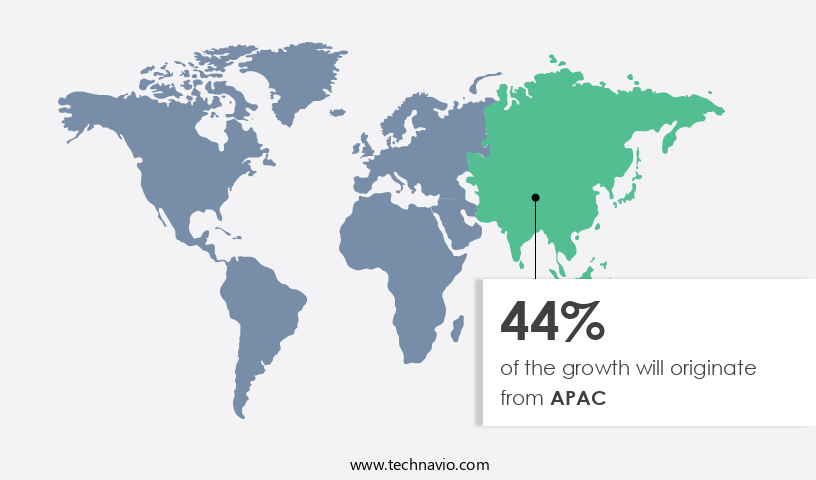
Automotive Multi Wheel Drive Systems Market Share by Geography

For more insights on the market share of various regions, Request Free Sample

The market for All-Wheel Drive (AWD) systems in automotive applications, particularly in SUVs, has witnessed significant growth due to increasing sales volumes in emerging economies such as China, Malaysia, Indonesia, India, and others. The demand for compact and mid-size SUVs in countries like India, Korea, and China is driving this trend. Improving economic conditions and socioeconomic factors, including the establishment of automotive manufacturing plants and a shift in consumer preferences towards larger, spacious vehicles, are additional growth drivers. AWD systems provide enhanced driver safety and improved vehicle performance on various terrains and weather conditions, making them increasingly popular among consumers. The APAC region is expected to dominate the global AWD market due to these factors.

Market Dynamics

Our automotive multi wheel drive systems market researchers analyzed the data with 2023 as the base year, along with the key drivers, trends, and challenges. A holistic analysis of drivers will help companies refine their marketing strategies to gain a competitive advantage.

What are the key market drivers leading to the rise In the adoption of Automotive Multi Wheel Drive Systems Industry?

Advantages associated with multi wheel drive system is the key driver of the market.

  • The market encompasses the production, sales, and installation of all-wheel drive (AWD) and four-wheel drive (4WD) systems in various vehicle types, including SUVs, trucks, commercial lorries, luxury cars, and passenger cars. These systems enhance driving safety and control, particularly during recreational activities such as off-roading events and adventure sports, as well as in adverse terrain and weather conditions. The drivetrain system's primary function is to distribute engine torque to all wheels, ensuring optimal control and stability, especially in heavy vehicles. Sensors play a crucial role in detecting road conditions and automatically engaging the AWD or 4WD system when necessary.
  • Advanced technologies like regenerative braking, hybrid powertrains, and electronic control units further improve fuel efficiency and driving dynamics. Consumer preferences for luxury driving experiences, enhanced safety, and improved driving characteristics have led to an increased demand for automatic multi-wheel drive systems. Safety awareness, affordability, and fuel economy norms are essential factors influencing the market's growth. The market caters to various vehicle segments, including light commercial vehicles, heavy commercial vehicles, and sports vehicles. Automobile companies invest in research and development to introduce innovative AWD and 4WD systems that cater to diverse consumer needs and preferences. The market's growth is driven by the increasing demand for improved driving experiences, advanced technologies, and safety concerns.

What are the market trends shaping the Automotive Multi Wheel Drive Systems Industry?

Growing demand for SUVs and pickup trucks is the upcoming market trend.

  • The market encompasses the production and supply of wheel drive systems for various vehicle types, including SUVs, trucks, commercial lorries, luxury cars, and passenger cars. These systems, which include All-Wheel Drive (AWD) and Four-Wheel Drive (4WD), provide enhanced control and stability, especially during recreational activities such as off-roading events and adventure sports. AWD systems use sensors to monitor terrain and weather conditions, ensuring optimal driving characteristics for the specific situation. Automakers are integrating advanced technologies like electronic control units, regenerative braking, and hybrid powertrains to improve fuel efficiency and safety. Manual and automatic MWD systems are available for different vehicle classes, from light commercial vehicles to heavy commercial vehicles.
  • Safety awareness and affordability are key consumer preferences, leading automobile companies to prioritize safety features and fuel economy norms. The market for multi-wheel drive systems is expanding, with increasing demand for luxury driving experiences and advanced technologies. However, the focus on driving dynamics and passenger safety remains paramount. Sedans, which are increasingly being equipped with multi-wheel drive systems, are witnessing the implementation of electric axles and hybrid powertrains, offering improved control and fuel efficiency.

What challenges does the Automotive Multi Wheel Drive Systems Industry face during its growth?

Incorporation of multi wheel drive system increases overall vehicle cost is a key challenge affecting the industry growth.

  • The market encompasses the production and implementation of advanced technologies in vehicles, enabling power distribution to all wheels for improved control and stability. SUVs, trucks, commercial lorries, luxury cars, and other passenger and commercial vehicles utilize these systems to enhance driver safety and optimize performance in various terrain and weather conditions. Components of multi-wheel drive systems include differentials, transfer cases, rear-drive shafts, rear axles, and sophisticated electronics. torque vectoring systems and limited-slip differentials are among the advanced features found in premium and luxury segments, catering to recreational activities such as off-roading events and adventure sports. Consumer preferences for SUVs and crossovers have led to a rise in demand for four-wheel drive systems.
  • However, the fuel economy of larger SUVs and their higher pricing have resulted in a shift towards compact SUVs and crossovers. Fuel efficiency, regenerative braking, and hybrid powertrains are essential considerations in the market, driven by increasing income levels, safety awareness, and fuel economy norms. Manual and automatic multi-wheel drive systems cater to various vehicle segments, including passenger cars, light commercial vehicles, and heavy commercial vehicles. Driving dynamics, passenger safety, and driving experience are crucial factors influencing consumer choices. Advanced technologies, such as sensors, electronic control units, and driving characteristics, are essential in ensuring optimal performance and safety.

Exclusive Customer Landscape

The automotive multi wheel drive systems market forecasting report includes the adoption lifecycle of the market, covering from the innovator's stage to the laggard's stage. It focuses on adoption rates in different regions based on penetration. Furthermore, the automotive multi wheel drive systems market report also includes key purchase criteria and drivers of price sensitivity to help companies evaluate and develop their market growth analysis strategies.
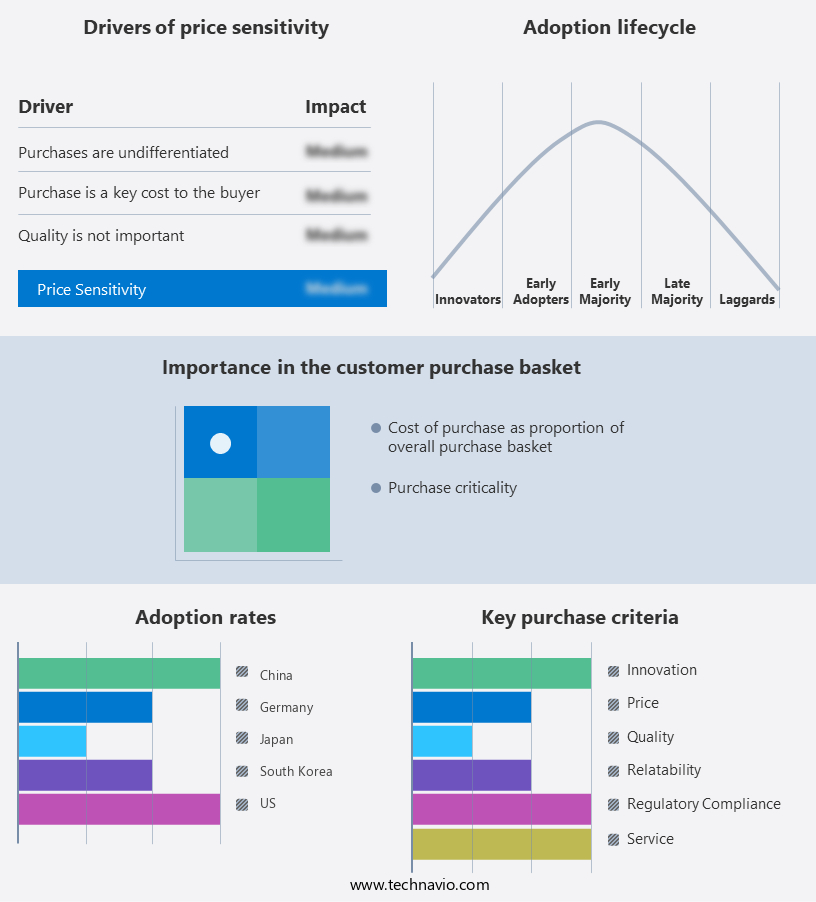
Automotive Multi Wheel Drive Systems Market Share by Geography

 Customer Landscape

Key Companies & Market Insights

Companies are implementing various strategies, such as strategic alliances, automotive multi wheel drive systems market forecast, partnerships, mergers and acquisitions, geographical expansion, and product/service launches, to enhance their presence In the industry.

The industry research and growth report includes detailed analyses of the competitive landscape of the market and information about key companies, including:

  • American Axle and Manufacturing Holdings Inc.
  • BorgWarner Inc.
  • Dana Inc.
  • Ford Motor Co.
  • GKN Automotive Ltd.
  • Honda Motor Co. Ltd.
  • Magna International Inc.
  • Mitsubishi Motors Corp.
  • Porsche Automobil Holding SE
  • Renault SAS
  • Toyota Motor Corp.
  • ZF Friedrichshafen AG

Qualitative and quantitative analysis of companies has been conducted to help clients understand the wider business environment as well as the strengths and weaknesses of key industry players. Data is qualitatively analyzed to categorize companies as pure play, category-focused, industry-focused, and diversified; it is quantitatively analyzed to categorize companies as dominant, leading, strong, tentative, and weak.

Research Analyst Overview

The automotive multi-wheel drive systems market encompasses a diverse range of applications, from recreational activities and off-roading events to commercial lorries and military vehicles. These systems, which include all-wheel drive (AWD), four-wheel drive (4WD), and manual and automatic multi-wheel drive (MWD and AMTWD), offer enhanced control and stability in various terrain and weather conditions. The demand for multi-wheel drive systems is driven by several factors. SUVs and pickup trucks, popular choices for adventure sports and recreational activities, often come equipped with these systems to provide better traction and driving dynamics on rough terrain. Luxury cars and sports vehicles also utilize these systems to improve driving experience and handling.

Driving conditions, such as urbanization and income levels, also influence the market dynamics. In densely populated areas, fuel efficiency and safety awareness are key considerations, making automatic multi-wheel drive systems with regenerative braking and hybrid powertrains increasingly popular. In contrast, heavy commercial vehicles and military applications prioritize heavy-duty performance and affordability. The automotive industry is continuously innovating to meet consumer preferences and regulatory requirements. Advanced technologies, such as sensors and electronic control units, are integrated into multi-wheel drive systems to optimize torque distribution and improve control and stability. Fuel economy norms and safety regulations further push automobile companies to develop more efficient and safe systems.

Automotive Multi Wheel Drive Systems Market Scope

Report Coverage

Details

Page number

155

Base year

2023

Historic period

2018-2022

Forecast period

2024-2028

Growth momentum & CAGR

Accelerate at a CAGR of 6.11%

Market growth 2024-2028

USD 30.97 billion

Market structure

Fragmented

YoY growth 2023-2024(%)

5.75

Key countries

US, China, Japan, South Korea, and Germany

Competitive landscape

Leading Companies, Market Positioning of Companies, Competitive Strategies, and Industry Risks

Request Free Sample

What are the Key Data Covered in this Automotive Multi Wheel Drive Systems Market Research and Growth Report?

  • CAGR of the Automotive Multi Wheel Drive Systems industry during the forecast period
  • Detailed information on factors that will drive the Automotive Multi Wheel Drive Systems Market growth and forecasting between 2024 and 2028
  • Precise estimation of the size of the market and its contribution of the industry in focus to the parent market
  • Accurate predictions about upcoming growth and trends and changes in consumer behaviour
  • Growth of the market across APAC, Europe, North America, South America, and Middle East and Africa
  • Thorough analysis of the market's competitive landscape and detailed information about companies
  • Comprehensive analysis of factors that will challenge the automotive multi wheel drive systems market growth of industry companies

We can help! Our analysts can customize this automotive multi wheel drive systems market research report to meet your requirements.

Get in touch

1 Executive Summary

  • 1.1 Market overview
    • Exhibit 01: Executive Summary – Chart on Market Overview
    • Exhibit 02: Executive Summary – Data Table on Market Overview
    • Exhibit 03: Executive Summary – Chart on Global Market Characteristics
    • Exhibit 04: Executive Summary – Chart on Market by Geography
    • Exhibit 05: Executive Summary – Chart on Market Segmentation by Type
    • Exhibit 06: Executive Summary – Chart on Market Segmentation by Vehicle Type
    • Exhibit 07: Executive Summary – Chart on Incremental Growth
    • Exhibit 08: Executive Summary – Data Table on Incremental Growth
    • Exhibit 09: Executive Summary – Chart on Vendor Market Positioning

2 Market Landscape

  • 2.1 Market ecosystem
    • Exhibit 10: Parent market
    • Exhibit 11: Market Characteristics

3 Market Sizing

  • 3.1 Market definition
    • Exhibit 12: Offerings of vendors included in the market definition
  • 3.2 Market segment analysis
    • Exhibit 13: Market segments
  • 3.3 Market size 2023
    • 3.4 Market outlook: Forecast for 2023-2028
      • Exhibit 14: Chart on Global - Market size and forecast 2023-2028 ($ billion)
      • Exhibit 15: Data Table on Global - Market size and forecast 2023-2028 ($ billion)
      • Exhibit 16: Chart on Global Market: Year-over-year growth 2023-2028 (%)
      • Exhibit 17: Data Table on Global Market: Year-over-year growth 2023-2028 (%)

    4 Historic Market Size

    • 4.1 Global automotive multi wheel drive systems market 2018 - 2022
      • Exhibit 18: Historic Market Size – Data Table on global automotive multi wheel drive systems market 2018 - 2022 ($ billion)
    • 4.2 Type Segment Analysis 2018 - 2022
      • Exhibit 19: Historic Market Size – Type Segment 2018 - 2022 ($ billion)
    • 4.3 Vehicle type Segment Analysis 2018 - 2022
      • Exhibit 20: Historic Market Size – Vehicle type Segment 2018 - 2022 ($ billion)
    • 4.4 Geography Segment Analysis 2018 - 2022
      • Exhibit 21: Historic Market Size – Geography Segment 2018 - 2022 ($ billion)
    • 4.5 Country Segment Analysis 2018 - 2022
      • Exhibit 22: Historic Market Size – Country Segment 2018 - 2022 ($ billion)

    5 Five Forces Analysis

    • 5.1 Five forces summary
      • Exhibit 23: Five forces analysis - Comparison between 2023 and 2028
    • 5.2 Bargaining power of buyers
      • Exhibit 24: Chart on Bargaining power of buyers – Impact of key factors 2023 and 2028
    • 5.3 Bargaining power of suppliers
      • Exhibit 25: Bargaining power of suppliers – Impact of key factors in 2023 and 2028
    • 5.4 Threat of new entrants
      • Exhibit 26: Threat of new entrants – Impact of key factors in 2023 and 2028
    • 5.5 Threat of substitutes
      • Exhibit 27: Threat of substitutes – Impact of key factors in 2023 and 2028
    • 5.6 Threat of rivalry
      • Exhibit 28: Threat of rivalry – Impact of key factors in 2023 and 2028
    • 5.7 Market condition
      • Exhibit 29: Chart on Market condition - Five forces 2023 and 2028

    6 Market Segmentation by Type

    • 6.1 Market segments
      • Exhibit 30: Chart on Type - Market share 2023-2028 (%)
      • Exhibit 31: Data Table on Type - Market share 2023-2028 (%)
    • 6.2 Comparison by Type
      • Exhibit 32: Chart on Comparison by Type
      • Exhibit 33: Data Table on Comparison by Type
    • 6.3 Manual - Market size and forecast 2023-2028
      • Exhibit 34: Chart on Manual - Market size and forecast 2023-2028 ($ billion)
      • Exhibit 35: Data Table on Manual - Market size and forecast 2023-2028 ($ billion)
      • Exhibit 36: Chart on Manual - Year-over-year growth 2023-2028 (%)
      • Exhibit 37: Data Table on Manual - Year-over-year growth 2023-2028 (%)
    • 6.4 Automatic - Market size and forecast 2023-2028
      • Exhibit 38: Chart on Automatic - Market size and forecast 2023-2028 ($ billion)
      • Exhibit 39: Data Table on Automatic - Market size and forecast 2023-2028 ($ billion)
      • Exhibit 40: Chart on Automatic - Year-over-year growth 2023-2028 (%)
      • Exhibit 41: Data Table on Automatic - Year-over-year growth 2023-2028 (%)
    • 6.5 Market opportunity by Type
      • Exhibit 42: Market opportunity by Type ($ billion)
      • Exhibit 43: Data Table on Market opportunity by Type ($ billion)

    7 Market Segmentation by Vehicle Type

    • 7.1 Market segments
      • Exhibit 44: Chart on Vehicle Type - Market share 2023-2028 (%)
      • Exhibit 45: Data Table on Vehicle Type - Market share 2023-2028 (%)
    • 7.2 Comparison by Vehicle Type
      • Exhibit 46: Chart on Comparison by Vehicle Type
      • Exhibit 47: Data Table on Comparison by Vehicle Type
    • 7.3 Passenger car - Market size and forecast 2023-2028
      • Exhibit 48: Chart on Passenger car - Market size and forecast 2023-2028 ($ billion)
      • Exhibit 49: Data Table on Passenger car - Market size and forecast 2023-2028 ($ billion)
      • Exhibit 50: Chart on Passenger car - Year-over-year growth 2023-2028 (%)
      • Exhibit 51: Data Table on Passenger car - Year-over-year growth 2023-2028 (%)
    • 7.4 Commercial vehicle - Market size and forecast 2023-2028
      • Exhibit 52: Chart on Commercial vehicle - Market size and forecast 2023-2028 ($ billion)
      • Exhibit 53: Data Table on Commercial vehicle - Market size and forecast 2023-2028 ($ billion)
      • Exhibit 54: Chart on Commercial vehicle - Year-over-year growth 2023-2028 (%)
      • Exhibit 55: Data Table on Commercial vehicle - Year-over-year growth 2023-2028 (%)
    • 7.5 Market opportunity by Vehicle Type
      • Exhibit 56: Market opportunity by Vehicle Type ($ billion)
      • Exhibit 57: Data Table on Market opportunity by Vehicle Type ($ billion)

    8 Customer Landscape

    • 8.1 Customer landscape overview
      • Exhibit 58: Analysis of price sensitivity, lifecycle, customer purchase basket, adoption rates, and purchase criteria

    9 Geographic Landscape

    • 9.1 Geographic segmentation
      • Exhibit 59: Chart on Market share by geography 2023-2028 (%)
      • Exhibit 60: Data Table on Market share by geography 2023-2028 (%)
    • 9.2 Geographic comparison
      • Exhibit 61: Chart on Geographic comparison
      • Exhibit 62: Data Table on Geographic comparison
    • 9.3 APAC - Market size and forecast 2023-2028
      • Exhibit 63: Chart on APAC - Market size and forecast 2023-2028 ($ billion)
      • Exhibit 64: Data Table on APAC - Market size and forecast 2023-2028 ($ billion)
      • Exhibit 65: Chart on APAC - Year-over-year growth 2023-2028 (%)
      • Exhibit 66: Data Table on APAC - Year-over-year growth 2023-2028 (%)
    • 9.4 Europe - Market size and forecast 2023-2028
      • Exhibit 67: Chart on Europe - Market size and forecast 2023-2028 ($ billion)
      • Exhibit 68: Data Table on Europe - Market size and forecast 2023-2028 ($ billion)
      • Exhibit 69: Chart on Europe - Year-over-year growth 2023-2028 (%)
      • Exhibit 70: Data Table on Europe - Year-over-year growth 2023-2028 (%)
    • 9.5 North America - Market size and forecast 2023-2028
      • Exhibit 71: Chart on North America - Market size and forecast 2023-2028 ($ billion)
      • Exhibit 72: Data Table on North America - Market size and forecast 2023-2028 ($ billion)
      • Exhibit 73: Chart on North America - Year-over-year growth 2023-2028 (%)
      • Exhibit 74: Data Table on North America - Year-over-year growth 2023-2028 (%)
    • 9.6 South America - Market size and forecast 2023-2028
      • Exhibit 75: Chart on South America - Market size and forecast 2023-2028 ($ billion)
      • Exhibit 76: Data Table on South America - Market size and forecast 2023-2028 ($ billion)
      • Exhibit 77: Chart on South America - Year-over-year growth 2023-2028 (%)
      • Exhibit 78: Data Table on South America - Year-over-year growth 2023-2028 (%)
    • 9.7 Middle East and Africa - Market size and forecast 2023-2028
      • Exhibit 79: Chart on Middle East and Africa - Market size and forecast 2023-2028 ($ billion)
      • Exhibit 80: Data Table on Middle East and Africa - Market size and forecast 2023-2028 ($ billion)
      • Exhibit 81: Chart on Middle East and Africa - Year-over-year growth 2023-2028 (%)
      • Exhibit 82: Data Table on Middle East and Africa - Year-over-year growth 2023-2028 (%)
    • 9.8 China - Market size and forecast 2023-2028
      • Exhibit 83: Chart on China - Market size and forecast 2023-2028 ($ billion)
      • Exhibit 84: Data Table on China - Market size and forecast 2023-2028 ($ billion)
      • Exhibit 85: Chart on China - Year-over-year growth 2023-2028 (%)
      • Exhibit 86: Data Table on China - Year-over-year growth 2023-2028 (%)
    • 9.9 US - Market size and forecast 2023-2028
      • Exhibit 87: Chart on US - Market size and forecast 2023-2028 ($ billion)
      • Exhibit 88: Data Table on US - Market size and forecast 2023-2028 ($ billion)
      • Exhibit 89: Chart on US - Year-over-year growth 2023-2028 (%)
      • Exhibit 90: Data Table on US - Year-over-year growth 2023-2028 (%)
    • 9.10 Japan - Market size and forecast 2023-2028
      • Exhibit 91: Chart on Japan - Market size and forecast 2023-2028 ($ billion)
      • Exhibit 92: Data Table on Japan - Market size and forecast 2023-2028 ($ billion)
      • Exhibit 93: Chart on Japan - Year-over-year growth 2023-2028 (%)
      • Exhibit 94: Data Table on Japan - Year-over-year growth 2023-2028 (%)
    • 9.11 Germany - Market size and forecast 2023-2028
      • Exhibit 95: Chart on Germany - Market size and forecast 2023-2028 ($ billion)
      • Exhibit 96: Data Table on Germany - Market size and forecast 2023-2028 ($ billion)
      • Exhibit 97: Chart on Germany - Year-over-year growth 2023-2028 (%)
      • Exhibit 98: Data Table on Germany - Year-over-year growth 2023-2028 (%)
    • 9.12 South Korea - Market size and forecast 2023-2028
      • Exhibit 99: Chart on South Korea - Market size and forecast 2023-2028 ($ billion)
      • Exhibit 100: Data Table on South Korea - Market size and forecast 2023-2028 ($ billion)
      • Exhibit 101: Chart on South Korea - Year-over-year growth 2023-2028 (%)
      • Exhibit 102: Data Table on South Korea - Year-over-year growth 2023-2028 (%)
    • 9.13 Market opportunity by geography
      • Exhibit 103: Market opportunity by geography ($ billion)
      • Exhibit 104: Data Tables on Market opportunity by geography ($ billion)

    10 Drivers, Challenges, and Trends

    • 10.1 Market drivers
      • 10.2 Market challenges
        • 10.3 Impact of drivers and challenges
          • Exhibit 105: Impact of drivers and challenges in 2023 and 2028
        • 10.4 Market trends

          11 Vendor Landscape

          • 11.1 Overview
            • 11.2 Vendor landscape
              • Exhibit 106: Overview on Criticality of inputs and Factors of differentiation
            • 11.3 Landscape disruption
              • Exhibit 107: Overview on factors of disruption
            • 11.4 Industry risks
              • Exhibit 108: Impact of key risks on business

            12 Vendor Analysis

            • 12.1 Vendors covered
              • Exhibit 109: Vendors covered
            • 12.2 Market positioning of vendors
              • Exhibit 110: Matrix on vendor position and classification
            • 12.3 American Axle and Manufacturing Holdings Inc.
              • Exhibit 111: American Axle and Manufacturing Holdings Inc. - Overview
              • Exhibit 112: American Axle and Manufacturing Holdings Inc. - Business segments
              • Exhibit 113: American Axle and Manufacturing Holdings Inc. - Key offerings
              • Exhibit 114: American Axle and Manufacturing Holdings Inc. - Segment focus
            • 12.4 BorgWarner Inc.
              • Exhibit 115: BorgWarner Inc. - Overview
              • Exhibit 116: BorgWarner Inc. - Business segments
              • Exhibit 117: BorgWarner Inc. - Key news
              • Exhibit 118: BorgWarner Inc. - Key offerings
              • Exhibit 119: BorgWarner Inc. - Segment focus
            • 12.5 Dana Inc.
              • Exhibit 120: Dana Inc. - Overview
              • Exhibit 121: Dana Inc. - Business segments
              • Exhibit 122: Dana Inc. - Key news
              • Exhibit 123: Dana Inc. - Key offerings
              • Exhibit 124: Dana Inc. - Segment focus
            • 12.6 Ford Motor Co.
              • Exhibit 125: Ford Motor Co. - Overview
              • Exhibit 126: Ford Motor Co. - Business segments
              • Exhibit 127: Ford Motor Co. - Key news
              • Exhibit 128: Ford Motor Co. - Key offerings
              • Exhibit 129: Ford Motor Co. - Segment focus
            • 12.7 GKN Automotive Ltd.
              • Exhibit 130: GKN Automotive Ltd. - Overview
              • Exhibit 131: GKN Automotive Ltd. - Product / Service
              • Exhibit 132: GKN Automotive Ltd. - Key offerings
            • 12.8 Honda Motor Co. Ltd.
              • Exhibit 133: Honda Motor Co. Ltd. - Overview
              • Exhibit 134: Honda Motor Co. Ltd. - Business segments
              • Exhibit 135: Honda Motor Co. Ltd. - Key news
              • Exhibit 136: Honda Motor Co. Ltd. - Key offerings
              • Exhibit 137: Honda Motor Co. Ltd. - Segment focus
            • 12.9 Magna International Inc.
              • Exhibit 138: Magna International Inc. - Overview
              • Exhibit 139: Magna International Inc. - Business segments
              • Exhibit 140: Magna International Inc. - Key news
              • Exhibit 141: Magna International Inc. - Key offerings
              • Exhibit 142: Magna International Inc. - Segment focus
            • 12.10 Mitsubishi Motors Corp.
              • Exhibit 143: Mitsubishi Motors Corp. - Overview
              • Exhibit 144: Mitsubishi Motors Corp. - Business segments
              • Exhibit 145: Mitsubishi Motors Corp. - Key offerings
              • Exhibit 146: Mitsubishi Motors Corp. - Segment focus
            • 12.11 Porsche Automobil Holding SE
              • Exhibit 147: Porsche Automobil Holding SE - Overview
              • Exhibit 148: Porsche Automobil Holding SE - Business segments
              • Exhibit 149: Porsche Automobil Holding SE - Key offerings
              • Exhibit 150: Porsche Automobil Holding SE - Segment focus
            • 12.12 Renault SAS
              • Exhibit 151: Renault SAS - Overview
              • Exhibit 152: Renault SAS - Product / Service
              • Exhibit 153: Renault SAS - Key offerings
            • 12.13 Toyota Motor Corp.
              • Exhibit 154: Toyota Motor Corp. - Overview
              • Exhibit 155: Toyota Motor Corp. - Business segments
              • Exhibit 156: Toyota Motor Corp. - Key offerings
              • Exhibit 157: Toyota Motor Corp. - Segment focus
            • 12.14 ZF Friedrichshafen AG
              • Exhibit 158: ZF Friedrichshafen AG - Overview
              • Exhibit 159: ZF Friedrichshafen AG - Business segments
              • Exhibit 160: ZF Friedrichshafen AG - Key news
              • Exhibit 161: ZF Friedrichshafen AG - Key offerings
              • Exhibit 162: ZF Friedrichshafen AG - Segment focus

            13 Appendix

            • 13.1 Scope of the report
              • 13.2 Inclusions and exclusions checklist
                • Exhibit 163: Inclusions checklist
                • Exhibit 164: Exclusions checklist
              • 13.3 Currency conversion rates for US$
                • Exhibit 165: Currency conversion rates for US$
              • 13.4 Research methodology
                • Exhibit 166: Research methodology
                • Exhibit 167: Validation techniques employed for market sizing
                • Exhibit 168: Information sources
              • 13.5 List of abbreviations
                • Exhibit 169: List of abbreviations

              Research Methodology

              Technavio presents a detailed picture of the market by way of study, synthesis, and summation of data from multiple sources. The analysts have presented the various facets of the market with a particular focus on identifying the key industry influencers. The data thus presented is comprehensive, reliable, and the result of extensive research, both primary and secondary.

              INFORMATION SOURCES

              Primary sources

              • Manufacturers and suppliers
              • Channel partners
              • Industry experts
              • Strategic decision makers

              Secondary sources

              • Industry journals and periodicals
              • Government data
              • Financial reports of key industry players
              • Historical data
              • Press releases

              DATA ANALYSIS

              Data Synthesis

              • Collation of data
              • Estimation of key figures
              • Analysis of derived insights

              Data Validation

              • Triangulation with data models
              • Reference against proprietary databases
              • Corroboration with industry experts

              REPORT WRITING

              Qualitative

              • Market drivers
              • Market challenges
              • Market trends
              • Five forces analysis

              Quantitative

              • Market size and forecast
              • Market segmentation
              • Geographical insights
              • Competitive landscape

              Interested in this report?

              Get your sample now to see our research methodology and insights!

              Download Now

              Frequently Asked Questions

              Automotive Multi Wheel Drive Systems market growth will increase by $ 30.97 bn during 2024-2028 .

              The Automotive Multi Wheel Drive Systems market is expected to grow at a CAGR of 6.11% during 2024-2028 .

              Automotive Multi Wheel Drive Systems market is segmented by Type( Manual, Automatic) Vehicle Type( Passenger car, Commercial vehicle)

              American Axle and Manufacturing Holdings Inc., BorgWarner Inc., Dana Inc., Ford Motor Co., GKN Automotive Ltd., Honda Motor Co. Ltd., Magna International Inc., Mitsubishi Motors Corp., Porsche Automobil Holding SE, Renault SAS, Toyota Motor Corp., ZF Friedrichshafen AG are a few of the key vendors in the Automotive Multi Wheel Drive Systems market.

              APAC will register the highest growth rate of 44% among the other regions. Therefore, the Automotive Multi Wheel Drive Systems market in APAC is expected to garner significant business opportunities for the vendors during the forecast period.

              US, China, Japan, South Korea, Germany

              • Advantages associated with multi wheel drive systemOn-road accidents and collisions can occur due to internal or external factors is the driving factor this market.
              • which lead to severe injuries or loss of life. Studies indicate that wet and slippery roads are the major reasons for road crashes is the driving factor this market.
              • with over 73% of collisions taking place under such conditions. When a vehicle loses traction on a slippery road is the driving factor this market.
              • the driver loses control of the vehicle is the driving factor this market.
              • which mostly leads to collisions. The four-wheel drive system plays a vital role in such conditions by allowing all four wheels to have the maximum traction. This reduces the probability of a vehicle losing control on slippery roads. However is the driving factor this market.
              • a four-wheel drive system is is the driving factor this market.
              • by default is the driving factor this market.
              • a two-wheel drive is the driving factor this market.
              • which requires the driver to switch the mode to a four-wheel drive. An AWD system engages all the wheels full-time without the need for the driver to switch between the modes. It helps in attaining superior driving dynamics and provides comfort to the driver while traversing through different terrains. An I-AWD system is the driving factor this market.
              • which is an advanced form of four-wheel drive is the driving factor this market.
              • is used in luxury SUVs and sedans. It collects information through sensors that track the wheel steering angle is the driving factor this market.
              • wheel speed is the driving factor this market.
              • yaw rate is the driving factor this market.
              • and type of road to adjust the torque to the wheel even before it loses traction within a second. It can also move the torque to an individual wheel if it senses a loss of traction. An I-AWD system engages two-wheel drive in normal driving conditions and automatically shifts to AWD based on road conditions. It offers a higher level of safety and convenience than a four-wheel drive. A multi wheel drive system improves the off-road capability and performance of a vehicle by automatically varying the torque to all wheels. This helps in maintaining traction on rough terrains is the driving factor this market.
              • especially when moving uphill or driving through gravel is the driving factor this market.
              • snow is the driving factor this market.
              • and rain. The safety level of the vehicle and vehicle dynamics are also improved. Such aspects drive the growth of the global automotive multi wheel drive systems market during the forecast period. is the driving factor this market.

              The Automotive Multi Wheel Drive Systems market vendors should focus on grabbing business opportunities from the Manual segment as it accounted for the largest market share in the base year.
