



Automotive Prognostics Market Size 2026-2030
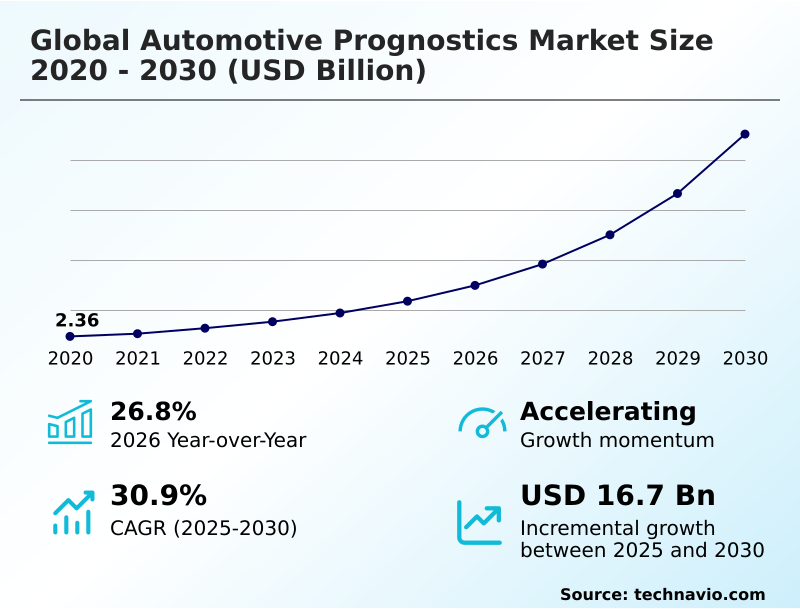
The automotive prognostics market size is valued to increase by USD 16.70 billion, at a CAGR of 30.9% from 2025 to 2030. Increasing vehicle complexity and proliferation of connected technologies will drive the automotive prognostics market.
Major Market Trends & Insights
- North America dominated the market and accounted for a 41.6% growth during the forecast period.
- By Application - Passenger cars segment was valued at USD 3.34 billion in 2024
- By End-user - Aftermarket segment accounted for the largest market revenue share in 2024
Market Size & Forecast
- Market Opportunities: USD 20.23 billion
- Market Future Opportunities: USD 16.70 billion
- CAGR from 2025 to 2030 : 30.9%
Market Summary
- The automotive prognostics market is fundamentally reshaping vehicle lifecycle management. This evolution is driven by the escalating complexity of modern vehicles and the convergence of advanced analytics, AI, and IoT, which enable a proactive shift from reactive repairs to predictive maintenance.
- A key trend is the integration of machine learning for enhanced predictive accuracy, allowing systems to forecast component failures with unprecedented precision. This capability is crucial for managing the total cost of ownership, a primary concern for commercial fleet operators who leverage prognostics-as-a-service to minimize costly, unscheduled downtime.
- For instance, a logistics company can use drivetrain predictive analytics and brake wear prediction to schedule maintenance across its fleet, optimizing vehicle availability and ensuring delivery timelines. However, the industry faces challenges related to data privacy and security, the high costs of implementation, and a lack of standardization, which can hinder the interoperability of systems from different vendors.
- As vehicles become increasingly software-defined, addressing these issues while leveraging technologies like digital twin technology will be critical for realizing the full potential of holistic vehicle health management. The use of onboard diagnostic (OBD-II) systems in the aftermarket also expands these capabilities to older vehicles.
What will be the Size of the Automotive Prognostics Market during the forecast period?
Get Key Insights on Market Forecast (PDF) Get Free Sample
How is the Automotive Prognostics Market Segmented?
The automotive prognostics industry research report provides comprehensive data (region-wise segment analysis), with forecasts and estimates in "USD million" for the period 2026-2030, as well as historical data from 2020-2024 for the following segments.
- Application
- Passenger cars
- Commercial vehicles
- End-user
- Aftermarket
- OEMs
- Component
- Hardware
- Software
- Services
- Geography
- North America
- US
- Canada
- Mexico
- Europe
- Germany
- France
- UK
- APAC
- China
- Japan
- India
- South America
- Brazil
- Argentina
- Middle East and Africa
- Saudi Arabia
- UAE
- South Africa
- Rest of World (ROW)
- North America
By Application Insights
The passenger cars segment is estimated to witness significant growth during the forecast period.
The passenger car segment is undergoing a significant transformation, driven by the integration of connected car technologies and growing consumer demand for improved vehicle reliability.
OEMs are embedding sophisticated systems that leverage vehicle sensor data analytics to facilitate a shift from reactive repairs to proactive maintenance.
The implementation of predictive analytics is central to this evolution, enabling real-time vehicle health monitoring and accurate component degradation modeling. For electric vehicles, this includes critical state-of-health (SOH) monitoring for high-voltage batteries, a key factor in owner confidence.
The move toward software-defined vehicle (SDV) architectures and the use of digital twin technology further supports these capabilities, with select platforms now achieving over 90% accuracy in powertrain failure prediction, significantly reducing unexpected breakdowns and enhancing warranty cost reduction.
This focus on enhanced predictive accuracy is redefining vehicle ownership.
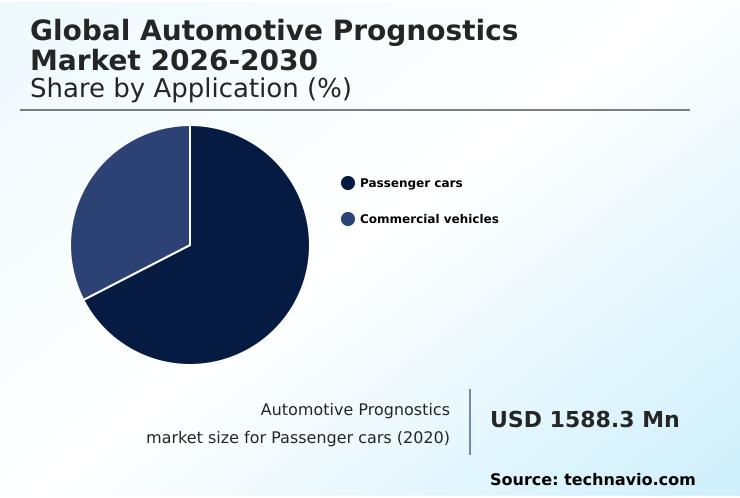
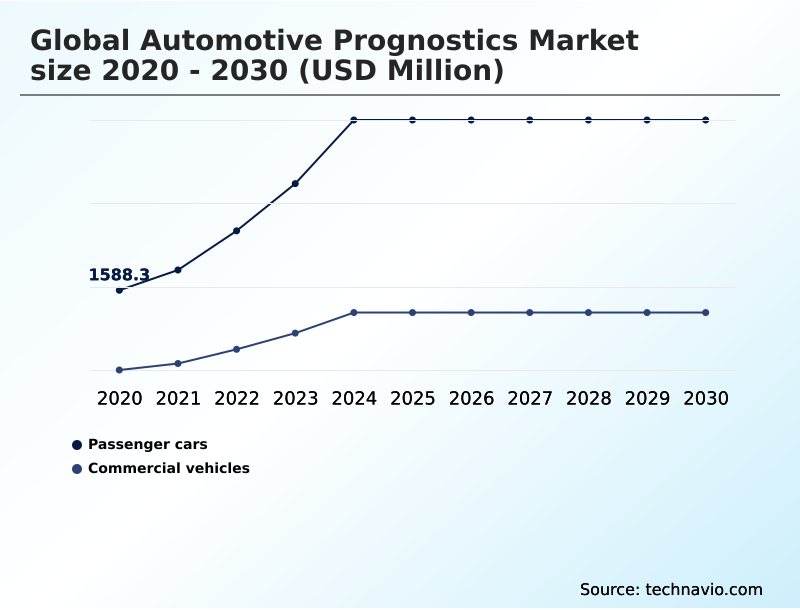
The Passenger cars segment was valued at USD 3.34 billion in 2024 and showed a gradual increase during the forecast period.
Regional Analysis
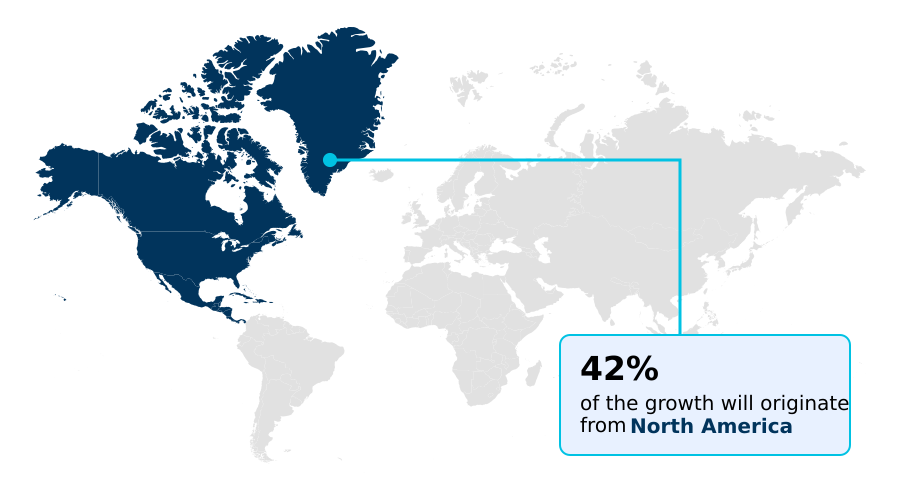
North America is estimated to contribute 41.6% to the growth of the global market during the forecast period.Technavio’s analysts have elaborately explained the regional trends and drivers that shape the market during the forecast period.
See How Automotive Prognostics Market Demand is Rising in North America Get Free Sample
The geographic landscape of the automotive prognostics market is diverse, with distinct regional dynamics.
North America is set to contribute over 41% of the market's incremental growth, driven by a mature commercial fleet sector focused on fleet management optimization and the high adoption of connected car service monetization.
Europe, with a growth rate over 31%, leads in regulatory-driven adoption, particularly for predictive analytics for EVs due to stringent emissions targets.
However, APAC is projected to be the fastest-growing region at over 31.5%, fueled by massive vehicle production and government mandates for real-time vehicle health monitoring in new energy vehicles.
This regional variance underscores different priorities, from OEM-integrated prognostics in Europe to scalable cloud-based analytics platforms in APAC's high-volume markets, shaping global strategies for digital service records and proprietary data access challenges.
Market Dynamics
Our researchers analyzed the data with 2025 as the base year, along with the key drivers, trends, and challenges. A holistic analysis of drivers will help companies refine their marketing strategies to gain a competitive advantage.
- The advancement of the automotive prognostics market is increasingly defined by specialized applications and sophisticated technological integrations. The use of machine learning models for EV battery degradation is becoming a critical differentiator for electric vehicle manufacturers, directly addressing consumer concerns about battery longevity and replacement costs.
- For commercial applications, predictive maintenance for commercial vehicle fleets is a primary focus, where the goal is to achieve near-zero unplanned downtime. This is accomplished through systems that provide real-time remaining useful life prediction for critical components. The growing connectivity of vehicles also necessitates robust cybersecurity measures for automotive telematics to protect against data breaches and manipulation.
- A key enabler of this progress is the use of OTA updates for prognostic algorithm enhancement, allowing for continuous improvement without physical recalls. For example, fleets that implement condition-based maintenance for powertrain systems have reported operational efficiency gains that are twice as effective as those relying on traditional scheduled maintenance.
- Furthermore, the development of digital twin simulation for vehicle testing accelerates the validation of these complex algorithms. Addressing challenges such as data standardization for interoperable prognostic systems is crucial for the industry to move forward. The impact of SDV architecture on prognostics is profound, enabling more centralized and powerful analytical capabilities.
- Ultimately, the successful deployment of AI for reducing unscheduled vehicle downtime is the key metric for success, demonstrating a clear ROI analysis of predictive maintenance implementation for stakeholders across the ecosystem, including those focused on integrating prognostics with fleet management software.
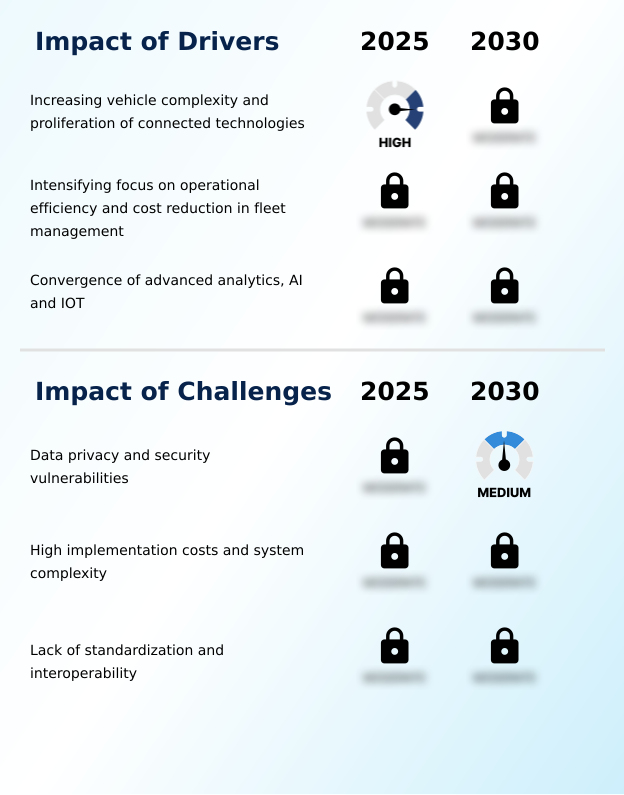
What are the key market drivers leading to the rise in the adoption of Automotive Prognostics Industry?
- The increasing complexity of modern vehicles, combined with the proliferation of connected technologies, serves as a key driver for the market's growth.
- Increasing vehicle complexity, featuring intricate electronic control unit (ECU) monitoring and advanced driver-assistance systems (ADAS), is a primary driver. This complexity renders traditional maintenance inadequate, creating demand for proactive condition-based maintenance.
- For commercial fleets, the focus on operational efficiency improvement and total cost of ownership reduction is paramount. One pilot program using a predictive maintenance platform reported a 20% reduction in unscheduled downtime, demonstrating clear predictive maintenance ROI.
- The convergence of AI and IoT provides the technological backbone, with vehicle sensor data analytics and failure pattern recognition transforming raw data into actionable insights for proactive maintenance scheduling.
- This synergy is enabling a new generation of highly accurate solutions like vehicle-to-everything (V2X) communication that maximize asset uptime maximization and operational performance.
What are the market trends shaping the Automotive Prognostics Industry?
- The integration of machine learning to enhance predictive accuracy is a prominent upcoming market trend. This is expected to significantly improve the reliability of vehicle maintenance forecasts.
- The market is being reshaped by the integration of machine learning algorithms for enhanced predictive accuracy. The rise of the software-defined vehicle (SDV) is transformative, enabling the continuous deployment of prognostic algorithm refinement through over-the-air (OTA) updates. This creates a dynamic ecosystem where predictive maintenance software evolves over the vehicle's lifecycle.
- A key application is EV battery lifecycle management, where one manufacturer's mandatory OTA update improved EV battery degradation analysis. For commercial fleets, solutions incorporating AI-powered diagnostic tools now achieve over 90% accuracy in powertrain failure prediction.
- This move towards holistic vehicle health management and subscription-based service models is a defining trend, but it also elevates the importance of cybersecurity for connected vehicles to protect sensitive data streams and ensure system integrity through secure OTA update protocols.
What challenges does the Automotive Prognostics Industry face during its growth?
- Persistent data privacy concerns and security vulnerabilities present a significant challenge to the growth of the automotive prognostics industry.
- Significant challenges temper market growth, including concerns over data privacy and security. The vast data collected for real-time fault detection and after-treatment system monitoring creates vulnerabilities, leading to stricter regulations and higher telematics service costs. High implementation costs and system complexity and integration are also barriers, with a notable increase in software-related vehicle recalls adding to financial strain.
- While effective prognostics can mitigate issues like unplanned downtime, which can cost automotive plants up to USD 2.3 million per hour, the initial investment is substantial. Furthermore, the lack of standardization and interoperability across proprietary systems and the need for UNECE WP.29 compliance hinders the development of universal aftermarket prognostic solutions.
- This fragmentation complicates telematics data integration and limits the effectiveness of multi-brand fleet prognostics.
Exclusive Technavio Analysis on Customer Landscape
The automotive prognostics market forecasting report includes the adoption lifecycle of the market, covering from the innovator’s stage to the laggard’s stage. It focuses on adoption rates in different regions based on penetration. Furthermore, the automotive prognostics market report also includes key purchase criteria and drivers of price sensitivity to help companies evaluate and develop their market growth analysis strategies.
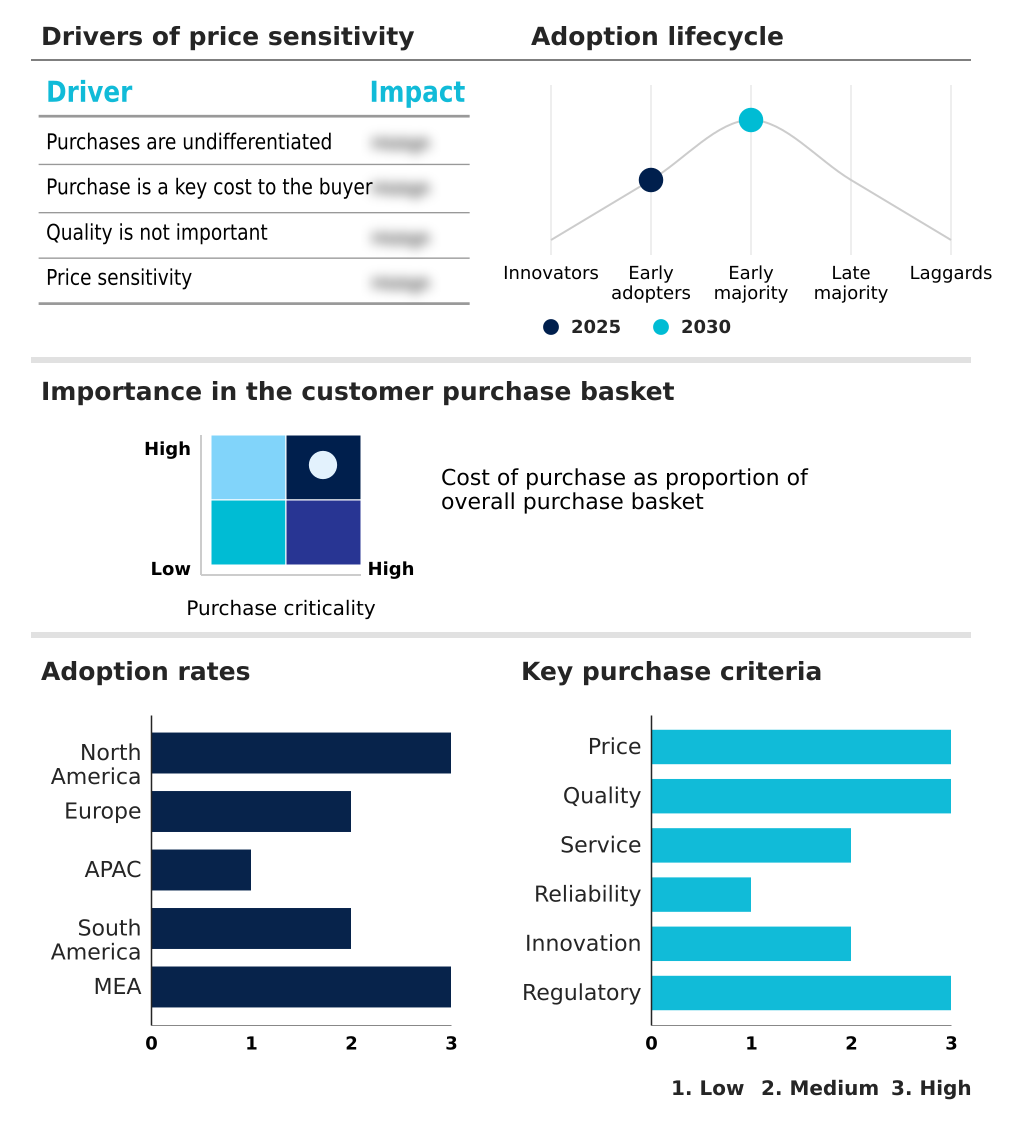
Customer Landscape of Automotive Prognostics Industry
Competitive Landscape
Companies are implementing various strategies, such as strategic alliances, automotive prognostics market forecast, partnerships, mergers and acquisitions, geographical expansion, and product/service launches, to enhance their presence in the industry.
ANSYS Inc. - Provides simulation and predictive modeling solutions delivering critical insights into vehicle reliability and performance, enabling data-driven predictive maintenance strategies.
The industry research and growth report includes detailed analyses of the competitive landscape of the market and information about key companies, including:
- ANSYS Inc.
- Broadcom Inc.
- Cloudera Inc.
- Continental AG
- Dell Technologies Inc.
- Digital Management LLC
- Garrett Motion Inc.
- IBM Corp.
- Magna International Inc.
- Open Text Corp.
- Pioneer Corp.
- Predii Inc.
- Preteckt Inc.
- Progress Software Corp.
- Ridgetop Group Inc.
- Robert Bosch GmbH
- Samsung Electronics Co. Ltd.
- Solera Holdings LLC
Qualitative and quantitative analysis of companies has been conducted to help clients understand the wider business environment as well as the strengths and weaknesses of key industry players. Data is qualitatively analyzed to categorize companies as pure play, category-focused, industry-focused, and diversified; it is quantitatively analyzed to categorize companies as dominant, leading, strong, tentative, and weak.
Recent Development and News in Automotive prognostics market
- In August 2025, Geotab announced the launch of its Prognostics for All platform, utilizing AI and machine learning to provide remaining useful life estimates for critical components across various vehicle models, targeting mixed-brand commercial fleets.
- In October 2025, the European Union Data Act came into full effect, setting new requirements for data sharing, accessibility, and security for connected devices, including vehicles, empowering owners with more data control.
- In January 2025, Volkswagen experienced a significant data breach that exposed the sensitive location and personal data of 800,000 electric car owners due to a misconfigured cloud database, highlighting cybersecurity vulnerabilities.
- In March 2025, Hella Gutmann Solutions announced it would take over and develop an advanced version of the Battery Quick Check tool, designed for the independent assessment of high-voltage battery health in electric vehicles.
Dive into Technavio’s robust research methodology, blending expert interviews, extensive data synthesis, and validated models for unparalleled Automotive Prognostics Market insights. See full methodology.
| Market Scope | |
|---|---|
| Page number | 292 |
| Base year | 2025 |
| Historic period | 2020-2024 |
| Forecast period | 2026-2030 |
| Growth momentum & CAGR | Accelerate at a CAGR of 30.9% |
| Market growth 2026-2030 | USD 16701.8 million |
| Market structure | Fragmented |
| YoY growth 2025-2026(%) | 26.8% |
| Key countries | US, Canada, Mexico, Germany, France, UK, Italy, Spain, The Netherlands, China, Japan, India, South Korea, Australia, Indonesia, Brazil, Argentina, Chile, Saudi Arabia, UAE, South Africa, Turkey and Israel |
| Competitive landscape | Leading Companies, Market Positioning of Companies, Competitive Strategies, and Industry Risks |
Research Analyst Overview
- The automotive prognostics market is driven by the need to manage increasingly complex vehicle systems. Core to this is the predictive maintenance platform, which leverages vehicle sensor data analytics and machine learning algorithms to provide remaining useful life estimation for critical components.
- The shift toward the software-defined vehicle (SDV) enables continuous improvement via over-the-air (OTA) updates, making prognostic algorithm refinement a standard practice. This has direct implications for boardroom decisions regarding warranty reserves and service revenue strategies. For instance, the deployment of predictive failure analysis has enabled some OEMs to reduce warranty claim costs by up to 15% through proactive intervention.
- Technologies like digital twin technology and deep learning models for prognostics enhance the accuracy of state-of-health (SOH) monitoring, especially for EV battery lifecycle management. The ability to perform remote diagnostic services and implement proactive maintenance scheduling not only reduces unscheduled downtime but also opens new avenues for vehicle data monetization through prognostics-as-a-service (PaaS) models, fundamentally changing the automotive service landscape.
- This involves telematics data integration from onboard diagnostic (OBD-II) systems and requires robust cybersecurity for connected vehicles.
What are the Key Data Covered in this Automotive Prognostics Market Research and Growth Report?
-
What is the expected growth of the Automotive Prognostics Market between 2026 and 2030?
-
USD 16.70 billion, at a CAGR of 30.9%
-
-
What segmentation does the market report cover?
-
The report is segmented by Application (Passenger cars, and Commercial vehicles), End-user (Aftermarket, and OEMs), Component (Hardware, Software, and Services) and Geography (North America, Europe, APAC, South America, Middle East and Africa)
-
-
Which regions are analyzed in the report?
-
North America, Europe, APAC, South America and Middle East and Africa
-
-
What are the key growth drivers and market challenges?
-
Increasing vehicle complexity and proliferation of connected technologies, Data privacy and security vulnerabilities
-
-
Who are the major players in the Automotive Prognostics Market?
-
ANSYS Inc., Broadcom Inc., Cloudera Inc., Continental AG, Dell Technologies Inc., Digital Management LLC, Garrett Motion Inc., IBM Corp., Magna International Inc., Open Text Corp., Pioneer Corp., Predii Inc., Preteckt Inc., Progress Software Corp., Ridgetop Group Inc., Robert Bosch GmbH, Samsung Electronics Co. Ltd. and Solera Holdings LLC
-
Market Research Insights
- Market dynamics are shaped by a push for operational efficiency improvement and total cost of ownership reduction. Fleet operators implementing data-driven maintenance decisions have reported up to a 20% improvement in asset uptime maximization. The convergence of AI and IoT is pivotal, enabling high-fidelity data collection for sophisticated analytics.
- However, proprietary data access challenges remain a significant hurdle, limiting the potential of aftermarket prognostic solutions. While OEM-integrated prognostics offer deep integration, the debate around right-to-repair legislation impact is intensifying. The effectiveness of these systems is clear, with some platforms demonstrating a predictive maintenance ROI by reducing certain repair costs by over 30%.
- This transition towards subscription-based service models is fundamentally altering the relationship between manufacturers and consumers, emphasizing continuous vehicle lifecycle management.
We can help! Our analysts can customize this automotive prognostics market research report to meet your requirements.
 RIA -
RIA - 
