


Bicomponent Fiber Market Analysis APAC, North America, Europe, Middle East and Africa, South America - China, US, Japan, India, Germany - Size and Forecast 2024-2028

Bicomponent Fiber Market Analysis APAC, North America, Europe, Middle East and Africa, South America - China, US, Japan, India, Germany - Size and Forecast 2024-2028

Published: Oct 2024 154 Pages SKU: IRTNTR71889

Market Overview at a Glance

$1.52 B
Market Opportunity
14.4%
CAGR
12.0
YoY growth 2023-2024(%)

Bicomponent Fiber Market Size 2024-2028 

The bicomponent fiber market size is forecast to increase by USD 1.52 billion at a CAGR of 14.4% between 2023 and 2028.

  • The market is experiencing significant growth due to the increasing demand for nonwoven textiles in various industries, including medical products and hygiene solutions. Nonwoven fabrics or textiles offer advantages such as high absorbency, durability, and softness, making them ideal for applications like diapers, toddler training pants, and surgical gowns. Automation in textile machinery is another driving factor for the market, as it increases production efficiency and reduces costs. However, fluctuations in raw material prices pose a challenge for manufacturers, as they can significantly impact the profitability of the business. Recycled bicomponent fibers are gaining popularity due to their environmental benefits, providing an opportunity for market expansion. Overall, the nonwoven textile industry is expected to continue growing, with bicomponent fibers playing a crucial role in its success.

What will be the Size of the Market During the Forecast Period?
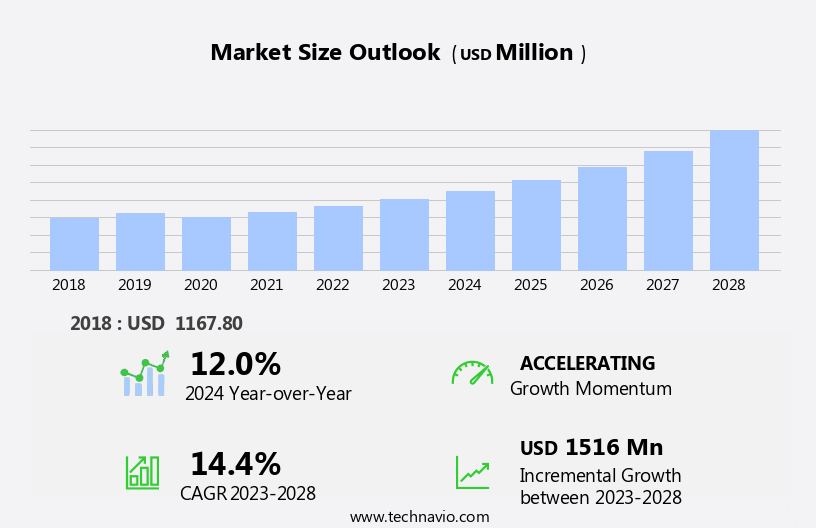
Bicomponent Fiber Market Size

 Request Free Sample

  • Bicomponent fibers, a type of synthetic fiber, have gained significant traction in various industries due to their unique core-sheath configuration. These fibers are made up of two different polymers, with one polymer forming the core and the other the sheath. This configuration provides bicomponent fibers with superior properties, making them an ideal choice for numerous applications. In the textile industry, bicomponent fibers are widely used for producing high-performance materials. Their ability to provide enhanced strength, durability, and comfort makes them suitable for various textile applications, including automotive textiles and lightweight materials. The nonwovens industry is another major consumer of bicomponent fibers. These fibers are extensively used in the production of hygiene products such as diapers, toddler training pants, feminine care products, and adult incontinence products. Their excellent absorbency and moisture management properties make them an essential component in these products. Bicomponent fibers play a crucial role in the production of various hygiene and medical products. They are used in making medical underpads, wound care materials, and absorbent bandages due to their superior absorbency and moisture management properties.
  • In the construction industry, bicomponent fibers are used in the production of geotextiles and filtration materials. Their high tensile strength and durability make them ideal for use in civil engineering applications, such as road construction and water filtration systems. With the increasing focus on sustainability, bicomponent fibers made from recycled polymers are gaining popularity. These fibers offer the same high-performance properties as their virgin counterparts but with a reduced environmental footprint. Bicomponent fibers are a versatile and essential component in various industries, including textiles, nonwovens, hygiene and medical products, and geotextiles and filtration materials. Their unique core-sheath configuration provides them with superior properties, making them an ideal choice for producing high-performance materials. As the demand for sustainable materials continues to grow, the use of bicomponent fibers made from recycled polymers is expected to increase further.

How is this market segmented and which is the largest segment?

The market research report provides comprehensive data (region-wise segment analysis), with forecasts and estimates in "USD billion" for the period 2024-2028, as well as historical data from 2018-2022 for the following segments.

  • End-user
    • Personal hygiene
    • Medical textile
    • Upholstery
    • Others
  • Geography
    • APAC
      • China
      • India
      • Japan
    • North America
      • US
    • Europe
      • Germany
    • Middle East and Africa
    • South America

By End-user Insights

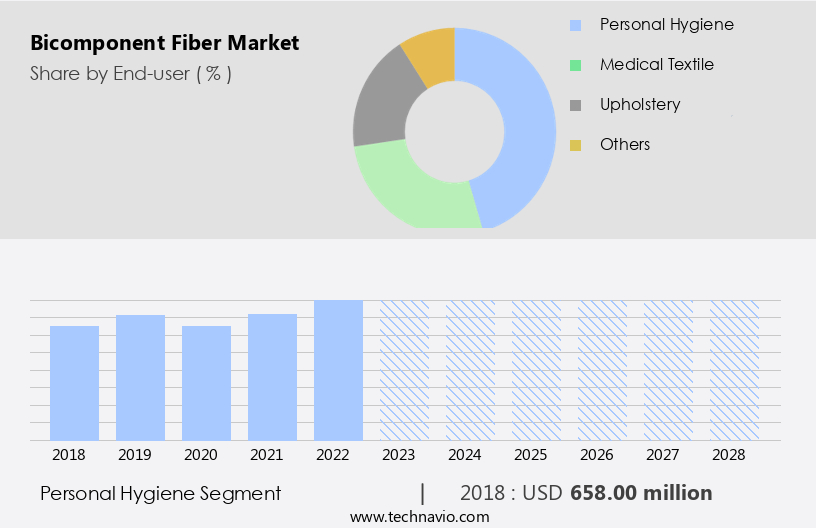
  • The personal hygiene segment is estimated to witness significant growth during the forecast period.

The market is experiencing significant growth, particularly in the nonwovens sector. Bicomponent fibers are increasingly being used in various industries, including automotive textiles, healthcare products, and sustainable materials for high-performance applications. In the personal hygiene segment, bicomponent fibers are the preferred choice due to their softness and comfort. These fibers add desirable properties to nonwoven fabrics, making them an ideal replacement for traditional synthetic fibers. Bicomponent fibers are manufactured using advanced raw materials such as high-density polyethylene (HDPE) pellets. The unique structure of these fibers consists of two layers, with the inner layer typically made of polypropylene (PP) or polyethylene terephthalate (PET), and the outer layer coated with HDPE for enhanced softness. Automotive textiles and healthcare products are other significant end-users of bicomponent fibers. In automotive textiles, these fibers provide excellent thermal insulation and moisture management properties.

In healthcare products, they offer high tensile strength, making them suitable for use in surgical gowns, medical drapes, and other medical textiles. Bicomponent fibers are also gaining popularity due to their sustainability. Manufacturers are focusing on using eco-friendly raw materials and production processes to reduce the environmental impact of these fibers. As a result, the market for bicomponent fibers is expected to continue growing in the coming years. In conclusion, the global bicomponent fiber market is witnessing substantial growth, driven by the increasing demand for soft, comfortable, and sustainable materials in various industries.
Bicomponent Fiber Market Size

Get a glance at the market report of share of various segments Request Free Sample

The personal hygiene segment was valued at USD 658.00 million in 2018 and showed a gradual increase during the forecast period.

Regional Analysis

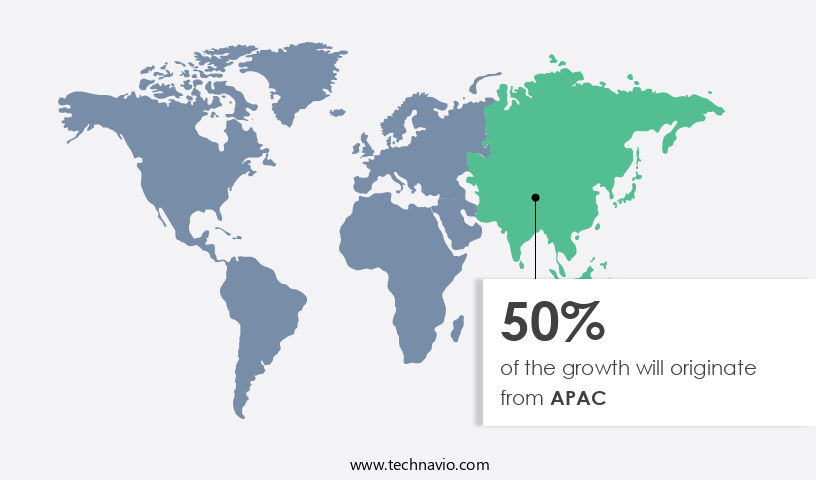
  • APAC is estimated to contribute 50% to the growth of the global market during the forecast period.

Technavio's analysts have elaborately explained the regional trends and drivers that shape the market during the forecast period.
Bicomponent Fiber Market Share by Geography

For more insights on the market share of various regions Request Free Sample

The Asia Pacific region led the global bicomponent fiber market in 2023, accounting for a significant share, with the textile industry being a major contributor. The demand for bicomponent fibers is primarily driven by the increasing use in disposable hygiene goods such as diapers and feminine care products in countries like India, China, and Japan. The region's growth is anticipated to continue at the fastest rate due to the rising awareness of personal hygiene and increasing disposable incomes. Furthermore, improving healthcare infrastructure and favorable government regulations on health and hygiene are additional factors fueling the demand for bicomponent fibers in APAC.

Market Dynamics

Our researchers analyzed the data with 2023 as the base year, along with the key drivers, trends, and challenges. A holistic analysis of drivers will help companies refine their marketing strategies to gain a competitive advantage.

What are the key market drivers leading to the rise in adoption of Bicomponent Fiber Market?

Rising demand for nonwoven fabrics is the key driver of the market.

  • The market for bicomponent fibers, a type of synthetic fiber, has witnessed significant growth due to the increasing demand for nonwoven fabrics. Bicomponent fibers, which feature a core-sheath configuration, offer superior properties for nonwoven fabric production. These fabrics are widely used in various industries, including textiles, nonwovens, hygiene products, and more. Nonwoven fabrics are highly sought after for their unique properties, such as absorbency, liquid repellency, resilience, stretchability, softness, strength, washability, filtration, and anti-bacterial qualities. These features make them ideal for applications in the apparel, home furnishings, healthcare, engineering, and industrial and consumer goods sectors.
  • Manufacturing nonwoven fabrics through industrial processes is a cost-effective and efficient solution, as compared to traditional weaving and knitting methods. This results in a large volume of nonwoven fabrics being produced quickly and affordably. The versatility and high-performance properties of bicomponent fibers contribute to the growth of the nonwoven fabrics market. Thus, such factors are driving the growth of the market during the forecast period.

What are the market trends shaping the Bicomponent Fiber Market?

Automation in textile machinery is the upcoming trend in the market.

  • Automation in textile machinery is the key trend in the market. In the realm of textile manufacturing, automation plays a pivotal role in enhancing productivity and ensuring consistency in the production of nonwoven fibers, particularly bicomponent fibers. Automated textile machinery expedites the manufacturing process by increasing the rate of fabric flow, allowing for lean manufacturing practices. This automation is essential in various stages of nonwoven fiber production, including yarn manufacturing and finishing processes. During the production of bicomponent fibers, achieving homogeneous filament formation necessitates high take-up speeds. Traditionally, this has been accomplished through a two-step staple fiber process. However, automation in textile machinery effectively addresses critical parameters such as fiber diameter, polymer properties, temperature, and tension control, ensuring uniformity and adherence to quality standards. In the nonwoven textile industry, automation's influence is evident in the manufacturing of medical products and hygiene products, such as diapers and toddler training pants.

    Recycled bicomponent fibers are also gaining popularity due to their environmental benefits, further expanding the market's scope. As automation continues to advance, it will likely continue to shape the nonwoven textile industry, driving innovation and growth. In conclusion, automation plays a significant role in the nonwoven textile industry, particularly in the production of bicomponent fibers. It enables high take-up speeds, ensures product uniformity, and enhances overall efficiency. This is evident in the manufacturing of various nonwoven textile products, including medical and hygiene products, and the growing market for recycled bicomponent fibers. Thus, such trends will shape the growth of the market during the forecast period.

What challenges does Bicomponent Fiber Market face during the growth?

Fluctuations in raw material prices is a key challenge affecting the market growth.

  • The market experiences price instability due to the reliance on crude oil and natural resources for raw material production. The volatility in petroleum-based feedstocks and emerging economy raw material costs pose challenges to market expansion. Crude oil prices significantly impact the pricing of PE, PET, PES, and PP polymers and resins, which are essential components of bicomponent fibers. The oil and gas sector is recuperating from the 2020 crude oil price downturn, caused by reduced oil demand during the COVID-19 pandemic.
  • Geotextiles, filtration materials, lightweight materials, automotive textiles, and hygiene applications are major sectors utilizing bicomponent fibers. Thermal bonding is a common manufacturing process in the automotive textiles segment, employed by automakers to enhance product performance and durability. Hence, the above factors will impede the growth of the market during the forecast period

Exclusive Customer Landscape

The market forecasting report includes the adoption lifecycle of the market, covering from the innovator's stage to the laggard's stage. It focuses on adoption rates in different regions based on penetration. Furthermore, the market report also includes key purchase criteria and drivers of price sensitivity to help companies evaluate and develop their market growth analysis strategies.
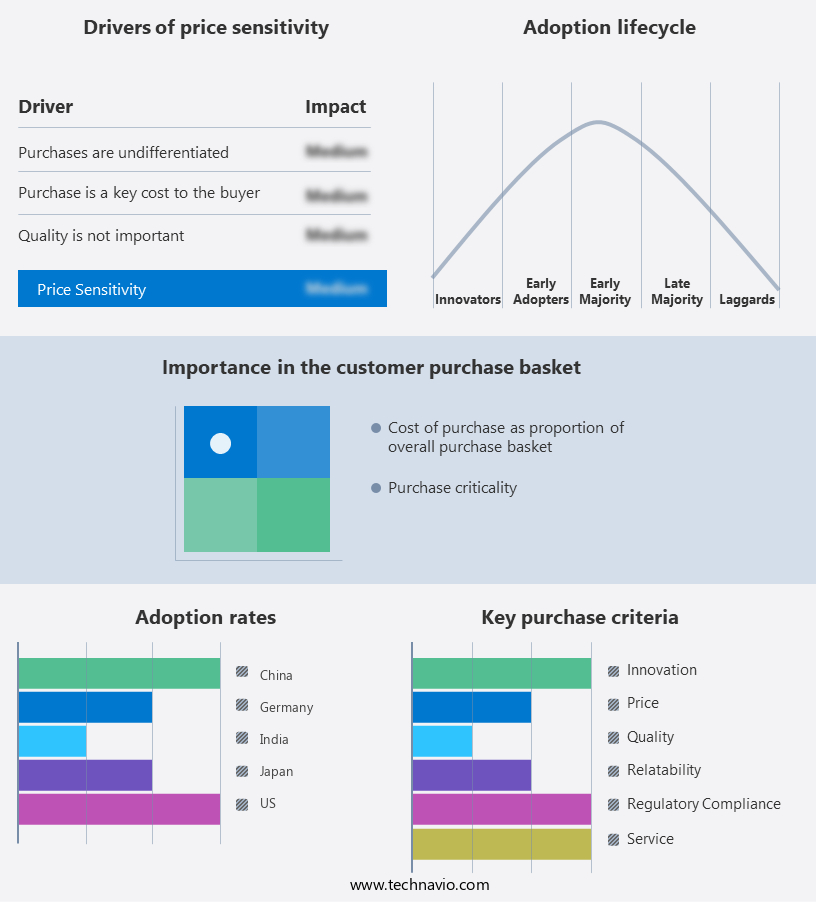
Bicomponent Fiber Market Share by Geography

 Customer Landscape

Key Companies & Market Insights

Companies are implementing various strategies, such as strategic alliances, market forecast, partnerships, mergers and acquisitions, geographical expansion, and product/service launches, to enhance their presence in the market.

The market research and growth report includes detailed analyses of the competitive landscape of the market and information about key companies, including:

  • Berry Global Inc.
  • Cha Technologies Group
  • Dow Inc.
  • EMS-Chemie Holding Ag
  • ES Fibervisions
  • Far Eastern New Century Corp.
  • Freudenberg and Co. KG
  • Huvis Corp.
  • Indorama Ventures Public Co. Ltd.
  • JNC Corp.
  • Owens Corning
  • Shaoxing Yaolong Spunbonded Nonwoven Technology Co. Ltd.
  • Teijin Ltd.
  • Toray Industries Inc.
  • WPT Nonwovens Corp.

Qualitative and quantitative analysis of companies has been conducted to help clients understand the wider business environment as well as the strengths and weaknesses of key market players. Data is qualitatively analyzed to categorize companies as pure play, category-focused, industry-focused, and diversified; it is quantitatively analyzed to categorize companies as dominant, leading, strong, tentative, and weak.

Research Analyst Overview

Bicomponent fibers, a type of synthetic fiber, have gained significant attention in various industries due to their unique core-sheath configuration. These fibers are widely used in textile applications, including nonwovens, which are essential in numerous sectors. In the realm of hygiene products, bicomponent fibers play a crucial role in diapers, toddler training pants, feminine care products, and adult incontinence products. They offer superior liquid absorption, moisture management, and odor prevention capabilities. Moreover, bicomponent fibers are extensively used in the automotive industry for producing lightweight and high-performance materials for automotive textiles. In the nonwoven textile industry, these fibers contribute significantly to the output, particularly in healthcare products.

Furthermore, sustainable materials, such as recycled bicomponent fibers, are increasingly being adopted for producing medical textiles, medical underpads, wound care, and absorbent bandages. Bicomponent fibers also find applications in geotextiles for erosion control and filtration materials. Their unique properties make them suitable for various sectors, including healthcare, automotive, and nonwoven textile industries. The versatility of these fibers, coupled with their high performance and sustainability, continues to drive their demand in diverse applications.

Market Scope

Report Coverage

Details

Page number

154

Base year

2023

Historic period

2018-2022

Forecast period

2024-2028

Growth momentum & CAGR

Accelerate at a CAGR of 14.4%

Market growth 2024-2028

USD 1.52 billion

Market structure

Concentrated

YoY growth 2023-2024(%)

12.0

Key countries

China, US, Japan, India, and Germany

Competitive landscape

Leading Companies, Market Positioning of Companies, Competitive Strategies, and Industry Risks

Request Free Sample

What are the Key Data Covered in this Market Research and Growth Report?

  • CAGR of the market during the forecast period
  • Detailed information on factors that will drive the market growth and forecasting between 2024 and 2028
  • Precise estimation of the size of the market  and its contribution of the market in focus to the parent market
  • Accurate predictions about upcoming market growth and trends and changes in consumer behaviour
  • Growth of the market across APAC, North America, Europe, Middle East and Africa, and South America
  • Thorough analysis of the market's competitive landscape and detailed information about companies
  • Comprehensive analysis of factors that will challenge the growth of market companies

We can help! Our analysts can customize this market research report to meet your requirements. Get in touch

1 Executive Summary

  • 1.1 Market overview
    • Executive Summary - Chart on Market Overview
    • Executive Summary - Data Table on Market Overview
    • Executive Summary - Chart on Global Market Characteristics
    • Executive Summary - Chart on Market by Geography
    • Executive Summary - Chart on Market Segmentation by End-user
    • Executive Summary - Chart on Incremental Growth
    • Executive Summary - Data Table on Incremental Growth
    • Executive Summary - Chart on Company Market Positioning

2 Market Landscape

  • 2.1 Market ecosystem
    • Parent Market
    • Data Table on - Parent Market
  • 2.2 Market characteristics
    • Market characteristics analysis
  • 2.3 Value chain analysis
    • Value Chain Analysis

3 Market Sizing

  • 3.1 Market definition
    • Offerings of companies included in the market definition
  • 3.2 Market segment analysis
    • Market segments
  • 3.3 Market size 2023
    • 3.4 Market outlook: Forecast for 2023-2028
      • Chart on Global - Market size and forecast 2023-2028 ($ million)
      • Data Table on Global - Market size and forecast 2023-2028 ($ million)
      • Chart on Global Market: Year-over-year growth 2023-2028 (%)
      • Data Table on Global Market: Year-over-year growth 2023-2028 (%)

    4 Historic Market Size

    • 4.1 Global Bicomponent Fiber Market 2018 - 2022
      • Historic Market Size - Data Table on Global Bicomponent Fiber Market 2018 - 2022 ($ million)
    • 4.2 End-user segment analysis 2018 - 2022
      • Historic Market Size - End-user Segment 2018 - 2022 ($ million)
    • 4.3 Geography segment analysis 2018 - 2022
      • Historic Market Size - Geography Segment 2018 - 2022 ($ million)
    • 4.4 Country segment analysis 2018 - 2022
      • Historic Market Size - Country Segment 2018 - 2022 ($ million)

    5 Five Forces Analysis

    • 5.1 Five forces summary
      • Five forces analysis - Comparison between 2023 and 2028
    • 5.2 Bargaining power of buyers
      • Bargaining power of buyers - Impact of key factors 2023 and 2028
    • 5.3 Bargaining power of suppliers
      • Bargaining power of suppliers - Impact of key factors in 2023 and 2028
    • 5.4 Threat of new entrants
      • Threat of new entrants - Impact of key factors in 2023 and 2028
    • 5.5 Threat of substitutes
      • Threat of substitutes - Impact of key factors in 2023 and 2028
    • 5.6 Threat of rivalry
      • Threat of rivalry - Impact of key factors in 2023 and 2028
    • 5.7 Market condition
      • Chart on Market condition - Five forces 2023 and 2028

    6 Market Segmentation by End-user

    • 6.1 Market segments
      • Chart on End-user - Market share 2023-2028 (%)
      • Data Table on End-user - Market share 2023-2028 (%)
    • 6.2 Comparison by End-user
      • Chart on Comparison by End-user
      • Data Table on Comparison by End-user
    • 6.3 Personal hygiene - Market size and forecast 2023-2028
      • Chart on Personal hygiene - Market size and forecast 2023-2028 ($ million)
      • Data Table on Personal hygiene - Market size and forecast 2023-2028 ($ million)
      • Chart on Personal hygiene - Year-over-year growth 2023-2028 (%)
      • Data Table on Personal hygiene - Year-over-year growth 2023-2028 (%)
    • 6.4 Medical textile - Market size and forecast 2023-2028
      • Chart on Medical textile - Market size and forecast 2023-2028 ($ million)
      • Data Table on Medical textile - Market size and forecast 2023-2028 ($ million)
      • Chart on Medical textile - Year-over-year growth 2023-2028 (%)
      • Data Table on Medical textile - Year-over-year growth 2023-2028 (%)
    • 6.5 Upholstery - Market size and forecast 2023-2028
      • Chart on Upholstery - Market size and forecast 2023-2028 ($ million)
      • Data Table on Upholstery - Market size and forecast 2023-2028 ($ million)
      • Chart on Upholstery - Year-over-year growth 2023-2028 (%)
      • Data Table on Upholstery - Year-over-year growth 2023-2028 (%)
    • 6.6 Others - Market size and forecast 2023-2028
      • Chart on Others - Market size and forecast 2023-2028 ($ million)
      • Data Table on Others - Market size and forecast 2023-2028 ($ million)
      • Chart on Others - Year-over-year growth 2023-2028 (%)
      • Data Table on Others - Year-over-year growth 2023-2028 (%)
    • 6.7 Market opportunity by End-user
      • Market opportunity by End-user ($ million)
      • Data Table on Market opportunity by End-user ($ million)

    7 Customer Landscape

    • 7.1 Customer landscape overview
      • Analysis of price sensitivity, lifecycle, customer purchase basket, adoption rates, and purchase criteria

    8 Geographic Landscape

    • 8.1 Geographic segmentation
      • Chart on Market share by geography 2023-2028 (%)
      • Data Table on Market share by geography 2023-2028 (%)
    • 8.2 Geographic comparison
      • Chart on Geographic comparison
      • Data Table on Geographic comparison
    • 8.3 APAC - Market size and forecast 2023-2028
      • Chart on APAC - Market size and forecast 2023-2028 ($ million)
      • Data Table on APAC - Market size and forecast 2023-2028 ($ million)
      • Chart on APAC - Year-over-year growth 2023-2028 (%)
      • Data Table on APAC - Year-over-year growth 2023-2028 (%)
    • 8.4 North America - Market size and forecast 2023-2028
      • Chart on North America - Market size and forecast 2023-2028 ($ million)
      • Data Table on North America - Market size and forecast 2023-2028 ($ million)
      • Chart on North America - Year-over-year growth 2023-2028 (%)
      • Data Table on North America - Year-over-year growth 2023-2028 (%)
    • 8.5 Europe - Market size and forecast 2023-2028
      • Chart on Europe - Market size and forecast 2023-2028 ($ million)
      • Data Table on Europe - Market size and forecast 2023-2028 ($ million)
      • Chart on Europe - Year-over-year growth 2023-2028 (%)
      • Data Table on Europe - Year-over-year growth 2023-2028 (%)
    • 8.6 Middle East and Africa - Market size and forecast 2023-2028
      • Chart on Middle East and Africa - Market size and forecast 2023-2028 ($ million)
      • Data Table on Middle East and Africa - Market size and forecast 2023-2028 ($ million)
      • Chart on Middle East and Africa - Year-over-year growth 2023-2028 (%)
      • Data Table on Middle East and Africa - Year-over-year growth 2023-2028 (%)
    • 8.7 South America - Market size and forecast 2023-2028
      • Chart on South America - Market size and forecast 2023-2028 ($ million)
      • Data Table on South America - Market size and forecast 2023-2028 ($ million)
      • Chart on South America - Year-over-year growth 2023-2028 (%)
      • Data Table on South America - Year-over-year growth 2023-2028 (%)
    • 8.8 China - Market size and forecast 2023-2028
      • Chart on China - Market size and forecast 2023-2028 ($ million)
      • Data Table on China - Market size and forecast 2023-2028 ($ million)
      • Chart on China - Year-over-year growth 2023-2028 (%)
      • Data Table on China - Year-over-year growth 2023-2028 (%)
    • 8.9 US - Market size and forecast 2023-2028
      • Chart on US - Market size and forecast 2023-2028 ($ million)
      • Data Table on US - Market size and forecast 2023-2028 ($ million)
      • Chart on US - Year-over-year growth 2023-2028 (%)
      • Data Table on US - Year-over-year growth 2023-2028 (%)
    • 8.10 Japan - Market size and forecast 2023-2028
      • Chart on Japan - Market size and forecast 2023-2028 ($ million)
      • Data Table on Japan - Market size and forecast 2023-2028 ($ million)
      • Chart on Japan - Year-over-year growth 2023-2028 (%)
      • Data Table on Japan - Year-over-year growth 2023-2028 (%)
    • 8.11 India - Market size and forecast 2023-2028
      • Chart on India - Market size and forecast 2023-2028 ($ million)
      • Data Table on India - Market size and forecast 2023-2028 ($ million)
      • Chart on India - Year-over-year growth 2023-2028 (%)
      • Data Table on India - Year-over-year growth 2023-2028 (%)
    • 8.12 Germany - Market size and forecast 2023-2028
      • Chart on Germany - Market size and forecast 2023-2028 ($ million)
      • Data Table on Germany - Market size and forecast 2023-2028 ($ million)
      • Chart on Germany - Year-over-year growth 2023-2028 (%)
      • Data Table on Germany - Year-over-year growth 2023-2028 (%)
    • 8.13 Market opportunity by geography
      • Market opportunity by geography ($ million)
      • Data Tables on Market opportunity by geography ($ million)

    9 Drivers, Challenges, and Opportunity/Restraints

    • 9.1 Market drivers
      • 9.2 Market challenges
        • 9.3 Impact of drivers and challenges
          • Impact of drivers and challenges in 2023 and 2028
        • 9.4 Market opportunities/restraints

          10 Competitive Landscape

          • 10.1 Overview
            • 10.2 Competitive Landscape
              • Overview on criticality of inputs and factors of differentiation
            • 10.3 Landscape disruption
              • Overview on factors of disruption
            • 10.4 Industry risks
              • Impact of key risks on business

            11 Competitive Analysis

            • 11.1 Companies profiled
              • Companies covered
            • 11.2 Market positioning of companies
              • Matrix on companies position and classification
            • 11.3 Berry Global Inc.
              • Berry Global Inc. - Overview
              • Berry Global Inc. - Business segments
              • Berry Global Inc. - Key news
              • Berry Global Inc. - Key offerings
              • Berry Global Inc. - Segment focus
            • 11.4 Cha Technologies Group
              • Cha Technologies Group - Overview
              • Cha Technologies Group - Product / Service
              • Cha Technologies Group - Key offerings
            • 11.5 Dow Inc.
              • Dow Inc. - Overview
              • Dow Inc. - Business segments
              • Dow Inc. - Key news
              • Dow Inc. - Key offerings
              • Dow Inc. - Segment focus
            • 11.6 EMS-Chemie Holding Ag
              • EMS-Chemie Holding Ag - Overview
              • EMS-Chemie Holding Ag - Product / Service
              • EMS-Chemie Holding Ag - Key offerings
            • 11.7 ES Fibervisions
              • ES Fibervisions - Overview
              • ES Fibervisions - Product / Service
              • ES Fibervisions - Key offerings
            • 11.8 Far Eastern New Century Corp.
              • Far Eastern New Century Corp. - Overview
              • Far Eastern New Century Corp. - Business segments
              • Far Eastern New Century Corp. - Key offerings
              • Far Eastern New Century Corp. - Segment focus
            • 11.9 Indorama Ventures Public Co. Ltd.
              • Indorama Ventures Public Co. Ltd. - Overview
              • Indorama Ventures Public Co. Ltd. - Business segments
              • Indorama Ventures Public Co. Ltd. - Key news
              • Indorama Ventures Public Co. Ltd. - Key offerings
              • Indorama Ventures Public Co. Ltd. - Segment focus
            • 11.10 JNC Corp.
              • JNC Corp. - Overview
              • JNC Corp. - Product / Service
              • JNC Corp. - Key offerings
            • 11.11 Teijin Ltd.
              • Teijin Ltd. - Overview
              • Teijin Ltd. - Business segments
              • Teijin Ltd. - Key news
              • Teijin Ltd. - Key offerings
              • Teijin Ltd. - Segment focus
            • 11.12 Toray Industries Inc.
              • Toray Industries Inc. - Overview
              • Toray Industries Inc. - Business segments
              • Toray Industries Inc. - Key news
              • Toray Industries Inc. - Key offerings
              • Toray Industries Inc. - Segment focus

            12 Appendix

            • 12.1 Scope of the report
              • 12.2 Inclusions and exclusions checklist
                • Inclusions checklist
                • Exclusions checklist
              • 12.3 Currency conversion rates for US$
                • Currency conversion rates for US$
              • 12.4 Research methodology
                • Research methodology
              • 12.5 Data procurement
                • Information sources
              • 12.6 Data validation
                • Data validation
              • 12.7 Validation techniques employed for market sizing
                • Validation techniques employed for market sizing
              • 12.8 Data synthesis
                • Data synthesis
              • 12.9 360 degree market analysis
                • 360 degree market analysis
              • 12.10 List of abbreviations
                • List of abbreviations

              Research Methodology

              Technavio presents a detailed picture of the market by way of study, synthesis, and summation of data from multiple sources. The analysts have presented the various facets of the market with a particular focus on identifying the key industry influencers. The data thus presented is comprehensive, reliable, and the result of extensive research, both primary and secondary.

              INFORMATION SOURCES

              Primary sources

              • Manufacturers and suppliers
              • Channel partners
              • Industry experts
              • Strategic decision makers

              Secondary sources

              • Industry journals and periodicals
              • Government data
              • Financial reports of key industry players
              • Historical data
              • Press releases

              DATA ANALYSIS

              Data Synthesis

              • Collation of data
              • Estimation of key figures
              • Analysis of derived insights

              Data Validation

              • Triangulation with data models
              • Reference against proprietary databases
              • Corroboration with industry experts

              REPORT WRITING

              Qualitative

              • Market drivers
              • Market challenges
              • Market trends
              • Five forces analysis

              Quantitative

              • Market size and forecast
              • Market segmentation
              • Geographical insights
              • Competitive landscape

              Interested in this report?

              Get your sample now to see our research methodology and insights!

              Download Now

              Frequently Asked Questions

              Bicomponent Fiber market growth will increase by $ 1516 mn during 2024-2028 .

              The Bicomponent Fiber market is expected to grow at a CAGR of 14.4% during 2024-2028 .

              Bicomponent Fiber market is segmented by End-user( Personal hygiene, Medical textile, Upholstery, Others)

              Berry Global Inc., Cha Technologies Group, Dow Inc., EMS-Chemie Holding Ag, ES Fibervisions, Far Eastern New Century Corp., Freudenberg and Co. KG, Huvis Corp., Indorama Ventures Public Co. Ltd., JNC Corp., Owens Corning, Shaoxing Yaolong Spunbonded Nonwoven Technology Co. Ltd., Teijin Ltd., Toray Industries Inc., WPT Nonwovens Corp. are a few of the key vendors in the Bicomponent Fiber market.

              APAC will register the highest growth rate of 50% among the other regions. Therefore, the Bicomponent Fiber market in APAC is expected to garner significant business opportunities for the vendors during the forecast period.

              China, US, Japan, India, Germany

              • Rising demand for nonwoven fabricsGrowing consumer demand for low-cost and recyclable fabrics with enhanced softness and porosity boosts the adoption of nonwoven fabrics. Nonwoven fabrics enhance the quality of the finished product by adding specific properties. These include absorbency is the driving factor this market.
              • liquid repellency is the driving factor this market.
              • resilience is the driving factor this market.
              • stretchability is the driving factor this market.
              • softness is the driving factor this market.
              • strength is the driving factor this market.
              • washability is the driving factor this market.
              • filtration is the driving factor this market.
              • and anti-bacterial qualities. These properties of nonwoven fabrics are ideal for products offered by industries such as apparel is the driving factor this market.
              • home furnishings is the driving factor this market.
              • health care is the driving factor this market.
              • engineering is the driving factor this market.
              • and industrial and consumer goods.Nonwoven fabrics are manufactured through a high-speed and low-cost industrial process. A large volume of nonwoven fabrics can be produced quickly and cost-effectively is the driving factor this market.
              • unlike the weaving and knitting processes for traditional fabrics. A certain quantity of recycled fabrics is used in the manufacturing of nonwoven fabrics is the driving factor this market.
              • while some nonwoven fabrics can even be recycled after use. This characteristic of nonwoven fabrics makes them ecological and easy to dispose of is the driving factor this market.
              • which is making their use widespread in industries such as medical textile is the driving factor this market.
              • personal hygiene is the driving factor this market.
              • and upholstery as these industries require large volumes of disposable and bio-degradable products.Globally is the driving factor this market.
              • the growing demand for nonwoven fabrics can be attributed to rising living standards in both developed and developing countries and the growing consumption of disposable diapers and female hygiene products. A type of nonwoven fabric is the driving factor this market.
              • bicomponent fibers have features such as micro-size fibers is the driving factor this market.
              • which are among the key factors fueling demand. Bicomponent fibers can mimic the appearance is the driving factor this market.
              • texture is the driving factor this market.
              • and strength of the woven fabric and can be as bulky as the thickest of paddings. In combination with other materials is the driving factor this market.
              • they provide a spectrum of products with diverse properties and are used singularly or as components in apparel is the driving factor this market.
              • home furnishings is the driving factor this market.
              • health care is the driving factor this market.
              • engineering is the driving factor this market.
              • and industrial and consumer goods. Bicomponent fibers are replacing traditional PP spun-bond fabric given their characteristics such as comfortable feel and softness. Thus is the driving factor this market.
              • increasing consumer inclination toward nonwoven fabrics is helping drive the growth of the global bicomponent fiber market.  is the driving factor this market.

              The Bicomponent Fiber market vendors should focus on grabbing business opportunities from the Personal hygiene segment as it accounted for the largest market share in the base year.
