


Home Furnishings Market Size 2026-2030
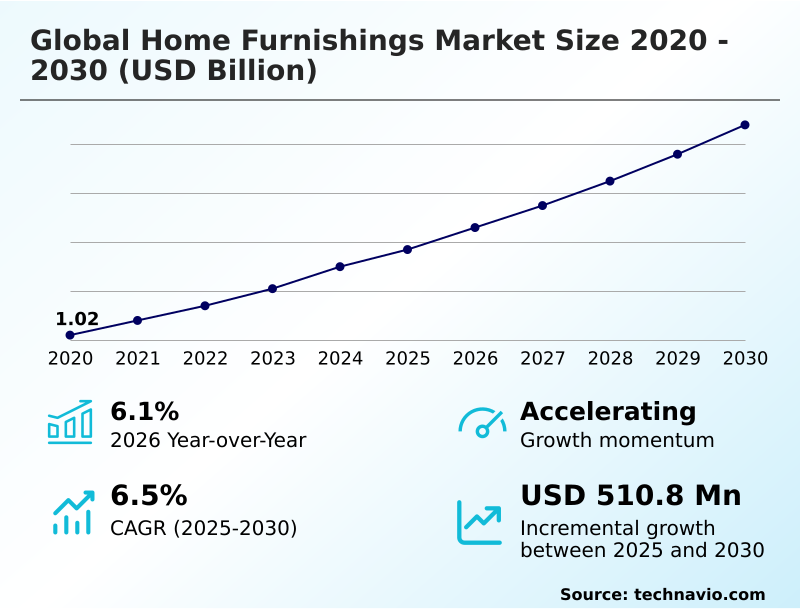
The home furnishings market size is valued to increase by USD 510.8 million, at a CAGR of 6.5% from 2025 to 2030. Growth of e-commerce furniture platforms will drive the home furnishings market.
Major Market Trends & Insights
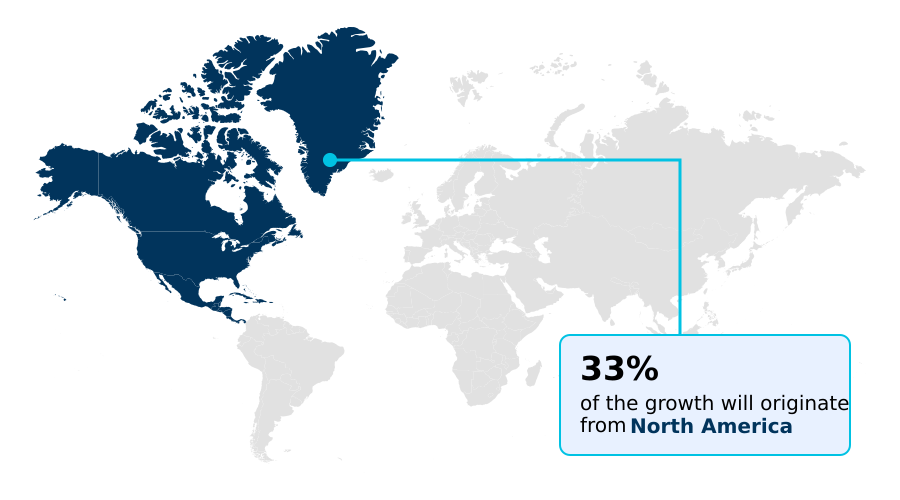
- North America dominated the market and accounted for a 33% growth during the forecast period.
- By Product - Home furniture segment was valued at USD 630.3 million in 2024
- By Distribution Channel - Offline segment accounted for the largest market revenue share in 2024
Market Size & Forecast
- Market Opportunities: USD 867.8 million
- Market Future Opportunities: USD 510.8 million
- CAGR from 2025 to 2030 : 6.5%
Market Summary
- The home furnishings market is undergoing a significant transformation, driven by evolving consumer lifestyles and technological integration. Key market dynamics include a strong pivot toward sustainability, with a focus on circular economy models and the use of materials like sustainable timber sourcing and recycled metal alloys.
- The growth of e-commerce has fundamentally altered the retail landscape, where virtual room visualization and augmented reality placement tools are becoming standard, enhancing the online shopping experience.
- For instance, a direct-to-consumer brand can now leverage e-commerce platform analytics to optimize its supply chain, reducing last-mile logistics costs by predicting regional demand for specific modular furniture designs, thereby improving operational efficiency without needing a large physical retail footprint. Concurrently, the demand for multifunctional home furniture is rising, especially in urban areas with smaller living spaces.
- This trend, combined with a growing interest in high-end, luxury home furnishings and smart home integration, is pushing manufacturers toward greater innovation in both design and functionality, from ergonomic seating to smart bed sleep monitoring systems. However, the industry grapples with challenges such as global supply chain complexities and raw material price volatility, which require resilient and agile operational strategies.
What will be the Size of the Home Furnishings Market during the forecast period?
Get Key Insights on Market Forecast (PDF) Get Free Sample
How is the Home Furnishings Market Segmented?
The home furnishings industry research report provides comprehensive data (region-wise segment analysis), with forecasts and estimates in "USD million" for the period 2026-2030, as well as historical data from 2020-2024 for the following segments.
- Product
- Home furniture
- Home textiles
- Floor coverings
- Distribution channel
- Offline
- Online
- Material
- Wood
- Metals
- Plastics and glass
- Geography
- Europe
- Germany
- UK
- France
- North America
- US
- Canada
- Mexico
- APAC
- China
- Japan
- India
- Middle East and Africa
- Saudi Arabia
- UAE
- South Africa
- South America
- Brazil
- Argentina
- Rest of World (ROW)
- Europe
By Product Insights
The home furniture segment is estimated to witness significant growth during the forecast period.
The global home furnishings market is segmented by products that cater to distinct consumer needs and aesthetic preferences.
The home furniture segment, a primary pillar, is experiencing a shift toward modular furniture design and specialized hardware components, enhancing functionality in modern living spaces.
Innovations in upholstery fabric technology have extended product lifespans by over 30%, a critical factor for both residential and commercial buyers. The home textiles segment, encompassing premium sleep accessories and decor, allows for frequent stylistic updates.
Meanwhile, the floor coverings segment is advancing with durable and aesthetically versatile materials like luxury vinyl tiles and specialized hardware components, reflecting a broader industry move toward resilient and high-performance solutions for both designer sofas and sectionals and kitchen cabinet fittings.
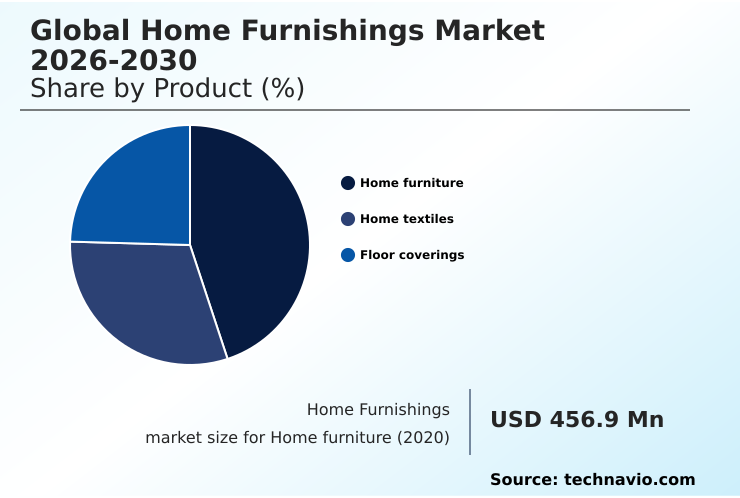
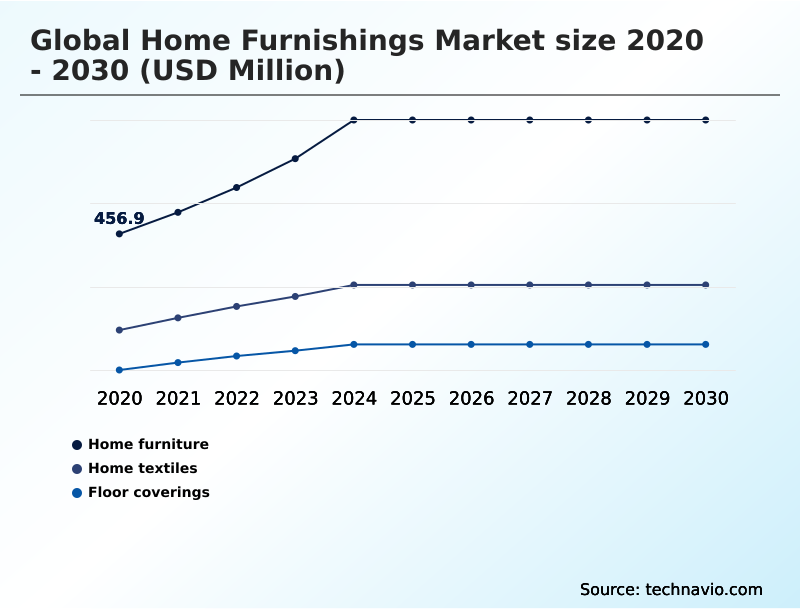
The Home furniture segment was valued at USD 630.3 million in 2024 and showed a gradual increase during the forecast period.
Regional Analysis
North America is estimated to contribute 33% to the growth of the global market during the forecast period.Technavio’s analysts have elaborately explained the regional trends and drivers that shape the market during the forecast period.
See How Home Furnishings Market Demand is Rising in North America Get Free Sample
The geographic landscape of the global home furnishings market is defined by distinct regional dynamics and growth trajectories.
North America is a significant growth engine, contributing approximately 33% of the market's incremental growth, driven by a strong housing industry and high consumer spending on residential building products and home office solutions.
In Europe, the market is characterized by stringent regulations, such as the mandate for digital product passports, which promotes sustainability.
The APAC region serves as a global manufacturing hub, where advancements in production have reduced lead times by over 20% compared to other regions. This efficiency, combined with a rapidly growing middle class, fuels both production and consumption.
The expansion of rent-to-own franchisor models and brand licensing agreements is facilitating market entry in emerging economies across the Middle East and Africa and South America.
Meanwhile, the adoption of EV-led delivery fleets is becoming a key differentiator in dense urban markets worldwide.
Market Dynamics
Our researchers analyzed the data with 2025 as the base year, along with the key drivers, trends, and challenges. A holistic analysis of drivers will help companies refine their marketing strategies to gain a competitive advantage.
- A comprehensive analysis of the global home furnishings market reveals several interconnected dynamics shaping its future. The impact of e-commerce on furniture sales continues to be profound, fundamentally altering retail strategies and consumer access to products. This digital shift directly ties into how technology enhances the furniture shopping experience, with tools for virtual visualization becoming standard.
- A significant driver is the growing demand for sustainable home decor materials, which has elevated consumer preference for eco-friendly furnishings. This trend challenges manufacturers to innovate, leading to advancements in floor covering materials and innovations in home textile manufacturing. The benefits of modular furniture design are increasingly recognized, especially as a solution for multifunctional furniture for small living spaces.
- This addresses a core need in urbanizing regions worldwide. The industry also navigates considerable challenges in global furniture supply chains and the persistent price volatility of furniture raw materials. The rent-to-own furniture market dynamics offer an alternative ownership model, while the growth of direct-to-consumer furniture brands bypasses traditional retail channels.
- Strategic discussions now include the role of interior design blogs in purchasing decisions and the potential impact of import tariffs on furniture prices. The rise of smart home furniture, exemplified by smart beds with sleep monitoring technology, highlights a key innovation frontier.
- The comparison of wood vs metal furniture durability remains a key consideration for consumers, while luxury furniture market growth drivers point toward premiumization. Finally, buy-back programs for used furniture and an understanding of regional differences in home furnishing styles are becoming crucial for sustainable and localized market strategies.
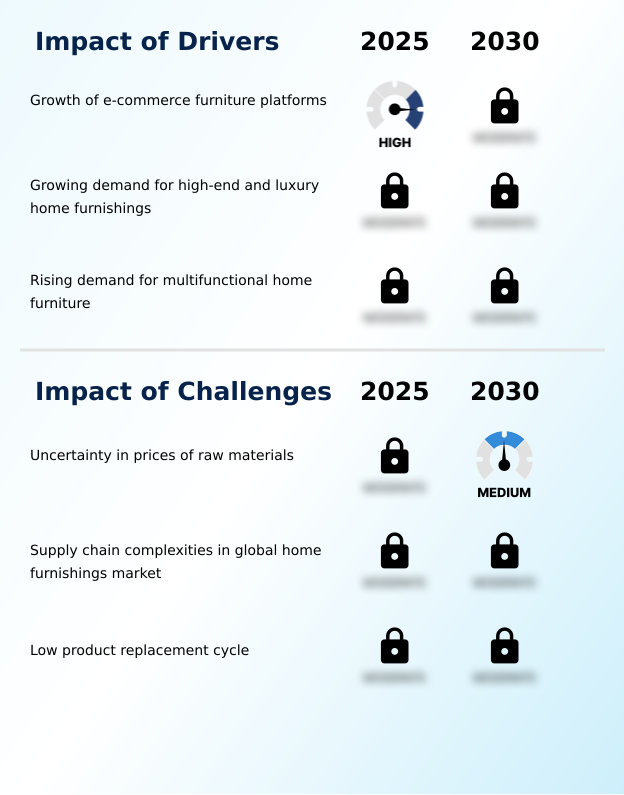
What are the key market drivers leading to the rise in the adoption of Home Furnishings Industry?
- The expansion of e-commerce furniture platforms is a key driver for the market, fundamentally reshaping how consumers discover, evaluate, and purchase home furnishing products globally.
- Market growth is primarily propelled by the expansion of online furniture retailing and evolving consumer lifestyle demands. The rise of direct-to-consumer brands, powered by sophisticated e-commerce platform analytics, has intensified competition and broadened consumer choice.
- These platforms leverage data to personalize offerings, increasing average order values by 15% or more. Demand for multifunctional home furniture is surging in response to urbanization and the rise of home office solutions.
- Concurrently, a growing appetite for luxury home furnishings and high-end furniture demand is elevating market value. This is supported by logistical innovations in last-mile logistics that make delivering bulky items more efficient.
- The synergy of these drivers creates a dynamic environment where convenience, functionality, and premiumization are key to capturing market share.
What are the market trends shaping the Home Furnishings Industry?
- A rising consumer focus on environmental impact and personal well-being is driving an increase in demand for eco-friendly home furnishings. This shift is compelling manufacturers to prioritize sustainable materials and transparent production processes.
- Key trends are reshaping the competitive landscape, driven by consumer demand for sustainability and technological enhancement. The adoption of eco-friendly home furnishings is accelerating, with a focus on sustainable timber sourcing and low-emission finishes. This has led to a 20% increase in market share for brands with transparent environmental credentials.
- Digital tools are simultaneously transforming the customer journey; augmented reality placement tools and virtual room visualization now reduce product returns by over 25% by improving purchase confidence. The influence of interior design blogs continues to steer modern furniture trends and inform consumer choices.
- Innovations in material science are also prominent, with advancements in upholstery fabric technology and the development of durable luxury vinyl tiles. These trends collectively push the industry toward more responsible and engaging business models.
What challenges does the Home Furnishings Industry face during its growth?
- Uncertainty in the prices of raw materials, such as wood, metal, and textiles, presents a significant challenge to the industry, directly affecting production costs and profitability.
- The market faces significant structural challenges that impact profitability and operational stability. Persistent raw material price volatility remains a primary concern, as fluctuations can increase production costs by up to 30% with little warning, squeezing margins for manufacturers of mass-market furniture.
- Compounding this issue are global supply chain complexities, where disruptions in one region can halt production globally, a risk amplified by the industry's reliance on b2b marketplace integration for sourcing specialized hardware components. Furthermore, the low product replacement cycle for durable goods limits the frequency of sales and intensifies competition for each purchase.
- Firms must navigate these hurdles through strategic sourcing, resilient logistics planning, and value propositions that extend beyond price, such as offering robust after-sales customer support and building strong brand licensing agreements.
Exclusive Technavio Analysis on Customer Landscape
The home furnishings market forecasting report includes the adoption lifecycle of the market, covering from the innovator’s stage to the laggard’s stage. It focuses on adoption rates in different regions based on penetration. Furthermore, the home furnishings market report also includes key purchase criteria and drivers of price sensitivity to help companies evaluate and develop their market growth analysis strategies.
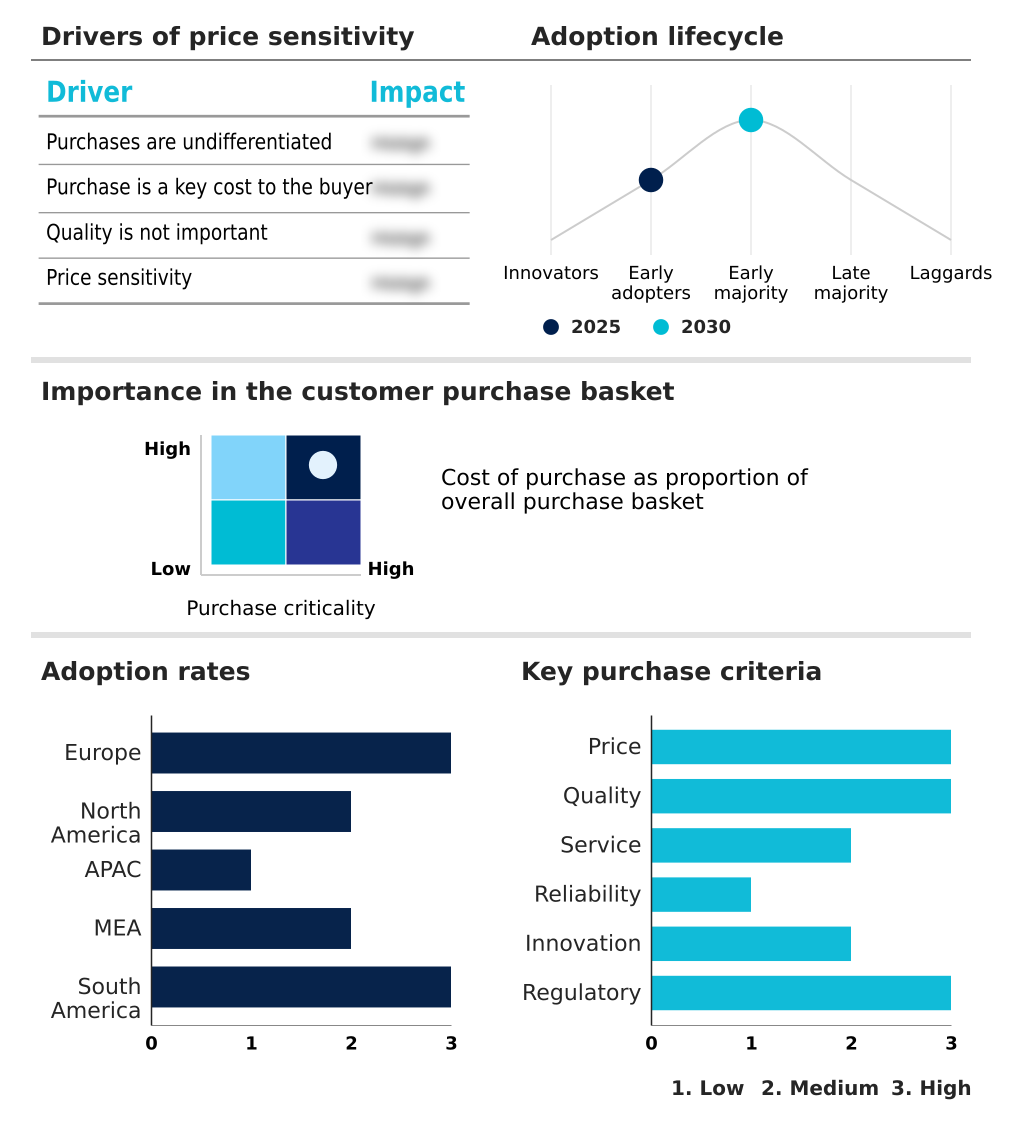
Customer Landscape of Home Furnishings Industry
Competitive Landscape
Companies are implementing various strategies, such as strategic alliances, home furnishings market forecast, partnerships, mergers and acquisitions, geographical expansion, and product/service launches, to enhance their presence in the industry.
Ashley Furniture Industries - Key offerings include a comprehensive line of home furnishings, from living room sets to bedroom and dining furniture, serving as a major global manufacturer.
The industry research and growth report includes detailed analyses of the competitive landscape of the market and information about key companies, including:
- Ashley Furniture Industries
- B and B Italia SPA
- Bassett Furniture Industries
- Bernhardt Furniture Co.
- Ethan Allen Interiors Inc.
- Flexsteel Industries Inc.
- Hafele SE and Co. KG
- HNI Corp.
- Hooker Furnishings Corp.
- Inter IKEA Holding BV
- Kartell SpA
- LaZBoy Inc.
- MillerKnoll Inc.
- Natuzzi SpA
- Restoration Hardware Inc.
- Roche Bobois SA
- Steelcase Inc.
- Tempur Sealy International
- Williams Sonoma Inc.
Qualitative and quantitative analysis of companies has been conducted to help clients understand the wider business environment as well as the strengths and weaknesses of key industry players. Data is qualitatively analyzed to categorize companies as pure play, category-focused, industry-focused, and diversified; it is quantitatively analyzed to categorize companies as dominant, leading, strong, tentative, and weak.
Recent Development and News in Home furnishings market
- In May, 2025, Obeetee Carpets announced its expansion into the broader home decor segment, committing over $12 million to launch a new division for furniture, bedding, and furnishings to penetrate India's growing interiors market.
- In April, 2025, the European Commission implemented new oversight for the traceability of wood products, mandating digital passports for all furniture sold within the territory to combat deforestation and align with Green Deal objectives.
- In March, 2025, IKEA India partnered with e-commerce logistics firm Ekart to enhance its last-mile delivery capabilities, enabling 24-hour deliveries via EV-led fleets and a new fulfillment center in the Delhi-NCR region.
- In January, 2025, Inter IKEA Holding BV introduced a proprietary generative artificial intelligence platform designed to augment the virtual interior design services available to its global customer base, signaling a strategic shift toward digital integration.
Dive into Technavio’s robust research methodology, blending expert interviews, extensive data synthesis, and validated models for unparalleled Home Furnishings Market insights. See full methodology.
| Market Scope | |
|---|---|
| Page number | 293 |
| Base year | 2025 |
| Historic period | 2020-2024 |
| Forecast period | 2026-2030 |
| Growth momentum & CAGR | Accelerate at a CAGR of 6.5% |
| Market growth 2026-2030 | USD 510.8 million |
| Market structure | Fragmented |
| YoY growth 2025-2026(%) | 6.1% |
| Key countries | Germany, UK, France, Italy, Spain, The Netherlands, US, Canada, Mexico, China, Japan, India, South Korea, Australia, Indonesia, Saudi Arabia, UAE, South Africa, Israel, Turkey, Brazil, Argentina and Chile |
| Competitive landscape | Leading Companies, Market Positioning of Companies, Competitive Strategies, and Industry Risks |
Research Analyst Overview
- The global home furnishings market is navigating a complex transition defined by technological innovation and a structural shift toward sustainability. The adoption of circular economy models is no longer a niche strategy but a boardroom imperative, compelling investment in sustainable timber sourcing and bio-based resins. This pivot is supported by digital product passports for enhanced supply chain carbon tracking.
- In manufacturing, 3d printing for furniture enables unprecedented custom furniture configuration, while the use of recycled metal alloys and carbon-negative laminate is becoming more prevalent. In retail, the integration of generative ai design, augmented reality placement tools, and virtual room visualization is reshaping customer engagement for direct-to-consumer brands.
- Logistics are being transformed by ev-led delivery fleets, real-time delivery tracking, and robotic lifting arms to optimize last-mile logistics, a domain where efficiency gains have reached up to 25%. Product innovation is evident in ergonomic seating featuring blue steel spring technology, smart home integration with smart bed sleep monitoring, and the use of tempered glass tabletops and powder coating finishes.
- Store environments are also evolving through biometric sensor layouts and spatial layout optimization to improve customer flow and interaction, all driven by deep e-commerce platform analytics.
What are the Key Data Covered in this Home Furnishings Market Research and Growth Report?
-
What is the expected growth of the Home Furnishings Market between 2026 and 2030?
-
USD 510.8 million, at a CAGR of 6.5%
-
-
What segmentation does the market report cover?
-
The report is segmented by Product (Home furniture, Home textiles, and Floor coverings), Distribution Channel (Offline, and Online), Material (Wood, Metals, and Plastics and glass) and Geography (Europe, North America, APAC, Middle East and Africa, South America)
-
-
Which regions are analyzed in the report?
-
Europe, North America, APAC, Middle East and Africa and South America
-
-
What are the key growth drivers and market challenges?
-
Growth of e-commerce furniture platforms, Uncertainty in prices of raw materials
-
-
Who are the major players in the Home Furnishings Market?
-
Ashley Furniture Industries, B and B Italia SPA, Bassett Furniture Industries, Bernhardt Furniture Co., Ethan Allen Interiors Inc., Flexsteel Industries Inc., Hafele SE and Co. KG, HNI Corp., Hooker Furnishings Corp., Inter IKEA Holding BV, Kartell SpA, LaZBoy Inc., MillerKnoll Inc., Natuzzi SpA, Restoration Hardware Inc., Roche Bobois SA, Steelcase Inc., Tempur Sealy International and Williams Sonoma Inc.
-
Market Research Insights
- The market's momentum is shaped by a confluence of evolving consumer priorities and digital transformation. Demand for high-end furniture is rising, with consumers allocating a larger share of disposable income to premium home decor and designer sofas and sectionals. This trend has led to a 10% increase in revenue for brands specializing in luxury home furnishings.
- Concurrently, the practicality of multifunctional home furniture is driving adoption, particularly in urban markets where space optimization is critical. The influence of interior design blogs continues to grow, shaping modern furniture trends and guiding purchasing decisions, contributing to a 15% higher engagement rate on related product categories.
- Online furniture retailing now benefits from advanced technologies that improve the in-store consumer experience digitally, leading to a significant reduction in return rates for major online retailers. Firms are also focused on improving after-sales customer support, which has shown to boost customer retention by up to 20%.
We can help! Our analysts can customize this home furnishings market research report to meet your requirements.
 RIA -
RIA - 
