


Bile Duct Cancer Market Analysis North America, Europe, Asia, Rest of World (ROW) - US, Germany, UK, China, Japan - Size and Forecast 2024-2028

Bile Duct Cancer Market Analysis North America, Europe, Asia, Rest of World (ROW) - US, Germany, UK, China, Japan - Size and Forecast 2024-2028

Published: Oct 2024 136 Pages SKU: IRTNTR71777

Market Overview at a Glance

$137.4 Mn
Market Opportunity
8.7%
CAGR
7.8
YoY growth 2023-2024(%)

Bile Duct Cancer Market Size 2024-2028 

The bile duct cancer market size is forecast to increase by USD 137.4 million at a CAGR of 8.7% between 2023 and 2028.

  • The market, specifically focusing on Cholangiocarcinoma, is experiencing significant growth due to several key factors. The rising prevalence of risk factors such as biliary stones, liver inflammation, liver flukes, and exposure to hazardous chemicals is driving the demand for effective diagnosis and treatment methods. In developing countries, there is a growing preference for chemotherapy drugs as the primary treatment modality.
  • Moreover, robust research and development activities are fueling the pipeline of innovative therapies. However, the lack of adequate healthcare infrastructure in these regions poses a significant challenge to the market's growth. In the US, early medical diagnosis through symptoms identification remains crucial to improve patient outcomes and reduce the burden on the healthcare system. The market is expected to witness steady growth in the coming years, driven by these factors and the increasing focus on improving patient care.

What will be the Size of the Market During the Forecast Period?
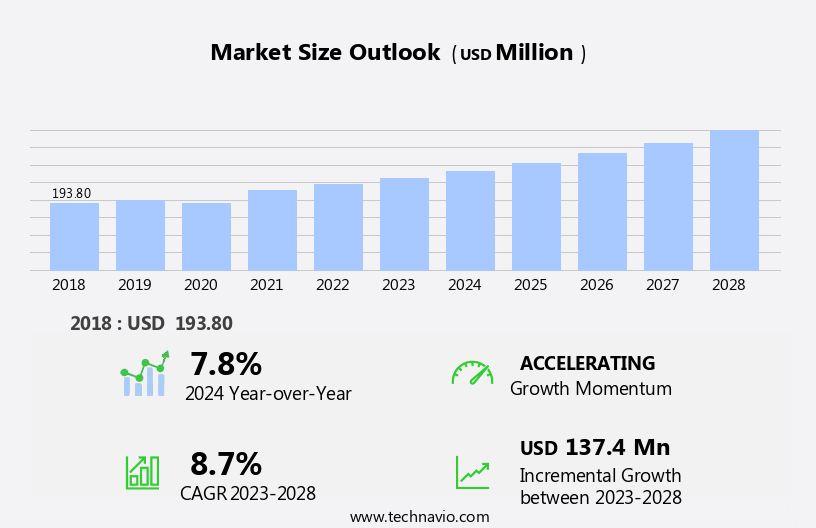
Bile Duct Cancer Market Size

 Request Free Sample

  • Bile duct cancer, also known as cholangiocarcinoma, is a malignant tumor that develops in the bile ducts, which transport bile from the liver to the small intestine. The diagnosis of bile duct cancer can be challenging due to its non-specific symptoms, which may include jaundice, weight loss, abdominal pain, and fever. Several factors contribute to the development of bile duct cancer, including biliary stones, liver inflammation, bile duct abnormalities, liver flukes, exposure to hazardous chemicals, and certain medical conditions. Cancer diagnosis is a critical step in managing bile duct cancer. Medical technology plays a vital role in the early detection of this disease through various diagnostic techniques, such as imaging studies (e.G., ultrasound, CT scan, MRI) and endoscopic procedures (e.G., ERCP, EUS). Early detection increases the chances of effective treatment and better patient outcomes. Treatment options for bile duct cancer include surgical interventions, chemotherapy, radiation therapy, and immunotherapy. Surgical resection is the primary treatment for early-stage bile duct cancer. Chemotherapy, such as cisplatin, 5-fluorouracil (5FU), gemcitabine, capecitabine, and oxaliplatin, is used to treat advanced-stage bile duct cancer or as an adjuvant therapy after surgery. Radiation therapy and immunotherapy are also used to manage symptoms and improve patient quality of life.
  • Moreover, pharmaceutical companies are investing in research and development of innovative therapies for bile duct cancer. These therapies aim to target specific molecular pathways involved in the development and progression of the disease. Personalized treatment approaches based on individual patient characteristics, such as genetic mutations and tumor stage, are also being explored to optimize treatment outcomes. Hospitals and clinics play a crucial role in the diagnosis, treatment, and management of bile duct cancer. The increasing prevalence of this disease and the growing demand for advanced treatment options are expected to drive the growth of the market. The market is expected to experience significant growth due to the increasing focus on early detection and personalized treatment approaches. In conclusion, the market is driven by the increasing incidence of this disease, the need for early detection and personalized treatment, and the development of innovative therapies. The market is expected to grow significantly due to the increasing demand for advanced treatment options and the focus on improving patient outcomes. Medical technology plays a crucial role in the diagnosis and treatment of bile duct cancer, and ongoing research and development efforts are expected to lead to new and effective treatment options in the future.

How is this market segmented and which is the largest segment?

The market research report provides comprehensive data (region-wise segment analysis), with forecasts and estimates in "USD million" for the period 2024-2028, as well as historical data from 2018-2022 for the following segments.

  • Type
    • Extrahepatic bile duct cancer
    • Intrahepatic bile duct cancer
  • Geography
    • North America
      • US
    • Europe
      • Germany
      • UK
    • Asia
      • China
      • Japan
    • Rest of World (ROW)

By Type Insights

  • The extrahepatic bile duct cancer segment is estimated to witness significant growth during the forecast period.

Extrahepatic bile duct cancer, also known as cholangiocarcinoma, is a relatively uncommon form of cancer that develops in the bile ducts located outside the liver. Bile ducts serve the essential function of transporting bile from the liver to the small intestine for digestion. The cancer can originate at different parts of the bile duct system, leading to various types, such as perihilar (hilar) and distal bile duct cancer. Perihilar bile duct cancer emerges near the liver where the bile ducts exit, while distal bile duct cancer is found further from the liver and closer to the small intestine and pancreas.

Similarly, several factors contribute to the development of extrahepatic bile duct cancer, including biliary stones, liver inflammation, liver flukes, and exposure to hazardous chemicals. Symptoms of bile duct cancer may include jaundice, abdominal pain, weight loss, and fever. Diagnosis typically involves imaging tests, such as ultrasound, CT scan, or MRI, as well as invasive procedures like ERCP (endoscopic retrograde cholangiopancreatography) or biopsy. Early detection and treatment are crucial for improving patient outcomes. It is essential to recognize the risk factors and symptoms of extrahepatic bile duct cancer to ensure timely diagnosis and treatment. Regular screenings and monitoring can help identify the condition in its early stages, increasing the chances of successful treatment. 
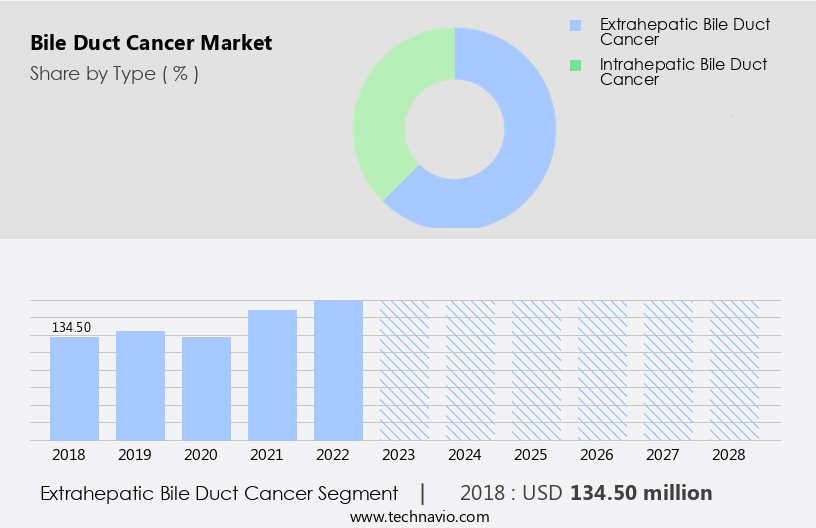
Bile Duct Cancer Market Size

Get a glance at the market report of share of various segments Request Free Sample

The extrahepatic bile duct cancer segment was valued at USD 134.50 million in 2018 and showed a gradual increase during the forecast period.

Regional Analysis

  • North America is estimated to contribute 63% to the growth of the global market during the forecast period.

Technavio's analysts have elaborately explained the regional trends and drivers that shape the market during the forecast period.
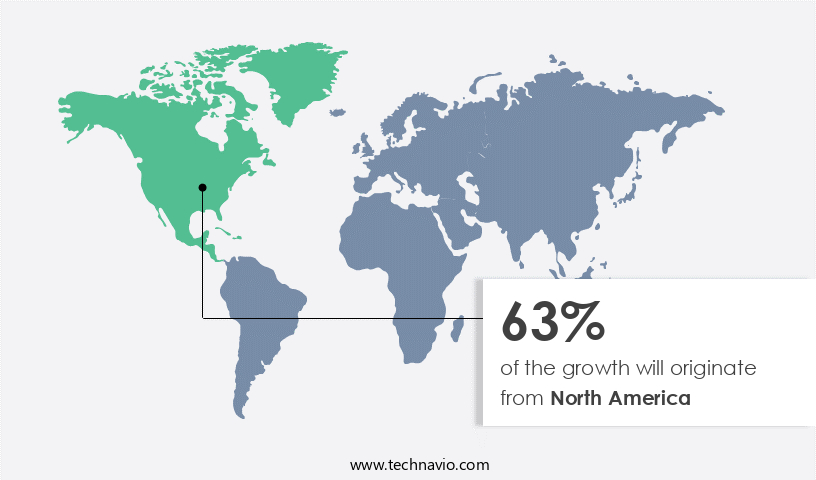
Bile Duct Cancer Market Share by Geography

For more insights on the market share of various regions Request Free Sample

In the healthcare system of North America, the market holds significant importance, particularly in the United States and Canada. The US, with its substantial investments in the oncology sector, accounts for the largest share of the global market. The pharmaceutical industry, specifically the oncology sector, is a major contributor to this dominance due to the presence of numerous pharmaceutical giants in the region.

In the US alone, approximately 8,000 individuals are diagnosed with bile duct cancer each year. Early detection and personalized treatment options are crucial in the effective management of this disease. Medical technology continues to evolve, offering innovative therapies and targeted treatments to improve patient outcomes.

Market Dynamics

Our researchers analyzed the data with 2023 as the base year, along with the key drivers, trends, and challenges. A holistic analysis of drivers will help companies refine their marketing strategies to gain a competitive advantage.

What are the key market drivers leading to the rise in adoption of Bile Duct Cancer Market?

Growing preference for chemotherapy drugs in developing countries is the key driver of the market.

  • In the realm of treating bile duct cancer, various therapeutic approaches are utilized, including surgical interventions, chemotherapy, radiation therapy, and immunotherapy. Hospitals, oncology centers, and ambulatory surgical centers are common settings for administering these treatments. While the trend towards using chemotherapy drugs has waned in developed countries, the combination of chemotherapy with other therapies, such as targeted treatments, continues to be an effective strategy.
  • For example, 5-fluorouracil (5-FU) is a widely-used cytotoxic chemotherapy drug for bile duct cancer. Its application has resulted in substantial enhancements to both the overall survival rate (approximately 35%-40%) and the disease-free survival rate. The integration of these therapies offers promising prospects for improving patient outcomes.

What are the market trends shaping the Bile Duct Cancer Market?

Robust research and development activities fueling the pipeline are the upcoming trends in the market.

  • In the realm of oncology, the demand for advanced diagnostic and therapeutic solutions for bile duct cancer continues to escalate due to the significant unmet medical need. Consequently, various entities, including clinics, hospital pharmacies, retail pharmacies, and online pharmacies, are investing substantially in research and development. Consequently, various entities, including clinics, hospital pharmacies, retail pharmacies, and e-pharmacies, are investing substantially in research and development.
  • One innovative approach gaining traction is the application of nanotechnology in cancer theranostics, specifically using gold nanoparticles. This technique involves the integration of a therapeutic and diagnostic agent with gold nanoparticles, enabling targeted tumor monitoring and a deeper comprehension of the tumor's response to treatment. The potential of such novel therapeutic combinations will undoubtedly contribute to the emergence of new, effective bile duct cancer treatments.

What challenges does Bile Duct Cancer Market face during the growth?

The lack of adequate healthcare infrastructure in developing nations is a key challenge affecting the market growth.

  • Inadequate healthcare infrastructure in underdeveloped and emerging economies, including India, Argentina, and various African countries, poses a significant challenge to the adoption of advanced cancer treatments such as radiotherapy and chemotherapy. These therapies necessitate substantial installation space due to the size of the required devices. The limited healthcare expenditure in these regions hinders the development of adequate infrastructure to accommodate such treatments. According to the World Health Organization (WHO), a minimum of one teletherapy unit is recommended per million population.
  • However, many underdeveloped and developing countries fall short of this requirement. As a result, only a select few healthcare institutions in these regions can utilize advanced radiotherapy systems for cancer treatment. This situation significantly restricts the number of available radiotherapy and chemotherapy procedures, despite their high demand. Diagnostic technologies, such as 5-fluorouracil (5FU), Gemcitabine, Capecitabine, and Oxaliplatin, play a crucial role in cancer treatment. However, their availability and accessibility are also influenced by the healthcare infrastructure in various countries.

Exclusive Customer Landscape

The market forecasting report includes the adoption lifecycle of the market, covering from the innovator's stage to the laggard's stage. It focuses on adoption rates in different regions based on penetration. Furthermore, the market report also includes key purchase criteria and drivers of price sensitivity to help companies evaluate and develop their market growth analysis strategies.
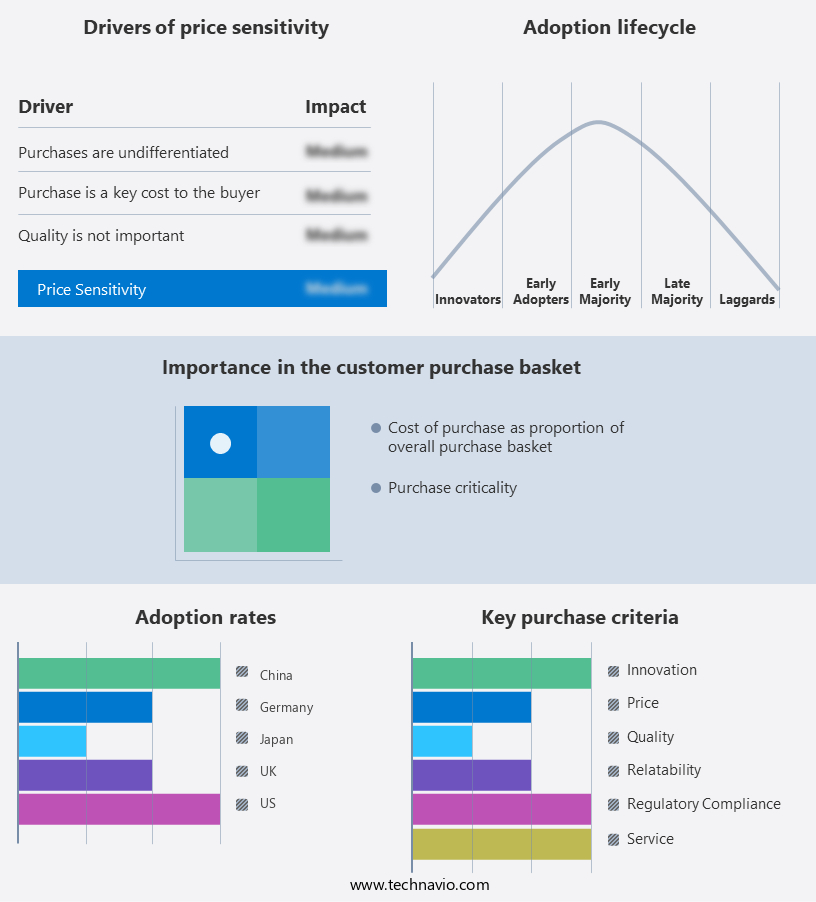
Bile Duct Cancer Market Share by Geography

 Customer Landscape

Key Companies & Market Insights

Companies are implementing various strategies, such as strategic alliances, market forecast, partnerships, mergers and acquisitions, geographical expansion, and product/service launches, to enhance their presence in the market.

The market research and growth report includes detailed analyses of the competitive landscape of the market and information about key companies, including:

  • 3D Biomedicine Science and Technology Co. Ltd.
  • AstraZeneca Plc
  • BridgeBio Pharma Inc
  • Bristol Myers Squibb Co.
  • F. Hoffmann La Roche Ltd.
  • Fresenius SE and Co. KGaA
  • Hutchison China Meditech Ltd.
  • Incyte Corp.
  • Intas Pharmaceuticals Ltd.
  • J-Pharma Co. Ltd.
  • Les Laboratoires Servier
  • Merck KGaA
  • NuCana plc
  • Pfizer Inc.
  • RemeGen Ltd.
  • Sanofi SA
  • Shanghai Miracogen Inc.
  • Sino Biopharmaceutical Ltd.
  • Sun Pharmaceutical Industries Ltd.
  • Zhongshan Hospital

Qualitative and quantitative analysis of companies has been conducted to help clients understand the wider business environment as well as the strengths and weaknesses of key market players. Data is qualitatively analyzed to categorize companies as pure play, category-focused, industry-focused, and diversified; it is quantitatively analyzed to categorize companies as dominant, leading, strong, tentative, and weak.

Research Analyst Overview

Cholangiocarcinoma, a type of bile duct cancer, is a significant health concern worldwide. Its diagnosis can be challenging due to nonspecific symptoms such as jaundice, weight loss, and abdominal pain. Several factors contribute to the development of cholangiocarcinoma, including biliary stones, liver inflammation caused by parasitic liver flukes, and exposure to hazardous chemicals. Early detection is crucial for effective treatment, which may include surgical interventions, chemotherapy, radiation therapy, immunotherapy, or a combination of these. The pharmaceutical industry plays a vital role in providing treatment options for cholangiocarcinoma. Commonly used drugs include cisplatin, 5fluorouracil (5FU), gemcitabine, capecitabine, and oxaliplatin.

In summary, patients receive these medications in hospitals, oncology centers, ambulatory surgical centers, clinics, hospital pharmacies, retail pharmacies, and online pharmacies. The healthcare system's infrastructure and diagnostic technologies are essential for accurate diagnosis and personalized treatment plans. Innovative therapies and targeted treatments continue to emerge, offering hope for improved patient outcomes. The epidemiology of cholangiocarcinoma highlights the need for continued research and advancements in medical technology to address this complex disease.

Market Scope

Report Coverage

Details

Page number

136

Base year

2023

Historic period

2018-2022

Forecast period

2024-2028

Growth momentum & CAGR

Accelerate at a CAGR of 8.7%

Market growth 2024-2028

USD 137.4 million

Market structure

Fragmented

YoY growth 2023-2024(%)

7.8

Key countries

US, Germany, UK, China, and Japan

Competitive landscape

Leading Companies, Market Positioning of Companies, Competitive Strategies, and Industry Risks

Request Free Sample

What are the Key Data Covered in this Market Research and Growth Report?

  • CAGR of the market during the forecast period
  • Detailed information on factors that will drive the market growth and forecasting between 2024 and 2028
  • Precise estimation of the size of the market  and its contribution of the market in focus to the parent market
  • Accurate predictions about upcoming market growth and trends and changes in consumer behaviour
  • Growth of the market across North America, Europe, Asia, and Rest of World (ROW)
  • Thorough analysis of the market's competitive landscape and detailed information about companies
  • Comprehensive analysis of factors that will challenge the growth of market companies

We can help! Our analysts can customize this market research report to meet your requirements. Get in touch

1 Executive Summary

  • 1.1 Market overview
    • Executive Summary - Chart on Market Overview
    • Executive Summary - Data Table on Market Overview
    • Executive Summary - Chart on Global Market Characteristics
    • Executive Summary - Chart on Market by Geography
    • Executive Summary - Chart on Market Segmentation by Type
    • Executive Summary - Chart on Incremental Growth
    • Executive Summary - Data Table on Incremental Growth
    • Executive Summary - Chart on Company Market Positioning

2 Market Landscape

  • 2.1 Market ecosystem
    • Parent Market
    • Data Table on - Parent Market
  • 2.2 Market characteristics
    • Market characteristics analysis
  • 2.3 Value chain analysis
    • Value Chain Analysis

3 Market Sizing

  • 3.1 Market definition
    • Offerings of companies included in the market definition
  • 3.2 Market segment analysis
    • Market segments
  • 3.3 Market size 2023
    • 3.4 Market outlook: Forecast for 2023-2028
      • Chart on Global - Market size and forecast 2023-2028 ($ million)
      • Data Table on Global - Market size and forecast 2023-2028 ($ million)
      • Chart on Global Market: Year-over-year growth 2023-2028 (%)
      • Data Table on Global Market: Year-over-year growth 2023-2028 (%)

    4 Historic Market Size

    • 4.1 Global Bile Duct Cancer Market 2018 - 2022
      • Historic Market Size - Data Table on Global Bile Duct Cancer Market 2018 - 2022 ($ million)
    • 4.2 Type segment analysis 2018 - 2022
      • Historic Market Size - Type Segment 2018 - 2022 ($ million)
    • 4.3 Geography segment analysis 2018 - 2022
      • Historic Market Size - Geography Segment 2018 - 2022 ($ million)
    • 4.4 Country segment analysis 2018 - 2022
      • Historic Market Size - Country Segment 2018 - 2022 ($ million)

    5 Five Forces Analysis

    • 5.1 Five forces summary
      • Five forces analysis - Comparison between 2023 and 2028
    • 5.2 Bargaining power of buyers
      • Bargaining power of buyers - Impact of key factors 2023 and 2028
    • 5.3 Bargaining power of suppliers
      • Bargaining power of suppliers - Impact of key factors in 2023 and 2028
    • 5.4 Threat of new entrants
      • Threat of new entrants - Impact of key factors in 2023 and 2028
    • 5.5 Threat of substitutes
      • Threat of substitutes - Impact of key factors in 2023 and 2028
    • 5.6 Threat of rivalry
      • Threat of rivalry - Impact of key factors in 2023 and 2028
    • 5.7 Market condition
      • Chart on Market condition - Five forces 2023 and 2028

    6 Market Segmentation by Type

    • 6.1 Market segments
      • Chart on Type - Market share 2023-2028 (%)
      • Data Table on Type - Market share 2023-2028 (%)
    • 6.2 Comparison by Type
      • Chart on Comparison by Type
      • Data Table on Comparison by Type
    • 6.3 Extrahepatic bile duct cancer - Market size and forecast 2023-2028
      • Chart on Extrahepatic bile duct cancer - Market size and forecast 2023-2028 ($ million)
      • Data Table on Extrahepatic bile duct cancer - Market size and forecast 2023-2028 ($ million)
      • Chart on Extrahepatic bile duct cancer - Year-over-year growth 2023-2028 (%)
      • Data Table on Extrahepatic bile duct cancer - Year-over-year growth 2023-2028 (%)
    • 6.4 Intrahepatic bile duct cancer - Market size and forecast 2023-2028
      • Chart on Intrahepatic bile duct cancer - Market size and forecast 2023-2028 ($ million)
      • Data Table on Intrahepatic bile duct cancer - Market size and forecast 2023-2028 ($ million)
      • Chart on Intrahepatic bile duct cancer - Year-over-year growth 2023-2028 (%)
      • Data Table on Intrahepatic bile duct cancer - Year-over-year growth 2023-2028 (%)
    • 6.5 Market opportunity by Type
      • Market opportunity by Type ($ million)
      • Data Table on Market opportunity by Type ($ million)

    7 Customer Landscape

    • 7.1 Customer landscape overview
      • Analysis of price sensitivity, lifecycle, customer purchase basket, adoption rates, and purchase criteria

    8 Geographic Landscape

    • 8.1 Geographic segmentation
      • Chart on Market share by geography 2023-2028 (%)
      • Data Table on Market share by geography 2023-2028 (%)
    • 8.2 Geographic comparison
      • Chart on Geographic comparison
      • Data Table on Geographic comparison
    • 8.3 North America - Market size and forecast 2023-2028
      • Chart on North America - Market size and forecast 2023-2028 ($ million)
      • Data Table on North America - Market size and forecast 2023-2028 ($ million)
      • Chart on North America - Year-over-year growth 2023-2028 (%)
      • Data Table on North America - Year-over-year growth 2023-2028 (%)
    • 8.4 Europe - Market size and forecast 2023-2028
      • Chart on Europe - Market size and forecast 2023-2028 ($ million)
      • Data Table on Europe - Market size and forecast 2023-2028 ($ million)
      • Chart on Europe - Year-over-year growth 2023-2028 (%)
      • Data Table on Europe - Year-over-year growth 2023-2028 (%)
    • 8.5 Asia - Market size and forecast 2023-2028
      • Chart on Asia - Market size and forecast 2023-2028 ($ million)
      • Data Table on Asia - Market size and forecast 2023-2028 ($ million)
      • Chart on Asia - Year-over-year growth 2023-2028 (%)
      • Data Table on Asia - Year-over-year growth 2023-2028 (%)
    • 8.6 Rest of World (ROW) - Market size and forecast 2023-2028
      • Chart on Rest of World (ROW) - Market size and forecast 2023-2028 ($ million)
      • Data Table on Rest of World (ROW) - Market size and forecast 2023-2028 ($ million)
      • Chart on Rest of World (ROW) - Year-over-year growth 2023-2028 (%)
      • Data Table on Rest of World (ROW) - Year-over-year growth 2023-2028 (%)
    • 8.7 US - Market size and forecast 2023-2028
      • Chart on US - Market size and forecast 2023-2028 ($ million)
      • Data Table on US - Market size and forecast 2023-2028 ($ million)
      • Chart on US - Year-over-year growth 2023-2028 (%)
      • Data Table on US - Year-over-year growth 2023-2028 (%)
    • 8.8 Germany - Market size and forecast 2023-2028
      • Chart on Germany - Market size and forecast 2023-2028 ($ million)
      • Data Table on Germany - Market size and forecast 2023-2028 ($ million)
      • Chart on Germany - Year-over-year growth 2023-2028 (%)
      • Data Table on Germany - Year-over-year growth 2023-2028 (%)
    • 8.9 UK - Market size and forecast 2023-2028
      • Chart on UK - Market size and forecast 2023-2028 ($ million)
      • Data Table on UK - Market size and forecast 2023-2028 ($ million)
      • Chart on UK - Year-over-year growth 2023-2028 (%)
      • Data Table on UK - Year-over-year growth 2023-2028 (%)
    • 8.10 China - Market size and forecast 2023-2028
      • Chart on China - Market size and forecast 2023-2028 ($ million)
      • Data Table on China - Market size and forecast 2023-2028 ($ million)
      • Chart on China - Year-over-year growth 2023-2028 (%)
      • Data Table on China - Year-over-year growth 2023-2028 (%)
    • 8.11 Japan - Market size and forecast 2023-2028
      • Chart on Japan - Market size and forecast 2023-2028 ($ million)
      • Data Table on Japan - Market size and forecast 2023-2028 ($ million)
      • Chart on Japan - Year-over-year growth 2023-2028 (%)
      • Data Table on Japan - Year-over-year growth 2023-2028 (%)
    • 8.12 Market opportunity by geography
      • Market opportunity by geography ($ million)
      • Data Tables on Market opportunity by geography ($ million)

    9 Drivers, Challenges, and Opportunity/Restraints

    • 9.1 Market drivers
      • 9.2 Market challenges
        • 9.3 Impact of drivers and challenges
          • Impact of drivers and challenges in 2023 and 2028
        • 9.4 Market opportunities/restraints

          10 Competitive Landscape

          • 10.1 Overview
            • 10.2 Competitive Landscape
              • Overview on criticality of inputs and factors of differentiation
            • 10.3 Landscape disruption
              • Overview on factors of disruption
            • 10.4 Industry risks
              • Impact of key risks on business

            11 Competitive Analysis

            • 11.1 Companies profiled
              • Companies covered
            • 11.2 Market positioning of companies
              • Matrix on companies position and classification
            • 11.3 AstraZeneca Plc
              • AstraZeneca Plc - Overview
              • AstraZeneca Plc - Product / Service
              • AstraZeneca Plc - Key news
              • AstraZeneca Plc - Key offerings
            • 11.4 BridgeBio Pharma Inc
              • BridgeBio Pharma Inc - Overview
              • BridgeBio Pharma Inc - Product / Service
              • BridgeBio Pharma Inc - Key offerings
            • 11.5 Bristol Myers Squibb Co.
              • Bristol Myers Squibb Co. - Overview
              • Bristol Myers Squibb Co. - Product / Service
              • Bristol Myers Squibb Co. - Key news
              • Bristol Myers Squibb Co. - Key offerings
            • 11.6 Hutchison China Meditech Ltd.
              • Hutchison China Meditech Ltd. - Overview
              • Hutchison China Meditech Ltd. - Business segments
              • Hutchison China Meditech Ltd. - Key offerings
              • Hutchison China Meditech Ltd. - Segment focus
            • 11.7 Incyte Corp.
              • Incyte Corp. - Overview
              • Incyte Corp. - Product / Service
              • Incyte Corp. - Key offerings
            • 11.8 J-Pharma Co. Ltd.
              • J-Pharma Co. Ltd. - Overview
              • J-Pharma Co. Ltd. - Product / Service
              • J-Pharma Co. Ltd. - Key offerings
            • 11.9 Les Laboratoires Servier
              • Les Laboratoires Servier - Overview
              • Les Laboratoires Servier - Business segments
              • Les Laboratoires Servier - Key offerings
              • Les Laboratoires Servier - Segment focus
            • 11.10 Merck KGaA
              • Merck KGaA - Overview
              • Merck KGaA - Business segments
              • Merck KGaA - Key news
              • Merck KGaA - Key offerings
              • Merck KGaA - Segment focus
            • 11.11 RemeGen Ltd.
              • RemeGen Ltd. - Overview
              • RemeGen Ltd. - Product / Service
              • RemeGen Ltd. - Key offerings
            • 11.12 Sino Biopharmaceutical Ltd.
              • Sino Biopharmaceutical Ltd. - Overview
              • Sino Biopharmaceutical Ltd. - Business segments
              • Sino Biopharmaceutical Ltd. - Key offerings
              • Sino Biopharmaceutical Ltd. - Segment focus

            12 Appendix

            • 12.1 Scope of the report
              • 12.2 Inclusions and exclusions checklist
                • Inclusions checklist
                • Exclusions checklist
              • 12.3 Currency conversion rates for US$
                • Currency conversion rates for US$
              • 12.4 Research methodology
                • Research methodology
              • 12.5 Data procurement
                • Information sources
              • 12.6 Data validation
                • Data validation
              • 12.7 Validation techniques employed for market sizing
                • Validation techniques employed for market sizing
              • 12.8 Data synthesis
                • Data synthesis
              • 12.9 360 degree market analysis
                • 360 degree market analysis
              • 12.10 List of abbreviations
                • List of abbreviations

              Research Methodology

              Technavio presents a detailed picture of the market by way of study, synthesis, and summation of data from multiple sources. The analysts have presented the various facets of the market with a particular focus on identifying the key industry influencers. The data thus presented is comprehensive, reliable, and the result of extensive research, both primary and secondary.

              INFORMATION SOURCES

              Primary sources

              • Manufacturers and suppliers
              • Channel partners
              • Industry experts
              • Strategic decision makers

              Secondary sources

              • Industry journals and periodicals
              • Government data
              • Financial reports of key industry players
              • Historical data
              • Press releases

              DATA ANALYSIS

              Data Synthesis

              • Collation of data
              • Estimation of key figures
              • Analysis of derived insights

              Data Validation

              • Triangulation with data models
              • Reference against proprietary databases
              • Corroboration with industry experts

              REPORT WRITING

              Qualitative

              • Market drivers
              • Market challenges
              • Market trends
              • Five forces analysis

              Quantitative

              • Market size and forecast
              • Market segmentation
              • Geographical insights
              • Competitive landscape

              Interested in this report?

              Get your sample now to see our research methodology and insights!

              Download Now

              Frequently Asked Questions

              Bile Duct Cancer market growth will increase by $ 137.4 mn during 2024-2028 .

              The Bile Duct Cancer market is expected to grow at a CAGR of 8.7% during 2024-2028 .

              Bile Duct Cancer market is segmented by Type( Extrahepatic bile duct cancer, Intrahepatic bile duct cancer)

              3D Biomedicine Science and Technology Co. Ltd., AstraZeneca Plc, BridgeBio Pharma Inc, Bristol Myers Squibb Co., F. Hoffmann La Roche Ltd., Fresenius SE and Co. KGaA, Hutchison China Meditech Ltd., Incyte Corp., Intas Pharmaceuticals Ltd., J-Pharma Co. Ltd., Les Laboratoires Servier, Merck KGaA, NuCana plc, Pfizer Inc., RemeGen Ltd., Sanofi SA, Shanghai Miracogen Inc., Sino Biopharmaceutical Ltd., Sun Pharmaceutical Industries Ltd., Zhongshan Hospital are a few of the key vendors in the Bile Duct Cancer market.

              North America will register the highest growth rate of 63% among the other regions. Therefore, the Bile Duct Cancer market in North America is expected to garner significant business opportunities for the vendors during the forecast period.

              US, Germany, UK, China, Japan

              • Growing preference for chemotherapy drugs in developing countriesAlthough the preference for chemotherapy drugs in developed countries has been on a decline is the driving factor this market.
              • the use of chemotherapy drugs in combination with other therapies remains strong. For instance is the driving factor this market.
              • researchers have evaluated the use of combination drugs that include chemotherapy drugs as well as targeted therapies. This should offset the impact of the reduced demand for chemotherapy drugs in developed countries. For instance is the driving factor this market.
              • 5 fluorouracil (5-FU) is a cytotoxic chemotherapy medication used to treat bile duct cancer. The adoption of this medication has led to a significant rate of improvement (in the range of 35%-40%) in the overall survival rate and an almost equal rate of increase in the disease-free survival rate. The ten-year survival rates improved by as much as 80% by using this drug. On the other hand is the driving factor this market.
              • in developing countries is the driving factor this market.
              • there is an increased preference for chemotherapy is the driving factor this market.
              • which is still considered a gold standard for cancer treatment in those countries. In developing regions such as China and India is the driving factor this market.
              • the demand for targeted therapies is still in the nascent phase. Therefore is the driving factor this market.
              • physicians still prefer chemotherapy for the treatment of cancer. The number of individuals opting for chemotherapy in India will increase at a CAGR of 10.2% from 2023 through 2028. This will provide opportunities for chemotherapy drugs (Gemcitabine is the driving factor this market.
              • 5 fluorouracil (5-FU) is the driving factor this market.
              • Cisplatin) to treat bile drug cancer during the forecast period. is the driving factor this market.

              The Bile Duct Cancer market vendors should focus on grabbing business opportunities from the Extrahepatic bile duct cancer segment as it accounted for the largest market share in the base year.
