



Botanicals Market Size 2024-2028
The botanicals market size is forecast to increase by USD 7.85 billion, at a CAGR of 15.22% between 2023 and 2028.
- The market is experiencing significant growth due to the increasing demand for food and beverages infused with botanical ingredients. Consumers are increasingly seeking natural and organic options, leading to a surge in demand for botanical-based products. This trend is particularly noticeable in the herbal cosmetics sector, where stringent quality standards and regulations ensure the production of safe and effective botanical-based personal care products. However, the market faces challenges, including the need for sustainable sourcing of raw materials and ensuring consistent quality and purity of botanical extracts.
- Companies must navigate these challenges to capitalize on the opportunities presented by the growing demand for botanical ingredients in various industries. By focusing on innovation, sustainability, and regulatory compliance, businesses can differentiate themselves and thrive in this dynamic market.
What will be the Size of the Botanicals Market during the forecast period?
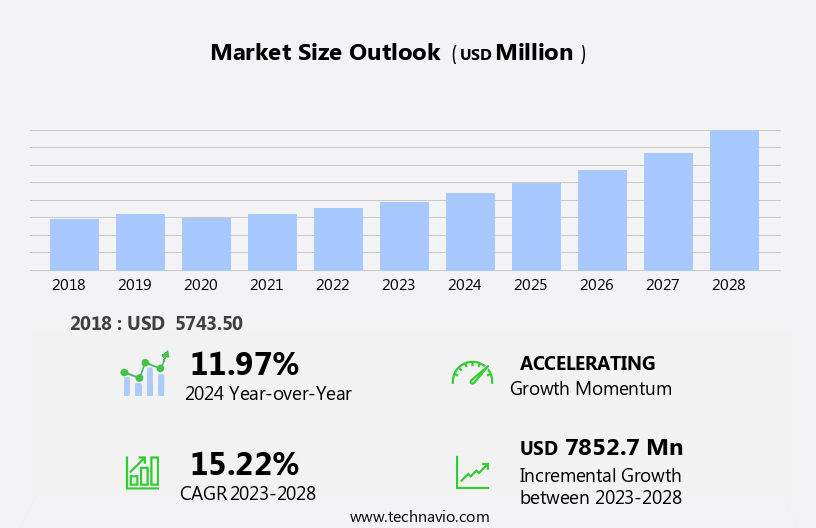
Explore in-depth regional segment analysis with market size data - historical 2018-2022 and forecasts 2024-2028 - in the full report.
Request Free Sample
The market continues to evolve, driven by the ongoing discovery and development of new applications for these natural substances. Herbal pesticides, for instance, demonstrate impressive efficacy against various pests, with terpenoid insecticides and alkaloid pest control leading the charge. The registration process for biopesticides is a critical component of this market, ensuring the safety and efficacy of these products for farmers and consumers alike. Botanical product stability is another key concern, with saponin-based surfactants and herbal extract formulations playing essential roles in maintaining product integrity. Flavonoid antioxidant capacity is another valuable attribute, contributing to the eco-friendly crop protection offered by these natural solutions.
The phytochemical extraction methods used to isolate these compounds continue to advance, enabling the identification of new bioactive compounds and enhancing the potency of existing ones. Essential oils, for example, exhibit significant bioactivity against a range of pests and diseases, making them valuable tools in integrated pest management systems. Plant-derived herbicides and botanical fungicides are also gaining traction, offering effective alternatives to synthetic chemicals. The production of phytoalexins, natural plant compounds with antimicrobial properties, is an area of active research, with potential applications in disease resistance enhancement and environmental impact assessment. Botanical repellents, soil amendments, and plant-based growth regulators round out the diverse range of applications for these natural substances.
The continuous unfolding of market activities and evolving patterns underscores the importance of staying abreast of the latest research and developments in the market.
How is this Botanicals Industry segmented?
The botanicals industry research report provides comprehensive data (region-wise segment analysis), with forecasts and estimates in "USD million" for the period 2024-2028, as well as historical data from 2018-2022 for the following segments.
- Source
- Herbs
- Spices
- Flowers
- Others
- Application
- Food and Beverage
- Nutraceuticals
- Cosmetics
- Pharmaceuticals
- Form
- Powder
- Liquid
- Capsules
- Distribution Channel
- B2B
- Online Retail
- Health Food Stores
- Pharmacies
- Geography
- North America
- US
- Canada
- Europe
- UK
- APAC
- China
- India
- Rest of World (ROW)
- North America
By Source Insights
The herbs segment is estimated to witness significant growth during the forecast period.
Botanical herbs have gained significant attention in the agricultural and health industries due to their eco-friendly and naturally derived properties. In the realm of crop protection, botanicals offer a sustainable alternative to synthetic pesticides. These botanicals exhibit varying biodegradation rates and natural insecticide potency, making them suitable for different applications. The biopesticide registration process ensures the safety and efficacy of these products, while minimizing residues in organic farming. The plant extract composition encompasses a diverse range of plant secondary metabolites, such as flavonoids, terpenoids, alkaloids, and saponins. Herbal pesticides, derived from these extracts, demonstrate high efficacy against pests and diseases, while being gentle on the environment.
Saponin-based surfactants enhance the activity of these botanical pesticides, improving their stability and application efficiency. Essential oils, rich in bioactive compounds, play a crucial role in botanical product stability and bioactivity. Identification of these compounds is essential for understanding their mode of action and optimizing extraction methods. Phytochemical extraction methods, such as steam distillation, solvent extraction, and supercritical fluid extraction, are used to obtain these essential oils and other valuable compounds from plant material. Botanical repellents, derived from plants, offer effective solutions for controlling pests, while being eco-friendly and safe for non-target organisms, including pollinators. Botanical herbicides, derived from plants, provide an alternative to synthetic herbicides, offering weed control and disease resistance enhancement.
Botanical fungicides, derived from fungi and plants, offer effective solutions for controlling fungal diseases, while minimizing environmental impact. Plant-derived growth regulators offer a sustainable alternative to synthetic growth regulators, enhancing crop yield and quality. The phytoalexin production pathway, a natural defense mechanism in plants, is a promising area of research for developing botanical pesticides and growth regulators. Botanical soil amendments offer benefits such as improved soil structure, water retention, and nutrient availability, making them an essential component of sustainable agriculture. In conclusion, the market is witnessing a surge in innovation and adoption, driven by the growing demand for eco-friendly and sustainable crop protection solutions.
The integration of advanced technologies and research in the field of botanical extraction and formulation development is expected to further boost the market's growth.
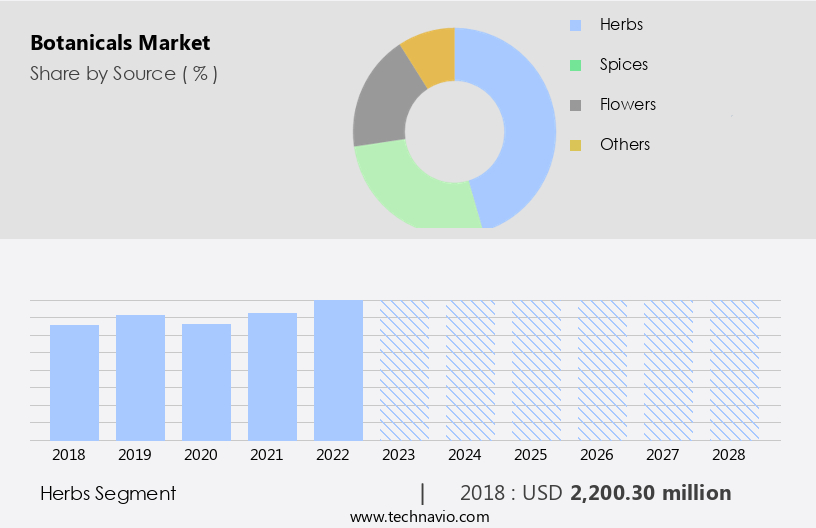
The Herbs segment was valued at USD 2.2 billion in 2018 and showed a gradual increase during the forecast period.
Regional Analysis
Europe is estimated to contribute 35% to the growth of the global market during the forecast period.Technavio’s analysts have elaborately explained the regional trends and drivers that shape the market during the forecast period.
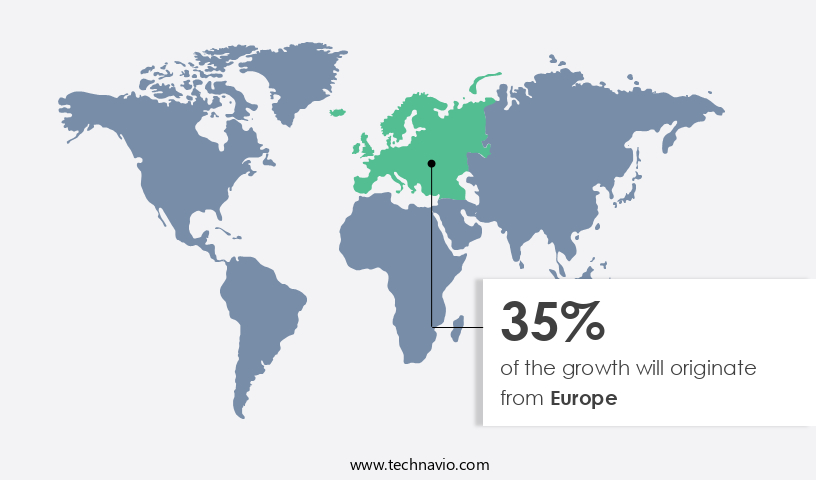
The market in Europe is experiencing significant growth due to increasing consumer demand for functional food and beverages, as well as a shift towards natural and eco-friendly personal care products. With a focus on reducing the use of synthetic ingredients and chemicals, botanical ingredients are becoming increasingly popular. However, this market is subject to strict regulations, particularly in the cosmetics sector. The European Union's Registration, Evaluation, Authorisation and Restriction of Chemicals (REACH) regulation requires importers of over one tonne of botanical ingredients for cosmetic products to register them with the central authority. The market in Europe includes a diverse range of products, from herbal pesticides and plant-derived herbicides to botanical soil amendments and plant-based growth regulators.
These products offer various benefits, such as biodegradation, natural insecticide potency, and disease resistance enhancement. The market also includes botanical fungicides, essential oils, and herbal extract formulations, which are effective in controlling pests and enhancing plant health. Additionally, the production of bioactive compounds through phytochemical extraction methods is a significant trend in the market. The market's evolution is driven by the development of new extraction techniques, the identification of new bioactive compounds, and the increasing demand for pollinator-friendly botanicals and alkaloid pest control. The market also includes botanical repellents, saponin-based surfactants, and terpenoid insecticide activity, all of which contribute to eco-friendly crop protection.
Despite the regulatory challenges, the market's future looks promising, with ongoing research into the flavonoid antioxidant capacity, phytoalexin production pathways, and environmental impact assessment.
Market Dynamics
Our researchers analyzed the data with 2023 as the base year, along with the key drivers, trends, and challenges. A holistic analysis of drivers will help companies refine their marketing strategies to gain a competitive advantage.
What are the key market drivers leading to the rise in the adoption of Botanicals Industry?
- The increasing consumer preference for food and beverage products incorporating botanical ingredients serves as the primary market growth catalyst.
- The botanical soil amendment market is experiencing significant growth due to increasing consumer preferences for natural and organic food and beverages. Key market participants are investing heavily in research and development to introduce products formulated with botanical ingredients, catering to consumers' demands for food and beverages free from synthetic additives. Consumer awareness regarding the potential health risks associated with artificial flavors, colors, and preservatives is driving the demand for natural alternatives, such as herbs, spices, and flowers. Global health organizations and food safety associations have implemented regulations to restrict the use of artificial flavorings and promote the adoption of botanical ingredients.
- This regulatory landscape is further fueling the market's growth, as companies seek to comply with these regulations and meet consumer expectations for natural and healthier food options. Overall, the botanical soil amendment market is expected to continue its upward trajectory as it responds to the evolving consumer landscape and regulatory environment.
What are the market trends shaping the Botanicals Industry?
- The trend towards organic herbal cosmetics is gaining significant momentum in the market. This growing demand reflects a strong consumer preference for natural and health-conscious beauty products.
- The market is witnessing significant growth due to the increasing demand for natural and organic personal care and cosmetic products. Organic botanical extracts, derived from herbs not exposed to synthetic pesticides, herbicides, or fertilizers, are gaining popularity in this sector. These extracts are used to create herbal cosmetics, including lipsticks and soaps, which are free from animal content such as tallow or cochineal beetles. The potency of natural insecticides present in botanical extracts is a crucial factor driving their adoption in the cosmetics industry. The biopesticide registration process ensures the safety and efficacy of these botanical ingredients. However, it is essential to monitor the biodegradation rate of botanical pesticide residues to ensure they do not harm the environment or human health.
- The composition of plant extracts contains various plant secondary metabolites, which provide unique benefits to the skin. These metabolites, such as flavonoids, terpenoids, and phenolic acids, have antioxidant, anti-inflammatory, and antimicrobial properties. As a result, they are increasingly being used in cosmetic formulations to enhance product efficacy and appeal to consumers seeking natural and organic alternatives.
What challenges does the Botanicals Industry face during its growth?
- The strict adherence to stringent quality standards and regulations poses a significant challenge to the industry's growth.
- The market encompasses products derived from herbs, spices, and flowers. Manufacturers face challenges ensuring the quality and consistency of these naturally sourced ingredients, as their growing conditions and production methods can vary. Strict regulations mandate adherence to quality standards, making it essential for companies to implement rigorous testing and quality control processes. Botanical products exhibit unique characteristics, such as the presence of flavonoid antioxidants and terpenoid insecticides. However, their eco-friendly nature also poses challenges, including potential contamination with toxic substances during cultivation and the need for effective herbal pesticides to maintain their efficacy. To address these challenges, botanical product manufacturers invest in research and development, focusing on improving the stability of their formulations using ingredients like saponin-based surfactants.
- By prioritizing eco-friendly crop protection and innovative formulation development, companies can differentiate themselves in the market and meet the growing demand for natural, sustainable alternatives to synthetic products.
Exclusive Customer Landscape
The botanicals market forecasting report includes the adoption lifecycle of the market, covering from the innovator’s stage to the laggard’s stage. It focuses on adoption rates in different regions based on penetration. Furthermore, the botanicals market report also includes key purchase criteria and drivers of price sensitivity to help companies evaluate and develop their market growth analysis strategies.
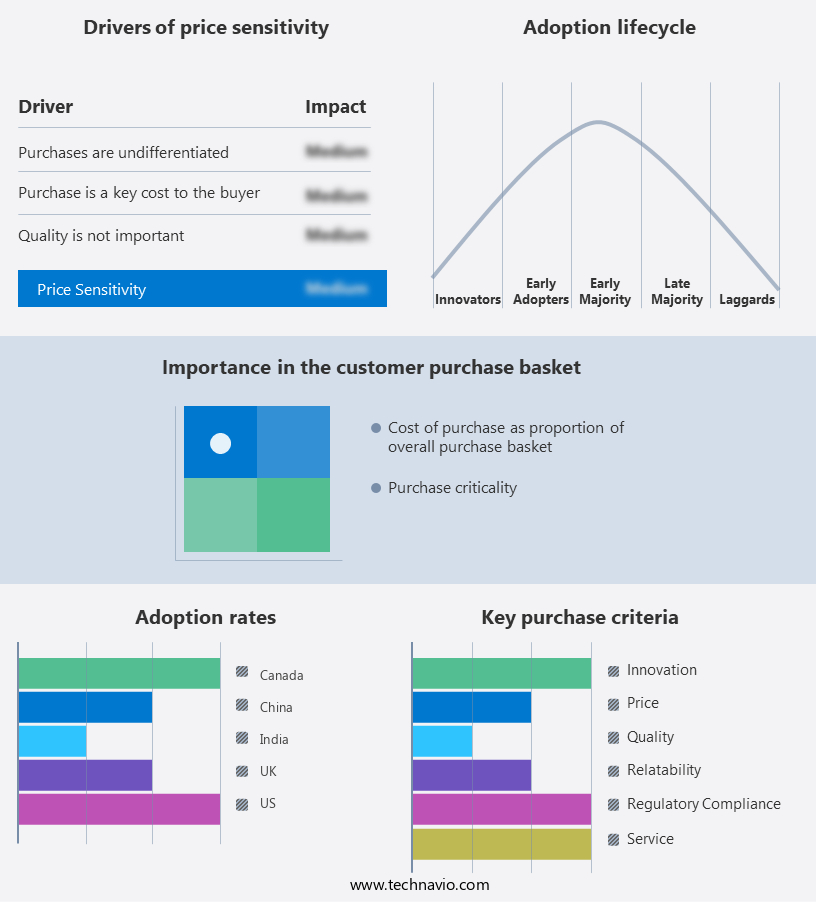
Customer Landscape
Key Companies & Market Insights
Companies are implementing various strategies, such as strategic alliances, botanicals market forecast, partnerships, mergers and acquisitions, geographical expansion, and product/service launches, to enhance their presence in the industry.
AmbePhytoextracts Pvt. Ltd. - This company specializes in providing a range of botanical products, including powders, extracts, and teas derived from natural sources. Notable offerings include alfalfa herb and leaf, and green tea leaf. These botanicals are sourced and processed to maintain their natural potency and efficacy.
The industry research and growth report includes detailed analyses of the competitive landscape of the market and information about key companies, including:
- AmbePhytoextracts Pvt. Ltd.
- Bell Flavors and Fragrances GmbH
- Berje Inc.
- BI Nutraceuticals
- Blue Sky Botanics Ltd.
- Dohler GmbH
- Indesso
- International Flavors and Fragrances Inc.
- Kalsec Inc.
- Kuber Impex Ltd.
- Lipoid Kosmetic AG
- Nutra Green Biotechnology Co. Ltd.
- Prakruti Products Pvt. Ltd.
- Prinova Group LLC
- Ransom Naturals Ltd.
- Rutland Biodynamics Ltd.
- Synergy Flavors Inc.
- Synthite Industries Pvt. Ltd.
- The Herbarie at Stoney Hill Farm Inc.
- Umalaxmi Organics Pvt. Ltd.
Qualitative and quantitative analysis of companies has been conducted to help clients understand the wider business environment as well as the strengths and weaknesses of key industry players. Data is qualitatively analyzed to categorize companies as pure play, category-focused, industry-focused, and diversified; it is quantitatively analyzed to categorize companies as dominant, leading, strong, tentative, and weak.
Recent Development and News in Botanicals Market
- In January 2024, Herbalife Nutrition, a leading global nutrition company, launched Botanica by Herbalife, a new line of botanical supplements, targeting the growing consumer demand for natural health solutions (Herbalife Nutrition Press Release). In March 2024, DSM, a Dutch multinational nutritional products and materials company, announced a strategic partnership with Indena S.P.A, an Italian botanical extracts manufacturer, to expand its botanical ingredients portfolio (DSM Press Release).
- In May 2024, Amyris, Inc., a California-based biotech company, raised USD100 million in a Series E funding round, focusing on the expansion of its industrial-scale fermentation capabilities for botanical ingredients (Amyris Press Release). In January 2025, the European Commission approved the use of Artemisia annua extract for the treatment of malaria, further validating the potential of botanicals in pharmaceuticals (European Commission Press Release). These developments underscore the growing importance of botanicals in various industries, from nutrition and health to pharmaceuticals and materials.
Research Analyst Overview
- The market encompasses a range of sustainable agriculture inputs, including plant-based nematicides and biofertilizers. Efficacy testing protocols are crucial in evaluating the performance of these products, ensuring they enhance nutrient cycling processes and crop protection strategies. Product shelf life and soil enzyme activity are significant factors in maintaining the efficacy of botanical inputs. Root exudates play a vital role in the rhizosphere microbiome, fostering synergistic effects between microbial consortia and plant defense mechanisms. Sustainable agriculture practices, such as organic farming, increasingly rely on botanical acaricides and natural growth promoters for pest resistance management. Compatibility studies are essential in understanding the interaction between different botanical inputs and active ingredient extraction methods.
- Quality control measures, including application techniques and post-harvest preservation, are crucial in ensuring consistent product performance and yield potential increase. Water retention capacity and soil organic matter are critical factors in the agricultural landscape, with botanical inputs contributing to improved soil health and disease suppression methods. Plant hormone mimics and resistance development are ongoing areas of research, as growers seek to optimize the benefits of botanical inputs while minimizing the risk of pest resistance.
Dive into Technavio’s robust research methodology, blending expert interviews, extensive data synthesis, and validated models for unparalleled Botanicals Market insights. See full methodology.
|
Market Scope |
|
|
Report Coverage |
Details |
|
Page number |
133 |
|
Base year |
2023 |
|
Historic period |
2018-2022 |
|
Forecast period |
2024-2028 |
|
Growth momentum & CAGR |
Accelerate at a CAGR of 15.22% |
|
Market growth 2024-2028 |
USD 7852.7 million |
|
Market structure |
Fragmented |
|
YoY growth 2023-2024(%) |
11.97 |
|
Key countries |
US, China, UK, Canada, and India |
|
Competitive landscape |
Leading Companies, Market Positioning of Companies, Competitive Strategies, and Industry Risks |
What are the Key Data Covered in this Botanicals Market Research and Growth Report?
- CAGR of the Botanicals industry during the forecast period
- Detailed information on factors that will drive the growth and forecasting between 2024 and 2028
- Precise estimation of the size of the market and its contribution of the industry in focus to the parent market
- Accurate predictions about upcoming growth and trends and changes in consumer behaviour
- Growth of the market across Europe, North America, Asia, and Rest of World (ROW)
- Thorough analysis of the market’s competitive landscape and detailed information about companies
- Comprehensive analysis of factors that will challenge the botanicals market growth of industry companies
We can help! Our analysts can customize this botanicals market research report to meet your requirements.
 RIA -
RIA - 
