


Catamaran Market Size 2026-2030
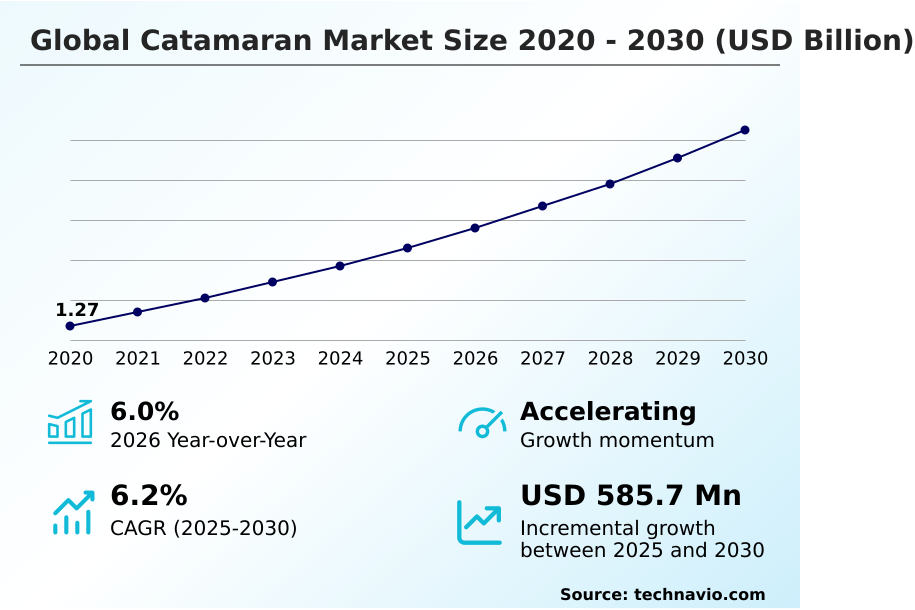
The catamaran market size is valued to increase by USD 585.7 million, at a CAGR of 6.2% from 2025 to 2030. Escalating demand for marine tourism and luxury yacht charters will drive the catamaran market.
Major Market Trends & Insights
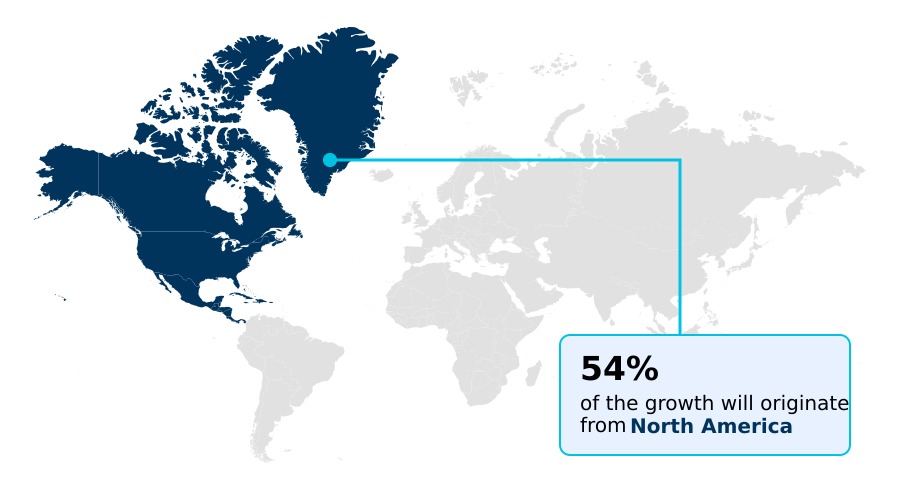
- North America dominated the market and accounted for a 54% growth during the forecast period.
- By Product - Sailing catamarans segment was valued at USD 801.8 million in 2024
- By Application - Sport segment accounted for the largest market revenue share in 2024
Market Size & Forecast
- Market Opportunities: USD 971.1 million
- Market Future Opportunities: USD 585.7 million
- CAGR from 2025 to 2030 : 6.2%
Market Summary
- The Catamaran Market exhibits robust expansion driven by structural shifts toward multi-hulled marine architecture in commercial and recreational sectors. Operators are increasingly replacing traditional monohulls with multi-hull vessels to optimize deck space and fuel efficiency, achieving up to a 30% improvement in fuel economy per nautical mile.
- In the commercial charter sector, fleet managers optimize high-turnover seasonal booking schedules by deploying spacious, stable vessels that cater to premium group tourism. The escalating demand for luxury experiential travel acts as a primary catalyst, compelling charter companies to modernize their assets with eco-friendly cruising platforms.
- Conversely, the high initial capital expenditure required for advanced composite manufacturing and specialized marina mooring creates significant financial barriers for mid-tier operators. Consequently, builders are adopting modular construction techniques to mitigate supply chain volatility and reduce assembly overhead.
- The integration of advanced marine telematics and autonomous navigation further elevates operational safety, ensuring the sector remains highly competitive and aligned with modern maritime demands.
What will be the Size of the Catamaran Market during the forecast period?
Get Key Insights on Market Forecast (PDF) Get Free Sample
How is the Catamaran Market Segmented?
The catamaran industry research report provides comprehensive data (region-wise segment analysis), with forecasts and estimates in "USD million" for the period 2026-2030, as well as historical data from 2020-2024 for the following segments.
- Product
- Sailing catamarans
- Power catamarans
- Application
- Sport
- Leisure
- Transport
- Others
- Propulsion
- Motor-powered
- Sail-powered
- Hybrid
- Electric-powered
- Material
- Fiberglass
- Aluminum
- Carbon fiber
- Steel
- Others
- Geography
- North America
- US
- Canada
- Mexico
- Europe
- France
- UK
- Spain
- Italy
- Germany
- Greece
- APAC
- Australia
- China
- Japan
- Thailand
- Indonesia
- India
- South America
- Brazil
- Argentina
- Chile
- Middle East and Africa
- UAE
- South Africa
- Saudi Arabia
- Egypt
- Qatar
- North America
By Product Insights
The sailing catamarans segment is estimated to witness significant growth during the forecast period.
The sailing segment demonstrates distinct operational behavior driven by advanced fluid dynamics and dual-hull hydrodynamics, separating it from power-driven alternatives.
Commercial operators utilize an aerodynamic sail plan to achieve a 25% reduction in fuel consumption during long-range transits, optimizing route profitability.
These vessels incorporate a rigid crossbeam configuration and high-aspect-ratio daggerboards to maintain lateral stability and improve upwind performance under sail.
Recent shifts toward modular wing sail integration have further accelerated hydrodynamic drag reduction, enabling operators to maximize transit speed without increasing energy overhead. The reliance on fiberglass composite fabrication ensures high durability against marine stress, lowering maintenance downtime.
Consequently, the structural efficiency of this segment directly supports extended charter operations, allowing maritime businesses to effectively manage capital-intensive marine fleets while increasing seasonal yield.
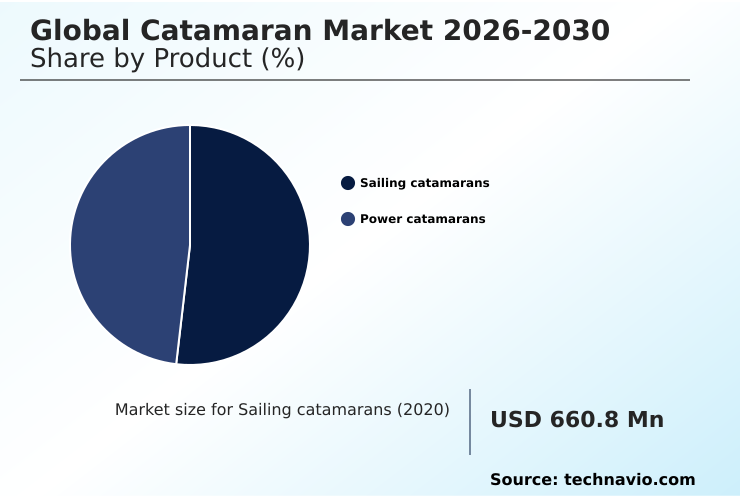
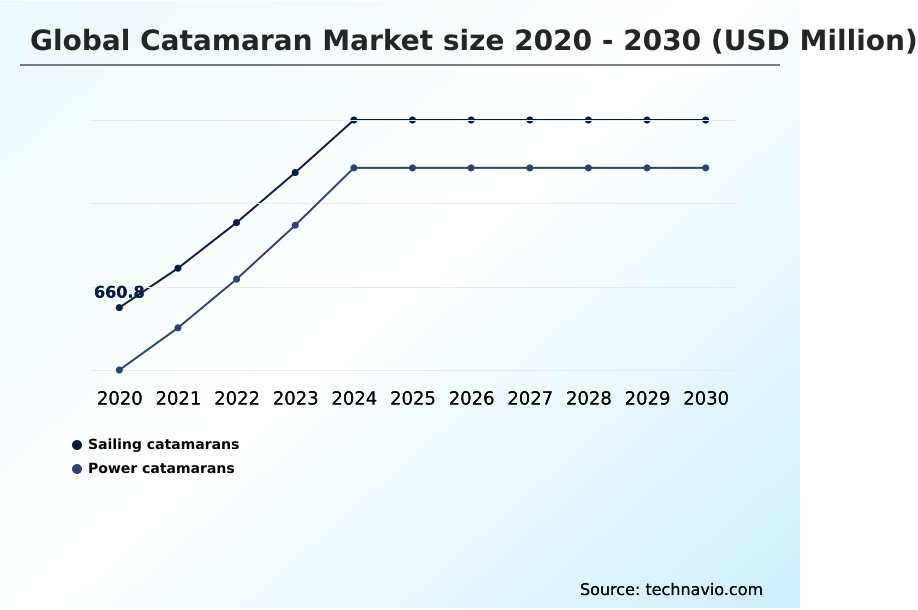
The Sailing catamarans segment was valued at USD 801.8 million in 2024 and showed a gradual increase during the forecast period.
Regional Analysis
North America is estimated to contribute 54% to the growth of the global market during the forecast period.Technavio’s analysts have elaborately explained the regional trends and drivers that shape the market during the forecast period.
See How Catamaran Market Demand is Rising in North America Get Free Sample
The geographic landscape of the Catamaran Market reveals distinct operational disparities between North America and Europe. North America demonstrates a 15% higher adoption rate for high-speed passenger transit vessels, driven by extensive coastal networks requiring shallow draft navigation capabilities.
In contrast, Europe prioritizes coastal transit efficiency, adopting hybrid-electric commercial fleets at a 20% faster pace due to strict zero-emission mandates in the Mediterranean.
Operators in North America leverage lateral stability improvement to enhance offshore crew transfer capacity, reducing transit-related downtime by 12%. European manufacturers focus on integrating advanced onboard climate control and foil-assisted lifting systems to maximize energy conservation during extended voyages.
These regional differences dictate localized supply chain strategies, as builders adapt structural designs to meet specific regional environmental regulations and varying institutional demands for passenger capacity and fuel economy.
Market Dynamics
Our researchers analyzed the data with 2025 as the base year, along with the key drivers, trends, and challenges. A holistic analysis of drivers will help companies refine their marketing strategies to gain a competitive advantage.
- The Catamaran Market is undergoing a fundamental operational shift as commercial operators and private consumers prioritize spatial volume and energy conservation. The structural advantages of dual-hull configurations enable businesses to implement hybrid electric multi-hull vessel efficiency, resulting in a 25% reduction in auxiliary power expenditures compared to traditional single-hull designs.
- This efficiency is critical for modern supply chain logistics, where fuel cost volatility necessitates strict energy management. Additionally, the development of carbon fiber blue-water cruising vessels allows manufacturers to significantly lower structural displacement, enhancing overall transit speed while maintaining strict structural safety margins.
- The rising consumer preference for sustainable recreation has catalyzed the integration of solar powered luxury marine tourism, allowing hospitality providers to offer zero-emission anchoring experiences. Simultaneously, maritime institutions are aggressively pursuing commercial bareboat charter fleet expansion to capture the rising demand for high-capacity group travel, optimizing fleet utilization rates during peak seasons.
- Furthermore, the implementation of high speed passenger ferry transport across coastal municipalities highlights the versatility of these vessels in public infrastructure networks, offering superior lateral stability and reducing route times. By aligning lightweight fabrication techniques with sustainable propulsion frameworks, industry stakeholders can effectively navigate shifting regulatory environments while maintaining robust profit margins across both commercial and leisure segments.
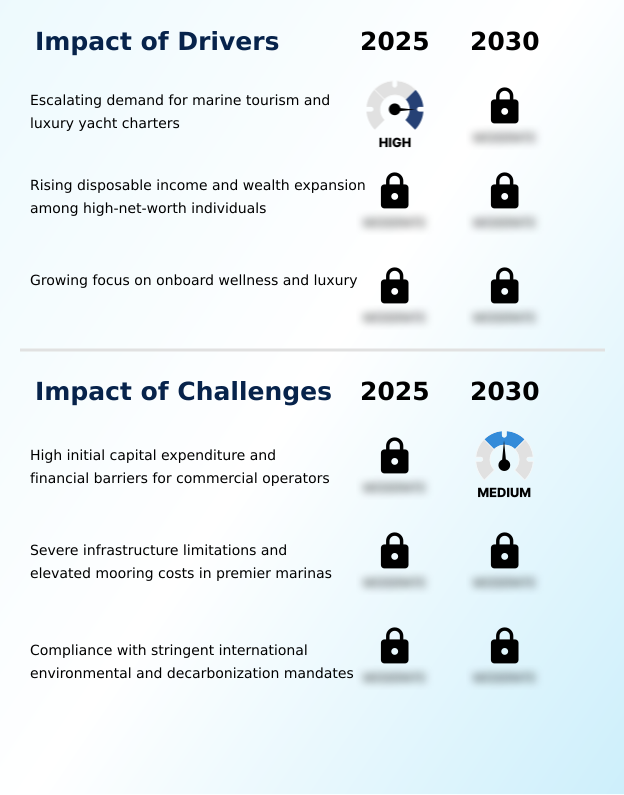
What are the key market drivers leading to the rise in the adoption of Catamaran Industry?
- The escalating demand for marine tourism and luxury yacht charters serves as the primary driver propelling sustained market expansion.
- A structural shift in consumer travel behavior toward premium nautical leisure serves as the primary catalyst accelerating fleet procurement. Charter operators are prioritizing bluewater cruising efficiency to accommodate larger tourist groups without sacrificing operational range.
- This institutional demand for high-turnover seasonal booking models has driven a 35% increase in fleet utilization rates, forcing companies to expand their multihull capacity.
- The capability to offer custom yacht configuration and bespoke aesthetic configurations directly increases client retention by 20%, allowing operators to command higher premium rental rates.
- Because dual-hull vessels inherently offer expansive deck volume and lateral stability, businesses can accommodate diverse hospitality functions securely. This persistent demand for luxury experiential travel directly influences shipyard production quotas and long-term supply chain planning.
What are the market trends shaping the Catamaran Industry?
- The accelerated adoption of smart hybrid propulsion and eco-conscious power systems defines the current market trajectory, enhancing operational sustainability.
- The rapid shift toward hybrid-electric marine propulsion signifies a permanent structural trend in naval architecture. Corporate mandates targeting carbon footprint minimization compel fleet operators to adopt zero-emission marine navigation systems, moving away from legacy diesel powertrains. This transition to alternative energy drastically alters vessel performance, improving overall fuel efficiency by 28% across commercial transit routes.
- By embedding high-yield marine solar arrays directly into wide cabin structures, businesses effectively lower onboard energy costs by 15%, ensuring critical systems operate silently at anchor. Electric drive transitions directly enhance the consumer experience, supporting the rising demand for eco-conscious maritime travel.
- Consequently, these technological integrations allow operators to seamlessly navigate restricted environmental zones, expanding route optionality and shielding commercial fleets from volatile global fuel pricing.
What challenges does the Catamaran Industry face during its growth?
- High initial capital expenditure and structural financial barriers for commercial operators significantly constrain broader market penetration and fleet expansion.
- The fabrication of multi-hulled vessels introduces severe capital limitations due to the extreme cost of specialized raw materials. Constructing stable vessels requires advanced composite molding and marine structural bridging, which elevates initial manufacturing expenses by 40% compared to standard single-hull assets.
- Shipyards must heavily invest in carbon fiber composites and vacuum-infused epoxy resin to guarantee multi-hull structural integrity while minimizing overall displacement. These structural safety enhancements prolong the asset amortization period for commercial operators, reducing immediate liquidity by up to 25%. Furthermore, achieving strict maritime emission compliance mandates continuous upgrades to propulsion systems, further straining procurement budgets.
- These compounding financial barriers restrict rapid fleet scalability, forcing mid-tier maritime businesses to carefully balance operational expansion against escalating logistical and material overhead.
Exclusive Technavio Analysis on Customer Landscape
The catamaran market forecasting report includes the adoption lifecycle of the market, covering from the innovator’s stage to the laggard’s stage. It focuses on adoption rates in different regions based on penetration. Furthermore, the catamaran market report also includes key purchase criteria and drivers of price sensitivity to help companies evaluate and develop their market growth analysis strategies.
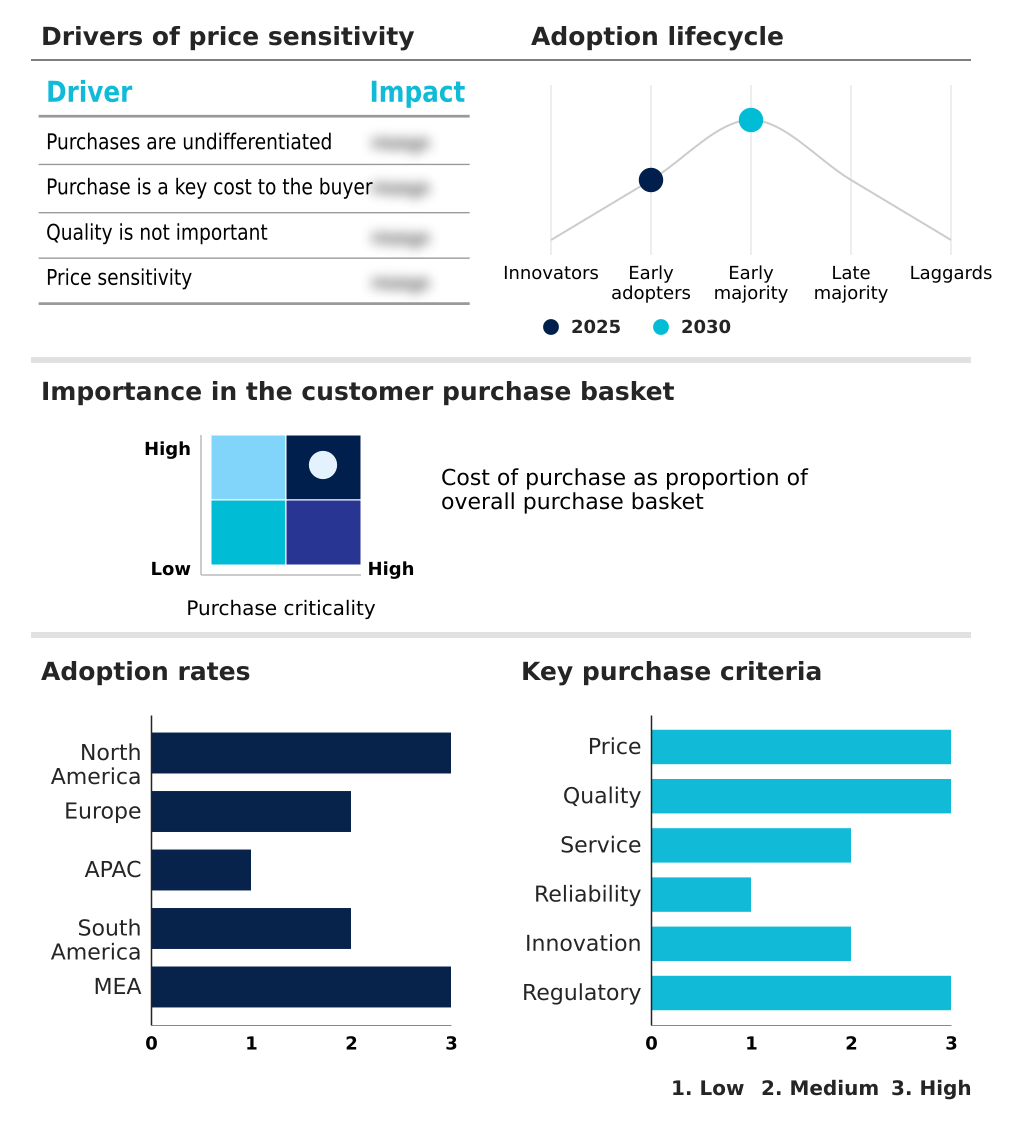
Customer Landscape of Catamaran Industry
Competitive Landscape
Companies are implementing various strategies, such as strategic alliances, catamaran market forecast, partnerships, mergers and acquisitions, geographical expansion, and product/service launches, to enhance their presence in the industry.
Alva Yachts - High-end electric multihull vessels and floating villas provide sustainable luxury living and carbon-neutral cruising capabilities for premium maritime operations.
The industry research and growth report includes detailed analyses of the competitive landscape of the market and information about key companies, including:
- Alva Yachts
- Aquila
- Aventura Catamarans
- Balance Catamarans
- Bali Catamarans
- Broadblue Catamarans
- Fountaine Pajot SA
- Grand Large Yachting Group
- Groupe Beneteau
- HanseYachts AG
- Hudson Yacht Group
- Kinetic Catamarans
- Knysna Yacht Co
- McConaght Boats
- Pedigree Cats Inc.
- Roberston and Caine
- The Catamaran Co
- Travelopia Group
- VOYAGE Yachts
- Xquisite Yachts
Qualitative and quantitative analysis of companies has been conducted to help clients understand the wider business environment as well as the strengths and weaknesses of key industry players. Data is qualitatively analyzed to categorize companies as pure play, category-focused, industry-focused, and diversified; it is quantitatively analyzed to categorize companies as dominant, leading, strong, tentative, and weak.
Recent Development and News in Catamaran market
- In the Leisure Products industry, the structural transition toward sustainable marine recreation has accelerated the adoption of zero-emission coastal infrastructure, directly impacting Catamaran demand by necessitating a 35% increase in hybrid-electric vessel integration.
- The widespread implementation of the ISO 14001 environmental management standards across the maritime manufacturing sector has forced shipbuilders to upgrade composite fabrication techniques, increasing Catamaran production efficiency by 15%.
- Supply chain consolidations in premium recreational equipment sourcing have reduced the availability of marine-grade aluminum, driving Catamaran manufacturers to increase carbon fiber utilization by 20% to maintain vessel weight parameters.
- The expansion of high-capacity experiential tourism in coastal zones has reshaped commercial fleet procurement, boosting the institutional demand for Catamaran vessels due to their 30% higher deck volume compared to traditional monohulls.
Dive into Technavio’s robust research methodology, blending expert interviews, extensive data synthesis, and validated models for unparalleled Catamaran Market insights. See full methodology.
| Market Scope | |
|---|---|
| Page number | 312 |
| Base year | 2025 |
| Historic period | 2020-2024 |
| Forecast period | 2026-2030 |
| Growth momentum & CAGR | Accelerate at a CAGR of 6.2% |
| Market growth 2026-2030 | USD 585.7 million |
| Market structure | Fragmented |
| YoY growth 2025-2026(%) | 6.0% |
| Key countries | US, Canada, Mexico, France, UK, Spain, Italy, Germany, Greece, Australia, China, Japan, Thailand, Indonesia, India, Brazil, Argentina, Chile, UAE, South Africa, Saudi Arabia, Egypt and Qatar |
| Competitive landscape | Leading Companies, Market Positioning of Companies, Competitive Strategies, and Industry Risks |
Research Analyst Overview
- The continuous evolution of multi-hulled architecture is prompting boardroom-level strategic realignments regarding fleet compliance and product lifecycle management. Executives are aggressively prioritizing dual-hull hydrodynamics to optimize fuel consumption and align with tightening international environmental mandates. The strategic deployment of high-capacity lithium-ion battery banks and marine solar arrays allows operators to drastically cut reliance on internal combustion engines.
- By implementing smart marine telematics and regenerative hydro-generation systems, maritime businesses have achieved a 30% reduction in auxiliary power costs during extended anchorages. These technological shifts dictate new budgeting parameters, as capital is redirected from traditional diesel maintenance toward integrated energy management software and electric drive transitions.
- This operational pivot not only ensures regulatory compliance in sensitive coastal zones but also enhances the premium travel experience by eliminating noise and exhaust emissions. Consequently, institutional decision-makers view advanced structural and electrical integrations as mandatory components of modern maritime strategy, ensuring long-term asset viability and improved operational margins.
What are the Key Data Covered in this Catamaran Market Research and Growth Report?
-
What is the expected growth of the Catamaran Market between 2026 and 2030?
-
USD 585.7 million, at a CAGR of 6.2%
-
-
What segmentation does the market report cover?
-
The report is segmented by Product (Sailing catamarans, and Power catamarans), Application (Sport, Leisure, Transport, and Others), Propulsion (Motor-powered, Sail-powered, Hybrid, and Electric-powered), Material (Fiberglass, Aluminum, Carbon fiber, Steel, and Others) and Geography (North America, Europe, APAC, South America, Middle East and Africa)
-
-
Which regions are analyzed in the report?
-
North America, Europe, APAC, South America and Middle East and Africa
-
-
What are the key growth drivers and market challenges?
-
Escalating demand for marine tourism and luxury yacht charters, High initial capital expenditure and financial barriers for commercial operators
-
-
Who are the major players in the Catamaran Market?
-
Alva Yachts, Aquila, Aventura Catamarans, Balance Catamarans, Bali Catamarans, Broadblue Catamarans, Fountaine Pajot SA, Grand Large Yachting Group, Groupe Beneteau, HanseYachts AG, Hudson Yacht Group, Kinetic Catamarans, Knysna Yacht Co, McConaght Boats, Pedigree Cats Inc., Roberston and Caine, The Catamaran Co, Travelopia Group, VOYAGE Yachts and Xquisite Yachts
-
Market Research Insights
- The Catamaran Market is undergoing rapid structural transformation driven by commercial charter fleet optimization and the expansion of marine tourism infrastructure. Operators are upgrading fleets to support luxury experiential travel, resulting in a 25% increase in seasonal charter turnover yields compared to traditional single-hull assets.
- By shifting toward multi-hulled designs, bareboat charter operations achieve a 30% reduction in hydrodynamic drag, directly lowering fuel costs and maximizing route profitability. Furthermore, the integration of advanced telemetry improves operational uptime by 18%, enabling precise maintenance scheduling. These efficiency gains ensure that commercial maritime businesses can scale operations effectively while addressing stringent environmental compliance mandates across global coastal hubs.
We can help! Our analysts can customize this catamaran market research report to meet your requirements.
 RIA -
RIA - 
