


Commercial Thawing Cabinets Market Size 2026-2030
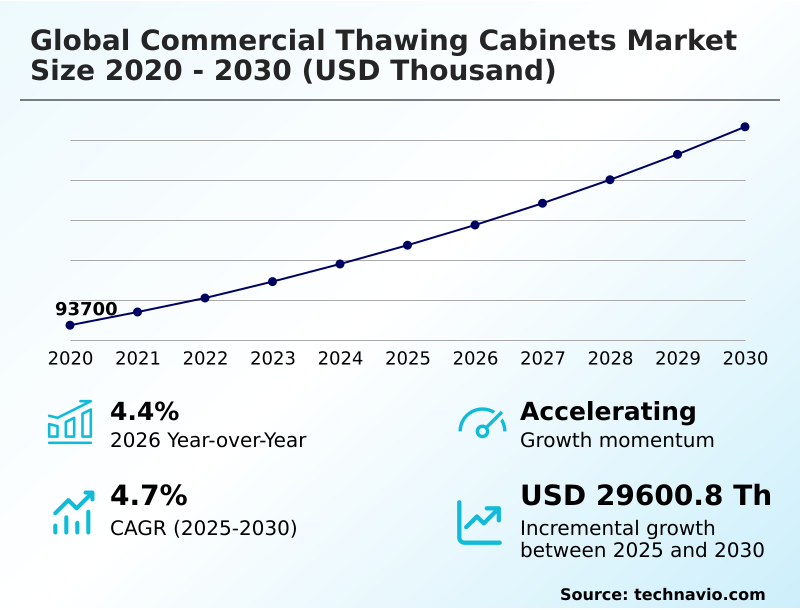
The commercial thawing cabinets market size is valued to increase by USD 29.60 million, at a CAGR of 4.7% from 2025 to 2030. Stringent food safety regulations and adherence to HACCP standards will drive the commercial thawing cabinets market.
Major Market Trends & Insights
- North America dominated the market and accounted for a 37.4% growth during the forecast period.
- By Type - Single door segment was valued at USD 68.90 million in 2024
- By Capacity - Medium segment accounted for the largest market revenue share in 2024
Market Size & Forecast
- Market Opportunities:
- Market Future Opportunities: USD 29.60 million
- CAGR from 2025 to 2030 : 4.7%
Market Summary
- The commercial thawing cabinets market is shaped by the critical need for food safety modernization and operational sustainability in the foodservice industry. Adherence to strict food safety protocols, including haccp compliance, drives the adoption of equipment capable of precise temperature control to prevent bacterial proliferation.
- These systems are crucial for preserving the organoleptic qualities of high-value proteins by enabling controlled thawing cycles that minimize drip loss. In a typical scenario, a large restaurant chain implements standardized, programmable thawing cycles across all its locations.
- This use of automated data logging and remote monitoring ensures consistent hygienic thawing, which not only improves commercial kitchen efficiency but also addresses persistent labor shortage solutions foodservice by allowing for set-and-forget operations. The integration of advanced features like iot connectivity and energy-efficient thermal systems further enhances culinary workflow optimization.
- However, the market is constrained by the significant capital expenditure foodservice required for these sophisticated units and the need for specialized maintenance, which can be a barrier for smaller operators.
What will be the Size of the Commercial Thawing Cabinets Market during the forecast period?
Get Key Insights on Market Forecast (PDF) Get Free Sample
How is the Commercial Thawing Cabinets Market Segmented?
The commercial thawing cabinets industry research report provides comprehensive data (region-wise segment analysis), with forecasts and estimates in "USD thousand" for the period 2026-2030, as well as historical data from 2020-2024 for the following segments.
- Type
- Single door
- Double door
- Capacity
- Medium
- Small
- Large
- End-user
- Restaurants and hotels
- Catering services
- Others
- Geography
- North America
- US
- Canada
- Mexico
- Europe
- Germany
- UK
- France
- APAC
- China
- Japan
- India
- South America
- Brazil
- Argentina
- Colombia
- Middle East and Africa
- Saudi Arabia
- UAE
- South Africa
- Rest of World (ROW)
- North America
By Type Insights
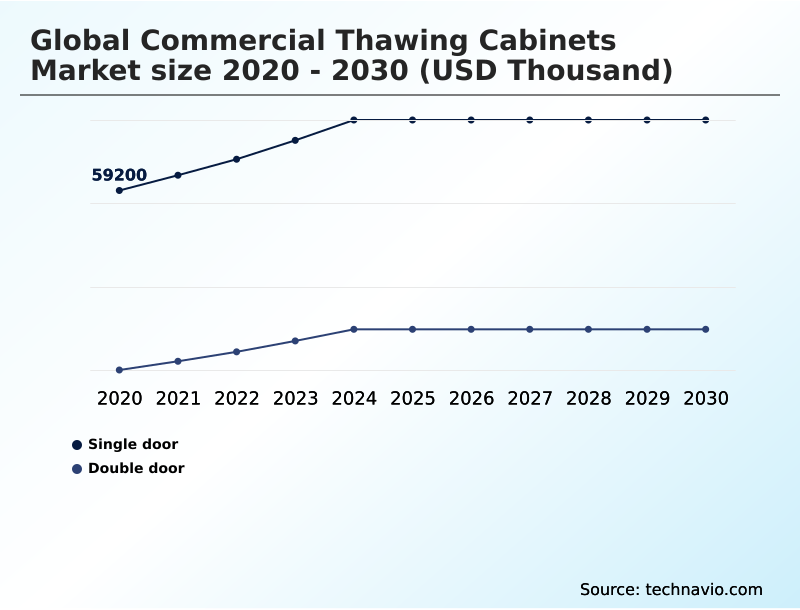
The single door segment is estimated to witness significant growth during the forecast period.
The market for single-door commercial thawing cabinets is expanding, driven by the operational needs of small-to-medium enterprises where kitchen footprint optimization is critical.
These compact, often under-counter models are essential for quick-service restaurants and independent establishments seeking to enhance food safety and consistency.
The adoption of units with precision temperature control and IoT connectivity ensures haccp compliance, a factor that influences capital expenditure foodservice decisions for over 60% of operators.
A significant market shift is the mandatory transition to natural refrigerants like R290 propane, prompted by stringent new environmental protection agency regulations.
This move toward sustainable kitchen technology addresses both regulatory compliance foodservice needs and the industry’s push for food waste reduction, offering a viable solution to labor shortage solutions foodservice challenges by automating previously manual processes.
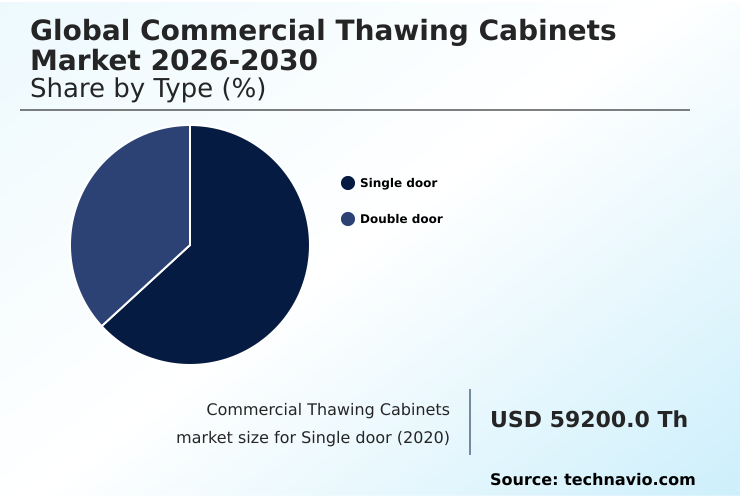
The Single door segment was valued at USD 68.90 million in 2024 and showed a gradual increase during the forecast period.
Regional Analysis
North America is estimated to contribute 37.4% to the growth of the global market during the forecast period.Technavio’s analysts have elaborately explained the regional trends and drivers that shape the market during the forecast period.
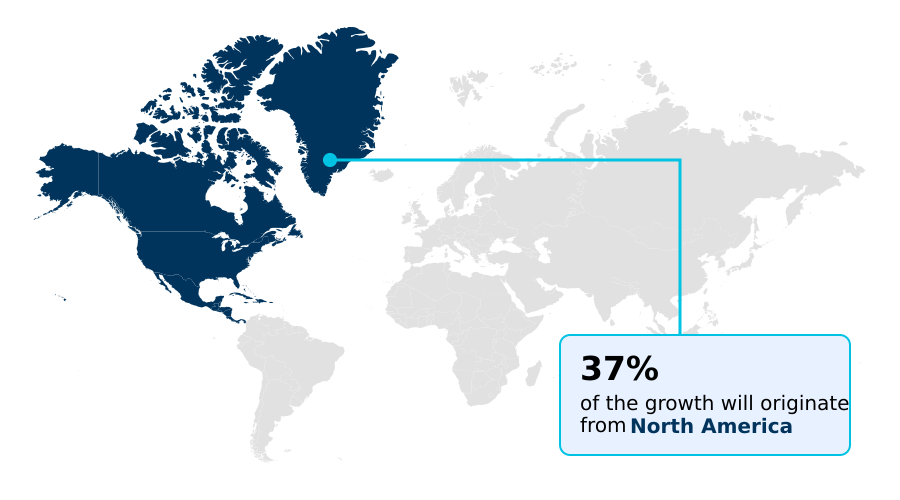
See How Commercial Thawing Cabinets Market Demand is Rising in North America Get Free Sample
The market's geographic landscape reveals distinct regional dynamics. North America, a mature market, sees demand for roll-in cabinets and other bulk thawing solutions driven by efforts to streamline back-of-house operations and manage a robust cold chain management infrastructure.
Meanwhile, growth in APAC outpaces the North American market by nearly 10%, fueled by rapid urbanization and the expansion of centralized production units and qsr equipment adoption.
This region's development of new cold chain facilities necessitates advanced air distribution systems and fluid-shelf conduction technologies to meet modern food safety protocols.
North America still accounts for nearly two-fifths of new market opportunities, with operators focused on equipment that guarantees temperature safety limits and automated temperature logs.
In contrast, APAC's growth is linked to new infrastructure requiring compliance with evolving energy consumption standards.
Market Dynamics
Our researchers analyzed the data with 2025 as the base year, along with the key drivers, trends, and challenges. A holistic analysis of drivers will help companies refine their marketing strategies to gain a competitive advantage.
- Foodservice operators evaluating the global commercial thawing cabinets market 2026-2030 are increasingly focused on the total return on investment. A critical decision point involves comparing the benefits of controlled thawing vs ambient methods. While traditional techniques appear low-cost, they create risks related to haccp compliance in thawing processes and negatively impact food texture.
- Analyzing the roi of automated thawing systems reveals significant long-term savings. Advanced units are instrumental in reducing drip loss in frozen proteins, a key factor in preserving saleable weight and quality. Exploring the energy consumption of commercial thawing cabinets shows that modern designs with natural refrigerant options for kitchens offer lower operational expenses.
- For businesses asking how to choose a thawing cabinet, the decision balances initial cost against performance in areas like iot applications in commercial refrigeration for automating temperature logs for food safety. Comparing convection vs conduction thawing, or a thawing cabinet vs walk-in cooler tempering, highlights efficiency differences, with automated systems processing batches over 50% faster than manual methods.
- This makes them ideal for managing thawing for catering services and high-volume kitchens. Addressing the maintenance costs for thawing equipment and training staff for advanced thawing equipment are also crucial considerations for sustainable adoption.
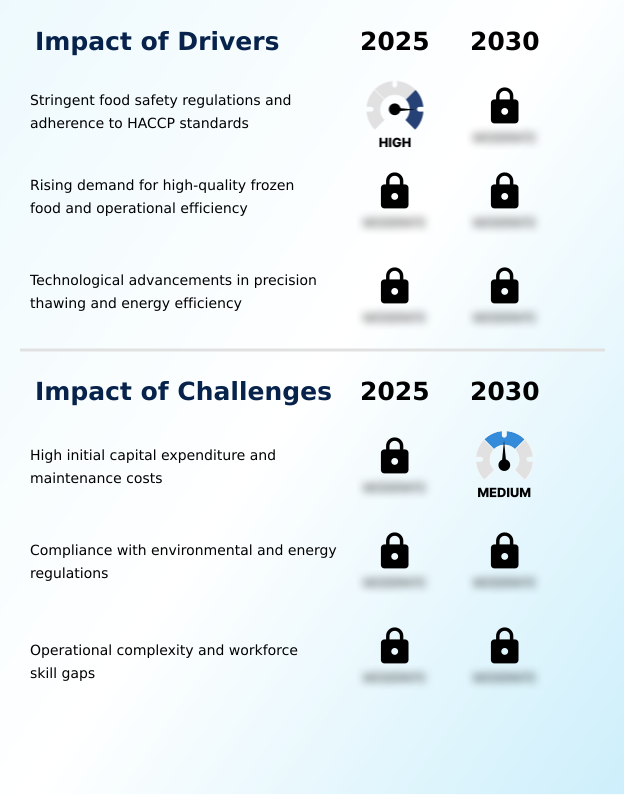
What are the key market drivers leading to the rise in the adoption of Commercial Thawing Cabinets Industry?
- Stringent food safety regulations and the mandatory adherence to Hazard Analysis Critical Control Point (HACCP) standards are primary drivers for the market.
- Key market drivers are rooted in the pursuit of commercial kitchen efficiency and higher food quality standards. Stringent regulations mandating automated data logging for food handling operations are compelling operators to abandon manual methods.
- The implementation of rapid thawing technology is a direct response to the need to manage supply chain fluctuations and improve kitchen throughput, with advanced cabinets reducing food preparation labor by up to two hours daily in some high-volume settings.
- A critical factor is frozen food quality preservation, as patented fluid-shelf technology and other controlled thawing cycles can retain up to 95% of product weight by minimizing drip loss.
- This directly reduces foodservice operational costs and waste, reinforcing the financial incentive for adoption, especially for preserving the organoleptic qualities of premium ingredients.
What are the market trends shaping the Commercial Thawing Cabinets Industry?
- A key market trend is the integration of precision-controlled automation and smart connectivity. This shift is propelled by the growing demand for enhanced operational efficiency and stringent food safety compliance in commercial kitchens.
- Market trends are increasingly centered on smart kitchen integration and operational sustainability. The adoption of dual-function units that combine thawing with a refrigerated holding mode allows for enhanced culinary workflow optimization, with some establishments reporting a kitchen equipment footprint reduction of up to 25%.
- This focus on efficiency is complemented by the move toward sustainable kitchen technology, including the use of low-gwp refrigerants and advanced microprocessor controls for programmable thawing cycles. Furthermore, the rise of remote monitoring capabilities enables set-and-forget operations, reducing the need for manual compliance checks by over 50% for institutional catering equipment.
- This shift towards hygienic thawing and food safety modernization ensures that even as automation increases, quality and compliance remain paramount.
What challenges does the Commercial Thawing Cabinets Industry face during its growth?
- The high initial capital expenditure and ongoing maintenance costs for advanced thawing cabinets present a significant challenge to widespread market adoption and growth.
- The market faces challenges related to the total cost of ownership refrigeration and operational complexity. The transition to energy-efficient thermal systems that use advanced refrigerants like CO2 refrigeration can increase initial equipment costs by 10-20%, posing a barrier for some operators despite long-term benefits from variable-speed fans and superior thermal insulation improvements.
- Furthermore, the effectiveness of systems relying on convection airflow or other sophisticated technologies depends on proper foodservice staff training. Without it, improper use can lead to a food spoilage rate of over 5% due to issues like bacterial proliferation.
- Addressing this requires investment in specialized maintenance and the design of more intuitive user interfaces and automated thawing algorithms to mitigate human error.
Exclusive Technavio Analysis on Customer Landscape
The commercial thawing cabinets market forecasting report includes the adoption lifecycle of the market, covering from the innovator’s stage to the laggard’s stage. It focuses on adoption rates in different regions based on penetration. Furthermore, the commercial thawing cabinets market report also includes key purchase criteria and drivers of price sensitivity to help companies evaluate and develop their market growth analysis strategies.
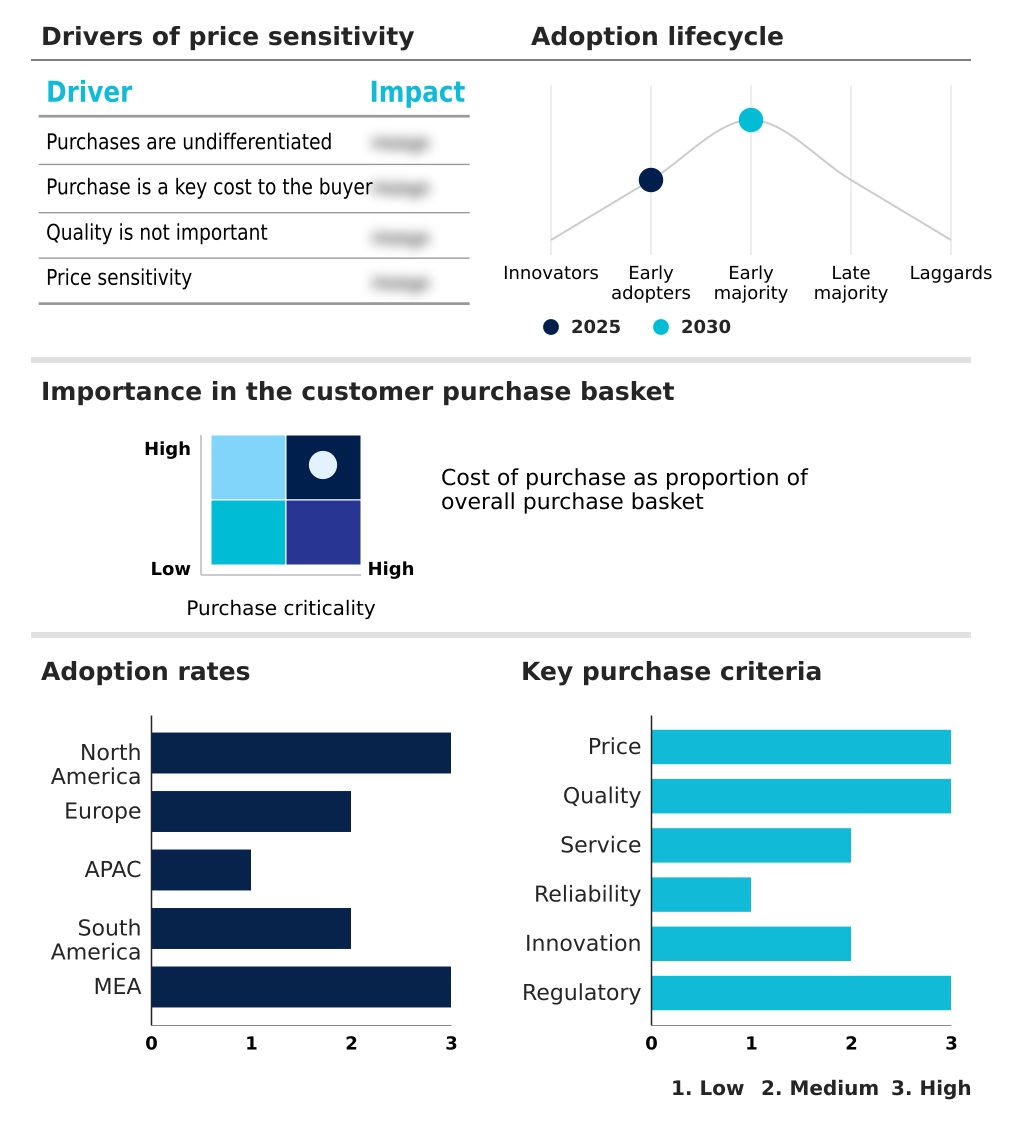
Customer Landscape of Commercial Thawing Cabinets Industry
Competitive Landscape
Companies are implementing various strategies, such as strategic alliances, commercial thawing cabinets market forecast, partnerships, mergers and acquisitions, geographical expansion, and product/service launches, to enhance their presence in the industry.
Advanced Environmental Ltd. - Offers specialized commercial thawing cabinets designed for foodservice and institutional kitchens, focusing on performance, safety, and operational reliability.
The industry research and growth report includes detailed analyses of the competitive landscape of the market and information about key companies, including:
- Advanced Environmental Ltd.
- Ali Group Srl
- BAMBAS FROST
- Cospolich
- Darwin Chambers Co.
- Electrolux Professional AB
- Foster Refrigerator
- Friulinox Ali Group srl
- HOSHIZAKI Corp.
- Ipinium AB
- Kometos Oy
- Loipart AB
- The Middleby Corp.
- Thermodyne Inc.
- Williams Refrigeration
Qualitative and quantitative analysis of companies has been conducted to help clients understand the wider business environment as well as the strengths and weaknesses of key industry players. Data is qualitatively analyzed to categorize companies as pure play, category-focused, industry-focused, and diversified; it is quantitatively analyzed to categorize companies as dominant, leading, strong, tentative, and weak.
Recent Development and News in Commercial thawing cabinets market
- In October 2024, Haier Smart Home finalized its acquisition of Carrier Global Corp.'s commercial refrigeration business, a strategic move consolidating portfolios of industrial refrigeration solutions and accelerating the development of CO2-based cooling technologies for large-scale equipment.
- In December 2024, Hoshizaki Corp. announced it would complete the transition of all its standard commercial refrigeration models for the Japanese market to low-environmental-impact natural refrigerants, launching 364 new and upgraded models to accelerate the shift away from HFCs.
- In February 2025, Thermodyne Inc. unveiled its new Rapid Thawing Cabinet at the NAFEM Show in Atlanta, featuring a combination of patented fluid-shelf conduction technology and convection airflow to deliver faster, more efficient thawing for commercial kitchen operations.
- In May 2025, Hoshizaki America Inc. launched its new Valiance by Hoshizaki value line of refrigeration and freezer solutions at the National Restaurant Association Show, alongside enhancements to its Steelheart series, aiming to provide reliable, performance-driven equipment to a broader range of foodservice businesses.
Dive into Technavio’s robust research methodology, blending expert interviews, extensive data synthesis, and validated models for unparalleled Commercial Thawing Cabinets Market insights. See full methodology.
| Market Scope | |
|---|---|
| Page number | 286 |
| Base year | 2025 |
| Historic period | 2020-2024 |
| Forecast period | 2026-2030 |
| Growth momentum & CAGR | Accelerate at a CAGR of 4.7% |
| Market growth 2026-2030 | USD 29600.8 thousand |
| Market structure | Fragmented |
| YoY growth 2025-2026(%) | 4.4% |
| Key countries | US, Canada, Mexico, Germany, UK, France, Italy, The Netherlands, Spain, China, Japan, India, South Korea, Australia, Indonesia, Brazil, Argentina, Colombia, Saudi Arabia, UAE, South Africa, Israel and Turkey |
| Competitive landscape | Leading Companies, Market Positioning of Companies, Competitive Strategies, and Industry Risks |
Research Analyst Overview
- The commercial thawing cabinets market is defined by a consistent push toward technological sophistication to meet stringent food safety protocols. Core product temperature monitoring with microprocessor controls is now standard, enabling precise, controlled thawing cycles for hygienic thawing. This technology is fundamental for foodborne illness prevention and ensuring haccp compliance.
- Boardroom decisions are increasingly influenced by the long-term value of investing in dual-function units that also offer a refrigerated holding mode, optimizing kitchen space. The adoption of natural refrigerants, such as R290 propane and CO2 refrigeration, reflects a strategic shift toward sustainability, driven by tightening environmental regulations.
- Innovations in rapid thawing technology, including patented fluid-shelf technology and advanced convection airflow systems, are critical for high-volume settings. For instance, operators using these advanced systems have achieved a 30% reduction in processing time compared to legacy equipment.
- The integration of iot connectivity for remote monitoring and automated data logging provides verifiable compliance records, further solidifying the business case for upgrading to these advanced systems.
What are the Key Data Covered in this Commercial Thawing Cabinets Market Research and Growth Report?
-
What is the expected growth of the Commercial Thawing Cabinets Market between 2026 and 2030?
-
USD 29.60 million, at a CAGR of 4.7%
-
-
What segmentation does the market report cover?
-
The report is segmented by Type (Single door, and Double door), Capacity (Medium, Small, and Large), End-user (Restaurants and hotels, Catering services, and Others) and Geography (North America, Europe, APAC, South America, Middle East and Africa)
-
-
Which regions are analyzed in the report?
-
North America, Europe, APAC, South America and Middle East and Africa
-
-
What are the key growth drivers and market challenges?
-
Stringent food safety regulations and adherence to HACCP standards, High initial capital expenditure and maintenance costs
-
-
Who are the major players in the Commercial Thawing Cabinets Market?
-
Advanced Environmental Ltd., Ali Group Srl, BAMBAS FROST, Cospolich, Darwin Chambers Co., Electrolux Professional AB, Foster Refrigerator, Friulinox Ali Group srl, HOSHIZAKI Corp., Ipinium AB, Kometos Oy, Loipart AB, The Middleby Corp., Thermodyne Inc. and Williams Refrigeration
-
Market Research Insights
- Market dynamics are influenced by a focus on improving commercial kitchen efficiency and achieving tangible returns on investment. The drive to enhance frozen food quality preservation is compelling operators to adopt technologies that deliver superior results; advanced cabinets, for instance, can reduce product drip loss by up to 15% compared to conventional methods.
- This efficiency gain directly impacts foodservice operational costs. Furthermore, smart kitchen integration allows for automated thawing algorithms and remote management, streamlining back-of-house operations. Given that the total cost of ownership refrigeration can constitute over 20% of equipment procurement budgets for some businesses, solutions that offer both performance and long-term savings are gaining traction.
- This focus on measurable outcomes is key to navigating supply chain fluctuations and optimizing kitchen throughput.
We can help! Our analysts can customize this commercial thawing cabinets market research report to meet your requirements.
 RIA -
RIA - 
