


Companion Animal Healthcare Market Size 2024-2028
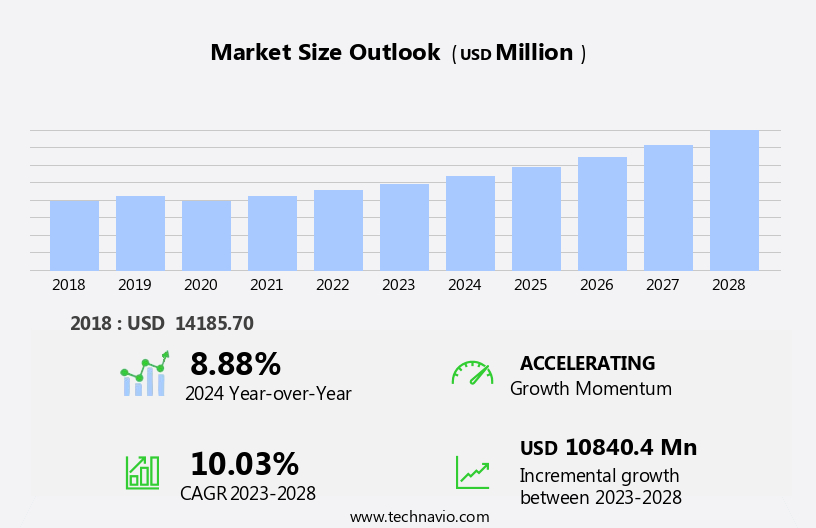
The companion animal healthcare market size is forecast to increase by USD 10.84 billion at a CAGR of 10.03% between 2023 and 2028.
- The market is experiencing significant growth due to several key factors. The rising trend of pet ownership in North America continues to drive market expansion. Moreover, increasing awareness about the importance of pet insurance and the need for comprehensive healthcare coverage is another major growth driver. Additionally, stringent regulatory approval processes for veterinary drugs ensure the production of safe and effective treatments, further boosting market growth. These trends are expected to continue shaping the market In the coming years.
What will be the Size of the Companion Animal Healthcare Market During the Forecast Period?
- The market encompasses a range of products and services aimed at promoting the health and well-being of pets. Pharmaceutical businesses play a significant role in this market, providing animal vaccines for various diseases, including Nipah infection and zoonotic illnesses, as well as treatments for food-borne illnesses. The market is experiencing dynamic growth due to increasing pet ownership, rising awareness of animal health, and advancements in veterinary healthcare, such as diagnostics, vaccines, and preventive care. The COVID-19 pandemic has also accelerated the adoption of telemedicine, health apps, and other digital solutions for animal care. Cruelty to animals is a growing concern, leading to increased demand for ethical animal health products.
- Feed additives and preventive measures are also essential components of the market, as they help maintain animal health and reduce the risk of chronic conditions. Overall, the market is a thriving industry that prioritizes the health and well-being of pets while addressing the evolving needs of pet owners.
How is this Companion Animal Healthcare Industry segmented and which is the largest segment?
The companion animal healthcare industry research report provides comprehensive data (region-wise segment analysis), with forecasts and estimates in "USD million" for the period 2024-2028, as well as historical data from 2018-2022 for the following segments.
- Product
- Pharmaceuticals
- Diagnostics
- Geography
- North America
- Canada
- US
- Europe
- Germany
- UK
- Asia
- China
- Rest of World (ROW)
- North America
By Product Insights
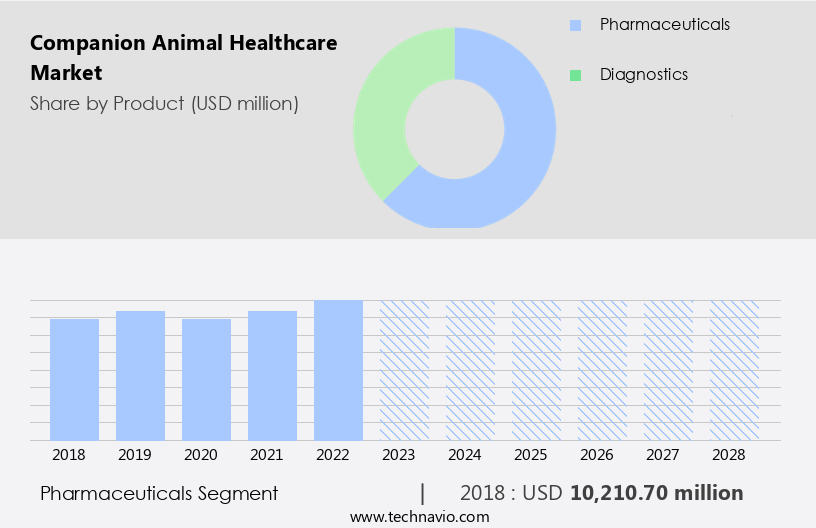
- The pharmaceuticals segment is estimated to witness significant growth during the forecast period.
The market is experiencing significant growth due to several factors. Pharmaceuticals represent the largest segment, driven by increasing pet ownership, the rise in zoonotic diseases, and the growing demand for pet insurance. Zoonotic diseases, such as rabies, blastomycosis, and salmonellosis, pose a threat to both animals and humans. Animals can act as early warning systems for potential human infections, making their health a critical concern. Animal health products, including vaccines and diagnostics, are essential for preventing and treating diseases. The COVID-19 pandemic has accelerated the adoption of telemedicine and health apps for preventive care and treatment of diseases. Regulatory requirements, veterinary healthcare advancements, and sustainable practices are shaping the market landscape.
Geographical trends, consumer disposable incomes, and regulatory frameworks are key factors influencing market growth. The future outlook is positive, with opportunities in urbanization, emerging economies, and advanced medical technologies. Animal welfare and personalized medicine are also gaining importance. The market is segmented by animal type, product, and end user, with Europe having a significant presence. Challenges include regulatory hurdles, income levels, and pet care costs. Despite these challenges, the market is expected to grow, driven by advanced healthcare solutions and user-friendly testing kits for chronic condition monitoring.
Get a glance at the Companion Animal Healthcare Industry report of share of various segments Request Free Sample
The Pharmaceuticals segment was valued at USD 10.21 billion in 2018 and showed a gradual increase during the forecast period.
Regional Analysis
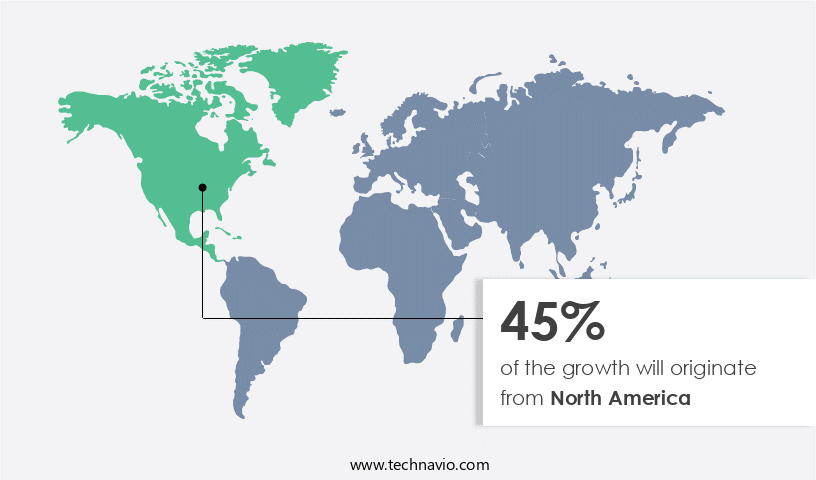
- North America is estimated to contribute 45% to the growth of the global market during the forecast period.
Technavio’s analysts have elaborately explained the regional trends and drivers that shape the market during the forecast period.
For more insights on the market share of various regions, Request Free Sample
The North American the market is experiencing notable expansion, driven by the increasing pet ownership trend In the United States and Canada. Factors fueling market growth include a well-established animal health industry base, high adoption rates of companion animals, rising incidences of zoonotic diseases and food-borne illnesses, a substantial number of veterinary hospitals and clinics, a growing pool of veterinarians, and escalating animal health expenditures. Furthermore, pet humanization is significantly increasing the demand for companion animal healthcare during the forecast period. Key areas of focus within this market include animal vaccines, diagnostics, food additives, and preventive care for dogs, cats, and horses.
Geographical trends indicate that urbanization and rising consumer disposable incomes are contributing to the market's expansion. Challenges and opportunities include regulatory hurdles, the emergence of telemedicine and health apps, and the development of advanced healthcare solutions, personalized medicine, and sustainable practices. The market is segmented by animal type (dogs, cats, and horses), product (animal health products, veterinary healthcare infrastructure, and veterinary services), and end user (professional breeders, equestrian sports, veterinary professionals, and veterinary practitioners). Regulatory framework, animal welfare, and advanced treatment options are crucial considerations for market players.
Market Dynamics
Our companion animal healthcare market researchers analyzed the data with 2023 as the base year, along with the key drivers, trends, and challenges. A holistic analysis of drivers will help companies refine their marketing strategies to gain a competitive advantage.
What are the key market drivers leading to the rise In the adoption of Companion Animal Healthcare Industry?
Rising pet ownership is the key driver of the market.
- The market is experiencing significant growth due to the increasing trend of pet ownership and the humanization of pets In the US. According to the American Pet Products Association (APPA), approximately 85 million American households, or 67% of the total, own a pet. This rising pet population necessitates preventive care and treatment for various zoonotic illnesses, food-borne diseases, and chronic conditions. Pharmaceutical businesses are responding by developing animal health products, including animal vaccines and diagnostics, to meet this demand. Animal vaccinations are crucial in preventing diseases such as Nipah infection, which can be transmitted from animals to humans. Diagnostic techniques, such as clinical toxicology tests, are essential in identifying and treating zoonotic diseases and food-borne illnesses.
- Regulatory requirements for animal healthcare products are stringent, ensuring the safety and efficacy of vaccines, diagnostics, feed additives, and other animal health solutions. The COVID-19 pandemic has accelerated the adoption of telemedicine, health apps, and in-home testing for companion animals. Preventive care, treatment of diseases, and chronic condition monitoring are increasingly being managed in home-care settings. Telehealth services and advanced healthcare solutions, such as personalized medicine and sustainable practices, are becoming more accessible to pet owners. Geographical trends, regulatory hurdles, and income levels influence the market's dynamics. Veterinary healthcare infrastructure, emerging economies, and animal health regulations are key factors shaping the market's future outlook.
- The market is segmented by animal type (Dogs, Cats, Horses), product (Animal vaccines, Clinical biochemistry, Diagnostic laboratories, Home care settings), and end user (Professional breeders, Equestrian sports, Veterinary professionals, Veterinary hospitals, and Clinics). Animal welfare and advanced treatment options are driving the demand for Cat-specific healthcare products and Horse health solutions. Point-of-care testing and in-house testing are becoming increasingly popular due to their convenience and user-friendly nature. The market is expected to continue growing, driven by urbanization, consumer disposable incomes, and regulatory frameworks that prioritize animal health and welfare.
What are the market trends shaping the Companion Animal Healthcare Industry?
Rising awareness about pet insurance is the upcoming market trend.
- The market encompasses various sectors, including animal vaccinations, pharmaceutical businesses, and animal health products. This market is driven by the need to prevent and treat zoonotic illnesses, such as Nipah infection, and food-borne diseases, which can impact both animals and humans. The COVID-19 pandemic has highlighted the importance of veterinary healthcare advancements, including clinical toxicology tests and diagnostic techniques, to ensure the health and well-being of companion animals. Regulatory requirements and hurdles are significant challenges In the market, with a focus on animal welfare and ethical considerations, such as cruelty to animals. The market is also influenced by geographical trends, urbanization, and consumer disposable incomes.
- The European market presence is substantial, with a breakup by product, end user, and animal type. Preventive care, such as vaccines and feed additives, is a crucial aspect of the market, with a growing emphasis on personalized medicine and sustainable practices. Telemedicine, health apps, and in-home testing are emerging trends, offering advanced healthcare solutions for companion animals. Chronic condition monitoring and treatment of diseases are significant areas of investment, with a focus on advanced medical technologies and user-friendly testing kits. The market is segmented by animal, including dogs, cats, and horses, with equine health and horse health being significant areas of focus for professional breeders and equestrian sports.
- Veterinary healthcare infrastructure and emerging economies are also essential factors influencing the market's growth. Animal health regulations and the availability of over-the-counter (OTC) and prescription animal health products are significant market drivers. The future outlook for the market is promising, with opportunities in diagnostics laboratories, research institutes and universities, and home care settings. Canine pet insurance and cat-specific healthcare products are gaining popularity, with a focus on veterinary practitioners and income level impacting pet care costs. The vaccine segment and clinical biochemistry segment are expected to dominate the market, with horses and diagnostic laboratories being significant contributors to the market's growth.
What challenges does the Companion Animal Healthcare Industry face during its growth?
Stringent regulatory approval processes for veterinary drugs is a key challenge affecting the industry growth.
- The market encompasses a range of animal health products and services, including animal vaccinations, pharmaceutical businesses, and diagnostics. Animal health is of paramount importance, with a focus on preventing and treating zoonotic illnesses, such as Nipah infection, and food-borne diseases. Veterinary hospitals and clinical toxicology tests play a crucial role in ensuring animal health, while regulatory requirements and veterinary healthcare advancements continue to evolve. Animal vaccines are a significant segment of the market, with a growing demand for preventive care and advanced treatment options. The COVID-19 pandemic has highlighted the importance of animal health, leading to increased investment in veterinary healthcare infrastructure and research.
- However, regulatory hurdles and geographical trends present challenges for pharmaceutical businesses. The market is also influenced by consumer disposable incomes, urbanization, and pet humanization. The breakdown of the market includes equine health, feed additives, telemedicine, health apps, and point-of-care testing. The European market presence is significant, with animal welfare and advanced medical technologies driving growth. Chronic conditions, such as diabetes and arthritis, are increasingly being monitored through in-home testing and personalized medicine. Sustainable practices are also gaining importance In the industry. The future outlook of the market is promising, with opportunities in emerging economies and the development of advanced healthcare solutions.
- Veterinary practitioners and professional breeders are key end-users, with a growing demand for canine and feline-specific healthcare products. Horses, diagnostic laboratories, research institutes & universities, and home care settings are also significant contributors to the market. Regulatory frameworks, such as the US FDA, the Canadian Food Agency, the European Medicines Agency, and the Veterinary International Committee for Harmonization (VICH), play a vital role in approving veterinary medicines and harmonizing guidelines. Strict regulatory criteria for the authorization of novel veterinary pharmaceutical products are in place in countries like Australia, Japan, and China.
Exclusive Customer Landscape
The companion animal healthcare market forecasting report includes the adoption lifecycle of the market, covering from the innovator’s stage to the laggard’s stage. It focuses on adoption rates in different regions based on penetration. Furthermore, the companion animal healthcare market report also includes key purchase criteria and drivers of price sensitivity to help companies evaluate and develop their market growth analysis strategies.
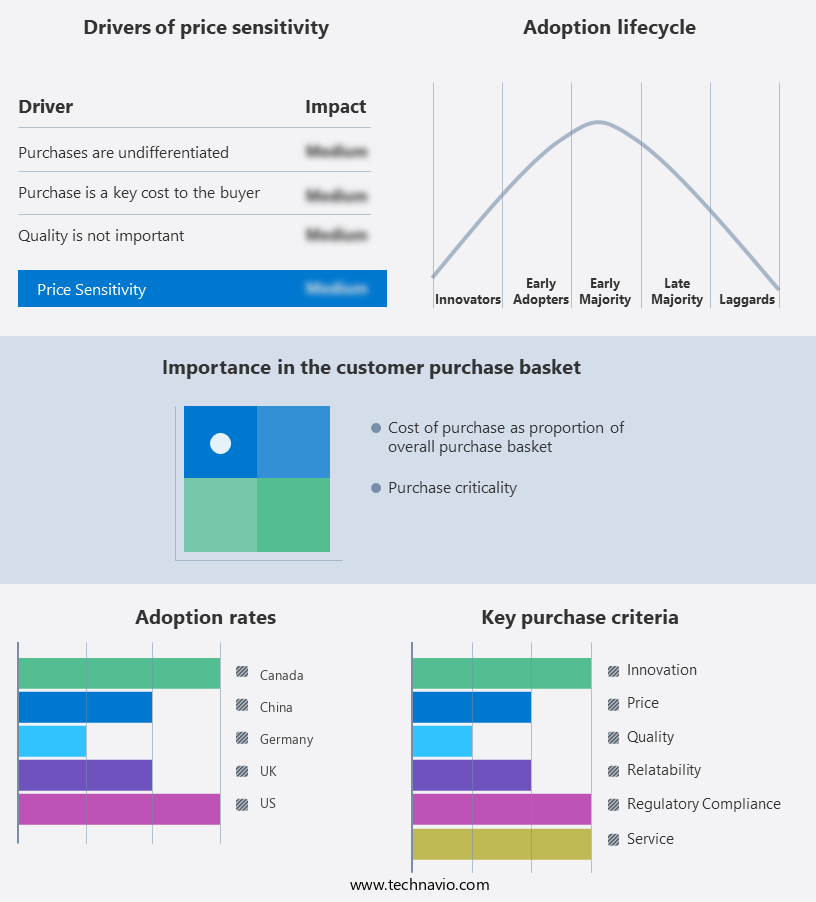
Customer Landscape
Key Companies & Market Insights
Companies are implementing various strategies, such as strategic alliances, companion animal healthcare market forecast, partnerships, mergers and acquisitions, geographical expansion, and product/service launches, to enhance their presence In the industry.
Agrolabo Spa - The company specializes In the production and distribution of companion animal health products, encompassing brands such as Atopica, VETSPON, and Rabvac. These brands cater to various health concerns, ensuring optimal wellbeing for pets.
The industry research and growth report includes detailed analyses of the competitive landscape of the market and information about key companies, including:
- Agrolabo Spa
- Bayer AG
- Boehringer Ingelheim International GmbH
- Ceva Sante Animale
- Chanelle Pharma Group
- Dechra Pharmaceuticals Plc
- Eco Animal Health Group Plc
- Elanco Animal Health Inc.
- Endovac Animal Health
- Heska Corp.
- IDEXX LABORATORIES INC.
- Indian Immunologicals Ltd.
- Inovet
- Kyoritsuseiyaku Corp.
- HIPRA S A
- Merck and Co. Inc.
- Norbrook Laboratories Ltd.
- Vetoquinol SA
- Virbac Group
- Zoetis Inc.
Qualitative and quantitative analysis of companies has been conducted to help clients understand the wider business environment as well as the strengths and weaknesses of key industry players. Data is qualitatively analyzed to categorize companies as pure play, category-focused, industry-focused, and diversified; it is quantitatively analyzed to categorize companies as dominant, leading, strong, tentative, and weak.
Research Analyst Overview
The market encompasses a broad range of products and services designed to promote and maintaIn the health and wellbeing of dogs, cats, and horses. This market is driven by several factors, including the increasing humanization of pets, rising consumer disposable incomes, and the availability of advanced healthcare solutions. One significant segment of the market is animal vaccines. These vaccines protect animals from various diseases, including zoonotic illnesses, which can be transmitted from animals to humans. The development of new vaccines and the improvement of existing ones continue to be a focus for pharmaceutical businesses, as they offer preventive care solutions that can save lives and reduce the economic burden of treating diseases.
Another critical area of the market is diagnostics. Diagnostic techniques have advanced significantly in recent years, enabling veterinary professionals to identify diseases more accurately and at an earlier stage. Point-of-care testing and in-home testing kits have become increasingly popular, as they offer convenience and faster results for pet owners. Clinical toxicology tests are also essential in diagnosing and treating various conditions, particularly in emergency situations. Regulatory requirements play a significant role In the market. Regulations ensure that animal health products meet specific safety and efficacy standards, providing peace of mind for pet owners and veterinary professionals. However, these regulations can also create regulatory hurdles for businesses, particularly in emerging economies where regulatory frameworks may be less developed.
The use of advanced medical technologies, such as telemedicine and health apps, is becoming more common In the market. These technologies offer convenience and accessibility, particularly in rural areas or for pets with chronic conditions. Telehealth services and user-friendly testing kits enable veterinary practitioners to provide care in a home-care setting, reducing the need for frequent visits to veterinary hospitals. The market for companion animal healthcare is diverse, with various animal types, product segments, and end-users. Dogs and cats are the most common companion animals, but horses also represent a significant market. The veterinary healthcare infrastructure varies by region, with Europe having a strong market presence due to its advanced veterinary healthcare system and high animal welfare standards.
The challenges and opportunities In the market are numerous. Sustainable practices, such as the use of feed additives and the development of personalized medicine, offer potential solutions to some of these challenges. The future outlook for the market is positive, with continued advancements in veterinary healthcare infrastructure, regulatory frameworks, and technology driving growth. Urbanization and changing consumer preferences are also impacting the market. As more people move into urban areas, there is a growing demand for convenient and accessible healthcare solutions for their pets. Pet insurance is becoming increasingly popular, particularly for cats and dogs, as pet owners seek to manage the costs of veterinary care.
In conclusion, the market is a dynamic and growing industry, driven by a range of factors, including the increasing humanization of pets, rising consumer disposable incomes, and the availability of advanced healthcare solutions. The market is diverse, with various animal types, product segments, and end-users, and is subject to regulatory requirements and challenges. Despite these challenges, the future outlook for the market is positive, with continued advancements in veterinary healthcare infrastructure, regulatory frameworks, and technology driving growth.
|
Companion Animal Healthcare Market Scope |
|
|
Report Coverage |
Details |
|
Page number |
137 |
|
Base year |
2023 |
|
Historic period |
2018-2022 |
|
Forecast period |
2024-2028 |
|
Growth momentum & CAGR |
Accelerate at a CAGR of 10.03% |
|
Market growth 2024-2028 |
USD 10840.4 million |
|
Market structure |
Fragmented |
|
YoY growth 2023-2024(%) |
8.88 |
|
Key countries |
US, Germany, UK, Canada, and China |
|
Competitive landscape |
Leading Companies, Market Positioning of Companies, Competitive Strategies, and Industry Risks |
What are the Key Data Covered in this Companion Animal Healthcare Market Research and Growth Report?
- CAGR of the Companion Animal Healthcare industry during the forecast period
- Detailed information on factors that will drive the Companion Animal Healthcare growth and forecasting between 2024 and 2028
- Precise estimation of the size of the market and its contribution of the industry in focus to the parent market
- Accurate predictions about upcoming growth and trends and changes in consumer behaviour
- Growth of the market across North America, Europe, Asia, and Rest of World (ROW)
- Thorough analysis of the market’s competitive landscape and detailed information about companies
- Comprehensive analysis of factors that will challenge the companion animal healthcare market growth of industry companies
We can help! Our analysts can customize this companion animal healthcare market research report to meet your requirements.
 RIA -
RIA - 
