



Contract Packaging Market Size 2026-2030
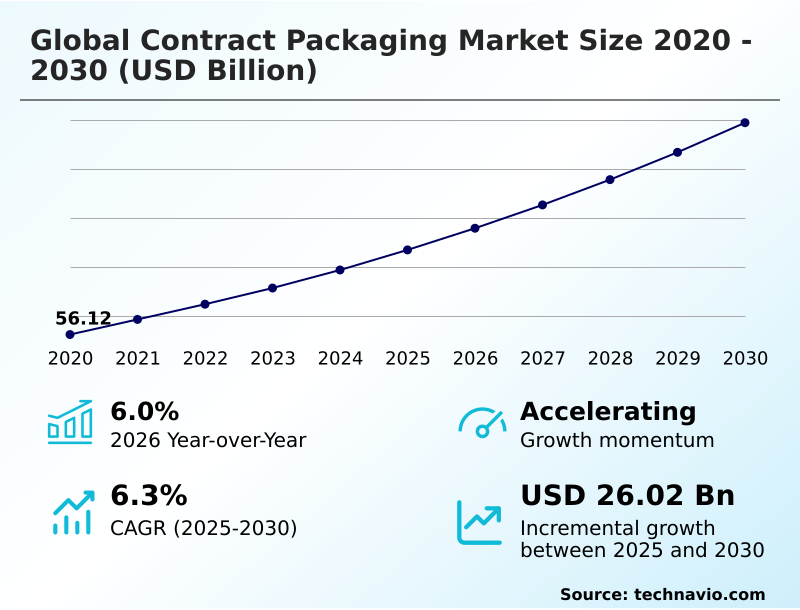
The contract packaging market size is valued to increase by USD 26.02 billion, at a CAGR of 6.3% from 2025 to 2030. Accelerated growth of e-commerce channels and customization requirements will drive the contract packaging market.
Major Market Trends & Insights
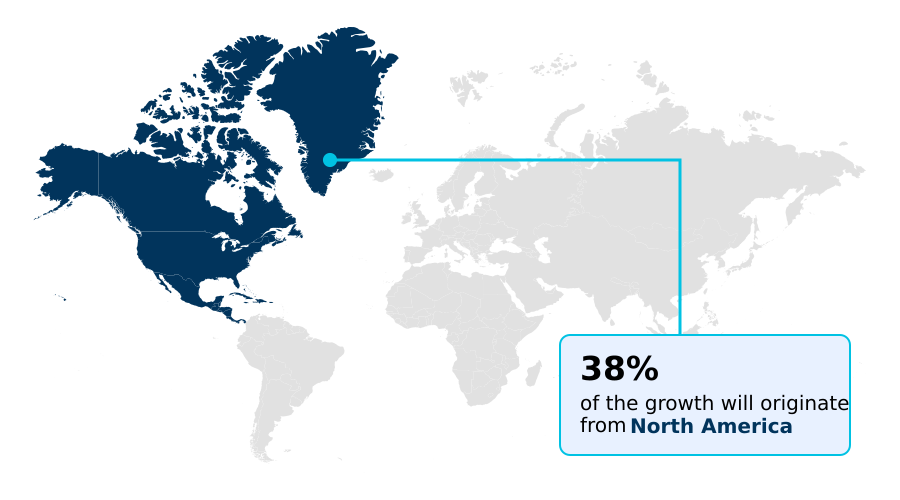
- North America dominated the market and accounted for a 38.2% growth during the forecast period.
- By End-user - Food and beverages segment was valued at USD 35.89 billion in 2024
- By Type - Primary segment accounted for the largest market revenue share in 2024
Market Size & Forecast
- Market Opportunities: USD 43.32 billion
- Market Future Opportunities: USD 26.02 billion
- CAGR from 2025 to 2030 : 6.3%
Market Summary
- The Contract Packaging landscape is undergoing a structural transformation driven by the need for operational agility and scalable production capacity. As consumer brands pivot toward direct-to-consumer delivery models, maintaining flexible secondary packaging assembly lines has become critical to fulfilling omnichannel retail models.
- In a real-world supply chain scenario, a major pharmaceutical entity leveraging external sterile fill-finish infrastructure successfully bypassed heavy capital expenditures on proprietary high-speed isolator filling lines. This strategic outsourcing resulted in a 35% reduction in time-to-market for specialized biologics.
- The market is primarily driven by the accelerated growth of e-commerce channels, which forces manufacturers to outsource custom kitting configurations to specialized third-party providers to prevent internal capacity bottlenecks. Conversely, escalating regulatory compliance and strict environmental sustainability mandates present a formidable challenge.
- Adapting legacy machinery to process post-consumer recycled polymers requires extensive technical calibration, severely compressing the profit margins of smaller regional co-packers unable to fund necessary upgrades. Consequently, advanced mono-layer films and automated cartoning machinery are becoming prerequisites for maintaining regulatory alignment and competitive viability.
What will be the Size of the Contract Packaging Market during the forecast period?
Get Key Insights on Market Forecast (PDF) Get Free Sample
How is the Contract Packaging Market Segmented?
The contract packaging industry research report provides comprehensive data (region-wise segment analysis), with forecasts and estimates in "USD million" for the period 2026-2030, as well as historical data from 2020-2024 for the following segments.
- End-user
- Food and beverages
- Consumer goods
- Personal care
- Pharmaceutical
- Others
- Type
- Primary
- Secondary
- Tertiary
- Material
- Plastics
- Paper and paperboard
- Metal
- Glass
- Others
- Geography
- North America
- US
- Canada
- Mexico
- APAC
- China
- India
- Japan
- South Korea
- Australia
- Indonesia
- Europe
- Germany
- UK
- France
- Italy
- Spain
- The Netherlands
- Middle East and Africa
- Saudi Arabia
- UAE
- South Africa
- Turkey
- Egypt
- South America
- Brazil
- Argentina
- Colombia
- North America
By End-user Insights
The food and beverages segment is estimated to witness significant growth during the forecast period.
The food and beverages segment represents a dynamic foundation within the Contract Packaging ecosystem. Manufacturers increasingly outsource secondary packaging assembly to manage shifting consumer demands for single-serve formats.
Handling high-volume variety pack assembly requires operational agility that rigid internal lines struggle to accommodate. By deploying automated cartoning machinery and robotic pick-and-place modules, contract packagers provide adaptive capacity for seasonal promotional spikes.
This shift toward external expertise allows food processors to mitigate cross-contamination risks through advanced traceability tracking. Utilizing specialized cleanrooms and automated vision systems, food co-packing facilities have reported that error detection improved by 15% during high-speed changeovers.
The integration of modified atmosphere technologies alongside high-performance barrier laminates further extends shelf life. This operational flexibility ensures absolute alignment with strict food safety regulations while lowering fixed overhead expenses across complex omnichannel retail models.
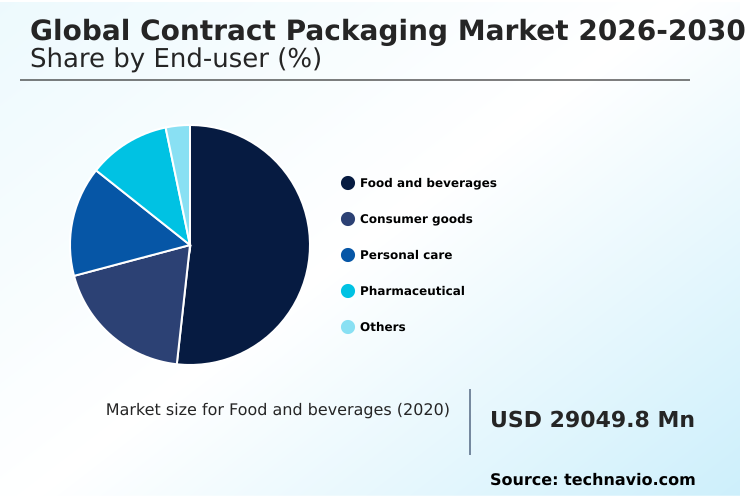
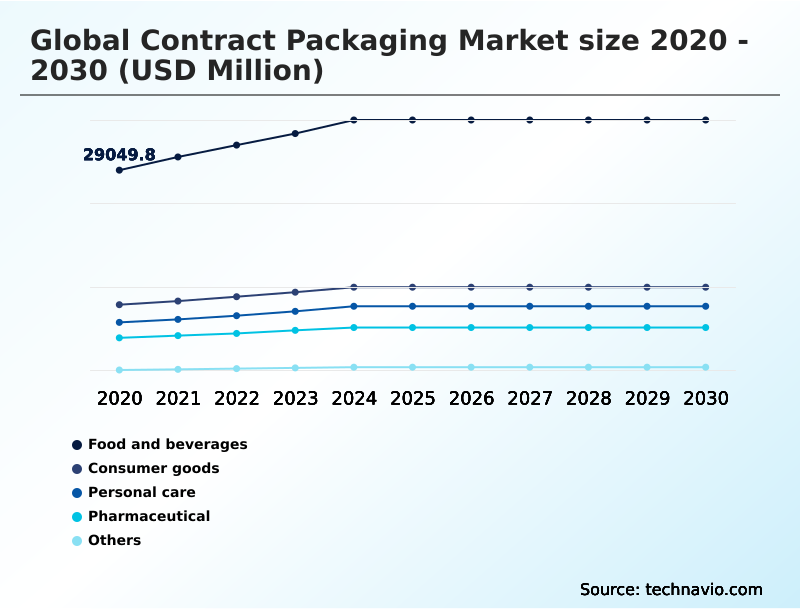
The Food and beverages segment was valued at USD 35.89 billion in 2024 and showed a gradual increase during the forecast period.
Regional Analysis
North America is estimated to contribute 38.2% to the growth of the global market during the forecast period.Technavio’s analysts have elaborately explained the regional trends and drivers that shape the market during the forecast period.
See How Contract Packaging Market Demand is Rising in North America Get Free Sample
The Contract Packaging landscape exhibits distinct regional variations driven by diverging regulatory frameworks and digital retail penetration. North America demonstrates a mature outsourcing ecosystem where brands heavily rely on cold chain logistics to satisfy surging direct-to-consumer delivery models.
In contrast, the APAC region is rapidly expanding its primary manufacturing operations to accommodate rising domestic consumption, focusing heavily on high-volume flexible pouch filling and precision aseptic liquid bottling.
Operational differences are stark; North American facilities deploying advanced blister card thermoforming lines have achieved a 28% decrease in labor-related downtime, whereas APAC counterparts report lower capital burdens but face higher variability in structural integrity validation.
Furthermore, European markets heavily prioritize circular economy principles, leading to a 35% higher adoption rate of post-consumer recycled polymers compared to APAC.
These geographic divergences compel multinational corporations to secure good manufacturing practice certifications while implementing highly localized supply chain strategies to optimize fulfillment efficiency.
Market Dynamics
Our researchers analyzed the data with 2025 as the base year, along with the key drivers, trends, and challenges. A holistic analysis of drivers will help companies refine their marketing strategies to gain a competitive advantage.
- The Contract Packaging sector is experiencing a paradigm shift as original equipment manufacturers continuously pursue enhanced supply chain resilience and operational flexibility. Driven by complex regulatory requirements and volatile consumer demand, companies are heavily investing in automated primary filling line integration to streamline production workflows and eliminate manual handling bottlenecks.
- For the pharmaceutical industry, navigating intricate legal frameworks is paramount; thus, implementing strict sterile blister packaging compliance protocols ensures absolute patient safety while mitigating the risk of costly product recalls. Concurrently, the surge in omnichannel retail has necessitated highly adaptive fulfillment strategies.
- Brands are increasingly outsourcing customized secondary retail packaging assembly to third-party specialists capable of managing rapid stock-keeping unit proliferation. Facilities utilizing these advanced kitting methodologies report up to a 40% reduction in order fulfillment delays compared to traditional in-house operations. This measurable efficiency gain optimizes inventory planning and fortifies overall logistics performance.
- Furthermore, corporate mandates focused on environmental stewardship are reshaping material procurement. Establishing sustainable contract packaging material sourcing has become an essential strategy for minimizing carbon footprints and satisfying discerning eco-conscious demographics. Finally, the rapid commercialization of complex biologics and personalized medicines requires robust infrastructure, making temperature-controlled pharmaceutical contract packaging a critical necessity for preserving therapeutic efficacy during long-distance transit.
- By leveraging these specialized capabilities, manufacturers can successfully align their operational parameters with evolving market demands and strict compliance benchmarks.
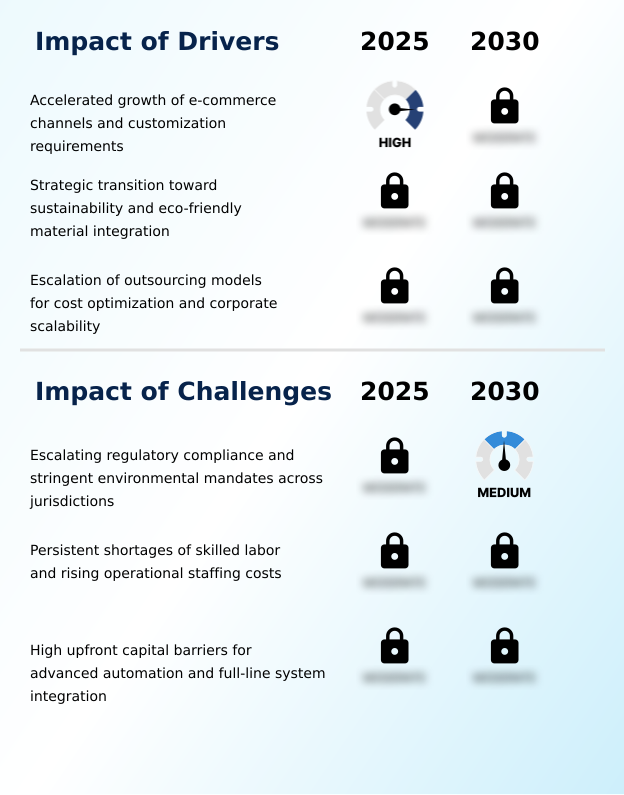
What are the key market drivers leading to the rise in the adoption of Contract Packaging Industry?
- The accelerated growth of e-commerce channels and the rising demand for customization requirements serve as the primary drivers propelling market expansion.
- The exponential growth of digital commerce acts as a fundamental catalyst driving the Contract Packaging landscape. Modern consumer behavior demands customized unboxing experiences and rapid home deliveries, which disrupts traditional bulk retail supply chains.
- To circumvent these bottlenecks, brands increasingly rely on postponement packaging services and specialized logistics fulfillment facilities. This strategic delegation occurs because primary manufacturers lack the agile infrastructure to handle high-mix product variations efficiently.
- Consequently, engaging third-party turnkey operational services to manage custom kitting configurations has enabled companies to achieve a 35% reduction in order processing times.
- By integrating robust inventory management software and adopting a lean business architecture, corporations seamlessly manage seasonal demand spikes.
- Furthermore, leveraging high-speed isolator filling lines and automated guided vehicles allows co-packers to maintain stringent quality control inspection standards, reducing transit-related product damage by 20% across complex fulfillment networks.
What are the market trends shaping the Contract Packaging Industry?
- The proliferation of smart packaging technologies and the integration of the Internet of Things represent an upcoming market trend. These advancements are transforming supply chain transparency and enhancing real-time product tracking capabilities.
- The Contract Packaging ecosystem is rapidly adopting smart technologies to enhance supply chain visibility and consumer engagement. As brand owners face mounting pressure to authenticate sensitive products, the integration of dynamic quick response codes and radio frequency identification tags has become a definitive industry trend.
- This digital transition is crucial because traditional static labels cannot prevent sophisticated counterfeiting or provide real-time location data. By embedding near-field communication chips into retail-ready packaging solutions alongside anti-counterfeiting tracking labels, manufacturers ensure absolute product pedigree.
- Facilities implementing these advanced tracking mechanisms, coupled with electronic batch recording systems, have achieved a 25% improvement in inventory accuracy and a 15% reduction in unauthorized market diversion. Consequently, the reliance on cloud-based enterprise resource planning allows co-packers to synchronize data seamlessly. This digitalization empowers corporations to actively monitor temperature-controlled packaging environments, ensuring the therapeutic efficacy of sensitive pharmaceuticals.
What challenges does the Contract Packaging Industry face during its growth?
- Escalating regulatory compliance and stringent environmental mandates across multiple jurisdictions constitute a significant challenge restricting industry growth.
- Escalating regulatory compliance and strict environmental sustainability mandates represent a profound structural hurdle for the Contract Packaging industry. As jurisdictions worldwide enforce rigid packaging laws, the mandated phase-out of traditional single-use plastics forces co-packers to integrate sustainable substrate alternatives and advanced mono-layer films.
- This transition is highly problematic because running these delicate materials on legacy equipment often compromises seal strength and slows down machine throughput. Consequently, upgrading to specialized ultrasonic welding tools and sophisticated servo-driven packaging platforms requires immense capital outlays.
- Facilities navigating these stringent compliance shifts frequently experience a 25% increase in operational downtime during calibration phases and an 18% rise in material procurement costs.
- This capital asymmetry disproportionately affects smaller regional packagers unable to fund necessary upgrades for digital product passports, complex multi-material laminates, high-speed vertical form-fill-seal pouching, and sterile fill-finish infrastructure, further exacerbating the challenge of maintaining essential electrostatic discharge protection and moisture-barrier shield layers for sensitive components.
Exclusive Technavio Analysis on Customer Landscape
The contract packaging market forecasting report includes the adoption lifecycle of the market, covering from the innovator’s stage to the laggard’s stage. It focuses on adoption rates in different regions based on penetration. Furthermore, the contract packaging market report also includes key purchase criteria and drivers of price sensitivity to help companies evaluate and develop their market growth analysis strategies.
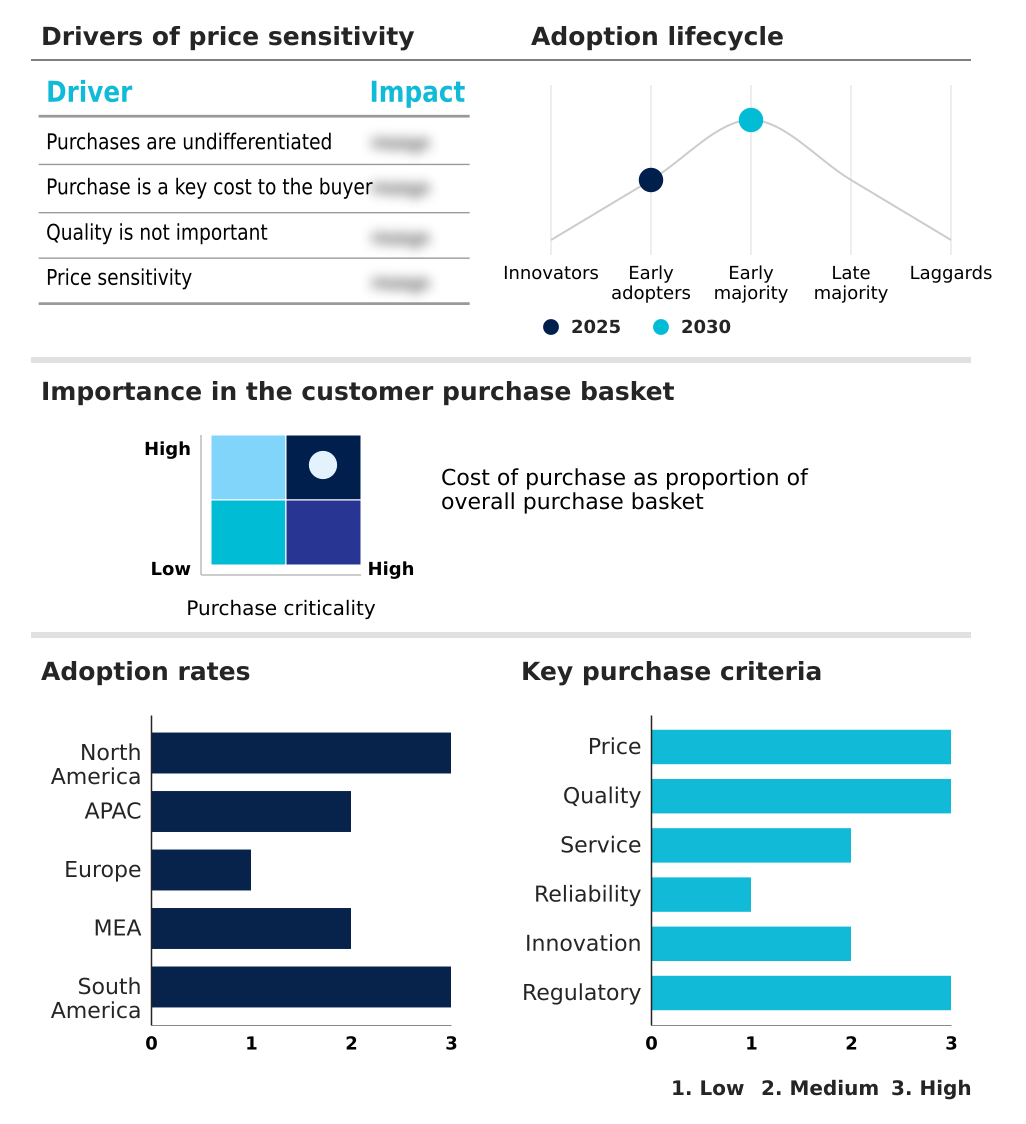
Customer Landscape of Contract Packaging Industry
Competitive Landscape
Companies are implementing various strategies, such as strategic alliances, contract packaging market forecast, partnerships, mergers and acquisitions, geographical expansion, and product/service launches, to enhance their presence in the industry.
ActionPak Inc. - The vendor provides comprehensive contract packaging services, specializing in flexible and rigid container configurations, advanced pouch filling, and complex product assembly to optimize supply chain workflows.
The industry research and growth report includes detailed analyses of the competitive landscape of the market and information about key companies, including:
- ActionPak Inc.
- Amcor Plc
- Assemblies Unlimited Inc.
- Berlin Packaging LLC
- Budelpack Poortvliet BV
- Catalent Inc.
- CCL Industries Inc.
- Co Pak Packaging Corp.
- DHL International GmbH
- Jones Healthcare Group
- Multi Pack Solutions LLC
- Packaging Corporation of America
- PCI Pharma Services
- Pharmatech Associates Inc.
- Reed Lane Inc.
- Ropack Pharma Solutions
- Sharp Services LLC
- Silgan Unicep
- Smurfit Westrock plc
- Sonic Packaging Industries
- Sonoco Products Co.
- Stamar Packaging
- Sterling Contract Packaging Inc.
- Tjoapack BV
- UFlex Ltd.
- Wasdell Group
Qualitative and quantitative analysis of companies has been conducted to help clients understand the wider business environment as well as the strengths and weaknesses of key industry players. Data is qualitatively analyzed to categorize companies as pure play, category-focused, industry-focused, and diversified; it is quantitatively analyzed to categorize companies as dominant, leading, strong, tentative, and weak.
Recent Development and News in Contract packaging market
- In the Metal, Glass and Plastic Containers industry, the accelerated transition toward post-consumer recycled polymers has disrupted raw material supply chains, directly impacting Contract Packaging demand by requiring co-packers to upgrade multi-material laminates extrusion lines to maintain structural integrity validation.
- The enforcement of strict circular economy principles across European regulatory frameworks has mandated reductions in virgin plastic usage, directly impacting Contract Packaging demand as brands increasingly outsource to facilities equipped with sustainable substrate alternatives and paper-based barrier laminates.
- The integration of digital product passports and dynamic quick response codes directly onto primary manufacturing operations lines has shifted traceability standards, directly impacting Contract Packaging demand by forcing third-party fillers to adopt electronic batch recording systems and radio frequency identification tags.
- The rapid adoption of lightweighting technologies for glass and metal containers has increased the physical fragility of bulk shipments during transit, directly impacting Contract Packaging demand as manufacturers require specialized secondary packaging assembly and automated guided vehicles in logistics fulfillment facilities to prevent breakage.
Dive into Technavio’s robust research methodology, blending expert interviews, extensive data synthesis, and validated models for unparalleled Contract Packaging Market insights. See full methodology.
| Market Scope | |
|---|---|
| Page number | 315 |
| Base year | 2025 |
| Historic period | 2020-2024 |
| Forecast period | 2026-2030 |
| Growth momentum & CAGR | Accelerate at a CAGR of 6.3% |
| Market growth 2026-2030 | USD 26018.5 million |
| Market structure | Fragmented |
| YoY growth 2025-2026(%) | 6.0% |
| Key countries | US, Canada, Mexico, China, India, Japan, South Korea, Australia, Indonesia, Germany, UK, France, Italy, Spain, The Netherlands, Saudi Arabia, UAE, South Africa, Turkey, Egypt, Brazil, Argentina and Colombia |
| Competitive landscape | Leading Companies, Market Positioning of Companies, Competitive Strategies, and Industry Risks |
Research Analyst Overview
- The Contract Packaging ecosystem operates as a strategic imperative for global brands navigating volatile supply chain dynamics and stringent regulatory environments. The proliferation of digital commerce has fundamentally reshaped fulfillment requirements, forcing executives to prioritize scalable secondary packaging assembly over rigid internal manufacturing setups.
- Boardroom-level budgeting decisions increasingly favor outsourcing complex kitting operations to avoid the massive capital expenditures associated with deploying proprietary servo-driven packaging platforms and automated guided vehicles. This shift toward external expertise yields significant operational dividends; companies utilizing specialized third-party logistics fulfillment facilities have realized a 30% reduction in structural material waste during transit.
- To comply with rigorous anti-counterfeiting tracking labels and tracing mandates, pharmaceutical entities heavily rely on contract packagers equipped with electronic batch recording systems and near-field communication chips. Furthermore, the transition toward sustainable substrate alternatives compels manufacturers to utilize multi-material laminates that balance environmental compliance with product preservation.
- Leveraging advanced vertical form-fill-seal pouching and aseptic liquid bottling technologies allows corporations to dynamically adjust product formats, ensuring absolute regulatory alignment while optimizing total cost of ownership.
What are the Key Data Covered in this Contract Packaging Market Research and Growth Report?
-
What is the expected growth of the Contract Packaging Market between 2026 and 2030?
-
USD 26.02 billion, at a CAGR of 6.3%
-
-
What segmentation does the market report cover?
-
The report is segmented by End-user (Food and beverages, Consumer goods, Personal care, Pharmaceutical, and Others), Type (Primary, Secondary, and Tertiary), Material (Plastics, Paper and paperboard, Metal, Glass, and Others) and Geography (North America, APAC, Europe, Middle East and Africa, South America)
-
-
Which regions are analyzed in the report?
-
North America, APAC, Europe, Middle East and Africa and South America
-
-
What are the key growth drivers and market challenges?
-
Accelerated growth of e-commerce channels and customization requirements, Escalating regulatory compliance and stringent environmental mandates across jurisdictions
-
-
Who are the major players in the Contract Packaging Market?
-
ActionPak Inc., Amcor Plc, Assemblies Unlimited Inc., Berlin Packaging LLC, Budelpack Poortvliet BV, Catalent Inc., CCL Industries Inc., Co Pak Packaging Corp., DHL International GmbH, Jones Healthcare Group, Multi Pack Solutions LLC, Packaging Corporation of America, PCI Pharma Services, Pharmatech Associates Inc., Reed Lane Inc., Ropack Pharma Solutions, Sharp Services LLC, Silgan Unicep, Smurfit Westrock plc, Sonic Packaging Industries, Sonoco Products Co., Stamar Packaging, Sterling Contract Packaging Inc., Tjoapack BV, UFlex Ltd. and Wasdell Group
-
Market Research Insights
- The Contract Packaging sector operates as a critical optimization lever for modern supply chains. By integrating turnkey operational services, consumer brands bypass heavy infrastructure investments while maximizing output. Leveraging postponement packaging services allows corporations to adapt rapidly to volatile market signals, yielding a 22% improvement in inventory turnover rates.
- Additionally, the transition toward lean business architecture has accelerated the adoption of automated vision systems within secondary packaging assembly. Facilities deploying these advanced inspection modules have observed a 40% reduction in packaging defects compared to manual quality control inspection protocols.
- Furthermore, strict environmental sustainability mandates are pushing manufacturers toward circular economy principles, driving a 30% increase in the utilization of bio-based materials across primary manufacturing operations.
We can help! Our analysts can customize this contract packaging market research report to meet your requirements.
 RIA -

