


Protective Packaging Market Size 2026-2030
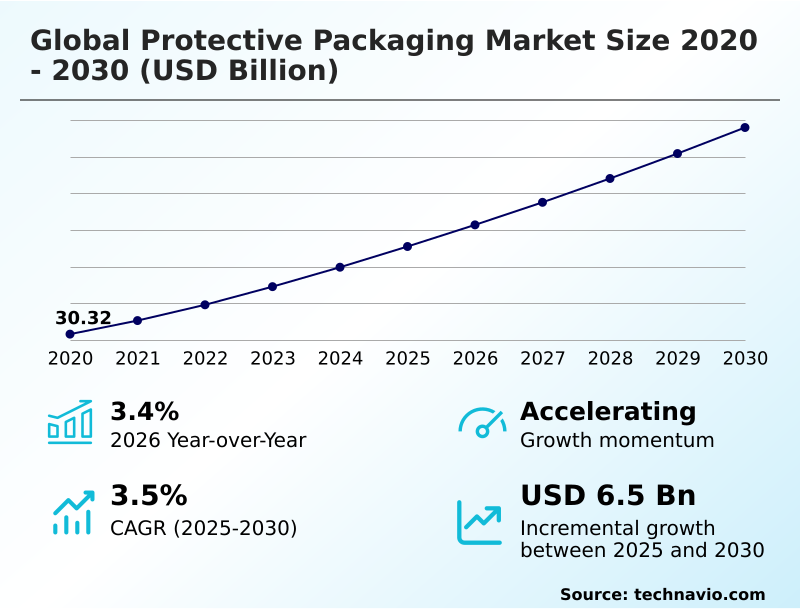
The protective packaging market size is valued to increase by USD 6.50 billion, at a CAGR of 3.5% from 2025 to 2030. Growth of e-commerce sector will drive the protective packaging market.
Major Market Trends & Insights
- APAC dominated the market and accounted for a 40.2% growth during the forecast period.
- By Type - Flexible segment was valued at USD 22.12 billion in 2024
- By End-user - Food and beverages segment accounted for the largest market revenue share in 2024
Market Size & Forecast
- Market Opportunities: USD 11.28 billion
- Market Future Opportunities: USD 6.50 billion
- CAGR from 2025 to 2030 : 3.5%
Market Summary
- The protective packaging market is undergoing a significant transformation, driven by the dual imperatives of sustainability and e-commerce logistics. The industry is moving beyond conventional materials toward advanced solutions like sustainable cushioning materials and biodegradable foam alternatives to meet stringent environmental regulations and consumer demand for curbside recyclable solutions.
- This evolution is redefining the function of packaging, which must now provide robust, shock-absorbent packaging while also enhancing the unboxing experience. For instance, a third-party logistics provider might integrate automated boxing systems that use sensors to select the optimal container size for each order.
- This technology significantly reduces the need for void-fill systems and inflatable air cushions, leading to lower material consumption and dimensional weight charges. Such innovations, including the development of mono-material packaging and the exploration of chemical recycling pyrolysis for multi-layer flexible films, are critical for creating a circular economy.
- This focus on efficiency and environmental stewardship shapes the competitive landscape, compelling businesses to innovate across flexible protective packaging, rigid protective packaging, and foam protective packaging categories to maintain relevance and meet the sophisticated demands of modern supply chains.
What will be the Size of the Protective Packaging Market during the forecast period?
Get Key Insights on Market Forecast (PDF) Get Free Sample
How is the Protective Packaging Market Segmented?
The protective packaging industry research report provides comprehensive data (region-wise segment analysis), with forecasts and estimates in "USD million" for the period 2026-2030, as well as historical data from 2020-2024 for the following segments.
- Type
- Flexible
- Rigid
- Foam
- End-user
- Food and beverages
- Industrial goods
- Consumer electronics
- Household appliances
- Others
- Material
- Plastic
- Paper and paperboard
- Others
- Geography
- APAC
- China
- India
- Japan
- North America
- US
- Canada
- Mexico
- Europe
- Germany
- UK
- France
- Middle East and Africa
- South Africa
- UAE
- Saudi Arabia
- South America
- Brazil
- Argentina
- Rest of World (ROW)
- APAC
By Type Insights
The flexible segment is estimated to witness significant growth during the forecast period.
The flexible protective packaging segment is driven by e-commerce packaging optimization and the need for sustainable packaging innovation.
A shift is underway from traditional multi-layer flexible films and inflatable air cushions toward curbside recyclable solutions and other lightweight shipping materials that support packaging waste management goals.
These advancements are crucial for product damage reduction and building a resilient supply chain packaging strategy for high-volume retailers.
For instance, the adoption of intelligent sizing algorithms in conjunction with advanced flexible materials has enabled select distributors to reduce the use of unnecessary void-fill materials by nearly 15%, directly impacting shipping costs and environmental footprint.
This evolution underscores the segment's critical role in meeting both logistical demands and consumer sustainability expectations.
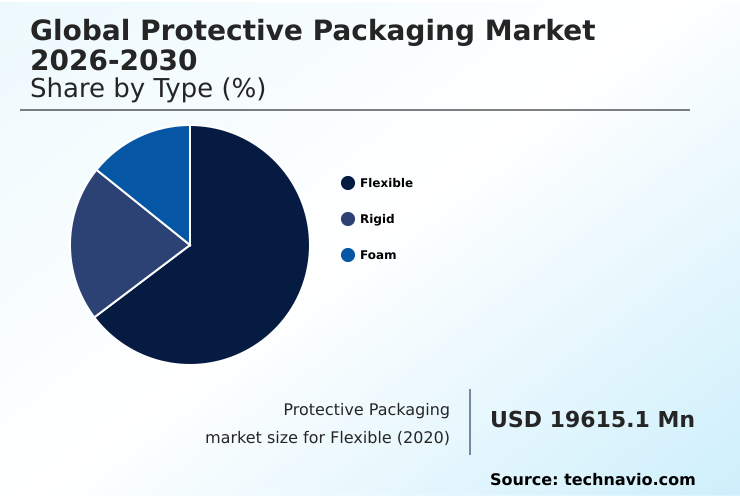
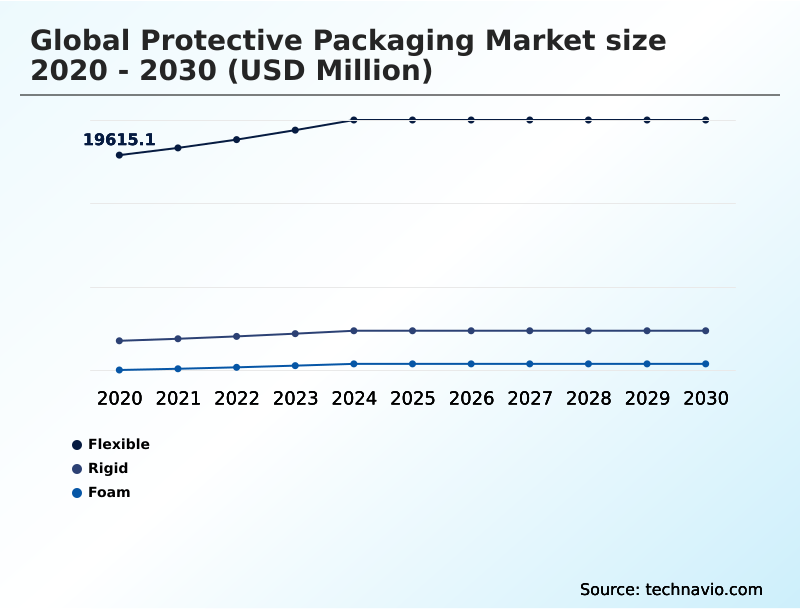
The Flexible segment was valued at USD 22.12 billion in 2024 and showed a gradual increase during the forecast period.
Regional Analysis
APAC is estimated to contribute 40.2% to the growth of the global market during the forecast period.Technavio’s analysts have elaborately explained the regional trends and drivers that shape the market during the forecast period.
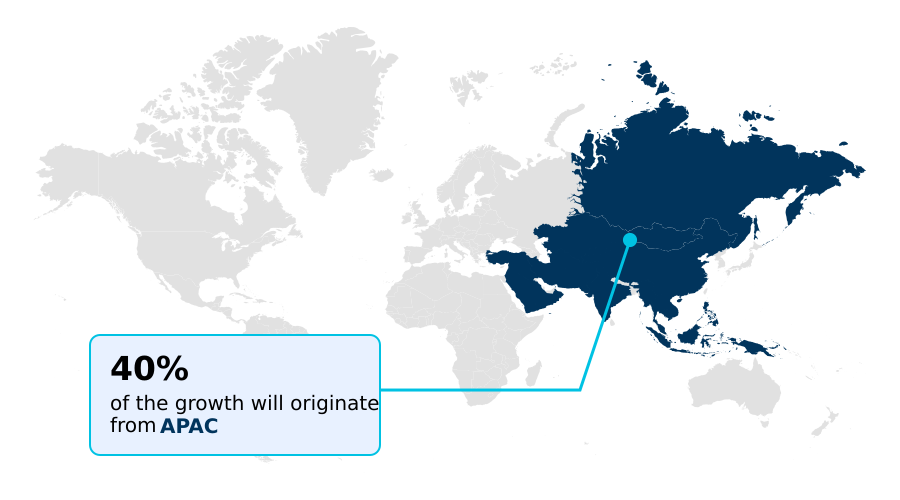
See How Protective Packaging Market Demand is Rising in APAC Get Free Sample
The geographic landscape is led by APAC, which accounts for over 40% of incremental growth, fueled by its expanding manufacturing and e-commerce sectors.
The region is rapidly adopting sustainable cushioning materials like molded pulp trays and honeycomb paperboard, which serve as lightweight shipping materials to enable freight weight reduction for exports.
In North America and Europe, the focus is on optimizing logistics with heavy-duty corrugated solutions and advanced shock-absorbent packaging to build a more resilient supply chain packaging framework.
Globally, the demand for sophisticated temperature-controlled packaging is accelerating, particularly for food-grade protective materials.
The deployment of these advanced materials has already helped leading logistics networks reduce in-transit product damage rates by more than 15%, showcasing a clear return on investment.
Market Dynamics
Our researchers analyzed the data with 2025 as the base year, along with the key drivers, trends, and challenges. A holistic analysis of drivers will help companies refine their marketing strategies to gain a competitive advantage.
- The global protective packaging market 2026-2030 navigates a complex trade-off between the cost of high-performance protective packaging and the intense impact of e-commerce on protective packaging demand. Key advancements in recyclable flexible packaging materials are addressing sustainability goals, with a significant push for sustainable alternatives to expanded polystyrene foam.
- The requirements for protective packaging for fragile electronic components, which often necessitate ESD protective packaging for sensitive electronics, differ greatly from the needs of protective packaging for industrial goods. This specialization drives trends in automated protective packaging systems, which are essential for optimizing protective packaging for last-mile delivery.
- Simultaneously, the role of protective packaging in cold chain logistics is becoming more critical, intensifying the challenges of recycling multi-layer packaging films. Innovations in paper-based void-fill solutions and the benefits of molded pulp for product protection offer viable paths forward.
- Strategic decisions now involve a direct comparison of air pillows vs paper cushioning, as companies work toward reducing packaging waste in online retail and ensuring protective packaging compliance with EPR schemes. The move toward mono-material packaging for improved recyclability is a central theme, aimed at enhancing the unboxing experience with packaging.
- Companies that successfully implement lightweighting strategies for protective packaging are reporting freight cost savings more than double those of competitors using traditional materials, highlighting a clear operational advantage.
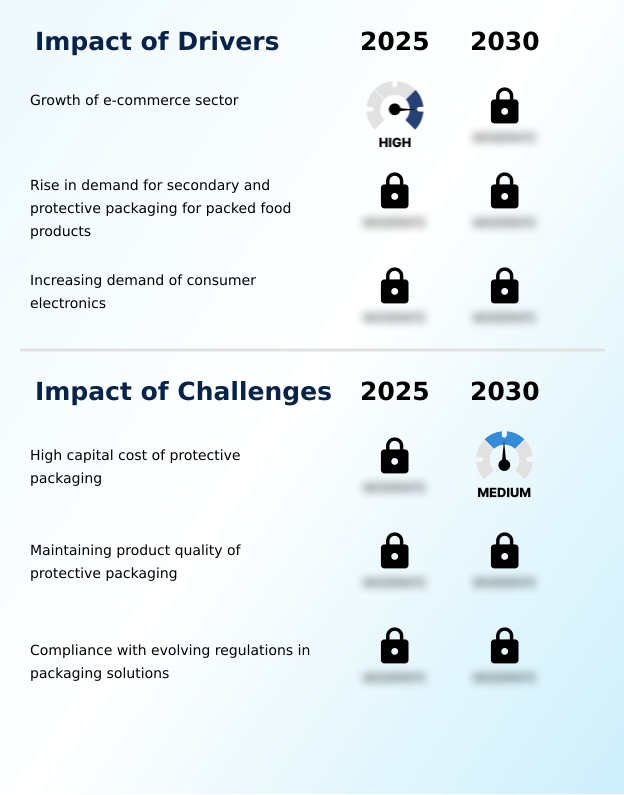
What are the key market drivers leading to the rise in the adoption of Protective Packaging Industry?
- The rapid growth of the e-commerce sector is a primary driver for the protective packaging market.
- Growth is primarily fueled by the demands of e-commerce, which necessitates superior last-mile delivery protection and efficient cold chain logistics solutions.
- This has accelerated investment in automated packaging machinery, including automated boxing systems and sophisticated air-cushioning systems that optimize material usage. For instance, automation has increased fulfillment throughput by over 35% in high-volume distribution centers.
- The adoption of advanced void-fill systems and lightweight materials like paper-based thermal liner contributes to significant freight weight reduction, lowering operational costs.
- Beyond efficiency, the driver to enhance the unboxing experience is compelling brands to invest in higher-quality foam protective packaging and other materials that ensure products arrive in perfect condition.
What are the market trends shaping the Protective Packaging Industry?
- The emergence of new recycling techniques for flexible packaging is a key upcoming market trend. These advanced methods are set to influence material choices and packaging design.
- Key trends are centered on advancing circular economy packaging principles and ensuring extended producer responsibility (EPR) compliance. The development of mono-material packaging is a primary focus, as it simplifies recycling and reduces contamination in waste streams.
- Innovations in biodegradable foam alternatives and compostable protective packaging are providing viable substitutes for traditional polymers, helping companies meet high-performance protection standards while improving their environmental profile. Concurrently, the rise of smart packaging integration within returnable transit packaging systems is enabling superior asset tracking and lifecycle management, with some systems improving return rates by 40%.
- The industry is also exploring advanced recycling methods like chemical recycling pyrolysis and solvent-based dissolution to manage complex materials.
What challenges does the Protective Packaging Industry face during its growth?
- The high capital cost associated with protective packaging solutions presents a significant challenge to industry growth.
- Significant challenges persist in specialized, high-cost applications. For industrial goods packaging and consumer electronics protection, the need for custom rigid protective packaging and electrostatic discharge (ESD) foams adds considerable expense and complexity. Ensuring consistent thermal insulation performance in insulated shipping containers while increasing post-consumer recycled (PCR) content remains a technical hurdle.
- Furthermore, guaranteeing pharmaceutical packaging integrity with custom die-cut packaging and sophisticated vibration dampening materials requires extensive validation, which can increase product development timelines by up to 25%. These challenges are compounded by volatile raw material costs, making it difficult to balance performance with budget constraints.
Exclusive Technavio Analysis on Customer Landscape
The protective packaging market forecasting report includes the adoption lifecycle of the market, covering from the innovator’s stage to the laggard’s stage. It focuses on adoption rates in different regions based on penetration. Furthermore, the protective packaging market report also includes key purchase criteria and drivers of price sensitivity to help companies evaluate and develop their market growth analysis strategies.
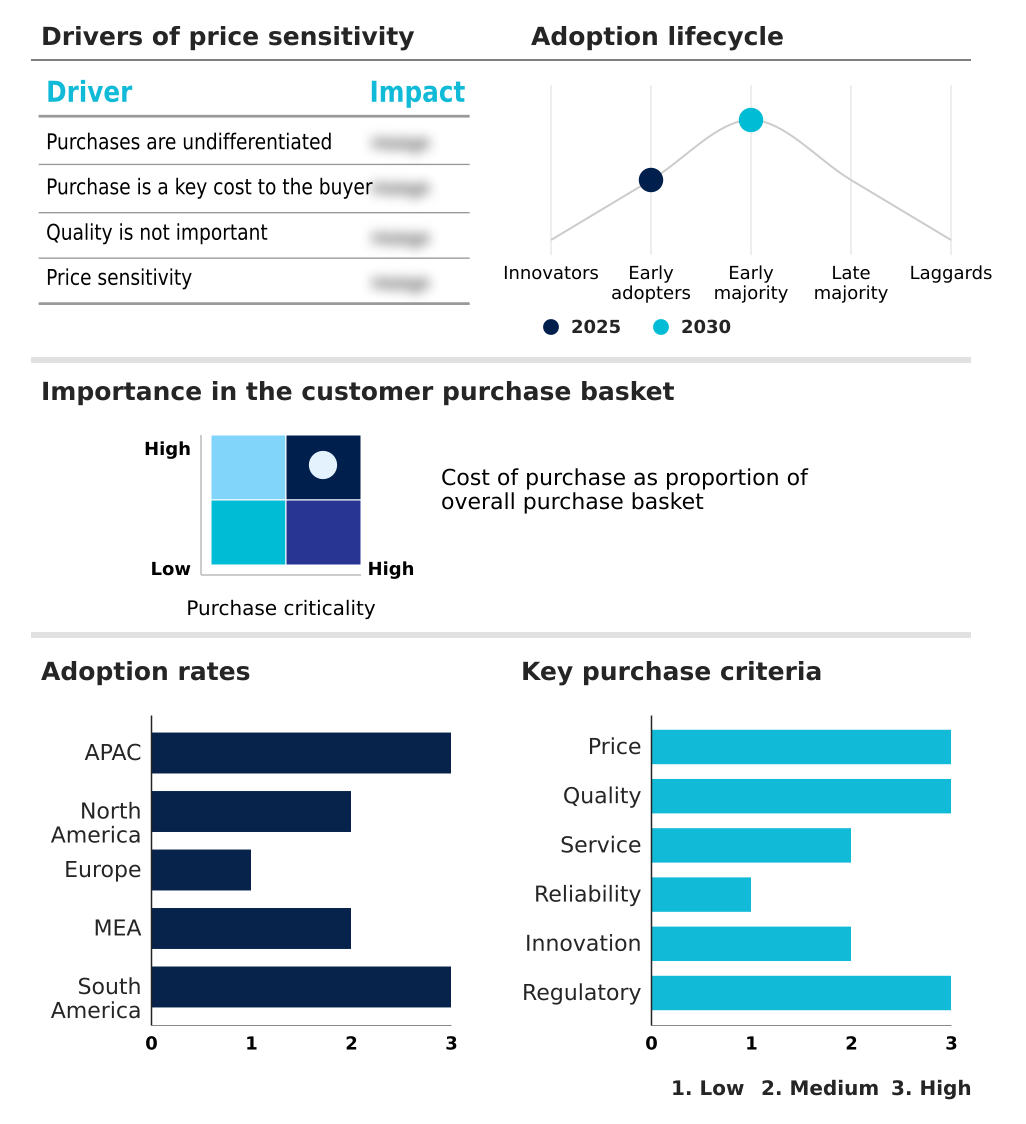
Customer Landscape of Protective Packaging Industry
Competitive Landscape
Companies are implementing various strategies, such as strategic alliances, protective packaging market forecast, partnerships, mergers and acquisitions, geographical expansion, and product/service launches, to enhance their presence in the industry.
Avery Dennison Corp. - Provides engineered protective solutions, including custom die-cut and insulated boxes, designed to ensure product integrity across various transit conditions.
The industry research and growth report includes detailed analyses of the competitive landscape of the market and information about key companies, including:
- Avery Dennison Corp.
- Berry Global Inc.
- Black Diamond Capital
- Cascades Inc.
- Crown Holdings Inc.
- Dow Chemical Co.
- DS Smith Plc
- EcoEnclose
- Hanchett Paper Co.
- International Paper Co.
- Mondi Plc
- NEFAB GROUP
- Pregis LLC
- Ranpak Holdings Corp.
- Sealed Air Corp.
- Smurfit Kappa Group
- Storopack Pvt. Ltd.
- Universal Protective Packaging
- WestRock Co.
- Winpak Ltd.
Qualitative and quantitative analysis of companies has been conducted to help clients understand the wider business environment as well as the strengths and weaknesses of key industry players. Data is qualitatively analyzed to categorize companies as pure play, category-focused, industry-focused, and diversified; it is quantitatively analyzed to categorize companies as dominant, leading, strong, tentative, and weak.
Recent Development and News in Protective packaging market
- In August, 2024, Sealed Air Corp. announced the launch of the Bubble Wrap Brand Ready-to-Roll Embossed Paper, a paper-based cushioning alternative to its traditional plastic products designed to be curbside recyclable.
- In September, 2024, Mondi Group, in partnership with Amazon, unveiled a new line of protective mailers that use a shock-absorbent open-flute paper structure, eliminating the need for plastic bubble linings.
- In October, 2024, LyondellBasell acquired APK AG, a company specializing in a unique solvent-based recycling technology for separating multi-layer flexible packaging, to strengthen its circular economy portfolio.
- In December, 2024, DS Smith reported a 15% increase in capital expenditure in its half-year results, committing to investments in operational efficiency and sustainable innovation despite a challenging economic environment.
Dive into Technavio’s robust research methodology, blending expert interviews, extensive data synthesis, and validated models for unparalleled Protective Packaging Market insights. See full methodology.
| Market Scope | |
|---|---|
| Page number | 298 |
| Base year | 2025 |
| Historic period | 2020-2024 |
| Forecast period | 2026-2030 |
| Growth momentum & CAGR | Accelerate at a CAGR of 3.5% |
| Market growth 2026-2030 | USD 6497.8 million |
| Market structure | Fragmented |
| YoY growth 2025-2026(%) | 3.4% |
| Key countries | China, India, Japan, South Korea, Australia, Indonesia, US, Canada, Mexico, Germany, UK, France, Italy, Spain, The Netherlands, South Africa, UAE, Saudi Arabia, Israel, Turkey, Brazil, Argentina and Chile |
| Competitive landscape | Leading Companies, Market Positioning of Companies, Competitive Strategies, and Industry Risks |
Research Analyst Overview
- The protective packaging market is pivoting toward a circular model, where material science and automation converge. Innovations in sustainable cushioning materials, including paper-based thermal liner and compostable protective packaging, are replacing legacy products. All primary categories flexible protective packaging, rigid protective packaging, and foam protective packaging are being re-engineered with biodegradable foam alternatives and higher post-consumer recycled (PCR) content.
- The strategic shift to curbside recyclable solutions and mono-material packaging has become a boardroom-level imperative, directly influencing supply chain architecture and risk management. For instance, the deployment of automated boxing systems has been shown to reduce material waste by over 20%, a compelling efficiency gain.
- Specialized applications continue to drive demand for solutions like electrostatic discharge (ESD) foams, insulated shipping containers for temperature-controlled packaging, and vibration dampening materials. The industry is also tackling end-of-life challenges for multi-layer flexible films through emerging technologies like solvent-based dissolution and chemical recycling pyrolysis.
- This evolution is supported by a range of technologies, from air-cushioning systems and advanced void-fill systems to molded pulp trays and shock-absorbent packaging made from honeycomb paperboard.
What are the Key Data Covered in this Protective Packaging Market Research and Growth Report?
-
What is the expected growth of the Protective Packaging Market between 2026 and 2030?
-
USD 6.50 billion, at a CAGR of 3.5%
-
-
What segmentation does the market report cover?
-
The report is segmented by Type (Flexible, Rigid, and Foam), End-user (Food and beverages, Industrial goods, Consumer electronics, Household appliances, and Others), Material (Plastic, Paper and paperboard, and Others) and Geography (APAC, North America, Europe, Middle East and Africa, South America)
-
-
Which regions are analyzed in the report?
-
APAC, North America, Europe, Middle East and Africa and South America
-
-
What are the key growth drivers and market challenges?
-
Growth of e-commerce sector, High capital cost of protective packaging
-
-
Who are the major players in the Protective Packaging Market?
-
Avery Dennison Corp., Berry Global Inc., Black Diamond Capital, Cascades Inc., Crown Holdings Inc., Dow Chemical Co., DS Smith Plc, EcoEnclose, Hanchett Paper Co., International Paper Co., Mondi Plc, NEFAB GROUP, Pregis LLC, Ranpak Holdings Corp., Sealed Air Corp., Smurfit Kappa Group, Storopack Pvt. Ltd., Universal Protective Packaging, WestRock Co. and Winpak Ltd.
-
Market Research Insights
- Market dynamics are increasingly shaped by e-commerce packaging optimization and the critical need for resilient supply chain packaging. The focus on sustainable packaging innovation is driving the adoption of circular economy packaging principles and pushing for greater extended producer responsibility (EPR) compliance.
- This has led to measurable business outcomes, as the implementation of automated packaging machinery increases fulfillment throughput by over 30%. Furthermore, the strategic use of lightweight shipping materials has enabled freight weight reduction of up to 15%, directly lowering operational costs. The integration of advanced cold chain logistics solutions is also pivotal, reducing spoilage rates for temperature-sensitive goods by 20%.
- These efficiencies, coupled with an enhanced unboxing experience and better product damage reduction, define the current competitive environment.
We can help! Our analysts can customize this protective packaging market research report to meet your requirements.
 RIA -
RIA - 
