


Cookware Market Size 2026-2030
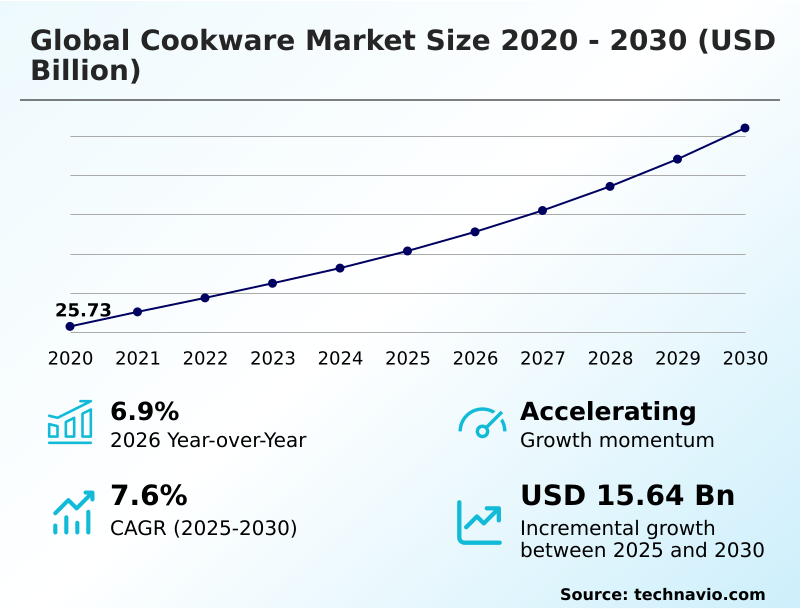
The cookware market size is valued to increase by USD 15.64 billion, at a CAGR of 7.6% from 2025 to 2030. Rapid growth of enameled cookware will drive the cookware market.
Major Market Trends & Insights
- APAC dominated the market and accounted for a 44.7% growth during the forecast period.
- By Distribution Channel - Offline segment was valued at USD 23.50 billion in 2024
- By Type - Aluminum segment accounted for the largest market revenue share in 2024
Market Size & Forecast
- Market Opportunities: USD 25.24 billion
- Market Future Opportunities: USD 15.64 billion
- CAGR from 2025 to 2030 : 7.6%
Market Summary
- The cookware market is advancing beyond mere functionality, becoming an integral part of lifestyle and home design. A primary driver is the growing consumer focus on health and wellness, which has fueled demand for materials with a non-reactive surface and PFOA-free coatings.
- The resurgence of home cooking as a creative outlet has also spurred interest in high-performance items that offer superior heat distribution and durability. Trends are leaning toward aesthetic appeal, with oven-to-table functionality becoming a standard expectation. This push for design-forward products is balanced by practical needs for energy-efficient cookware compatible with modern induction cooktops.
- A key business scenario involves supply chain optimization, where manufacturers are adopting just-in-time inventory for specialty cooking vessels to reduce warehousing costs, while using demand forecasting to manage stock of high-volume durable non-stick pans.
- However, intense competition from direct-to-consumer brands and volatility in raw material prices present persistent challenges, forcing companies to innovate in both product engineering, such as developing better scratch resistance, and business models to stay profitable.
What will be the Size of the Cookware Market during the forecast period?
Get Key Insights on Market Forecast (PDF) Get Free Sample
How is the Cookware Market Segmented?
The cookware industry research report provides comprehensive data (region-wise segment analysis), with forecasts and estimates in "USD million" for the period 2026-2030, as well as historical data from 2020-2024 for the following segments.
- Distribution channel
- Offline
- Online
- Type
- Aluminum
- Stainless steel
- Others
- Product
- Pots and pans
- Pressure cooker
- Others
- Geography
- APAC
- China
- Japan
- India
- Europe
- Germany
- UK
- France
- North America
- US
- Canada
- Mexico
- Middle East and Africa
- Saudi Arabia
- UAE
- South Africa
- South America
- Brazil
- Argentina
- Colombia
- Rest of World (ROW)
- APAC
By Distribution Channel Insights
The offline segment is estimated to witness significant growth during the forecast period.
The offline channel remains a critical segment, where consumers physically assess product attributes before purchasing. This hands-on experience allows for the evaluation of features like ergonomic handles, material weight, and the quality of a non-reactive surface.
Retail environments are ideal for showcasing artisanal kitchenware and high-end premium bakeware, where in-store demonstrations can boost sales of professional grade cookware by over 20%.
Shoppers can directly compare die-cast aluminum products with those made from vitrified glass or featuring a titanium-reinforced coating.
This direct engagement builds consumer confidence, especially for gourmet cooking tools where tactile qualities and craftsmanship are key purchasing drivers, supporting both impulse buys and considered investments in kitchen equipment.
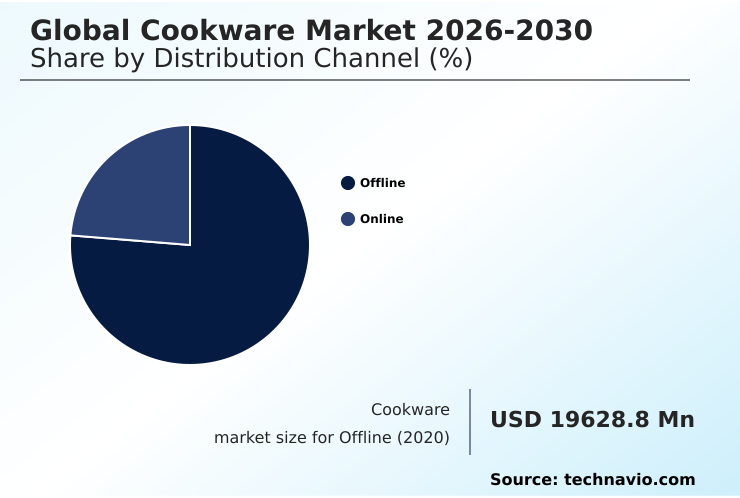
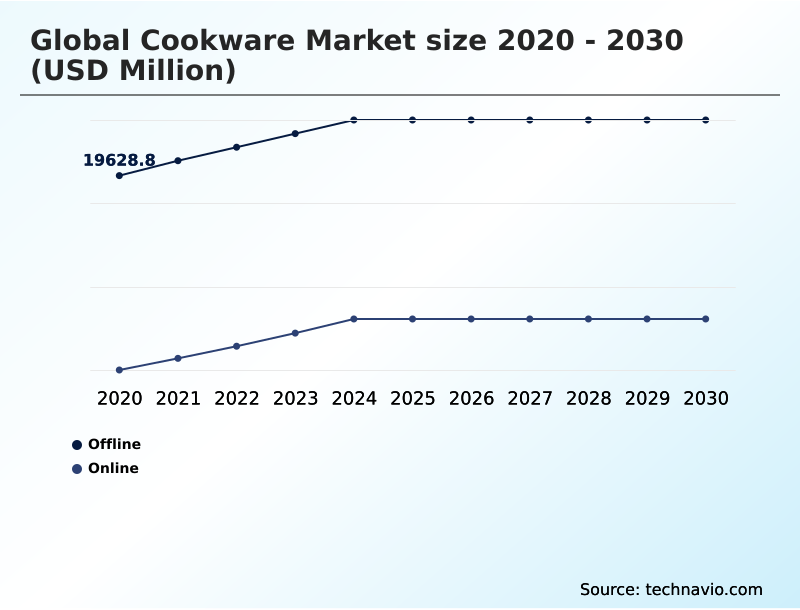
The Offline segment was valued at USD 23.50 billion in 2024 and showed a gradual increase during the forecast period.
Regional Analysis
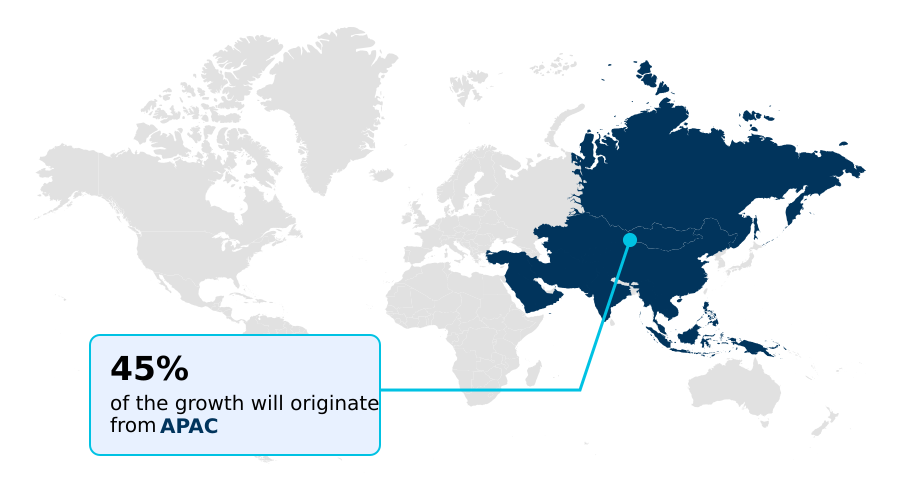
APAC is estimated to contribute 44.7% to the growth of the global market during the forecast period.Technavio’s analysts have elaborately explained the regional trends and drivers that shape the market during the forecast period.
See How Cookware Market Demand is Rising in APAC Get Free Sample
The market's geographic landscape is characterized by diverse regional dynamics.
APAC is the fastest-growing region, with demand driven by urbanization and an expanding middle class seeking modern culinary toolsets for kitchen renovation essentials; this region accounts for nearly 45% of incremental market growth.
In contrast, mature markets in Europe and North America prioritize premium home chef equipment, often featuring advanced tri-ply construction and impact-bonded base technology.
The North American bridal registry cookware segment shows robust demand for complete sets with features like tempered glass lids and diamond-reinforced coating.
Across all regions, convenience features such as being dishwasher-safe pans and the availability of stackable pots are becoming standard expectations for consumers.
Market Dynamics
Our researchers analyzed the data with 2025 as the base year, along with the key drivers, trends, and challenges. A holistic analysis of drivers will help companies refine their marketing strategies to gain a competitive advantage.
- Navigating the cookware market requires a deep understanding of specific consumer queries and use cases. For instance, determining the best cookware for induction cooktops is a primary concern, directly influencing decisions about what makes cookware induction ready. This often leads to a comparison of hard-anodized vs. stainless steel, weighing the thermal conductivity of one against the durability of the other.
- For those focused on health, identifying the safest non-stick pan materials and understanding if ceramic pans are truly non-toxic are critical research points driving the shift toward eco-friendly alternatives to teflon. Lifestyle trends also shape purchasing decisions; discussions around multi-functional pots for minimalist living and choosing cookware for small kitchens are frequent, with space-saving stackable cookware reviews guiding choices.
- Enthusiast cooks explore the benefits of enameled cast iron for its heat retention and the nuances of how to season a carbon steel pan for natural non-stick properties. Those upgrading kitchenware for healthy cooking look for products that excel at cookware for high-heat searing without degrading.
- Practical considerations like oven-safe handles on frying pans and cookware sets with universal lids add another layer of decision-making.
- Ultimately, whether a consumer is searching for the best pressure cooker for beginners, understanding professional copper cookware maintenance, or seeking investment-grade kitchen pots and pans, the market must address a complex matrix of performance, safety, and convenience to determine the most durable material for everyday pans.
- Supply chains catering to these niche demands report up to 30% higher logistical costs compared to those handling standardized sets, reflecting the complexity of a highly segmented market.
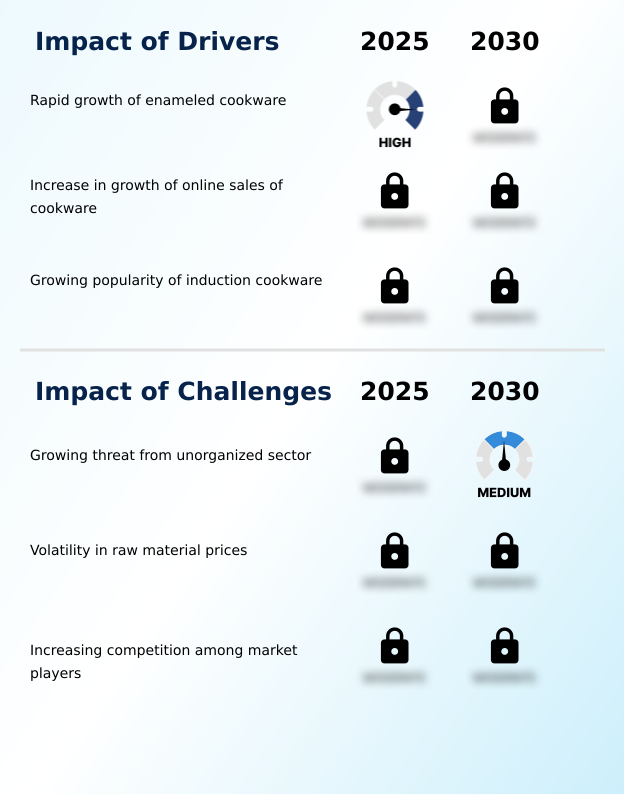
What are the key market drivers leading to the rise in the adoption of Cookware Industry?
- The rapid growth of enameled cookware, valued for its durability, even heat distribution, and aesthetic appeal, is a key driver for the market.
- Market growth is significantly driven by the adoption of modern cooking technologies and materials.
- The rising popularity of energy-efficient cookware, particularly products with an induction-compatible base, is a primary factor, as these lines demonstrate up to 40% faster market adoption in newly built residences.
- Materials like enameled cast iron and hard-anodized aluminum are in high demand for their superior heat distribution and durability. Consumers increasingly seek durable non-stick pans and high-performance skillets that promise longevity and professional results.
- The demand for heavy-duty pots and pans that are also oven-safe cookware reflects a growing interest in gourmet home cooking, where excellent thermal conductivity is essential for precise culinary execution.
What are the market trends shaping the Cookware Industry?
- A key trend shaping the market is the rising demand for steel and copper cookware. This reflects a growing consumer preference for durability and professional-grade performance.
- A significant trend is the convergence of aesthetics and performance, with a rising demand for products offering oven-to-table functionality. The popularity of eco-friendly kitchenware is surging, with PFOA-free options like ceramic non-stick coating and carbon steel pans gaining traction; certified green lines report sales growth up to 30% higher than conventional counterparts.
- In response to smaller urban living spaces, compact cookware sets and modular cookware systems with removable handle cookware are becoming essential. These systems can reduce material waste in manufacturing by 15%. Innovations like advanced SAS technology and the availability of vibrant colored cookware sets further cater to consumers seeking personalized and sustainable kitchen solutions that do not compromise on functionality.
What challenges does the Cookware Industry face during its growth?
- A key challenge affecting industry growth is the growing threat from the unorganized sector, which often undermines quality, safety standards, and fair competition.
- Manufacturers face challenges from raw material price instability, which can erode margins on products featuring multi-ply construction or those made from forged aluminum by over 5%. Intense competition necessitates continuous innovation in areas like scratch resistance and developing more durable chip-resistant enamel. The need to differentiate extends to specialty cooking vessels and commercial kitchen equipment, where performance is paramount.
- To stay competitive, some companies are exploring materials like lightweight cast iron or advanced squeeze-cast aluminum to balance cost and quality. Ensuring all products, especially those marketed as non-toxic cookware, meet stringent regulatory standards while managing supply chain disruptions, which can increase lead times by 12%, remains a key operational hurdle.
Exclusive Technavio Analysis on Customer Landscape
The cookware market forecasting report includes the adoption lifecycle of the market, covering from the innovator’s stage to the laggard’s stage. It focuses on adoption rates in different regions based on penetration. Furthermore, the cookware market report also includes key purchase criteria and drivers of price sensitivity to help companies evaluate and develop their market growth analysis strategies.
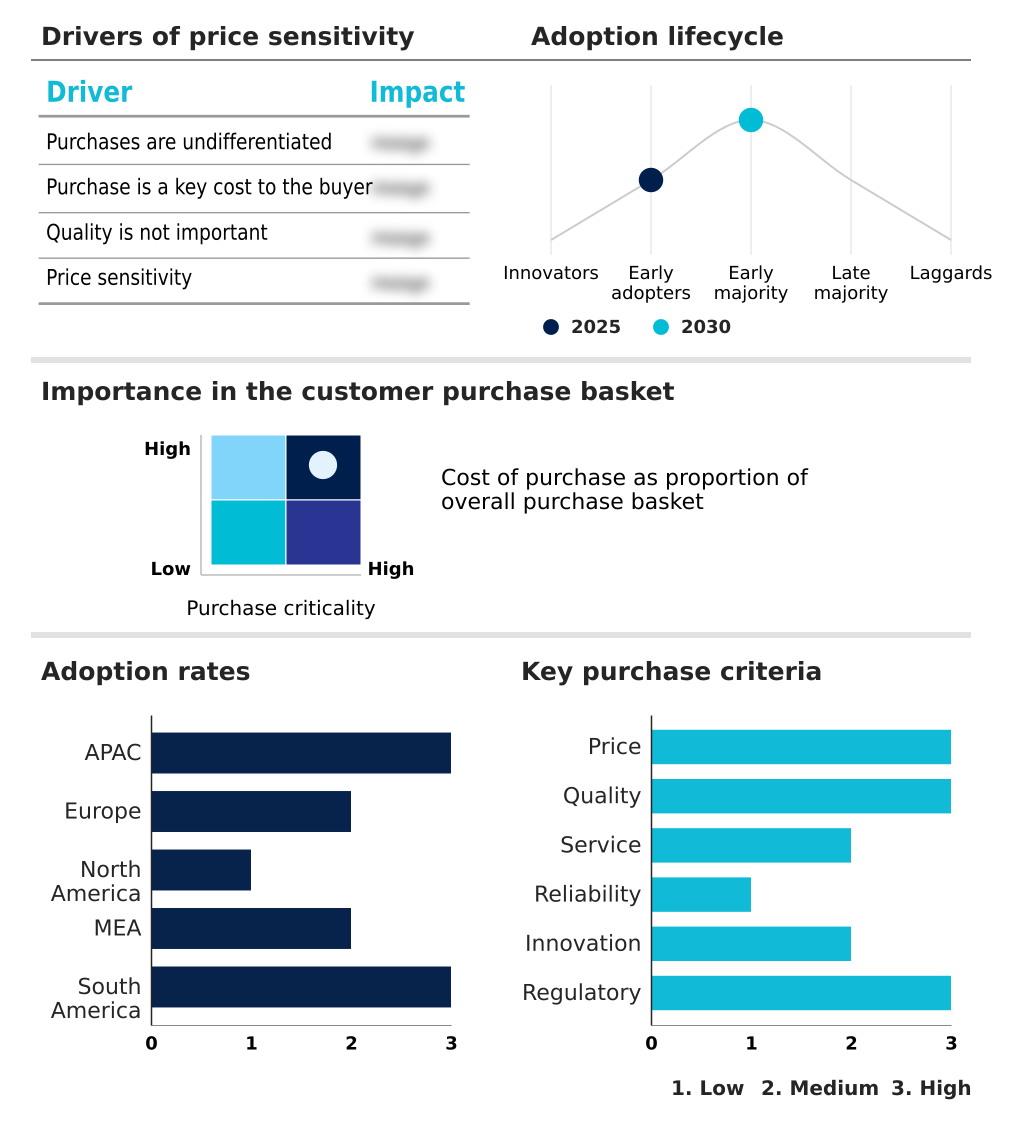
Customer Landscape of Cookware Industry
Competitive Landscape
Companies are implementing various strategies, such as strategic alliances, cookware market forecast, partnerships, mergers and acquisitions, geographical expansion, and product/service launches, to enhance their presence in the industry.
AB Electrolux - Delivering innovative non-stick and durable stainless steel solutions designed to meet diverse culinary needs and performance expectations.
The industry research and growth report includes detailed analyses of the competitive landscape of the market and information about key companies, including:
- AB Electrolux
- Cristel SAS
- de Buyer
- Groupe SEB
- Hawkins Cookers Ltd.
- Hisense International Co. Ltd.
- Le Creuset
- Meyer Group Ltd.
- Newell Brands Inc.
- Nordic Ware
- Scanpan AS
- Seeba Industries Pvt. Ltd.
- Supreminox SA
- Suraj Metal Industries
- The Middleby Corp.
- The Vollrath Co. LLC
- TTK Prestige Ltd.
- Vinod Cookware
- Wilh. Werhahn KG
Qualitative and quantitative analysis of companies has been conducted to help clients understand the wider business environment as well as the strengths and weaknesses of key industry players. Data is qualitatively analyzed to categorize companies as pure play, category-focused, industry-focused, and diversified; it is quantitatively analyzed to categorize companies as dominant, leading, strong, tentative, and weak.
Recent Development and News in Cookware market
- In January, 2025, a leading cookware manufacturer announced a new budget-friendly sub-brand with full safety certifications to counter the market presence of uncertified goods in developing regions.
- In March, 2025, an industry report noted that direct-to-consumer brands specializing in cookware captured nearly 10% more market share by offering enhanced warranties and customization services.
- In April, 2025, a premier European brand launched a new heritage color collection for its enameled cast iron line, which sold out within two weeks, signaling strong consumer appetite.
- In July, 2025, a renowned French kitchenware manufacturer debuted its first fully induction-compatible copper series, featuring a patented multi-ply base for superior magnetic conductivity.
Dive into Technavio’s robust research methodology, blending expert interviews, extensive data synthesis, and validated models for unparalleled Cookware Market insights. See full methodology.
| Market Scope | |
|---|---|
| Page number | 290 |
| Base year | 2025 |
| Historic period | 2020-2024 |
| Forecast period | 2026-2030 |
| Growth momentum & CAGR | Accelerate at a CAGR of 7.6% |
| Market growth 2026-2030 | USD 15643.6 million |
| Market structure | Fragmented |
| YoY growth 2025-2026(%) | 6.9% |
| Key countries | China, Japan, India, South Korea, Australia, Indonesia, Germany, UK, France, Italy, Spain, The Netherlands, US, Canada, Mexico, Saudi Arabia, UAE, South Africa, Israel, Turkey, Brazil, Argentina and Colombia |
| Competitive landscape | Leading Companies, Market Positioning of Companies, Competitive Strategies, and Industry Risks |
Research Analyst Overview
- The cookware market is undergoing a significant transformation, driven by material science and shifting consumer values. Innovations in multi-ply construction, including tri-ply construction, are enhancing heat distribution and thermal conductivity across product lines. The demand for healthier cooking options has propelled the adoption of PFOA-free surfaces like ceramic non-stick coating and traditional non-reactive surface materials.
- Durability is a key boardroom focus, with R&D investments aimed at improving scratch resistance and creating chip-resistant enamel. High-performance materials such as hard-anodized aluminum, forged aluminum, and die-cast aluminum are becoming mainstream. The resurgence of enameled cast iron and the emergence of modern carbon steel and vitrified glass options highlight a trend toward longevity.
- Technologies like the impact-bonded base and SAS technology are crucial for creating a universal induction-compatible base. Meanwhile, design elements like tempered glass lids and ergonomic handles enhance user experience, while coatings are fortified with diamond-reinforced coating or titanium-reinforced coating. Manufacturers leveraging squeeze-cast aluminum have seen a 10% reduction in material waste, directly impacting sustainability metrics and operational costs.
What are the Key Data Covered in this Cookware Market Research and Growth Report?
-
What is the expected growth of the Cookware Market between 2026 and 2030?
-
USD 15.64 billion, at a CAGR of 7.6%
-
-
What segmentation does the market report cover?
-
The report is segmented by Distribution Channel (Offline, and Online), Type (Aluminum, Stainless steel, and Others), Product (Pots and pans, Pressure cooker, and Others) and Geography (APAC, Europe, North America, Middle East and Africa, South America)
-
-
Which regions are analyzed in the report?
-
APAC, Europe, North America, Middle East and Africa and South America
-
-
What are the key growth drivers and market challenges?
-
Rapid growth of enameled cookware, Growing threat from unorganized sector
-
-
Who are the major players in the Cookware Market?
-
AB Electrolux, Cristel SAS, de Buyer, Groupe SEB, Hawkins Cookers Ltd., Hisense International Co. Ltd., Le Creuset, Meyer Group Ltd., Newell Brands Inc., Nordic Ware, Scanpan AS, Seeba Industries Pvt. Ltd., Supreminox SA, Suraj Metal Industries, The Middleby Corp., The Vollrath Co. LLC, TTK Prestige Ltd., Vinod Cookware and Wilh. Werhahn KG
-
Market Research Insights
- The market is defined by intense competition and evolving consumer preferences for gourmet cooking tools and artisanal kitchenware. Direct-to-consumer brands are gaining share by offering professional grade cookware with enhanced customer service, achieving up to 25% higher retention rates than traditional retail channels.
- The demand for eco-friendly kitchenware and non-toxic cookware is a major dynamic, with products holding green certifications commanding a 15% price premium. Functionality for modern living is also key, with compact cookware sets and modular cookware systems showing higher adoption rates in urban markets.
- This shift is forcing established players to innovate beyond basic features, focusing on specialized premium bakeware and specialty cooking vessels to maintain relevance and capture value.
We can help! Our analysts can customize this cookware market research report to meet your requirements.
 RIA -
RIA - 
