



Crop Oil Concentrates Market Size 2024-2028
The crop oil concentrates market size is forecast to increase by USD 46.4 million at a CAGR of 3.8% between 2023 and 2028.
- The Crop Oil Concentrates (COC) market is experiencing significant growth due to several key factors. One of the primary drivers is the increased use of herbicides in agriculture, as COCs serve as effective carriers for these chemicals. Additionally, the rising popularity of biopesticides is contributing to market growth, as COCs are often used as formulation bases for these natural pest control solutions. However, the market faces challenges from a complex regulatory environment, which can impact production and distribution. Adhering to stringent regulations and ensuring product safety and efficacy are crucial for market participants to succeed. Overall, the COC market is poised for continued growth, driven by the demand for effective agrochemical solutions and the increasing adoption of sustainable farming practices.
What will be the Size of the Crop Oil Concentrates Market During the Forecast Period?

- The market encompasses the production and distribution of oil-based formulations used as adjuvants in agriculture. These concentrates enhance the performance of agrochemicals such as pesticides, herbicides, insecticides, fungicides, and plant growth regulators. Herbicide-tolerant crops, including corn, wheat, cereals and grains, oilseeds and pulses, fruits and vegetables, and others, increasingly rely on these concentrates to improve herbicide deposition and agricultural yield. Weed resistance and the subsequent development of new herbicides have driven market growth. Raw material costs and precision farming techniques also influence market dynamics. Surfactant concentration is a critical factor in crop oil concentrates, as it enhances the spread and penetration of agrochemicals.
- The market is expected to experience continued growth due to the ongoing demand for increased agricultural productivity and the development of new agrochemicals. Agrochemicals, including glyphosate-tolerant crops, remain a significant market for crop oil concentrates.
How is this Crop Oil Concentrates Industry segmented and which is the largest segment?
The crop oil concentrates industry research report provides comprehensive data (region-wise segment analysis), with forecasts and estimates in "USD million" for the period 2024-2028, as well as historical data from 2018-2022 for the following segments.
- Application
- Herbicides
- Insecticides
- Fungicides
- Others
- Geography
- APAC
- China
- India
- Japan
- Thailand
- North America
- Canada
- US
- Europe
- Germany
- UK
- South America
- Brazil
- Argentina
- Middle East and Africa
- APAC
By Application Insights
- The herbicides segment is estimated to witness significant growth during the forecast period.
Crop oil concentrates play a crucial role in enhancing herbicide efficacy by facilitating better absorption in plant tissues. Primarily derived from petroleum, these concentrates augment herbicide performance and help mitigate plant resistance. The global market for crop oil concentrates is driven by the increasing agricultural activities in Asia Pacific, where the demand for herbicides is on the rise. The emergence of bio-herbicides as a potential alternative to synthetic herbicides represents a significant trend In the market. Crop oil concentrates are essential adjuvants in herbicide formulations, improving herbicide deposition on plant surfaces and ensuring optimal agricultural yield. The use of non-ionic surfactants and vegetable-oil concentrates as alternatives is also gaining traction in precision farming practices.
The integration of drones and advanced farming techniques further enhances the application of crop oil concentrates in cereals, grains, oilseeds and pulses, fruits, and vegetables, contributing to the market's growth.

Get a glance at the Crop Oil Concentrates Industry report of share of various segments Request Free Sample
The Herbicides segment was valued at USD 88.40 million in 2018 and showed a gradual increase during the forecast period.
Regional Analysis
- APAC is estimated to contribute 66% to the growth of the global market during the forecast period.
Technavio's analysts have elaborately explained the regional trends and drivers that shape the market during the forecast period.
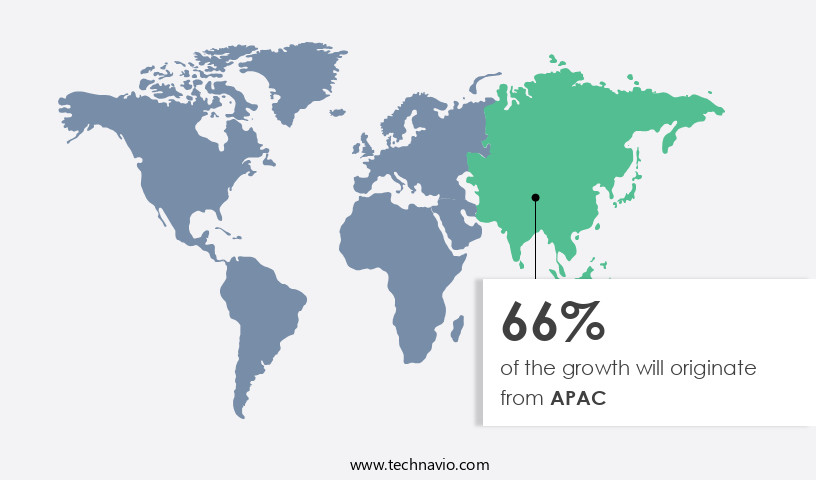
For more insights on the market share of various regions, Request Free Sample
The agriculture industry in APAC, characterized by expansive farmlands and fertile soil, experiences significant growth due to increasing food grain demand and a large human population. APAC accounts for approximately 30% of the world's land and nearly 60% of its population, making it the largest agricultural pesticides market and the fastest-growing market globally. This surge in pesticide consumption is attributed to the adoption of modern farming techniques and the increased use of agrochemicals, including crop oil concentrates. Crop oil concentrates, also known as COCs, are essential adjuvants that enhance the effectiveness of pesticides, herbicides, and herbicide-tolerant crops by improving herbicide deposition.
COCs are derived from vegetable oils and contain surfactant concentrations that facilitate the spread of agrochemicals over the plant surface. The agriculture sector's shift towards precision farming and the use of drones for crop monitoring further boosts the demand for COCs. Crop types such as corn, wheat, oilseeds and pulses, fruits, and vegetables are significant consumers of COCs. Agrochemicals, including pesticides, herbicides, insecticides, and fungicides, are integral to modern farming practices and contribute to increased agricultural yields. However, raw material costs and concerns over weed resistance pose challenges to the market's growth. Plant Health Technologies and Precision Laboratories are notable companies that offer COC solutions.
The Pesticide Action Network (PAN) advocates for sustainable agricultural practices and monitors the impact of agrochemicals on the environment and human health.
Market Dynamics
Our researchers analyzed the data with 2023 as the base year, along with the key drivers, trends, and challenges. A holistic analysis of drivers will help companies refine their marketing strategies to gain a competitive advantage.
What are the key market drivers leading to the rise In the adoption of Crop Oil Concentrates Industry?
Increased use of herbicides is the key driver of the market.
- The Crop Oil Concentrates (COC) market is significantly influenced by the agrochemicals industry, particularly the use of herbicides and pesticides in farming techniques. Herbicide-tolerant crops, such as corn and wheat, have become increasingly common due to weed resistance. To optimize herbicide deposition and enhance their efficacy, farmers employ adjuvants like COCs and surfactant concentrates. These additives improve the spreading and penetration of herbicide formulations, ensuring better agricultural yield. The demand for COCs is driven by the growing use of herbicides and pesticides in various crop types, including cereals and grains, oilseeds and pulses, and fruits and vegetables. The rise in consumer preferences for healthier food options, such as fruits and vegetables, fuels this trend.
- However, concerns regarding the environmental impact of herbicides and pesticides continue to persist, leading to ongoing debates and protests. companies In the COC market invest heavily in research and development to create more effective and eco-friendly herbicide and pesticide formulations. Non-ionic surfactants, such as vegetable-oil concentrates, are popular choices due to their low toxicity and excellent performance. Precision farming, which involves using drones and advanced agricultural practices, is another area of growth for the COC market. The integration of COCs and surfactant concentrations into precision farming techniques further enhances their value proposition. In summary, the COC market is a critical component of the agrochemicals industry, with applications in various crop types and farming techniques.
- Its growth is driven by the increasing use of herbicides and pesticides, consumer preferences for healthier food options, and advancements in precision farming technologies. Despite ongoing debates regarding the environmental impact of herbicides and pesticides, the market is expected to continue expanding as farmers seek to maximize agricultural yields while minimizing the use of raw materials and reducing the environmental footprint of their operations.
What are the market trends shaping the Crop Oil Concentrates Industry?
Rising popularity of biopesticides is the upcoming market trend.
- Crop Oil Concentrates (COC), also known as vegetable-oil concentrates or surfactant concentrates, play a significant role In the agricultural industry by enhancing the efficacy of agrochemicals, including pesticides, herbicides, insecticides, fungicides, and plant growth regulators. These concentrates, derived primarily from corn, wheat, and other crops, contain surfactants, such as non-ionic surfactants, which reduce the surface tension of water and improve herbicide deposition on plant leaves. Herbicide-tolerant crops, such as genetically modified organisms (GMOs), have led to an increased demand for COCs due to the need for higher herbicide concentrations to combat weed resistance. Herbicide formulations containing COCs have shown improved performance, leading to higher agricultural yields and reduced raw material costs.
- Precision farming techniques, including the use of drones for crop monitoring and application, have also contributed to the growth of the COC market. These farming methods require precise herbicide application, which is facilitated by COCs' ability to improve herbicide deposition. Agrochemicals companies, such as Precision Laboratories and Plant Health Technologies, are investing in research and development to create more effective COCs and herbicide formulations. The Pesticide Action Network (PAN) advocates for the use of COCs and other reduced-risk pesticides to minimize the environmental impact of conventional agrochemicals. In conclusion, Crop Oil Concentrates play a vital role In the agricultural industry by enhancing the efficacy of agrochemicals, contributing to higher agricultural yields, and reducing raw material costs.
- Their use in herbicide formulations, particularly In the context of herbicide-tolerant crops and precision farming, is driving market growth.
What challenges does the Crop Oil Concentrates Industry face during its growth?
Challenging regulatory environment is a key challenge affecting the industry growth.
- The Crop Oil Concentrates (COC) market encompasses vegetable-oil concentrates used as adjuvants in agrochemical formulations, including herbicides, pesticides, fungicides, and insecticides. COCs enhance the efficacy of these agrochemicals by improving herbicide deposition, surfactant concentration, and crop oil concentration. Herbicide-tolerant crops and weed resistance are significant drivers for the market's growth. Modern farming techniques, such as precision farming, employ COCs to optimize agricultural yield and reduce raw material costs. Companies like Precision Laboratories and Plant Health Technologies specialize in COC production and development. Non-ionic surfactants, a common component of COCs, play a crucial role in improving herbicide formulation performance.
- The use of drones in agriculture further enhances the application of COCs by facilitating targeted herbicide application. The market for COCs spans various crop types, including cereals and grains, oilseeds and pulses, and fruits and vegetables. The agricultural practices employing COCs contribute to the overall market growth, with a focus on maximizing agricultural yield and minimizing environmental impact. However, the use of COCs is subject to regulatory oversight, with international associations like the Pesticide Action Network (PAN) monitoring their impact on the environment and human health. The application of COCs must adhere to the International Code of Conduct on the Distribution and Use of Pesticides, ensuring their safe and responsible use.
Exclusive Customer Landscape
The crop oil concentrates market forecasting report includes the adoption lifecycle of the market, covering from the innovator's stage to the laggard's stage. It focuses on adoption rates in different regions based on penetration. Furthermore, the crop oil concentrates market report also includes key purchase criteria and drivers of price sensitivity to help companies evaluate and develop their market growth analysis strategies.

Customer Landscape
Key Companies & Market Insights
Companies are implementing various strategies, such as strategic alliances, crop oil concentrates market forecast, partnerships, mergers and acquisitions, geographical expansion, and product/service launches, to enhance their presence In the industry.
Alligare LLC - Crop oil concentrates, a type of plant extract, are gaining traction In the agricultural industry due to their potential benefits in enhancing crop productivity and yield. These concentrates, which can be derived from various plant sources, contain essential oils, fatty acids, and other bioactive compounds that promote plant growth and protect against pests and diseases. Poast, a leading provider of agricultural solutions, offers a line of crop oil concentrates that cater to diverse farming needs. The company's offerings are known for their high quality and effectiveness, making them a preferred choice for farmers seeking to optimize their crop yields and improve their overall farming operations.
The industry research and growth report includes detailed analyses of the competitive landscape of the market and information about key companies, including:
- Alligare LLC
- BASF SE
- Brandt Group
- Chemorse Ltd.
- CHS Inc
- Croda International Plc
- Farmers Business Network Inc.
- Helena Agri Enterprises LLC
- Innvictis Crop Care LLC
- KALO Inc.
- Nutrien Ag Solutions Inc.
- PMI Nutrition
- Precision Laboratories LLC
- Simplot Grower Solutions
- UPL Ltd.
- Wilbur Ellis Holdings Inc.
Qualitative and quantitative analysis of companies has been conducted to help clients understand the wider business environment as well as the strengths and weaknesses of key industry players. Data is qualitatively analyzed to categorize companies as pure play, category-focused, industry-focused, and diversified; it is quantitatively analyzed to categorize companies as dominant, leading, strong, tentative, and weak.
Research Analyst Overview
Crop oil concentrates, a vital component In the agrochemical industry, play a significant role in enhancing the efficacy of various pesticides, herbicides, and other agrochemicals. These concentrates, derived from vegetable oils, serve as surfactants that facilitate the even distribution and optimal performance of these agrochemicals on plant surfaces. The global market for crop oil concentrates exhibits robust growth, driven by the increasing demand for higher agricultural yields and the adoption of precision farming techniques. The integration of drones and advanced technologies in agriculture has led to the widespread use of these concentrates for improved herbicide deposition and enhanced plant health.
The agrochemicals industry relies on crop oil concentrates to produce formulations that cater to various crop types, including cereals and grains, oilseeds and pulses, and fruits and vegetables. These concentrates contribute to the overall surface concentration of agrochemicals, ensuring effective coverage and uniform distribution. The market dynamics for crop oil concentrates are influenced by several factors, including raw material costs, agricultural practices, and the development of new formulations. The increasing popularity of non-ionic surfactants, which offer superior performance and environmental sustainability, is a significant trend shaping the market. The integration of plant growth regulators and other agrochemicals with crop oil concentrates has led to the creation of innovative formulations that address various crop health issues.
Herbicide-tolerant crops and the emergence of weed resistance have necessitated the development of more effective herbicide formulations, further boosting the demand for crop oil concentrates. The adoption of precision farming techniques, which rely on the precise application of agrochemicals, has accelerated the growth of the market. The ability of these concentrates to improve the performance of agrochemicals and reduce their environmental impact makes them an essential component of modern farming practices. In conclusion, the market is poised for continued growth, driven by the increasing demand for higher agricultural yields, the adoption of precision farming techniques, and the development of innovative agrochemical formulations.
The integration of advanced technologies and the focus on environmental sustainability are key trends shaping the market's future trajectory.
|
Market Scope |
|
|
Report Coverage |
Details |
|
Page number |
164 |
|
Base year |
2023 |
|
Historic period |
2018-2022 |
|
Forecast period |
2024-2028 |
|
Growth momentum & CAGR |
Accelerate at a CAGR of 3.8% |
|
Market growth 2024-2028 |
USD 46.4 million |
|
Market structure |
Fragmented |
|
YoY growth 2023-2024(%) |
3.6 |
|
Key countries |
US, China, Japan, India, Thailand, Canada, Brazil, UK, Argentina, and Germany |
|
Competitive landscape |
Leading Companies, Market Positioning of Companies, Competitive Strategies, and Industry Risks |
What are the Key Data Covered in this Crop Oil Concentrates Market Research and Growth Report?
- CAGR of the Crop Oil Concentrates industry during the forecast period
- Detailed information on factors that will drive the growth and forecasting between 2024 and 2028
- Precise estimation of the size of the market and its contribution of the industry in focus to the parent market
- Accurate predictions about upcoming growth and trends and changes in consumer behaviour
- Growth of the market across APAC, North America, Europe, South America, and Middle East and Africa
- Thorough analysis of the market's competitive landscape and detailed information about companies
- Comprehensive analysis of factors that will challenge the crop oil concentrates market growth of industry companies
We can help! Our analysts can customize this crop oil concentrates market research report to meet your requirements.