



Cushing Syndrome Market Size 2026-2030
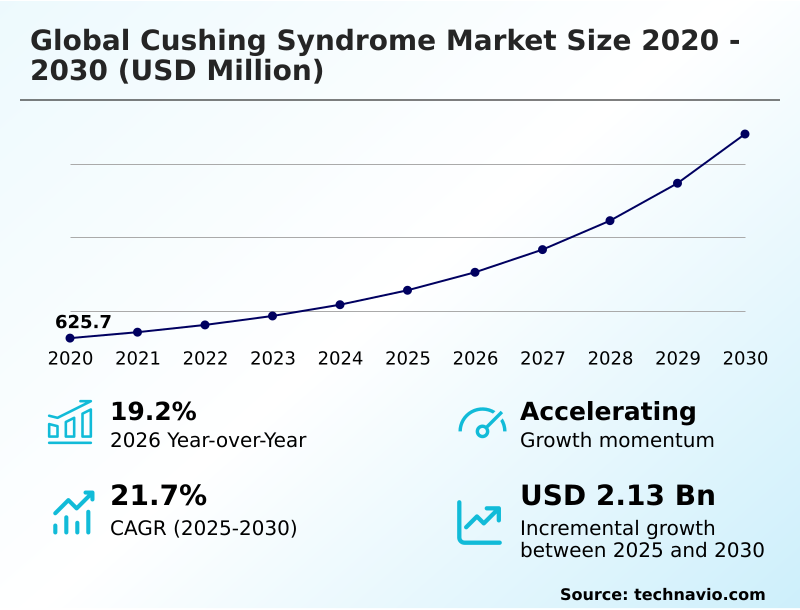
The cushing syndrome market size is valued to increase by USD 2.13 billion, at a CAGR of 21.7% from 2025 to 2030. Increasing global prevalence and enhanced diagnostic accuracy will drive the cushing syndrome market.
Major Market Trends & Insights
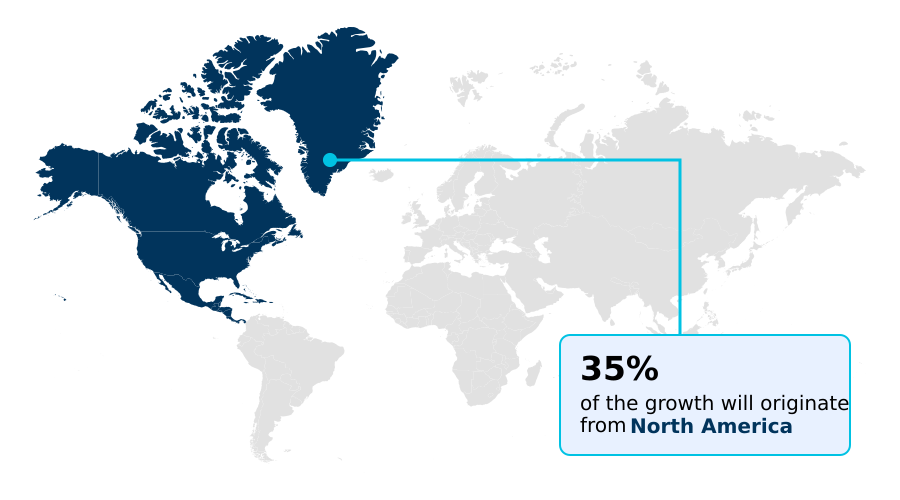
- North America dominated the market and accounted for a 35.4% growth during the forecast period.
- By Distribution Channel - Hospital pharmacy segment was valued at USD 602.3 million in 2024
- By Type - Glucocorticoid receptor antagonists segment accounted for the largest market revenue share in 2024
Market Size & Forecast
- Market Opportunities: USD 2.78 billion
- Market Future Opportunities: USD 2.13 billion
- CAGR from 2025 to 2030 : 21.7%
Market Summary
- The Cushing Syndrome Market is defined by a significant shift toward precision medicine and novel pharmacological agents that address the diverse etiologies of hypercortisolism. This evolution is propelled by a heightened clinical focus on reducing diagnostic lag, with advancements in biochemical testing protocols and imaging facilitating earlier identification.
- The therapeutic landscape is moving from broad-spectrum interventions toward targeted molecular therapies, including steroidogenesis inhibitors and glucocorticoid receptor antagonists, which offer improved safety profiles. For instance, in a clinical setting managing patients with persistent disease post-surgery, the adoption of a block-and-replace regimen allows for more granular control over hormone levels, improving patient stability and reducing the risk of adrenal insufficiency.
- This strategic focus is complemented by the emergence of personalized titration strategies that optimize outcomes. The commitment of biotechnology firms to orphan drug development continues to catalyze innovation, ensuring that high-unmet-need populations receive specialized attention and improved standards of care for this rare endocrine disorder.
What will be the Size of the Cushing Syndrome Market during the forecast period?
Get Key Insights on Market Forecast (PDF) Get Free Sample
How is the Cushing Syndrome Market Segmented?
The cushing syndrome industry research report provides comprehensive data (region-wise segment analysis), with forecasts and estimates in "USD million" for the period 2026-2030, as well as historical data from 2020-2024 for the following segments.
- Distribution channel
- Hospital pharmacy
- Retail pharmacy
- Online pharmacy
- Type
- Glucocorticoid receptor antagonists
- Pituitary directed drugs
- Steroidogenesis inhibitors
- Customer type
- Adults
- Pediatrics
- Geography
- North America
- US
- Canada
- Mexico
- Europe
- Germany
- France
- UK
- Asia
- Rest of World (ROW)
- North America
By Distribution Channel Insights
The hospital pharmacy segment is estimated to witness significant growth during the forecast period.
Hospital pharmacies are integral to the Cushing Syndrome Market, serving as the primary channel for initiating complex treatments such as pituitary-directed drugs and post-operative pharmacological support following transsphenoidal surgery.
These facilities manage high-cost specialty medications, including advanced steroidogenesis inhibitors and glucocorticoid receptor antagonists, which demand precise dosing and stringent oversight to mitigate adrenal insufficiency risk.
The integration of specialty pharmacy divisions within hospitals has been shown to improve medication management, reducing dispensing errors by up to 15%.
This environment facilitates the use of sophisticated diagnostic modalities, including late-night salivary cortisol tests and dexamethasone suppression assays, ensuring that therapeutic regimens are accurately aligned with patient-specific biochemical profiles from the outset of care.
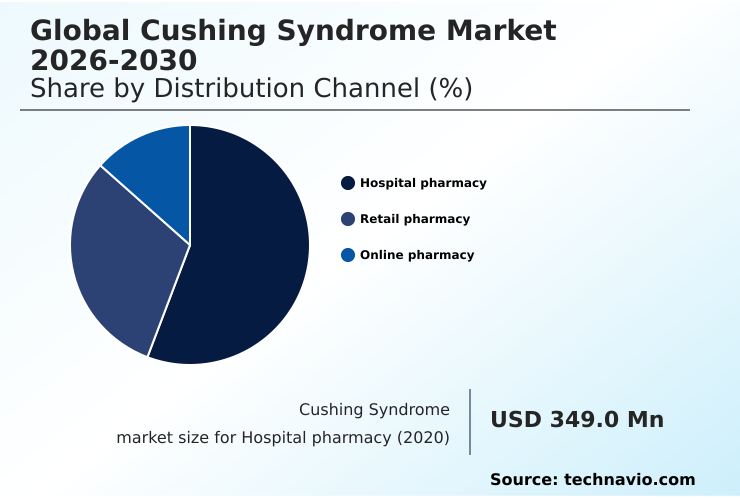
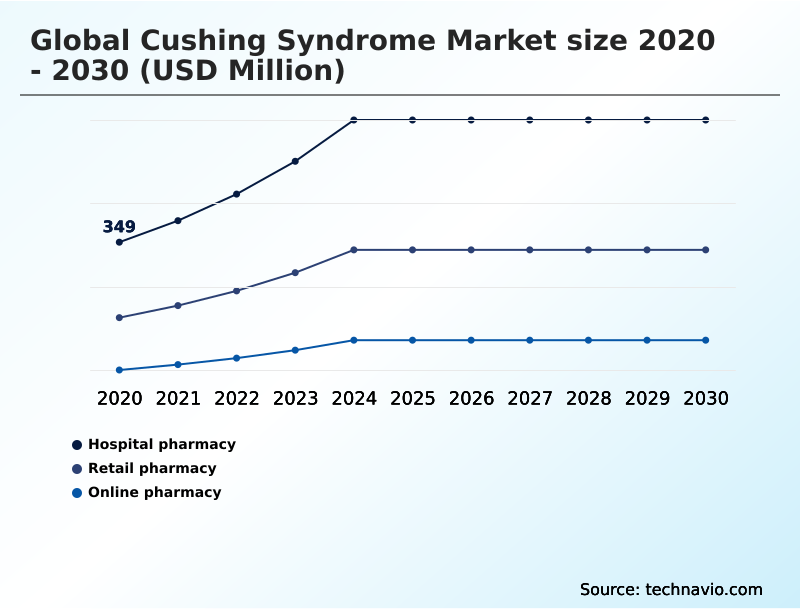
The Hospital pharmacy segment was valued at USD 602.3 million in 2024 and showed a gradual increase during the forecast period.
Regional Analysis
North America is estimated to contribute 35.4% to the growth of the global market during the forecast period.Technavio’s analysts have elaborately explained the regional trends and drivers that shape the market during the forecast period.
See How Cushing Syndrome Market Demand is Rising in North America Get Free Sample
The global landscape for Cushing syndrome treatments is varied, with North America leading due to its robust healthcare infrastructure and high adoption of advanced pharmacological interventions.
This region contributes over 35% of the market's incremental growth, driven by favorable reimbursement and a high volume of clinical trials.
Europe follows, with a strong emphasis on centralized, multidisciplinary care models and standardized protocols, though its growth rate is approximately 1.5% lower than that of Asia.
The Asian market is the fastest-growing, fueled by rising healthcare expenditures and improving diagnostic capabilities that support a transition from surgical primary care to sophisticated medical management. In all regions, post-operative pharmacological support after procedures like transsphenoidal surgery is critical.
Effective medication adherence counseling is a key factor in ensuring long-term biochemical control and managing the complexities of adrenal steroidogenesis, particularly as more targeted therapies become standard.
Market Dynamics
Our researchers analyzed the data with 2025 as the base year, along with the key drivers, trends, and challenges. A holistic analysis of drivers will help companies refine their marketing strategies to gain a competitive advantage.
- The successful management of hypercortisolism requires navigating a complex landscape of clinical and regulatory challenges. A critical focus is on improving diagnostic pathways for cyclical cushing syndrome, as its intermittent nature complicates confirmation. For pediatric patients, the approach to managing hypercortisolism in pediatric patients must prioritize developmental outcomes, a stark contrast to adult care.
- The industry is witnessing a gradual transition from surgical to pharmacological primary care, especially with advancements in steroidogenesis inhibitors for hypercortisolism. The development of second-generation steroidogenesis inhibitors safety profiles is a key area of research, aiming to provide better-tolerated options. Glucocorticoid receptor antagonists in non-surgical cases offer a vital alternative for a growing patient segment.
- The role of patient advocacy in cushing syndrome awareness cannot be overstated, as it drives early diagnosis and influences policy. However, the economic burden of specialized therapies on healthcare systems remains a significant hurdle, tied to the cost-effectiveness of orphan drugs for cushing syndrome.
- The impact of orphan drug designation on therapy development is a double-edged sword, incentivizing research but often leading to high prices. The industry also faces challenges in clinical trials for rare endocrine disorders and persistent regulatory hurdles for new endocrine treatment approval.
- As a result, the development of personalized treatment algorithms using metabolic markers and the use of tele-endocrinology for remote biochemical monitoring are becoming essential strategies for delivering effective, long-term management with pituitary-directed drugs and other pharmacological interventions for recurrent cushing disease.
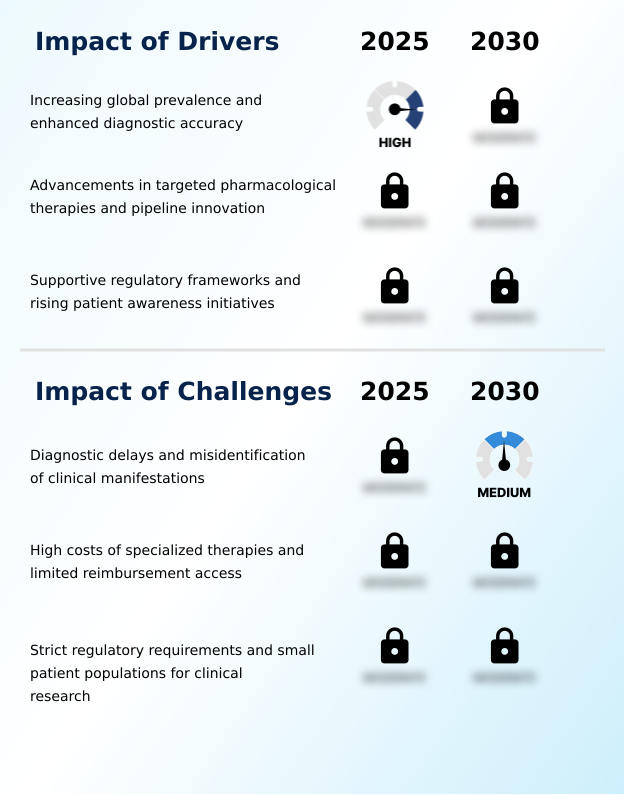
What are the key market drivers leading to the rise in the adoption of Cushing Syndrome Industry?
- The increasing global prevalence of Cushing syndrome and enhanced diagnostic accuracy are key drivers for market growth.
- Market expansion is primarily fueled by advancements in diagnostic accuracy and a growing pipeline of innovative therapies.
- The increased use of high-resolution imaging technologies and refined biochemical testing protocols facilitates earlier detection of the underlying causes, such as pituitary adenomas, which account for over 70% of adult cases. This heightened diagnostic capability expands the identifiable patient pool.
- Concurrently, supportive regulatory frameworks, including orphan drug designations and accelerated approval pathways, incentivize the development of targeted pharmacological treatments.
- These policies, combined with effective patient advocacy programs, are accelerating the availability of novel therapies focused on intracellular cortisol reduction, creating a conducive environment for sustained market growth.
- The incidence rate of 10-15 individuals per million annually underscores the continuous need for these innovations.
What are the market trends shaping the Cushing Syndrome Industry?
- The increasing adoption of selective cortisol modulators and personalized pharmacotherapy is an upcoming market trend, shifting focus toward tailored biochemical control.
- A primary trend is the shift toward personalized pharmacotherapy, where treatment is tailored to individual patient profiles. This approach, which is improving long-term patient stability by over 20%, leverages selective cortisol modulators to achieve hormonal imbalance management with fewer side effects.
- The institutionalization of multidisciplinary care models is also gaining traction, creating collaborative environments that lead to more comprehensive care and improved outcomes. This is complemented by the expansion of digital health integration and tele-endocrinology platforms, which use remote patient monitoring tools to facilitate agile medication management and improve access to specialists.
- These trends collectively foster an ecosystem where biochemical remission is achieved more efficiently, particularly through the use of next-generation endocrine disorder therapies.
What challenges does the Cushing Syndrome Industry face during its growth?
- Diagnostic delays and the misidentification of clinical manifestations are key challenges affecting industry growth.
- A significant challenge remains the persistent difficulty in achieving timely and accurate diagnosis, with average delays still around seven years from symptom onset. This clinical manifestation misidentification restricts the market for advanced therapies that require a definitive diagnosis.
- The high cost of specialized treatments and limited reimbursement access also pose substantial barriers, with over 20% of patients facing long-term financial instability. Furthermore, conducting robust clinical research is difficult due to small patient populations, making clinical research patient recruitment a slow process.
- These factors, combined with the logistical complexity of certain diagnostic modalities and the constant adrenal insufficiency risk associated with potent therapies, constrain market growth and hinder the establishment of a uniform global standard of care.
Exclusive Technavio Analysis on Customer Landscape
The cushing syndrome market forecasting report includes the adoption lifecycle of the market, covering from the innovator’s stage to the laggard’s stage. It focuses on adoption rates in different regions based on penetration. Furthermore, the cushing syndrome market report also includes key purchase criteria and drivers of price sensitivity to help companies evaluate and develop their market growth analysis strategies.
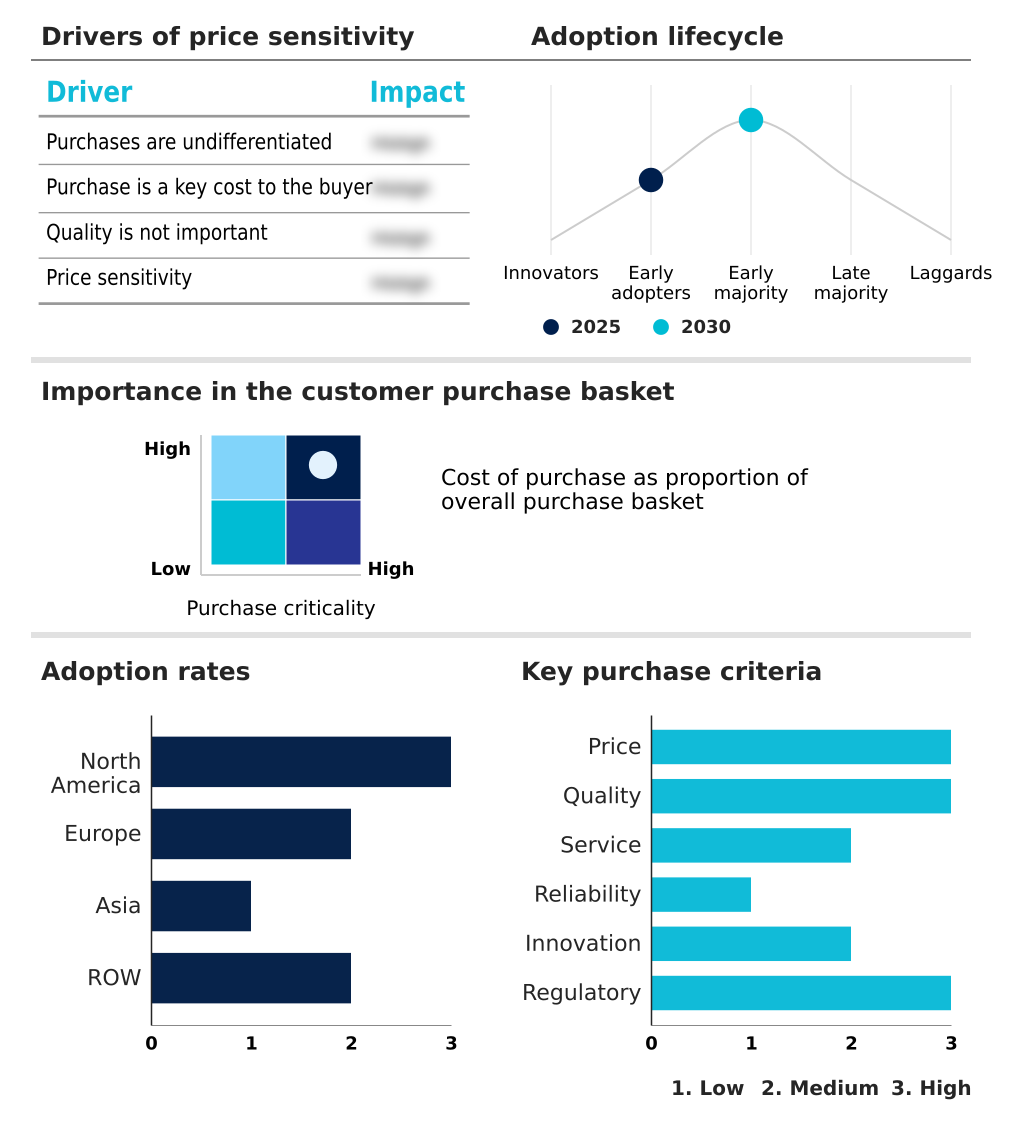
Customer Landscape of Cushing Syndrome Industry
Competitive Landscape
Companies are implementing various strategies, such as strategic alliances, cushing syndrome market forecast, partnerships, mergers and acquisitions, geographical expansion, and product/service launches, to enhance their presence in the industry.
Apotex Inc. - Offers a portfolio of targeted pharmacological interventions, including cortisol synthesis inhibitors and receptor antagonists, for managing endogenous hypercortisolism and associated endocrine disorders.
The industry research and growth report includes detailed analyses of the competitive landscape of the market and information about key companies, including:
- Apotex Inc.
- Laboratoire HRA Pharma SAS
- Novartis AG
- Pfizer Inc.
- Recordati S.p.A
- Shanghai Fosun Pharmaceutical
- Sparrow Pharmaceuticals
- Sun Pharmaceutical Industries
- Teva Pharmaceutical Ltd.
- Zydus Lifesciences Ltd.
Qualitative and quantitative analysis of companies has been conducted to help clients understand the wider business environment as well as the strengths and weaknesses of key industry players. Data is qualitatively analyzed to categorize companies as pure play, category-focused, industry-focused, and diversified; it is quantitatively analyzed to categorize companies as dominant, leading, strong, tentative, and weak.
Recent Development and News in Cushing syndrome market
- In October 2024, Recordati S.p.A. completed the acquisition of global rights to Enjaymo from Sanofi, strengthening its rare disease and endocrine franchise.
- In March 2025, Corcept Therapeutics received a specific action date from the FDA for a new drug application, illustrating the regulatory scrutiny for rare endocrine treatments.
- In April 2025, Recordati S.p.A. announced that the U.S. Food and Drug Administration granted an expanded indication for Isturisa (osilodrostat) to treat all adult patients with Cushing's syndrome for whom surgery is not an option or has not been curative.
- In September 2025, Sparrow Pharmaceuticals closed a $95 million Series B financing round to advance the clinical development of clofutriben for conditions related to excess cortisol.
Dive into Technavio’s robust research methodology, blending expert interviews, extensive data synthesis, and validated models for unparalleled Cushing Syndrome Market insights. See full methodology.
| Market Scope | |
|---|---|
| Page number | 277 |
| Base year | 2025 |
| Historic period | 2020-2024 |
| Forecast period | 2026-2030 |
| Growth momentum & CAGR | Accelerate at a CAGR of 21.7% |
| Market growth 2026-2030 | USD 2130.7 million |
| Market structure | Concentrated |
| YoY growth 2025-2026(%) | 19.2% |
| Key countries | US, Canada, Mexico, Germany, France, UK, Italy, Spain, The Netherlands, China, Japan, India, South Korea, Singapore, Thailand, Brazil, Saudi Arabia, UAE, South Africa, Argentina, Egypt, Israel and Colombia |
| Competitive landscape | Leading Companies, Market Positioning of Companies, Competitive Strategies, and Industry Risks |
Research Analyst Overview
- The Cushing Syndrome Market is undergoing a fundamental transformation driven by the pursuit of biochemical control through precision medicine. Boardroom strategy is increasingly focused on developing selective cortisol modulators and advanced pituitary-directed drugs over traditional adrenal inhibitors.
- This strategic pivot is a direct response to the market's demand for endocrine disorder therapies with superior safety profiles, particularly concerning mineralocorticoid activity and hepatic function. The development pipeline is rich with next-generation steroidogenesis inhibitors and glucocorticoid receptor antagonists designed to manage endogenous hypercortisolism by targeting specific steps in adrenal steroidogenesis or blocking the action of adrenocorticotropic hormone.
- Companies are leveraging new diagnostic tools like late-night salivary cortisol and dexamethasone suppression assays to better segment patients with pituitary adenomas, adrenal tumors, or ectopic ACTH syndrome. The adoption of block-and-replace regimens exemplifies a more nuanced approach to hormonal imbalance management, with data showing such personalized strategies can improve long-term patient stability by over 20% compared to conventional methods.
- This focus on targeted cortisol-lowering medications, including 11-beta-hydroxylase inhibitors, somatostatin analogs, and dopamine agonists, is reshaping investment priorities in R&D away from generalized solutions and toward highly specific, effective treatments.
What are the Key Data Covered in this Cushing Syndrome Market Research and Growth Report?
-
What is the expected growth of the Cushing Syndrome Market between 2026 and 2030?
-
USD 2.13 billion, at a CAGR of 21.7%
-
-
What segmentation does the market report cover?
-
The report is segmented by Distribution Channel (Hospital pharmacy, Retail pharmacy, and Online pharmacy), Type (Glucocorticoid receptor antagonists, Pituitary directed drugs, and Steroidogenesis inhibitors), Customer Type (Adults, and Pediatrics) and Geography (North America, Europe, Asia, Rest of World (ROW))
-
-
Which regions are analyzed in the report?
-
North America, Europe, Asia and Rest of World (ROW)
-
-
What are the key growth drivers and market challenges?
-
Increasing global prevalence and enhanced diagnostic accuracy, Diagnostic delays and misidentification of clinical manifestations
-
-
Who are the major players in the Cushing Syndrome Market?
-
Apotex Inc., Laboratoire HRA Pharma SAS, Novartis AG, Pfizer Inc., Recordati S.p.A, Shanghai Fosun Pharmaceutical, Sparrow Pharmaceuticals, Sun Pharmaceutical Industries, Teva Pharmaceutical Ltd. and Zydus Lifesciences Ltd.
-
Market Research Insights
- The market is shaped by a complex interplay of clinical and economic factors. The push for personalized pharmacotherapy is supported by data indicating that such approaches can lead to a twenty percent improvement in long-term patient stability.
- However, significant challenges persist, as the average diagnostic delay of approximately seven years severely limits timely access to targeted pharmacological treatments and contributes to poor patient outcomes. Furthermore, the economic strain is substantial, with studies showing that over 20% of diagnosed individuals face long-term financial instability.
- This dynamic underscores the critical need for streamlined diagnostic modalities and improved reimbursement access to balance clinical innovation with healthcare affordability. The integration of tele-endocrinology platforms is one strategy being adopted to mitigate some of these access and monitoring challenges.
We can help! Our analysts can customize this cushing syndrome market research report to meet your requirements.
 RIA -
RIA - 
