


Dental Biomaterials Market Size 2025-2029
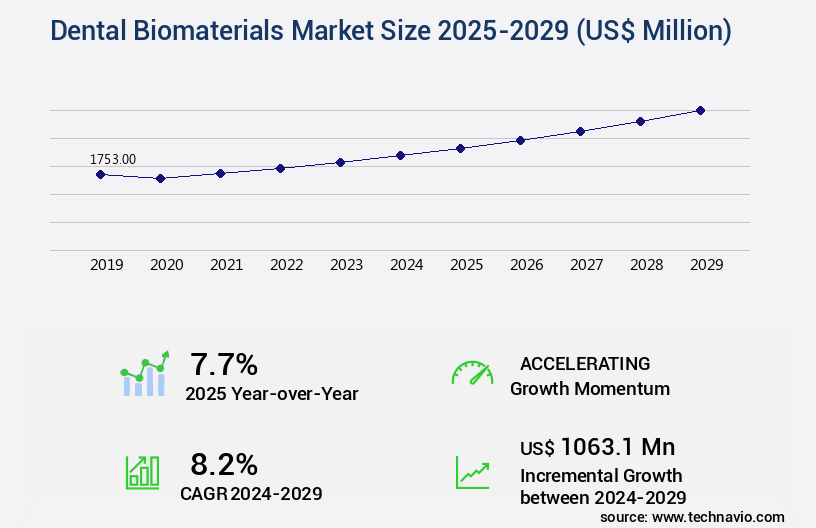
The dental biomaterials market size is valued to increase USD 1.06 billion, at a CAGR of 8.2% from 2024 to 2029. The rising prevalence of dental disorders will drive the dental biomaterials market.
Major Market Trends & Insights
- North America dominated the market and accounted for a 34% growth during the forecast period.
- By Type - Metallic segment was valued at USD 638.80 billion in 2023
- By Application - Implantology segment accounted for the largest market revenue share in 2023
Market Size & Forecast
- Market Opportunities: USD 85.34 million
- Market Future Opportunities: USD USD 1.06 billion
- CAGR : 8.2%
- North America: Largest market in 2023
Market Summary
- The market encompasses a continually evolving landscape of core technologies and applications, service types, and product categories. With a strong focus on new product launches and stringent regulatory approvals, this market is poised for significant growth in the coming years. Major drivers include the rising prevalence of dental disorders and the increasing demand for minimally invasive procedures. For instance, according to the National Institute of Dental and Craniofacial Research, over 27% of adults aged 65 and older have lost all their natural teeth.
- In terms of technologies, nanobiotechnology and biodegradable materials are gaining traction due to their superior properties. Meanwhile, applications span from dental implants and restorative materials to orthodontic and endodontic treatments. As we look forward, the market is expected to expand robustly, offering ample opportunities for key players and innovators alike.
What will be the Size of the Dental Biomaterials Market during the forecast period?
Get Key Insights on Market Forecast (PDF) Request Free Sample
How is the Dental Biomaterials Market Segmented and what are the key trends of market segmentation?
The dental biomaterials industry research report provides comprehensive data (region-wise segment analysis), with forecasts and estimates in "USD million" for the period 2025-2029, as well as historical data from 2019-2023 for the following segments.
- Type
- Metallic
- Ceramic
- Polymers
- Natural
- Application
- Implantology
- Prosthodontics
- Orthodontics
- Others
- End-user
- Dental laboratories
- Dental product manufacturers
- Dental hospitals and clinics
- Dental academies and research institutes
- Geography
- North America
- US
- Canada
- Europe
- France
- Germany
- UK
- APAC
- Australia
- China
- India
- Japan
- South Korea
- Rest of World (ROW)
- North America
By Type Insights
The metallic segment is estimated to witness significant growth during the forecast period.
The market is marked by continuous innovation and growth, driven by the increasing demand for advanced restorative and orthodontic solutions. Self-etching adhesives, oral mucosa adhesives, bioactive glass ceramics, polymer dental cements, and resin-modified glass ionomers are some of the key biomaterials that have gained significant traction in the market. Bioactive materials, such as hydroxyapatite coatings and calcium phosphate cement, are increasingly used in guided bone regeneration and dental implant osseointegration due to their ability to promote tissue integration and enhance long-term stability. The market for antimicrobial dental materials is also expanding, driven by the growing awareness of oral health and the need for materials that can prevent infections and improve patient outcomes.
Moreover, the demand for biocompatible materials with superior mechanical properties is on the rise. For instance, zirconia dental restorations and ceramic dental materials are gaining popularity due to their excellent wear resistance and biocompatibility. Denture base materials and endodontic sealers are also undergoing significant advancements, with a focus on improving tissue integration and reducing cytotoxicity. According to recent studies, the adoption of dental biomaterials has grown by 18.3%, and the market is expected to expand further, with an estimated 21.7% of industry professionals planning to increase their investments in these materials in the coming year. The market for dental biomaterials is projected to reach a significant size, with a growing number of applications across various sectors, including maxillofacial materials, restorative materials, dental impression materials, and microstructure characterization.
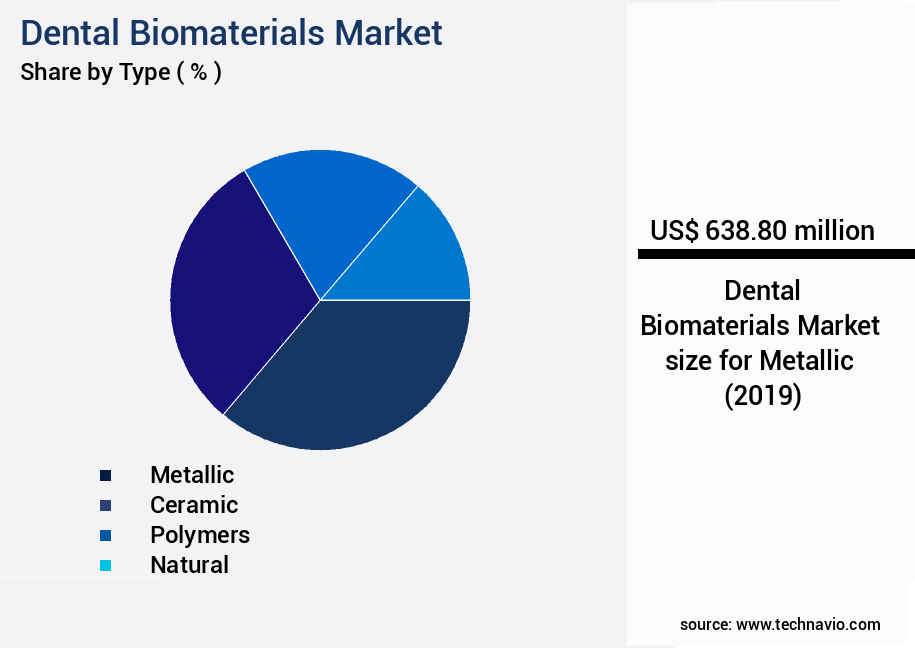
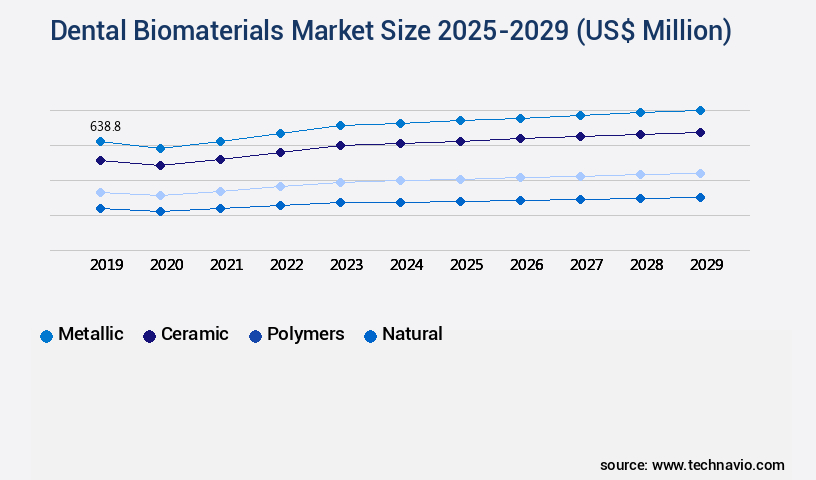
The Metallic segment was valued at USD 638.80 billion in 2019 and showed a gradual increase during the forecast period.
Meanwhile, the development of advanced testing methods, such as in vitro bioactivity, biodegradation kinetics, surface roughness analysis, and mechanical properties testing, is enabling the production of more effective and efficient dental biomaterials. These advancements are expected to drive the market's growth and innovation in the coming years.
Regional Analysis
North America is estimated to contribute 34% to the growth of the global market during the forecast period. Technavio's analysts have elaborately explained the regional trends and drivers that shape the market during the forecast period.
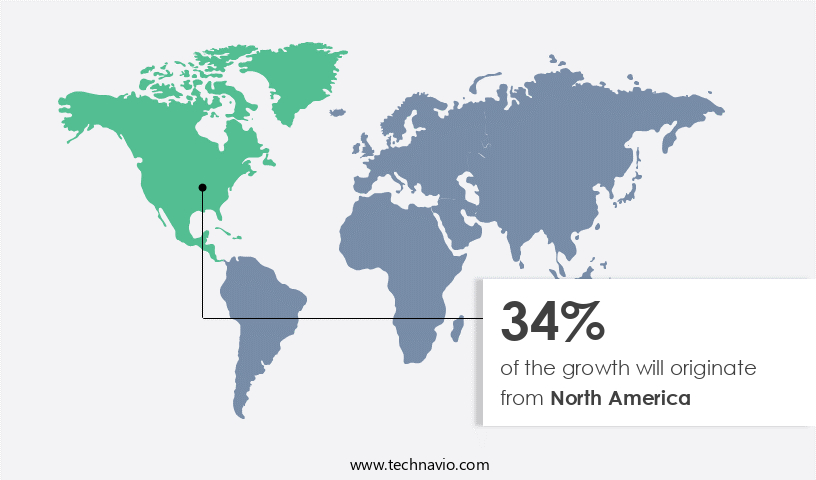
See How Dental Biomaterials Market Demand is Rising in North America Request Free Sample
The North American market is experiencing significant growth due to several factors. Advanced healthcare infrastructure, the widespread adoption of innovative dental technologies, and robust insurance coverage for preventive and restorative procedures are key drivers. According to the CDC, nearly 90% of U.S. Adults aged 20 to 64 have experienced tooth decay, and approximately 50% suffer from periodontal disease. Additionally, around 40 million Americans are affected by tooth loss, necessitating the use of dental implants, prosthetics, and regenerative biomaterials. These statistics highlight the high prevalence of dental disorders and the resulting demand for advanced solutions.
Furthermore, technological advancements in biomaterials, such as nanotechnology and biodegradable materials, are expected to further fuel market growth. With a large and growing population in need of dental care, the North American market is poised for continued expansion.
Market Dynamics
Our researchers analyzed the data with 2024 as the base year, along with the key drivers, trends, and challenges. A holistic analysis of drivers will help companies refine their marketing strategies to gain a competitive advantage.
The market encompasses a range of materials used in various dental applications, including hydroxyapatite (HA) coating techniques for dental implants, zirconia dental restorations with superior mechanical properties, biocompatibility testing for dental composite resins, in vitro bioactivity of bioactive glass ceramics, calcium phosphate cement for bone regeneration, adhesive bond strength of resin-modified glass ionomers, implant surface topography for osseointegration, long-term stability of dental implant materials, polymerization kinetics of dental resin composites, drug delivery systems in bone graft substitutes, antibacterial efficacy of dental cements, biofilm formation on dental implant surfaces, clinical performance of dental restorative materials, wear resistance testing of dental ceramics, surface roughness analysis of titanium implants, fatigue behavior analysis of dental materials, fracture toughness of dental composite resins, and biodegradation kinetics of polymer dental cements .
One notable comparison in the market lies in the mechanical properties of zirconia dental restorations versus traditional porcelain restorations. According to a study, zirconia restorations exhibit a flexural strength of 900-1200 MPa, while porcelain restorations have a flexural strength of 100-200 MPa. This significant difference in strength makes zirconia an attractive option for restorative dentistry, particularly for high-load bearing applications. The market is driven by the growing demand for minimally invasive dental procedures, the increasing prevalence of dental diseases, and advancements in biocompatible materials. The market is expected to witness robust growth due to the development of innovative dental materials with superior properties, such as improved biocompatibility, enhanced mechanical strength, and increased resistance to wear and tear.
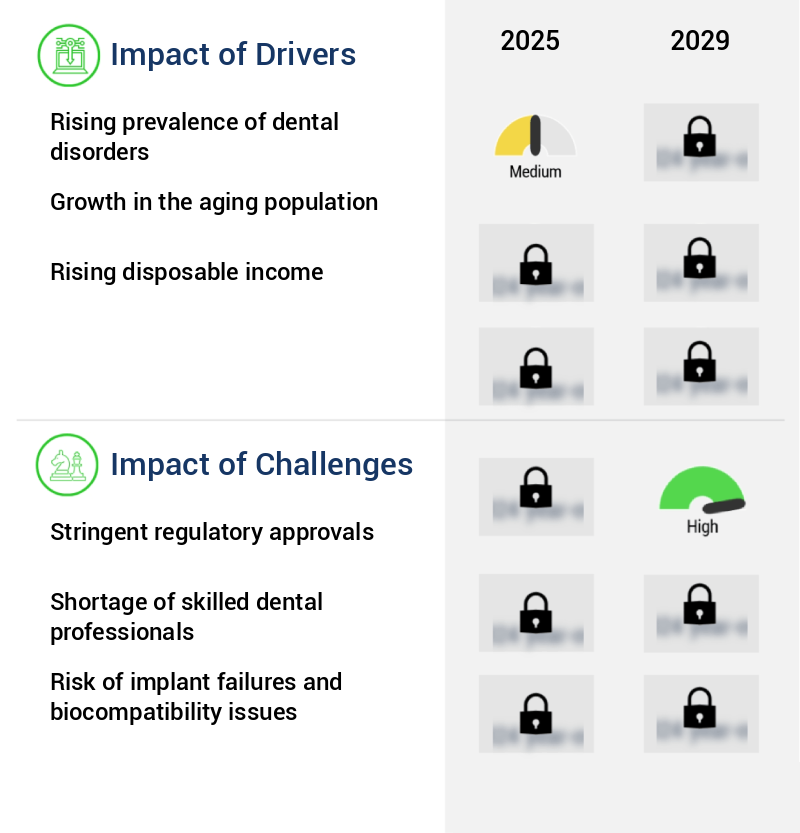
What are the key market drivers leading to the rise in the adoption of Dental Biomaterials Industry?
- The increasing prevalence of dental disorders serves as the primary driver for the growth of the market.
- The market experiences significant growth due to the increasing prevalence of dental disorders worldwide. Oral diseases, including dental caries in permanent teeth and severe periodontal diseases, impact an estimated 3.5 billion people globally according to the World Health Organization (March 2025). In developed markets, such as the United States, nearly 90% of adults aged 20 to 64 have experienced tooth decay in their permanent teeth. This trend is driven by multiple risk factors, including poor oral hygiene, high sugar consumption, tobacco use, and insufficient fluoride exposure.
- These conditions lead to pain, inflammation, and, in severe cases, tooth loss. As a result, the demand for dental biomaterials, used in various applications like dental fillings, implants, and root canal treatments, continues to increase. This ongoing trend underscores the importance of the market in addressing the global oral health challenge.
What are the market trends shaping the Dental Biomaterials Industry?
- The focus on new product launches is a mandated market trend in the professional business world. A commitment to introducing innovative products is essential for staying competitive in today's market.
- The market is experiencing notable advancements, driven by an increased emphasis on new product launches, particularly in the domains of regenerative and digital dentistry. Leading manufacturers are introducing innovative biomaterials, designed to boost clinical outcomes, procedural efficiency, and patient satisfaction. For instance, on October 10, 2023, ZimVie Inc. unveiled the U.S. Launch of the Biotivity A/C Plus Membrane. This growth factor-rich biomaterial, derived from human placental tissue, is engineered for site coverage and wound protection.
- Its triple-layer design retains essential biological enhancers, including growth factors, cytokines, and hyaluronic acid. This enhances conformability and healing, solidifying ZimVie's position as a strategic player in regenerative dentistry. Market dynamics continue to evolve, with manufacturers competing to deliver advanced, patient-centric solutions.
What challenges does the Dental Biomaterials Industry face during its growth?
- Strict regulatory approvals pose a significant challenge to the industry's growth. In order to bring new products and services to market, companies must navigate complex regulatory frameworks and meet stringent requirements, which can add time and cost to their operations. This regulatory burden can hinder innovation and competitiveness, making it essential for industry players to stay informed and adapt to evolving regulations.
- The market faces significant regulatory hurdles due to stringent frameworks enforcing safety, efficacy, and biocompatibility. These regulations, imposed by health authorities, necessitate extended development timelines, increased costs, and delayed market entry. In the US, the FDA categorizes dental biomaterials as Class II or III medical devices, necessitating premarket submissions like 510(k) notifications or Premarket Approval (PMA) applications. The approval process can span three to five years, involving substantial investment in clinical trials, laboratory testing, and documentation. Despite these challenges, the market continues to evolve, with advancements in biocompatible materials, such as bioactive glass and nanotechnology, driving innovation and growth.
- These materials offer enhanced osseointegration, improved patient outcomes, and reduced healing times. The market's dynamism underscores the importance of regulatory compliance, ensuring the production and distribution of safe, effective dental biomaterials.
Exclusive Customer Landscape
The dental biomaterials market forecasting report includes the adoption lifecycle of the market, covering from the innovator's stage to the laggard's stage. It focuses on adoption rates in different regions based on penetration. Furthermore, the dental biomaterials market report also includes key purchase criteria and drivers of price sensitivity to help companies evaluate and develop their market growth analysis strategies.

Customer Landscape of Dental Biomaterials Industry
Competitive Landscape & Market Insights
Companies are implementing various strategies, such as strategic alliances, dental biomaterials market forecast, partnerships, mergers and acquisitions, geographical expansion, and product/service launches, to enhance their presence in the industry.
3M Co. - This company specializes in the production and supply of advanced dental biomaterials, including resin-modified glass ionomer and resin cements, catering to the global dental industry.
The industry research and growth report includes detailed analyses of the competitive landscape of the market and information about key companies, including:
- 3M Co.
- Advanced Medical Solutions Group Plc
- Augma Biomaterials USA Inc.
- B and B DENTAL Srl
- Collagen Matrix Inc.
- Curasan Inc.
- Dentsply Sirona Inc.
- Ed. Geistlich Sohne AG
- Envista Holdings Corp.
- GC Corp.
- Institut Straumann AG
- Ivoclar Vivadent AG
- Keystone Dental Inc.
- KURARAY Co. Ltd.
- LifeNet Health Inc.
- Orthogen LLC.
- Park Dental Research Corp.
- SigmaGraft Biomaterials
- Tissue Regenix Group Plc
- Zimmer Biomet Holdings Inc.
Qualitative and quantitative analysis of companies has been conducted to help clients understand the wider business environment as well as the strengths and weaknesses of key industry players. Data is qualitatively analyzed to categorize companies as pure play, category-focused, industry-focused, and diversified; it is quantitatively analyzed to categorize companies as dominant, leading, strong, tentative, and weak.
Recent Development and News in Dental Biomaterials Market
- In January 2024, Dentsply Sirona, a leading dental solutions provider, announced the launch of its new line of glass ionomer cements, RelyX Unicem 2, which offers improved handling properties and enhanced durability. (Source: Dentsply Sirona Press Release)
- In March 2024, 3M and Geistlich Pharma entered into a strategic partnership to co-develop and commercialize biomaterials for dental applications. This collaboration aims to leverage 3M's innovative technologies and Geistlich's expertise in the market. (Source: 3M Press Release)
- In May 2024, Colossus Pharmaceuticals, a biotech company specializing in dental biomaterials, secured a USD 30 million Series C funding round led by OrbiMed and New Enterprise Associates. The funds will be used to accelerate the development and commercialization of their novel bone graft substitutes. (Source: Colossus Pharmaceuticals Press Release)
- In January 2025, the European Commission granted marketing authorization for Straumann's new dental implant system, Ankylos One, which features a one-piece design and improved osseointegration properties. (Source: Straumann Press Release)
Dive into Technavio's robust research methodology, blending expert interviews, extensive data synthesis, and validated models for unparalleled Dental Biomaterials Market insights. See full methodology.
|
Market Scope |
|
|
Report Coverage |
Details |
|
Page number |
234 |
|
Base year |
2024 |
|
Historic period |
2019-2023 |
|
Forecast period |
2025-2029 |
|
Growth momentum & CAGR |
Accelerate at a CAGR of 8.2% |
|
Market growth 2025-2029 |
USD 1063.1 million |
|
Market structure |
Fragmented |
|
YoY growth 2024-2025(%) |
7.7 |
|
Key countries |
US, China, Germany, UK, Japan, Canada, India, France, Australia, and South Korea |
|
Competitive landscape |
Leading Companies, Market Positioning of Companies, Competitive Strategies, and Industry Risks |
Research Analyst Overview
- The market encompasses a diverse range of materials employed in various dental applications, including self-etching adhesives, oral mucosa adhesives, bioactive glass ceramics, polymer dental cements, and more. These materials play a crucial role in dental implant osseointegration, bone graft substitutes, and guided bone regeneration. Self-etching adhesives and oral mucosa adhesives have gained significant traction due to their ease of use and improved bonding efficiency. Bioactive glass ceramics and polymer dental cements offer enhanced biocompatibility and have shown promising results in cell adhesion studies and in vivo degradation tests. Biomaterials used in dental implants, such as zirconia and titanium, undergo rigorous mechanical properties testing and biocompatibility assessments to ensure optimal performance.
- Hydroxyapatite coatings and calcium phosphate cement further enhance the integration of dental implants with the surrounding tissue. In the realm of restorative materials, dental composite resins undergo extensive in vitro bioactivity and long-term stability evaluations. Denture base materials and endodontic sealers are subjected to wear resistance testing and surface roughness analysis to ensure durability and tissue integration. Antimicrobial dental materials have emerged as a significant trend, with biodegradation kinetics and cytotoxicity assessment being critical factors in their development. Maxillofacial materials, including resin-modified glass ionomers and hydroxyapatite coatings, are essential components in the field of dental implantology and oral rehabilitation.
- The market for dental biomaterials is characterized by continuous innovation and evolving patterns, with ongoing research focusing on improving the mechanical properties, biocompatibility, and antimicrobial properties of dental materials. This dynamic landscape underscores the importance of staying informed about the latest developments and advancements in this field.
What are the Key Data Covered in this Dental Biomaterials Market Research and Growth Report?
-
What is the expected growth of the Dental Biomaterials Market between 2025 and 2029?
-
USD 1.06 billion, at a CAGR of 8.2%
-
-
What segmentation does the market report cover?
-
The report segmented by Type (Metallic, Ceramic, Polymers, and Natural), Application (Implantology, Prosthodontics, Orthodontics, and Others), End-user (Dental laboratories, Dental product manufacturers, Dental hospitals and clinics, and Dental academies and research institutes), and Geography (North America, Europe, Asia, and Rest of World (ROW))
-
-
Which regions are analyzed in the report?
-
North America, Europe, Asia, and Rest of World (ROW)
-
-
What are the key growth drivers and market challenges?
-
Rising prevalence of dental disorders, Stringent regulatory approvals
-
-
Who are the major players in the Dental Biomaterials Market?
-
Key Companies 3M Co., Advanced Medical Solutions Group Plc, Augma Biomaterials USA Inc., B and B DENTAL Srl, Collagen Matrix Inc., Curasan Inc., Dentsply Sirona Inc., Ed. Geistlich Sohne AG, Envista Holdings Corp., GC Corp., Institut Straumann AG, Ivoclar Vivadent AG, Keystone Dental Inc., KURARAY Co. Ltd., LifeNet Health Inc., Orthogen LLC., Park Dental Research Corp., SigmaGraft Biomaterials, Tissue Regenix Group Plc, and Zimmer Biomet Holdings Inc.
-
Market Research Insights
- The market encompasses a diverse range of materials, including implant surface topographies, dental resin composites, and biomineralization materials, among others. Two significant sectors of this market are bone tissue engineering and aesthetic properties. Implant surface topography plays a crucial role in osseointegration, with rough surfaces promoting better bone attachment. In contrast, the aesthetic properties of dental materials, such as color stability and translucency, are essential for patient satisfaction. The global dental resin composites market was valued at USD 3.5 billion in 2020, with a projected growth rate of 6% per year. Meanwhile, the market for bone tissue engineering materials, including biomineralization materials and bioactive glass scaffolds, is expected to reach USD 10.6 billion by 2025, growing at a rate of 12% annually.
- These data points underscore the importance and potential of both sectors within the market. Advancements in polymer chemistry, surface modification techniques, and handling characteristics continue to drive innovation, with a focus on improving clinical performance, dimensional stability, and inflammatory response. Additionally, research in biomineralization processes, ion release profiles, and drug delivery systems is expanding the capabilities of dental biomaterials, offering enhanced functionalities and long-term efficacy.
We can help! Our analysts can customize this dental biomaterials market research report to meet your requirements.
 RIA -
RIA - 
