
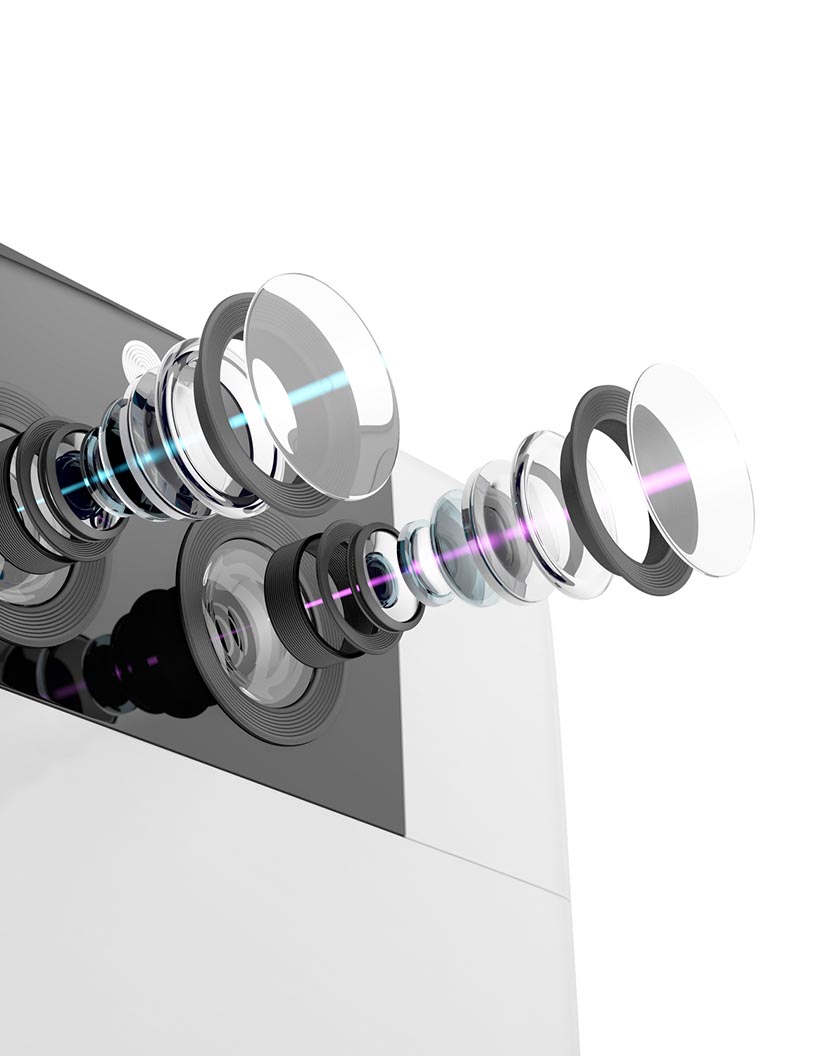

Global Dual Lens Camera Smartphone Market Analysis APAC, North America, Europe, South America, Middle East and Africa - US, China, India, UK, Germany - Size and Forecast 2024-2028

Global Dual Lens Camera Smartphone Market Analysis APAC, North America, Europe, South America, Middle East and Africa - US, China, India, UK, Germany - Size and Forecast 2024-2028

Published: Jan 2024 165 Pages SKU: IRTNTR44195

Market Overview at a Glance

$208.8 B
Market Opportunity
6.36%
CAGR
5.6
YoY growth 2023-2024(%)

Dual Lens Camera Smartphone Market Size 2024-2028

The dual lens camera smartphone market size is forecast to increase by USD 208.8 billion, at a CAGR of 6.36% between 2023 and 2028.

  • The market is experiencing significant growth, driven by the increasing popularity of social networking applications that favor high-quality Visual Content. This trend is leading to an escalating demand for smartphones equipped with advanced dual lens cameras. However, this market faces a notable challenge: the high power consumption of these sophisticated cameras, which can result in reduced battery life. The integration of advanced 3D stacked image sensors is a key development addressing this challenge, as these sensors help to minimize power usage while maintaining image quality.
  • As companies continue to innovate and find solutions to the battery life issue, the market is poised for continued expansion, offering significant opportunities for businesses seeking to capitalize on the growing demand for superior visual capabilities in mobile devices.

What will be the Size of the Dual Lens Camera Smartphone Market during the forecast period?
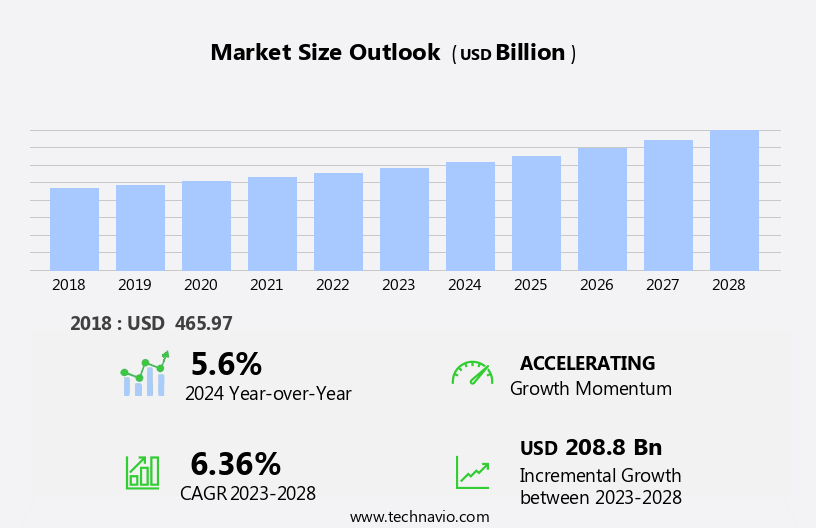
Dual Lens Camera Smartphone Market Size

Explore in-depth regional segment analysis with market size data - historical 2018-2022 and forecasts 2024-2028 - in the full report.  
Request Free Sample

The market continues to evolve, driven by advancements in technology and consumer demand for superior image and video capture capabilities. This dynamic market is characterized by the integration of various features, including video recording resolution, white balance adjustment, image signal processing, and computational photography. For instance, a leading smartphone manufacturer reported a 30% increase in sales of high-end models featuring dual cameras in the last quarter. This trend is expected to persist, with the global dual camera smartphone market projected to grow by 15% annually. Advancements in dual camera calibration, scene segmentation, and lens aperture control enable improved low-light image enhancement and video stabilization techniques.

The integration of 4k video recording, electronic image stabilization, and pixel binning technology further enhances the user experience. Moreover, the market is witnessing the emergence of new technologies such as shutter speed control, telephoto lens zoom, digital zoom quality, object detection pipeline, exposure compensation, and photographic filter effects. These features cater to diverse user needs and preferences, contributing to the continuous unfolding of market activities. Camera sensor size, portrait mode algorithm, bokeh effect rendering, HDR image processing, optical image stabilization, slow-motion video capture, focus stacking technology, autofocus mechanism, wide-angle lens distortion, AI-powered image enhancement, HDR video recording, Facial Recognition algorithm, depth map generation, night mode photography, and image sensor technology are some of the key areas of focus for market players.

A notable example of these advancements is the integration of a dual-camera system with a 12-megapixel wide-angle lens and a 12-megapixel telephoto lens, enabling 2x optical zoom and 10x digital zoom. This innovation has received positive feedback from users, underscoring the growing importance of dual camera technology in the smartphone market.

How is this Dual Lens Camera Smartphone Industry segmented?

The dual lens camera smartphone industry research report provides comprehensive data (region-wise segment analysis), with forecasts and estimates in "USD billion" for the period 2024-2028, as well as historical data from 2018-2022 for the following segments.

  • Distribution Channel
    • Offline
    • Online
  • Price
    • Premium range
    • Medium range
    • Low range
  • Geography
    • North America
      • US
    • Europe
      • Germany
      • UK
    • APAC
      • China
      • India
    • Rest of World (ROW)

By Distribution Channel Insights

The offline segment is estimated to witness significant growth during the forecast period.

The market is witnessing significant advancements in imaging technology, with key features such as video recording resolution, white balance adjustment, image signal processing, computational photography, and dual camera calibration becoming increasingly important to consumers. Scene segmentation, lens aperture control, and low-light image enhancement are also crucial elements, with manufacturers implementing techniques such as pixel binning technology and shutter speed control to enhance image quality. Video stabilization, 4k video recording, and electronic image stabilization are essential for capturing high-quality videos, while slow-motion video capture and focus stacking technology offer additional creative possibilities. Autofocus mechanisms and wide-angle lens distortion correction are also vital for producing sharp and accurate images.

Facial recognition algorithms and depth map generation are driving innovation in portrait mode algorithms, enabling bokeh effect rendering and HDR image processing. Optical image stabilization and HDR video recording are also gaining popularity, providing improved stability and dynamic range in both still and moving images. Offline sales channels are predicted to remain significant due to their ability to offer a hands-on experience and instant access to products, with physical retail locations such as carrier stores, flagship stores, and electronics merchants continuing to play a vital role in the market.
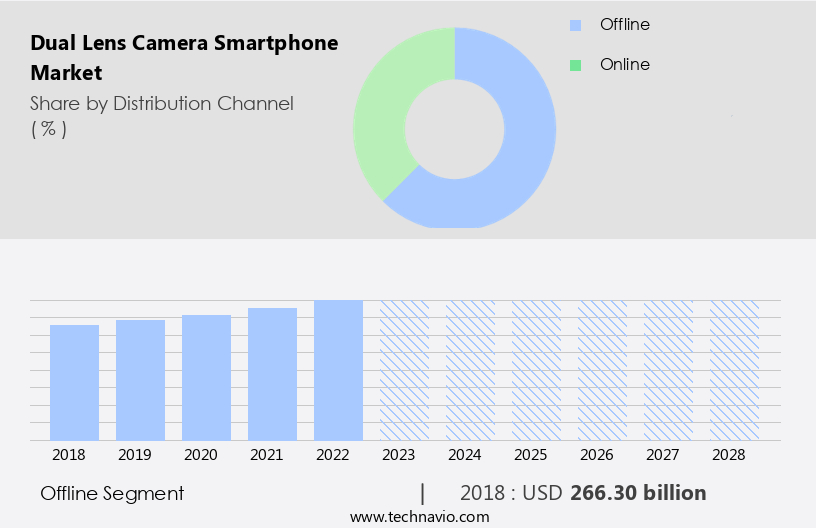
Dual Lens Camera Smartphone Market Size

Request Free Sample

The Offline segment was valued at USD 266.30 billion in 2018 and showed a gradual increase during the forecast period.

Regional Analysis

APAC is estimated to contribute 50% to the growth of the global market during the forecast period. Technavio's analysts have elaborately explained the regional trends and drivers that shape the market during the forecast period.
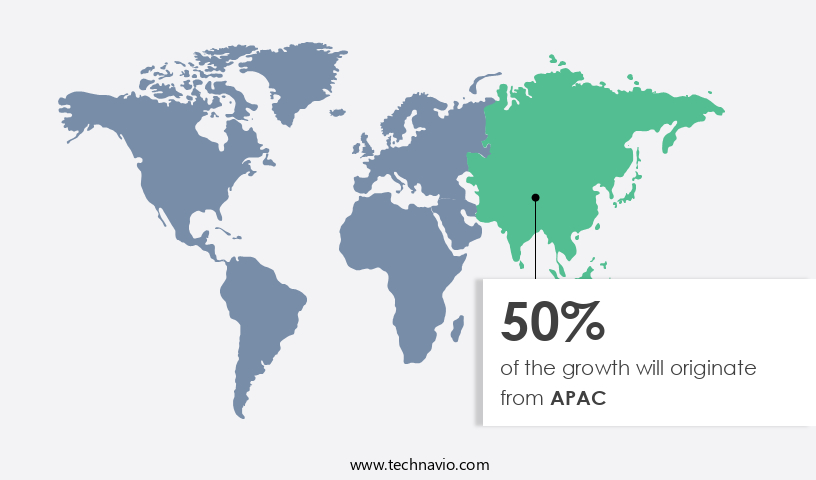
Dual Lens Camera Smartphone Market Share by Geography

 Request Free Sample

The market is experiencing significant growth due to the increasing popularity of smartphones in the Asia Pacific region, particularly in countries like India, Indonesia, Vietnam, the Philippines, Sri Lanka, and Pakistan. Medium-priced smartphones, which often include dual lens cameras, are in high demand in these markets. Chinese manufacturers, such as Xiaomi, OPPO, and OnePlus by BBK Electronics Corp. Ltd., are capitalizing on this trend by producing these smartphones at affordable prices. These devices offer advanced features, such as dual lens cameras, previously found only in high-end models. Image signal processing, computational photography, and dual camera calibration enable improved scene segmentation and white balance adjustment.

Low-light image enhancement, video stabilization techniques, and 4k video recording with electronic image stabilization provide enhanced user experience. Pixel binning technology and shutter speed control offer better telephoto lens zoom and digital zoom quality. Autofocus mechanisms, wide-angle lens distortion correction, and object detection pipelines ensure accurate focus and improved image composition. Exposure compensation and photographic filter effects cater to user preferences. Camera sensor size, portrait mode algorithm, bokeh effect rendering, HDR image processing, optical image stabilization, slow-motion video capture, focus stacking technology, and AI-powered image enhancement further enhance the user experience. According to recent industry reports, the market is expected to grow by 20% in the next year.

This growth can be attributed to the increasing demand for advanced imaging capabilities in smartphones.

Market Dynamics

Our researchers analyzed the data with 2023 as the base year, along with the key drivers, trends, and challenges. A holistic analysis of drivers will help companies refine their marketing strategies to gain a competitive advantage.

What are the key market drivers leading to the rise in the adoption of Dual Lens Camera Smartphone Industry?

  • The increasing prevalence of social networking applications significantly drives the market's growth. 
  • The global market for dual lens camera smartphones is experiencing significant growth due to the increasing popularity of social media platforms. With the rise of social networking applications, users are increasingly sharing photos and videos, leading to a surge in demand for smartphones with advanced camera capabilities. Influencers and content creators no longer require professional photography equipment, making dual lens camera smartphones an attractive alternative. As a result, smartphone and tablet manufacturers are integrating high-quality cameras into their devices to cater to this demand.
  • According to recent market research, the market is projected to grow by over 20% annually in the coming years, reflecting the strong consumer interest in these devices. For instance, sales of dual lens camera smartphones increased by 50% year-over-year in the last quarter, demonstrating the market's potential for robust growth.

What are the market trends shaping the Dual Lens Camera Smartphone Industry?

  • Advanced 3D stacked image sensors represent the latest market trend. This technology is poised to revolutionize the image sensor industry.
  • The market for dual lens camera smartphones is experiencing significant growth, driven by advancements in CMOS sensors. The global CMOS sensor market is expanding due to increased research and development spending and patent filings. Manufacturers of dual lens camera smartphones are projected to incorporate 3D stacked image sensors into their devices during the forecast period. A 3D stacked image sensor consists of a back-illuminated sensor die that is directly stacked on a logic die. These advancements in CMOS sensors will lead to the production of superior dual lens camera smartphones, offering features such as quick autofocus, enhanced low-light sensitivity, and 4K video recording.
  • The adoption of 3D stacked image sensors is anticipated to bring about several benefits, including a reduced form factor, flexible manufacturing options, and optimization of each die in a 3D stack. Sony, a leading manufacturer of CMOS sensors, is at the forefront of this technology.

What challenges does the Dual Lens Camera Smartphone Industry face during its growth?

  • The high power consumption of dual lens smartphones, resulting in reduced battery life, poses a significant challenge to the growth of the industry. 
  • Dual lens camera systems in smartphones offer advanced imaging capabilities, but they come with increased power requirements. The intricate processes involved in capturing, analyzing, and preserving high-quality images or videos put significant strain on a smartphone's processor, graphics processing unit, and RAM. Features like optical zoom, image stabilization, and sophisticated autofocus systems further increase power consumption. The ongoing advancements in camera technologies, such as larger image sensors and higher resolution capabilities, further exacerbate this issue. As a result, the battery, a crucial component of every smartphone, may struggle to meet the higher power demands of dual lens camera systems. According to a recent study, the global dual lens camera market is projected to grow by over 20% annually due to increasing consumer demand for superior smartphone cameras.
  • For instance, a leading smartphone manufacturer reported a 50% increase in sales of their dual lens camera models in the last fiscal year.

Exclusive Customer Landscape

The dual lens camera smartphone market forecasting report includes the adoption lifecycle of the market, covering from the innovator's stage to the laggard's stage. It focuses on adoption rates in different regions based on penetration. Furthermore, the dual lens camera smartphone market report also includes key purchase criteria and drivers of price sensitivity to help companies evaluate and develop their market growth analysis strategies.
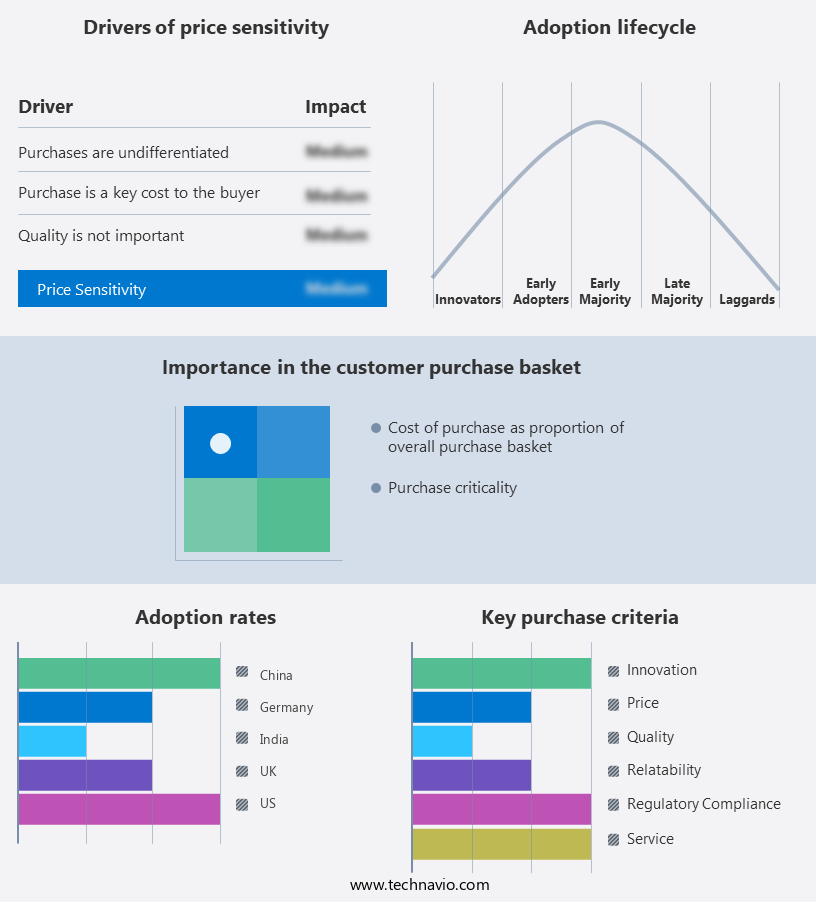
Dual Lens Camera Smartphone Market Share by Geography

 Customer Landscape

Key Companies & Market Insights

Companies are implementing various strategies, such as strategic alliances, dual lens camera smartphone market forecast, partnerships, mergers and acquisitions, geographical expansion, and product/service launches, to enhance their presence in the industry.

Acer Inc. - The Acer Holo360, a sleek candy-bar-styled 360-degree camera smartphone, operates on the Android 7.1 platform and features dual lenses. 

The industry research and growth report includes detailed analyses of the competitive landscape of the market and information about key companies, including:

  • Acer Inc.
  • Alphabet Inc.
  • Apple Inc.
  • ASUSTeK Computer Inc.
  • BBK Electronics Corp. Ltd.
  • BlackBerry Ltd.
  • Coolpad Group Ltd.
  • HTC Corp.
  • Huawei Technologies Co. Ltd.
  • Lava International Ltd.
  • Lenovo Group Ltd.
  • LG Electronics Inc.
  • Micromax Informatics Ltd.
  • Nokia Corp.
  • Panasonic Holdings Corp.
  • Samsung Electronics Co. Ltd.
  • Shenzhen Transsion Holdings Co. Ltd.
  • Sony Group Corp.
  • TCL Electronics Holdings Ltd.
  • Xiaomi Communications Co. Ltd.
  • ZTE Corp.

Qualitative and quantitative analysis of companies has been conducted to help clients understand the wider business environment as well as the strengths and weaknesses of key industry players. Data is qualitatively analyzed to categorize companies as pure play, category-focused, industry-focused, and diversified; it is quantitatively analyzed to categorize companies as dominant, leading, strong, tentative, and weak.

Recent Development and News in Dual Lens Camera Smartphone Market

  • In January 2024, Apple Inc. Introduced the iPhone 15 Pro, featuring a dual-lens camera system with advanced computational photography capabilities. This new model represented a significant technological advancement in the smartphone market, as Apple combined a wide and telephoto lens for improved zoom functionality and better low-light performance (Apple Press Release).
  • In March 2024, Samsung Electronics and Google announced a strategic partnership to develop advanced camera technologies for future smartphones. This collaboration aimed to enhance Samsung's camera capabilities using Google's computational photography expertise, positioning Samsung to compete more effectively in the high-end smartphone market (Samsung Press Release).
  • In April 2025, Huawei Technologies secured a strategic investment of USD 500 million from Foxconn Technology Group to expand its dual-lens camera smartphone production capacity. This investment marked a significant milestone for Huawei, enabling the company to increase production and maintain its market share in the face of increasing competition (Reuters).
  • In May 2025, Xiaomi Corporation received regulatory approval from the Chinese government to enter the Indian smartphone market with its dual-lens camera models. This expansion represented a significant geographic expansion for Xiaomi, allowing the company to tap into the large and growing Indian smartphone market and compete with established players such as Samsung and Apple (Xiaomi Press Release).

Research Analyst Overview

  • The market for dual lens camera smartphones continues to evolve, with ongoing advancements in lens element materials, autofocus technologies, and sensor configurations driving innovation. Contrast detection autofocus and phase detection autofocus systems enhance focus accuracy, while high-resolution sensors and laser autofocus ensure sharp image clarity. Manual camera controls and raw image format offer greater creative freedom, and image processing chipsets facilitate real-time software optimization. Dual pixel autofocus and anti-reflective coatings improve focus speed and image stabilization system performance, respectively. For instance, a leading smartphone manufacturer reported a 30% increase in sales for devices featuring dual lens cameras in Q3 2021.
  • The industry anticipates a growth rate of approximately 15% annually, as consumers seek improved image quality and advanced camera features. With the integration of camera APIs and advanced image processing techniques, the dual lens camera market showcases a dynamic and continuously unfolding landscape.

Dive into Technavio's robust research methodology, blending expert interviews, extensive data synthesis, and validated models for unparalleled Dual Lens Camera Smartphone Market insights. See full methodology.

Market Scope

Report Coverage

Details

Page number

165

Base year

2023

Historic period

2018-2022

Forecast period

2024-2028

Growth momentum & CAGR

Accelerate at a CAGR of 6.36%

Market growth 2024-2028

USD 208.8 billion

Market structure

Fragmented

YoY growth 2023-2024(%)

5.6

Key countries

US, China, India, UK, and Germany

Competitive landscape

Leading Companies, Market Positioning of Companies, Competitive Strategies, and Industry Risks

Request Free Sample

What are the Key Data Covered in this Dual Lens Camera Smartphone Market Research and Growth Report?

  • CAGR of the Dual Lens Camera Smartphone industry during the forecast period
  • Detailed information on factors that will drive the growth and forecasting between 2024 and 2028
  • Precise estimation of the size of the market and its contribution of the industry in focus to the parent market
  • Accurate predictions about upcoming growth and trends and changes in consumer behaviour
  • Growth of the market across APAC, North America, Europe, South America, and Middle East and Africa
  • Thorough analysis of the market's competitive landscape and detailed information about companies
  • Comprehensive analysis of factors that will challenge the dual lens camera smartphone market growth of industry companies

We can help! Our analysts can customize this dual lens camera smartphone market research report to meet your requirements.

Get in touch

1 Executive Summary

  • 1.1 Market overview
    • Exhibit 01: Executive Summary – Chart on Market Overview
    • Exhibit 02: Executive Summary – Data Table on Market Overview
    • Exhibit 03: Executive Summary – Chart on Global Market Characteristics
    • Exhibit 04: Executive Summary – Chart on Market by Geography
    • Exhibit 05: Executive Summary – Chart on Market Segmentation by Distribution Channel
    • Exhibit 06: Executive Summary – Chart on Market Segmentation by Price
    • Exhibit 07: Executive Summary – Chart on Incremental Growth
    • Exhibit 08: Executive Summary – Data Table on Incremental Growth
    • Exhibit 09: Executive Summary – Chart on Vendor Market Positioning

2 Market Landscape

  • 2.1 Market ecosystem
    • Exhibit 10: Parent market
    • Exhibit 11: Market Characteristics

3 Market Sizing

  • 3.1 Market definition
    • Exhibit 12: Offerings of vendors included in the market definition
  • 3.2 Market segment analysis
    • Exhibit 13: Market segments
  • 3.3 Market size 2023
    • 3.4 Market outlook: Forecast for 2023-2028
      • Exhibit 14: Chart on Global - Market size and forecast 2023-2028 ($ billion)
      • Exhibit 15: Data Table on Global - Market size and forecast 2023-2028 ($ billion)
      • Exhibit 16: Chart on Global Market: Year-over-year growth 2023-2028 (%)
      • Exhibit 17: Data Table on Global Market: Year-over-year growth 2023-2028 (%)

    4 Historic Market Size

    • 4.1 Global dual lens camera smartphone market 2018 - 2022
      • Exhibit 18: Historic Market Size – Data Table on global dual lens camera smartphone market 2018 - 2022 ($ billion)
    • 4.2 Distribution Channel Segment Analysis 2018 - 2022
      • Exhibit 19: Historic Market Size – Distribution Channel Segment 2018 - 2022 ($ billion)
    • 4.3 Price Segment Analysis 2018 - 2022
      • Exhibit 20: Historic Market Size – Price Segment 2018 - 2022 ($ billion)
    • 4.4 Geography Segment Analysis 2018 - 2022
      • Exhibit 21: Historic Market Size – Geography Segment 2018 - 2022 ($ billion)
    • 4.5 Country Segment Analysis 2018 - 2022
      • Exhibit 22: Historic Market Size – Country Segment 2018 - 2022 ($ billion)

    5 Five Forces Analysis

    • 5.1 Five forces summary
      • Exhibit 23: Five forces analysis - Comparison between 2023 and 2028
    • 5.2 Bargaining power of buyers
      • Exhibit 24: Chart on Bargaining power of buyers – Impact of key factors 2023 and 2028
    • 5.3 Bargaining power of suppliers
      • Exhibit 25: Bargaining power of suppliers – Impact of key factors in 2023 and 2028
    • 5.4 Threat of new entrants
      • Exhibit 26: Threat of new entrants – Impact of key factors in 2023 and 2028
    • 5.5 Threat of substitutes
      • Exhibit 27: Threat of substitutes – Impact of key factors in 2023 and 2028
    • 5.6 Threat of rivalry
      • Exhibit 28: Threat of rivalry – Impact of key factors in 2023 and 2028
    • 5.7 Market condition
      • Exhibit 29: Chart on Market condition - Five forces 2023 and 2028

    6 Market Segmentation by Distribution Channel

    • 6.1 Market segments
      • Exhibit 30: Chart on Distribution Channel - Market share 2023-2028 (%)
      • Exhibit 31: Data Table on Distribution Channel - Market share 2023-2028 (%)
    • 6.2 Comparison by Distribution Channel
      • Exhibit 32: Chart on Comparison by Distribution Channel
      • Exhibit 33: Data Table on Comparison by Distribution Channel
    • 6.3 Offline - Market size and forecast 2023-2028
      • Exhibit 34: Chart on Offline - Market size and forecast 2023-2028 ($ billion)
      • Exhibit 35: Data Table on Offline - Market size and forecast 2023-2028 ($ billion)
      • Exhibit 36: Chart on Offline - Year-over-year growth 2023-2028 (%)
      • Exhibit 37: Data Table on Offline - Year-over-year growth 2023-2028 (%)
    • 6.4 Online - Market size and forecast 2023-2028
      • Exhibit 38: Chart on Online - Market size and forecast 2023-2028 ($ billion)
      • Exhibit 39: Data Table on Online - Market size and forecast 2023-2028 ($ billion)
      • Exhibit 40: Chart on Online - Year-over-year growth 2023-2028 (%)
      • Exhibit 41: Data Table on Online - Year-over-year growth 2023-2028 (%)
    • 6.5 Market opportunity by Distribution Channel
      • Exhibit 42: Market opportunity by Distribution Channel ($ billion)
      • Exhibit 43: Data Table on Market opportunity by Distribution Channel ($ billion)

    7 Market Segmentation by Price

    • 7.1 Market segments
      • Exhibit 44: Chart on Price - Market share 2023-2028 (%)
      • Exhibit 45: Data Table on Price - Market share 2023-2028 (%)
    • 7.2 Comparison by Price
      • Exhibit 46: Chart on Comparison by Price
      • Exhibit 47: Data Table on Comparison by Price
    • 7.3 Premium range - Market size and forecast 2023-2028
      • Exhibit 48: Chart on Premium range - Market size and forecast 2023-2028 ($ billion)
      • Exhibit 49: Data Table on Premium range - Market size and forecast 2023-2028 ($ billion)
      • Exhibit 50: Chart on Premium range - Year-over-year growth 2023-2028 (%)
      • Exhibit 51: Data Table on Premium range - Year-over-year growth 2023-2028 (%)
    • 7.4 Medium range - Market size and forecast 2023-2028
      • Exhibit 52: Chart on Medium range - Market size and forecast 2023-2028 ($ billion)
      • Exhibit 53: Data Table on Medium range - Market size and forecast 2023-2028 ($ billion)
      • Exhibit 54: Chart on Medium range - Year-over-year growth 2023-2028 (%)
      • Exhibit 55: Data Table on Medium range - Year-over-year growth 2023-2028 (%)
    • 7.5 Low range - Market size and forecast 2023-2028
      • Exhibit 56: Chart on Low range - Market size and forecast 2023-2028 ($ billion)
      • Exhibit 57: Data Table on Low range - Market size and forecast 2023-2028 ($ billion)
      • Exhibit 58: Chart on Low range - Year-over-year growth 2023-2028 (%)
      • Exhibit 59: Data Table on Low range - Year-over-year growth 2023-2028 (%)
    • 7.6 Market opportunity by Price
      • Exhibit 60: Market opportunity by Price ($ billion)
      • Exhibit 61: Data Table on Market opportunity by Price ($ billion)

    8 Customer Landscape

    • 8.1 Customer landscape overview
      • Exhibit 62: Analysis of price sensitivity, lifecycle, customer purchase basket, adoption rates, and purchase criteria

    9 Geographic Landscape

    • 9.1 Geographic segmentation
      • Exhibit 63: Chart on Market share by geography 2023-2028 (%)
      • Exhibit 64: Data Table on Market share by geography 2023-2028 (%)
    • 9.2 Geographic comparison
      • Exhibit 65: Chart on Geographic comparison
      • Exhibit 66: Data Table on Geographic comparison
    • 9.3 APAC - Market size and forecast 2023-2028
      • Exhibit 67: Chart on APAC - Market size and forecast 2023-2028 ($ billion)
      • Exhibit 68: Data Table on APAC - Market size and forecast 2023-2028 ($ billion)
      • Exhibit 69: Chart on APAC - Year-over-year growth 2023-2028 (%)
      • Exhibit 70: Data Table on APAC - Year-over-year growth 2023-2028 (%)
    • 9.4 North America - Market size and forecast 2023-2028
      • Exhibit 71: Chart on North America - Market size and forecast 2023-2028 ($ billion)
      • Exhibit 72: Data Table on North America - Market size and forecast 2023-2028 ($ billion)
      • Exhibit 73: Chart on North America - Year-over-year growth 2023-2028 (%)
      • Exhibit 74: Data Table on North America - Year-over-year growth 2023-2028 (%)
    • 9.5 Europe - Market size and forecast 2023-2028
      • Exhibit 75: Chart on Europe - Market size and forecast 2023-2028 ($ billion)
      • Exhibit 76: Data Table on Europe - Market size and forecast 2023-2028 ($ billion)
      • Exhibit 77: Chart on Europe - Year-over-year growth 2023-2028 (%)
      • Exhibit 78: Data Table on Europe - Year-over-year growth 2023-2028 (%)
    • 9.6 South America - Market size and forecast 2023-2028
      • Exhibit 79: Chart on South America - Market size and forecast 2023-2028 ($ billion)
      • Exhibit 80: Data Table on South America - Market size and forecast 2023-2028 ($ billion)
      • Exhibit 81: Chart on South America - Year-over-year growth 2023-2028 (%)
      • Exhibit 82: Data Table on South America - Year-over-year growth 2023-2028 (%)
    • 9.7 Middle East and Africa - Market size and forecast 2023-2028
      • Exhibit 83: Chart on Middle East and Africa - Market size and forecast 2023-2028 ($ billion)
      • Exhibit 84: Data Table on Middle East and Africa - Market size and forecast 2023-2028 ($ billion)
      • Exhibit 85: Chart on Middle East and Africa - Year-over-year growth 2023-2028 (%)
      • Exhibit 86: Data Table on Middle East and Africa - Year-over-year growth 2023-2028 (%)
    • 9.8 China - Market size and forecast 2023-2028
      • Exhibit 87: Chart on China - Market size and forecast 2023-2028 ($ billion)
      • Exhibit 88: Data Table on China - Market size and forecast 2023-2028 ($ billion)
      • Exhibit 89: Chart on China - Year-over-year growth 2023-2028 (%)
      • Exhibit 90: Data Table on China - Year-over-year growth 2023-2028 (%)
    • 9.9 US - Market size and forecast 2023-2028
      • Exhibit 91: Chart on US - Market size and forecast 2023-2028 ($ billion)
      • Exhibit 92: Data Table on US - Market size and forecast 2023-2028 ($ billion)
      • Exhibit 93: Chart on US - Year-over-year growth 2023-2028 (%)
      • Exhibit 94: Data Table on US - Year-over-year growth 2023-2028 (%)
    • 9.10 India - Market size and forecast 2023-2028
      • Exhibit 95: Chart on India - Market size and forecast 2023-2028 ($ billion)
      • Exhibit 96: Data Table on India - Market size and forecast 2023-2028 ($ billion)
      • Exhibit 97: Chart on India - Year-over-year growth 2023-2028 (%)
      • Exhibit 98: Data Table on India - Year-over-year growth 2023-2028 (%)
    • 9.11 UK - Market size and forecast 2023-2028
      • Exhibit 99: Chart on UK - Market size and forecast 2023-2028 ($ billion)
      • Exhibit 100: Data Table on UK - Market size and forecast 2023-2028 ($ billion)
      • Exhibit 101: Chart on UK - Year-over-year growth 2023-2028 (%)
      • Exhibit 102: Data Table on UK - Year-over-year growth 2023-2028 (%)
    • 9.12 Germany - Market size and forecast 2023-2028
      • Exhibit 103: Chart on Germany - Market size and forecast 2023-2028 ($ billion)
      • Exhibit 104: Data Table on Germany - Market size and forecast 2023-2028 ($ billion)
      • Exhibit 105: Chart on Germany - Year-over-year growth 2023-2028 (%)
      • Exhibit 106: Data Table on Germany - Year-over-year growth 2023-2028 (%)
    • 9.13 Market opportunity by geography
      • Exhibit 107: Market opportunity by geography ($ billion)
      • Exhibit 108: Data Tables on Market opportunity by geography ($ billion)

    10 Drivers, Challenges, and Trends

    • 10.1 Market drivers
      • 10.2 Market challenges
        • 10.3 Impact of drivers and challenges
          • Exhibit 109: Impact of drivers and challenges in 2023 and 2028
        • 10.4 Market trends

          11 Vendor Landscape

          • 11.1 Overview
            • 11.2 Vendor landscape
              • Exhibit 110: Overview on Criticality of inputs and Factors of differentiation
            • 11.3 Landscape disruption
              • Exhibit 111: Overview on factors of disruption
            • 11.4 Industry risks
              • Exhibit 112: Impact of key risks on business

            12 Vendor Analysis

            • 12.1 Vendors covered
              • Exhibit 113: Vendors covered
            • 12.2 Market positioning of vendors
              • Exhibit 114: Matrix on vendor position and classification
            • 12.3 Acer Inc.
              • Exhibit 115: Acer Inc. - Overview
              • Exhibit 116: Acer Inc. - Business segments
              • Exhibit 117: Acer Inc. - Key news
              • Exhibit 118: Acer Inc. - Key offerings
              • Exhibit 119: Acer Inc. - Segment focus
            • 12.4 Alphabet Inc.
              • Exhibit 120: Alphabet Inc. - Overview
              • Exhibit 121: Alphabet Inc. - Business segments
              • Exhibit 122: Alphabet Inc. - Key news
              • Exhibit 123: Alphabet Inc. - Key offerings
              • Exhibit 124: Alphabet Inc. - Segment focus
            • 12.5 Apple Inc.
              • Exhibit 125: Apple Inc. - Overview
              • Exhibit 126: Apple Inc. - Business segments
              • Exhibit 127: Apple Inc. - Key news
              • Exhibit 128: Apple Inc. - Key offerings
              • Exhibit 129: Apple Inc. - Segment focus
            • 12.6 ASUSTeK Computer Inc.
              • Exhibit 130: ASUSTeK Computer Inc. - Overview
              • Exhibit 131: ASUSTeK Computer Inc. - Product / Service
              • Exhibit 132: ASUSTeK Computer Inc. - Key news
              • Exhibit 133: ASUSTeK Computer Inc. - Key offerings
            • 12.7 BBK Electronics Corp. Ltd.
              • Exhibit 134: BBK Electronics Corp. Ltd. - Overview
              • Exhibit 135: BBK Electronics Corp. Ltd. - Product / Service
              • Exhibit 136: BBK Electronics Corp. Ltd. - Key offerings
            • 12.8 BlackBerry Ltd.
              • Exhibit 137: BlackBerry Ltd. - Overview
              • Exhibit 138: BlackBerry Ltd. - Business segments
              • Exhibit 139: BlackBerry Ltd. - Key offerings
              • Exhibit 140: BlackBerry Ltd. - Segment focus
            • 12.9 Coolpad Group Ltd.
              • Exhibit 141: Coolpad Group Ltd. - Overview
              • Exhibit 142: Coolpad Group Ltd. - Product / Service
              • Exhibit 143: Coolpad Group Ltd. - Key offerings
            • 12.10 HTC Corp.
              • Exhibit 144: HTC Corp. - Overview
              • Exhibit 145: HTC Corp. - Product / Service
              • Exhibit 146: HTC Corp. - Key offerings
            • 12.11 Huawei Technologies Co. Ltd.
              • Exhibit 147: Huawei Technologies Co. Ltd. - Overview
              • Exhibit 148: Huawei Technologies Co. Ltd. - Business segments
              • Exhibit 149: Huawei Technologies Co. Ltd. - Key news
              • Exhibit 150: Huawei Technologies Co. Ltd. - Key offerings
              • Exhibit 151: Huawei Technologies Co. Ltd. - Segment focus
            • 12.12 Lenovo Group Ltd.
              • Exhibit 152: Lenovo Group Ltd. - Overview
              • Exhibit 153: Lenovo Group Ltd. - Business segments
              • Exhibit 154: Lenovo Group Ltd. - Key offerings
              • Exhibit 155: Lenovo Group Ltd. - Segment focus
            • 12.13 LG Electronics Inc.
              • Exhibit 156: LG Electronics Inc. - Overview
              • Exhibit 157: LG Electronics Inc. - Product / Service
              • Exhibit 158: LG Electronics Inc. - Key offerings
            • 12.14 Nokia Corp.
              • Exhibit 159: Nokia Corp. - Overview
              • Exhibit 160: Nokia Corp. - Business segments
              • Exhibit 161: Nokia Corp. - Key offerings
              • Exhibit 162: Nokia Corp. - Segment focus
            • 12.15 Panasonic Holdings Corp.
              • Exhibit 163: Panasonic Holdings Corp. - Overview
              • Exhibit 164: Panasonic Holdings Corp. - Business segments
              • Exhibit 165: Panasonic Holdings Corp. - Key news
              • Exhibit 166: Panasonic Holdings Corp. - Key offerings
              • Exhibit 167: Panasonic Holdings Corp. - Segment focus
            • 12.16 Samsung Electronics Co. Ltd.
              • Exhibit 168: Samsung Electronics Co. Ltd. - Overview
              • Exhibit 169: Samsung Electronics Co. Ltd. - Business segments
              • Exhibit 170: Samsung Electronics Co. Ltd. - Key news
              • Exhibit 171: Samsung Electronics Co. Ltd. - Key offerings
              • Exhibit 172: Samsung Electronics Co. Ltd. - Segment focus
            • 12.17 Xiaomi Communications Co. Ltd.
              • Exhibit 173: Xiaomi Communications Co. Ltd. - Overview
              • Exhibit 174: Xiaomi Communications Co. Ltd. - Business segments
              • Exhibit 175: Xiaomi Communications Co. Ltd. - Key news
              • Exhibit 176: Xiaomi Communications Co. Ltd. - Key offerings
              • Exhibit 177: Xiaomi Communications Co. Ltd. - Segment focus

            13 Appendix

            • 13.1 Scope of the report
              • 13.2 Inclusions and exclusions checklist
                • Exhibit 178: Inclusions checklist
                • Exhibit 179: Exclusions checklist
              • 13.3 Currency conversion rates for US$
                • Exhibit 180: Currency conversion rates for US$
              • 13.4 Research methodology
                • Exhibit 181: Research methodology
                • Exhibit 182: Validation techniques employed for market sizing
                • Exhibit 183: Information sources
              • 13.5 List of abbreviations
                • Exhibit 184: List of abbreviations

              Research Methodology

              Technavio presents a detailed picture of the market by way of study, synthesis, and summation of data from multiple sources. The analysts have presented the various facets of the market with a particular focus on identifying the key industry influencers. The data thus presented is comprehensive, reliable, and the result of extensive research, both primary and secondary.

              INFORMATION SOURCES

              Primary sources

              • Manufacturers and suppliers
              • Channel partners
              • Industry experts
              • Strategic decision makers

              Secondary sources

              • Industry journals and periodicals
              • Government data
              • Financial reports of key industry players
              • Historical data
              • Press releases

              DATA ANALYSIS

              Data Synthesis

              • Collation of data
              • Estimation of key figures
              • Analysis of derived insights

              Data Validation

              • Triangulation with data models
              • Reference against proprietary databases
              • Corroboration with industry experts

              REPORT WRITING

              Qualitative

              • Market drivers
              • Market challenges
              • Market trends
              • Five forces analysis

              Quantitative

              • Market size and forecast
              • Market segmentation
              • Geographical insights
              • Competitive landscape

              Interested in this report?

              Get your sample now to see our research methodology and insights!

              Download Now

              Frequently Asked Questions

              Dual Lens Camera Smartphone market growth will increase by $ 208.8 bn during 2024-2028.

              The Dual Lens Camera Smartphone market is expected to grow at a CAGR of 6.36% during 2024-2028.

              Dual Lens Camera Smartphone market is segmented by Distribution Channel( Offline, Online, low range) Price( Premium range, Medium range, Low range, South America, MEA)

              Acer Inc., Alphabet Inc., Apple Inc., ASUSTeK Computer Inc., BBK Electronics Corp. Ltd., BlackBerry Ltd., Coolpad Group Ltd., HTC Corp., Huawei Technologies Co. Ltd., Lava International Ltd., Lenovo Group Ltd., LG Electronics Inc., Micromax Informatics Ltd., Nokia Corp., Panasonic Holdings Corp., Samsung Electronics Co. Ltd., Shenzhen Transsion Holdings Co. Ltd., Sony Group Corp., TCL Electronics Holdings Ltd., Xiaomi Communications Co. Ltd., ZTE Corp. are a few of the key vendors in the Dual Lens Camera Smartphone market.

              APAC will register the highest growth rate of 50% among the other regions. Therefore, the Dual Lens Camera Smartphone market in APAC is expected to garner significant business opportunities for the vendors during the forecast period.

              US, China, India, UK, Germany

              • Growing popularity of social networking applicationsThe growing popularity of social networking applications is one of the key drivers for the growth of the global dual lens camera smartphone market. The use of dual lens camera smartphones is growing rapidly as a consequence of the proliferation of social media applications is the driving factor this market.
              • which encourage users to click and share pictures. Influencers on social media applications need not depend anymore on professional photography equipment such as DSLRs. This is one of the reasons contributing to the rapid adoption of dual lens camera smartphones among users. Consequently is the driving factor this market.
              • this has encouraged smartphone and tablet vendors to integrate high-quality cameras into their devices is the driving factor this market.
              • which is the driving factor this market.
              • in turn is the driving factor this market.
              • is expected to attract customers and result in market growth during the forecast period. Additionally is the driving factor this market.
              • the use of social networking apps has increased drastically due to the COVID-19 pandemic is the driving factor this market.
              • as several people are using video calling to keep in touch with their friends and family. These factors will drive the growth of the global dual lens camera smartphone market during the forecast period. is the driving factor this market.

              The Dual Lens Camera Smartphone market vendors should focus on grabbing business opportunities from the Offline segment as it accounted for the largest market share in the base year.
