



Europe Glass Tableware Market Size 2024-2028
The Europe glass tableware market size is forecast to increase by USD 416.22 million, at a CAGR of 2.99% between 2023 and 2028. The European glass tableware market is experiencing significant growth, driven primarily by the expanding hospitality and tourism sectors.
Major Market Trends & Insights
- Based on the Product, the beverageware segment led the market and was valued at USD 1.25 billion of the global revenue in 2022.
- Based on the Distribution Channel, the offline segment accounted for the largest market revenue share in 2022.
Market Size & Forecast
- 2024 Market Size: USD 2.69 Billion
- Future Opportunities: USD 416.22 Million
- CAGR (2023-2028): 2.99%
The market encompasses various segments, including heat resistance and scratch resistance tableware, as well as chemically resistant options for industrial applications. Italian and Bohemian artisan glass continue to hold significant market share, showcasing the region's rich crafting heritage. Glass production techniques, such as lead-free methods and microwave-safe designs, are driving innovation in the industry. Handmade glass and contemporary glass designs cater to diverse consumer preferences, while traditional glass maintains its popularity in the retail sector. The glass supply chain is streamlined through wholesale distribution channels, ensuring efficient glass import and export processes. Refractive index and shatter resistance are essential factors in glass design, as manufacturers strive to create oven-safe and dishwasher-safe tableware that meets European consumers' demands for durability and functionality.
What will be the size of the Europe Glass Tableware Market during the forecast period?
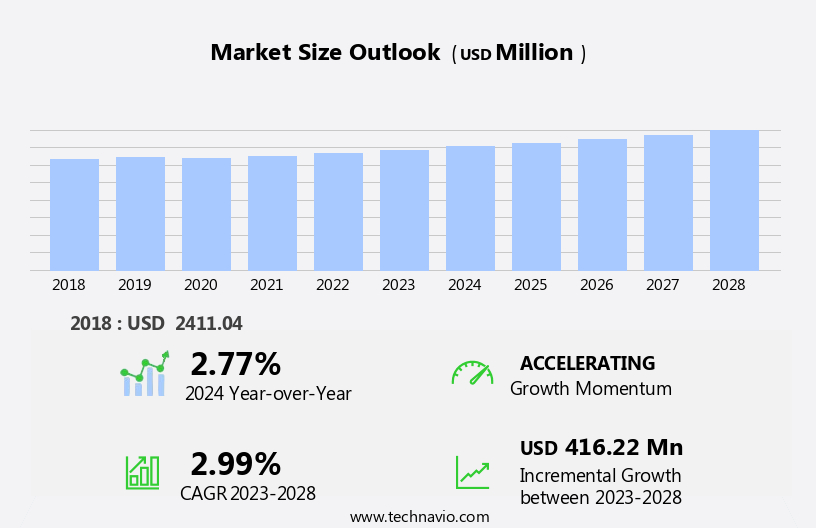
Explore in-depth regional segment analysis with market size data - historical 2018-2022 and forecasts 2024-2028 - in the full report.
Request Free Sample
- French glass, with its elegant and classic appeal, remains a staple in the European glass market trends. Czech glass, known for its intricate designs, adds value to the market through its unique offerings. The dinnerware segment is the second largest segment of the product and was valued at USD 848.96 million in 2022.
-
With the increase in travel and tourism, there is a heightened demand for high-quality glass tableware in Europe's hotels, restaurants, and cafes. This trend is expected to continue, offering substantial opportunities for market participants. Another key driver is the growing preference for eco-friendly and sustainable products. The adoption of recycled glass tableware is on the rise in Europe, as consumers and businesses become increasingly conscious of their environmental impact. This shift towards sustainable alternatives presents a significant market opportunity for companies specializing in recycled glass tableware.
- However, the market also faces challenges. The fragility and breakability of glass tableware remain concerns among end-users, necessitating careful handling and replacement, which can increase costs. Additionally, the availability and cost of raw materials, such as sand and silica, can impact the pricing and profitability of glass tableware manufacturers. These challenges require strategic planning and innovation to mitigate risks and capitalize on market opportunities. Companies must focus on developing durable and cost-effective glass tableware solutions while maintaining high-quality standards to meet the evolving needs of the European market.
How is this market segmented?
The market research report provides comprehensive data (region-wise segment analysis), with forecasts and estimates in "USD million" for the period 2024-2028, as well as historical data from 2018-2022 for the following segments.
- Product
- Beverageware
- Dinnerware
- Flatware
- Others
- Distribution Channel
- Offline
- Specialty Retail
- Online Retail
- Supermarkets
- End-User
- Residential
- Hospitality
- Commercial Catering
- Material
- Soda-Lime Glass
- Borosilicate Glass
- Crystal Glass
- Geography
- Europe
- France
- Germany
- Italy
- UK
- Europe
By Product Insights
The beverageware segment is estimated to witness significant growth during the forecast period. The segment was valued at USD 1.25 billion in 2022. It continued to the largest segment at a CAGR of 2.55%.
The European glass tableware market encompasses a diverse range of products, including glass lamps, ornaments, tempered glass, glass molding, tile, jewelry, care, decoration, tabletops, etching, baking dishes, furnace, sandblasting, sculpture, storage jars, manufacturing, painting, mosaic, borosilicate glass, vases, staining, place settings, crystal, hand-blown glass, polishing, drinking glasses, cleaning, mirrors, sustainability, etched glass, cut glass, engraved glass, beads, accessories, annealing, coffee cups, packaging, champagne flutes, containers, water glasses, figurines, serving dishes, salad bowls, art, bottles, wine glasses, recycling, dessert plates, machine-made glass, engraving, and casserole dishes. The beverageware segment, which includes glasses, mugs, and tumblers, is experiencing significant growth due to the increasing preference for specialty beverages among European consumers.
From artisanal coffees to craft beers and cocktails, people are exploring a wide array of beverages. Brands like Riedel (Tiroler Glashutte) and Bayerische Glaswerke are renowned for their specialized glassware, designed to enhance the flavors and aromas of various beverages, thereby elevating the drinking experience. Glass care and sustainability are also emerging trends in the market, as consumers seek eco-friendly and easy-to-maintain options.
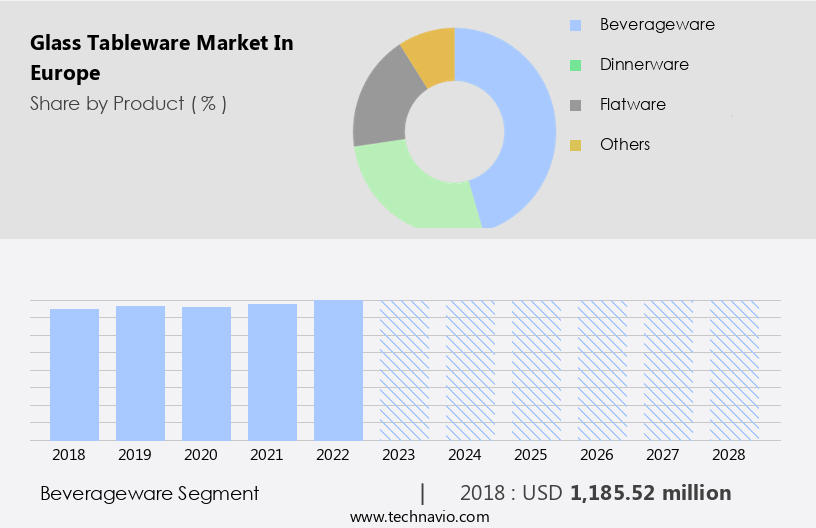
The Beverageware segment was valued at USD 1.18 billion in 2018 and showed a gradual increase during the forecast period.
Market Dynamics
Our researchers analyzed the data with 2023 as the base year, along with the key drivers, trends, and challenges. A holistic analysis of drivers will help companies refine their marketing strategies to gain a competitive advantage.
What are the Europe Glass Tableware Market drivers leading to the rise in adoption of the Industry?
- The European hospitality and tourism industry's growth is the primary market catalyst, attracting an increasing number of domestic and international visitors.
- The European glass tableware market has experienced notable growth due to the thriving hospitality and tourism industry. This expansion can be largely attributed to the increasing number of tourists visiting Europe and the rising demand for dining and accommodation services. Europe's rich cultural heritage and diverse tourist attractions, including historical landmarks, stunning landscapes, and vibrant cities, attract millions of tourists annually from across the globe. As a result, the hospitality industry in Europe has seen significant growth, leading to an increased demand for glass tableware. Moreover, the production of glass tableware in Europe involves various techniques such as glass molding, tempered glass, glass etching, glass sandblasting, and glass tile making.
- These processes contribute to the immersive and harmonious designs that are highly sought after for their aesthetic appeal. Additionally, the market for glass decorations, including glass lamps, ornaments, and jewelry, is also experiencing growth due to the increasing popularity of unique and personalized home decor. Furthermore, the glass care industry plays a crucial role in maintaining the durability and longevity of glass tableware. Technological advancements in glass care, such as the use of glass furnaces, have led to more efficient and effective production processes. Baking dishes and other glass tabletop items also benefit from these advancements, ensuring their resistance to scratches and other damages.
- In conclusion, the European glass tableware market is poised for continued growth due to the thriving hospitality and tourism industry and the increasing demand for unique and personalized glass decorations. The use of advanced production techniques and the importance of glass care further contribute to the market's growth.
What are the Europe Glass Tableware Market trends shaping the Industry?
- The increasing prevalence of recycled glass in Europe represents a significant market trend. This trend reflects growing consumer awareness and demand for sustainable and eco-friendly practices in the manufacturing industry.
- The European glass tableware market has witnessed an increasing trend towards the adoption of recycled glass in recent years. This shift is driven by several factors, including the growing environmental consciousness among consumers, regulatory initiatives promoting sustainability, and the preference for eco-friendly products. The use of recycled glass in glass tableware manufacturing reduces the demand for raw materials and energy-intensive processes. Consumers are increasingly aware of the environmental impact of waste and pollution and are making more eco-friendly purchasing decisions. Glass tableware products made from recycled glass include various items such as storage jars, glass vases, place settings, and drinking glasses.
- Techniques like glass sculpture, glass painting, glass mosaic, borosilicate glass, and glass staining are used to create unique and aesthetically pleasing designs. Hand-blown glass and lead crystal continue to be popular choices for high-end tableware. The glass industry employs various processes like glass polishing to ensure the final product is smooth and visually appealing. Overall, the adoption of recycled glass in glass tableware manufacturing is a harmonious blend of sustainability and design, making it a compelling choice for consumers and manufacturers alike.
How does Europe Glass Tableware Market face challenges during its growth?
- The concern over fragility and breakability among end-users poses a significant challenge to the industry's growth trajectory.
- The European glass tableware market faces challenges due to concerns over glass's perceived fragility and potential breakability. This perception has resulted in a decline in demand for glass tableware and an increase in the preference for alternative materials like plastic and ceramic. The fragility of glass is a significant concern for end-users, who fear the risk of injury or damage to other items if the glass shatters or cracks. This apprehension is particularly prominent in households with young children or in settings where accidents are more likely to occur. To address these concerns, the glass tableware industry is focusing on enhancing the durability and sustainability of glass products.
- Techniques such as glass annealing, etching, cutting, and engraving are used to create more robust and resilient glass tableware. Additionally, the use of glass beads and accessories can add an element of elegance and sophistication while also increasing the product's durability. Moreover, the industry is also emphasizing the sustainability of glass tableware. Glass is a recyclable material, making it an eco-friendly alternative to plastic and ceramic. Glass tableware can be recycled multiple times without losing its quality, making it a more sustainable choice for consumers. In conclusion, the European glass tableware market is facing challenges due to concerns over glass's perceived fragility and breakability.
- However, the industry is responding by focusing on enhancing the durability and sustainability of glass products through various techniques and emphasizing the eco-friendly benefits of glass.
Exclusive Europe Glass Tableware Market Customer Landscape
The market forecasting report includes the adoption lifecycle of the market, covering from the innovator's stage to the laggard's stage. It focuses on adoption rates in different regions based on penetration. Furthermore, the report also includes key purchase criteria and drivers of price sensitivity to help companies evaluate and develop their market growth analysis strategies.
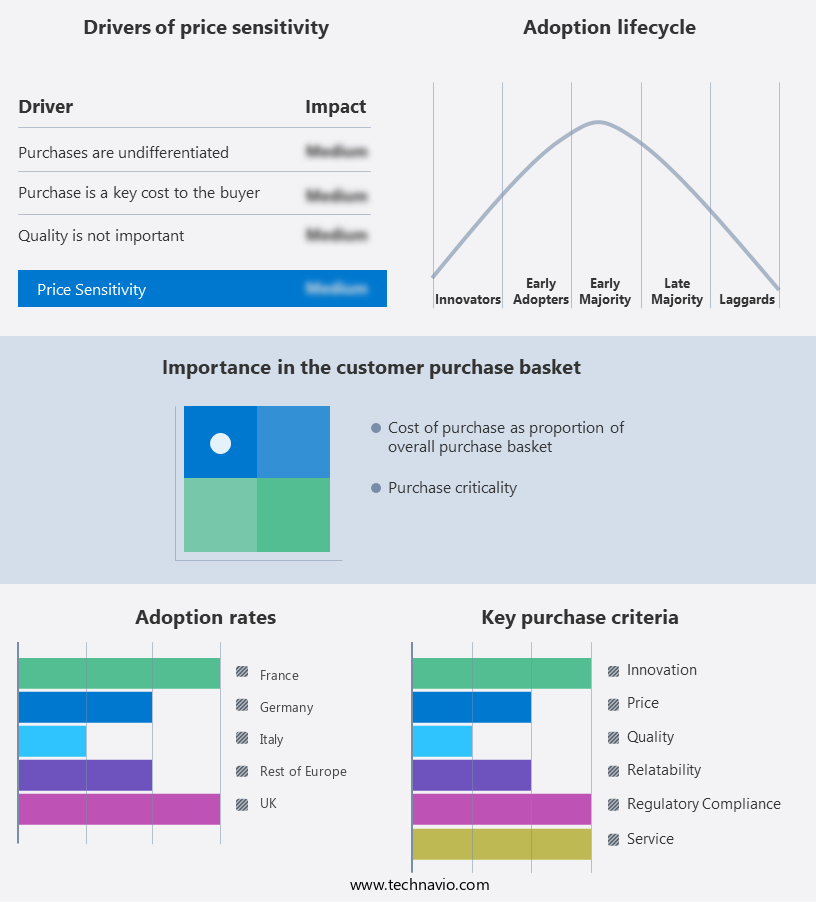
Customer Landscape
Key Companies & Market Insights
Companies are implementing various strategies, such as strategic alliances, market forecast partnerships, mergers and acquisitions, geographical expansion, and product/service launches, to enhance their presence in the market.
The market research and growth report includes detailed analyses of the competitive landscape of the market and information about key companies, including:
- Arc International
- Bormioli Rocco
- Duralex International
- Libbey Europe
- Pasabahce
- Rosenthal GmbH
- Royal Doulton
- Wedgwood
- Villeroy & Boch
- Krosno Glass
- Luigi Bormioli
- RCR Cristalleria Italiana
- Spiegelau
- Zwiesel Kristallglas
- Iittala
- Orrefors
- Holmegaard
- Lyngby Porcelain
- Denby Pottery
- Portmeirion Group
Qualitative and quantitative analysis of companies has been conducted to help clients understand the wider business environment as well as the strengths and weaknesses of key market players. Data is qualitatively analyzed to categorize companies as pure play, category-focused, industry-focused, and diversified; it is quantitatively analyzed to categorize companies as dominant, leading, strong, tentative, and weak.
Recent Development and News in Glass Tableware Market In Europe
- In February 2023, Schott AG, a leading German glass manufacturer, announced the launch of its new product line, "Noble Art," which includes exquisite, handcrafted glass tableware. This expansion aims to cater to the growing demand for premium and unique tableware offerings in the European market (Schott AG Press Release, 2023).
- In March 2024, French glass tableware manufacturer, Baccarat, entered into a strategic partnership with renowned French chef Alain Ducasse. The collaboration resulted in the creation of a bespoke collection of tableware, designed to complement Ducasse's haute cuisine. This alliance not only strengthened Baccarat's brand image but also expanded its reach within the luxury dining segment (Baccarat Press Release, 2024).
- In May 2024, the European Union introduced new regulations on lead crystal glass tableware, limiting the amount of lead content to 25 parts per million. This initiative aimed to ensure consumer safety and reduce potential health risks associated with lead crystal glassware (European Commission Regulation, 2024).
Research Analyst Overview
The European glass tableware market exhibits a dynamic and evolving landscape, with various sectors continually adapting to emerging trends and consumer preferences. Glass sculpture, a niche segment, showcases artists' creativity through intricate designs and unique forms. Storage jars, essential for food preservation, are experiencing a resurgence in popularity due to the growing trend towards sustainable living. Manufacturing processes, such as borosilicate glass production and hand-blown glass techniques, continue to evolve, offering enhanced durability and aesthetic appeal. Glass painting and mosaic art add a touch of elegance to table settings, while lead crystal and etched glass add a touch of sophistication.
Place settings, drinking glasses, and water glasses remain staples in the market, with ongoing innovation in designs and materials. Sustainability is a growing concern, leading to increased focus on glass recycling and the development of eco-friendly glass products. Beyond tableware, glass finds applications in various sectors, including decorative arts, industrial manufacturing, and packaging. The continuous unfolding of market activities and evolving patterns underscore the market's inherent dynamism and promise for future growth.
Dive into Technavio's robust research methodology, blending expert interviews, extensive data synthesis, and validated models for unparalleled Glass Tableware Market in Europe insights. See full methodology.
|
Market Scope |
|
|
Report Coverage |
Details |
|
Page number |
16 |
|
Base year |
2023 |
|
Historic period |
2018-2022 |
|
Forecast period |
2024-2028 |
|
Growth momentum & CAGR |
Accelerate at a CAGR of 2.99% |
|
Market growth 2024-2028 |
USD 416.22 million |
|
Market structure |
Fragmented |
|
YoY growth 2023-2024(%) |
2.77 |
|
Competitive landscape |
Leading Companies, Market Positioning of Companies, Competitive Strategies, and Industry Risks |
What are the Key Data Covered in this Market Research Report?
- CAGR of the market during the forecast period
- Detailed information on factors that will drive the market growth and forecasting between 2024 and 2028
- Precise estimation of the size of the market and its contribution of the market in focus to the parent market
- Accurate predictions about upcoming market growth and trends and changes in consumer behaviour
- Growth of the market across Europe
- Thorough analysis of the market's competitive landscape and detailed information about companies
- Comprehensive analysis of factors that will challenge the growth of market companies
We can help! Our analysts can customize this market research report to meet your requirements Get in touch
 RIA -
RIA - 
