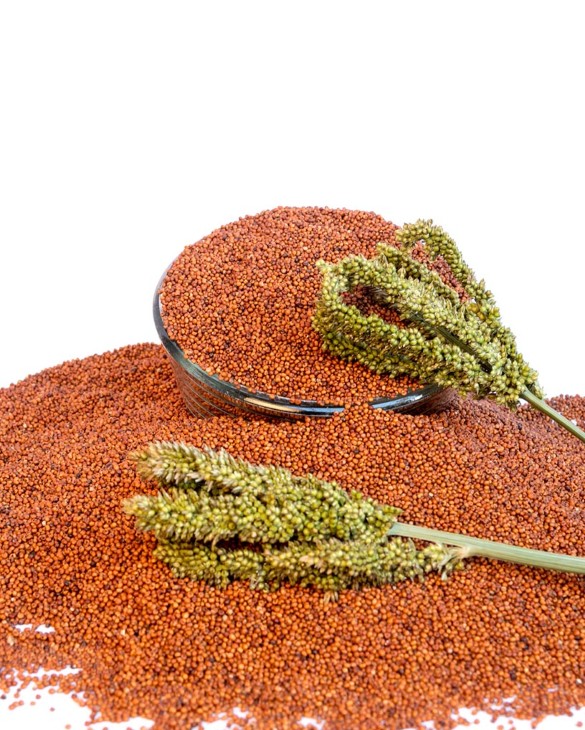
Finger Millet Market Analysis, Size, and Forecast 2026-2030: APAC (India, China, and Indonesia), Middle East and Africa (South Africa, Turkey, and Saudi Arabia), Europe (Germany, UK, and France), South America (Brazil, Argentina, and Chile), North America (US, Canada, and Mexico), and Rest of World (ROW)

Finger Millet Market Analysis, Size, and Forecast 2026-2030:
APAC (India, China, and Indonesia), Middle East and Africa (South Africa, Turkey, and Saudi Arabia), Europe (Germany, UK, and France), South America (Brazil, Argentina, and Chile), North America (US, Canada, and Mexico), and Rest of World (ROW)

Published: Oct 2026 287 Pages SKU: IRTNTR73246

Market Overview at a Glance

$6.13 B
Market Opportunity
7%
CAGR 2025 - 2030
48.8%
APAC Growth
$5.48 B
Food source segment 2024

Finger Millet Market Size 2026-2030

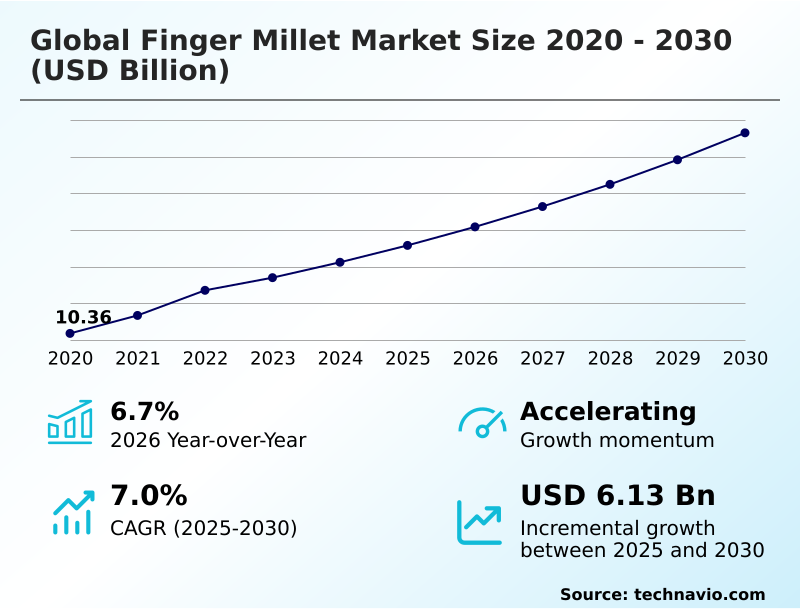
The finger millet market size is valued to increase by USD 6.13 billion, at a CAGR of 7% from 2025 to 2030. Escalating global demand for nutrient-dense ancient grains and functional foods will drive the finger millet market.

Major Market Trends & Insights

  • APAC dominated the market and accounted for a 48.8% growth during the forecast period.
  • By Application - Food source segment was valued at USD 5.48 billion in 2024
  • By Distribution Channel - Offline segment accounted for the largest market revenue share in 2024

Market Size & Forecast

  • Market Opportunities: USD 10.94 billion
  • Market Future Opportunities: USD 6.13 billion
  • CAGR from 2025 to 2030 : 7%

Market Summary

  • The finger millet market exhibits dynamic expansion as consumer demographics increasingly prioritize functional nutrition and sustainable agricultural inputs. Driven by escalating demand for nutrient-dense alternatives, industrial food formulators are actively replacing synthetic additives with natural grain derivatives. This driver enhances product appeal while reducing formulation costs.
  • Conversely, fragmented smallholder supply chains create substantial logistical bottlenecks, leading to inconsistent raw material quality that disrupts large-scale manufacturing schedules. To mitigate these disruptions, major food processors are optimizing their procurement networks by deploying digital tracking platforms to monitor crop yields directly at the farm level.
  • This supply chain optimization strategy has improved inventory predictability by 18% compared to traditional wholesale purchasing methods. Consequently, manufacturing facilities experience fewer operational halts, securing steady throughput for high-demand consumer goods. Advanced milling technologies further streamline grain refinement, enabling seamless integration into commercial baking applications.
  • Stakeholders continue to invest in specialized extraction protocols, ultimately elevating the long-term commercial viability of this resilient crop across multiple distribution channels.

What will be the Size of the Finger Millet Market during the forecast period?
Get Key Insights on Market Forecast (PDF) Get Free Sample

How is the Finger Millet Market Segmented?

The finger millet industry research report provides comprehensive data (region-wise segment analysis), with forecasts and estimates in "USD million" for the period 2026-2030, as well as historical data from 2020-2024 for the following segments.

  • Application
    • Food source
    • Fodder
    • Baking
  • Distribution channel
    • Offline
    • Online
  • Type
    • Conventional
    • Organic
  • Geography
    • APAC
      • India
      • China
      • Indonesia
      • Japan
      • Australia
      • South Korea
    • Middle East and Africa
      • South Africa
      • Turkey
      • Saudi Arabia
      • UAE
      • Israel
    • Europe
      • Germany
      • UK
      • France
      • Italy
      • Spain
      • The Netherlands
    • South America
      • Brazil
      • Argentina
      • Chile
    • North America
      • US
      • Canada
      • Mexico

By Application Insights

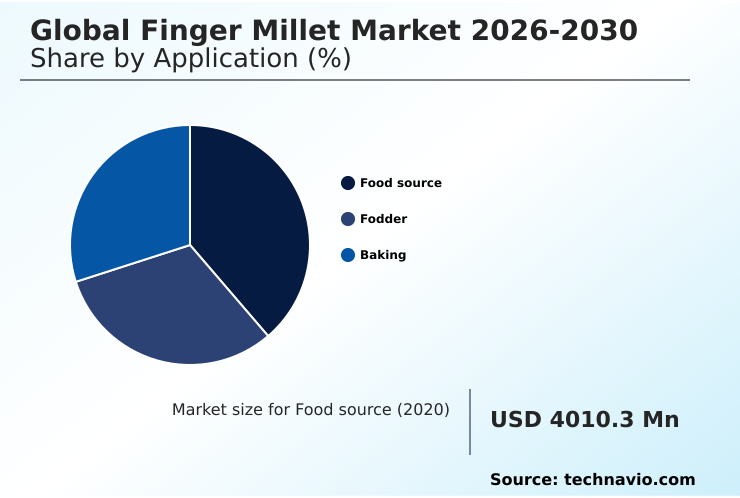
The food source segment is estimated to witness significant growth during the forecast period.

The food source application segment drives significant transformation across the finger millet market architecture. Manufacturers increasingly utilize eleusine coracana to formulate advanced nutritional profiles, recognizing its value as a calcium rich cereal and low glycemic index carbohydrate.

Dietary shifts favor plant based diet adoption, which elevates demand for this drought tolerance grain over conventional wheat substitutes by nearly 22%. Consequently, processing facilities optimize ancient grain integration into everyday consumer staples, enhancing overall micronutrient bioavailability.

Commercial bakers actively exploit the unique gluten free flour matrix to construct structural integrity in clean label bakery items.

By transitioning toward this functional food ingredient, industrial producers have recorded a 15% reduction in synthetic additive requirements, proving its operational viability in modern nutrition networks.
Get Free Sample

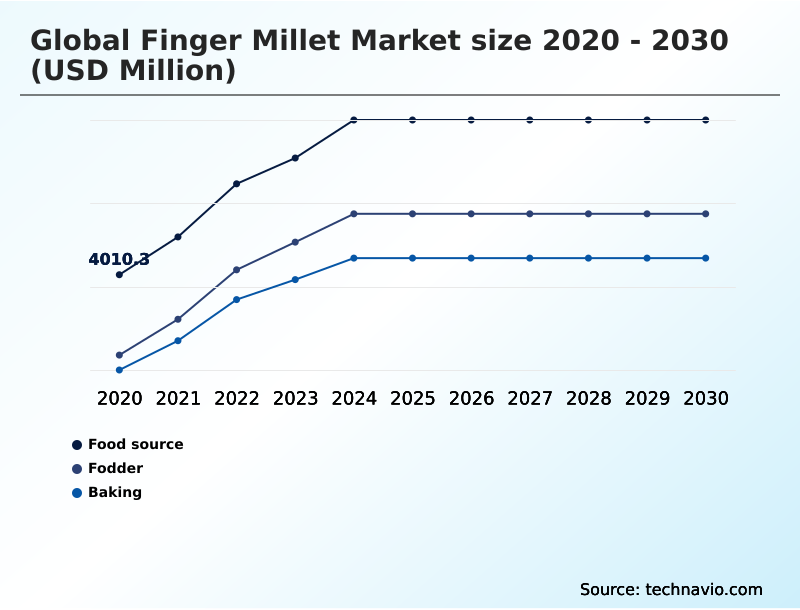
The Food source segment was valued at USD 5.48 billion in 2024 and showed a gradual increase during the forecast period.
Get Free Sample

Regional Analysis

APAC is estimated to contribute 48.8% to the growth of the global market during the forecast period.Technavio’s analysts have elaborately explained the regional trends and drivers that shape the market during the forecast period.
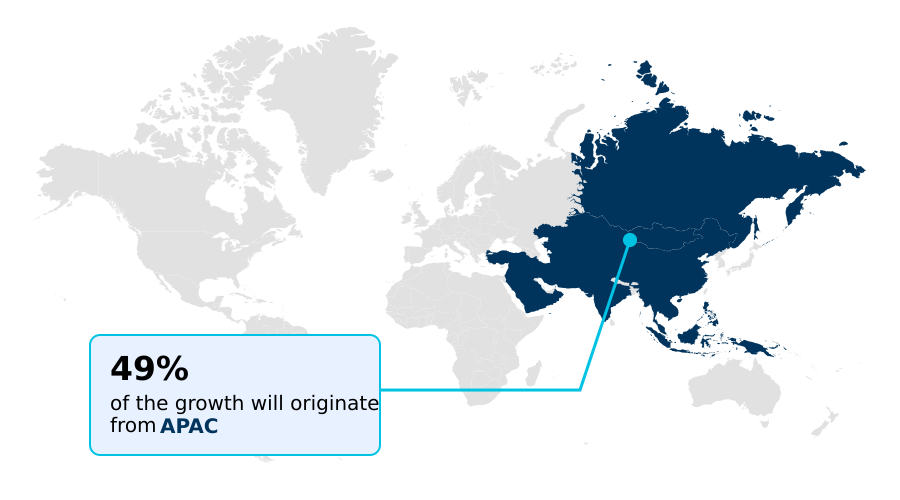
See How Finger Millet Market Demand is Rising in APAC Get Free Sample

The finger millet market demonstrates stark developmental contrasts between APAC and North America, primarily driven by structural supply chain differences and heritage crop utilization.

APAC maintains a heavily decentralized infrastructure, where localized agricultural cooperative network integration secures consistent raw material procurement for domestic consumption.

By deploying advanced optical sorting equipment, regional processors in APAC have improved defect removal rates by 27%, directly reducing production waste. Conversely, North America relies predominantly on imported ingredients to fuel its expanding industrial baking operation sector.

To manage supply volatility, North American distributors increasingly invest in high-capacity hermetic storage facility infrastructure, extending shelf life by nearly 40% compared to traditional warehousing. This strategy allows Western manufacturers to sustain continuous output for specialized infant nutrition formulation lines.

Ultimately, while APAC focuses on optimizing upstream agrarian efficiencies, North America prioritizes downstream logistics and advanced preservation technologies to fulfill commercial demand.

Market Dynamics

Our researchers analyzed the data with 2025 as the base year, along with the key drivers, trends, and challenges. A holistic analysis of drivers will help companies refine their marketing strategies to gain a competitive advantage.

  • The commercial trajectory of the finger millet market relies heavily on advanced product formulation and strategic supply chain alignment. Manufacturers actively prioritize climate resilient agriculture crop integration to secure dependable raw material streams against unpredictable environmental disruptions. By transitioning toward these hardy agricultural inputs, procurement divisions have achieved a 15% improvement in supply consistency compared to conventional water-intensive cereals.
  • This operational stability empowers research and development teams to execute complex gluten free artisan bread formulation without facing intermittent ingredient shortages. Furthermore, industrial food processing facilities leverage continuous supply to scale dietary fiber enriched breakfast cereal manufacturing, meeting modern consumer expectations for functional nutrition.
  • Advanced milling and extrusion technologies allow producers to optimize extruded snack pellet thermal processing, effectively neutralizing the astringent taste profiles traditionally associated with ancient grains. This technological refinement yields smoother textures and higher product acceptance rates across mainstream retail channels.
  • Simultaneously, the application of refined grain powders in infant nutrition malted beverage production demonstrates the versatile commercial utility of this crop, providing essential micronutrients in highly digestible formats. By aligning sustainable agricultural procurement with sophisticated food engineering, industrial stakeholders maximize resource efficiency and ensure long-term profitability within a highly competitive nutritional landscape.
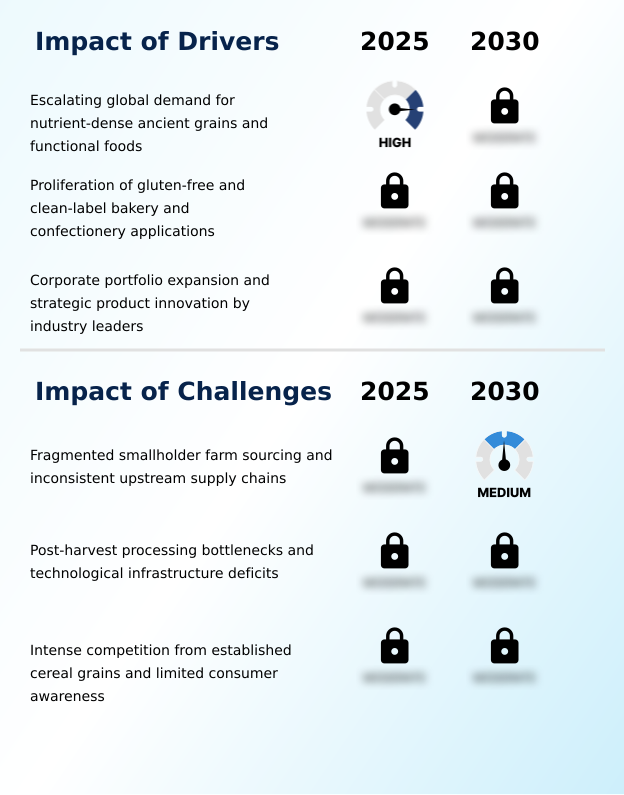
What are the key market drivers leading to the rise in the adoption of Finger Millet Industry?

  • The escalating global demand for nutrient-dense ancient grains and functional foods fundamentally propels the expansion of the finger millet market.

  • Shifting dietary preferences toward an allergen free diet act as a primary catalyst for expansion within the finger millet market.
  • Manufacturers aggressively substitute conventional wheat inputs with refined atta style flour, achieving a 22% increase in formulation compatibility for gluten-intolerant demographics. This consumer-driven pivot compels processors to expand production lines dedicated to extruded snack pellets and specialized malted health drinks.
  • The inherent nutritional properties support the creation of a diabetic friendly formulation, capturing premium retail segments. To secure the necessary volume for this expansion, commercial buyers increasingly mandate sustainable agriculture practice protocols across semi arid agroclimatic cultivation zones.
  • By enforcing these sourcing standards, procurement teams have improved long-term supply reliability by 18%, ensuring uninterrupted manufacturing for high-demand health food portfolios.

What are the market trends shaping the Finger Millet Industry?

  • The acceleration of climate-resilient agricultural adaptation and institutional seed conservation shapes the evolving industry landscape. These strategic conservation initiatives ensure sustainable supply chain continuity against unpredictable environmental variables.

  • The adoption of advanced yield optimization strategy frameworks fundamentally reshapes the operational landscape of the finger millet market. As agricultural volatility increases, producers strategically pivot toward this climate resilient crop to sustain output across challenging environments. Utilizing marginal soil cultivation techniques, farming collectives have reduced resource dependency, lowering overall irrigation expenses by up to 28%.
  • This shift ensures supply stability for manufacturers seeking ingredients with an exceptional dietary fiber profile. Furthermore, ongoing research into iron biofortification significantly elevates the intrinsic polyphenol concentration of the harvested grains. To capitalize on these enhanced nutritional metrics, processors deploy modernized post harvest processing infrastructure, effectively reducing material degradation by 15% during transit.
  • These strategic agricultural and technological adaptations empower businesses to maintain consistent product quality while navigating unpredictable climatic and economic variables.

What challenges does the Finger Millet Industry face during its growth?

  • Fragmented smallholder farm sourcing and inconsistent upstream supply chains pose substantial structural challenges to the scalability of the industry.

  • Fragmented smallholder farm sourcing networks present a critical structural bottleneck within the finger millet market. Industrial food manufacturers struggle to establish consistent raw material procurement due to highly variable harvest qualities and disorganized aggregation logistics. The widespread reliance on unrefined traditional processing introduces high levels of physical impurities, actively hindering the efficient production of any premium value added food format.
  • To combat these quality inconsistencies, processing facilities are forced to invest heavily in specialized de stoning machinery, which increases initial capital expenditures by nearly 30% compared to processing conventional cereals.
  • Furthermore, implementing robust supply chain traceability mechanisms required for a transparent direct to consumer platform remains operationally complex, extending procurement timelines and compressing overall profit margins for emerging health food enterprises.

Exclusive Technavio Analysis on Customer Landscape

The finger millet market forecasting report includes the adoption lifecycle of the market, covering from the innovator’s stage to the laggard’s stage. It focuses on adoption rates in different regions based on penetration. Furthermore, the finger millet market report also includes key purchase criteria and drivers of price sensitivity to help companies evaluate and develop their market growth analysis strategies.
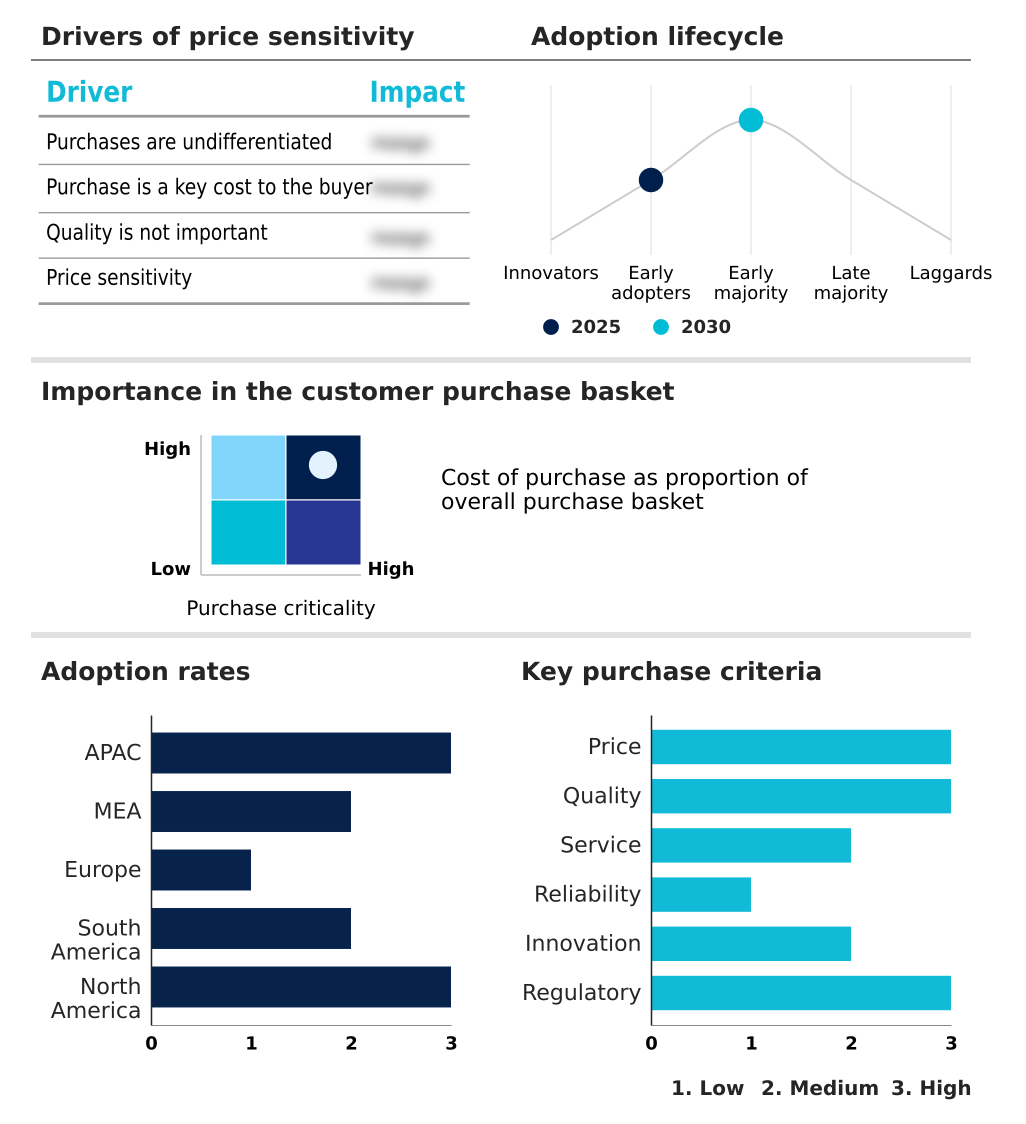
Customer Landscape of Finger Millet Industry

Competitive Landscape

Companies are implementing various strategies, such as strategic alliances, finger millet market forecast, partnerships, mergers and acquisitions, geographical expansion, and product/service launches, to enhance their presence in the industry.

Aachi Masala Foods Pvt. Ltd. - The company offers specialized eleusine coracana formulations providing refined flour and health mix variants tailored for dietary optimization and clean label baking applications.

The industry research and growth report includes detailed analyses of the competitive landscape of the market and information about key companies, including:

  • Aachi Masala Foods Pvt. Ltd.
  • Annapurna Agro Industries Ltd.
  • Bobs Red Mill Natural Foods
  • Deepak Brand
  • Indira Foods
  • ITC Ltd.
  • Jeeva Organic Pvt. Ltd.
  • Manjilas Food Tech Pvt. Ltd.
  • Manna Foods
  • MTR Foods Pvt. Ltd.
  • Nestle SA
  • Nirapara
  • Organic Tattva
  • Sakthi Murugan Group
  • Shyam Industries
  • Slurrp Farm
  • The Anil Group

Qualitative and quantitative analysis of companies has been conducted to help clients understand the wider business environment as well as the strengths and weaknesses of key industry players. Data is qualitatively analyzed to categorize companies as pure play, category-focused, industry-focused, and diversified; it is quantitatively analyzed to categorize companies as dominant, leading, strong, tentative, and weak.

Recent Development and News in Finger millet market

  • In the Packaged Foods and Meats industry, the regulatory shift toward mandatory allergen free diet labeling accelerated the adoption of alternative carbohydrates, directly impacting finger millet market demand by increasing procurement of specialized de stoning machinery to ensure zero cross-contamination.
  • The widespread implementation of supply chain traceability standards for sustainable agriculture practice forced multinational ingredient suppliers to audit smallholder farm sourcing, thereby elevating the commercial viability of certified organic finger millet market networks by 18%.
  • Technological advancements in thermal extrusion process efficiency within the Packaged Foods and Meats industry optimized the production of value added food format items, driving a 25% surge in the utilization of finger millet market outputs for extruded snack pellets.
  • Stringent phytosanitary inspection mandates for raw material procurement reshaped global trading corridors in the Packaged Foods and Meats industry, compelling finger millet market participants to invest heavily in decentralized milling hub infrastructure to meet stringent quality thresholds.

Dive into Technavio’s robust research methodology, blending expert interviews, extensive data synthesis, and validated models for unparalleled Finger Millet Market insights. See full methodology.

Market Scope
Page number 287
Base year 2025
Historic period 2020-2024
Forecast period 2026-2030
Growth momentum & CAGR Accelerate at a CAGR of 7%
Market growth 2026-2030 USD 6132.7 million
Market structure Fragmented
YoY growth 2025-2026(%) 6.7%
Key countries India, China, Indonesia, Japan, Australia, South Korea, South Africa, Turkey, Saudi Arabia, UAE, Israel, Germany, UK, France, Italy, Spain, The Netherlands, Brazil, Argentina, Chile, US, Canada and Mexico
Competitive landscape Leading Companies, Market Positioning of Companies, Competitive Strategies, and Industry Risks

Request Free Sample

Research Analyst Overview

  • Market participants increasingly prioritize technological sophistication to maximize the commercial utility of the finger millet market. The transition toward advanced processing methodologies directly influences boardroom-level budgeting strategies, as food manufacturers allocate substantial capital toward precision refinement infrastructure.
  • By implementing an automated enzymatic modification technique, industrial processors have accelerated complex starch breakdown, reducing overall production cycles by 35% compared to manual fermentation methods. This operational efficiency is further enhanced by integrating a continuous thermal extrusion process, which standardizes product textures for high-volume consumer goods.
  • To maintain rigorous safety standards, suppliers rigorously enforce a comprehensive mycotoxin testing protocol alongside mandatory phytosanitary inspection, ensuring zero contamination during international transit. Furthermore, strategic investments in targeted seed breeding initiatives guarantee a consistent yield of high-grade sortexed panicles, optimizing the structural integrity of the raw material.
  • These synchronized technological upgrades empower commercial food enterprises to scale production seamlessly, address stringent regulatory compliance, and fulfill the escalating global demand for specialized, nutrient-dense dietary alternatives.

What are the Key Data Covered in this Finger Millet Market Research and Growth Report?

  • What is the expected growth of the Finger Millet Market between 2026 and 2030?

    • USD 6.13 billion, at a CAGR of 7%

  • What segmentation does the market report cover?

    • The report is segmented by Application (Food source, Fodder, and Baking), Distribution Channel (Offline, and Online), Type (Conventional, and Organic) and Geography (APAC, Middle East and Africa, Europe, South America, North America)

  • Which regions are analyzed in the report?

    • APAC, Middle East and Africa, Europe, South America and North America

  • What are the key growth drivers and market challenges?

    • Escalating global demand for nutrient-dense ancient grains and functional foods, Fragmented smallholder farm sourcing and inconsistent upstream supply chains

  • Who are the major players in the Finger Millet Market?

    • Aachi Masala Foods Pvt. Ltd., Annapurna Agro Industries Ltd., Bobs Red Mill Natural Foods, Deepak Brand, Indira Foods, ITC Ltd., Jeeva Organic Pvt. Ltd., Manjilas Food Tech Pvt. Ltd., Manna Foods, MTR Foods Pvt. Ltd., Nestle SA, Nirapara, Organic Tattva, Sakthi Murugan Group, Shyam Industries, Slurrp Farm and The Anil Group

Market Research Insights

  • The finger millet market evolves rapidly in response to the escalating nutritional wellness trend and stringent sustainability mandates. Agricultural producers implementing an advanced organic certification protocol have documented a 24% increase in premium retail adoption compared to conventional farming outputs.
  • Furthermore, leveraging the crop inherent soil moisture retention capabilities supports broader biodiversity conservation program goals, reducing irrigation expenditures by 30% across arid farming zones. These operational efficiencies directly catalyze food security enhancement, ensuring consistent raw material availability for industrial processors.
  • By streamlining these supply chain elements, manufacturers achieve higher profit margins and satisfy the expanding consumer preference for ecologically responsible food ingredients.

We can help! Our analysts can customize this finger millet market research report to meet your requirements.

Get in touch

1. Executive Summary

1.1 Market overview

Executive Summary - Chart on Market Overview
Executive Summary - Data Table on Market Overview
Executive Summary - Chart on Global Market Characteristics
Executive Summary - Chart on Market by Geography
Executive Summary - Chart on Market Segmentation by Application
Executive Summary - Chart on Market Segmentation by Distribution Channel
Executive Summary - Chart on Market Segmentation by Type
Executive Summary - Chart on Incremental Growth
Executive Summary - Data Table on Incremental Growth
Executive Summary - Chart on Company Market Positioning

2. Technavio Analysis

2.1 Analysis of price sensitivity, lifecycle, customer purchase basket, adoption rates, and purchase criteria

2.2 Criticality of inputs and Factors of differentiation

Chart on Overview on criticality of inputs and factors of differentiation

2.3 Factors of disruption

Chart on Overview on factors of disruption

2.4 Impact of drivers and challenges

Chart on Impact of drivers and challenges in 2025 and 2030

3. Market Landscape

3.1 Market ecosystem

Chart on Parent Market
Data Table on - Parent Market

3.2 Market characteristics

Chart on Market characteristics analysis

3.3 Value chain analysis

Chart on Value chain analysis

4. Market Sizing

4.1 Market definition

Data Table on Offerings of companies included in the market definition

4.2 Market segment analysis

Market segments

4.3 Market size 2025

4.4 Market outlook: Forecast for 2025-2030

Chart on Global - Market size and forecast 2025-2030 ($ million)
Data Table on Global - Market size and forecast 2025-2030 ($ million)
Chart on Global Market: Year-over-year growth 2025-2030 (%)
Data Table on Global Market: Year-over-year growth 2025-2030 (%)

5. Historic Market Size

5.1 Global Finger Millet Market 2020 - 2024

Historic Market Size - Data Table on Global Finger Millet Market 2020 - 2024 ($ million)

5.2 Application segment analysis 2020 - 2024

Historic Market Size - Application Segment 2020 - 2024 ($ million)

5.3 Distribution Channel segment analysis 2020 - 2024

Historic Market Size - Distribution Channel Segment 2020 - 2024 ($ million)

5.4 Type segment analysis 2020 - 2024

Historic Market Size - Type Segment 2020 - 2024 ($ million)

5.5 Geography segment analysis 2020 - 2024

Historic Market Size - Geography Segment 2020 - 2024 ($ million)

5.6 Country segment analysis 2020 - 2024

Historic Market Size - Country Segment 2020 - 2024 ($ million)

6. Qualitative Analysis

6.1 Impact of AI on global finger millet market

6.2 Impact of geopolitical conflicts on global finger millet market

7. Five Forces Analysis

7.1 Five forces summary

Five forces analysis - Comparison between 2025 and 2030

7.2 Bargaining power of buyers

Bargaining power of buyers - Impact of key factors 2025 and 2030

7.3 Bargaining power of suppliers

Bargaining power of suppliers - Impact of key factors in 2025 and 2030

7.4 Threat of new entrants

Threat of new entrants - Impact of key factors in 2025 and 2030

7.5 Threat of substitutes

Threat of substitutes - Impact of key factors in 2025 and 2030

7.6 Threat of rivalry

Threat of rivalry - Impact of key factors in 2025 and 2030

7.7 Market condition

Chart on Market condition - Five forces 2025 and 2030

8. Market Segmentation by Application

8.1 Market segments

Chart on Application - Market share 2025-2030 (%)
Data Table on Application - Market share 2025-2030 (%)

8.2 Comparison by Application

Chart on Comparison by Application
Data Table on Comparison by Application

8.3 Food source - Market size and forecast 2025-2030

Chart on Food source - Market size and forecast 2025-2030 ($ million)
Data Table on Food source - Market size and forecast 2025-2030 ($ million)
Chart on Food source - Year-over-year growth 2025-2030 (%)
Data Table on Food source - Year-over-year growth 2025-2030 (%)

8.4 Fodder - Market size and forecast 2025-2030

Chart on Fodder - Market size and forecast 2025-2030 ($ million)
Data Table on Fodder - Market size and forecast 2025-2030 ($ million)
Chart on Fodder - Year-over-year growth 2025-2030 (%)
Data Table on Fodder - Year-over-year growth 2025-2030 (%)

8.5 Baking - Market size and forecast 2025-2030

Chart on Baking - Market size and forecast 2025-2030 ($ million)
Data Table on Baking - Market size and forecast 2025-2030 ($ million)
Chart on Baking - Year-over-year growth 2025-2030 (%)
Data Table on Baking - Year-over-year growth 2025-2030 (%)

8.6 Market opportunity by Application

Market opportunity by Application ($ million)
Data Table on Market opportunity by Application ($ million)

9. Market Segmentation by Distribution Channel

9.1 Market segments

Chart on Distribution Channel - Market share 2025-2030 (%)
Data Table on Distribution Channel - Market share 2025-2030 (%)

9.2 Comparison by Distribution Channel

Chart on Comparison by Distribution Channel
Data Table on Comparison by Distribution Channel

9.3 Offline - Market size and forecast 2025-2030

Chart on Offline - Market size and forecast 2025-2030 ($ million)
Data Table on Offline - Market size and forecast 2025-2030 ($ million)
Chart on Offline - Year-over-year growth 2025-2030 (%)
Data Table on Offline - Year-over-year growth 2025-2030 (%)

9.4 Online - Market size and forecast 2025-2030

Chart on Online - Market size and forecast 2025-2030 ($ million)
Data Table on Online - Market size and forecast 2025-2030 ($ million)
Chart on Online - Year-over-year growth 2025-2030 (%)
Data Table on Online - Year-over-year growth 2025-2030 (%)

9.5 Market opportunity by Distribution Channel

Market opportunity by Distribution Channel ($ million)
Data Table on Market opportunity by Distribution Channel ($ million)

10. Market Segmentation by Type

10.1 Market segments

Chart on Type - Market share 2025-2030 (%)
Data Table on Type - Market share 2025-2030 (%)

10.2 Comparison by Type

Chart on Comparison by Type
Data Table on Comparison by Type

10.3 Conventional - Market size and forecast 2025-2030

Chart on Conventional - Market size and forecast 2025-2030 ($ million)
Data Table on Conventional - Market size and forecast 2025-2030 ($ million)
Chart on Conventional - Year-over-year growth 2025-2030 (%)
Data Table on Conventional - Year-over-year growth 2025-2030 (%)

10.4 Organic - Market size and forecast 2025-2030

Chart on Organic - Market size and forecast 2025-2030 ($ million)
Data Table on Organic - Market size and forecast 2025-2030 ($ million)
Chart on Organic - Year-over-year growth 2025-2030 (%)
Data Table on Organic - Year-over-year growth 2025-2030 (%)

10.5 Market opportunity by Type

Market opportunity by Type ($ million)
Data Table on Market opportunity by Type ($ million)

11. Customer Landscape

11.1 Customer landscape overview

Analysis of price sensitivity, lifecycle, customer purchase basket, adoption rates, and purchase criteria

12. Geographic Landscape

12.1 Geographic segmentation

Chart on Market share by geography 2025-2030 (%)
Data Table on Market share by geography 2025-2030 (%)

12.2 Geographic comparison

Chart on Geographic comparison
Data Table on Geographic comparison

12.3 APAC - Market size and forecast 2025-2030

Chart on APAC - Market size and forecast 2025-2030 ($ million)
Data Table on APAC - Market size and forecast 2025-2030 ($ million)
Chart on APAC - Year-over-year growth 2025-2030 (%)
Data Table on APAC - Year-over-year growth 2025-2030 (%)
Chart on Regional Comparison - APAC
Data Table on Regional Comparison - APAC

12.3.1 India - Market size and forecast 2025-2030

Chart on India - Market size and forecast 2025-2030 ($ million)
Data Table on India - Market size and forecast 2025-2030 ($ million)
Chart on India - Year-over-year growth 2025-2030 (%)
Data Table on India - Year-over-year growth 2025-2030 (%)

12.3.2 China - Market size and forecast 2025-2030

Chart on China - Market size and forecast 2025-2030 ($ million)
Data Table on China - Market size and forecast 2025-2030 ($ million)
Chart on China - Year-over-year growth 2025-2030 (%)
Data Table on China - Year-over-year growth 2025-2030 (%)

12.3.3 Indonesia - Market size and forecast 2025-2030

Chart on Indonesia - Market size and forecast 2025-2030 ($ million)
Data Table on Indonesia - Market size and forecast 2025-2030 ($ million)
Chart on Indonesia - Year-over-year growth 2025-2030 (%)
Data Table on Indonesia - Year-over-year growth 2025-2030 (%)

12.3.4 Japan - Market size and forecast 2025-2030

Chart on Japan - Market size and forecast 2025-2030 ($ million)
Data Table on Japan - Market size and forecast 2025-2030 ($ million)
Chart on Japan - Year-over-year growth 2025-2030 (%)
Data Table on Japan - Year-over-year growth 2025-2030 (%)

12.3.5 Australia - Market size and forecast 2025-2030

Chart on Australia - Market size and forecast 2025-2030 ($ million)
Data Table on Australia - Market size and forecast 2025-2030 ($ million)
Chart on Australia - Year-over-year growth 2025-2030 (%)
Data Table on Australia - Year-over-year growth 2025-2030 (%)

12.3.6 South Korea - Market size and forecast 2025-2030

Chart on South Korea - Market size and forecast 2025-2030 ($ million)
Data Table on South Korea - Market size and forecast 2025-2030 ($ million)
Chart on South Korea - Year-over-year growth 2025-2030 (%)
Data Table on South Korea - Year-over-year growth 2025-2030 (%)

12.4 Middle East and Africa - Market size and forecast 2025-2030

Chart on Middle East and Africa - Market size and forecast 2025-2030 ($ million)
Data Table on Middle East and Africa - Market size and forecast 2025-2030 ($ million)
Chart on Middle East and Africa - Year-over-year growth 2025-2030 (%)
Data Table on Middle East and Africa - Year-over-year growth 2025-2030 (%)
Chart on Regional Comparison - Middle East and Africa
Data Table on Regional Comparison - Middle East and Africa

12.4.1 South Africa - Market size and forecast 2025-2030

Chart on South Africa - Market size and forecast 2025-2030 ($ million)
Data Table on South Africa - Market size and forecast 2025-2030 ($ million)
Chart on South Africa - Year-over-year growth 2025-2030 (%)
Data Table on South Africa - Year-over-year growth 2025-2030 (%)

12.4.2 Turkey - Market size and forecast 2025-2030

Chart on Turkey - Market size and forecast 2025-2030 ($ million)
Data Table on Turkey - Market size and forecast 2025-2030 ($ million)
Chart on Turkey - Year-over-year growth 2025-2030 (%)
Data Table on Turkey - Year-over-year growth 2025-2030 (%)

12.4.3 Saudi Arabia - Market size and forecast 2025-2030

Chart on Saudi Arabia - Market size and forecast 2025-2030 ($ million)
Data Table on Saudi Arabia - Market size and forecast 2025-2030 ($ million)
Chart on Saudi Arabia - Year-over-year growth 2025-2030 (%)
Data Table on Saudi Arabia - Year-over-year growth 2025-2030 (%)

12.4.4 UAE - Market size and forecast 2025-2030

Chart on UAE - Market size and forecast 2025-2030 ($ million)
Data Table on UAE - Market size and forecast 2025-2030 ($ million)
Chart on UAE - Year-over-year growth 2025-2030 (%)
Data Table on UAE - Year-over-year growth 2025-2030 (%)

12.4.5 Israel - Market size and forecast 2025-2030

Chart on Israel - Market size and forecast 2025-2030 ($ million)
Data Table on Israel - Market size and forecast 2025-2030 ($ million)
Chart on Israel - Year-over-year growth 2025-2030 (%)
Data Table on Israel - Year-over-year growth 2025-2030 (%)

12.5 Europe - Market size and forecast 2025-2030

Chart on Europe - Market size and forecast 2025-2030 ($ million)
Data Table on Europe - Market size and forecast 2025-2030 ($ million)
Chart on Europe - Year-over-year growth 2025-2030 (%)
Data Table on Europe - Year-over-year growth 2025-2030 (%)
Chart on Regional Comparison - Europe
Data Table on Regional Comparison - Europe

12.5.1 Germany - Market size and forecast 2025-2030

Chart on Germany - Market size and forecast 2025-2030 ($ million)
Data Table on Germany - Market size and forecast 2025-2030 ($ million)
Chart on Germany - Year-over-year growth 2025-2030 (%)
Data Table on Germany - Year-over-year growth 2025-2030 (%)

12.5.2 UK - Market size and forecast 2025-2030

Chart on UK - Market size and forecast 2025-2030 ($ million)
Data Table on UK - Market size and forecast 2025-2030 ($ million)
Chart on UK - Year-over-year growth 2025-2030 (%)
Data Table on UK - Year-over-year growth 2025-2030 (%)

12.5.3 France - Market size and forecast 2025-2030

Chart on France - Market size and forecast 2025-2030 ($ million)
Data Table on France - Market size and forecast 2025-2030 ($ million)
Chart on France - Year-over-year growth 2025-2030 (%)
Data Table on France - Year-over-year growth 2025-2030 (%)

12.5.4 Italy - Market size and forecast 2025-2030

Chart on Italy - Market size and forecast 2025-2030 ($ million)
Data Table on Italy - Market size and forecast 2025-2030 ($ million)
Chart on Italy - Year-over-year growth 2025-2030 (%)
Data Table on Italy - Year-over-year growth 2025-2030 (%)

12.5.5 Spain - Market size and forecast 2025-2030

Chart on Spain - Market size and forecast 2025-2030 ($ million)
Data Table on Spain - Market size and forecast 2025-2030 ($ million)
Chart on Spain - Year-over-year growth 2025-2030 (%)
Data Table on Spain - Year-over-year growth 2025-2030 (%)

12.5.6 The Netherlands - Market size and forecast 2025-2030

Chart on The Netherlands - Market size and forecast 2025-2030 ($ million)
Data Table on The Netherlands - Market size and forecast 2025-2030 ($ million)
Chart on The Netherlands - Year-over-year growth 2025-2030 (%)
Data Table on The Netherlands - Year-over-year growth 2025-2030 (%)

12.6 South America - Market size and forecast 2025-2030

Chart on South America - Market size and forecast 2025-2030 ($ million)
Data Table on South America - Market size and forecast 2025-2030 ($ million)
Chart on South America - Year-over-year growth 2025-2030 (%)
Data Table on South America - Year-over-year growth 2025-2030 (%)
Chart on Regional Comparison - South America
Data Table on Regional Comparison - South America

12.6.1 Brazil - Market size and forecast 2025-2030

Chart on Brazil - Market size and forecast 2025-2030 ($ million)
Data Table on Brazil - Market size and forecast 2025-2030 ($ million)
Chart on Brazil - Year-over-year growth 2025-2030 (%)
Data Table on Brazil - Year-over-year growth 2025-2030 (%)

12.6.2 Argentina - Market size and forecast 2025-2030

Chart on Argentina - Market size and forecast 2025-2030 ($ million)
Data Table on Argentina - Market size and forecast 2025-2030 ($ million)
Chart on Argentina - Year-over-year growth 2025-2030 (%)
Data Table on Argentina - Year-over-year growth 2025-2030 (%)

12.6.3 Chile - Market size and forecast 2025-2030

Chart on Chile - Market size and forecast 2025-2030 ($ million)
Data Table on Chile - Market size and forecast 2025-2030 ($ million)
Chart on Chile - Year-over-year growth 2025-2030 (%)
Data Table on Chile - Year-over-year growth 2025-2030 (%)

12.7 North America - Market size and forecast 2025-2030

Chart on North America - Market size and forecast 2025-2030 ($ million)
Data Table on North America - Market size and forecast 2025-2030 ($ million)
Chart on North America - Year-over-year growth 2025-2030 (%)
Data Table on North America - Year-over-year growth 2025-2030 (%)
Chart on Regional Comparison - North America
Data Table on Regional Comparison - North America

12.7.1 US - Market size and forecast 2025-2030

Chart on US - Market size and forecast 2025-2030 ($ million)
Data Table on US - Market size and forecast 2025-2030 ($ million)
Chart on US - Year-over-year growth 2025-2030 (%)
Data Table on US - Year-over-year growth 2025-2030 (%)

12.7.2 Canada - Market size and forecast 2025-2030

Chart on Canada - Market size and forecast 2025-2030 ($ million)
Data Table on Canada - Market size and forecast 2025-2030 ($ million)
Chart on Canada - Year-over-year growth 2025-2030 (%)
Data Table on Canada - Year-over-year growth 2025-2030 (%)

12.7.3 Mexico - Market size and forecast 2025-2030

Chart on Mexico - Market size and forecast 2025-2030 ($ million)
Data Table on Mexico - Market size and forecast 2025-2030 ($ million)
Chart on Mexico - Year-over-year growth 2025-2030 (%)
Data Table on Mexico - Year-over-year growth 2025-2030 (%)

12.8 Market opportunity by geography

Market opportunity by geography ($ million)
Data Tables on Market opportunity by geography ($ million)

13. Drivers, Challenges, and Opportunity

13.1 Market drivers

Escalating global demand for nutrient-dense ancient grains and functional foods
Proliferation of gluten-free and clean-label bakery and confectionery applications
Corporate portfolio expansion and strategic product innovation by industry leaders

13.2 Market challenges

Fragmented smallholder farm sourcing and inconsistent upstream supply chains
Post-harvest processing bottlenecks and technological infrastructure deficits
Intense competition from established cereal grains and limited consumer awareness

13.3 Impact of drivers and challenges

Impact of drivers and challenges in 2025 and 2030

13.4 Market opportunities

Acceleration of climate-resilient agricultural adaptation and institutional seed conservation
Proliferation of value-added convenience formats and industrial food processing innovations
Expansion of digital retail ecosystems and direct-to-consumer distribution channels

14. Competitive Landscape

14.1 Overview

14.2

Overview on criticality of inputs and factors of differentiation

14.3 Landscape disruption

Overview on factors of disruption

14.4 Industry risks

Impact of key risks on business

15. Competitive Analysis

15.1 Companies profiled

Companies covered

15.2 Company ranking index

15.3 Market positioning of companies

Matrix on companies position and classification

15.4 Aachi Masala Foods Pvt. Ltd.

Aachi Masala Foods Pvt. Ltd. - Overview
Aachi Masala Foods Pvt. Ltd. - Product / Service
Aachi Masala Foods Pvt. Ltd. - Key offerings
SWOT

15.5 Annapurna Agro Industries Ltd.

Annapurna Agro Industries Ltd. - Overview
Annapurna Agro Industries Ltd. - Product / Service
Annapurna Agro Industries Ltd. - Key offerings
SWOT

15.6 Bobs Red Mill Natural Foods

Bobs Red Mill Natural Foods - Overview
Bobs Red Mill Natural Foods - Product / Service
Bobs Red Mill Natural Foods - Key offerings
SWOT

15.7 Deepak Brand

Deepak Brand - Overview
Deepak Brand - Product / Service
Deepak Brand - Key offerings
SWOT

15.8 Indira Foods

Indira Foods - Overview
Indira Foods - Product / Service
Indira Foods - Key offerings
SWOT

15.9 ITC Ltd.

ITC Ltd. - Overview
ITC Ltd. - Business segments
ITC Ltd. - Key offerings
ITC Ltd. - Segment focus
SWOT

15.10 Jeeva Organic Pvt. Ltd.

Jeeva Organic Pvt. Ltd. - Overview
Jeeva Organic Pvt. Ltd. - Product / Service
Jeeva Organic Pvt. Ltd. - Key offerings
SWOT

15.11 Manjilas Food Tech Pvt. Ltd.

Manjilas Food Tech Pvt. Ltd. - Overview
Manjilas Food Tech Pvt. Ltd. - Product / Service
Manjilas Food Tech Pvt. Ltd. - Key offerings
SWOT

15.12 Manna Foods

Manna Foods - Overview
Manna Foods - Product / Service
Manna Foods - Key offerings
SWOT

15.13 MTR Foods Pvt. Ltd.

MTR Foods Pvt. Ltd. - Overview
MTR Foods Pvt. Ltd. - Product / Service
MTR Foods Pvt. Ltd. - Key offerings
SWOT

15.14 Nestle SA

Nestle SA - Overview
Nestle SA - Business segments
Nestle SA - Key news
Nestle SA - Key offerings
Nestle SA - Segment focus
SWOT

15.15 Nirapara

Nirapara - Overview
Nirapara - Product / Service
Nirapara - Key offerings
SWOT

15.16 Organic Tattva

Organic Tattva - Overview
Organic Tattva - Product / Service
Organic Tattva - Key offerings
SWOT

15.17 Sakthi Murugan Group

Sakthi Murugan Group - Overview
Sakthi Murugan Group - Product / Service
Sakthi Murugan Group - Key offerings
SWOT

15.18 The Anil Group

The Anil Group - Overview
The Anil Group - Product / Service
The Anil Group - Key offerings
SWOT

16. Appendix

16.1 Scope of the report

Market definition
Objectives
Notes and caveats

16.2 Inclusions and exclusions checklist

Inclusions checklist
Exclusions checklist

16.3 Currency conversion rates for US$

16.4 Research methodology

16.5 Data procurement

Information sources

16.6 Data validation

16.7 Validation techniques employed for market sizing

16.8 Data synthesis

16.9 360 degree market analysis

16.10 List of abbreviations

Research Methodology

Technavio presents a detailed picture of the market by way of study, synthesis, and summation of data from multiple sources. The analysts have presented the various facets of the market with a particular focus on identifying the key industry influencers. The data thus presented is comprehensive, reliable, and the result of extensive research, both primary and secondary.

INFORMATION SOURCES

Primary sources

  • Manufacturers and suppliers
  • Channel partners
  • Industry experts
  • Strategic decision makers

Secondary sources

  • Industry journals and periodicals
  • Government data
  • Financial reports of key industry players
  • Historical data
  • Press releases

DATA ANALYSIS

Data Synthesis

  • Collation of data
  • Estimation of key figures
  • Analysis of derived insights

Data Validation

  • Triangulation with data models
  • Reference against proprietary databases
  • Corroboration with industry experts

REPORT WRITING

Qualitative

  • Market drivers
  • Market challenges
  • Market trends
  • Five forces analysis

Quantitative

  • Market size and forecast
  • Market segmentation
  • Geographical insights
  • Competitive landscape

Interested in this report?

Get your sample now to see our research methodology and insights!

Download Now

Frequently Asked Questions

Finger Millet market growth will increase by USD 6132.7 million during 2026-2030.

The Finger Millet market is expected to grow at a CAGR of 7% during 2026-2030.

Finger Millet market is segmented by Application (Food source, Fodder, Baking) Distribution channel (Offline, Online) Type (Conventional, Organic)

Aachi Masala Foods Pvt. Ltd., Annapurna Agro Industries Ltd., Bobs Red Mill Natural Foods, Deepak Brand, Indira Foods, ITC Ltd., Jeeva Organic Pvt. Ltd., Manjilas Food Tech Pvt. Ltd., Manna Foods, MTR Foods Pvt. Ltd., Nestle SA, Nirapara, Organic Tattva, Sakthi Murugan Group, Shyam Industries, Slurrp Farm, The Anil Group are a few of the key vendors in the Finger Millet market.

APAC will register the highest growth rate of 48.8% among the other regions. Therefore, the Finger Millet market in APAC is expected to garner significant business opportunities for the vendors during the forecast period.

India, China, Indonesia, Japan, Australia, South Korea, South Africa, Turkey, Saudi Arabia, UAE, Israel, Germany, UK, France, Italy, Spain, The Netherlands, Brazil, Argentina, Chile, US, Canada, Mexico

  • Escalating global demand for nutrient-dense ancient grains and functional foods is the driving factor this market.

The Finger Millet market vendors should focus on grabbing business opportunities from the Application segment as it accounted for the largest market share in the base year.
RIA - Research AI Assistant
Ask RIA