


Flour Market Analysis APAC, Europe, North America, South America, Middle East and Africa - China, India, US, Germany, France - Size and Forecast 2024-2028

Flour Market Analysis APAC, Europe, North America, South America, Middle East and Africa - China, India, US, Germany, France - Size and Forecast 2024-2028

Published: Jul 2024 165 Pages SKU: IRTNTR76147

Market Overview at a Glance

$41.16 B
Market Opportunity
4.36%
CAGR
4.11
YoY growth 2023-2024(%)

Flour Market Size 2024-2028 

The flour market size is forecast to increase by USD 41.16 billion at a CAGR of 4.36% between 2023 and 2028.

  • The market is witnessing significant growth due to the increasing demand for bakery items, particularly in the US and North America. This trend is driven by the rising preference for convenient and ready-to-eat food options. Soya flour is used as a protein source in various industries, while flavored flours add taste and variety to food products. Additionally, flour is used In the production of bioplastics and glue, further expanding its applications. However, the market faces challenges due to the high manufacturing and production costs associated with the fermentation process of wheat flour. These costs can be attributed to the use of expensive raw materials and the energy-intensive production process. Despite these challenges, the market is expected to continue its growth trajectory, driven by the increasing consumer preference for bakery products and the growing trend towards healthier food options. The market analysis report provides a comprehensive study of these trends and growth factors, offering valuable insights to stakeholders and industry participants.

What will be the Size of the Flour Market During the Forecast Period?
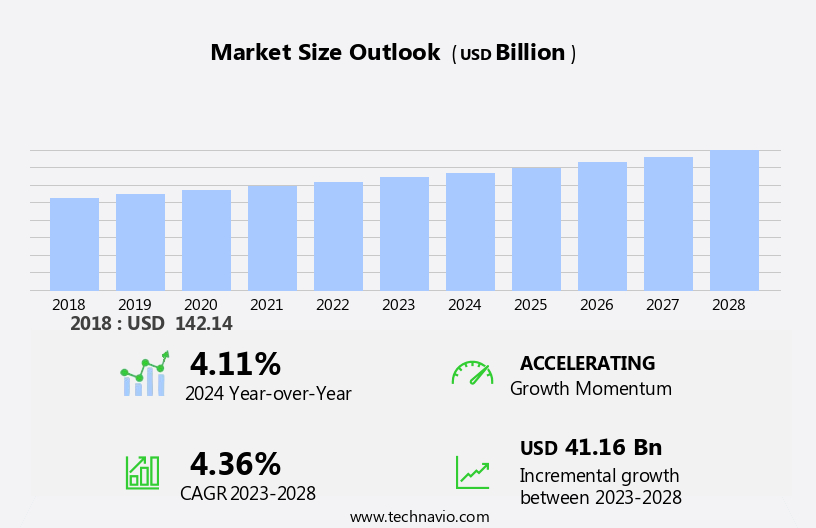
Flour Market Size

 Request Free Sample

  • The market encompasses a diverse range of grains, including wheat, corn, and others, that are processed into various forms such as wheat flour, corn flour, and clean-label flours. Key applications include bakery items like bread and pastries, as well as fried food, fast food, and the production of noodles, pasta, and other wheat-based products. Demand for flour is driven by the growing popularity of baked goods and clean-label foods, particularly whole grain varieties.

How is this Flour Industry segmented and which is the largest segment?

The flour industry research report provides comprehensive data (region-wise segment analysis), with forecasts and estimates in "USD billion" for the period 2024-2028, as well as historical data from 2017-2022 for the following segments.

  • Type
    • Wheat
    • Maize/corn
    • Rice
  • Application
    • Bakery products
    • Noodles and pasta
    • Biscuits/waffles/wafers
    • Others
  • Geography
    • APAC
      • China
      • India
    • Europe
      • Germany
      • France
    • North America
      • US
    • South America
    • Middle East and Africa

By Type Insights

  • The wheat segment is estimated to witness significant growth during the forecast period.

Wheat flour, derived from wheat, is a fundamental ingredient in baking, contributing to the structure, texture, and taste of various baked goods. The global bakery industry's growth, driven by the rising consumption of bread, cakes, pastries, and other baked items, fuels the demand for wheat flour. Consumers' modern and urban lifestyles, with an increasing preference for convenience foods like fast food and fried items, also contribute to the market's expansion. Health concerns, such as gluten intolerance and celiac disease, have led to the development of alternative flours, including rice, maize, oat, rye, and soya, further broadening the market scope. The baking industry's growth, driven by the millennial generation's spending on food and the emergence of new clean-label and fiber-rich food products, also presents significant opportunities.

 The market encompasses various applications, including baked goods, pet food, bio-plastics, glue, roux, baby food, and various food processing technologies, such as dry and wet. The market's growth is influenced by factors like the urban population's increasing working population, the cereal-based foods' popularity, and the growing demand for clean-label and whole-grain foods.
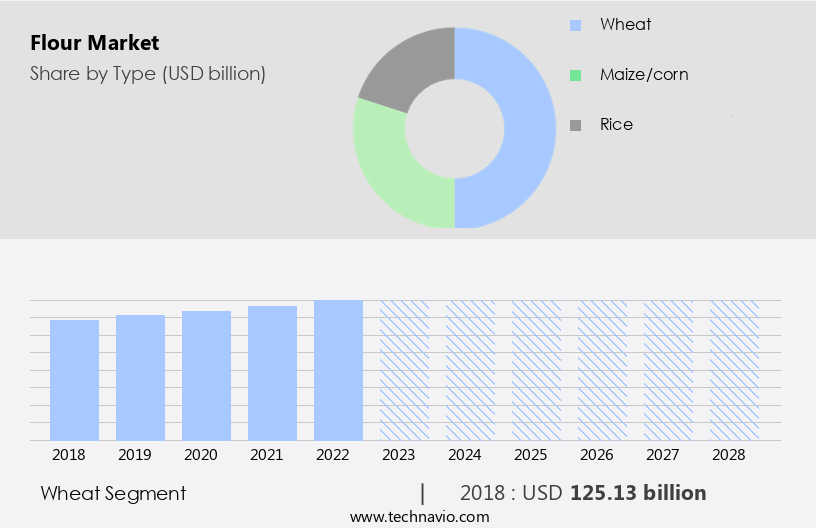
Flour Market Size

Get a glance at the  Flour Industry report of share of various segments Request Free Sample

The Wheat segment was valued at USD 125.13 billion in 2018 and showed a gradual increase during the forecast period.

Regional Analysis

  • APAC is estimated to contribute 42% to the growth of the global market during the forecast period.

Technavio's analysts have elaborately explained the regional trends and drivers that shape the market during the forecast period.
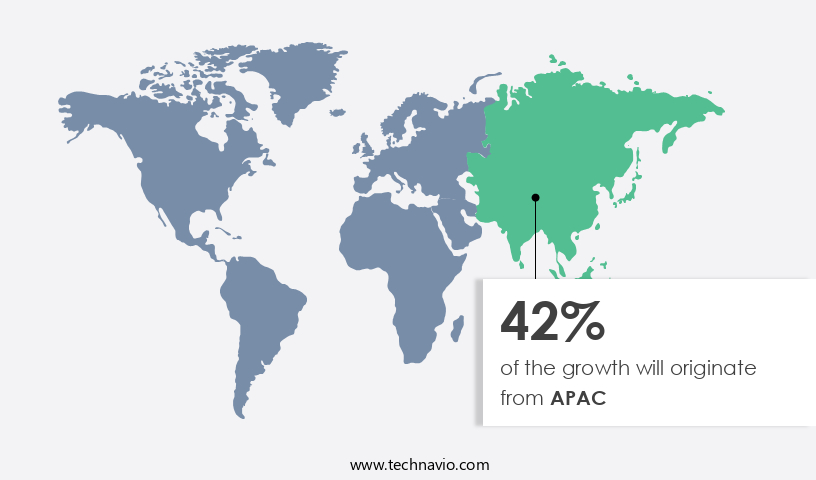
Flour Market Share by Geography

For more insights on the market share of various regions, Request Free Sample

The market in Asia Pacific is experiencing significant growth due to several key factors. Increasing health concerns and urbanization are major drivers, leading to a rise in demand for fiber-rich, low-sugar, and low-calorie food products. Consumers in this region have diverse tastes and preferences, necessitating the production of a wide range of flour types, including wheat, rice, maize, oat, rye, and durum. Key countries contributing to market growth are China, India, the Philippines, Thailand, and Vietnam. The bakery and pet food industries are significant consumers of flour, while it also finds applications In the production of wafers, crackers, and biscuits, and non-food items like biomaterials, glue, roux, and baby food.

Urbanization and the working population's increasing spending on food are further fueling market growth. The millennial generation's preference for clean-label and whole-grain foods is also driving the demand for value-added flour. Key trends include the adoption of dry and wet technology in flour processing and the expansion of e-commerce platforms for sales.

Market Dynamics

Our flour market researchers analyzed the data with 2023 as the base year, along with the key drivers, trends, and challenges. A holistic analysis of drivers will help companies refine their marketing strategies to gain a competitive advantage.

What are the key market drivers leading to the rise In the adoption of Flour Industry?

Growing demand for bakery items is the key driver of the market.

  • The market is experiencing notable growth due to several key factors. These include the expanding urban population and the increasing demand for convenient food options, such as fast food and fried food, which are major consumers of flour. Modern lifestyle and urbanization have led to a rise In the popularity of bakery items, including bread, cakes, pastries, biscuits, and cookies, all of which require flour as a primary ingredient. Additionally, there is a growing trend towards cereal-based foods, noodles, and pasta, which also contribute significantly to the market. Dietary concerns, such as gluten intolerance and celiac disease, have led to the production of value-added flours, including rice flour, maize flour, soya flour, and flavored flour.
  • These flours cater to the specific needs of consumers and have gained popularity in recent years. Furthermore, the market is not limited to human consumption; it also serves the pet food industry and is used In the production of non-food items, such as biomaterials, glue, roux, and baby food. The market is driven by several factors, including the increasing purchasing power of the population in emerging economies, such as China and India, and the adoption of Western culture and nutrition patterns. The market is segmented into various types of flours, including wheat flour, durum flour, rice, maize, oat flour, rye flour, and animal feed.

What are the market trends shaping the Flour Industry?

Increasing demand for organic and gluten-free bakery products is the upcoming market trend.

  • The market In the US is experiencing significant growth due to the increasing demand for wheat flours used in various bakery items and processed foods. Consumers' preferences for taste and dietary concerns, such as gluten-free and organic options, are driving this trend. As a result, there is a rising demand for alternative flours like corn flour, rice flour, maize flour, soya flour, and flavored flours. Moreover, the urban and modern lifestyle of the population is leading to an increase in demand for fast food and fried food, which also relies on flour as a raw material. Commercial farmlands produce food grains in large quantities to meet the demand for these flours.
  • Durum flour, rye flour, and oat flour are also gaining popularity In the market. The market caters to various industries, including the bakery industry, pet food industry, bio-plastic production, glue production, and baby food. The market is segmented based on technology, including dry technology and wet technology. The market dynamics are influenced by factors such as health concerns, contamination, and consumer spending on food. The millennial generation's preference for clean-label, whole grain foods and fiber-rich foods is driving the demand for clean-label flour.

What challenges does the Flour Industry face during its growth?

High manufacturing and production costs associated with the fermentation process of wheat flour is a key challenge affecting the industry growth.

  • The market encompasses a wide range of wheat-based and alternative flours used in various industries, including bakeries, fast food, and processed food. Wheat flour, a key component of bread and bakery items, is in high demand due to its versatility and taste preference. However, the production of wheat flour, particularly fermented wheat flour, comes with significant costs. The lengthy fermentation process, which can take hours to days, requires careful monitoring and specific conditions to ensure proper fermentation. This adds to the overall production expenses. Beyond wheat flour, the market includes corn flour for fried food and fast food, rice, maize, oat, rye, and durum flours for cereal-based foods and animal feed.
  • Additionally, flours like soya, rice, and maize are used In the production of wafers, crackers, and biscuits. Flours also find applications in non-food sectors such as biomaterials, glue, roux, and baby food. Modern and urban lifestyles have led to increased spending on food, particularly convenience foods and clean-label products. Consumers are increasingly concerned with health issues, including gluten intolerance and dietary requirements. As a result, value-added flours like clean-label and whole grain are gaining popularity. The bakery and pet food industries are significant consumers of various flours. The market is driven by factors such as changing consumer preferences, the demand for fiber-rich foods, and the rise of celiac disease. Segmentation of the market includes refined wheat flour, noodles and pasta, and specialized flours like flavored and functional flours.

Exclusive Customer Landscape

The flour market forecasting report includes the adoption lifecycle of the market, covering from the innovator's stage to the laggard's stage. It focuses on adoption rates in different regions based on penetration. Furthermore, the flour market report also includes key purchase criteria and drivers of price sensitivity to help companies evaluate and develop their market growth analysis strategies.
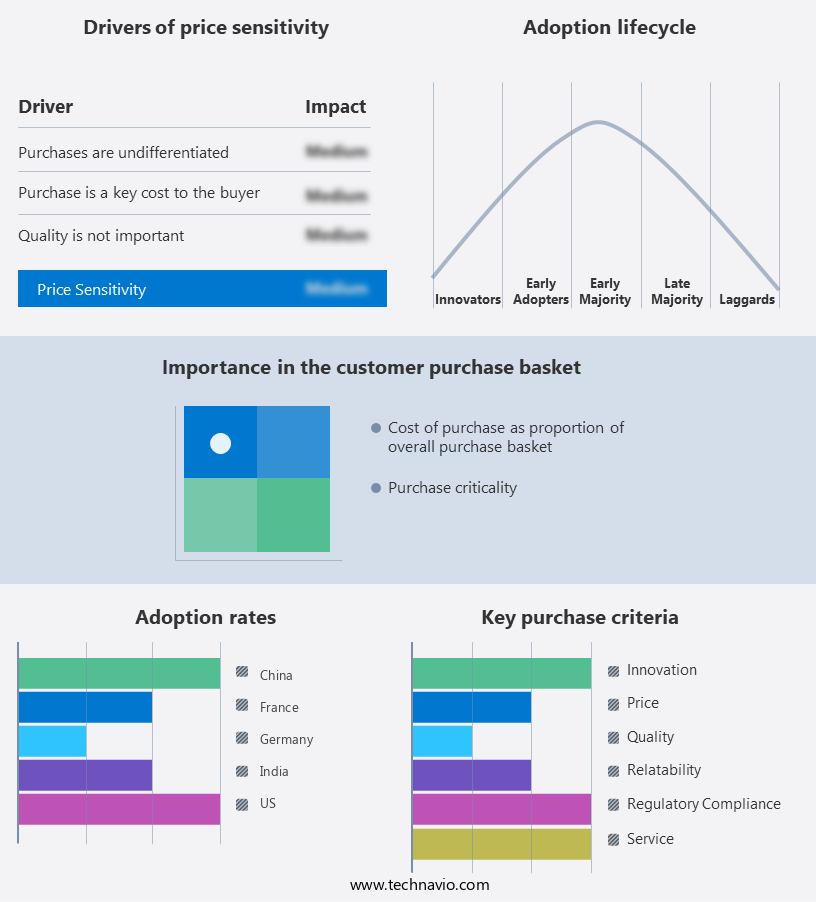
Flour Market Share by Geography

 Customer Landscape

Key Companies & Market Insights

Companies are implementing various strategies, such as strategic alliances, flour market forecast, partnerships, mergers and acquisitions, geographical expansion, and product/service launches, to enhance their presence In the industry.

The industry research and growth report includes detailed analyses of the competitive landscape of the market and information about key companies, including:

  • Archer Daniels Midland Co.
  • Ardent Mills LLC
  • Associated British Foods Plc
  • Bay State Milling Co.
  • Bunge Ltd.
  • Burapa Prosper Co. Ltd.
  • Cargill Inc.
  • General Mills Inc.
  • GrainCorp Ltd.
  • Hodgson Mill
  • ITC Ltd.
  • King Arthur Baking Co. Inc.
  • Lieng Tong Rice Vermicilli Co. Ltd.
  • Manildra Flour Mills Pty. Ltd.
  • Parrish and Heimbecker Ltd.
  • PT Sriboga Raturaya
  • Savage Services Corp.
  • Thai Flour Industry Co. Ltd.
  • Thai Wah Public Co. Ltd.
  • Wilmar International Ltd.

Qualitative and quantitative analysis of companies has been conducted to help clients understand the wider business environment as well as the strengths and weaknesses of key industry players. Data is qualitatively analyzed to categorize companies as pure play, category-focused, industry-focused, and diversified; it is quantitatively analyzed to categorize companies as dominant, leading, strong, tentative, and weak.

Research Analyst Overview

The market encompasses a diverse range of raw materials, including wheat, corn, rice, maize, oat, durum, and others. These grains are transformed into various types of flours through processes such as dry technology and wet technology. The resulting flours serve numerous industries and applications, from bakery items and processed foods to animal feed, pet food, and biomaterials. Flour is an essential ingredient in numerous consumer products, particularly In the food sector. The bakery industry utilizes a significant portion of the flour supply, with items such as cakes, pastries, biscuits, cookies, and bread being popular choices. The demand for these products is driven by various factors, including changing consumer preferences and dietary trends.

Moreover, the modern lifestyle and urban population have led to an increase in demand for convenience foods and ready-to-eat items. This trend has resulted In the production of a wide range of new food products, many of which incorporate value-added flours. These flours offer enhanced nutritional properties, improved taste, and extended shelf life. The millennial generation's spending on food has also influenced the market. This demographic is known for their health consciousness and preference for fiber-rich foods. As a result, there is a growing demand for whole grain foods and clean-label flours. These flours are free from additives and preservatives, making them an attractive option for health-conscious consumers.

Furthermore, the bakery industry is not the only sector driving the demand for flour. The pet food industry also relies heavily on flour as a raw material. The market is segmented based on the type of flour, with each segment catering to specific industries and applications. For instance, refined wheat flour is commonly used In the production of baked goods, while rice flour and maize flour are popular in Asian cuisine.

Flour Market Scope

Report Coverage

Details

Page number

165

Base year

2023

Historic period

2017-2022

Forecast period

2024-2028

Growth momentum & CAGR

Accelerate at a CAGR of 4.36%

Market growth 2024-2028

USD 41.16 billion

Market structure

Fragmented

YoY growth 2023-2024(%)

4.11

Key countries

China, India, US, Germany, and France

Competitive landscape

Leading Companies, Market Positioning of Companies, Competitive Strategies, and Industry Risks

Request Free Sample

What are the Key Data Covered in this Flour Market Research and Growth Report?

  • CAGR of the Flour industry during the forecast period
  • Detailed information on factors that will drive the Flour market growth and forecasting between 2024 and 2028
  • Precise estimation of the size of the market and its contribution of the industry in focus to the parent market
  • Accurate predictions about upcoming growth and trends and changes in consumer behaviour
  • Growth of the market across APAC, Europe, North America, South America, and Middle East and Africa
  • Thorough analysis of the market's competitive landscape and detailed information about companies
  • Comprehensive analysis of factors that will challenge the flour market growth of industry companies

We can help! Our analysts can customize this flour market research report to meet your requirements.

Get in touch

1 Executive Summary

  • 1.1 Market overview
    • Executive Summary - Chart on Market Overview
    • Executive Summary - Data Table on Market Overview
    • Executive Summary - Chart on Global Market Characteristics
    • Executive Summary - Chart on Market by Geography
    • Executive Summary - Chart on Market Segmentation by Type
    • Executive Summary - Chart on Market Segmentation by Application
    • Executive Summary - Chart on Incremental Growth
    • Executive Summary - Data Table on Incremental Growth
    • Executive Summary - Chart on Company Market Positioning

2 Market Landscape

  • 2.1 Market ecosystem
    • Parent Market
    • Data Table on - Parent Market
  • 2.2 Market characteristics
    • Market characteristics analysis
  • 2.3 Value chain analysis
    • Value Chain Analysis

3 Market Sizing

  • 3.1 Market definition
    • Offerings of companies included in the market definition
  • 3.2 Market segment analysis
    • Market segments
  • 3.3 Market size 2023
    • 3.4 Market outlook: Forecast for 2023-2028
      • Chart on Global - Market size and forecast 2023-2028 ($ billion)
      • Data Table on Global - Market size and forecast 2023-2028 ($ billion)
      • Chart on Global Market: Year-over-year growth 2023-2028 (%)
      • Data Table on Global Market: Year-over-year growth 2023-2028 (%)

    4 Historic Market Size

    • 4.1 Global Flour Market 2018 - 2022
      • Historic Market Size - Data Table on Global Flour Market 2018 - 2022 ($ billion)
    • 4.2 Type segment analysis 2018 - 2022
      • Historic Market Size - Type Segment 2018 - 2022 ($ billion)
    • 4.3 Application segment analysis 2018 - 2022
      • Historic Market Size - Application Segment 2018 - 2022 ($ billion)
    • 4.4 Geography segment analysis 2018 - 2022
      • Historic Market Size - Geography Segment 2018 - 2022 ($ billion)
    • 4.5 Country segment analysis 2018 - 2022
      • Historic Market Size - Country Segment 2018 - 2022 ($ billion)

    5 Five Forces Analysis

    • 5.1 Five forces summary
      • Five forces analysis - Comparison between 2023 and 2028
    • 5.2 Bargaining power of buyers
      • Bargaining power of buyers - Impact of key factors 2023 and 2028
    • 5.3 Bargaining power of suppliers
      • Bargaining power of suppliers - Impact of key factors in 2023 and 2028
    • 5.4 Threat of new entrants
      • Threat of new entrants - Impact of key factors in 2023 and 2028
    • 5.5 Threat of substitutes
      • Threat of substitutes - Impact of key factors in 2023 and 2028
    • 5.6 Threat of rivalry
      • Threat of rivalry - Impact of key factors in 2023 and 2028
    • 5.7 Market condition
      • Chart on Market condition - Five forces 2023 and 2028

    6 Market Segmentation by Type

    • 6.1 Market segments
      • Chart on Type - Market share 2023-2028 (%)
      • Data Table on Type - Market share 2023-2028 (%)
    • 6.2 Comparison by Type
      • Chart on Comparison by Type
      • Data Table on Comparison by Type
    • 6.3 Wheat - Market size and forecast 2023-2028
      • Chart on Wheat - Market size and forecast 2023-2028 ($ billion)
      • Data Table on Wheat - Market size and forecast 2023-2028 ($ billion)
      • Chart on Wheat - Year-over-year growth 2023-2028 (%)
      • Data Table on Wheat - Year-over-year growth 2023-2028 (%)
    • 6.4 Maize/corn - Market size and forecast 2023-2028
      • Chart on Maize/corn - Market size and forecast 2023-2028 ($ billion)
      • Data Table on Maize/corn - Market size and forecast 2023-2028 ($ billion)
      • Chart on Maize/corn - Year-over-year growth 2023-2028 (%)
      • Data Table on Maize/corn - Year-over-year growth 2023-2028 (%)
    • 6.5 Rice - Market size and forecast 2023-2028
      • Chart on Rice - Market size and forecast 2023-2028 ($ billion)
      • Data Table on Rice - Market size and forecast 2023-2028 ($ billion)
      • Chart on Rice - Year-over-year growth 2023-2028 (%)
      • Data Table on Rice - Year-over-year growth 2023-2028 (%)
    • 6.6 Market opportunity by Type
      • Market opportunity by Type ($ billion)
      • Data Table on Market opportunity by Type ($ billion)

    7 Market Segmentation by Application

    • 7.1 Market segments
      • Chart on Application - Market share 2023-2028 (%)
      • Data Table on Application - Market share 2023-2028 (%)
    • 7.2 Comparison by Application
      • Chart on Comparison by Application
      • Data Table on Comparison by Application
    • 7.3 Bakery products - Market size and forecast 2023-2028
      • Chart on Bakery products - Market size and forecast 2023-2028 ($ billion)
      • Data Table on Bakery products - Market size and forecast 2023-2028 ($ billion)
      • Chart on Bakery products - Year-over-year growth 2023-2028 (%)
      • Data Table on Bakery products - Year-over-year growth 2023-2028 (%)
    • 7.4 Noodles and pasta - Market size and forecast 2023-2028
      • Chart on Noodles and pasta - Market size and forecast 2023-2028 ($ billion)
      • Data Table on Noodles and pasta - Market size and forecast 2023-2028 ($ billion)
      • Chart on Noodles and pasta - Year-over-year growth 2023-2028 (%)
      • Data Table on Noodles and pasta - Year-over-year growth 2023-2028 (%)
    • 7.5 Biscuits/waffles/wafers - Market size and forecast 2023-2028
      • Chart on Biscuits/waffles/wafers - Market size and forecast 2023-2028 ($ billion)
      • Data Table on Biscuits/waffles/wafers - Market size and forecast 2023-2028 ($ billion)
      • Chart on Biscuits/waffles/wafers - Year-over-year growth 2023-2028 (%)
      • Data Table on Biscuits/waffles/wafers - Year-over-year growth 2023-2028 (%)
    • 7.6 Others - Market size and forecast 2023-2028
      • Chart on Others - Market size and forecast 2023-2028 ($ billion)
      • Data Table on Others - Market size and forecast 2023-2028 ($ billion)
      • Chart on Others - Year-over-year growth 2023-2028 (%)
      • Data Table on Others - Year-over-year growth 2023-2028 (%)
    • 7.7 Market opportunity by Application
      • Market opportunity by Application ($ billion)
      • Data Table on Market opportunity by Application ($ billion)

    8 Customer Landscape

    • 8.1 Customer landscape overview
      • Analysis of price sensitivity, lifecycle, customer purchase basket, adoption rates, and purchase criteria

    9 Geographic Landscape

    • 9.1 Geographic segmentation
      • Chart on Market share by geography 2023-2028 (%)
      • Data Table on Market share by geography 2023-2028 (%)
    • 9.2 Geographic comparison
      • Chart on Geographic comparison
      • Data Table on Geographic comparison
    • 9.3 APAC - Market size and forecast 2023-2028
      • Chart on APAC - Market size and forecast 2023-2028 ($ billion)
      • Data Table on APAC - Market size and forecast 2023-2028 ($ billion)
      • Chart on APAC - Year-over-year growth 2023-2028 (%)
      • Data Table on APAC - Year-over-year growth 2023-2028 (%)
    • 9.4 Europe - Market size and forecast 2023-2028
      • Chart on Europe - Market size and forecast 2023-2028 ($ billion)
      • Data Table on Europe - Market size and forecast 2023-2028 ($ billion)
      • Chart on Europe - Year-over-year growth 2023-2028 (%)
      • Data Table on Europe - Year-over-year growth 2023-2028 (%)
    • 9.5 North America - Market size and forecast 2023-2028
      • Chart on North America - Market size and forecast 2023-2028 ($ billion)
      • Data Table on North America - Market size and forecast 2023-2028 ($ billion)
      • Chart on North America - Year-over-year growth 2023-2028 (%)
      • Data Table on North America - Year-over-year growth 2023-2028 (%)
    • 9.6 South America - Market size and forecast 2023-2028
      • Chart on South America - Market size and forecast 2023-2028 ($ billion)
      • Data Table on South America - Market size and forecast 2023-2028 ($ billion)
      • Chart on South America - Year-over-year growth 2023-2028 (%)
      • Data Table on South America - Year-over-year growth 2023-2028 (%)
    • 9.7 Middle East and Africa - Market size and forecast 2023-2028
      • Chart on Middle East and Africa - Market size and forecast 2023-2028 ($ billion)
      • Data Table on Middle East and Africa - Market size and forecast 2023-2028 ($ billion)
      • Chart on Middle East and Africa - Year-over-year growth 2023-2028 (%)
      • Data Table on Middle East and Africa - Year-over-year growth 2023-2028 (%)
    • 9.8 China - Market size and forecast 2023-2028
      • Chart on China - Market size and forecast 2023-2028 ($ billion)
      • Data Table on China - Market size and forecast 2023-2028 ($ billion)
      • Chart on China - Year-over-year growth 2023-2028 (%)
      • Data Table on China - Year-over-year growth 2023-2028 (%)
    • 9.9 India - Market size and forecast 2023-2028
      • Chart on India - Market size and forecast 2023-2028 ($ billion)
      • Data Table on India - Market size and forecast 2023-2028 ($ billion)
      • Chart on India - Year-over-year growth 2023-2028 (%)
      • Data Table on India - Year-over-year growth 2023-2028 (%)
    • 9.10 US - Market size and forecast 2023-2028
      • Chart on US - Market size and forecast 2023-2028 ($ billion)
      • Data Table on US - Market size and forecast 2023-2028 ($ billion)
      • Chart on US - Year-over-year growth 2023-2028 (%)
      • Data Table on US - Year-over-year growth 2023-2028 (%)
    • 9.11 Germany - Market size and forecast 2023-2028
      • Chart on Germany - Market size and forecast 2023-2028 ($ billion)
      • Data Table on Germany - Market size and forecast 2023-2028 ($ billion)
      • Chart on Germany - Year-over-year growth 2023-2028 (%)
      • Data Table on Germany - Year-over-year growth 2023-2028 (%)
    • 9.12 France - Market size and forecast 2023-2028
      • Chart on France - Market size and forecast 2023-2028 ($ billion)
      • Data Table on France - Market size and forecast 2023-2028 ($ billion)
      • Chart on France - Year-over-year growth 2023-2028 (%)
      • Data Table on France - Year-over-year growth 2023-2028 (%)
    • 9.13 Market opportunity by geography
      • Market opportunity by geography ($ billion)
      • Data Tables on Market opportunity by geography ($ billion)

    10 Drivers, Challenges, and Opportunity/Restraints

    • 10.1 Market drivers
      • 10.2 Market challenges
        • 10.3 Impact of drivers and challenges
          • Impact of drivers and challenges in 2023 and 2028
        • 10.4 Market opportunities/restraints

          11 Competitive Landscape

          • 11.1 Overview
            • 11.2 Competitive Landscape
              • Overview on criticality of inputs and factors of differentiation
            • 11.3 Landscape disruption
              • Overview on factors of disruption
            • 11.4 Industry risks
              • Impact of key risks on business

            12 Competitive Analysis

            • 12.1 Companies profiled
              • Companies covered
            • 12.2 Market positioning of companies
              • Matrix on companies position and classification
            • 12.3 Archer Daniels Midland Co.
              • Archer Daniels Midland Co. - Overview
              • Archer Daniels Midland Co. - Business segments
              • Archer Daniels Midland Co. - Key news
              • Archer Daniels Midland Co. - Key offerings
              • Archer Daniels Midland Co. - Segment focus
            • 12.4 Ardent Mills LLC
              • Ardent Mills LLC - Overview
              • Ardent Mills LLC - Product / Service
              • Ardent Mills LLC - Key offerings
            • 12.5 Bunge Ltd.
              • Bunge Ltd. - Overview
              • Bunge Ltd. - Business segments
              • Bunge Ltd. - Key news
              • Bunge Ltd. - Key offerings
              • Bunge Ltd. - Segment focus
            • 12.6 Burapa Prosper Co. Ltd.
              • Burapa Prosper Co. Ltd. - Overview
              • Burapa Prosper Co. Ltd. - Product / Service
              • Burapa Prosper Co. Ltd. - Key offerings
            • 12.7 Cargill Inc.
              • Cargill Inc. - Overview
              • Cargill Inc. - Product / Service
              • Cargill Inc. - Key news
              • Cargill Inc. - Key offerings
            • 12.8 General Mills Inc.
              • General Mills Inc. - Overview
              • General Mills Inc. - Business segments
              • General Mills Inc. - Key news
              • General Mills Inc. - Key offerings
              • General Mills Inc. - Segment focus
            • 12.9 Hodgson Mill
              • Hodgson Mill - Overview
              • Hodgson Mill - Product / Service
              • Hodgson Mill - Key offerings
            • 12.10 ITC Ltd.
              • ITC Ltd. - Overview
              • ITC Ltd. - Business segments
              • ITC Ltd. - Key news
              • ITC Ltd. - Key offerings
              • ITC Ltd. - Segment focus
            • 12.11 King Arthur Baking Co. Inc.
              • King Arthur Baking Co. Inc. - Overview
              • King Arthur Baking Co. Inc. - Product / Service
              • King Arthur Baking Co. Inc. - Key offerings
            • 12.12 Manildra Flour Mills Pty. Ltd.
              • Manildra Flour Mills Pty. Ltd. - Overview
              • Manildra Flour Mills Pty. Ltd. - Product / Service
              • Manildra Flour Mills Pty. Ltd. - Key offerings
            • 12.13 Parrish and Heimbecker Ltd.
              • Parrish and Heimbecker Ltd. - Overview
              • Parrish and Heimbecker Ltd. - Product / Service
              • Parrish and Heimbecker Ltd. - Key offerings
            • 12.14 PT Sriboga Raturaya
              • PT Sriboga Raturaya - Overview
              • PT Sriboga Raturaya - Product / Service
              • PT Sriboga Raturaya - Key offerings
            • 12.15 Savage Services Corp.
              • Savage Services Corp. - Overview
              • Savage Services Corp. - Product / Service
              • Savage Services Corp. - Key offerings
            • 12.16 Thai Flour Industry Co. Ltd.
              • Thai Flour Industry Co. Ltd. - Overview
              • Thai Flour Industry Co. Ltd. - Product / Service
              • Thai Flour Industry Co. Ltd. - Key offerings
            • 12.17 Wilmar International Ltd.
              • Wilmar International Ltd. - Overview
              • Wilmar International Ltd. - Business segments
              • Wilmar International Ltd. - Key news
              • Wilmar International Ltd. - Key offerings
              • Wilmar International Ltd. - Segment focus

            13 Appendix

            • 13.1 Scope of the report
              • 13.2 Inclusions and exclusions checklist
                • Inclusions checklist
                • Exclusions checklist
              • 13.3 Currency conversion rates for US$
                • Currency conversion rates for US$
              • 13.4 Research methodology
                • Research methodology
              • 13.5 Data procurement
                • Information sources
              • 13.6 Data validation
                • Data validation
              • 13.7 Validation techniques employed for market sizing
                • Validation techniques employed for market sizing
              • 13.8 Data synthesis
                • Data synthesis
              • 13.9 360 degree market analysis
                • 360 degree market analysis
              • 13.10 List of abbreviations
                • List of abbreviations

              Research Methodology

              Technavio presents a detailed picture of the market by way of study, synthesis, and summation of data from multiple sources. The analysts have presented the various facets of the market with a particular focus on identifying the key industry influencers. The data thus presented is comprehensive, reliable, and the result of extensive research, both primary and secondary.

              INFORMATION SOURCES

              Primary sources

              • Manufacturers and suppliers
              • Channel partners
              • Industry experts
              • Strategic decision makers

              Secondary sources

              • Industry journals and periodicals
              • Government data
              • Financial reports of key industry players
              • Historical data
              • Press releases

              DATA ANALYSIS

              Data Synthesis

              • Collation of data
              • Estimation of key figures
              • Analysis of derived insights

              Data Validation

              • Triangulation with data models
              • Reference against proprietary databases
              • Corroboration with industry experts

              REPORT WRITING

              Qualitative

              • Market drivers
              • Market challenges
              • Market trends
              • Five forces analysis

              Quantitative

              • Market size and forecast
              • Market segmentation
              • Geographical insights
              • Competitive landscape

              Interested in this report?

              Get your sample now to see our research methodology and insights!

              Download Now

              Frequently Asked Questions

              Flour market growth will increase by $ 41.16 bn during 2024-2028 .

              The Flour market is expected to grow at a CAGR of 4.36% during 2024-2028 .

              Flour market is segmented by Type( Wheat, Maize/corn, Rice) Application( Bakery products, Noodles and pasta, Biscuits/waffles/wafers, Others)

              Archer Daniels Midland Co., Ardent Mills LLC, Associated British Foods Plc, Bay State Milling Co., Bunge Ltd., Burapa Prosper Co. Ltd., Cargill Inc., General Mills Inc., GrainCorp Ltd., Hodgson Mill, ITC Ltd., King Arthur Baking Co. Inc., Lieng Tong Rice Vermicilli Co. Ltd., Manildra Flour Mills Pty. Ltd., Parrish and Heimbecker Ltd., PT Sriboga Raturaya, Savage Services Corp., Thai Flour Industry Co. Ltd., Thai Wah Public Co. Ltd., Wilmar International Ltd. are a few of the key vendors in the Flour market.

              APAC will register the highest growth rate of 42% among the other regions. Therefore, the Flour market in APAC is expected to garner significant business opportunities for the vendors during the forecast period.

              China, India, US, Germany, France

              • Growing demand for bakery itemsSome of the primary drivers of the global flour market are the expanding global urban population is the driving factor this market.
              • increasing demand for on-the-go snacks is the driving factor this market.
              • and increasing purchasing power parity of the population in emerging countries such as China and India. Over the last two decades is the driving factor this market.
              • there has been a significant shift in consumer lifestyles and nutrition patterns. Emerging economies in Central and South America and APAC will prove to be attractive markets for baking ingredients during the forecast period. For instance is the driving factor this market.
              • consumption of bakery items in India is increasing as disposable income rises is the driving factor this market.
              • the working population grows is the driving factor this market.
              • and Western culture is adopted. Sweet bakery products is the driving factor this market.
              • such as cakes is the driving factor this market.
              • pastries is the driving factor this market.
              • and other items is the driving factor this market.
              • are becoming increasingly popular. Due to increased demand for bakery items is the driving factor this market.
              • India is also importing bakery products. Increased urbanization has led to improved living standards and higher disposable incomes. However is the driving factor this market.
              • hectic lifestyles have resulted in deteriorating health conditions and lifestyle disorders owing to unhealthy eating habits. The working population seeks high-protein bakery items that are convenient and can be consumed on the go. Furthermore is the driving factor this market.
              • the trend of snacking between meals has also increased. In large cities is the driving factor this market.
              • the working class is demanding more on-the-go foods such as rolls is the driving factor this market.
              • sandwiches is the driving factor this market.
              • and croissants. Thus is the driving factor this market.
              • rising urbanization and changing consumer lifestyles will increase the demand for bakery items is the driving factor this market.
              • which is the driving factor this market.
              • in turn is the driving factor this market.
              • will drive the demand for baking ingredients and thus propelling the growth of the global flour market during the forecast period. is the driving factor this market.

              The Flour market vendors should focus on grabbing business opportunities from the Wheat segment as it accounted for the largest market share in the base year.
