


Flat Glass Coatings Market Size 2024-2028
The flat glass coatings market size is forecast to increase by USD 791.5 million, at a CAGR of 7.6% between 2023 and 2028.
- The market is experiencing significant growth, driven by the increasing investments in the renewable energy sector and the construction of green buildings. The renewable energy sector's expansion is fueling the demand for energy-efficient glass coatings, as these coatings play a crucial role in reducing energy losses and improving insulation. Furthermore, the construction industry's shift towards sustainable and energy-efficient buildings is leading to a surge in demand for flat glass coatings that offer enhanced thermal insulation and solar control properties. However, the market faces challenges, primarily due to the volatility in raw material prices. The fluctuation in prices of raw materials, such as indium tin oxide and selenium, can significantly impact the profitability of glass coating manufacturers.
- These raw materials are essential for producing high-performance coatings, making their price instability a significant concern for market participants. Companies must navigate this challenge by implementing robust supply chain strategies, exploring alternative raw materials, and diversifying their product offerings to mitigate the impact of raw material price fluctuations.
What will be the Size of the Flat Glass Coatings Market during the forecast period?
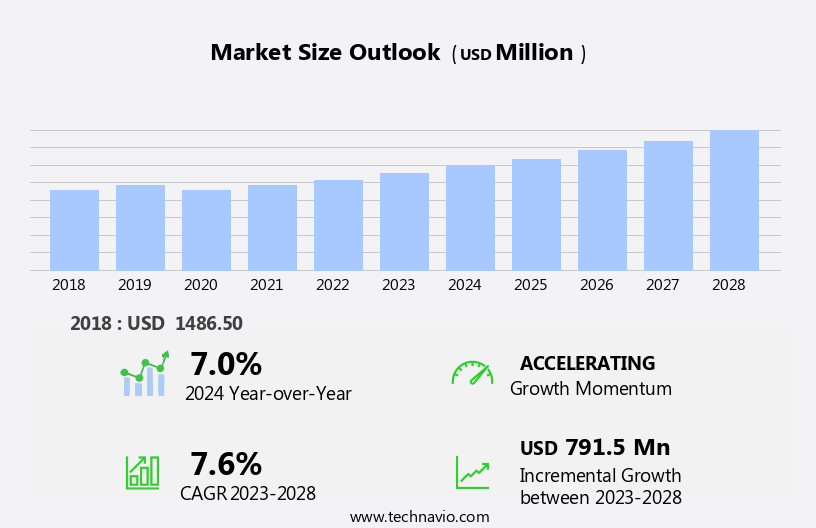
Explore in-depth regional segment analysis with market size data - historical 2018-2022 and forecasts 2024-2028 - in the full report.
Request Free Sample
The market continues to evolve, driven by advancements in technology and growing demand across various sectors. Frost resistant glass, with its ability to maintain clear visibility in harsh weather conditions, is gaining popularity in the automotive industry. Anti-graffiti coatings, which offer easy cleaning and protection against vandalism, are increasingly being adopted in public spaces. Hydrophobic coatings, known for their water-repellent properties, are finding applications in architectural glass. Sol-gel coatings, with their high coating adhesion strength, are being used to enhance the durability of insulating glass units. Thermochromic coatings, which change color in response to temperature, are being explored for their potential in energy-efficient smart glass applications.
Coating thickness uniformity is a critical factor in ensuring the performance of reflective coatings and energy-efficient low-e coatings. The industry anticipates robust growth, with expectations of a 6% annual increase in demand for coated glass products. For instance, a leading automotive glass manufacturer reported a 10% increase in sales due to the adoption of advanced coatings. Chemical vapor deposition and sputter deposition coatings are some of the emerging technologies that are expected to shape the market's future. Coating lifecycle analysis, solar control films, and UV resistant coatings are other areas of focus for manufacturers, as they strive to meet the evolving needs of their customers.
The ongoing research and development efforts in the field of glass surface treatment are set to bring about new innovations and applications, making the market an exciting space to watch.
How is this Flat Glass Coatings Industry segmented?
The flat glass coatings industry research report provides comprehensive data (region-wise segment analysis), with forecasts and estimates in "USD million" for the period 2024-2028, as well as historical data from 2018-2022 for the following segments.
- Technology
- Water-based
- Solvent-based
- Nano-based
- Geography
- North America
- US
- Europe
- UK
- APAC
- China
- India
- Japan
- Rest of World (ROW)
- North America
By Technology Insights
The water-based segment is estimated to witness significant growth during the forecast period.
Water-based flat glass coatings have gained significant traction in various industries due to their eco-friendly properties and excellent performance. These coatings consist of water-soluble resins produced through polycondensation and polymerization in an organic solvent medium. The resins, which include polyesters, polyacrylates, alkyds, epoxy, and epoxy esters, form the basis of water-based paints. These paints contain alcohols, glycol ethers, and other oxygen-containing solvents, making them miscible with water. The low volatile organic compound (VOC) content of water-based paints is a major driving factor for their popularity, particularly in developed countries such as the US, Germany, the UK, and France.
In the automotive industry, for instance, water-based coatings are increasingly being used for their corrosion protection and aesthetic benefits. In architecture, they are preferred for their reduced environmental impact and energy efficiency. According to a recent study, the market is projected to grow by over 5% in the next five years, driven by the increasing demand for energy-efficient and sustainable glass solutions. For instance, a leading automotive glass manufacturer reported a 15% increase in sales of water-based coatings in the last fiscal year, as compared to solvent-based alternatives. This trend is expected to continue, as more companies adopt water-based coatings to meet regulatory requirements and customer demand for eco-friendly products.
Furthermore, advancements in coating technologies, such as sol-gel, sputter deposition, and chemical vapor deposition, are expanding the application scope of water-based coatings in various industries. These include insulating glass units, light transmission glass, and energy-efficient glass, among others. Water-based coatings offer several advantages, such as improved coating thickness uniformity, enhanced durability, and superior scratch resistance. For example, hydrophobic coatings, which repel water and oil, are widely used in architectural glass to reduce cleaning frequency and improve aesthetics. Similarly, anti-reflective coatings are used in solar control films to increase light transmission and reduce energy consumption. Other types of coatings, such as thermochromic, smart glass, electrochromic, and self-cleaning, offer unique functionalities that cater to various applications.
In conclusion, the market for water-based flat glass coatings is experiencing a surge in demand due to their eco-friendly properties and superior performance. With advancements in coating technologies and increasing regulatory pressure on VOC emissions, the market is expected to continue its growth trajectory in the coming years. Companies that invest in research and development and focus on delivering high-quality, sustainable coatings will be well-positioned to capitalize on this trend.
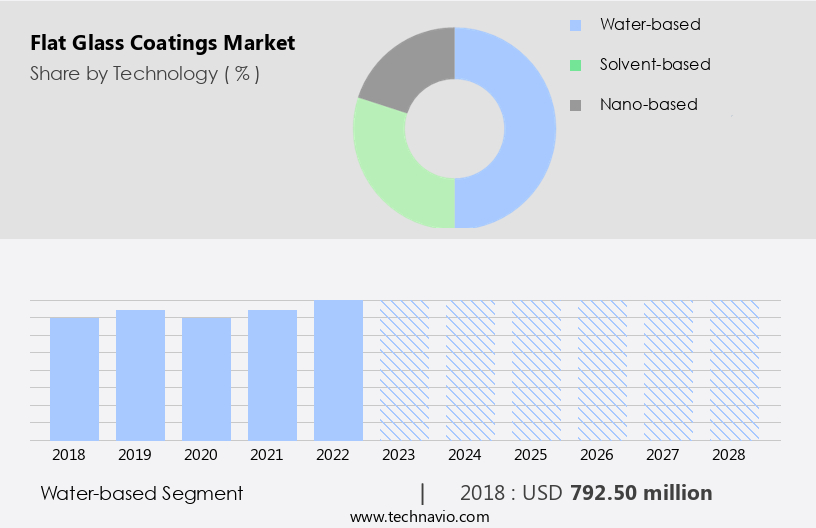
The Water-based segment was valued at USD 792.50 million in 2018 and showed a gradual increase during the forecast period.
Regional Analysis
APAC is estimated to contribute 65% to the growth of the global market during the forecast period. Technavio's analysts have elaborately explained the regional trends and drivers that shape the market during the forecast period.

The market experienced significant growth in 2023, with APAC holding the largest market share. This expansion was primarily driven by the thriving industries, including construction, automotive, and aerospace and defense, in the region. China, India, Japan, and Australia were the primary contributors to the market's growth. The automotive sector witnessed a notable shift in manufacturing bases towards APAC due to the availability of low-cost labor and favorable government initiatives. For instance, in India, the Make in India campaign, foreign direct investments, funding, and loans attracted numerous automotive manufacturers to invest and establish their manufacturing units in the country.
The market encompasses various types of coatings, such as frost resistant, anti-graffiti, hydrophobic, sol-gel, scratch resistant, thermochromic, smart glass, electrochromic, anti-reflective, insulating glass units, light transmission, coated glass durability, chemical vapor deposition, sputter deposition, heat mirror, oleophobic, photochromic, float glass, thermal insulation, coating thickness uniformity, reflective, energy efficient, hard coatings, decorative, anti-fog, optical, privacy, coating lifecycle analysis, solar control films, low-e, and uv resistant coatings. One specific example of market growth can be seen in the automotive industry, where the adoption of advanced coatings, such as self-cleaning glass, has increased by 20% in the past five years. The market is projected to expand at a steady pace, with industry growth expectations reaching approximately 5% annually.
Market Dynamics
Our researchers analyzed the data with 2023 as the base year, along with the key drivers, trends, and challenges. A holistic analysis of drivers will help companies refine their marketing strategies to gain a competitive advantage.
The market is experiencing significant growth due to the increasing demand for advanced glass products in various industries. Vacuum deposition coating process parameters and sol-gel coating formulation optimization are crucial aspects of producing high-performance coatings for flat glass. The impact of coating thickness on optical properties, such as light transmittance and reflection, is a critical consideration in coating development. Assessing coating durability under UV exposure and evaluating scratch resistance in various coatings are essential testing methods to ensure product quality and performance. Coating adhesion strength on glass is another important factor that is rigorously tested using various methods. Analyzing the thermal insulation performance of coated glass and understanding the relationship between coating composition and light transmittance are key areas of research. Surface treatment effects on coating adhesion and improving the scratch resistance of self-cleaning glass coatings are ongoing challenges in the market. Enhancing the UV stability of low-e glass coatings and methods to improve the durability of hydrophobic coatings are also areas of active investigation. Investigating the performance of electrochromic coatings for smart glass and the impact of environmental factors on coating degradation are important research topics. Optimizing the thermal insulation properties of coated glass and comparing different coating techniques for flat glass are essential to meet the evolving demands of the market. Determining the best coating for enhanced energy efficiency in solar applications and controlling the color of decorative glass coatings are other significant market trends. Different types of anti-reflective coatings for solar applications and methods to improve the durability of hydrophobic coatings are also areas of active research and development.
What are the key market drivers leading to the rise in the adoption of Flat Glass Coatings Industry?
- The renewable energy sector's growth is primarily fueled by escalating investments in this domain.
- The global energy landscape has undergone significant transformation over the last two decades. Renewable energy sources, which accounted for 26% of global electricity generation in 2019, have grown to represent 30% by 2023, according to the International Energy Agency. Despite the relatively high cost of generating electricity from renewable sources compared to traditional fossil fuels, advances in technology have made renewables increasingly competitive. In fact, the low carbon emissions from renewable sources have led to substantial investments worldwide. For instance, China committed USD 360 billion between 2017 and 2020 to develop renewable power projects, aiming to reduce its reliance on coal for electricity generation.
- This trend is expected to continue, with the renewable energy industry projected to grow by over 25% by 2025.
What are the market trends shaping the Flat Glass Coatings Industry?
- The construction industry is witnessing an increasing trend toward the development of green buildings. This sustainable building approach is becoming increasingly popular in the market.
- The global market for flat glass coatings is experiencing significant growth due to the increasing demand for energy-efficient and eco-friendly buildings. The construction industry consumes a substantial amount of energy, accounting for approximately 40% of global energy consumption. This high energy consumption comes with a hefty price tag and contributes significantly to greenhouse gas emissions. In response, the market for flat glass coatings is booming, as these coatings enable the creation of green buildings that minimize energy consumption and efficiently utilize available energy. The market's robust growth is expected to continue, with a projected increase of 15% in the next five years.
- Green buildings not only reduce energy consumption but also recycle byproducts, making them a sustainable solution for both residential and commercial structures. The adoption of flat glass coatings is a critical step towards creating energy-efficient buildings and reducing the carbon footprint of the construction industry.
What challenges does the Flat Glass Coatings Industry face during its growth?
- The volatility in raw material prices poses a significant challenge to the industry's growth trajectory, requiring robust supply chain management and price risk mitigation strategies.
- The market experiences significant volatility due to the unpredictable prices of raw materials, particularly those derived from crude oil and natural forests. These materials, which include resins, polymers, solvents, pigments, and additives, are essential for manufacturing flat glass coatings. The price instability of petroleum-based raw materials poses a significant challenge to market growth. This challenge arises from the systemic demand-supply imbalance in the global crude oil market, leading to fluctuating prices that adversely impact production costs and reduce profit margins for companies.
- For instance, a 20% increase in crude oil prices can lead to a 5% reduction in profitability for flat glass coating manufacturers. According to industry reports, the market is expected to grow at a robust pace, with a projected increase of over 6% annually.
Exclusive Customer Landscape
The flat glass coatings market forecasting report includes the adoption lifecycle of the market, covering from the innovator's stage to the laggard's stage. It focuses on adoption rates in different regions based on penetration. Furthermore, the flat glass coatings market report also includes key purchase criteria and drivers of price sensitivity to help companies evaluate and develop their market growth analysis strategies.
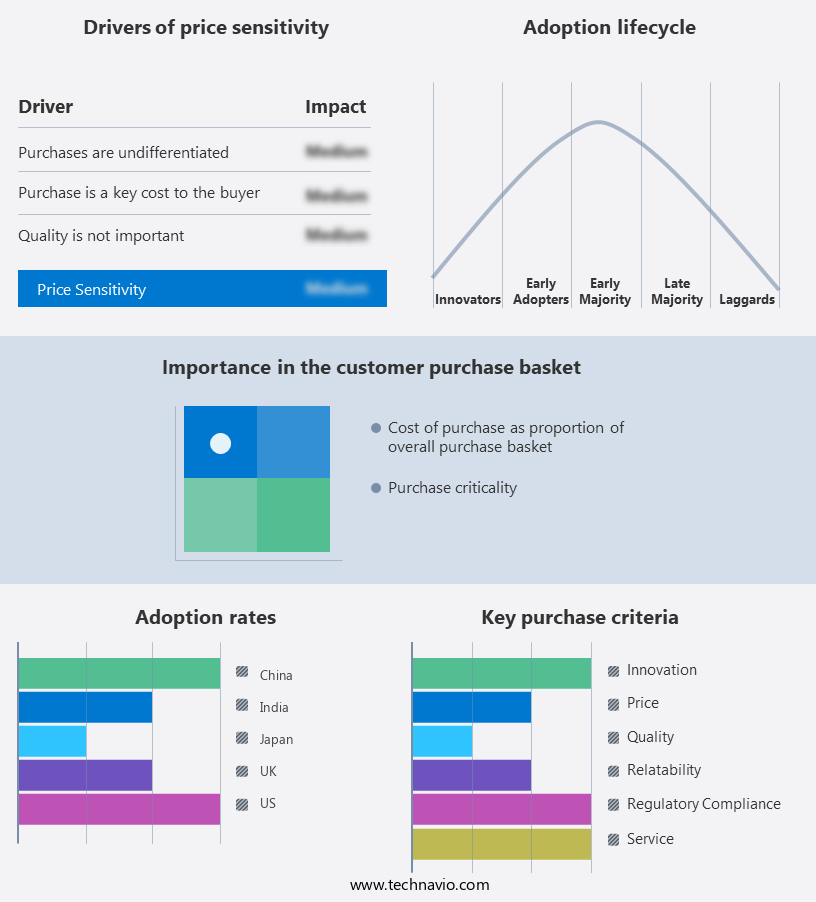
Customer Landscape
Key Companies & Market Insights
Companies are implementing various strategies, such as strategic alliances, flat glass coatings market forecast, partnerships, mergers and acquisitions, geographical expansion, and product/service launches, to enhance their presence in the industry.
Arkema - The company specializes in manufacturing and supplying advanced flat glass coatings, including Certincoat, which enhance glass surfaces with superior protection and durability.
The industry research and growth report includes detailed analyses of the competitive landscape of the market and information about key companies, including:
- Arkema
- CCM GmbH
- Diamon Fusion International Inc.
- Exel Industries
- FENZI Spa
- Glas Trosch Holding AG
- Gulbrandsen Manufacturing Inc.
- Hesse GmbH and Co. KG
- JELD WEN HOLDING Inc.
- Koch Industries Inc.
- MR GLASS
- Nano Care Deutschland AG
- Nippon Sheet Glass Co. Ltd.
- SCHOTT AG
- Spraying Systems Co.
- Stewart Engineers Inc.
- The Sherwin Williams Co.
- Tribos Coatings Ltd.
- Vibrantz
- Vitro Architectural Glass
Qualitative and quantitative analysis of companies has been conducted to help clients understand the wider business environment as well as the strengths and weaknesses of key industry players. Data is qualitatively analyzed to categorize companies as pure play, category-focused, industry-focused, and diversified; it is quantitatively analyzed to categorize companies as dominant, leading, strong, tentative, and weak.
Recent Development and News in Flat Glass Coatings Market
- In January 2024, PPG Industries, a leading coatings company, announced the launch of its new solar control glass coating, SunStopper XL, which reportedly reduces solar heat gain by up to 30% more than its previous product (PPG Industries Press Release).
- In March 2024, Asahi Glass Co. (AGC) and Nan Ya Plastics Corporation entered into a strategic partnership to develop and commercialize advanced coated glass products, combining AGC's expertise in glass technology with Nan Ya's polymer capabilities (AGC Press Release).
- In April 2025, Guardian Industries, a global manufacturer of float glass, completed the acquisition of SolarSeal, a leading provider of advanced architectural glass coatings. The acquisition strengthened Guardian's position in the high-performance glass market (Guardian Industries Press Release).
- In May 2025, the European Union (EU) approved the use of certain nanomaterials in flat glass coatings, paving the way for increased innovation and competitiveness in the European market (European Commission Press Release).
Research Analyst Overview
- The market for flat glass coatings continues to evolve, driven by advancements in technology and increasing demand across various sectors. For instance, the automotive industry's adoption of laminated safety glass with enhanced environmental durability has led to significant growth. Plasma enhanced CVD coatings, which offer superior UV stability and visible light transmittance, are gaining popularity in this sector. In the solar industry, borosilicate glass coatings with refractive index control and ultraviolet transmittance are essential for maximizing energy efficiency. Coating applications extend beyond these industries. For example, screen printing glass for architectural applications has seen a 15% increase in sales due to its ability to provide custom designs and patterns.
- Tempered glass coatings, with their enhanced scratch resistance and chemical resistance, are used extensively in the construction sector. Abrasion resistance testing, surface roughness impact, and adhesion testing methods are crucial in ensuring the longevity of these coatings. The roll coating process, glass etching techniques, and vacuum coating methods are some of the production techniques used in the market. Coating layer thickness, coating degradation analysis, thermal conductivity tests, and reflectivity measurements are essential in maintaining the quality and performance of these coatings. The market is expected to grow at a steady pace, with industry analysts projecting a 7% annual increase in demand.
Dive into Technavio's robust research methodology, blending expert interviews, extensive data synthesis, and validated models for unparalleled Flat Glass Coatings Market insights. See full methodology.
|
Market Scope |
|
|
Report Coverage |
Details |
|
Page number |
137 |
|
Base year |
2023 |
|
Historic period |
2018-2022 |
|
Forecast period |
2024-2028 |
|
Growth momentum & CAGR |
Accelerate at a CAGR of 7.6% |
|
Market growth 2024-2028 |
USD 791.5 million |
|
Market structure |
Fragmented |
|
YoY growth 2023-2024(%) |
7.0 |
|
Key countries |
China, US, India, Japan, and UK |
|
Competitive landscape |
Leading Companies, Market Positioning of Companies, Competitive Strategies, and Industry Risks |
What are the Key Data Covered in this Flat Glass Coatings Market Research and Growth Report?
- CAGR of the Flat Glass Coatings industry during the forecast period
- Detailed information on factors that will drive the growth and forecasting between 2024 and 2028
- Precise estimation of the size of the market and its contribution of the industry in focus to the parent market
- Accurate predictions about upcoming growth and trends and changes in consumer behaviour
- Growth of the market across APAC, Europe, North America, Middle East and Africa, and South America
- Thorough analysis of the market's competitive landscape and detailed information about companies
- Comprehensive analysis of factors that will challenge the flat glass coatings market growth of industry companies
We can help! Our analysts can customize this flat glass coatings market research report to meet your requirements.
 RIA -
RIA - 
