



Fleet Management Market Size 2026-2030
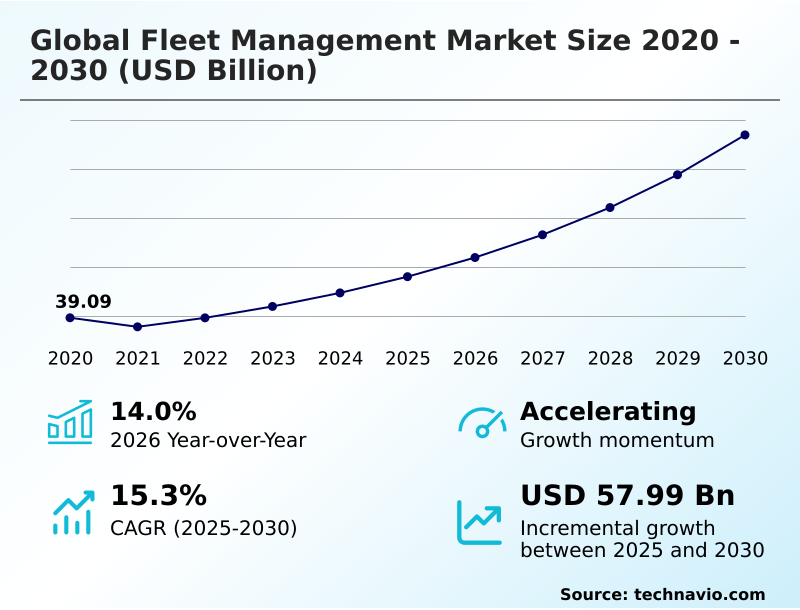
The fleet management market size is valued to increase by USD 57.99 billion, at a CAGR of 15.3% from 2025 to 2030. Rise in e-commerce and last-mile delivery will drive the fleet management market.
Major Market Trends & Insights
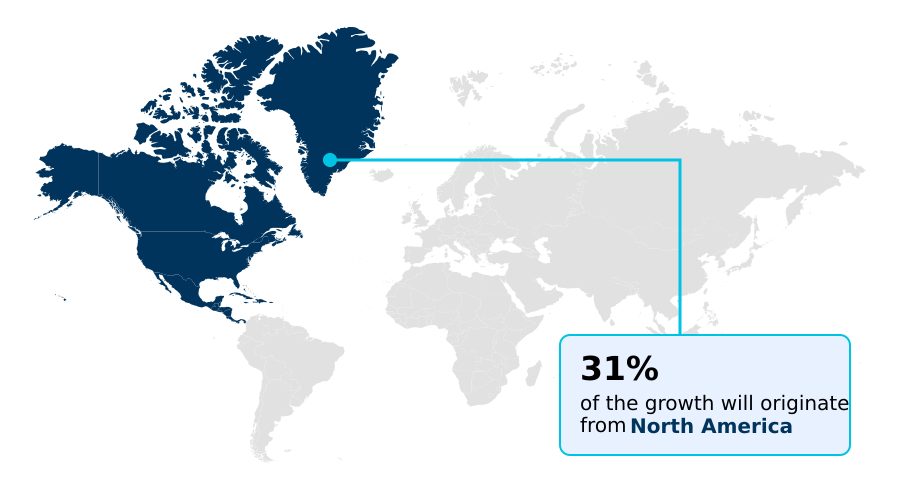
- North America dominated the market and accounted for a 31.1% growth during the forecast period.
- By Solution - Operation management segment was valued at USD 16.77 billion in 2024
- By Vehicle Type - Commercial fleet segment accounted for the largest market revenue share in 2024
Market Size & Forecast
- Market Opportunities: USD 74.80 billion
- Market Future Opportunities: USD 57.99 billion
- CAGR from 2025 to 2030 : 15.3%
Market Summary
- The fleet management market is undergoing a significant transformation, driven by the need for greater operational efficiency and cost control in logistics and transportation. The integration of technologies like the electronic logging device (ELD) and cloud-based telematics platform has become standard, enabling real-time oversight of vehicle performance and driver activities.
- Key market drivers include the rapid growth of e-commerce, which places immense pressure on last-mile delivery optimization, and a heightened focus on sustainability, leading to investments in fleet electrification management. For instance, a logistics firm can leverage route optimization software to reduce its fleet's fuel consumption by double-digit percentages, directly improving its carbon footprint and bottom line.
- However, challenges such as ensuring telematics hardware compatibility across diverse fleets and managing the total cost of ownership (TCO) remain. Trends like the use of AI-powered dashcams for driver coaching and the development of vehicle-to-everything (V2X) communication are paving the way for smarter, safer, and more connected fleet ecosystems, enhancing overall supply chain visibility.
What will be the Size of the Fleet Management Market during the forecast period?
Get Key Insights on Market Forecast (PDF) Get Free Sample
How is the Fleet Management Market Segmented?
The fleet management industry research report provides comprehensive data (region-wise segment analysis), with forecasts and estimates in "USD million" for the period 2026-2030, as well as historical data from 2020-2024 for the following segments.
- Solution
- Operation management
- Vehicle maintenance
- Fleet analytics and reporting
- Performance management
- Diagnostics
- Vehicle type
- Commercial fleet
- Passenger car
- Communication technology
- GNSS
- Cellular system
- Geography
- North America
- US
- Canada
- Mexico
- Europe
- Germany
- UK
- France
- APAC
- China
- India
- Japan
- South America
- Brazil
- Argentina
- Middle East and Africa
- Saudi Arabia
- UAE
- South Africa
- Rest of World (ROW)
- North America
By Solution Insights
The operation management segment is estimated to witness significant growth during the forecast period.
The operation management segment is fundamental to improving fleet operational efficiency and optimizing the total cost of ownership (TCO).
Organizations are increasingly using advanced route optimization software to manage logistics, especially for last-mile delivery optimization, with some achieving a 15% reduction in fuel consumption analytics.
Effective vehicle lifecycle management is supported by platforms enabling proactive preventive maintenance scheduling and detailed asset utilization reporting. These systems integrate various asset tracking solutions to provide complete operational visibility.
Moreover, data-driven driver coaching workflows are being implemented to enhance safety and performance, directly influencing operational costs and overall productivity.
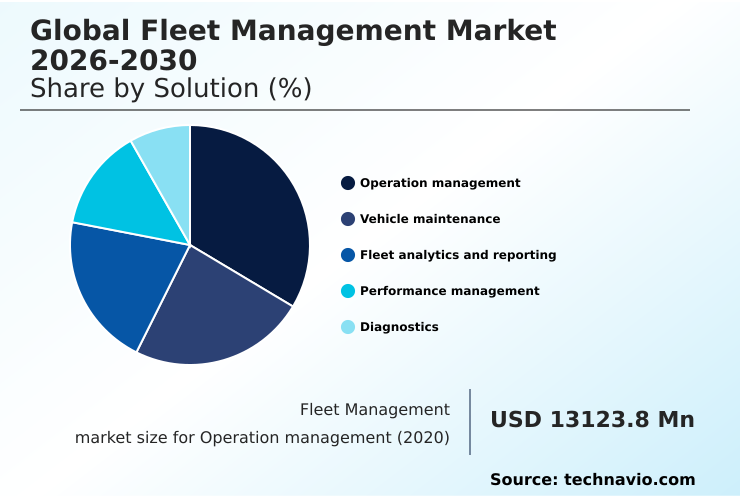
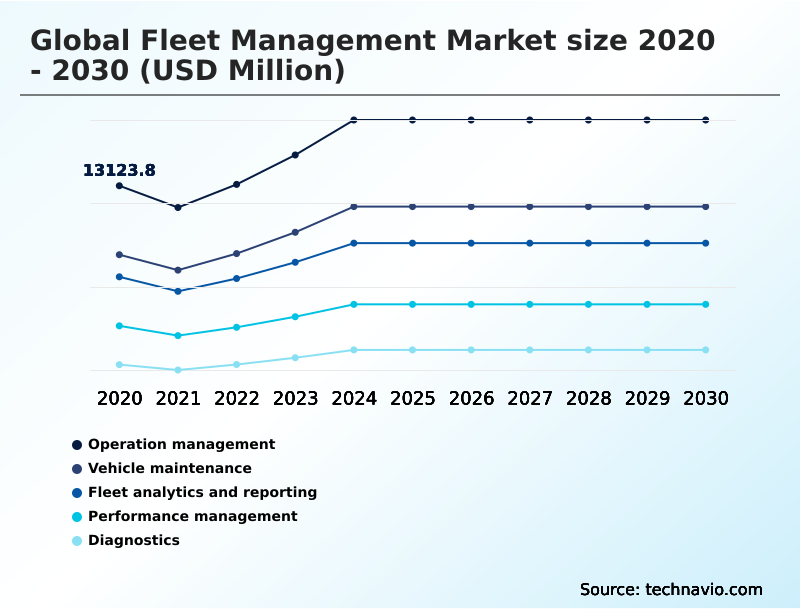
The Operation management segment was valued at USD 16.77 billion in 2024 and showed a gradual increase during the forecast period.
Regional Analysis
North America is estimated to contribute 31.1% to the growth of the global market during the forecast period.Technavio’s analysts have elaborately explained the regional trends and drivers that shape the market during the forecast period.
See How Fleet Management Market Demand is Rising in North America Get Free Sample
The geographic landscape of the global fleet management market 2026-2030 is led by North America, which accounts for over 31% of incremental growth, driven by mature adoption of transportation management system (TMS) technology and a focus on vehicle uptime maximization.
Europe follows, with a strong emphasis on sustainability and multi-modal logistics. The APAC region is the fastest-growing, with firms rapidly deploying mobile resource management tools to handle expanding logistics networks.
Across these regions, predictive maintenance alerts and driver behavior monitoring are becoming standard. Effective use of geofencing alerts in urban areas has been shown to reduce unauthorized vehicle use by up to 30%, optimizing operations within complex yard management systems.
Market Dynamics
Our researchers analyzed the data with 2025 as the base year, along with the key drivers, trends, and challenges. A holistic analysis of drivers will help companies refine their marketing strategies to gain a competitive advantage.
- Businesses are increasingly seeking specific solutions to complex operational challenges. The demand for commercial fleet management solutions for small business is growing as technology becomes more accessible, allowing smaller operators to compete. In the logistics sector, real-time temperature monitoring for cold chain is non-negotiable for ensuring product safety and compliance.
- For trucking companies, integrating ELD compliance with GPS tracking is a baseline requirement for efficient regulatory adherence. The e-commerce boom has made AI-based route optimization for last-mile a critical tool for profitability, which is now more effective than traditional methods by a significant margin. As sustainability gains importance, managing mixed fleets of electric and ICE vehicles introduces new complexities.
- To address this, organizations are adopting best practices for driver behavior monitoring to optimize energy use across all vehicle types. Concurrently, companies are learning how to reduce fuel costs with fleet management analytics. The application of these technologies extends beyond trucking, with fleet asset tracking for construction equipment enhancing security and utilization.
- Many firms are improving driver safety with video telematics, which provides invaluable coaching material. The strategic value is clear, as the ROI of implementing a fleet safety program often includes lower insurance premiums and higher driver retention.
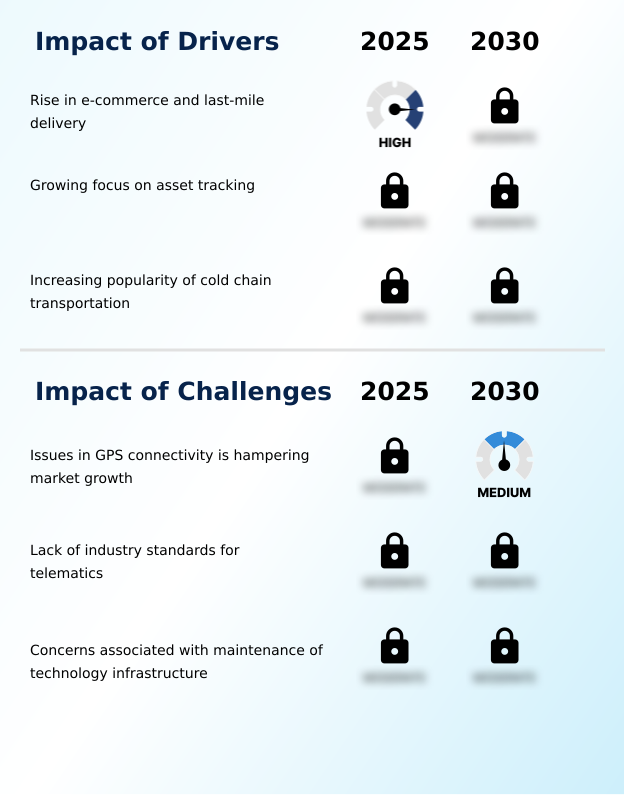
What are the key market drivers leading to the rise in the adoption of Fleet Management Industry?
- The significant rise in e-commerce and the corresponding demand for efficient last-mile delivery services are key drivers propelling the growth of the fleet management market.
- Market growth is significantly driven by regulatory and efficiency demands. The mandate for the electronic logging device (ELD) has spurred adoption of digital regulatory compliance management systems.
- Specialized sectors rely on robust cold chain monitoring, using IoT-enabled sensors to ensure temperature integrity, which reduces spoilage rates by over 15%. A cloud-based telematics platform is central to achieving fleet performance benchmarks and implementing effective driver retention strategies.
- The push for sustainability has also become a powerful driver, with fleet electrification management solutions helping companies meet carbon footprint reduction goals. Furthermore, the rise of digital freight matching platforms is creating more efficient logistics networks.
What are the market trends shaping the Fleet Management Industry?
- The increasing adoption of telematics and the integration of autonomous vehicle technologies are fundamentally reshaping fleet operations, driving significant improvements in efficiency and safety.
- Key trends are reshaping the market, led by advanced telematics data integration, which provides the foundation for smarter operations. The development of the autonomous vehicle fleet is accelerating, complemented by vehicle-to-everything (V2X) communication that enhances situational awareness, improving coordination by up to 25%.
- A modern integrated fleet safety program now incorporates AI-powered dashcams and in-vehicle video telematics, creating detailed driver safety scorecards that have been shown to reduce risky driving events. This rich stream of connected vehicle data enables new smart mobility services and allows for the use of automated dispatch systems that boost efficiency, providing unprecedented supply chain visibility.
What challenges does the Fleet Management Industry face during its growth?
- Persistent issues with GPS connectivity in certain environments present a key challenge, hampering real-time tracking accuracy and the overall reliability of fleet management systems.
- Significant challenges hinder seamless adoption, primarily stemming from integration complexities. Ensuring telematics hardware compatibility across diverse fleets remains a major hurdle, often requiring custom solutions that increase implementation costs. A reliable GPS tracking system can be compromised in dense urban or remote areas, impacting everything from field service management to supply chain visibility.
- The lack of standardized data formats complicates fuel card integration and the use of on-board diagnostics (OBD-II) for remote diagnostics. These issues also affect the scalability of cargo security solutions and insurance telematics (UBI) programs, where consistent data is crucial for accurate risk assessment.
Exclusive Technavio Analysis on Customer Landscape
The fleet management market forecasting report includes the adoption lifecycle of the market, covering from the innovator’s stage to the laggard’s stage. It focuses on adoption rates in different regions based on penetration. Furthermore, the fleet management market report also includes key purchase criteria and drivers of price sensitivity to help companies evaluate and develop their market growth analysis strategies.
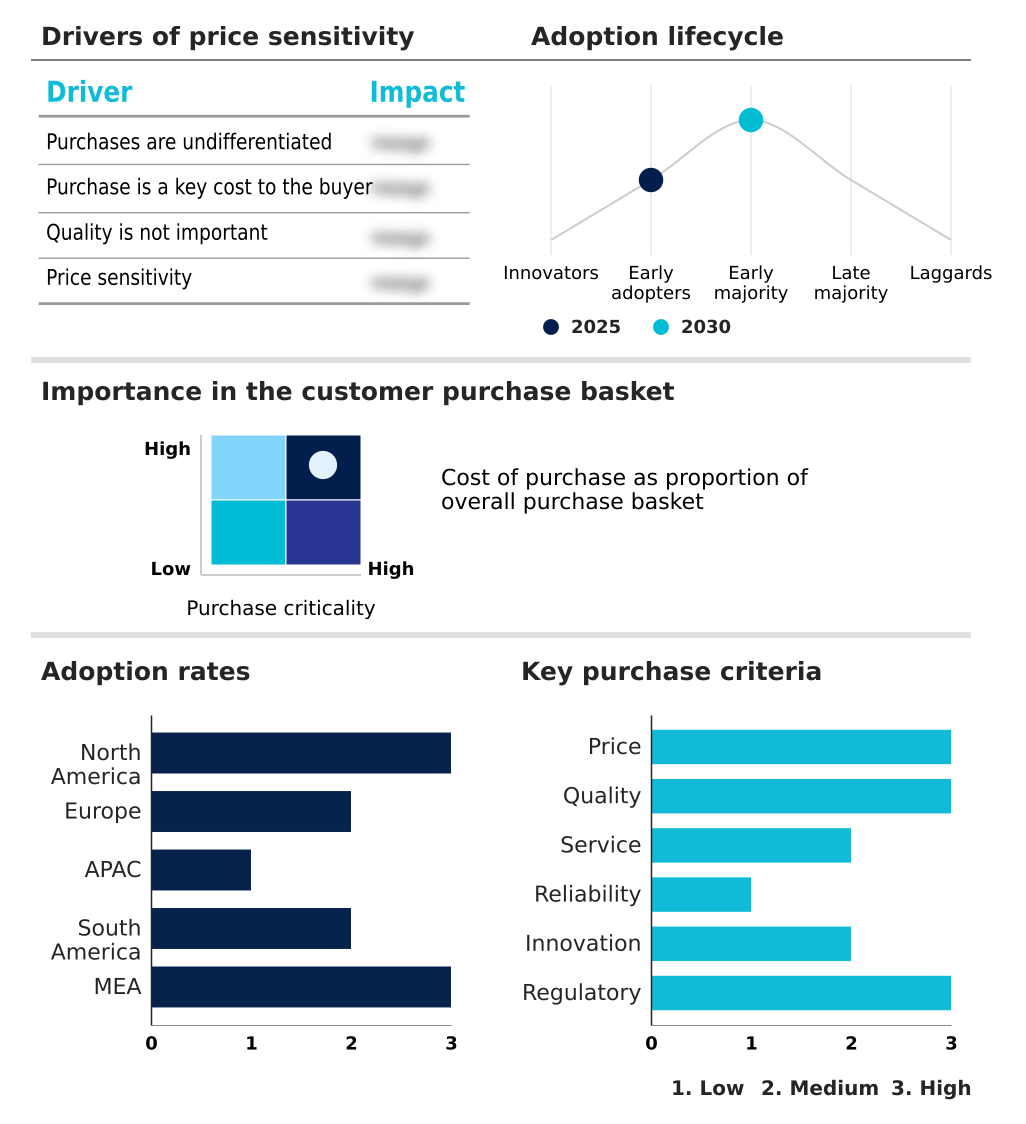
Customer Landscape of Fleet Management Industry
Competitive Landscape
Companies are implementing various strategies, such as strategic alliances, fleet management market forecast, partnerships, mergers and acquisitions, geographical expansion, and product/service launches, to enhance their presence in the industry.
Azuga Inc. - A portfolio of digital solutions offers integrated fleet management services, including specialized tire-centric technologies for comprehensive vehicle oversight.
The industry research and growth report includes detailed analyses of the competitive landscape of the market and information about key companies, including:
- Azuga Inc.
- CalAmp Corp.
- Fleet Complete
- Fleetio Inc.
- Geotab Inc.
- GPS Insight
- Gurtam
- Inseego Corp.
- Lytx Inc
- Masternaut Ltd.
- Motive Technologies Inc.
- Omnitracs LLC
- ORBCOMM Inc.
- Quartix Technologies plc
- Samsara Inc.
- Spireon LLC
- Teletrac Navman US Ltd.
- Trackunit AS
- Trimble Inc.
- Verizon Connect
- Webfleet Solutions B.V.
- Zonar Systems Inc.
Qualitative and quantitative analysis of companies has been conducted to help clients understand the wider business environment as well as the strengths and weaknesses of key industry players. Data is qualitatively analyzed to categorize companies as pure play, category-focused, industry-focused, and diversified; it is quantitatively analyzed to categorize companies as dominant, leading, strong, tentative, and weak.
Recent Development and News in Fleet management market
- In November 2024, TitanTrack Solutions secured USD 50 million in Series C funding to accelerate the development of its AI-powered predictive maintenance platform, which analyzes real-time vehicle diagnostics to forecast component failure.
- In February 2025, LogiCore Dynamics announced a partnership with a major automotive OEM to embed its next-generation telematics hardware directly into new commercial vehicle lines, aiming to streamline data access for fleet operators from the point of purchase.
- In March 2025, OmniLink, a leading provider of connected vehicle technology, launched its vehicle-to-everything (V2X) communication module designed to improve traffic flow and safety for municipal and commercial fleets in smart city environments.
- In April 2025, VerdeFleet acquired EV-Optimize, a startup specializing in charging infrastructure management software, to integrate electric vehicle energy management into its core fleet management offering.
Dive into Technavio’s robust research methodology, blending expert interviews, extensive data synthesis, and validated models for unparalleled Fleet Management Market insights. See full methodology.
| Market Scope | |
|---|---|
| Page number | 294 |
| Base year | 2025 |
| Historic period | 2020-2024 |
| Forecast period | 2026-2030 |
| Growth momentum & CAGR | Accelerate at a CAGR of 15.3% |
| Market growth 2026-2030 | USD 57985.6 million |
| Market structure | Fragmented |
| YoY growth 2025-2026(%) | 14.0% |
| Key countries | US, Canada, Mexico, Germany, UK, France, Italy, Spain, The Netherlands, China, India, Japan, South Korea, Australia, Indonesia, Brazil, Argentina, Chile, Saudi Arabia, UAE, South Africa, Turkey and Israel |
| Competitive landscape | Leading Companies, Market Positioning of Companies, Competitive Strategies, and Industry Risks |
Research Analyst Overview
- The fleet management market is advancing beyond simple location tracking into a deeply integrated ecosystem focused on data-driven optimization. The fusion of an advanced transportation management system (TMS) with a cloud-based telematics platform allows for unparalleled control over logistics.
- Core functionalities now include not just a GPS tracking system but also sophisticated route optimization software and tools for last-mile delivery optimization. Technologies such as AI-powered dashcams, electronic logging device (ELD) compliance, and on-board diagnostics (OBD-II) are becoming standard. For specialized needs, solutions for cold chain monitoring and comprehensive asset tracking solutions are critical.
- A modern integrated fleet safety program leverages driver behavior monitoring and predictive maintenance alerts from real-time vehicle diagnostics to prevent incidents, with some fleets achieving a 20% reduction in safety-related events. The strategic management of the entire vehicle lifecycle, from acquisition to disposal, is enabled through robust vehicle lifecycle management.
- Furthermore, the push toward sustainability is driving demand for effective fleet electrification management, while IoT-enabled sensors and vehicle-to-everything (V2X) communication promise a more connected autonomous vehicle fleet future.
What are the Key Data Covered in this Fleet Management Market Research and Growth Report?
-
What is the expected growth of the Fleet Management Market between 2026 and 2030?
-
USD 57.99 billion, at a CAGR of 15.3%
-
-
What segmentation does the market report cover?
-
The report is segmented by Solution (Operation management, Vehicle maintenance, Fleet analytics and reporting, Performance management, and Diagnostics), Vehicle Type (Commercial fleet, and Passenger car), Communication Technology (GNSS, and Cellular system) and Geography (North America, Europe, APAC, South America, Middle East and Africa)
-
-
Which regions are analyzed in the report?
-
North America, Europe, APAC, South America and Middle East and Africa
-
-
What are the key growth drivers and market challenges?
-
Rise in e-commerce and last-mile delivery, Issues in GPS connectivity is hampering market growth
-
-
Who are the major players in the Fleet Management Market?
-
Azuga Inc., CalAmp Corp., Fleet Complete, Fleetio Inc., Geotab Inc., GPS Insight, Gurtam, Inseego Corp., Lytx Inc, Masternaut Ltd., Motive Technologies Inc., Omnitracs LLC, ORBCOMM Inc., Quartix Technologies plc, Samsara Inc., Spireon LLC, Teletrac Navman US Ltd., Trackunit AS, Trimble Inc., Verizon Connect, Webfleet Solutions B.V. and Zonar Systems Inc.
-
Market Research Insights
- Market dynamics are increasingly shaped by the pursuit of higher fleet operational efficiency and improved driver retention strategies. Organizations are leveraging advanced platforms to enhance supply chain visibility, with leading adopters reporting a 15% improvement in on-time delivery rates.
- The focus on driver safety scorecards and data-driven driver coaching workflows has been shown to reduce accident-related costs by up to 25%. Furthermore, the adoption of solutions that support carbon footprint reduction not only meets regulatory requirements but also resonates with corporate sustainability goals, making integrated fleet management a strategic imperative for modern enterprises.
We can help! Our analysts can customize this fleet management market research report to meet your requirements.
 RIA -
RIA - 
