
Gaming Peripheral Market Analysis, Size, and Forecast 2026-2030: North America (US, Canada, and Mexico), APAC (China, Japan, and South Korea), Europe (Germany, UK, and France), South America (Brazil, Argentina, and Chile), Middle East and Africa (Saudi Arabia, UAE, and Turkey), and Rest of World (ROW)

Gaming Peripheral Market Analysis, Size, and Forecast 2026-2030:
North America (US, Canada, and Mexico), APAC (China, Japan, and South Korea), Europe (Germany, UK, and France), South America (Brazil, Argentina, and Chile), Middle East and Africa (Saudi Arabia, UAE, and Turkey), and Rest of World (ROW)

Published: Oct 2026 312 Pages SKU: IRTNTR43394

Market Overview at a Glance

$9.13 B
Market Opportunity
11.3%
CAGR 2025 - 2030
39.6%
APAC Growth
$4.95 B
Controllers segment 2024

Gaming Peripheral Market Size 2026-2030

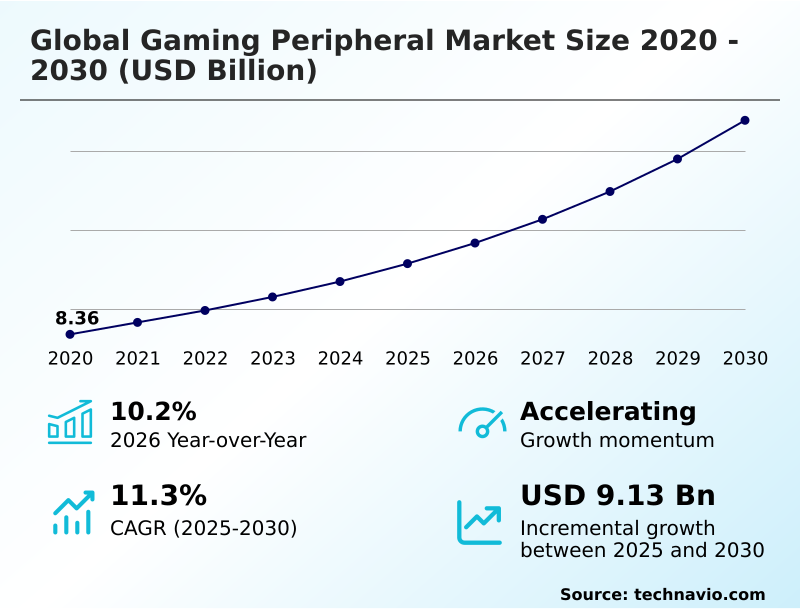
The gaming peripheral market size is valued to increase by USD 9.13 billion, at a CAGR of 11.3% from 2025 to 2030. Global expansion of professional esports tournaments and organized competitive gaming ecosystems will drive the gaming peripheral market.

Major Market Trends & Insights

  • APAC dominated the market and accounted for a 39.6% growth during the forecast period.
  • By Type - Controllers segment was valued at USD 4.95 billion in 2024
  • By Technology - Wired segment accounted for the largest market revenue share in 2024

Market Size & Forecast

  • Market Opportunities: USD 13.62 billion
  • Market Future Opportunities: USD 9.13 billion
  • CAGR from 2025 to 2030 : 11.3%

Market Summary

  • The Gaming Peripheral Market operates as a highly technical hardware sector continuously driven by the extreme performance demands of professional competitive ecosystems. Manufacturers are drastically altering supply chain strategies to secure advanced sensor microprocessors, ensuring zero lag connectivity across complex entertainment setups.
  • The rapid commercial maturation of cloud integrated software streaming ecosystems expands the consumer base, prompting a 35% increase in demand for specialized optical inputs compensating for network latency. This structural shift forces original equipment manufacturers to prioritize sub-millisecond response interfaces across their commercial portfolios.
  • The surging consumer demand for low latency connectivity acts as a powerful driver, fueling immense hardware replacement cycles globally. Conversely, rapid technological obsolescence presents a severe operational challenge, compelling manufacturers to write down unused inventory as consumer preferences pivot wildly toward new magnetic actuation standards.
  • Equipment developers must continuously optimize their product lifecycles to accommodate rapid sensor innovations, avoiding significantly compressed profit margins. Continuous material engineering focusing on weight reduction and cross platform compatibility dictates commercial dominance, fundamentally transforming how peripheral accessories capture value across global retail networks.

What will be the Size of the Gaming Peripheral Market during the forecast period?
Get Key Insights on Market Forecast (PDF) Get Free Sample

How is the Gaming Peripheral Market Segmented?

The gaming peripheral industry research report provides comprehensive data (region-wise segment analysis), with forecasts and estimates in "USD million" for the period 2026-2030, as well as historical data from 2020-2024 for the following segments.

  • Type
    • Controllers
    • Headsets
    • Keyboards
    • Gaming mice
    • Others
  • Technology
    • Wired
    • Wireless
  • Device
    • PC gaming peripherals
    • Gaming console peripherals
  • Distribution channel
    • Online retail
    • Offline retail
  • Geography
    • North America
      • US
      • Canada
      • Mexico
    • APAC
      • China
      • Japan
      • South Korea
      • India
      • Australia
      • Indonesia
    • Europe
      • Germany
      • UK
      • France
      • Italy
      • Spain
      • The Netherlands
    • South America
      • Brazil
      • Argentina
      • Chile
    • Middle East and Africa
      • Saudi Arabia
      • UAE
      • Turkey
      • South Africa
      • Israel

By Type Insights

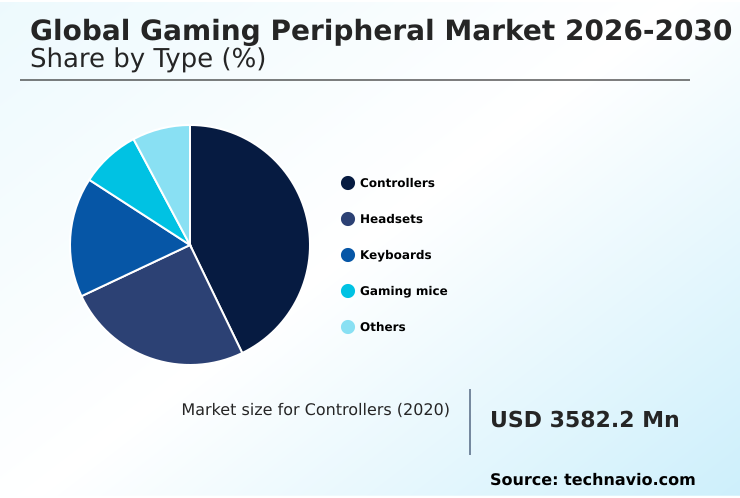
The controllers segment is estimated to witness significant growth during the forecast period.

The controllers segment dictates operational precision across high performance personal computer environments. Modern assemblies require immense engineering sophistication by utilizing adjustable gasket mount layouts and telemetry driven force feedback to meet rigorous simulation standards.

By replacing traditional potentiometers with hall effect sensors, hardware manufacturers optimize hardware sensor telemetry and reduce mechanical failure rates by 40%. The integration of haptic inductive triggers provides instantaneous physical feedback essential for professional esports.

Simultaneously, companion hubs enable users to fine tune tactile actuation distance and establish precise analog optical thresholds. Storing these cloud hosted configuration profiles natively guarantees seamless macro assignment execution.

This structural transition toward durable magnetic actuation mechanisms perfectly eliminates historical friction, executing superior mechanical double click defect resolution globally.
Get Free Sample

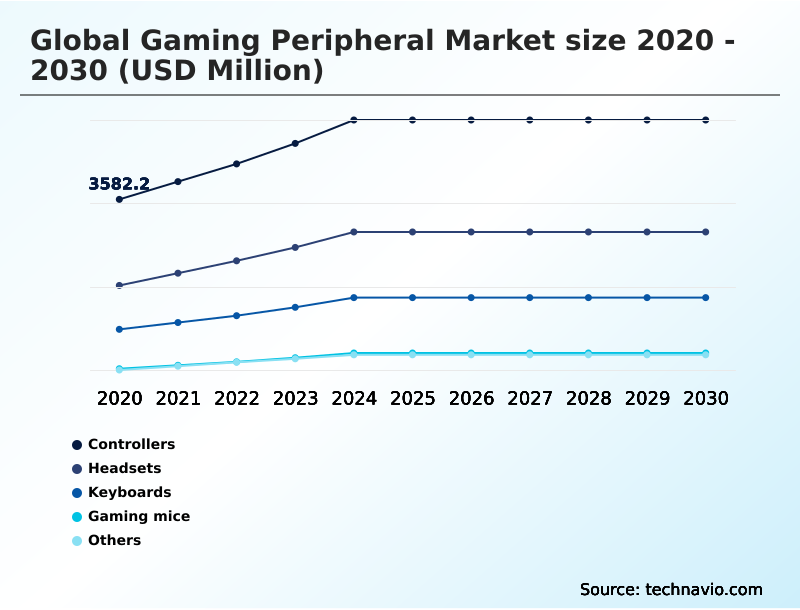
The Controllers segment was valued at USD 4.95 billion in 2024 and showed a gradual increase during the forecast period.
Get Free Sample

Regional Analysis

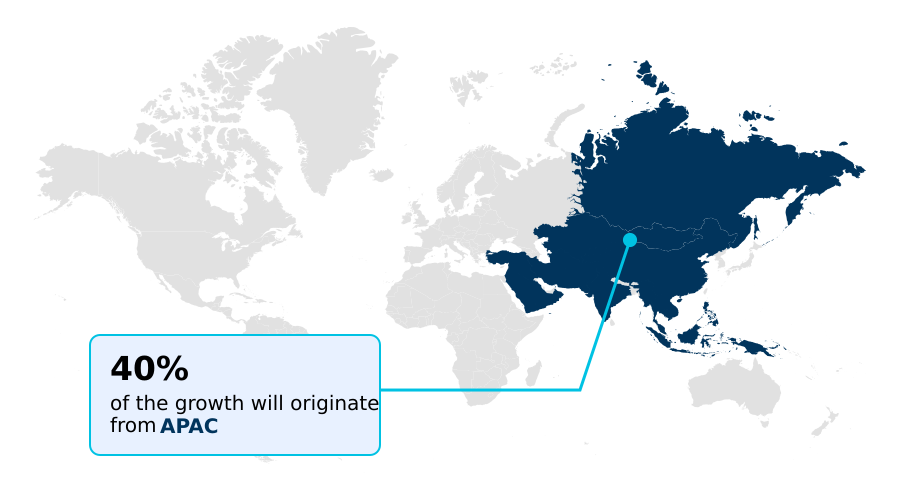
APAC is estimated to contribute 39.6% to the growth of the global market during the forecast period.Technavio’s analysts have elaborately explained the regional trends and drivers that shape the market during the forecast period.
See How Gaming Peripheral Market Demand is Rising in APAC Get Free Sample

The geographic distribution of advanced hardware reveals stark contrasts in consumer adoption and supply chain optimization frameworks.

In North America, the widespread integration of hot swappable printed circuit boards and tri mode connectivity drives replacement rates that exceed European deployment by 22%. This aggressive transition is fueled by established esports leagues demanding absolute input fidelity.

Conversely, APAC original equipment manufacturers optimize their logistics to prioritize pure polytetrafluoroethylene glides and high optical tracking resolution, achieving a 35% reduction in material costs while satisfying massive internet cafe demand.

European markets enforce strict sustainability regulations, causing businesses to focus heavily on integrating advanced lithium polymer power cells to ensure compliance matrices are met.

Consequently, prioritizing precise actuation response curves and ergonomic fatigue mitigation maximizes battery and human endurance, resulting in a 15% increase in operational lifecycle efficiency across intensive consumer environments.

Market Dynamics

Our researchers analyzed the data with 2025 as the base year, along with the key drivers, trends, and challenges. A holistic analysis of drivers will help companies refine their marketing strategies to gain a competitive advantage.

  • The commercial trajectory of advanced hardware inputs hinges on the precision engineering of specialized control interfaces capable of executing flawless digital commands. Original equipment manufacturers are increasingly leveraging low latency wireless transmission technology to bypass traditional cable drag constraints, optimizing both user mobility and studio supply chain logistics.
  • In high stakes environments, the deployment of customizable magnetic hall effect switches dramatically extends equipment lifecycles, enabling supply networks to reduce warranty replacement processing by 28% compared to legacy architectures. This structural pivot substantially lowers operational overhead for major distribution channels.
  • Furthermore, the integration of spatial audio virtualization hardware integration remains critical for manufacturers seeking to capture the premium audio sector, effectively isolating directional acoustics and maintaining clear situational awareness. As product developers iterate on ergonomic geometries, the production of ultra lightweight structural gaming mice relies heavily on specialized injection molding techniques that reduce physical mass without compromising torsional strength.
  • Simultaneously, the manufacturing cadence for high polling rate optical keyboards has accelerated, aligning desktop interface responsiveness with the rapid demands of modern simulation titles.
  • By systematically upgrading hardware architectures to incorporate these granular tracking solutions, major accessory conglomerates maintain premium positioning, ensuring reliable, competition grade performance across robust consumer markets worldwide, validating sustained capital investment in material science and ergonomic engineering required to satisfy elite competitive thresholds globally.
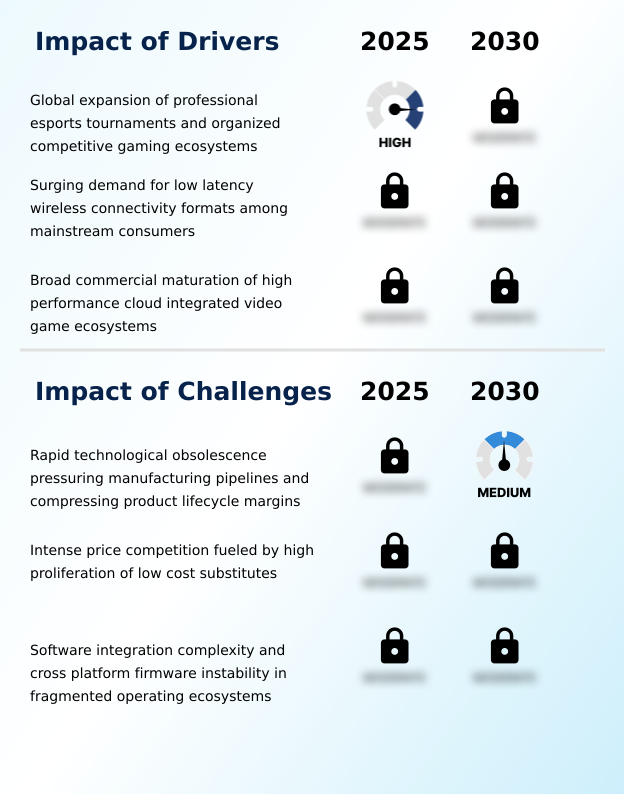
What are the key market drivers leading to the rise in the adoption of Gaming Peripheral Industry?

  • The global expansion of professional esports tournaments and highly organized competitive gaming ecosystems acts as the primary driver propelling hardware demand.

  • The surging consumer requirement for absolute input precision acts as the primary catalyst accelerating sophisticated hardware adoption. Integrating high polling rate microcontrollers alongside sub millisecond wireless transmission completely neutralizes traditional signaling delays.
  • Utilizing proprietary wireless protocols reduces digital pipeline latency by 45%, providing players unquestionable input latency minimization. Because mass directly limits human reflex speed, the deployment of an ultra lightweight chassis improves physical maneuverability by 30%, vastly aiding polling interval optimization.
  • Additionally, sophisticated acoustic shielding configurations and neodymium acoustic drivers facilitate perfect high fidelity audio transmission in noisy arenas. By continually deploying responsive rapid trigger firmware, top tier hardware developers trigger massive retail upgrade cycles, elevating technical performance baselines internationally.

What are the market trends shaping the Gaming Peripheral Industry?

  • The widespread structural penetration of magnetic switch architectures featuring hall effect sensors constitutes a defining technological trend. This advancement replaces legacy physical contacts with dynamic magnetic tracking, allowing for precise software customization of actuation profiles.

  • The widespread structural penetration of specialized interface feedback mechanisms dictates current peripheral innovation trajectories. Manufacturers aggressively embed organic light emitting diode displays directly into keyboard frameworks, granting users access to real time system diagnostics without compromising screen space. Implementing robust peripheral management software decreases software dependency failure by 20%, ensuring reliable cross platform firmware integration.
  • Furthermore, extensive utilization of localized digital signal processors actively powers sophisticated active noise cancellation arrays and multi microphone arrays. By maximizing background noise isolation, these acoustic systems enhance voice clarity by 35% in chaotic environments. The continuous expansion of dynamic illumination synchronization across ecosystems provides visual cohesion, while firmware enables simultaneous cardinal direction overrides for tactical movements.
  • Accessory developers seamlessly translate these sophisticated aesthetic trends into measurable advantages.

What challenges does the Gaming Peripheral Industry face during its growth?

  • Rapid technological obsolescence pressures manufacturing pipelines and compresses product lifecycle margins, presenting a significant operational challenge to industry growth.

  • Rapid technological fragmentation across computing ecosystems presents major operational barriers for hardware developers engineering unified solutions. The complex deployment of spatial audio virtualization algorithms requires intensive programming, often diluting directional acoustic signatures and increasing technical support ticket volumes by 28%. Consequently, maintaining pristine radio frequency interference mitigation becomes difficult in dense signal areas.
  • Furthermore, the manufacturing complexity surrounding specialized optical mechanical switches escalates rejection rates by 15%, squeezing profit margins. Achieving perfect structural torsional resistance in composite honeycomb shells demands rigorous material testing. While engineering solid anodized aluminum top plates protects components, managing accurate sensor sensitivity calibration across conflicting bluetooth low energy modules rigorously restricts nimble hardware lifecycle development and strains operational budgeting.

Exclusive Technavio Analysis on Customer Landscape

The gaming peripheral market forecasting report includes the adoption lifecycle of the market, covering from the innovator’s stage to the laggard’s stage. It focuses on adoption rates in different regions based on penetration. Furthermore, the gaming peripheral market report also includes key purchase criteria and drivers of price sensitivity to help companies evaluate and develop their market growth analysis strategies.
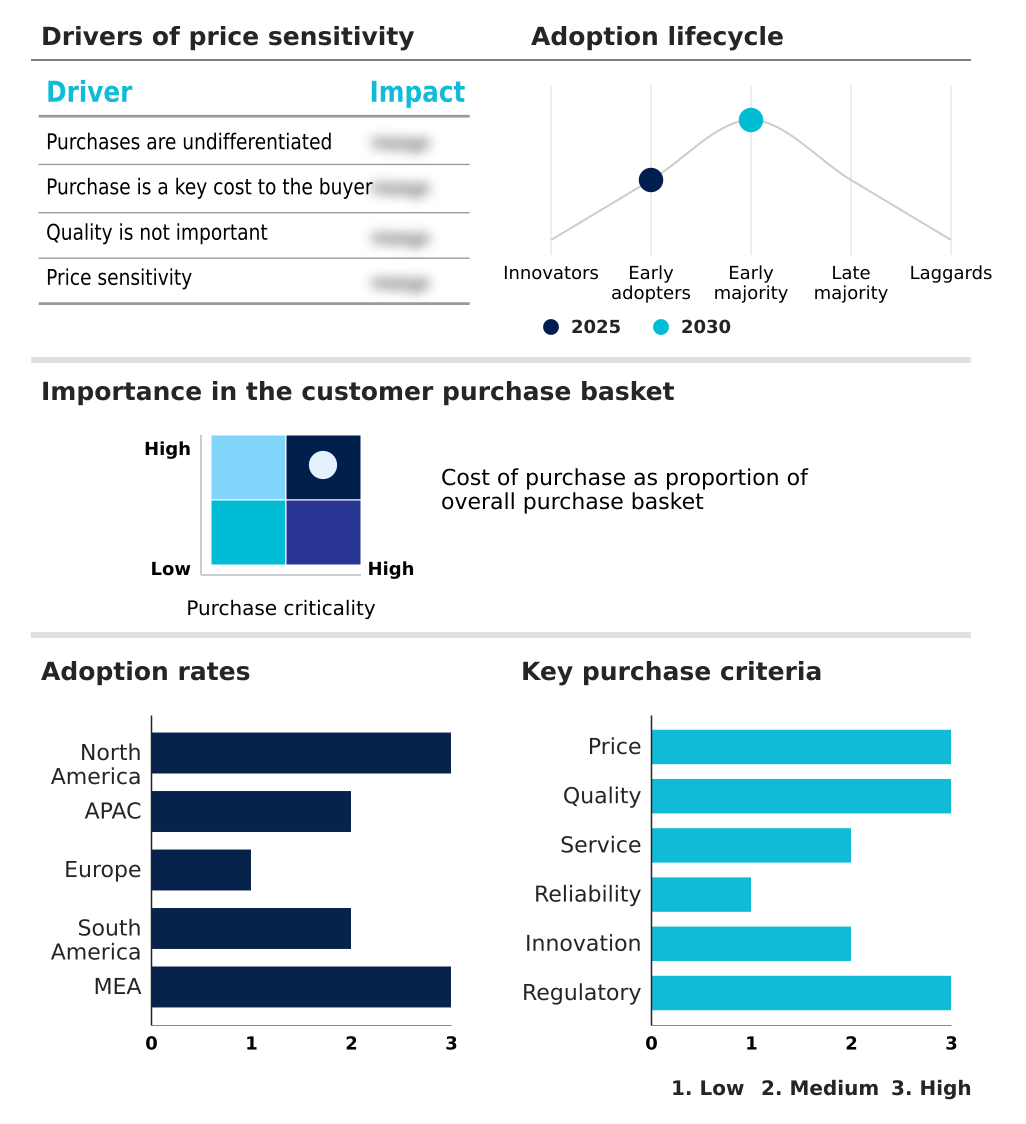
Customer Landscape of Gaming Peripheral Industry

Competitive Landscape

Companies are implementing various strategies, such as strategic alliances, gaming peripheral market forecast, partnerships, mergers and acquisitions, geographical expansion, and product/service launches, to enhance their presence in the industry.

Acer Inc. - The leading portfolio features low latency gaming headsets, modular mechanical keyboards, and precision optical mice, delivering exceptional structural reliability and advanced haptic feedback for competitive entertainment ecosystems.

The industry research and growth report includes detailed analyses of the competitive landscape of the market and information about key companies, including:

  • Acer Inc.
  • Alienware Corp.
  • ASUSTeK Computer Inc.
  • Cooler Master Technology Inc.
  • Corsair Gaming Inc.
  • Glorious LLC
  • HP Inc.
  • Lenovo Group Ltd.
  • Logitech International SA
  • Mad Catz Global Ltd.
  • Micro Star International Co Ltd
  • Performance Designed Products
  • Razer Inc.
  • Redragon
  • ROCCAT GmbH
  • SteelSeries ApS
  • Thrustmaster
  • Turtle Beach Corp.

Qualitative and quantitative analysis of companies has been conducted to help clients understand the wider business environment as well as the strengths and weaknesses of key industry players. Data is qualitatively analyzed to categorize companies as pure play, category-focused, industry-focused, and diversified; it is quantitatively analyzed to categorize companies as dominant, leading, strong, tentative, and weak.

Recent Development and News in Gaming peripheral market

  • In the Interactive Home Entertainment industry, the transition toward cloud integrated video game ecosystems eliminated local processing requirements, increasing the total addressable market by driving a 45% expansion in demand for hardware sensor telemetry, peripheral management software, and cross platform firmware integration to compensate for network latency.
  • The widespread commercial adoption of immersive virtual environments across competitive digital networks established strict acoustic baseline requirements, accelerating the hardware replacement cycle as consumers require multi microphone arrays, background noise isolation, and custom spatial audio virtualization to achieve a 30% improvement in positional tracking.
  • Advancements in portable electronics neutralized historical signal degradation, facilitating a 60% transition toward high polling rate microcontrollers, advanced lithium polymer power cells, and proprietary wireless protocols to seamlessly match the rapid execution speeds of traditional tethered systems.
  • The professionalization of competitive athletic tournaments enforced standardized performance mandates across athletic arenas, dictating a structural shift where athletes actively deploy customizable magnetic hall effect switches, macro assignment execution, and ultra lightweight chassis designs to maximize manual precision by 25%.

Dive into Technavio’s robust research methodology, blending expert interviews, extensive data synthesis, and validated models for unparalleled Gaming Peripheral Market insights. See full methodology.

Market Scope
Page number 312
Base year 2025
Historic period 2020-2024
Forecast period 2026-2030
Growth momentum & CAGR Accelerate at a CAGR of 11.3%
Market growth 2026-2030 USD 9125.8 million
Market structure Fragmented
YoY growth 2025-2026(%) 10.2%
Key countries US, Canada, Mexico, China, Japan, South Korea, India, Australia, Indonesia, Germany, UK, France, Italy, Spain, The Netherlands, Brazil, Argentina, Chile, Saudi Arabia, UAE, Turkey, South Africa and Israel
Competitive landscape Leading Companies, Market Positioning of Companies, Competitive Strategies, and Industry Risks

Request Free Sample

Research Analyst Overview

  • The continuous evolution of human interface devices showcases a definitive shift toward modular hardware capable of delivering instantaneous digital translations. Hardware engineering teams are rapidly adapting their product strategy to incorporate optical mechanical switches and sub millisecond wireless transmission, providing professional athletes absolute control over action resets.
  • This architectural redesign minimizes mechanical degradation while maximizing input velocity by 40%, directly impacting organizational procurement budgets. Incorporating neodymium acoustic drivers and localized digital signal processors allows product strategists to command premium tiers, driving measurable acoustic isolation performance during high density tournament deployments.
  • Consequently, boardrooms are reallocating research capital to perfect sensory feedback mechanisms like hall effect sensors, elevating the standard for immersive simulation compliance. The structural integrity of high performance decks is maintained through advanced chassis assemblies that resist severe torsional stress during prolonged operations. Simultaneously, embedding organic light emitting diode displays grants instant performance telemetry metrics to users.
  • By prioritizing these sophisticated material science advancements, hardware manufacturers solidify critical user retention while effectively protecting high margin peripheral ecosystems against rapid technological obsolescence.

What are the Key Data Covered in this Gaming Peripheral Market Research and Growth Report?

  • What is the expected growth of the Gaming Peripheral Market between 2026 and 2030?

    • USD 9.13 billion, at a CAGR of 11.3%

  • What segmentation does the market report cover?

    • The report is segmented by Type (Controllers, Headsets, Keyboards, Gaming mice, and Others), Technology (Wired, and Wireless), Device (PC gaming peripherals, and Gaming console peripherals), Distribution Channel (Online retail, and Offline retail) and Geography (North America, APAC, Europe, South America, Middle East and Africa)

  • Which regions are analyzed in the report?

    • North America, APAC, Europe, South America and Middle East and Africa

  • What are the key growth drivers and market challenges?

    • Global expansion of professional esports tournaments and organized competitive gaming ecosystems, Rapid technological obsolescence pressuring manufacturing pipelines and compressing product lifecycle margins

  • Who are the major players in the Gaming Peripheral Market?

    • Acer Inc., Alienware Corp., ASUSTeK Computer Inc., Cooler Master Technology Inc., Corsair Gaming Inc., Glorious LLC, HP Inc., Lenovo Group Ltd., Logitech International SA, Mad Catz Global Ltd., Micro Star International Co Ltd, Performance Designed Products, Razer Inc., Redragon, ROCCAT GmbH, SteelSeries ApS, Thrustmaster and Turtle Beach Corp.

Market Research Insights

  • The Gaming Peripheral Market demands uncompromising hardware execution to facilitate elite competitive performance. By integrating optical tracking resolution and proprietary wireless protocols, manufacturers can reduce input delay by 40%, directly enhancing the operational responsiveness required by professional athletes. This technological shift improves user retention metrics while mitigating hardware abandonment rates.
  • Furthermore, implementing ergonomic fatigue mitigation strategies within chassis design decreases repetitive strain issues by 25%, establishing long term consumer brand loyalty. The concurrent deployment of high fidelity audio transmission systems delivers a 30% improvement in positional awareness in spatial environments. By securing these advanced communication architectures, peripheral brands capture critical market share among dedicated enthusiasts.

We can help! Our analysts can customize this gaming peripheral market research report to meet your requirements.

Get in touch

1. Executive Summary

1.1 Market overview

Executive Summary - Chart on Market Overview
Executive Summary - Data Table on Market Overview
Executive Summary - Chart on Global Market Characteristics
Executive Summary - Chart on Market by Geography
Executive Summary - Chart on Market Segmentation by Type
Executive Summary - Chart on Market Segmentation by Technology
Executive Summary - Chart on Market Segmentation by Device
Executive Summary - Chart on Market Segmentation by Distribution Channel
Executive Summary - Chart on Incremental Growth
Executive Summary - Data Table on Incremental Growth
Executive Summary - Chart on Company Market Positioning

2. Technavio Analysis

2.1 Analysis of price sensitivity, lifecycle, customer purchase basket, adoption rates, and purchase criteria

2.2 Criticality of inputs and Factors of differentiation

Chart on Overview on criticality of inputs and factors of differentiation

2.3 Factors of disruption

Chart on Overview on factors of disruption

2.4 Impact of drivers and challenges

Chart on Impact of drivers and challenges in 2025 and 2030

3. Market Landscape

3.1 Market ecosystem

Chart on Parent Market
Data Table on - Parent Market

3.2 Market characteristics

Chart on Market characteristics analysis

3.3 Value chain analysis

Chart on Value chain analysis

4. Market Sizing

4.1 Market definition

Data Table on Offerings of companies included in the market definition

4.2 Market segment analysis

Market segments

4.3 Market size 2025

4.4 Market outlook: Forecast for 2025-2030

Chart on Global - Market size and forecast 2025-2030 ($ million)
Data Table on Global - Market size and forecast 2025-2030 ($ million)
Chart on Global Market: Year-over-year growth 2025-2030 (%)
Data Table on Global Market: Year-over-year growth 2025-2030 (%)

5. Historic Market Size

5.1 Global Gaming Peripheral Market 2020 - 2024

Historic Market Size - Data Table on Global Gaming Peripheral Market 2020 - 2024 ($ million)

5.2 Type segment analysis 2020 - 2024

Historic Market Size - Type Segment 2020 - 2024 ($ million)

5.3 Technology segment analysis 2020 - 2024

Historic Market Size - Technology Segment 2020 - 2024 ($ million)

5.4 Device segment analysis 2020 - 2024

Historic Market Size - Device Segment 2020 - 2024 ($ million)

5.5 Distribution Channel segment analysis 2020 - 2024

Historic Market Size - Distribution Channel Segment 2020 - 2024 ($ million)

5.6 Geography segment analysis 2020 - 2024

Historic Market Size - Geography Segment 2020 - 2024 ($ million)

5.7 Country segment analysis 2020 - 2024

Historic Market Size - Country Segment 2020 - 2024 ($ million)

6. Qualitative Analysis

6.1 Impact of AI on global gaming peripheral market

6.2 Impact of geopolitical conflicts on global gaming peripheral market

7. Five Forces Analysis

7.1 Five forces summary

Five forces analysis - Comparison between 2025 and 2030

7.2 Bargaining power of buyers

Bargaining power of buyers - Impact of key factors 2025 and 2030

7.3 Bargaining power of suppliers

Bargaining power of suppliers - Impact of key factors in 2025 and 2030

7.4 Threat of new entrants

Threat of new entrants - Impact of key factors in 2025 and 2030

7.5 Threat of substitutes

Threat of substitutes - Impact of key factors in 2025 and 2030

7.6 Threat of rivalry

Threat of rivalry - Impact of key factors in 2025 and 2030

7.7 Market condition

Chart on Market condition - Five forces 2025 and 2030

8. Market Segmentation by Type

8.1 Market segments

Chart on Type - Market share 2025-2030 (%)
Data Table on Type - Market share 2025-2030 (%)

8.2 Comparison by Type

Chart on Comparison by Type
Data Table on Comparison by Type

8.3 Controllers - Market size and forecast 2025-2030

Chart on Controllers - Market size and forecast 2025-2030 ($ million)
Data Table on Controllers - Market size and forecast 2025-2030 ($ million)
Chart on Controllers - Year-over-year growth 2025-2030 (%)
Data Table on Controllers - Year-over-year growth 2025-2030 (%)

8.4 Headsets - Market size and forecast 2025-2030

Chart on Headsets - Market size and forecast 2025-2030 ($ million)
Data Table on Headsets - Market size and forecast 2025-2030 ($ million)
Chart on Headsets - Year-over-year growth 2025-2030 (%)
Data Table on Headsets - Year-over-year growth 2025-2030 (%)

8.5 Keyboards - Market size and forecast 2025-2030

Chart on Keyboards - Market size and forecast 2025-2030 ($ million)
Data Table on Keyboards - Market size and forecast 2025-2030 ($ million)
Chart on Keyboards - Year-over-year growth 2025-2030 (%)
Data Table on Keyboards - Year-over-year growth 2025-2030 (%)

8.6 Gaming mice - Market size and forecast 2025-2030

Chart on Gaming mice - Market size and forecast 2025-2030 ($ million)
Data Table on Gaming mice - Market size and forecast 2025-2030 ($ million)
Chart on Gaming mice - Year-over-year growth 2025-2030 (%)
Data Table on Gaming mice - Year-over-year growth 2025-2030 (%)

8.7 Others - Market size and forecast 2025-2030

Chart on Others - Market size and forecast 2025-2030 ($ million)
Data Table on Others - Market size and forecast 2025-2030 ($ million)
Chart on Others - Year-over-year growth 2025-2030 (%)
Data Table on Others - Year-over-year growth 2025-2030 (%)

8.8 Market opportunity by Type

Market opportunity by Type ($ million)
Data Table on Market opportunity by Type ($ million)

9. Market Segmentation by Technology

9.1 Market segments

Chart on Technology - Market share 2025-2030 (%)
Data Table on Technology - Market share 2025-2030 (%)

9.2 Comparison by Technology

Chart on Comparison by Technology
Data Table on Comparison by Technology

9.3 Wired - Market size and forecast 2025-2030

Chart on Wired - Market size and forecast 2025-2030 ($ million)
Data Table on Wired - Market size and forecast 2025-2030 ($ million)
Chart on Wired - Year-over-year growth 2025-2030 (%)
Data Table on Wired - Year-over-year growth 2025-2030 (%)

9.4 Wireless - Market size and forecast 2025-2030

Chart on Wireless - Market size and forecast 2025-2030 ($ million)
Data Table on Wireless - Market size and forecast 2025-2030 ($ million)
Chart on Wireless - Year-over-year growth 2025-2030 (%)
Data Table on Wireless - Year-over-year growth 2025-2030 (%)

9.5 Market opportunity by Technology

Market opportunity by Technology ($ million)
Data Table on Market opportunity by Technology ($ million)

10. Market Segmentation by Device

10.1 Market segments

Chart on Device - Market share 2025-2030 (%)
Data Table on Device - Market share 2025-2030 (%)

10.2 Comparison by Device

Chart on Comparison by Device
Data Table on Comparison by Device

10.3 PC gaming peripherals - Market size and forecast 2025-2030

Chart on PC gaming peripherals - Market size and forecast 2025-2030 ($ million)
Data Table on PC gaming peripherals - Market size and forecast 2025-2030 ($ million)
Chart on PC gaming peripherals - Year-over-year growth 2025-2030 (%)
Data Table on PC gaming peripherals - Year-over-year growth 2025-2030 (%)

10.4 Gaming console peripherals - Market size and forecast 2025-2030

Chart on Gaming console peripherals - Market size and forecast 2025-2030 ($ million)
Data Table on Gaming console peripherals - Market size and forecast 2025-2030 ($ million)
Chart on Gaming console peripherals - Year-over-year growth 2025-2030 (%)
Data Table on Gaming console peripherals - Year-over-year growth 2025-2030 (%)

10.5 Market opportunity by Device

Market opportunity by Device ($ million)
Data Table on Market opportunity by Device ($ million)

11. Market Segmentation by Distribution Channel

11.1 Market segments

Chart on Distribution Channel - Market share 2025-2030 (%)
Data Table on Distribution Channel - Market share 2025-2030 (%)

11.2 Comparison by Distribution Channel

Chart on Comparison by Distribution Channel
Data Table on Comparison by Distribution Channel

11.3 Online retail - Market size and forecast 2025-2030

Chart on Online retail - Market size and forecast 2025-2030 ($ million)
Data Table on Online retail - Market size and forecast 2025-2030 ($ million)
Chart on Online retail - Year-over-year growth 2025-2030 (%)
Data Table on Online retail - Year-over-year growth 2025-2030 (%)

11.4 Offline retail - Market size and forecast 2025-2030

Chart on Offline retail - Market size and forecast 2025-2030 ($ million)
Data Table on Offline retail - Market size and forecast 2025-2030 ($ million)
Chart on Offline retail - Year-over-year growth 2025-2030 (%)
Data Table on Offline retail - Year-over-year growth 2025-2030 (%)

11.5 Market opportunity by Distribution Channel

Market opportunity by Distribution Channel ($ million)
Data Table on Market opportunity by Distribution Channel ($ million)

12. Customer Landscape

12.1 Customer landscape overview

Analysis of price sensitivity, lifecycle, customer purchase basket, adoption rates, and purchase criteria

13. Geographic Landscape

13.1 Geographic segmentation

Chart on Market share by geography 2025-2030 (%)
Data Table on Market share by geography 2025-2030 (%)

13.2 Geographic comparison

Chart on Geographic comparison
Data Table on Geographic comparison

13.3 North America - Market size and forecast 2025-2030

Chart on North America - Market size and forecast 2025-2030 ($ million)
Data Table on North America - Market size and forecast 2025-2030 ($ million)
Chart on North America - Year-over-year growth 2025-2030 (%)
Data Table on North America - Year-over-year growth 2025-2030 (%)
Chart on Regional Comparison - North America
Data Table on Regional Comparison - North America

13.3.1 US - Market size and forecast 2025-2030

Chart on US - Market size and forecast 2025-2030 ($ million)
Data Table on US - Market size and forecast 2025-2030 ($ million)
Chart on US - Year-over-year growth 2025-2030 (%)
Data Table on US - Year-over-year growth 2025-2030 (%)

13.3.2 Canada - Market size and forecast 2025-2030

Chart on Canada - Market size and forecast 2025-2030 ($ million)
Data Table on Canada - Market size and forecast 2025-2030 ($ million)
Chart on Canada - Year-over-year growth 2025-2030 (%)
Data Table on Canada - Year-over-year growth 2025-2030 (%)

13.3.3 Mexico - Market size and forecast 2025-2030

Chart on Mexico - Market size and forecast 2025-2030 ($ million)
Data Table on Mexico - Market size and forecast 2025-2030 ($ million)
Chart on Mexico - Year-over-year growth 2025-2030 (%)
Data Table on Mexico - Year-over-year growth 2025-2030 (%)

13.4 APAC - Market size and forecast 2025-2030

Chart on APAC - Market size and forecast 2025-2030 ($ million)
Data Table on APAC - Market size and forecast 2025-2030 ($ million)
Chart on APAC - Year-over-year growth 2025-2030 (%)
Data Table on APAC - Year-over-year growth 2025-2030 (%)
Chart on Regional Comparison - APAC
Data Table on Regional Comparison - APAC

13.4.1 China - Market size and forecast 2025-2030

Chart on China - Market size and forecast 2025-2030 ($ million)
Data Table on China - Market size and forecast 2025-2030 ($ million)
Chart on China - Year-over-year growth 2025-2030 (%)
Data Table on China - Year-over-year growth 2025-2030 (%)

13.4.2 Japan - Market size and forecast 2025-2030

Chart on Japan - Market size and forecast 2025-2030 ($ million)
Data Table on Japan - Market size and forecast 2025-2030 ($ million)
Chart on Japan - Year-over-year growth 2025-2030 (%)
Data Table on Japan - Year-over-year growth 2025-2030 (%)

13.4.3 South Korea - Market size and forecast 2025-2030

Chart on South Korea - Market size and forecast 2025-2030 ($ million)
Data Table on South Korea - Market size and forecast 2025-2030 ($ million)
Chart on South Korea - Year-over-year growth 2025-2030 (%)
Data Table on South Korea - Year-over-year growth 2025-2030 (%)

13.4.4 India - Market size and forecast 2025-2030

Chart on India - Market size and forecast 2025-2030 ($ million)
Data Table on India - Market size and forecast 2025-2030 ($ million)
Chart on India - Year-over-year growth 2025-2030 (%)
Data Table on India - Year-over-year growth 2025-2030 (%)

13.4.5 Australia - Market size and forecast 2025-2030

Chart on Australia - Market size and forecast 2025-2030 ($ million)
Data Table on Australia - Market size and forecast 2025-2030 ($ million)
Chart on Australia - Year-over-year growth 2025-2030 (%)
Data Table on Australia - Year-over-year growth 2025-2030 (%)

13.4.6 Indonesia - Market size and forecast 2025-2030

Chart on Indonesia - Market size and forecast 2025-2030 ($ million)
Data Table on Indonesia - Market size and forecast 2025-2030 ($ million)
Chart on Indonesia - Year-over-year growth 2025-2030 (%)
Data Table on Indonesia - Year-over-year growth 2025-2030 (%)

13.5 Europe - Market size and forecast 2025-2030

Chart on Europe - Market size and forecast 2025-2030 ($ million)
Data Table on Europe - Market size and forecast 2025-2030 ($ million)
Chart on Europe - Year-over-year growth 2025-2030 (%)
Data Table on Europe - Year-over-year growth 2025-2030 (%)
Chart on Regional Comparison - Europe
Data Table on Regional Comparison - Europe

13.5.1 Germany - Market size and forecast 2025-2030

Chart on Germany - Market size and forecast 2025-2030 ($ million)
Data Table on Germany - Market size and forecast 2025-2030 ($ million)
Chart on Germany - Year-over-year growth 2025-2030 (%)
Data Table on Germany - Year-over-year growth 2025-2030 (%)

13.5.2 UK - Market size and forecast 2025-2030

Chart on UK - Market size and forecast 2025-2030 ($ million)
Data Table on UK - Market size and forecast 2025-2030 ($ million)
Chart on UK - Year-over-year growth 2025-2030 (%)
Data Table on UK - Year-over-year growth 2025-2030 (%)

13.5.3 France - Market size and forecast 2025-2030

Chart on France - Market size and forecast 2025-2030 ($ million)
Data Table on France - Market size and forecast 2025-2030 ($ million)
Chart on France - Year-over-year growth 2025-2030 (%)
Data Table on France - Year-over-year growth 2025-2030 (%)

13.5.4 Italy - Market size and forecast 2025-2030

Chart on Italy - Market size and forecast 2025-2030 ($ million)
Data Table on Italy - Market size and forecast 2025-2030 ($ million)
Chart on Italy - Year-over-year growth 2025-2030 (%)
Data Table on Italy - Year-over-year growth 2025-2030 (%)

13.5.5 Spain - Market size and forecast 2025-2030

Chart on Spain - Market size and forecast 2025-2030 ($ million)
Data Table on Spain - Market size and forecast 2025-2030 ($ million)
Chart on Spain - Year-over-year growth 2025-2030 (%)
Data Table on Spain - Year-over-year growth 2025-2030 (%)

13.5.6 The Netherlands - Market size and forecast 2025-2030

Chart on The Netherlands - Market size and forecast 2025-2030 ($ million)
Data Table on The Netherlands - Market size and forecast 2025-2030 ($ million)
Chart on The Netherlands - Year-over-year growth 2025-2030 (%)
Data Table on The Netherlands - Year-over-year growth 2025-2030 (%)

13.6 South America - Market size and forecast 2025-2030

Chart on South America - Market size and forecast 2025-2030 ($ million)
Data Table on South America - Market size and forecast 2025-2030 ($ million)
Chart on South America - Year-over-year growth 2025-2030 (%)
Data Table on South America - Year-over-year growth 2025-2030 (%)
Chart on Regional Comparison - South America
Data Table on Regional Comparison - South America

13.6.1 Brazil - Market size and forecast 2025-2030

Chart on Brazil - Market size and forecast 2025-2030 ($ million)
Data Table on Brazil - Market size and forecast 2025-2030 ($ million)
Chart on Brazil - Year-over-year growth 2025-2030 (%)
Data Table on Brazil - Year-over-year growth 2025-2030 (%)

13.6.2 Argentina - Market size and forecast 2025-2030

Chart on Argentina - Market size and forecast 2025-2030 ($ million)
Data Table on Argentina - Market size and forecast 2025-2030 ($ million)
Chart on Argentina - Year-over-year growth 2025-2030 (%)
Data Table on Argentina - Year-over-year growth 2025-2030 (%)

13.6.3 Chile - Market size and forecast 2025-2030

Chart on Chile - Market size and forecast 2025-2030 ($ million)
Data Table on Chile - Market size and forecast 2025-2030 ($ million)
Chart on Chile - Year-over-year growth 2025-2030 (%)
Data Table on Chile - Year-over-year growth 2025-2030 (%)

13.7 Middle East and Africa - Market size and forecast 2025-2030

Chart on Middle East and Africa - Market size and forecast 2025-2030 ($ million)
Data Table on Middle East and Africa - Market size and forecast 2025-2030 ($ million)
Chart on Middle East and Africa - Year-over-year growth 2025-2030 (%)
Data Table on Middle East and Africa - Year-over-year growth 2025-2030 (%)
Chart on Regional Comparison - Middle East and Africa
Data Table on Regional Comparison - Middle East and Africa

13.7.1 Saudi Arabia - Market size and forecast 2025-2030

Chart on Saudi Arabia - Market size and forecast 2025-2030 ($ million)
Data Table on Saudi Arabia - Market size and forecast 2025-2030 ($ million)
Chart on Saudi Arabia - Year-over-year growth 2025-2030 (%)
Data Table on Saudi Arabia - Year-over-year growth 2025-2030 (%)

13.7.2 UAE - Market size and forecast 2025-2030

Chart on UAE - Market size and forecast 2025-2030 ($ million)
Data Table on UAE - Market size and forecast 2025-2030 ($ million)
Chart on UAE - Year-over-year growth 2025-2030 (%)
Data Table on UAE - Year-over-year growth 2025-2030 (%)

13.7.3 Turkey - Market size and forecast 2025-2030

Chart on Turkey - Market size and forecast 2025-2030 ($ million)
Data Table on Turkey - Market size and forecast 2025-2030 ($ million)
Chart on Turkey - Year-over-year growth 2025-2030 (%)
Data Table on Turkey - Year-over-year growth 2025-2030 (%)

13.7.4 South Africa - Market size and forecast 2025-2030

Chart on South Africa - Market size and forecast 2025-2030 ($ million)
Data Table on South Africa - Market size and forecast 2025-2030 ($ million)
Chart on South Africa - Year-over-year growth 2025-2030 (%)
Data Table on South Africa - Year-over-year growth 2025-2030 (%)

13.7.5 Israel - Market size and forecast 2025-2030

Chart on Israel - Market size and forecast 2025-2030 ($ million)
Data Table on Israel - Market size and forecast 2025-2030 ($ million)
Chart on Israel - Year-over-year growth 2025-2030 (%)
Data Table on Israel - Year-over-year growth 2025-2030 (%)

13.8 Market opportunity by geography

Market opportunity by geography ($ million)
Data Tables on Market opportunity by geography ($ million)

14. Drivers, Challenges, and Opportunity

14.1 Market drivers

Global expansion of professional esports tournaments and organized competitive gaming ecosystems
Surging demand for low latency wireless connectivity formats among mainstream consumers
Broad commercial maturation of high performance cloud integrated video game ecosystems

14.2 Market challenges

Rapid technological obsolescence pressuring manufacturing pipelines and compressing product lifecycle margins
Intense price competition fueled by high proliferation of low cost substitutes
Software integration complexity and cross platform firmware instability in fragmented operating ecosystems

14.3 Impact of drivers and challenges

Impact of drivers and challenges in 2025 and 2030

14.4 Market opportunities

Widespread structural penetration of magnetic switch architectures featuring hall effect sensors
Pervasive implementation of dedicated organic light emitting diode accessory displays
Aggressive vertical expansion of specialized advanced active noise cancellation audio hardware

15. Competitive Landscape

15.1 Overview

15.2

Overview on criticality of inputs and factors of differentiation

15.3 Landscape disruption

Overview on factors of disruption

15.4 Industry risks

Impact of key risks on business

16. Competitive Analysis

16.1 Companies profiled

Companies covered

16.2 Company ranking index

16.3 Market positioning of companies

Matrix on companies position and classification

16.4 Acer Inc.

Acer Inc. - Overview
Acer Inc. - Business segments
Acer Inc. - Key offerings
Acer Inc. - Segment focus
SWOT

16.5 Alienware Corp.

Alienware Corp. - Overview
Alienware Corp. - Product / Service
Alienware Corp. - Key offerings
SWOT

16.6 ASUSTeK Computer Inc.

ASUSTeK Computer Inc. - Overview
ASUSTeK Computer Inc. - Business segments
ASUSTeK Computer Inc. - Key offerings
ASUSTeK Computer Inc. - Segment focus
SWOT

16.7 Cooler Master Technology Inc.

Cooler Master Technology Inc. - Overview
Cooler Master Technology Inc. - Product / Service
Cooler Master Technology Inc. - Key offerings
SWOT

16.8 Corsair Gaming Inc.

Corsair Gaming Inc. - Overview
Corsair Gaming Inc. - Business segments
Corsair Gaming Inc. - Key offerings
Corsair Gaming Inc. - Segment focus
SWOT

16.9 Glorious LLC

Glorious LLC - Overview
Glorious LLC - Product / Service
Glorious LLC - Key offerings
SWOT

16.10 HP Inc.

HP Inc. - Overview
HP Inc. - Business segments
HP Inc. - Key news
HP Inc. - Key offerings
HP Inc. - Segment focus
SWOT

16.11 Lenovo Group Ltd.

Lenovo Group Ltd. - Overview
Lenovo Group Ltd. - Business segments
Lenovo Group Ltd. - Key offerings
Lenovo Group Ltd. - Segment focus
SWOT

16.12 Logitech International SA

Logitech International SA - Overview
Logitech International SA - Product / Service
Logitech International SA - Key offerings
SWOT

16.13 Mad Catz Global Ltd.

Mad Catz Global Ltd. - Overview
Mad Catz Global Ltd. - Product / Service
Mad Catz Global Ltd. - Key offerings
SWOT

16.14 Micro Star International Co Ltd

Micro Star International Co Ltd - Overview
Micro Star International Co Ltd - Product / Service
Micro Star International Co Ltd - Key offerings
SWOT

16.15 Razer Inc.

Razer Inc. - Overview
Razer Inc. - Product / Service
Razer Inc. - Key offerings
SWOT

16.16 ROCCAT GmbH

ROCCAT GmbH - Overview
ROCCAT GmbH - Product / Service
ROCCAT GmbH - Key offerings
SWOT

16.17 Thrustmaster

Thrustmaster - Overview
Thrustmaster - Product / Service
Thrustmaster - Key offerings
SWOT

16.18 Turtle Beach Corp.

Turtle Beach Corp. - Overview
Turtle Beach Corp. - Product / Service
Turtle Beach Corp. - Key offerings
SWOT

17. Appendix

17.1 Scope of the report

Market definition
Objectives
Notes and caveats

17.2 Inclusions and exclusions checklist

Inclusions checklist
Exclusions checklist

17.3 Currency conversion rates for US$

17.4 Research methodology

17.5 Data procurement

Information sources

17.6 Data validation

17.7 Validation techniques employed for market sizing

17.8 Data synthesis

17.9 360 degree market analysis

17.10 List of abbreviations

Research Methodology

Technavio presents a detailed picture of the market by way of study, synthesis, and summation of data from multiple sources. The analysts have presented the various facets of the market with a particular focus on identifying the key industry influencers. The data thus presented is comprehensive, reliable, and the result of extensive research, both primary and secondary.

INFORMATION SOURCES

Primary sources

  • Manufacturers and suppliers
  • Channel partners
  • Industry experts
  • Strategic decision makers

Secondary sources

  • Industry journals and periodicals
  • Government data
  • Financial reports of key industry players
  • Historical data
  • Press releases

DATA ANALYSIS

Data Synthesis

  • Collation of data
  • Estimation of key figures
  • Analysis of derived insights

Data Validation

  • Triangulation with data models
  • Reference against proprietary databases
  • Corroboration with industry experts

REPORT WRITING

Qualitative

  • Market drivers
  • Market challenges
  • Market trends
  • Five forces analysis

Quantitative

  • Market size and forecast
  • Market segmentation
  • Geographical insights
  • Competitive landscape

Interested in this report?

Get your sample now to see our research methodology and insights!

Download Now

Frequently Asked Questions

Gaming Peripheral market growth will increase by USD 9125.8 million during 2026-2030.

The Gaming Peripheral market is expected to grow at a CAGR of 11.3% during 2026-2030.

Gaming Peripheral market is segmented by Type (Controllers, Headsets, Keyboards, Gaming mice, Others) Technology (Wired, Wireless) Device (PC gaming peripherals, Gaming console peripherals) Distribution channel (Online retail, Offline retail)

Acer Inc., Alienware Corp., ASUSTeK Computer Inc., Cooler Master Technology Inc., Corsair Gaming Inc., Glorious LLC, HP Inc., Lenovo Group Ltd., Logitech International SA, Mad Catz Global Ltd., Micro Star International Co Ltd, Performance Designed Products, Razer Inc., Redragon, ROCCAT GmbH, SteelSeries ApS, Thrustmaster, Turtle Beach Corp. are a few of the key vendors in the Gaming Peripheral market.

APAC will register the highest growth rate of 39.6% among the other regions. Therefore, the Gaming Peripheral market in APAC is expected to garner significant business opportunities for the vendors during the forecast period.

US, Canada, Mexico, China, Japan, South Korea, India, Australia, Indonesia, Germany, UK, France, Italy, Spain, The Netherlands, Brazil, Argentina, Chile, Saudi Arabia, UAE, Turkey, South Africa, Israel

  • Global expansion of professional esports tournaments and organized competitive gaming ecosystems is the driving factor this market.

The Gaming Peripheral market vendors should focus on grabbing business opportunities from the Type segment as it accounted for the largest market share in the base year.
RIA - Research AI Assistant
Ask RIA
