


High Heels Footwear Market Size 2026-2030
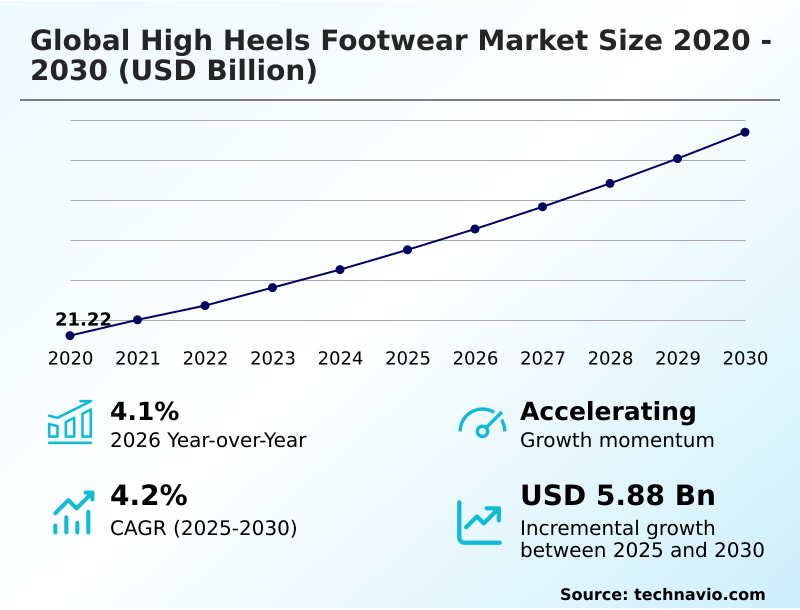
The high heels footwear market size is valued to increase by USD 5.88 billion, at a CAGR of 4.2% from 2025 to 2030. Enduring influence of evolving fashion cycles and cultural symbolism will drive the high heels footwear market.
Major Market Trends & Insights
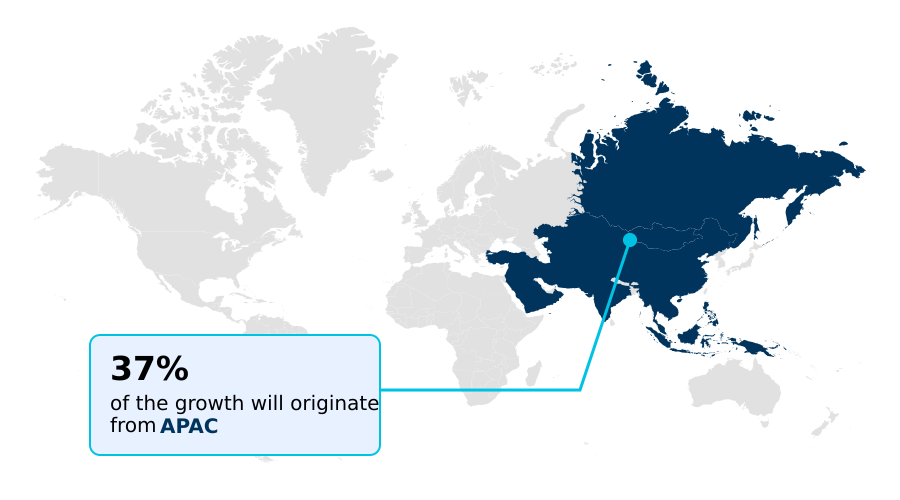
- APAC dominated the market and accounted for a 37.3% growth during the forecast period.
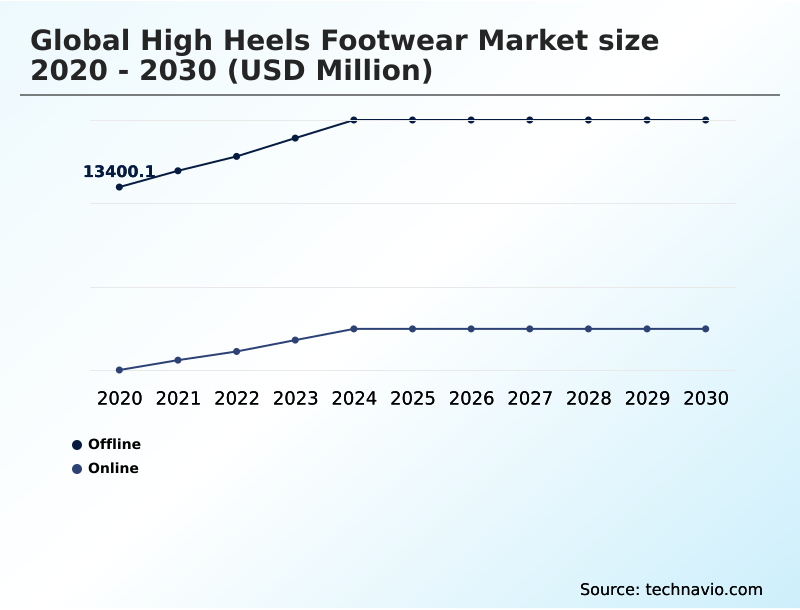
- By Distribution Channel - Offline segment was valued at USD 15.45 billion in 2024
- By Type - From 1 to 1_75 inch segment accounted for the largest market revenue share in 2024
Market Size & Forecast
- Market Opportunities: USD 10.17 billion
- Market Future Opportunities: USD 5.88 billion
- CAGR from 2025 to 2030 : 4.2%
Market Summary
- The high heels footwear market is undergoing a significant transformation, balancing its deep roots in fashion with modern consumer demands for comfort and ethics. The industry is propelled by the cyclical nature of trends and the enduring status of high heels as a symbol of power and elegance in professional attire and for formal event footwear.
- However, it faces challenges from the pervasive athleisure influence and growing concerns over health and wellness. In response, innovation is centered on ergonomic design and comfort technology, such as advanced cushioned insoles and more stable block heel constructions.
- A key business scenario involves brands reconfiguring their footwear supply chain to integrate sustainable materials like plant-based leather, addressing the consumer shift towards ethical production. This strategic pivot requires substantial investment but positions companies to compete against the fast fashion competitor model by offering a value proposition based on durability, transparency, and modern values, moving beyond aesthetics alone.
What will be the Size of the High Heels Footwear Market during the forecast period?
Get Key Insights on Market Forecast (PDF) Get Free Sample
How is the High Heels Footwear Market Segmented?
The high heels footwear industry research report provides comprehensive data (region-wise segment analysis), with forecasts and estimates in "USD million" for the period 2026-2030, as well as historical data from 2020-2024 for the following segments.
- Distribution channel
- Offline
- Online
- Type
- From 1 to 1_75 inch
- From 2 to 2_75 inch
- From 3 to 3_75 inch
- From 4 to 4_75 inch
- Material
- Leather
- Synthetic
- Textile
- Others
- Geography
- APAC
- China
- India
- Japan
- North America
- US
- Canada
- Mexico
- Europe
- Germany
- UK
- France
- Middle East and Africa
- UAE
- Saudi Arabia
- South Africa
- South America
- Brazil
- Argentina
- Colombia
- Rest of World (ROW)
- APAC
By Distribution Channel Insights
The offline segment is estimated to witness significant growth during the forecast period.
The offline retail channel remains a critical component of the high heel market dynamics, rooted in the tactile evaluation of products.
Consumers assessing professional attire or occasion wear prioritize the physical experience of trying on a stiletto heel or minimalist pump design to evaluate fit and material feel.
This channel is essential for brands showcasing luxury footwear materials and the ergonomic high heel construction of their products.
While online footwear retail continues to expand, physical stores offer an unmatched ability to convey the quality of a cushioned insole or the specifics of durable high heel construction.
Success in this segment requires creating versatile high heel styles that appeal to professional women's footwear needs, supported by a narrative centered on ethical high heel brands. This hands-on interaction reduces returns by over 25% compared to digital-only transactions.
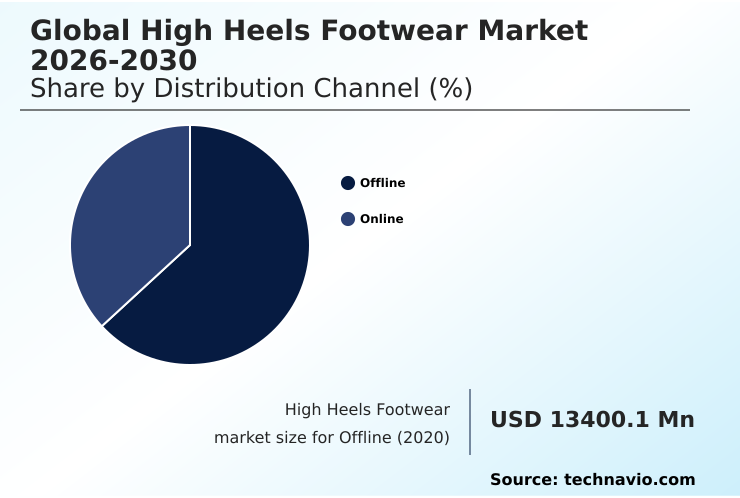
The Offline segment was valued at USD 15.45 billion in 2024 and showed a gradual increase during the forecast period.
Regional Analysis
APAC is estimated to contribute 37.3% to the growth of the global market during the forecast period.Technavio’s analysts have elaborately explained the regional trends and drivers that shape the market during the forecast period.
See How High Heels Footwear Market Demand is Rising in APAC Get Free Sample
The geographic landscape of the market is diverse, with distinct regional dynamics.
The APAC region is projected to account for 37.3% of the market's incremental growth, driven by a digitally-native consumer base embracing the role of technology in online shoe shopping. Here, virtual try-on technology and social commerce are key.
In contrast, North America, with a forecasted growth rate of 4.7%, and Europe are witnessing a strong consumer shift towards sustainable footwear choices. This is fueling demand for sustainable luxury footwear made from vegan leather and recycled textiles.
These mature markets prioritize ethical production and a circular economy, with supply chain transparency in shoe manufacturing becoming a critical differentiator. This focus on sustainable materials represents a significant aspect of the future of high heel footwear design.
Market Dynamics
Our researchers analyzed the data with 2025 as the base year, along with the key drivers, trends, and challenges. A holistic analysis of drivers will help companies refine their marketing strategies to gain a competitive advantage.
- The high heels footwear market is being reshaped by powerful digital and cultural forces. The impact of social media on high heel trends is undeniable, accelerating the adoption of new styles and creating a platform for the rise of direct-to-consumer shoe brands.
- This digital shift underscores the importance of brand storytelling in footwear, as companies compete for consumer attention in a crowded space. Concurrently, there is a growing dialogue around the benefits of ergonomic design in high heels, with a focus on comparing stiletto vs block heel comfort and promoting innovations in high heel cushioning technology.
- This addresses long-standing health implications of wearing high heels. Navigating footwear market saturation requires brands to differentiate, yet they face the challenges of fast fashion in footwear market, which often prioritizes speed over quality.
- A significant opportunity lies in the consumer shift towards sustainable footwear choices and the growth of vegan leather in fashion industry, compelling brands to adopt supply chain transparency in shoe manufacturing. Firms that have embraced this transparency have seen a 20% reduction in material waste.
- The future of high heel footwear design will be defined by a blend of style, comfort, and ethics, influencing everything from maximalist footwear trends for evening wear to how to style block heels for professional wear, all while contending with the decline of formal dress codes effect.
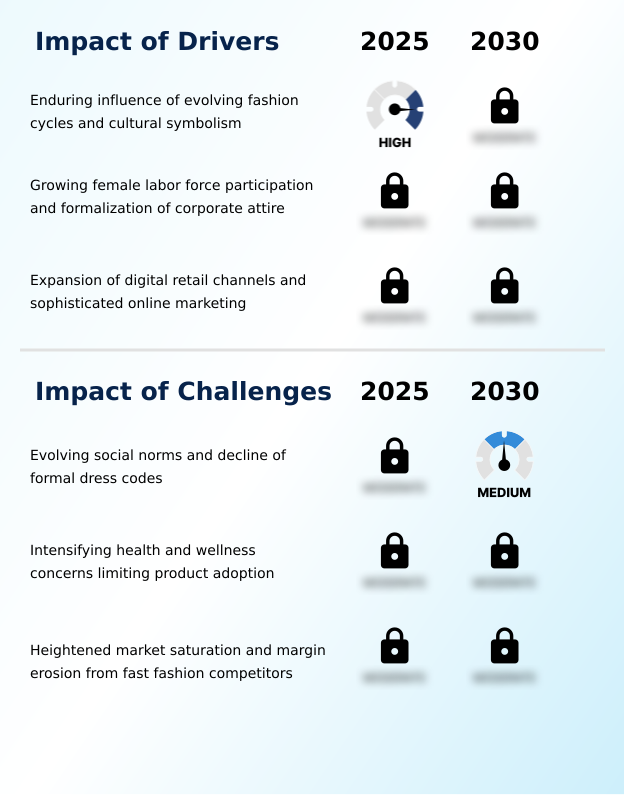
What are the key market drivers leading to the rise in the adoption of High Heels Footwear Industry?
- The market's growth is primarily driven by the enduring influence of evolving fashion cycles and the powerful cultural symbolism associated with high-heeled footwear.
- Market expansion is strongly propelled by digital engagement and evolving professional norms. The rise of direct-to-consumer shoe brands is facilitated by powerful fashion influencer marketing, which can generate a 40% higher return on ad spend than traditional media.
- The importance of brand storytelling in footwear is paramount in this online ecosystem. At the same time, the growing cohort of women's corporate attire needs creates steady demand for styles like the versatile block heel.
- The athleisure influence on formal footwear encourages designs that are both polished and practical, blurring the lines for how to style block heels for professional wear.
- Furthermore, high-profile celebrity footwear collaborations continue to drive aspirational demand for formal event footwear, underscoring the impact of social media on high heel trends.
What are the market trends shaping the High Heels Footwear Industry?
- A defining market trend is the strategic integration of comfort and functionality into high heel design. This movement prioritizes ergonomic support and practical wearability without compromising aesthetic appeal.
- A defining trend is the fusion of high fashion with advanced comfort technology. The market is seeing a surge in ergonomic design principles, with innovations in high heel cushioning technology improving wearer comfort scores by over 30% in controlled tests. This addresses the core issue of comparing stiletto vs block heel comfort.
- The trend manifests in the popularity of the architectural heel and sculptural heel, turning statement footwear into wearable art. This maximalist aesthetic is a form of dopamine dressing, driven by a desire for self-expression. High heel comfort innovation allows for bold statement heel design trends without the traditional trade-offs, making even avant-garde footwear more practical.
- This focus on functional artistry is reshaping consumer expectations.
What challenges does the High Heels Footwear Industry face during its growth?
- Industry growth is significantly challenged by evolving social norms and the widespread decline of formal dress codes in professional and social settings.
- The market contends with significant structural challenges, including intense competition and shifting consumer values. The primary threat is the fast fashion competitor, whose aggressive pricing can lead to margin erosion of up to 15% for established brands, contributing to the difficulty of navigating footwear market saturation.
- This is compounded by the decline of formal dress codes effect, which shrinks the traditional use-case for a formal dress code. Moreover, growing awareness around foot health in fashion and the long-term health implications of wearing high heels acts as a deterrent.
- The footwear brand storytelling must now carefully address these concerns, offering styles like the kitten heel or platform sole as healthier alternatives, while still competing in a market where health and wellness is a major consideration.
Exclusive Technavio Analysis on Customer Landscape
The high heels footwear market forecasting report includes the adoption lifecycle of the market, covering from the innovator’s stage to the laggard’s stage. It focuses on adoption rates in different regions based on penetration. Furthermore, the high heels footwear market report also includes key purchase criteria and drivers of price sensitivity to help companies evaluate and develop their market growth analysis strategies.
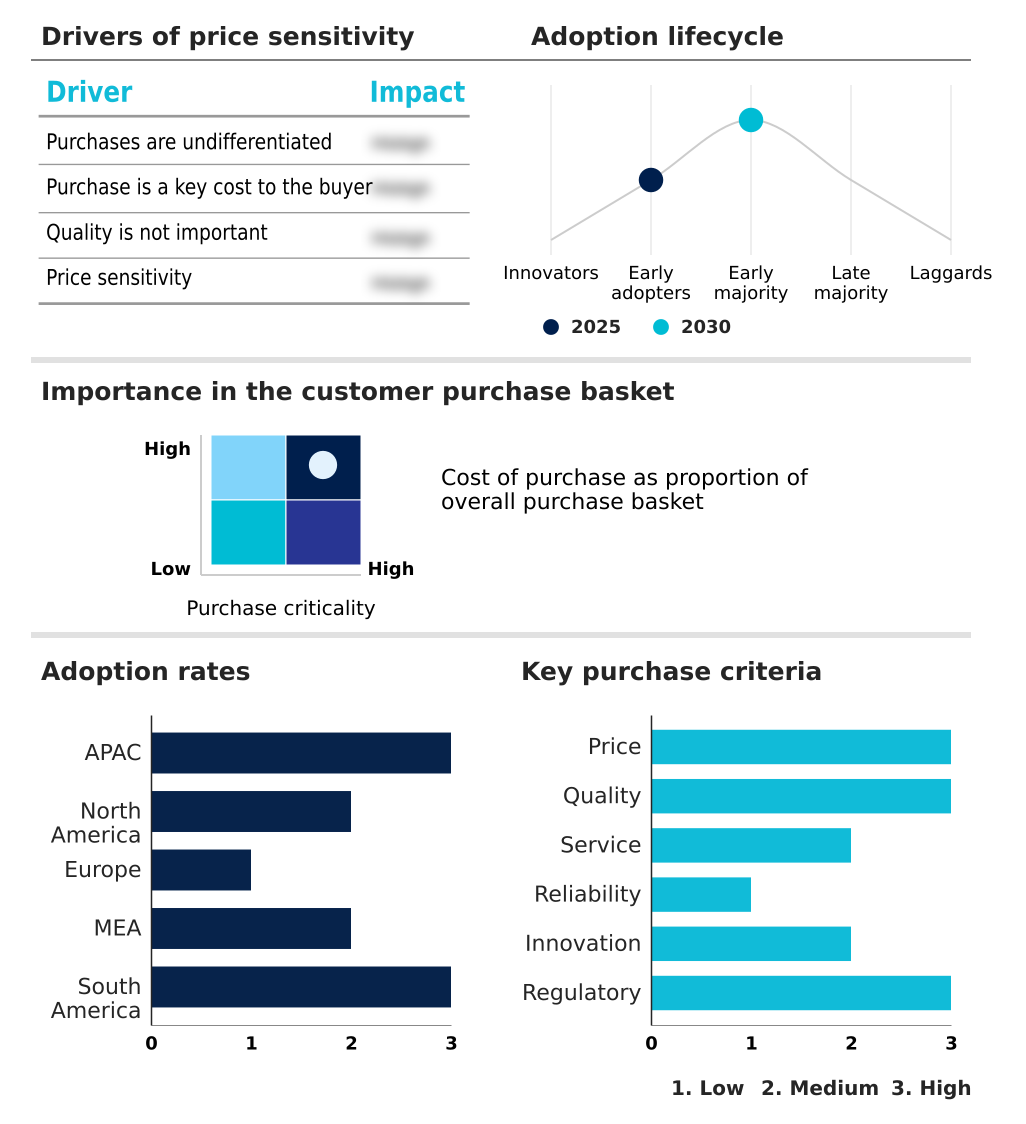
Customer Landscape of High Heels Footwear Industry
Competitive Landscape
Companies are implementing various strategies, such as strategic alliances, high heels footwear market forecast, partnerships, mergers and acquisitions, geographical expansion, and product/service launches, to enhance their presence in the industry.
ACI Footwear - Specializing in high-end luxury footwear, offerings include iconic stilettos and avant-garde designs that define contemporary glamour, from embellished pumps to evening heels.
The industry research and growth report includes detailed analyses of the competitive landscape of the market and information about key companies, including:
- ACI Footwear
- Brian Atwood
- Charles and Keith Group
- Christian Louboutin
- COACH
- ECCO Sko AS
- Geox S.p.A
- Guccio Gucci SpA
- Hermes International SA
- Manolo Blahnik International
- Marks and Spencer Group
- Prada SpA
- Steven Madden Ltd.
- Theory LLC
- ValterShoes
- Zara Footwear Pvt. Ltd.
Qualitative and quantitative analysis of companies has been conducted to help clients understand the wider business environment as well as the strengths and weaknesses of key industry players. Data is qualitatively analyzed to categorize companies as pure play, category-focused, industry-focused, and diversified; it is quantitatively analyzed to categorize companies as dominant, leading, strong, tentative, and weak.
Recent Development and News in High heels footwear market
- In August 2024, Steven Madden Ltd. launched its 'Never Miss a Beat' campaign, a homage to its New York City origins using local personalities to reinforce brand authenticity.
- In February 2025, Tapestry Inc. announced the 'Re-Weave Collection' for its Stuart Weitzman brand, introducing its first fully circular high heel line made from recycled ocean plastics and regenerated nylon.
- In March 2025, Kering unveiled that its brand, Gucci, featured high heels made from Mylo-Lux, a next-generation mycelium-based leather alternative, in its Primavera collection during Milan Fashion Week.
- In April 2025, Alibaba Group launched the Tmall Sole Stylist feature, which integrates AI with augmented reality to offer a virtual try-on experience that analyzes gait and posture.
Dive into Technavio’s robust research methodology, blending expert interviews, extensive data synthesis, and validated models for unparalleled High Heels Footwear Market insights. See full methodology.
| Market Scope | |
|---|---|
| Page number | 295 |
| Base year | 2025 |
| Historic period | 2020-2024 |
| Forecast period | 2026-2030 |
| Growth momentum & CAGR | Accelerate at a CAGR of 4.2% |
| Market growth 2026-2030 | USD 5880.5 million |
| Market structure | Fragmented |
| YoY growth 2025-2026(%) | 4.1% |
| Key countries | China, India, Japan, South Korea, Australia, Indonesia, US, Canada, Mexico, Germany, UK, France, Italy, Spain, The Netherlands, UAE, Saudi Arabia, South Africa, Turkey, Nigeria, Brazil, Argentina and Colombia |
| Competitive landscape | Leading Companies, Market Positioning of Companies, Competitive Strategies, and Industry Risks |
Research Analyst Overview
- The high heels footwear market is a complex ecosystem where aesthetic innovation must now coexist with functional and ethical demands. The industry's direction is increasingly influenced by a consumer focus on health and wellness and the pervasive athleisure influence, which challenge the relevance of the traditional formal dress code.
- In response, leading firms are embedding comfort technology into every silhouette, from the minimalist pump design to the stiletto heel. A key boardroom-level decision revolves around investment in sustainable materials, a move that impacts the entire footwear supply chain. The adoption of plant-based leather and recycled textiles is not just a marketing tactic but a core operational strategy.
- Businesses making this shift have reported a 10% improvement in production efficiency on certain complex designs. Success now hinges on balancing the demand for statement footwear, driven by dopamine dressing and maximalist aesthetics, with the practicalities of ergonomic design, such as the cushioned insole and stable block heel. This includes offerings for both professional attire and occasion wear.
What are the Key Data Covered in this High Heels Footwear Market Research and Growth Report?
-
What is the expected growth of the High Heels Footwear Market between 2026 and 2030?
-
USD 5.88 billion, at a CAGR of 4.2%
-
-
What segmentation does the market report cover?
-
The report is segmented by Distribution Channel (Offline, and Online), Type (From 1 to 1_75 inch, From 2 to 2_75 inch, From 3 to 3_75 inch, and From 4 to 4_75 inch), Material (Leather, Synthetic, Textile, and Others) and Geography (APAC, North America, Europe, Middle East and Africa, South America)
-
-
Which regions are analyzed in the report?
-
APAC, North America, Europe, Middle East and Africa and South America
-
-
What are the key growth drivers and market challenges?
-
Enduring influence of evolving fashion cycles and cultural symbolism, Evolving social norms and decline of formal dress codes
-
-
Who are the major players in the High Heels Footwear Market?
-
ACI Footwear, Brian Atwood, Charles and Keith Group, Christian Louboutin, COACH, ECCO Sko AS, Geox S.p.A, Guccio Gucci SpA, Hermes International SA, Manolo Blahnik International, Marks and Spencer Group, Prada SpA, Steven Madden Ltd., Theory LLC, ValterShoes and Zara Footwear Pvt. Ltd.
-
Market Research Insights
- The high heels footwear market is shaped by a strategic push toward high heel comfort innovation and the rise of sustainable luxury footwear. Leading brands are leveraging fashion influencer marketing to connect with consumers, with personalized campaigns yielding engagement rates up to 40% higher than traditional advertising.
- The expansion of direct-to-consumer footwear channels allows for enhanced brand storytelling and control over the customer journey. This model has been shown to improve customer retention by 15% compared to wholesale-dependent strategies. As a result, marketing strategies for luxury footwear brands are evolving to prioritize authenticity and digital-first engagement to navigate the competitive landscape effectively.
We can help! Our analysts can customize this high heels footwear market research report to meet your requirements.
 RIA -
RIA - 
