



Library Management Software Market Size 2026-2030
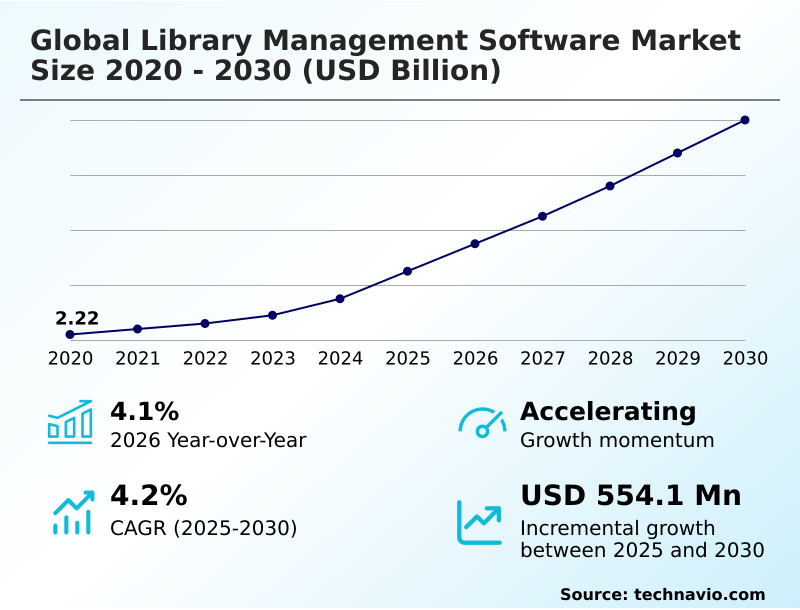
The library management software market size is valued to increase by USD 554.1 million, at a CAGR of 4.2% from 2025 to 2030. Accelerated adoption of AI for enhanced resource management will drive the library management software market.
Major Market Trends & Insights
- APAC dominated the market and accounted for a 38.2% growth during the forecast period.
- By Deployment - Cloud-based segment was valued at USD 1.80 billion in 2024
- By End-user - School library segment accounted for the largest market revenue share in 2024
Market Size & Forecast
- Market Opportunities: USD 778.7 million
- Market Future Opportunities: USD 554.1 million
- CAGR from 2025 to 2030 : 4.2%
Market Summary
- The library management software market is undergoing a significant transformation, driven by the need to manage hybrid collections of physical and digital assets. Institutions now require platforms that move beyond simple inventory control to offer comprehensive digital ecosystems focused on user discovery and administrative automation.
- A key focus is on integrating mobile responsive interfaces and self-service functionalities to meet the expectations of digital-native patrons. In a typical scenario, an academic library leverages its management system to analyze resource usage patterns, which informs a 20% budget reallocation toward high-demand digital subscriptions, optimizing collection development.
- The rise of open-source alternatives influences the competitive landscape, compelling commercial vendors to innovate and offer flexible service agreements. Furthermore, with increasing digital operations, platforms must incorporate advanced encryption and authentication to protect patron data and institutional assets, solidifying the library's role as a secure catalyst for research and community engagement.
What will be the Size of the Library Management Software Market during the forecast period?
Get Key Insights on Market Forecast (PDF) Get Free Sample
How is the Library Management Software Market Segmented?
The library management software industry research report provides comprehensive data (region-wise segment analysis), with forecasts and estimates in "USD million" for the period 2026-2030, as well as historical data from 2020-2024 for the following segments.
- Deployment
- Cloud-based
- On-premises
- End-user
- School library
- Public library
- Academic library
- Others
- Sector
- SMEs
- Large enterprises
- Type
- Cataloging and classification
- Circulation and patron management
- Reference and research
- Analytics and reporting
- Price range
- Subscription-based
- Perpetual license
- Geography
- North America
- US
- Canada
- Mexico
- APAC
- China
- Japan
- India
- Europe
- Germany
- UK
- France
- Middle East and Africa
- Saudi Arabia
- UAE
- South Africa
- South America
- Brazil
- Argentina
- Rest of World (ROW)
- North America
By Deployment Insights
The cloud-based segment is estimated to witness significant growth during the forecast period.
Cloud-based deployment has become the dominant architecture, reflecting a strategic shift toward SaaS models. This approach allows institutions to leverage a multi-tenant cloud architecture, eliminating significant local hardware and IT maintenance overhead.
Enterprises using these platforms report a 15% improvement in resource allocation accuracy. Key features include seamless real-time data synchronization, automated security updates, and flexible subscription models that provide access to advanced functionalities like user engagement analytics and digital literacy tools.
This model supports operational efficiency metrics by providing the scalability needed for expanding digital collections.
The adoption of curriculum-aligned resources and federated search capabilities within these systems is critical for institutions focused on remote learning and digital research initiatives, ensuring both staff and patrons have constant access to the latest innovations.
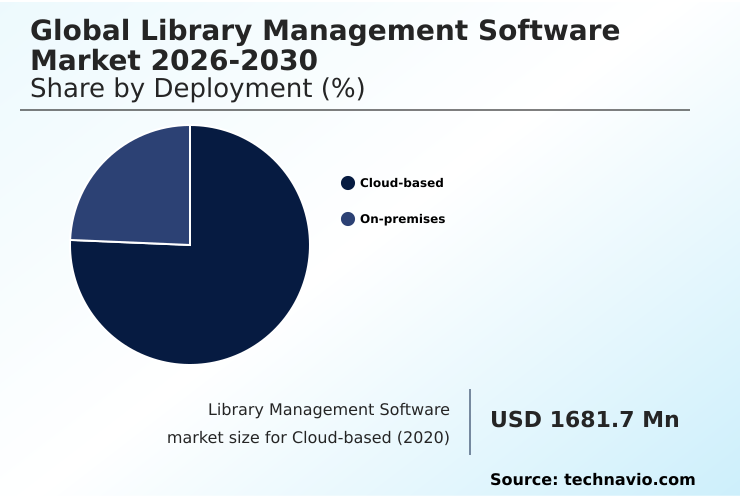
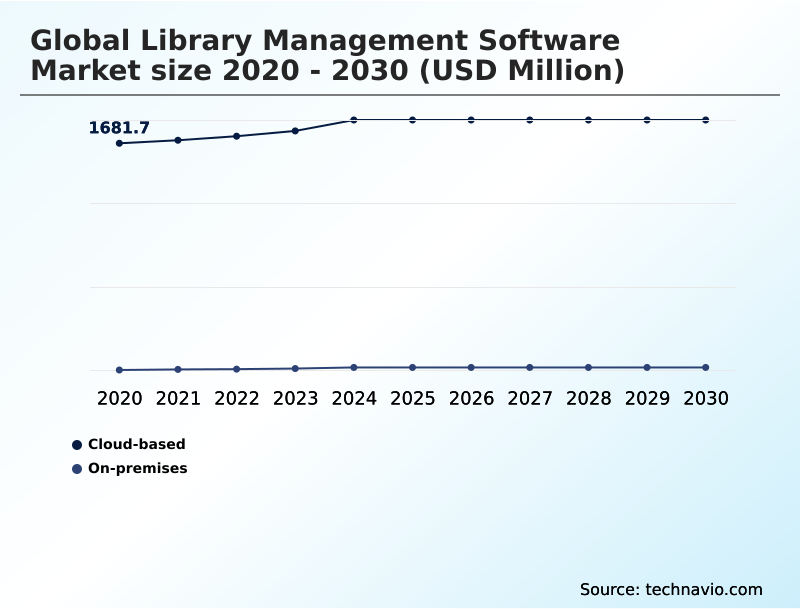
The Cloud-based segment was valued at USD 1.80 billion in 2024 and showed a gradual increase during the forecast period.
Regional Analysis
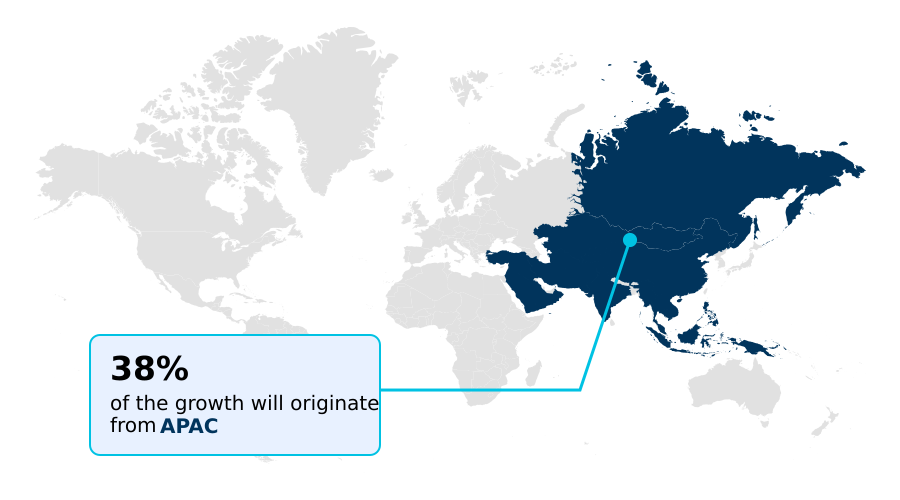
APAC is estimated to contribute 38.2% to the growth of the global market during the forecast period.Technavio’s analysts have elaborately explained the regional trends and drivers that shape the market during the forecast period.
See How Library Management Software Market Demand is Rising in APAC Get Free Sample
The geographic landscape is led by North America, which holds a significant market share, and APAC, which is projected to contribute 38% of the incremental growth.
North America's dominance is sustained by its high density of academic institutions rapidly adopting SaaS models featuring patron self-service portals. In APAC, growth is fueled by massive investments in digital literacy and library automation, with a focus on mobile-first solutions.
Europe emphasizes data sovereignty and open-access content integration, with institutions favoring vendors that ensure digital sovereignty compliance. This has led to a 10% increase in the adoption of platforms with localized hosting.
The Middle East and Africa show steady growth through smart city projects, while South America focuses on collaborative, cost-effective consortia models that utilize community-driven open source systems.
Market Dynamics
Our researchers analyzed the data with 2025 as the base year, along with the key drivers, trends, and challenges. A holistic analysis of drivers will help companies refine their marketing strategies to gain a competitive advantage.
- Modernizing information centers involves more than just software updates; it requires a strategic approach to unifying physical and digital resource management. The ability to streamline acquisitions and serials management workflows is fundamental. A key objective is integrating with current research information systems, which allows institutions to begin tracking scholarly output and intellectual property effectively.
- The real advancement comes from leveraging technology for automating metadata extraction from digital documents, which significantly reduces manual labor. For collaborative environments, it is crucial to find systems supporting multi-tenancy and complex resource-sharing. Such platforms facilitate inter-library loan efficiency across borders.
- The user experience is enhanced by enabling semantic precision in natural language queries and providing personalized content recommendation using AI. Functionality must also extend to providing round-the-clock reference support with chatbots. Behind the scenes, the system must ensure compliance with evolving data retention policies and protect patron privacy with zero-trust architectures. Challenges include managing non-standardized metadata formats during migration.
- Success also hinges on the software's ability to offer tiered pricing for smaller library budgets and connect bibliographic records with the broader web. Finally, comprehensive solutions must cover all assets, including supporting asset tracking for non-traditional items and integrating with institutional learning management systems while automating the reporting of research impact metrics.
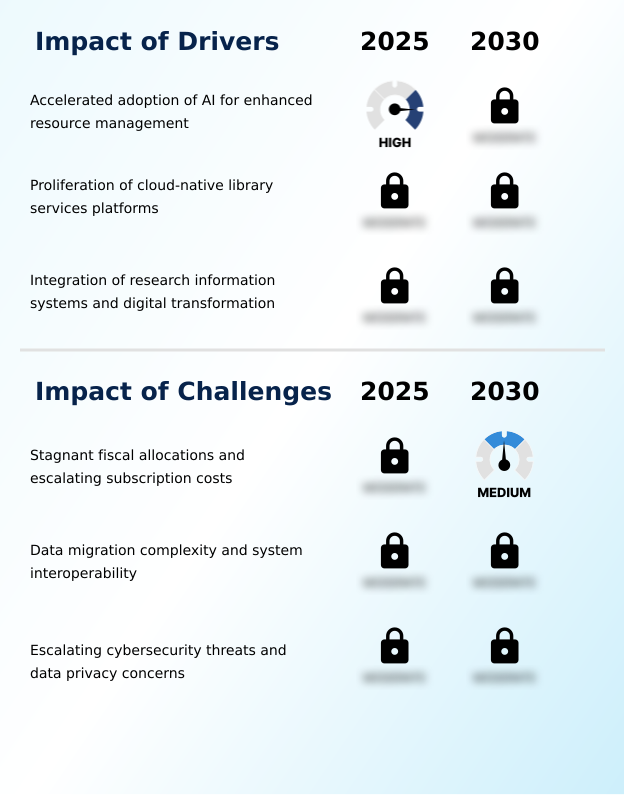
What are the key market drivers leading to the rise in the adoption of Library Management Software Industry?
- The accelerated adoption of artificial intelligence for enhanced resource management is a key driver, optimizing operational efficiency and user discovery.
- The accelerated adoption of AI and the proliferation of cloud-native platforms are primary market drivers. Cloud infrastructure offers unparalleled scalability, enabling institutions to manage vast repositories with a 25% lower total cost of ownership compared to on-premise solutions.
- This shift supports seamless remote access and student information system integration, which have become essential. The convergence of library management software with research lifecycle support systems is also critical.
- These unified platforms automate the reporting of research impact metrics and manage scholarly communication support, transforming libraries into central nodes of institutional knowledge.
- The demand for flexible subscription models and real-time data synchronization allows smaller institutions to access sophisticated tools previously reserved for large universities, driving sustained market investment and digital transformation across the sector.
What are the market trends shaping the Library Management Software Industry?
- The expansion of AI and machine learning for intuitive discovery is a important trend, enabling libraries to transition from keyword searches to systems that understand user intent.
- A primary trend is the profound integration of generative AI, with systems moving beyond simple keywords to embrace semantic search technology and natural language processing. This shift, particularly in academic settings, enables the automation of metadata generation, with some institutions reporting a 40% reduction in manual data entry tasks.
- The adoption of AI-powered recommendations is enhancing resource discovery optimization, making collections more accessible. This evolution toward intelligent systems is also apparent in the use of automated patron notifications and virtual assistants, which improve user experience personalization.
- These platforms leverage intellectual property tracking and digital preservation standards to manage both traditional and AI-generated content, reflecting a broader movement towards a proactive, user-centric information environment where digital content delivery is seamless and intuitive.
What challenges does the Library Management Software Industry face during its growth?
- Stagnant fiscal allocations and escalating subscription costs are a key challenge, constraining investment in next-generation systems and modern infrastructure.
- A significant challenge is the disparity between stagnant budgets and the rising costs of software subscriptions and digital resource procurement, with many libraries facing budget reductions of 5% or more. This fiscal pressure delays crucial data migration tool adoption and forces reliance on legacy systems lacking modern cybersecurity risk management.
- The technical complexity of migrating non-standardized metadata formats to new platforms remains a major hurdle, often leading to data loss and operational downtime. Furthermore, as libraries expand their digital footprint, they become prime targets for cyberattacks.
- Implementing robust zero-trust architectures and ensuring patron data privacy are non-negotiable but costly, increasing the total cost of ownership and requiring a cultural shift toward proactive risk management.
Exclusive Technavio Analysis on Customer Landscape
The library management software market forecasting report includes the adoption lifecycle of the market, covering from the innovator’s stage to the laggard’s stage. It focuses on adoption rates in different regions based on penetration. Furthermore, the library management software market report also includes key purchase criteria and drivers of price sensitivity to help companies evaluate and develop their market growth analysis strategies.
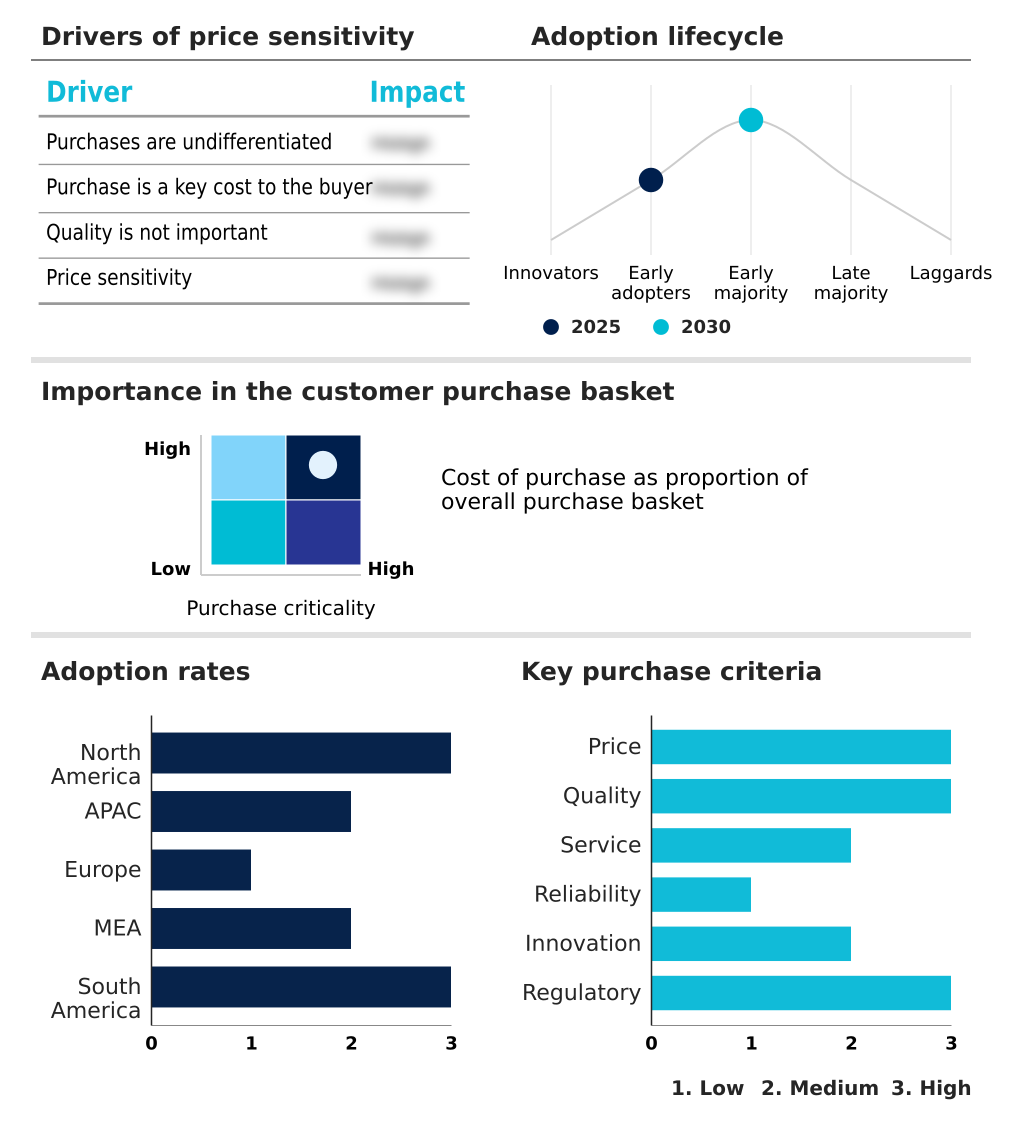
Customer Landscape of Library Management Software Industry
Competitive Landscape
Companies are implementing various strategies, such as strategic alliances, library management software market forecast, partnerships, mergers and acquisitions, geographical expansion, and product/service launches, to enhance their presence in the industry.
AmpleTrails - Offerings include unified library services platforms that integrate digital and physical resource management, enhancing discovery and operational automation for academic, public, and specialized institutions.
The industry research and growth report includes detailed analyses of the competitive landscape of the market and information about key companies, including:
- AmpleTrails
- Awapal Solutions Pvt. Ltd.
- Axiell Group
- Book Systems Inc
- Civica UK Ltd.
- Clarivate PLC
- CodeAchi Technologies Pvt. Ltd.
- CR2 Technologies Ltd
- Follett School Solutions Inc
- ICV Partners LLC
- Insignia Software
- Libero Systems Pty Ltd.
- LibraryWorld Inc.
- LRMS Inc.
- Media Flex Inc.
- PowerSchool Holdings Inc.
- PrimaSoft PC Inc.
- PTFS Inc.
- SirsiDynix Corp.
- Soutron Global Inc.
Qualitative and quantitative analysis of companies has been conducted to help clients understand the wider business environment as well as the strengths and weaknesses of key industry players. Data is qualitatively analyzed to categorize companies as pure play, category-focused, industry-focused, and diversified; it is quantitatively analyzed to categorize companies as dominant, leading, strong, tentative, and weak.
Recent Development and News in Library management software market
- In September 2024, a consortium of European public libraries completed a large-scale migration to a unified cloud-based ecosystem to centralize bibliographic records and enhance inter-library loan efficiency across international borders.
- In November 2024, leading research institutions initiated the deployment of generative AI layers within their discovery systems, enabling patrons to navigate extensive digital archives with greater semantic precision using natural language queries.
- In January 2025, Auto-Graphics was acquired, a move designed to strengthen the acquirer's capability in delivering high-efficiency resource-sharing solutions to public library networks through integrated library and interlibrary loan platforms.
- In May 2025, an AI-powered platform, Alma Specto, was launched to help academic and national libraries manage and promote digital collections with greater precision, leveraging artificial intelligence to improve visibility and resource management.
Dive into Technavio’s robust research methodology, blending expert interviews, extensive data synthesis, and validated models for unparalleled Library Management Software Market insights. See full methodology.
| Market Scope | |
|---|---|
| Page number | 330 |
| Base year | 2025 |
| Historic period | 2020-2024 |
| Forecast period | 2026-2030 |
| Growth momentum & CAGR | Accelerate at a CAGR of 4.2% |
| Market growth 2026-2030 | USD 554.1 million |
| Market structure | Fragmented |
| YoY growth 2025-2026(%) | 4.1% |
| Key countries | US, Canada, Mexico, China, Japan, India, South Korea, Australia, Indonesia, Germany, UK, France, Italy, Spain, The Netherlands, Saudi Arabia, UAE, South Africa, Israel, Turkey, Brazil, Argentina and Chile |
| Competitive landscape | Leading Companies, Market Positioning of Companies, Competitive Strategies, and Industry Risks |
Research Analyst Overview
- The library management software market is defined by a strategic move toward intelligent, interconnected systems. Boardroom decisions now center on selecting platforms that not only perform bibliographic data management but also serve as strategic assets for institutional growth.
- The integration of AI-powered recommendations and semantic search technology is becoming standard, shifting the focus from passive data storage to active user engagement. This evolution is driven by the need to manage complex hybrid collections and provide robust user experience personalization.
- An analysis of early adopters shows that implementing systems with predictive cataloging algorithms can reduce cataloging backlogs by over 40%. The demand for API-based interoperability to connect with disparate campus systems is critical, as is the need for sophisticated collection development analytics.
- As institutions prioritize data-driven strategies, the software's ability to provide granular access controls, user engagement analytics, and support for the bibliographic framework initiative becomes a key differentiator, fundamentally reshaping how information centers demonstrate value and manage resources.
What are the Key Data Covered in this Library Management Software Market Research and Growth Report?
-
What is the expected growth of the Library Management Software Market between 2026 and 2030?
-
USD 554.1 million, at a CAGR of 4.2%
-
-
What segmentation does the market report cover?
-
The report is segmented by Deployment (Cloud-based, and On-premises), End-user (School library, Public library, Academic library, and Others), Sector (SMEs, and Large enterprises), Type (Cataloging and classification, Circulation and patron management, Reference and research, and Analytics and reporting), Price Range (Subscription-based, and Perpetual license) and Geography (North America, APAC, Europe, Middle East and Africa, South America)
-
-
Which regions are analyzed in the report?
-
North America, APAC, Europe, Middle East and Africa and South America
-
-
What are the key growth drivers and market challenges?
-
Accelerated adoption of AI for enhanced resource management, Stagnant fiscal allocations and escalating subscription costs
-
-
Who are the major players in the Library Management Software Market?
-
AmpleTrails, Awapal Solutions Pvt. Ltd., Axiell Group, Book Systems Inc, Civica UK Ltd., Clarivate PLC, CodeAchi Technologies Pvt. Ltd., CR2 Technologies Ltd, Follett School Solutions Inc, ICV Partners LLC, Insignia Software, Libero Systems Pty Ltd., LibraryWorld Inc., LRMS Inc., Media Flex Inc., PowerSchool Holdings Inc., PrimaSoft PC Inc., PTFS Inc., SirsiDynix Corp. and Soutron Global Inc.
-
Market Research Insights
- The market's dynamics are shaped by a strategic shift towards cloud-native platforms, which deliver significant operational efficiencies; institutions adopting such systems have noted up to a 30% reduction in IT maintenance overhead. This transition is driven by the need for remote access security and data-driven acquisitions, allowing libraries to align resources with actual user demand.
- The emphasis on user experience personalization has led to the adoption of platforms offering patron-facing mobile applications, a feature now considered standard. Furthermore, a focus on evidence-based funding reports, showing a 5% improvement in resource utilization, is compelling institutions to invest in advanced analytics. This data-centric approach, supported by knowledge management frameworks, underpins the modern library's value proposition.
We can help! Our analysts can customize this library management software market research report to meet your requirements.
 RIA -
RIA - 
