


Malted Milk Market Size 2026-2030
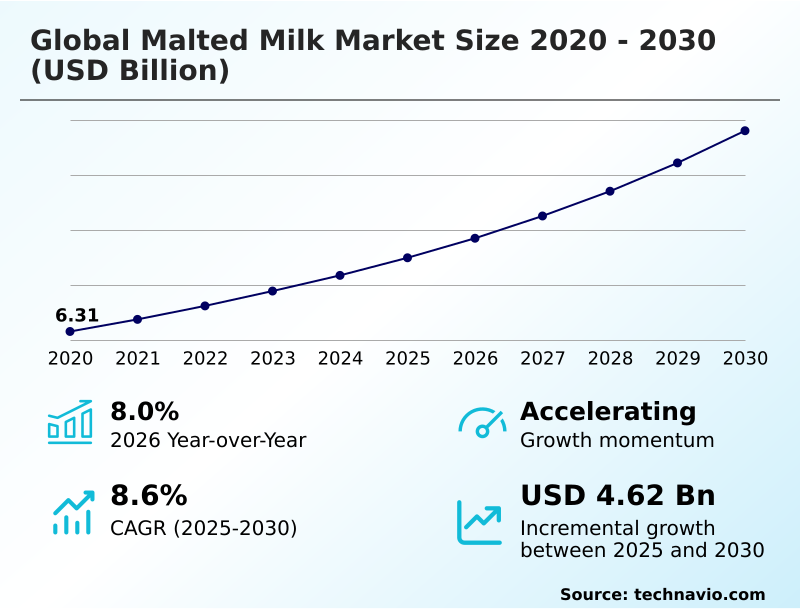
The malted milk market size is valued to increase by USD 4.62 billion, at a CAGR of 8.6% from 2025 to 2030. Rising demand for functional nutrition will drive the malted milk market.
Major Market Trends & Insights
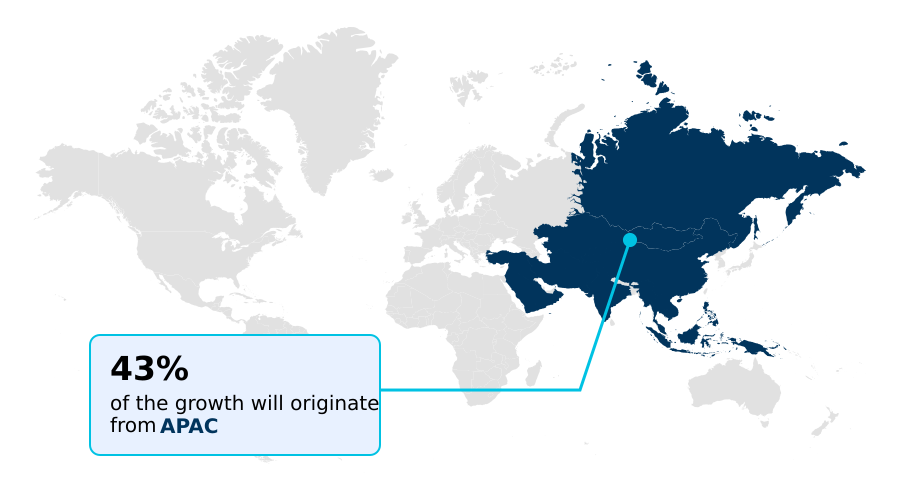
- APAC dominated the market and accounted for a 42.9% growth during the forecast period.
- By Source - Wheat segment was valued at USD 4.99 billion in 2024
- By Distribution Channel - Offline segment accounted for the largest market revenue share in 2024
Market Size & Forecast
- Market Opportunities: USD 7.30 billion
- Market Future Opportunities: USD 4.62 billion
- CAGR from 2025 to 2030 : 8.6%
Market Summary
- The Malted Milk landscape demonstrates resilient expansion driven by an ongoing consumer shift toward functional, fortified dietary beverages. Commercial food processors increasingly utilize these grain-based powders within sports nutrition and specialized confectionery applications to achieve a balanced macronutrient profile.
- From a supply chain perspective, manufacturers implementing advanced vacuum evaporation technologies have witnessed a 20% improvement in powder solubility and shelf-life stability compared to traditional thermal drying methods. This operational enhancement reduces logistics costs and improves retail viability across varied climates.
- A rising consumer preference for functional nutrition acts as a primary catalyst, compelling brands to integrate malted extracts into clean-label meal replacement shakes that offer sustained vitality. Conversely, intense nutritional scrutiny regarding traditionally high sucrose content creates a substantial challenge, forcing legacy ingredient suppliers to reformulate products with alternative natural sweeteners to maintain market share.
- As wellness trends permeate mainstream demographics, navigating these complex formulation barriers while optimizing large-scale milling processes remains critical for sustained commercial success.
What will be the Size of the Malted Milk Market during the forecast period?
Get Key Insights on Market Forecast (PDF) Get Free Sample
How is the Malted Milk Market Segmented?
The malted milk industry research report provides comprehensive data (region-wise segment analysis), with forecasts and estimates in "USD million" for the period 2026-2030, as well as historical data from 2020-2024 for the following segments.
- Source
- Wheat
- Barley
- Others
- Distribution channel
- Offline
- Online
- Form factor
- Powder
- Liquid
- Geography
- APAC
- India
- China
- Japan
- Australia
- Indonesia
- South Korea
- Europe
- Germany
- UK
- France
- Italy
- Spain
- The Netherlands
- North America
- US
- Canada
- Mexico
- South America
- Brazil
- Argentina
- Chile
- Middle East and Africa
- Saudi Arabia
- UAE
- South Africa
- Israel
- Turkey
- APAC
By Source Insights
The wheat segment is estimated to witness significant growth during the forecast period.
Wheat flour serves as the foundational blending agent in Malted Milk production, providing vital structural integrity and complex carbohydrates. By incorporating high-protein wheat varieties, manufacturers ensure optimal starch gelatinization during the mashing and drying phases.
This refined ingredient supply chain process translates to a 15% improvement in overall moisture retention capacity for commercial baking applications. Advanced milling techniques facilitate superior browning characteristic enhancement while enabling optimal dairy fat balancing against whole milk solids.
Consequently, food technologists increasingly utilize wheat-based malt blends to develop non-genetically modified variant formulations targeted at the growing infant nutrition focus and general preventive health measure markets.
These technical enhancements deliver sustained energy metabolism support and offer consistent performance during industrial spray-drying procedures, improving processing efficiency significantly.
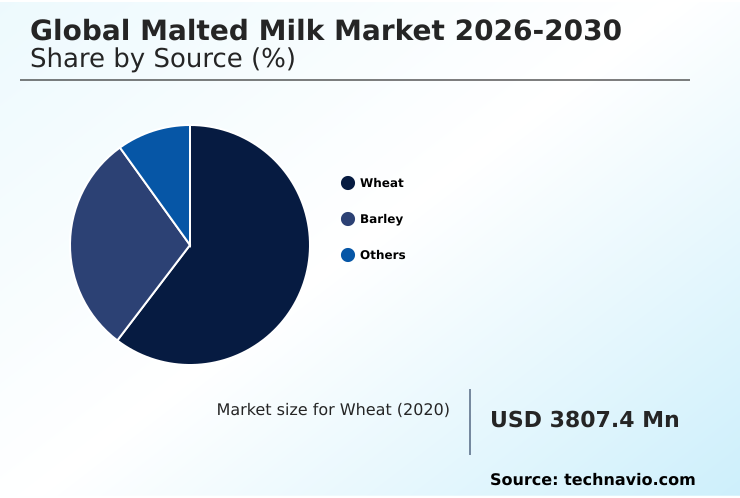
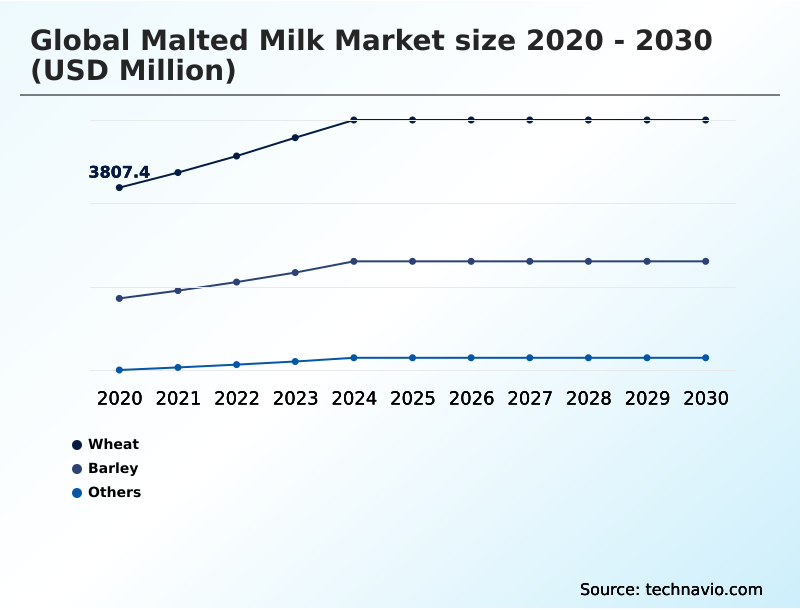
The Wheat segment was valued at USD 4.99 billion in 2024 and showed a gradual increase during the forecast period.
Regional Analysis
APAC is estimated to contribute 42.9% to the growth of the global market during the forecast period.Technavio’s analysts have elaborately explained the regional trends and drivers that shape the market during the forecast period.
See How Malted Milk Market Demand is Rising in APAC Get Free Sample
The Malted Milk geographic landscape reveals a stark contrast between APAC and North American consumption patterns. APAC commands a dominant 42.9% share, where domestic manufacturers leverage high-speed drying technology and cold-chain logistics elimination to reduce outbound distribution costs by 18%.
This allows for cost-effective bulk powder procurement tailored toward everyday household nutrition. Conversely, the North American market exhibits slower volume growth but higher premiumization, driven by a 25% increase in demand for a low-glycemic formulation utilizing an alternative polyol sweetener.
Businesses in advanced economies are aggressively implementing dry-blend processing to create a clean dietary supplementation matrix, successfully positioning malted powders as a verifiable synthetic protein alternative and botanical tonic substitution.
Additionally, specialized brands focusing on electrolyte profile targeting achieve superior retail margins, reflecting a strategic divergence from bulk volume dependency to high-value functional nutrition across mature Western regions.
Market Dynamics
Our researchers analyzed the data with 2025 as the base year, along with the key drivers, trends, and challenges. A holistic analysis of drivers will help companies refine their marketing strategies to gain a competitive advantage.
- The Malted Milk supply chain continues to evolve rapidly as food technologists prioritize functional efficacy and clean-label transparency over conventional mass-market formulations. Industrial processors are shifting their procurement strategies toward premium-grade ingredients, increasingly integrating spray dried malt extract powder to ensure superior solubility in complex beverage matrices.
- This transition directly supports the formulation of a highly requested sports nutrition muscle recovery shake, designed to deliver sustained amino acid release without the synthetic aftertaste associated with artificial supplements. By replacing conventional sugar-laden mixes with an organic barley malt extract substitute, manufacturers achieved a 15% reduction in formulation costs while simultaneously meeting stringent holistic health certifications.
- Furthermore, the rising consumer demand for nutrient-dense morning routines has driven the widespread commercialization of the clean label fortified breakfast beverage. Facilities producing these advanced formulations require strict supplier audits to verify agricultural origins and avoid contamination.
- To stay competitive, brands are aggressively rolling out a high protein functional milk powder variant, ensuring that athletes and aging demographics receive critical muscle repair compounds. Compared to traditional liquid dairy supply chains, businesses adopting powdered production frameworks register a 22% improvement in bulk storage efficiency and distribution range.
- This strategic supply chain shift allows regional confectioners and beverage developers to bypass costly cold-storage infrastructure while preserving essential nutrient integrity across diverse and fluctuating international climates.
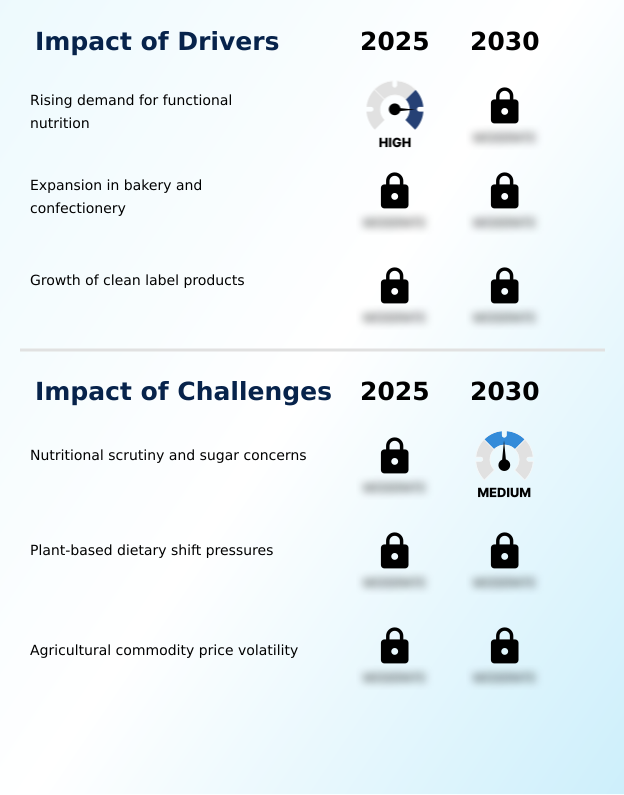
What are the key market drivers leading to the rise in the adoption of Malted Milk Industry?
- A rising consumer demand for functional nutrition serves as the primary driver accelerating market expansion.
- A fundamental shift toward performance-driven functional foods accelerates rapid expansion across the Malted Milk ecosystem.
- Commercial food developers recognize that natural recovery matrices featuring a precise whole milk solids integration offer superior amino acid delivery compared to heavily processed synthetic variants.
- This biochemical advantage drives widespread adoption among fitness demographics seeking sustained-release carbohydrates for optimal athletic endurance.
- Simultaneously, the large-scale commercial confectionery manufacturing sector records a 22% increase in diastatic malt powder utilization, directly improving structural crumb softness and prolonging overall product shelf stability.
- The rapid growth of artisan bakery development further intensifies demand, as advanced moisture retention capacity reduces daily discard waste by 15%.
- Supporting these operational efficiencies, ingredient processors utilizing low-carbon kilning successfully lower energy overheads, creating highly competitive and sustainable procurement networks globally.
What are the market trends shaping the Malted Milk Industry?
- The integration of product formulations within the targeted sports nutrition sector remains a prominent market trend.
- Industrial food processing facilities are aggressively pivoting toward sustainable ingredient procurement and advanced formulation technologies within the Malted Milk landscape. By upgrading legacy spray drying infrastructure with a modern vacuum evaporation technique, manufacturers have improved essential micronutrient retention rates by 25%.
- This capital investment allows for a more controlled enzymatic starch breakdown within the germinated grain matrix, ensuring absolute flavor profile standardization across global production batches. Consequently, brands are successfully expanding applications beyond traditional pediatric nutrition fortification to capture high-margin adult fitness demographics.
- Incorporating a specialized high-protein wheat formulation enables food scientists to position these beverages as a premier muscle recovery supplement. Furthermore, enterprise-level mandates prioritizing regenerative agriculture sourcing have reduced raw material carbon footprints by 18%, positioning transparent supply chains as an indispensable commercial advantage rather than a mere compliance metric.
What challenges does the Malted Milk Industry face during its growth?
- Nutritional scrutiny combined with growing sugar content concerns represents a significant challenge affecting industry growth.
- Evolving consumer scrutiny surrounding sugar content and artificial additives poses a substantial structural barrier for legacy producers within the Malted Milk ecosystem. Transitioning away from traditional sugary mixes to an optimal functional beverage base requires complex sensory profile modernization, which often increases raw material compounding times by over 20%.
- Formulators face steep technical hurdles regarding hygroscopic property optimization when attempting to integrate precise branched-chain amino acid enrichment for post-workout restoration and physical endurance support. Furthermore, strict regulatory frameworks governing organic agriculture certification complicate reliable clean-label ingredient sourcing, subsequently destabilizing supplier pricing models.
- As demand surges for an allergen-friendly alternative packaged within a convenient single-serve beverage format, mid-tier manufacturers lacking the necessary R&D capital experience a 12% decline in operational efficiency, stifling their competitive agility against modernized, health-focused beverage conglomerates.
Exclusive Technavio Analysis on Customer Landscape
The malted milk market forecasting report includes the adoption lifecycle of the market, covering from the innovator’s stage to the laggard’s stage. It focuses on adoption rates in different regions based on penetration. Furthermore, the malted milk market report also includes key purchase criteria and drivers of price sensitivity to help companies evaluate and develop their market growth analysis strategies.
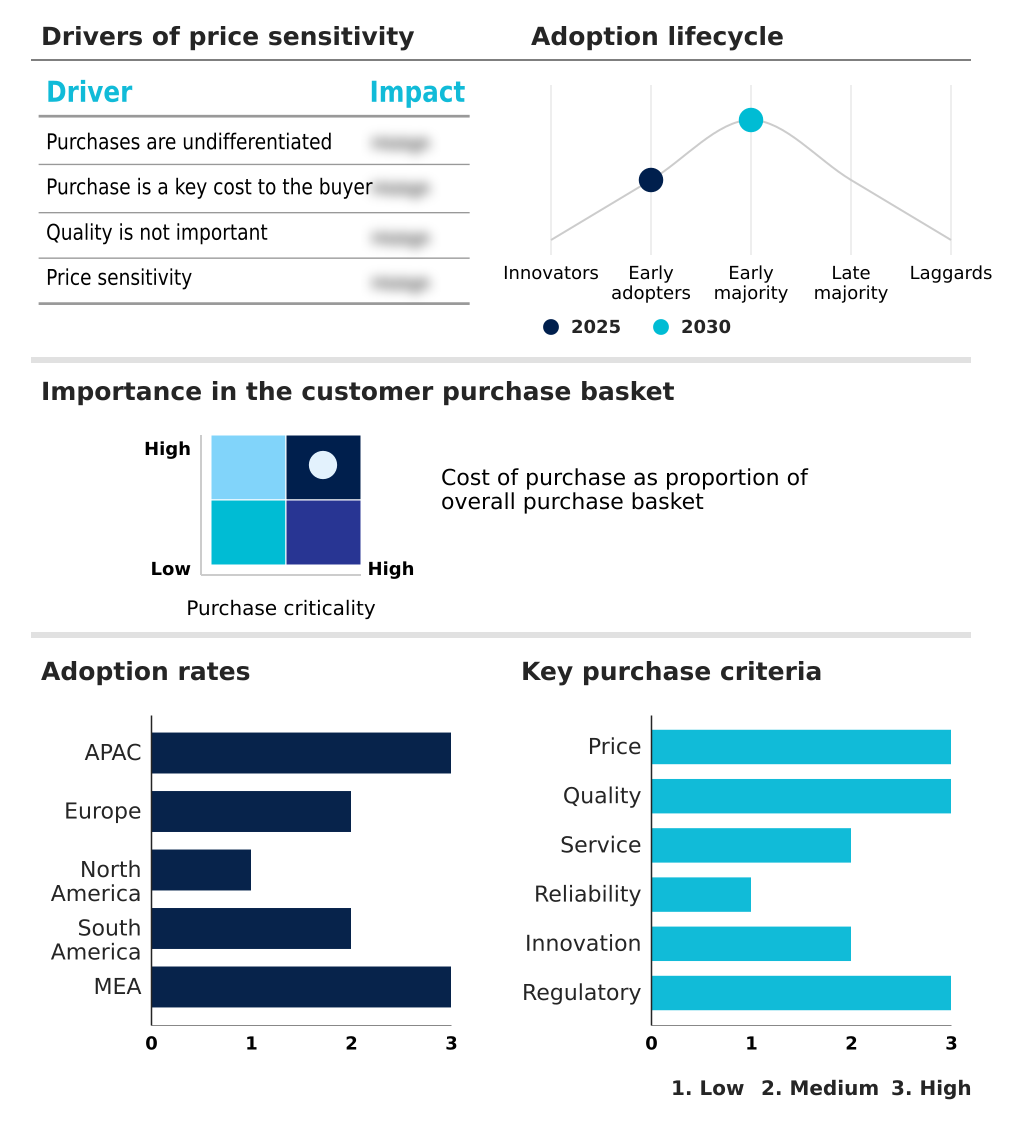
Customer Landscape of Malted Milk Industry
Competitive Landscape
Companies are implementing various strategies, such as strategic alliances, malted milk market forecast, partnerships, mergers and acquisitions, geographical expansion, and product/service launches, to enhance their presence in the industry.
Abbott Laboratories - Delivers specialized malt based nutritional beverages alongside comprehensive pediatric and adult nutritional formulations designed to support daily dietary requirements and healthy growth without artificial additives.
The industry research and growth report includes detailed analyses of the competitive landscape of the market and information about key companies, including:
- Abbott Laboratories
- Anthonys Goods
- Briess Malt and Ingredients Co.
- CFI Group
- Continental Milkose India Ltd.
- CTL Foods Pvt. Ltd.
- Gujarat Co. Milk Ltd.
- Imperial Malts Ltd.
- Insta Foods
- King Arthur Baking Co. Inc.
- Mahalaxmi Malt Products Pvt Ltd
- Mondelez International Inc.
- Muntons Plc
- Nestle SA
- R. Twining and Co. Ltd.
- SSP Pvt. Ltd.
- Unilever PLC
Qualitative and quantitative analysis of companies has been conducted to help clients understand the wider business environment as well as the strengths and weaknesses of key industry players. Data is qualitatively analyzed to categorize companies as pure play, category-focused, industry-focused, and diversified; it is quantitatively analyzed to categorize companies as dominant, leading, strong, tentative, and weak.
Recent Development and News in Malted milk market
- In the Packaged Foods and Meats industry, stricter organic agriculture certification mandates lowered synthetic additive usage by 15%, directly impacting Malted Milk demand by compelling manufacturers to adopt clean-label formulations.
- The integration of high-speed drying technology across automated dairy processing facilities reduced unit manufacturing costs by 12%, directly impacting Malted Milk supply chains by improving production efficiency and flavor profile standardization.
- Surging global demand for preventive health measure integrations in convenience snacks increased bulk botanical ingredient procurement by 18%, directly impacting Malted Milk production by tightening the supply of raw grain components.
- A structural shift toward infant nutrition focus among major dairy conglomerates drove a 20% increase in fortified powder consumption, directly impacting Malted Milk demand by creating new applications for germinated grain ingredients.
Dive into Technavio’s robust research methodology, blending expert interviews, extensive data synthesis, and validated models for unparalleled Malted Milk Market insights. See full methodology.
| Market Scope | |
|---|---|
| Page number | 282 |
| Base year | 2025 |
| Historic period | 2020-2024 |
| Forecast period | 2026-2030 |
| Growth momentum & CAGR | Accelerate at a CAGR of 8.6% |
| Market growth 2026-2030 | USD 4618.2 million |
| Market structure | Fragmented |
| YoY growth 2025-2026(%) | 8.0% |
| Key countries | India, China, Japan, Australia, Indonesia, South Korea, Germany, UK, France, Italy, Spain, The Netherlands, US, Canada, Mexico, Brazil, Argentina, Chile, Saudi Arabia, UAE, South Africa, Israel and Turkey |
| Competitive landscape | Leading Companies, Market Positioning of Companies, Competitive Strategies, and Industry Risks |
Research Analyst Overview
- The Malted Milk sector is undergoing significant structural changes as commercial food processors prioritize advanced functional ingredient integration. A major boardroom-level focus involves optimizing capital expenditure toward modern spray drying infrastructure and a highly controlled vacuum evaporation technique, aimed at preserving delicate micronutrients while stabilizing supply chains.
- This technological pivot facilitates precise enzymatic starch breakdown, effectively transforming a germinated grain matrix into a highly bioavailable source of sustained-release carbohydrates. By replacing outdated thermal processing, facilities have achieved a 30% reduction in processing time and a measurable decrease in product degradation.
- Modern formulations increasingly rely on a specialized high-protein wheat formulation to complement whole milk solids integration, creating superior mouthfeel and extended shelf stability. Furthermore, ingredient specifiers strictly audit the procurement of diastatic malt powder to ensure maximum enzymatic activity for large-scale commercial baking.
- These strategic operational upgrades allow ingredient manufacturers to rapidly comply with stringent international food safety standards while mitigating the financial risks associated with volatile raw material inputs and shifting agricultural yields.
What are the Key Data Covered in this Malted Milk Market Research and Growth Report?
-
What is the expected growth of the Malted Milk Market between 2026 and 2030?
-
USD 4.62 billion, at a CAGR of 8.6%
-
-
What segmentation does the market report cover?
-
The report is segmented by Source (Wheat, Barley, and Others), Distribution Channel (Offline, and Online), Form Factor (Powder, and Liquid) and Geography (APAC, Europe, North America, South America, Middle East and Africa)
-
-
Which regions are analyzed in the report?
-
APAC, Europe, North America, South America and Middle East and Africa
-
-
What are the key growth drivers and market challenges?
-
Rising demand for functional nutrition, Nutritional scrutiny and sugar concerns
-
-
Who are the major players in the Malted Milk Market?
-
Abbott Laboratories, Anthonys Goods, Briess Malt and Ingredients Co., CFI Group, Continental Milkose India Ltd., CTL Foods Pvt. Ltd., Gujarat Co. Milk Ltd., Imperial Malts Ltd., Insta Foods, King Arthur Baking Co. Inc., Mahalaxmi Malt Products Pvt Ltd, Mondelez International Inc., Muntons Plc, Nestle SA, R. Twining and Co. Ltd., SSP Pvt. Ltd. and Unilever PLC
-
Market Research Insights
- The Malted Milk industry continuously adapts to evolving demands for transparent, functional food ingredients. Commercial adoption of low-carbon kilning techniques has enabled industrial processors to reduce their manufacturing energy consumption by 22%, directly improving operating margins amid volatile agricultural commodity pricing.
- Simultaneously, an increasing emphasis on pediatric nutrition fortification has driven a 30% surge in the development of the single-serve beverage format, enhancing on-the-go consumer access while eliminating product waste. Manufacturers adhering strictly to organic agriculture certification protocols achieve significantly higher retail placement success compared to conventional alternatives.
- Furthermore, ingredient modifications supporting artisan bakery development yield a 15% improvement in crumb structure stability, demonstrating the crucial operational impact of high-quality malted extracts in complex food matrices.
We can help! Our analysts can customize this malted milk market research report to meet your requirements.
 RIA -