
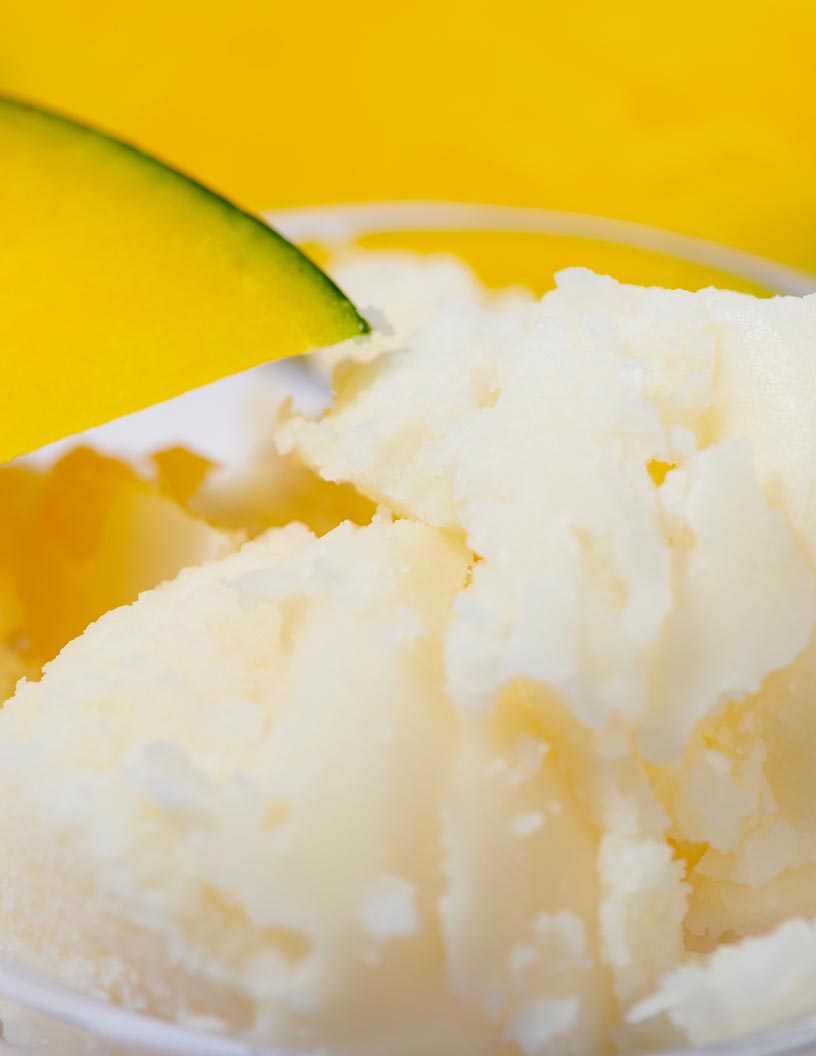


Mango Butter Market Size 2024-2028
The mango butter market size is forecast to increase by USD 32.1 billion at a CAGR of 4.48% between 2023 and 2028. The market is experiencing significant growth due to the rising consumer demand for natural ingredients in skincare products. Mango butter, rich in essential fatty acids, is increasingly being used to address various skin conditions such as psoriasis and fungal infections. Its ability to provide relief from dry skin conditions makes it a popular choice for consumers. Additionally, the unrefined and organic form of mango butter is gaining popularity due to its potential anti-aging properties, which include protection against free radicals and the promotion of collagen production.
Furthermore, the aging population and the increasing prevalence of dermatological conditions are driving the market growth. However, the high cost of mango butter-based cosmetic products may limit its widespread adoption. Overall, the mango butter market growth is expected to continue, fueled by consumer preferences and the increasing awareness of its health benefits.
What will be the Mango Butter Market Size During the Forecast Period?
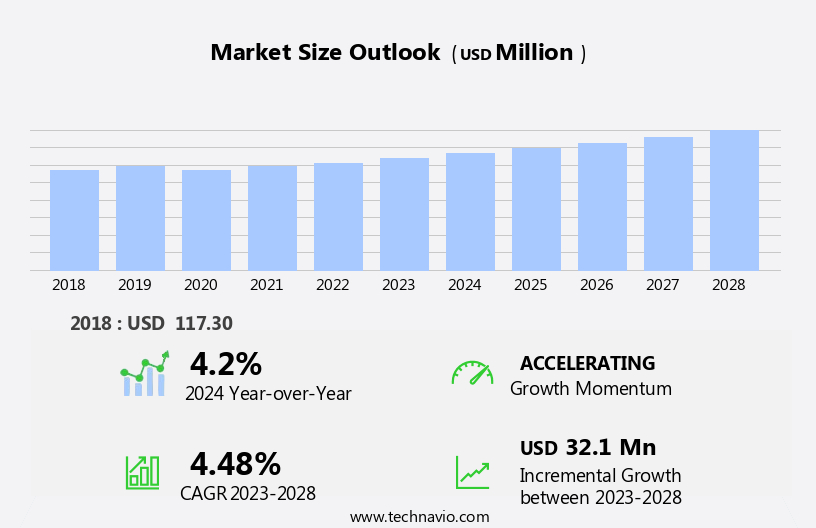
Mango butter, derived from the seeds of the mango fruit, is a rich source of triglycerides, antioxidants, tocopherol, oleic acid, vitamin C, and essential fatty acids. These properties make mango butter an essential ingredient in various industries, including skincare and health. Mango butter's antioxidant properties help protect the skin from free radicals, contributing to its popularity in anti-aging skincare products. Its high vitamin C content also aids in collagen production, which is crucial for maintaining skin elasticity and firmness. Furthermore, mango butter is known to provide relief for dry skin conditions, such as eczema, psoriasis, and fungal infections.
Moreover, the aging population is a significant consumer base for mango butter, as it caters to the growing demand for natural and organic personal care products. Consumers increasingly prefer products free from inorganic chemicals, making mango butter an attractive alternative. Mango butter's health benefits extend beyond skin care. It is rich in potassium, magnesium, and vitamins A and E, making it an essential ingredient in various health supplements. Its anti-inflammatory properties help alleviate conditions like acne, chapped lips, frostbite, rashes, and stretch marks. The versatility of mango butter makes it an essential ingredient in various industries. Its applications include food, pharmaceuticals, and cosmetics.
Furthermore, in the food industry, mango butter is used as a substitute for cocoa butter due to its similar texture and taste. In the pharmaceutical industry, it is used in the production of ointments and balms for treating various health conditions. In the cosmetics industry, mango butter is used in skincare and lip care products due to its moisturizing and protective properties. In conclusion, the market is driven by the increasing consumer preference for natural and organic personal care products and the growing awareness of the health benefits associated with this ingredient. The versatility of mango butter and its wide range of applications make it a valuable commodity in various industries.
Market Segmentation
The market research report provides comprehensive data (region-wise segment analysis), with forecasts and estimates in "USD million" for the period 2024-2028, as well as historical data from 2018-2022 for the following segments.
- Application
- Food
- Cosmetics
- Pharmaceutical
- Geography
- North America
- Canada
- US
- Europe
- UK
- France
- APAC
- China
- South America
- Middle East and Africa
- North America
By Application Insights
The food segment is estimated to witness significant growth during the forecast period. Mango butter, derived from the seeds of the mango fruit, is gaining popularity in the skincare industry due to its numerous benefits for various dermatological conditions, including psoriasis and fungal infections. This natural ingredient is rich in essential fatty acids, vitamins A and E, and antioxidants, making it effective in combating dry skin conditions and neutralizing free radicals. As the aging population continues to increase, the demand for anti-aging skincare products is on the rise, further fueling the growth of the market. Mango butter is often used in the production of high-quality skincare products due to its ability to promote collagen production and improve skin elasticity.
Furthermore, some companies in the global market offer food-grade mango butter, which can also be used in the manufacturing of chocolates to enhance their texture and mouthfeel. For instance, Zatural provides organic, food-grade mango butter to various industries. Research studies have shown that mango butter emulsion gels can be effective in treating psoriasis and other skin conditions. Its moisturizing properties make it an ideal ingredient for skincare products designed to alleviate dryness and improve skin health. The versatility of mango butter, coupled with its natural benefits, makes it a valuable addition to any skincare routine.
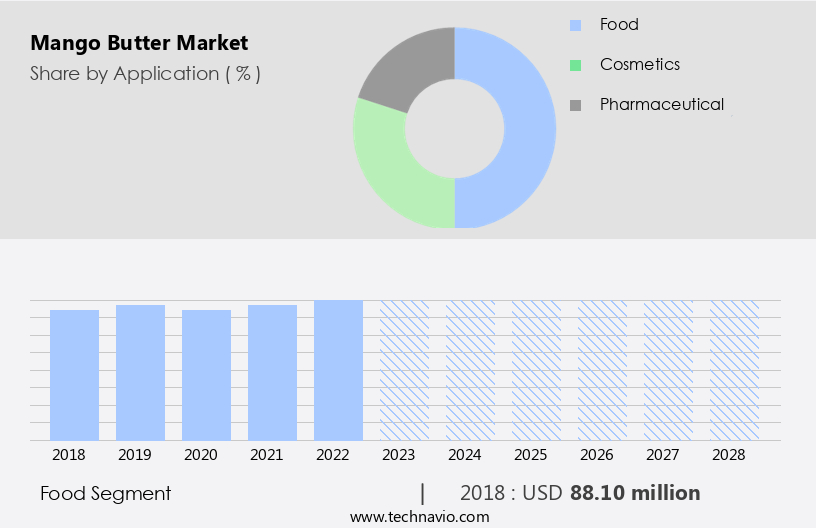
Get a glance at the market share of various segments Request Free Sample
The food segment accounted for USD 88.10 million in 2018 and showed a gradual increase during the forecast period.
Regional Insights
As per mango butter market analysis, North America is estimated to contribute 44% to the growth of the global market during the forecast period. Technavio's analysts have elaborately explained the regional trends and drivers that shape the market during the forecast period.
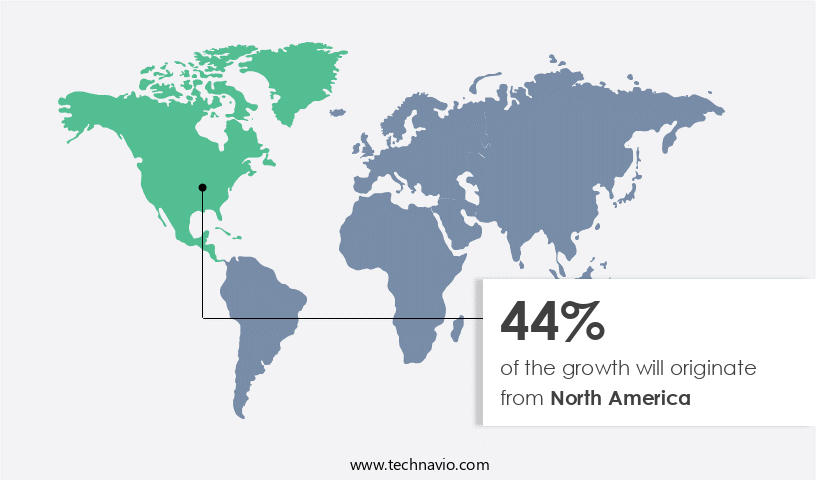
For more insights on the market share of various regions Request Free Sample
When it comes to Mango Butter Market Share, the US and Canada are the key markets for the market in North America. Market growth in this region will be slower than the growth of the market in Europe and APAC. The increase in the online sales of mango butter and the expansion of organized retailing will facilitate market growth in North America over the forecast period. This market research report entails detailed information on the competitive intelligence, marketing gaps, and regional opportunities in store for companies, which will assist in creating efficient business plans. Hence, such factors are driving the market in North America during the forecast period.
Our researchers analyzed the data with 2023 as the base year, along with the key drivers, trends, and challenges. A holistic analysis of drivers will help companies refine their marketing strategies to gain a competitive advantage.
Mango Butter Market Driver
Consumer demand for natural skincare products is driving the growing popularity of mango butter in the cosmetic industry. As consumer preferences in the United States shift toward organic cosmetics, mango butter, derived from the seeds of the Kokum tree, is gaining significant traction due to its many skin benefits. This organic ingredient is increasingly being used as a natural alternative to synthetic stabilizers and softening agents in personal care products. Whether in refined mango butter, unrefined mango butter, mango butter cream, or mango butter powder, this versatile ingredient is prized for its rich content of essential fatty acids, including palmitic acid, making it an excellent moisturizer for dry and damaged skin. Mango butter also plays a key role in preventing and reducing the appearance of stretch marks.
Compared to shea butter, mango butter has a lighter consistency and a more subtle scent, making it a preferred choice for consumers seeking a more refined texture in their skincare products. Additionally, mango butter's natural healing properties make it ideal for treating skin irritations such as sunburn. Leading cosmetic manufacturers are incorporating mango butter into their product lines to meet the growing demand for natural skincare and organic cosmetic products. Its popularity is expected to continue to rise as consumers become more mindful of the long-term effects of chemical-laden products on their health and the environment.
Moreover, mango butter is not only beneficial in the personal care industry but also finds applications in the food industry. As consumers increasingly seek natural, organic, and sustainable alternatives, mango butter remains a valuable and effective ingredient in a wide range of skincare and cosmetic products. This growing demand for natural and organic products is propelling the expansion of the market, highlighting the continued relevance of mango butter in both personal care and food sectors.
Mango Butter Market Trends
Growing consumer preference for unrefined and organic mango butter is the upcoming trend in the market. Mango Butter, derived from the seeds of the Mangifera indica tree, is a popular natural ingredient used in various industries, including cosmetics and food. This butter is produced in countries such as India, China, Thailand, Indonesia, Mexico, and Pakistan, with India, China, and the United States being major global producers. The extraction process involves pressing de-shelled mango seeds to release their oil. This oil is then collected through small openings at the bottom of the pressing barrel. Mango butter is available in both refined and unrefined forms. Unrefined mango butter is extracted through either expeller pressing or cold pressing methods.
Furthermore, in the expeller pressing process, oil-bearing seeds are placed inside a hydraulic press machine and subjected to high pressure and friction. This process helps release the oil from the seeds. The cold pressing method, on the other hand, uses minimal heat to extract the oil, preserving the butter's natural properties. Mango butter is rich in triglycerides, antioxidants, tocopherol, oleic acid, and Vitamin C. These properties make it an excellent ingredient for skincare products, as it helps soothe dry and irritated skin, reduce the appearance of fine lines and wrinkles, and protect the skin from free radical damage. Additionally, it is known to be beneficial for individuals with eczema, as it helps moisturize and heal the affected areas.
Mango Butter Challenge
The high cost of mango butter-based cosmetic products is a key challenge affecting the market growth. Mango butter, derived from the seeds of ripe mangoes, is a popular ingredient in high-end cosmetic products. These items are manufactured using organic and unprocessed mango butter, combined with other natural plant extracts, essential oils, and other natural components. These cosmetics are devoid of synthetic additives and antibiotics, making them a desirable choice for consumers seeking natural and premium options. However, the high production costs associated with mango butter-based cosmetics, due to the extensive labor requirements and limited availability, result in elevated prices. This pricing structure makes these products less accessible to consumers with moderate income levels. In the e-commerce sector, mango butter cosmetics are sold through various online platforms.
Furthermore, consumers can opt for Easy Monthly Installments (EMIs) to make purchases more manageable. Despite the premium pricing, the allure of these natural and luxury cosmetics continues to attract consumers. Alternatives like shea butter, which have lower production costs, are widely used in the cosmetic industry due to their affordability. However, mango butter remains a sought-after ingredient for those who prioritize natural and high-quality cosmetics. Mango butter-based cosmetics, with their natural and premium appeal, continue to be a niche market in the cosmetic industry. Despite the high production costs and premium pricing, their demand remains steady due to the growing preference for natural and luxury personal care products. E-commerce platforms offer consumers the convenience of purchasing these items with flexible payment options, making them more accessible to a wider audience.
Exclusive Customer Landscape
The market forecasting report includes the adoption lifecycle of the market, covering from the innovator's stage to the laggard's stage. It focuses on adoption rates in different regions based on penetration. Furthermore, the report also includes key purchase criteria and drivers of price sensitivity to help companies evaluate and develop their market growth analysis strategies.
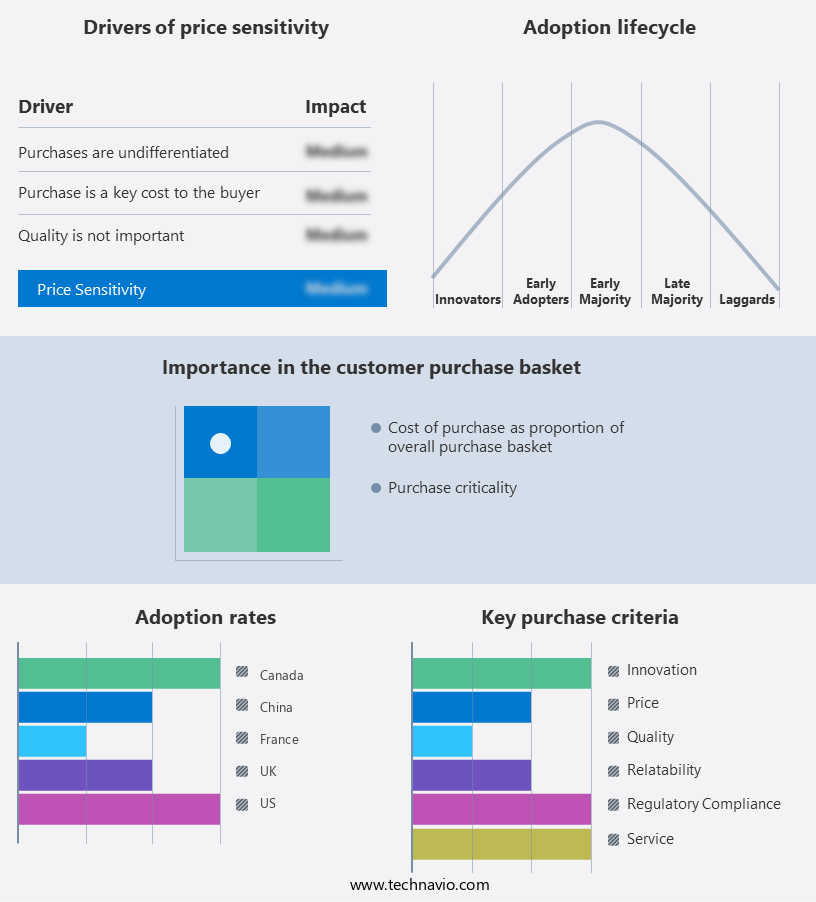
Customer Landscape
Key Companies & Market Insights
Companies are implementing various strategies, such as strategic alliances, partnerships, mergers and acquisitions, geographical expansion, and product/service launches, to enhance their presence in the market.
All Organic Treasures GmbH: The company offers mango organic products that are used in creams, lotions, and hair care products.
The market research and growth report includes detailed analyses of the competitive landscape of the market and information about key companies, including:
- A.G. Groups
- Alzo International Inc.
- AOS Products Pvt. Ltd.
- Ases Chemical Works
- Avi Naturals
- Better Shea Butter
- Croda International Plc
- Ekologie Forte Pvt. Ltd.
- ESCENTUAL SOAPS
- Etsy Inc.
- G. Baldwin and Co.
- Jarchem Industries Inc.
- Manorama Industries Ltd.
- Mountain Rose Herbs
- Mystic Moments UK
- Natural Sourcing LLC
- Suki Suki Naturals (Pty) Ltd.
- Three Cay G LLC
- The Soap Crafters
Qualitative and quantitative analysis of companies has been conducted to help clients understand the wider business environment as well as the strengths and weaknesses of key market players. Data is qualitatively analyzed to categorize companies as pure play, category-focused, industry-focused, and diversified; it is quantitatively analyzed to categorize companies as dominant, leading, strong, tentative, and weak.
Latest Market Development and News
- In December 2024, a leading personal care brand launched a new line of skincare products infused with mango butter, highlighting its moisturizing properties for dry skin. The products quickly gained popularity due to the increasing demand for natural, plant-based ingredients in cosmetics.
- In November 2024, a major supplier of mango butter entered into a strategic partnership with a global cosmetics company to supply high-quality mango butter for their expanding portfolio of sustainable beauty products. This collaboration aims to meet the growing consumer preference for ethically sourced and eco-friendly ingredients.
- In October 2024, a prominent cosmetics and personal care company acquired a small-scale supplier of mango butter to enhance its production capabilities. This acquisition is expected to boost the company's capacity to meet the rising demand for natural ingredients in its product offerings.
- In September 2024, a manufacturer of natural oils and butters introduced a new, innovative extraction technology to improve the yield and quality of mango butter. This advancement is set to reduce production costs and provide a more consistent supply of mango butter for the growing global market.
Research Analyst Overview
Mango butter, derived from the seeds of the mango fruit, is a rich source of triglycerides, antioxidants, tocopherol, oleic acid, and vitamin C. These properties make mango butter an excellent ingredient for various skincare products. Mango butter is known to help alleviate eczema, psoriasis, fungal infections, and dry skin conditions. The essential oils extracted from the kokum tree, which produces mango seeds, further enhance its benefits. The increasing prevalence of dermatological conditions, pollution levels, and alcohol consumption, coupled with an aging population, have fueled the demand for natural skincare products. In Vietnam, the growing demand for natural skincare products is driving interest in ingredients like Vitamin E, mango seed, and kokum butter, as consumers with rising per capita income seek premium, plant-based solutions for healthier skin. Mango butter, with its antioxidant properties, helps protect the skin from free radicals and collagen damage, making it a popular choice for consumers.
Furthermore, organic product variants of mango butter, free from inorganic chemicals, are gaining popularity due to consumer preferences for organic personal care products. Mango butter is also rich in minerals like zinc, iron, folate, potassium, magnesium, and vitamins A and E, making it a versatile ingredient for various health and wellness applications. Mango butter is used in various skincare products, including balms for chapped lips, salves for frostbite, and lotions for rashes, stretch marks, sunburn, and acne. Mango butter's versatility extends beyond skincare, as it is also used in the food industry for its unique flavor and nutritional benefits. The oil extracted from the seeds is rich in palmitic acid and stearic acid, making it a popular ingredient in various culinary applications.
| Mango Butter Market Scope | |
|
Report Coverage |
Details |
|
Page number |
135 |
|
Base year |
2023 |
|
Historic period |
2018-2022 |
|
Forecast period |
2024-2028 |
|
Growth momentum & CAGR |
Accelerate at a CAGR of 4.48% |
|
Market growth 2024-2028 |
USD 32.1 million |
|
Market structure |
Fragmented |
|
YoY growth 2023-2024(%) |
4.2 |
|
Regional analysis |
North America, Europe, APAC, South America, and Middle East and Africa |
|
Performing market contribution |
North America at 44% |
|
Key countries |
US, UK, China, Canada, and France |
|
Competitive landscape |
Leading Companies, Market Positioning of Companies, Competitive Strategies, and Industry Risks |
|
Key companies profiled |
A.G. Groups, All Organic Treasures GmbH, Alzo International Inc., AOS Products Pvt. Ltd., Ases Chemical Works, Avi Naturals, Better Shea Butter, Croda International Plc, Ekologie Forte Pvt. Ltd., ESCENTUAL SOAPS, Etsy Inc., G. Baldwin and Co., Jarchem Industries Inc., Manorama Industries Ltd., Mountain Rose Herbs, Mystic Moments UK, Natural Sourcing LLC, Suki Suki Naturals (Pty) Ltd., Three Cay G LLC, and The Soap Crafters |
|
Market dynamics |
Parent market analysis, market growth inducers and obstacles, market forecast, fast-growing and slow-growing segment analysis, COVID-19 impact and recovery analysis and future consumer dynamics, market condition analysis for the forecast period |
|
Customization purview |
If our market report has not included the data that you are looking for, you can reach out to our analysts and get segments customized. |
What are the Key Data Covered in this Market Research and Growth Report?
- CAGR of the market during the forecast period
- Detailed information on factors that will drive the market growth and forecasting between 2024 and 2028
- Precise estimation of the size of the market and its contribution of the market in focus to the parent market
- Accurate predictions about upcoming market growth and trends and changes in consumer behaviour
- Growth of the market across North America, Europe, APAC, South America, and Middle East and Africa
- Thorough analysis of the market's competitive landscape and detailed information about companies
- Comprehensive analysis of factors that will challenge the growth of market companies
We can help! Our analysts can customize this market research report to meet your requirements. Get in touch
 RIA -
RIA - 
