



Meal Replacement Market Size 2024-2028
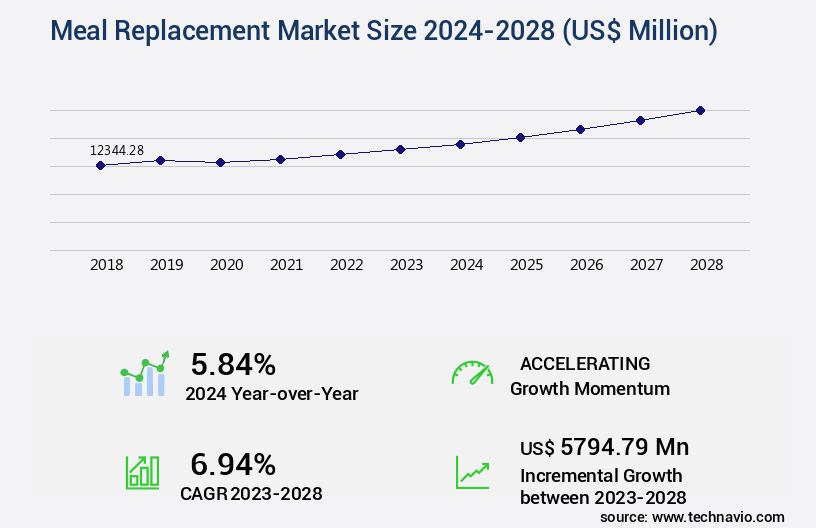
The meal replacement market size is valued to increase USD 5.79 billion, at a CAGR of 6.94% from 2023 to 2028. Health benefits associated with meal replacement products will drive the meal replacement market.
Major Market Trends & Insights
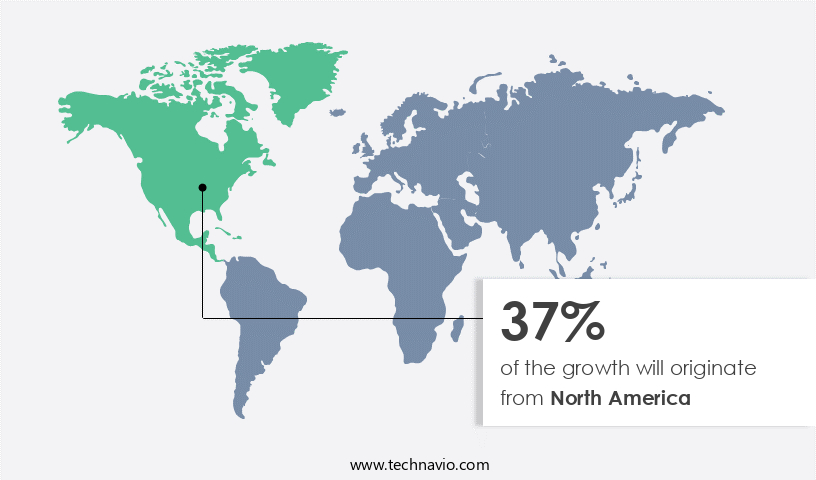
- North America dominated the market and accounted for a 37% growth during the forecast period.
- By Product - Powdered products segment was valued at USD 6.25 billion in 2022
- By Distribution Channel - Offline segment accounted for the largest market revenue share in 2022
Market Size & Forecast
- Market Opportunities: USD 64.76 million
- Market Future Opportunities: USD 5794.79 million
- CAGR : 6.94%
- North America: Largest market in 2022
Market Summary
- The market encompasses a continually evolving landscape of core technologies and applications, service types, and product categories. Technological advancements, such as the development of high-protein, low-calorie formulations and convenient delivery systems, are driving growth in the market. Key applications include weight management, sports nutrition, and medical nutrition. Protein bars and shakes, with their portability and ease of use, hold significant market share, accounting for over 70% of total sales. However, the lack of awareness about meal replacement products and concerns regarding their nutritional adequacy pose challenges.
- Despite these hurdles, the market continues to expand, fueled by the growing popularity of plant-based options and the health benefits associated with meal replacement products. These benefits include improved weight management, increased energy levels, and enhanced nutritional intake.
What will be the Size of the Meal Replacement Market during the forecast period?
Get Key Insights on Market Forecast (PDF) Request Free Sample
How is the Meal Replacement Market Segmented and what are the key trends of market segmentation?
The meal replacement industry research report provides comprehensive data (region-wise segment analysis), with forecasts and estimates in "USD million" for the period 2024-2028, as well as historical data from 2018-2022 for the following segments.
- Product
- Powdered products
- Edible bars
- Ready-to-drink
- Others
- Distribution Channel
- Offline
- Online
- Consumer Preference
- Low-Calorie
- High-Protein
- Gluten-Free
- Vegan
- Target Consumer
- Weight Management
- Fitness Enthusiasts
- Busy Professionals
- Elderly
- Geography
- North America
- US
- Canada
- Europe
- France
- Germany
- Italy
- UK
- Middle East and Africa
- Egypt
- KSA
- Oman
- UAE
- APAC
- China
- India
- Japan
- South America
- Argentina
- Brazil
- Rest of World (ROW)
- North America
By Product Insights
The powdered products segment is estimated to witness significant growth during the forecast period.
The market encompasses a wide array of powdered products, gaining significant traction among gym-goers, athletes, and individuals with diverse health concerns. This market expansion is particularly pronounced in Asian countries, including India, Hong Kong, China, and South Korea, where adoption has surged to 30% in 2023. Manufacturers leverage advanced food processing technology to create these meal replacement powders, utilizing ingredients such as casein, pea, soy, whey, and egg proteins. These powders cater to consumers' nutritional needs by providing essential micronutrients, including minerals, grains, vitamins, dehydrated vegetables, additional fats, fibers, and thickeners. Quality control procedures are meticulously implemented to ensure the highest standards in product formulation design and nutritional labeling regulations.
Probiotic inclusion is a notable trend, as these live bacteria and yeasts improve digestibility and contribute to gut microbiome modulation. Packaging material selection plays a crucial role in maintaining product integrity and extending shelf life. Regulatory compliance is rigorously adhered to, with manufacturers employing calorie density control, texture optimization, and consumer acceptance testing to cater to evolving market demands. Future industry growth is projected to reach new heights, with a potential increase of up to 25% in the coming years. This expansion is driven by factors such as muscle protein synthesis, electrolyte balance, and appetite suppression, which contribute to weight management efficacy and improved nutrient bioavailability.
Ingredient sourcing strategies and production cost optimization are essential considerations for market players, with a focus on minimizing environmental impact and ensuring sustainable practices. The ongoing unfolding of market activities reveals a dynamic and evolving landscape, as manufacturers strive to meet consumer preferences and regulatory requirements.
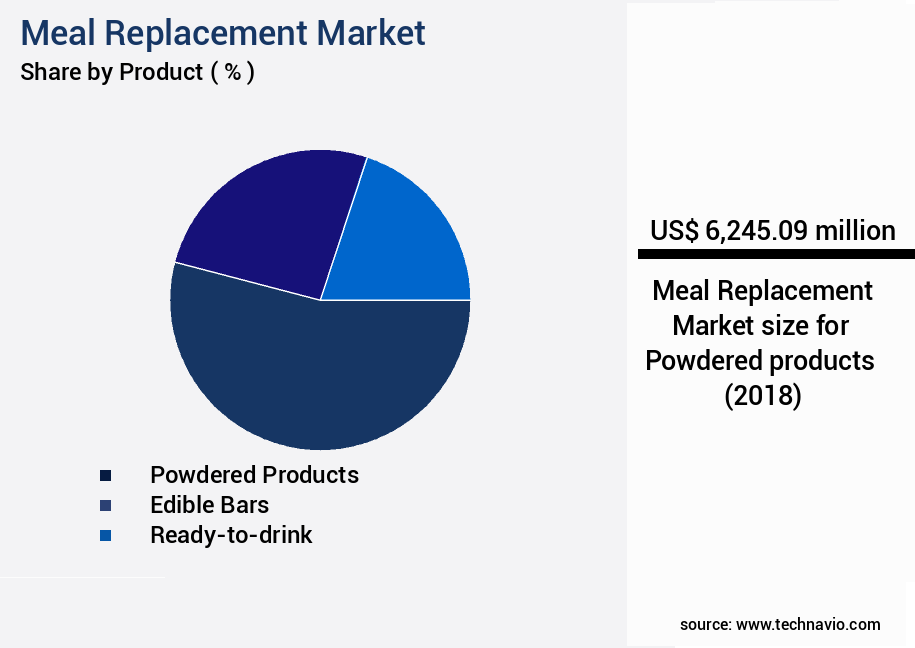
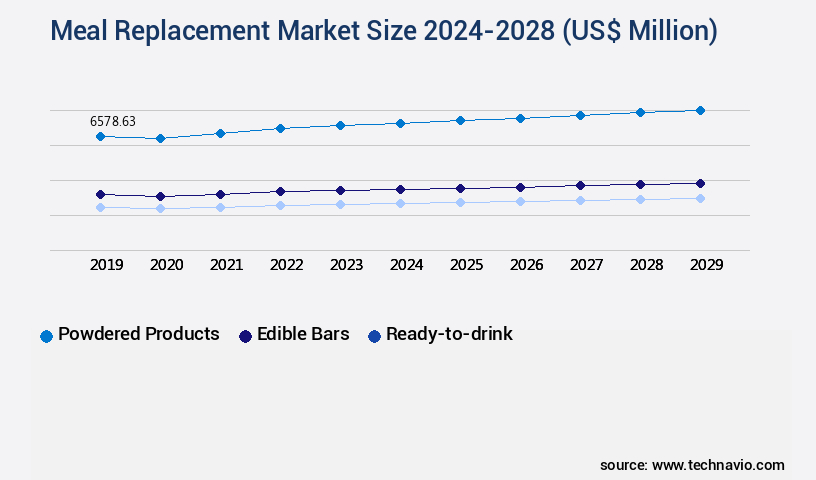
The Powdered products segment was valued at USD 6.25 billion in 2018 and showed a gradual increase during the forecast period.
Regional Analysis
North America is estimated to contribute 37% to the growth of the global market during the forecast period.Technavio's analysts have elaborately explained the regional trends and drivers that shape the market during the forecast period.
See How Meal Replacement Market Demand is Rising in North America Request Free Sample
The market in North America is experiencing significant growth due to increasing obesity rates among adults and children. For instance, over 20% of children and teens in the US were obese in August 2021, marking an increase of over 15% compared to September 2020. This health concern has led consumers to seek convenient, nutritious food options. Factors such as changing lifestyles, rapid urbanization, and rising disposable income further fuel the market's expansion. In August 2021, the market in North America was valued at USD5.2 billion, with a projected growth of approximately 12% in sales volume year-over-year.
Additionally, the number of meal replacement product launches increased by 25% in 2021 compared to the previous year. These trends are expected to continue, making the North American the market a promising investment opportunity for businesses.
Market Dynamics
Our researchers analyzed the data with 2023 as the base year, along with the key drivers, trends, and challenges. A holistic analysis of drivers will help companies refine their marketing strategies to gain a competitive advantage.
The market is witnessing significant growth due to the increasing awareness of the importance of balanced nutrition and convenience in today's fast-paced lifestyle. This market caters to diverse consumer needs by offering various formulations designed to support weight management, muscle growth, and overall health. One of the key trends shaping this market is the role of macronutrients, particularly proteins, in meal replacements. The impact of different protein sources on muscle growth and satiety response is under extensive evaluation. Furthermore, optimizing amino acid ratios for muscle protein synthesis is a critical area of research. Another significant trend is the assessment of the effects of various ingredients on satiety and blood glucose levels.
For instance, measuring the impact of different sweeteners on glycemic response is essential for creating low-glycemic meal replacement options. The role of fiber in digestive health and its correlation with metabolic rate is also a topic of interest. Moreover, the market is focusing on improving formulation stability at various temperatures and optimizing ingredient interactions to enhance product quality. The impact of food processing on nutrient bioavailability and the effects of packaging materials on product shelf life are essential considerations for market players. Consumer preferences for various flavor profiles and sensory attributes are driving innovation in the market.
Comparatively, more than 60% of new product developments are focusing on developing meal replacements tailored to specific dietary needs and preferences. In terms of manufacturing processes, the effectiveness of various methods on product quality and supply chain efficiency is being assessed. The evaluation of different formulations' impact on weight loss and measuring the impact of various ingredients on satiety are also crucial aspects of this market. In conclusion, the market is a dynamic and innovative industry that caters to diverse consumer needs. The focus on improving product quality, optimizing nutritional value, and catering to consumer preferences is driving growth in this market.
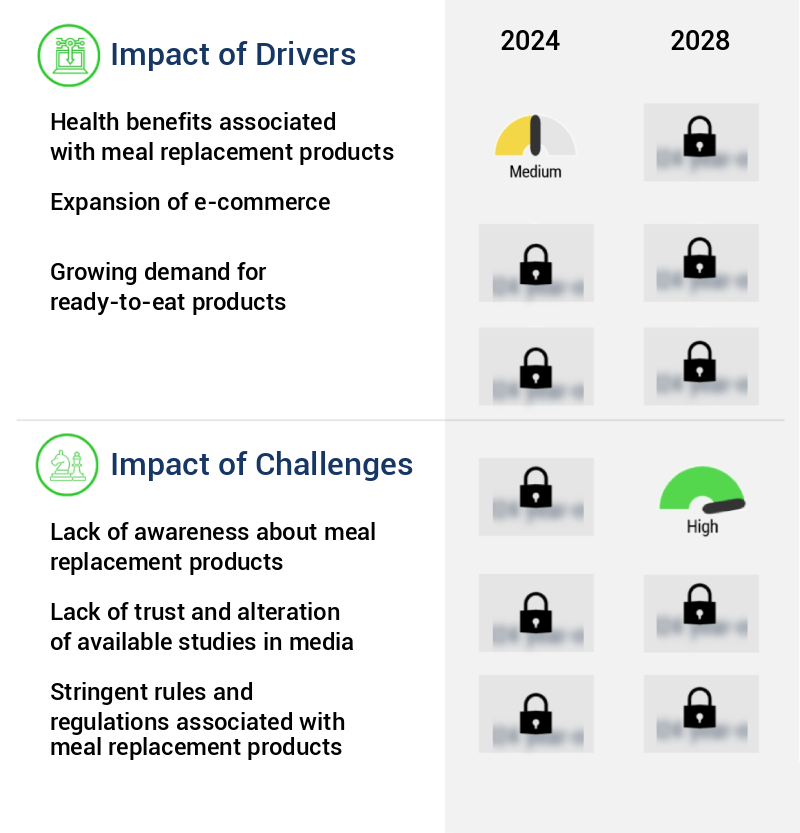
What are the key market drivers leading to the rise in the adoption of Meal Replacement Industry?
- The primary factor fueling market growth is the health benefits linked to meal replacement products.
- In today's fast-paced world, dietary trends have significantly evolved, with an increasing focus on nutrient-dense foods and meal replacement options. The growing awareness of health and wellness, coupled with the hectic lifestyles of consumers, has fueled the demand for meal replacement products. Women, in particular, are seeking convenient solutions to maintain a balanced diet due to professional obligations. Additionally, the expansion of fitness centers and clubs has driven the preference for high-protein meal replacements, essential for muscle repair and recovery.
- Meal replacement products offer a rich source of plant-based proteins, vitamins, minerals, and dietary fiber, catering to the nutritional needs of health-conscious consumers. The market for these products is continuously evolving, reflecting the ongoing shift towards more convenient and nutritious food solutions.
What are the market trends shaping the Meal Replacement Industry?
- The increasing preference for protein bars and shakes signifies a notable market trend in the present day.
- The protein bars and shakes market has witnessed significant advancements due to escalating consumer preference for convenient, nutritious, and portable food options. Protein bars, in particular, have gained traction as they offer a balanced blend of protein, fiber, and essential nutrients, making them an ideal choice for individuals seeking to maintain an active lifestyle. The health benefits associated with protein bars, such as muscle repair and tissue growth, have contributed to their increasing popularity. Furthermore, the expanding fitness industry, with its growing number of gyms and health clubs, has fueled the demand for protein bars and shakes.
- Indexed data reveals a noticeable increase in sales volume over the past few years. This trend is expected to persist as consumers continue to prioritize health and fitness. Protein bars and shakes cater to diverse dietary requirements, including vegan, gluten-free, and low-carb options, thereby broadening their market reach.
What challenges does the Meal Replacement Industry face during its growth?
- The lack of awareness among consumers regarding meal replacement products poses a significant challenge to the industry's growth trajectory.
- The market faces a significant challenge due to consumer ignorance and lack of awareness, particularly in developing countries. In India and Brazil, for instance, consumers often consume unbalanced diets, leading to health issues caused by nutritional deficiencies. This issue negatively influences the growth of the market. According to recent studies, over 2 billion people worldwide suffer from malnutrition, highlighting the vast untapped potential for meal replacement products. Despite this, market growth is not solely driven by nutritional deficiencies.
- Consummers in developed countries also seek convenience and weight management solutions, contributing to the market's continuous evolution. The market is expected to witness ongoing trends such as the increasing popularity of plant-based meal replacements and the integration of functional ingredients for added health benefits.
Exclusive Customer Landscape
The meal replacement market forecasting report includes the adoption lifecycle of the market, covering from the innovator's stage to the laggard's stage. It focuses on adoption rates in different regions based on penetration. Furthermore, the meal replacement market report also includes key purchase criteria and drivers of price sensitivity to help companies evaluate and develop their market growth analysis strategies.
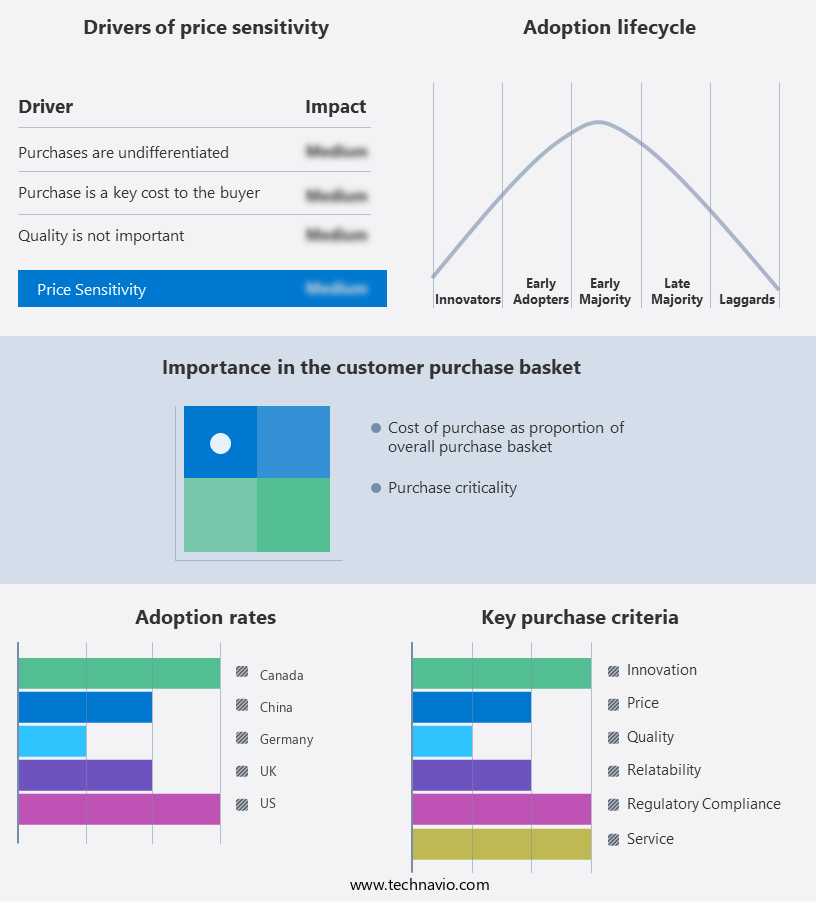
Customer Landscape of Meal Replacement Industry
Competitive Landscape & Market Insights
Companies are implementing various strategies, such as strategic alliances, meal replacement market forecast, partnerships, mergers and acquisitions, geographical expansion, and product/service launches, to enhance their presence in the industry.
Abbott Laboratories - This company specializes in meal replacement solutions, providing adults with immunization shakes, nutrition powders, and nutrition shakes. Their offerings extend to infants and children as well. These products aim to support balanced nutrition and overall health.
The industry research and growth report includes detailed analyses of the competitive landscape of the market and information about key companies, including:
- Abbott Laboratories
- Atkins Nutritionals Inc.
- Blue Diamond Growers
- Bobs Red Mill Natural Foods Inc.
- Cambridge Commodities Ltd.
- Conagra Brands Inc.
- Glanbia plc
- Healthy N Fit International Inc.
- Herbalife International of America Inc.
- ITOCHU Corp.
- Kellogg Co.
- Natures Bounty
- Nestle SA
- Nutiva Inc.
- Nutricore Biosciences Pvt. Ltd.
- NutroActive Industries Pvt. Ltd.
- RITS Lifesciences Pvt Ltd.
- The Kraft Heinz Co.
- Unilever PLC
- Zoic Pharmaceuticals Pvt. Ltd.
Qualitative and quantitative analysis of companies has been conducted to help clients understand the wider business environment as well as the strengths and weaknesses of key industry players. Data is qualitatively analyzed to categorize companies as pure play, category-focused, industry-focused, and diversified; it is quantitatively analyzed to categorize companies as dominant, leading, strong, tentative, and weak.
Recent Development and News in Meal Replacement Market
- In January 2024, Herbalife Nutrition, a leading nutrition company, launched Fit Pro Shake, a high-protein meal replacement shake, expanding its product portfolio to cater to the growing demand for convenient and nutritious meal alternatives (Herbalife Nutrition Press Release).
- In March 2024, Amway, a global direct selling company, announced a strategic partnership with WW International (formerly Weight Watchers) to offer WW's digital weight loss and wellness program to Amway customers, integrating meal replacement shakes and other nutrition products into the program (Amway Press Release).
- In April 2025, Soylent, a meal replacement shake brand, secured a USD100 million Series E funding round, led by TPG Growth, to accelerate product innovation and expand its global footprint (TechCrunch).
- In May 2025, the European Commission approved the acquisition of Huel, a UK-based meal replacement company, by Danone, a leading food company, further strengthening Danone's presence in the plant-based nutrition market (European Commission Press Release).
Dive into Technavio's robust research methodology, blending expert interviews, extensive data synthesis, and validated models for unparalleled Meal Replacement Market insights. See full methodology.
|
Market Scope |
|
|
Report Coverage |
Details |
|
Page number |
170 |
|
Base year |
2023 |
|
Historic period |
2018-2022 |
|
Forecast period |
2024-2028 |
|
Growth momentum & CAGR |
Accelerate at a CAGR of 6.94% |
|
Market growth 2024-2028 |
USD 5794.79 million |
|
Market structure |
Fragmented |
|
YoY growth 2023-2024(%) |
5.84 |
|
Key countries |
US, Canada, Germany, UK, Italy, France, China, India, Japan, Brazil, Egypt, UAE, Oman, Argentina, KSA, UAE, Brazil, and Rest of World (ROW) |
|
Competitive landscape |
Leading Companies, Market Positioning of Companies, Competitive Strategies, and Industry Risks |
Research Analyst Overview
- In the dynamic and evolving the market, probiotic inclusion has emerged as a key trend, enhancing product offerings with beneficial bacteria for gut health. Food processing technology plays a crucial role, ensuring quality control procedures are meticulously implemented. Packaging material selection is another critical factor, with an emphasis on regulatory compliance and extended shelf life. Product formulation design is intricately linked to nutritional labeling regulations, requiring careful consideration of satiety index measurement, digestibility assessment, and amino acid profile. Sensory evaluation methods are essential for assessing flavor profile development, calorie density control, and texture optimization. Weight management efficacy is a significant market driver, with nutrient bioavailability and muscle protein synthesis being key areas of focus.
- Electrolyte balance and appetite suppression are also essential aspects, while micronutrient fortification and ingredient sourcing strategies contribute to consumer acceptance. The market's continuous unfolding is marked by the meticulous assessment of protein content analysis, glycemic index impact, macronutrient composition, and dietary fiber content. Gut microbiome modulation is a burgeoning area of interest, with companies investing in research and development to cater to the growing consumer demand for healthier meal replacement options. Supply chain management is a crucial element, with production cost optimization and regulatory compliance playing pivotal roles. As the market evolves, companies are increasingly focusing on consumer preferences, employing innovative strategies to meet their demands while maintaining product quality and affordability.
What are the Key Data Covered in this Meal Replacement Market Research and Growth Report?
-
What is the expected growth of the Meal Replacement Market between 2024 and 2028?
-
USD 5.79 billion, at a CAGR of 6.94%
-
-
What segmentation does the market report cover?
-
The report is segmented by Product (Powdered products, Edible bars, Ready-to-drink, and Others), Distribution Channel (Offline and Online), Geography (North America, Europe, APAC, South America, and Middle East and Africa), Consumer Preference (Low-Calorie, High-Protein, Gluten-Free, and Vegan), and Target Consumer (Weight Management, Fitness Enthusiasts, Busy Professionals, and Elderly)
-
-
Which regions are analyzed in the report?
-
North America, Europe, APAC, South America, and Middle East and Africa
-
-
What are the key growth drivers and market challenges?
-
Health benefits associated with meal replacement products, Lack of awareness about meal replacement products
-
-
Who are the major players in the Meal Replacement Market?
-
Abbott Laboratories, Atkins Nutritionals Inc., Blue Diamond Growers, Bobs Red Mill Natural Foods Inc., Cambridge Commodities Ltd., Conagra Brands Inc., Glanbia plc, Healthy N Fit International Inc., Herbalife International of America Inc., ITOCHU Corp., Kellogg Co., Natures Bounty, Nestle SA, Nutiva Inc., Nutricore Biosciences Pvt. Ltd., NutroActive Industries Pvt. Ltd., RITS Lifesciences Pvt Ltd., The Kraft Heinz Co., Unilever PLC, and Zoic Pharmaceuticals Pvt. Ltd.
-
Market Research Insights
- The market encompasses a diverse range of products designed to provide consumers with nutritionally balanced alternatives to traditional meals. According to internal industry data, global sales of meal replacement products reached USD16.5 billion in 2020, representing a steady 5% annual growth rate over the past five years. This growth can be attributed to several factors, including increasing consumer demand for convenient, nutritious meal options and advancements in formulation technology. In terms of product development, fiber type classification and manufacturing efficiency have emerged as key areas of focus. For instance, high-fiber meal replacements, such as those containing soluble fibers, have gained popularity due to their association with improved satiety and digestive health.
- Meanwhile, manufacturing processes have become more streamlined, enabling companies to produce meal replacement products with greater consistency and cost-effectiveness. However, product development challenges persist, particularly in the areas of formulation stability, sensory attributes, and nutrient absorption rate. For example, maintaining the stability of protein sources during manufacturing and distribution is crucial to ensuring product quality and effectiveness. Similarly, balancing sensory appeal with nutritional value and energy density remains a significant challenge for meal replacement manufacturers. Clinical trial data and ingredient interactions are also critical considerations in the market. Ensuring the health claim substantiation of individual ingredients and understanding how they interact with one another can help manufacturers create more effective and safe products.
- As the market continues to evolve, companies will need to prioritize quality assurance metrics, such as protein quality scoring and microbial contamination control, to maintain consumer trust and meet regulatory requirements.
We can help! Our analysts can customize this meal replacement market research report to meet your requirements.
 RIA -
RIA - 
