
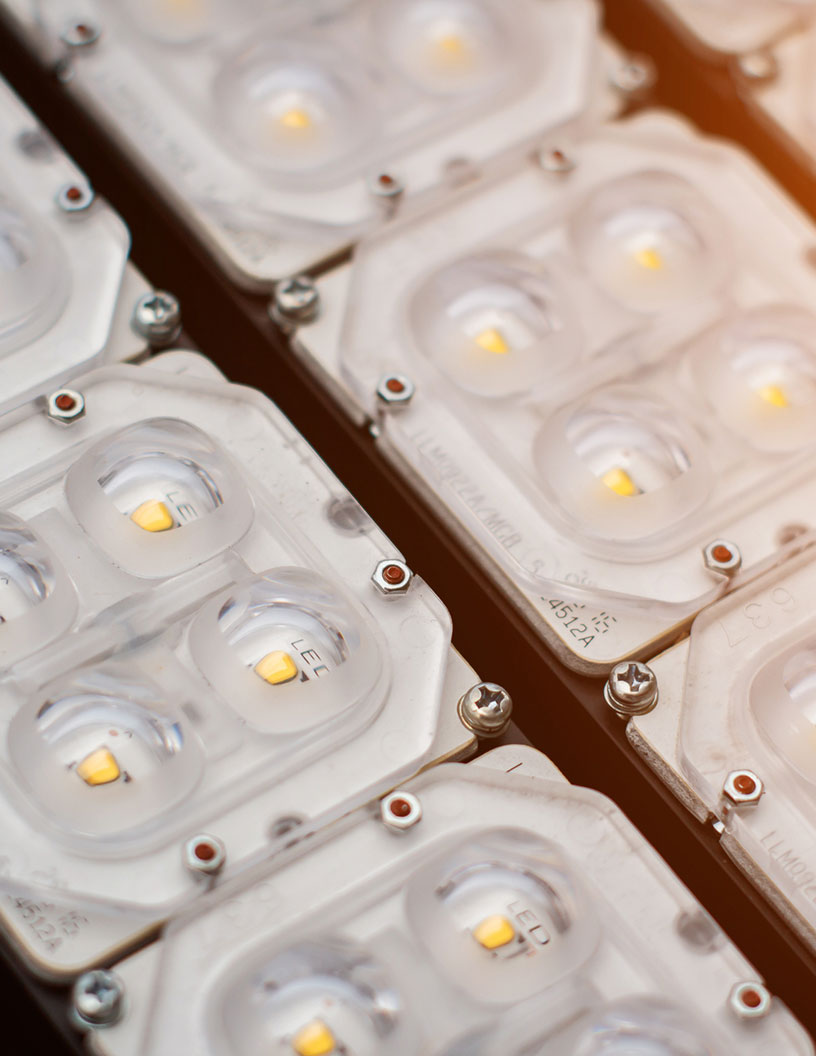


Micro Light-Emitting Diode (LED) Market Size 2024-2028
The micro light-emitting diode (LED) market size is forecast to increase by USD 12.12 billion at a CAGR of 71.99% between 2023 and 2028.
- The market is experiencing significant growth due to several key drivers. One major factor is the increasing investment in MicroLEDs technology and the development of GaN-on-Si technology. This advancement in display technology is expected to challenge the dominance of other display technologies in areas such as tablets and televisions, particularly in delivering Ultra High Definition (UHD) picture quality. Furthermore, the urban population's growing demand for energy-efficient lighting solutions, including under-cabinet lighting, is driving the market's expansion. Additionally, the adoption of MicroLEDs in virtual production stages and virtual reality technology is a promising trend. This technology offers wavelength uniformity, a crucial factor in delivering high-quality visual experiences. The market is also driven by the increasing demand for immersive entertainment experiences in industries like entertainment and sports, the European Commission's push for energy efficiency, and the growing popularity of IoT devices, laptops, tablets, and smart wearables.Furthermore, the market's potential expansion into wearable products and a wide color range is expected to create new opportunities.
- However, the MicroLED market is growing, driven by investments in technology, demand for energy-efficient lighting, and emerging applications in virtual production and wearables. However, high production costs and complex manufacturing pose challenges. Technological advancements and economies of scale are expected to address these hurdles, ensuring continued market expansion.
What will be the Micro Light-Emitting Diode (LED) Market Size During the Forecast Period?
_Market_size_abstract_2024_v1.jpg)
- Micro LEDs, a type of Light-Emitting Diodes (LEDs), have gained significant attention in the global lighting industry due to their unique features and advantages. Micro LEDs are tiny LED chips, each emitting its own light, offering superior light quality and energy efficiency. Micro LEDs are known for their energy efficiency, consuming less power compared to traditional lighting technologies like halogen bulbs. This energy efficiency is a crucial factor in today's business environment, where companies are constantly seeking ways to reduce operational costs and minimize their carbon footprint.
- Furthermore, Micro LEDs provide high light quality, with excellent brightness, contrast, and saturation of colors. This high-quality light is essential for various applications, including UHD picture quality in televisions, recessed lamps, under-cabinet lighting, and refrigerated case lighting. Micro LEDs can be used in various industries, from wearable products like smartwatches to large-scale applications such as outdoor advertising displays and signage. Their small size and energy efficiency make them an ideal choice for these applications.
- These features make them suitable for high-end applications, such as UHD televisions and professional lighting systems. Gallium Nitride (GaN) technology is a significant development in the Micro LED market. GaN-based Micro LEDs offer higher efficiency and better performance, making them an attractive option for various applications. Micro LEDs find extensive use in various industries, including advertising, automotive, healthcare, and consumer electronics. In the automotive industry, they are used for backlighting, ambient lighting, and instrument cluster displays. In healthcare, they are used for medical displays and surgical lighting. In consumer electronics, they are used in wearable products, smartphones, and televisions.
-
In conclusion, the Micro LED market is experiencing steady growth, driven by the demand for energy-efficient, high-quality lighting solutions. The versatility of Micro LEDs and their potential applications in various industries make them a promising technology for the future. Companies investing in Micro LED research and development are likely to reap significant benefits in the long run.
How is this market segmented and which is the largest segment?
The market research report provides comprehensive data (region-wise segment analysis), with forecasts and estimates in "USD million" for the period 2024-2028, as well as historical data from 2018-2022 for the following segments.
- Product
- Display
- Lighting
- Type
- Micro display
- Small and medium panel
- Large panel
- Geography
- APAC
- China
- Japan
- South Korea
- North America
- US
- Europe
- South America
- Middle East and Africa
- APAC
By Product Insights
- The display segment is estimated to witness significant growth during the forecast period.
MicroLED displays have gained significant attention in various industries due to their potential benefits, particularly in the areas of consumer electronics, digital signages, and augmented reality/virtual reality (AR/VR) devices. These displays offer advantages such as higher contrast ratios, longer endurance, and improved energy efficiency compared to traditional LED and OLED displays.
The demand for brighter and more energy-efficient displays, especially for AR/VR devices and digital signages, is driving the investment in MicroLED technology. Gallium nitride (GaN) is a key material used in MicroLEDs that enhances their energy efficiency and endurance. Flexible displays are also a potential application for MicroLEDs, offering the possibility of curved and foldable screens. Despite the promising potential, the full commercialization of MicroLEDs is expected to take several years. According to Technavio, the adoption of MicroLEDs in consumer electronics and digital signages may take 2-3 years to fully materialize. As the technology advances, it is expected to offer significant energy savings and improved visual experiences across various industries.
In conclusion, MicroLED displays offer several advantages over traditional LED and OLED displays, making them a promising technology for various applications, including consumer electronics, digital signages, and AR/VR devices. The demand for energy-efficient and long-lasting displays, coupled with advancements in materials like gallium nitride, is driving the investment in MicroLED technology. However, the full commercialization of MicroLEDs is still in its early stages and is expected to take several years.
_Market_segments_abstract_2024_v2.jpg)
Get a glance at the market report of share of various segments Request Free Sample
The display segment was valued at USD 223.70 million in 2018 and showed a gradual increase during the forecast period.
Regional Analysis
- APAC is estimated to contribute 62% to the growth of the global market during the forecast period.
Technavio's analysts have elaborately explained the regional trends and drivers that shape the market during the forecast period.
_Market_regions_abstract_2023_geo_v2.jpg)
For more insights on the market share of various regions Request Free Sample
The Micro LED Market in the United States and North America is experiencing significant growth due to the increasing demand for miniature LED displays in various industries. Major buyers in this market include electronic device Original Equipment Manufacturers (OEMs), automobile Original Equipment Manufacturers (OEMs), and lighting manufacturers. The primary focus of Micro LED development is on applications such as Augmented Reality (AR) and Virtual Reality (VR) devices, TVs, digital signage, and large display screens. APAC, with its high concentration of consumer electronic device manufacturing sites in countries like South Korea, Taiwan, Japan, and China, is a high-potential market for Micro LEDs. The region's proximity to major manufacturers and its large consumer base make it an attractive market for Micro LEDs.
Additionally, the Outdoor Lighting industry is also expected to adopt Micro LEDs for their energy efficiency and long lifespan. Micro LEDs, also known as mLEDs or Nanotech LEDs, offer several advantages over other display technologies like Organic Light-Emitting Diodes (OLEDs) and NTE devices. They consume less power, have a longer lifespan, and offer better color accuracy. Moreover, the modular nature of Micro LEDs allows for customization of panel sizes and configurations, making them suitable for various applications. In conclusion, the Micro LED Market in the United States and North America is poised for growth due to the increasing demand for miniature LED displays in various industries. APAC, with its high concentration of consumer electronic device manufacturing sites and large consumer base, is a high-potential market for Micro LEDs. The technology's advantages, such as energy efficiency, long lifespan, and customizability, make it an attractive alternative to other display technologies.
Market Dynamics
Our researchers analyzed the data with 2023 as the base year, along with the key drivers, trends, and challenges. A holistic analysis of drivers will help companies refine their marketing strategies to gain a competitive advantage.
What are the key market drivers leading to the rise in adoption of Micro Light-Emitting Diode (Led) Market ?
Increasing investments in MicroLEDs is the key driver of the market.
- MicroLEDs, a cutting-edge technology in the LED market, are recognized for their superior efficiency, minimal power consumption, and exceptional brightness. This innovation has attracted significant investment from various market players, including established corporations and startups. The primary objective of these investments is to enhance MicroLED performance and reduce costs, thereby expanding their application scope. MicroLEDs have gained traction in several industries such as automotive, consumer electronics, and healthcare.
- In the automotive sector, MicroLEDs are utilized for lighting, navigation, and entertainment systems. In the realm of consumer electronics, MicroLEDs are incorporated into devices like smartwatches and recessed lamps. Moreover, they are employed in refrigerated case lighting for supermarkets and sports arenas. Despite the substantial initial costs, the benefits of MicroLEDs, including rapid response times and saturation of colors, make them a worthwhile investment for businesses.
What are the market trends shaping the Micro Light-Emitting Diode (Led) Market?
The development of GaN-on-Si technology is the upcoming trend in the market.
- Micro LED production traditionally relies on sapphire substrates. However, the growing demand for Micro LEDs has led companies to explore alternative technologies. Gallium nitride-on-silicon (GaN-on-Si) is gaining popularity as an alternative to sapphire substrates for Micro LED production. This technology offers several advantages, including higher yields and the ability to produce larger wafer sizes.
- This is beneficial for Micro LEDs due to the use of transfer stamps, which maximize wafer surface area utilization and result in cost savings. As a result, numerous companies are focusing on the development of Micro LED displays using GaN-on-Si technology. For instance, Plessey Semiconductors has partnered with Jasper Display Corp. To advance the technology. This shift towards GaN-on-Si is expected to drive growth in the Micro LED market.
What challenges does Micro Light-Emitting Diode (LED) Market face during the growth?
High market penetration of other display technologies is a key challenge affecting the market growth.
- MicroLED displays, a cutting-edge technology, offer superior picture quality, particularly in Ultra High Definition (UHD), compared to traditional LCD and plasma displays. However, their high production costs and limited manufacturing capacity hinder their widespread adoption. MicroLEDs are used in various applications, including tablets, televisions, under-cabinet lighting, virtual production stages, and wearable products. The wide color range and wavelength uniformity of MicroLEDs make them an excellent choice for virtual reality technology. Despite MicroLEDs' advantages, Liquid Crystal Displays (LCDs), which use LED backlighting, remain the dominant technology in the display market. LCDs have been mass-produced for decades, leading to economies of scale and lower production costs.
- Consequently, LCDs are priced lower than MicroLEDs, making them a more affordable option for consumers. However, MicroLEDs' production challenges are being addressed through ongoing technological advancements. As these issues are resolved, the cost of MicroLED displays is expected to decrease, making them more accessible to a larger market. The potential benefits of MicroLEDs, such as higher energy efficiency and longer lifespan, make them an attractive alternative to LCDs. In conclusion, while MicroLED displays offer superior picture quality, their high production costs and limited capacity have hindered their mass adoption. However, ongoing technological advancements are expected to address these challenges, making MicroLEDs a more viable option in the future. This technology holds significant potential in various applications, including televisions, tablets, and virtual reality technology.
Exclusive Customer Landscape
The market forecasting report includes the adoption lifecycle of the market, covering from the innovator's stage to the laggard's stage. It focuses on adoption rates in different regions based on penetration. Furthermore, the market report also includes key purchase criteria and drivers of price sensitivity to help companies evaluate and develop their market growth analysis strategies.
_Market_customer_landscape_abstract_2023_geo_v1.jpg)
Customer Landscape
Key Companies & Market Insights
Companies are implementing various strategies, such as strategic alliances, market forecast, partnerships, mergers and acquisitions, geographical expansion, and product/service launches, to enhance their presence in the market.
The market research and growth report includes detailed analyses of the competitive landscape of the market and information about key companies, including:
- Aledia SA
- ALLOS Semiconductors GmbH
- Apple Inc.
- AUO Corp.
- Beijing BDK Electronics Co. Ltd.
- eLux Inc.
- EPISTAR Corp
- Innolux Corp.
- JBD Inc.
- LG Electronics Inc.
- Lumens Co. Ltd.
- Nanosys Inc.
- Optovate Ltd.
- OSRAM Licht AG
- PlayNitride Inc.
- Plessey Semiconductors Ltd.
- Rohinni LLC
- Samsung Electronics Co. Ltd.
- Sony Group Corp.
- VueReal Inc.
Qualitative and quantitative analysis of companies has been conducted to help clients understand the wider business environment as well as the strengths and weaknesses of key market players. Data is qualitatively analyzed to categorize companies as pure play, category-focused, industry-focused, and diversified; it is quantitatively analyzed to categorize companies as dominant, leading, strong, tentative, and weak.
Research Analyst Overview
The micro LED market is experiencing significant growth due to the increasing demand for energy-efficient and high-performance lighting solutions. Micro LEDs, which are smaller versions of traditional LEDs, offer several advantages over their larger counterparts. They provide high light quality with excellent brightness levels and contrast ratios, making them ideal for various applications. The micro LED market is witnessing integration of technologies such as augmented reality technology, virtual reality technology, and heads-up displays (HUDs) in industries like consumer electronics, automotive displays, and aerospace and defense. These industries require high-end displays with high contrast, wide color range, and rapid response times.
Moreover, the mini-LED and micro-LED displays offer high energy efficiency and long service life, making them a popular choice for commercial displays, digital signage, and outdoor lighting industry. The complex manufacturing process and significant initial costs are the major market restraints. The market is expected to grow further due to the integration of technologies like OLEDs, flexible displays, and modular lighting in various applications.
Despite the market growth, the micro LED market faces challenges such as power consumption, supply chain issues, and economic downturns, including the ongoing conflict between Russia and Ukraine, which affects Ukraine's energy infrastructure. However, the market's potential for innovation and technological advancements outweighs these challenges.
|
Market Scope |
|
|
Report Coverage |
Details |
|
Page number |
170 |
|
Base year |
2023 |
|
Historic period |
2018-2022 |
|
Forecast period |
2024-2028 |
|
Growth momentum & CAGR |
Accelerate at a CAGR of 71.99% |
|
Market growth 2024-2028 |
USD 12.12 billion |
|
Market structure |
Fragmented |
|
YoY growth 2023-2024(%) |
56.21 |
|
Key countries |
South Korea, China, Japan, Taiwan, and US |
|
Competitive landscape |
Leading Companies, Market Positioning of Companies, Competitive Strategies, and Industry Risks |
What are the Key Data Covered in this Market Research and Growth Report?
- CAGR of the market during the forecast period
- Detailed information on factors that will drive the market growth and forecasting between 2024 and 2028
- Precise estimation of the size of the market and its contribution of the market in focus to the parent market
- Accurate predictions about upcoming market growth and trends and changes in consumer behaviour
- Growth of the market across APAC, North America, Europe, South America, and Middle East and Africa
- Thorough analysis of the market's competitive landscape and detailed information about companies
- Comprehensive analysis of factors that will challenge the growth of market companies
We can help! Our analysts can customize this market research report to meet your requirements. Get in touch
 RIA -
RIA - 
