
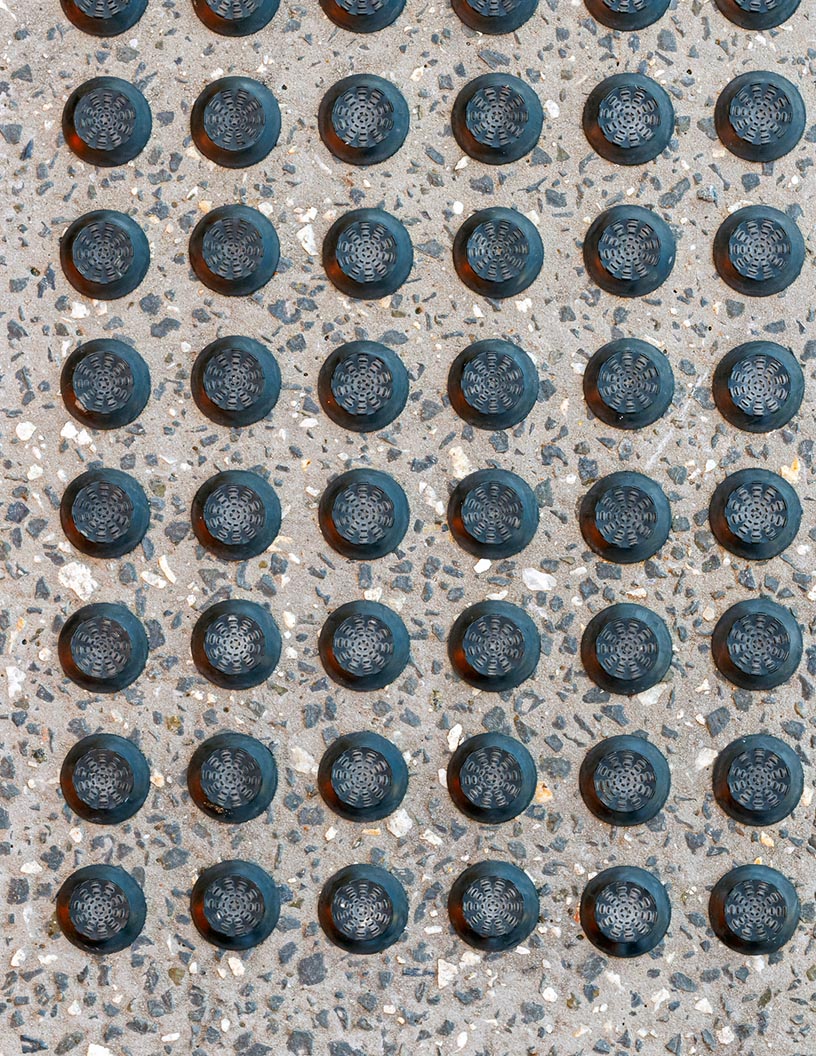


Non-resilient Flooring Market Size 2024-2028
The non-resilient flooring market size is forecast to increase by USD 45.17 bn at a CAGR of 5.64% between 2023 and 2028.
What will be the Size of the Non-resilient Flooring Market during the Forecast Period?

How is this Non-resilient Flooring Industry segmented and which is the largest segment?
The non-resilient flooring industry research report provides comprehensive data (region-wise segment analysis), with forecasts and estimates in "USD billion" for the period 2024-2028, as well as historical data from 2018-2022 for the following segments.
- Type
- Ceramic
- Wood and laminates
- Others
- End-user
- Residential
- Non-residential
- Geography
- APAC
- China
- India
- Europe
- UK
- North America
- US
- Middle East and Africa
- South America
- APAC
By Type Insights
The ceramic segment is estimated to witness significant growth during the forecast period. Non-resilient flooring, including ceramic tiles and stone flooring, holds a significant market share, particularly in emerging economies of the APAC and South American regions. Ceramic tiles, made from raw materials like clay and sand, are a popular choice due to their affordability compared to solid wood and natural stone. With advancements in digital printing technology, ceramic tiles can now replicate wood and stone textures with intricate detailing. Their water resistance, stain and scratch resistance, and low maintenance make ceramic tiles a preferred choice for modern floor designs and specifications. Additionally, the availability of ceramic tiles in various sizes offers versatility and adaptability for unique flooring projects.
In the infrastructure sector, non-resilient flooring, such as porcelain tile and terrazzo, is widely used in infrastructure projects for their durability and strength. Eco-friendly flooring options, like those made from recycled glass chips and natural stone, are gaining popularity due to the increasing focus on green building initiatives. VR technology is also being integrated into the flooring industry, allowing customers to visualize flooring options In their homes before installation. Tile installers play a crucial role In the home improvement projects and retail sector, ensuring proper installation and maintenance of non-resilient flooring. Other non-resilient flooring options, such as concrete, asphalt tile, rubber, linoleum, poured synthetic resin, hardwood, artificial floors, and quarry tile, each have their unique applications and benefits.

Get a glance at the market report of various segments Request Free Sample
The Ceramic segment was valued at USD 89.16 bn in 2018 and showed a gradual increase during the forecast period.
Regional Analysis
APAC is estimated to contribute 48% to the growth of the global market during the forecast period. Technavio’s analysts have elaborately explained the regional trends and drivers that shape the market during the forecast period.

For more insights on the market size of various regions, Request Free Sample
The Asia Pacific (APAC) region is a significant contributor to The market, accounting for a substantial market share. With economies at varying stages of industrialization and infrastructure development, APAC is a major driver of demand for non-resilient flooring products. The global construction industry is projected to reach USD15 trillion by 2030, with China and India leading the growth. These countries, along with Japan, dominate the market In the region. In 2022, Thailand's construction project spending was estimated to reach nearly USD58 billion. Non-resilient flooring options include ceramic tiles, stone flooring (natural stone, marble, granite, glass chips), eco-friendly products, porcelain tile, and concrete.
The infrastructure sector, particularly infrastructure projects, contributes significantly to the demand for non-resilient flooring. Green building initiatives and home improvement projects also fuel the market. Non-resilient flooring alternatives consist of vinyl tile, asphalt tile, rubber, linoleum, poured synthetic resin, hardwood, artificial floors, terrazzo, and quarry tile. Digital printing technology enhances the design possibilities for ceramic and porcelain tiles. New residential construction and remodeling projects provide further opportunities for growth.
Market Dynamics
Our researchers analyzed the data with 2023 as the base year, along with the key drivers, trends, and challenges. A holistic analysis of drivers will help companies refine their marketing strategies to gain a competitive advantage.
What are the key market drivers leading to the rise In the adoption of market?
Technological advances in non-resilient flooring is the key driver of the market.The market is experiencing significant advancements driven by technological innovations. One such technology is digital printing, which is transforming the design possibilities for ceramic and porcelain tiles. High-resolution inkjet printers enable manufacturers to reproduce intricate patterns, textures, and graphics on flooring surfaces with unmatched precision and detail. This technology offers greater flexibility, faster production times, and cost-effective customization, catering to diverse consumer preferences and design trends. Moreover, eco-friendly products are gaining popularity In the market. Natural materials like marble, granite, and glass chips are being used to create sustainable flooring solutions. These materials not only offer durability and aesthetic appeal but also contribute to green building initiatives.
In the infrastructure sector, non-resilient flooring is increasingly being used in infrastructure projects due to its strength and durability. Materials like concrete, terrazzo, and quarry tiles are popular choices for heavy-duty applications. VR technology is also being adopted In the non-resilient flooring industry to enhance the customer experience. Tile installers and home improvement retailers can use VR technology to offer virtual flooring previews, enabling customers to visualize how different flooring options would look In their homes before making a purchase. In summary, the market is being shaped by technological advancements, eco-friendly products, and the increasing adoption of VR technology In the retail sector.
These trends are driving innovation, improving manufacturing processes, and catering to diverse consumer preferences.
What are the market trends shaping the Non-resilient Flooring market?
Growing adoption of VR technology to enhance online purchasing of non-resilient flooring products is the upcoming market trend.The market encompasses various flooring options, including Ceramic tiles, Stone flooring, and Porcelain tile. Raw materials utilized in this market consist of Stone, such as Marble and Granite, Glass chips, and Eco-friendly products. AR and VR technology play a significant role In the selection process for consumers, enabling them to visualize and experience different flooring options virtually In their spaces. AR apps offer a realistic representation of flooring options using a smartphone or tablet camera, while VR experiences provide a fully immersive walkthrough of a virtual room with various flooring options. Home improvement projects and retail sector purchases are influenced by these technological advancements.
The Infrastructure sector also utilizes non-resilient flooring in infrastructure projects, such as Green building initiatives, and various flooring options, including Concrete, Terrazzo, and Quarry tiles. Digital printing technology enhances the design possibilities for Ceramic, Wood and Laminates, and Building renovations. Other flooring options include Vinyl tile, Asphalt tile, Rubber, Linoleum, Poured synthetic resin, and Artificial floors.
What challenges does the market face during its growth?
Volatility in raw material prices of non-resilient flooring products is a key challenge affecting the industry growth.The market encompasses various product categories, including ceramic tiles, stone flooring, and porcelain tile. The production of these flooring types relies on raw materials such as marble, granite, glass chips, and concrete. However, the prices of these raw materials have been escalating due to a demand-supply imbalance and volatility in input and transportation costs. For instance, the price of wood particleboard, a common component in wood and laminate flooring, has seen significant increases. This trend is driven by the continued downsizing of furniture manufacturers and the high demand for wood in markets outside of the US, where the US, as a major lumber exporter, cannot fully cater to the demand.
Additionally, there is a growing preference for eco-friendly flooring options, which may impact the market dynamics of non-resilient flooring. Virtual reality technology is also being adopted In the home improvement and retail sectors to enhance the customer experience during tile installations and building renovations. Other non-resilient flooring types, such as asphalt tile, rubber, linoleum, poured synthetic resin, and artificial floors, also contribute to the market. The infrastructure sector, with its infrastructure projects, is another significant market for non-resilient flooring. Green building initiatives and the use of digital printing technology in ceramic and porcelain tiles are also emerging trends In the market.
Exclusive Customer Landscape
The non-resilient flooring market forecasting report includes the adoption lifecycle of the market, covering from the innovator’s stage to the laggard’s stage. It focuses on adoption rates in different regions based on penetration. Furthermore, the non-resilient flooring market report also includes key purchase criteria and drivers of price sensitivity to help companies evaluate and develop their market growth analysis strategies.

Customer Landscape
Key Companies & Market Insights
Companies are implementing various strategies, such as strategic alliances, non-resilient flooring market forecast, partnerships, mergers and acquisitions, geographical expansion, and product/service launches, to enhance their presence In the industry.
Barlinek SA - Non-resilient flooring, including vinyl options, delivers the classic wood appearance while ensuring durability and ease of maintenance. Vinyl flooring boasts superior water resistance, extending its lifespan and reducing upkeep requirements. This flooring type caters to various applications, offering a cost-effective and resilient alternative to traditional materials. With its versatility and longevity, non-resilient flooring is a popular choice for both residential and commercial settings.
The industry research and growth report includes detailed analyses of the competitive landscape of the market and information about key companies, including:
- Barlinek SA
- Beaulieu International Group
- Boa Franc Inc.
- Boral Ltd.
- Broadsword Timber
- Emilceramica S.r.l.
- Florim Ceramiche S.P.A.
- Formica Corp.
- Fritz Egger GmbH and Co. OG
- Grupo Lamosa SAB de CV
- GRUPPO CERAMICHE RICCHETTI SpA
- Interface Inc.
- Kahrs
- Kajaria Ceramics Ltd.
- Mohawk Industries Inc.
- PORCELANOSA AIE Group
- RAK Ceramics PJSC
- Shaw Industries Group Inc.
- SPANISH TILE FROM NULES SAU
- Tarkett
Qualitative and quantitative analysis of companies has been conducted to help clients understand the wider business environment as well as the strengths and weaknesses of key industry players. Data is qualitatively analyzed to categorize companies as pure play, category-focused, industry-focused, and diversified; it is quantitatively analyzed to categorize companies as dominant, leading, strong, tentative, and weak.
Research Analyst Overview
The market encompasses a diverse range of flooring solutions, including ceramic tiles, stone flooring, and glass chips, among others. These flooring options are preferred for their durability and low maintenance requirements, making them popular choices for various sectors. One of the primary raw materials used In the production of non-resilient flooring is natural stone, such as marble and granite. The mining and quarrying of these materials play a significant role In the supply chain, with digital printing technology also used to create intricate designs and patterns on ceramic tiles. The infrastructure sector is a significant consumer of non-resilient flooring, with infrastructure projects requiring flooring solutions that can withstand heavy foot traffic and harsh conditions.
Porcelain tile and concrete are common choices for such applications due to their strength and durability. In the retail sector, non-resilient flooring is a popular choice for storefronts and showrooms due to their aesthetic appeal and ease of maintenance. Ceramic tiles and natural stone are common choices, with eco-friendly options gaining traction due to their sustainability credentials. Home improvement projects are another major application area for non-resilient flooring. Homeowners often opt for these flooring solutions for their kitchens, bathrooms, and entryways due to their durability and resistance to water and stains. The tile installer plays a crucial role In the installation and maintenance of non-resilient flooring.
Their expertise is essential to ensure proper installation, which is critical to the longevity and performance of the flooring. The market also includes a range of alternatives to traditional flooring materials, such as artificial floors made of rubber, linoleum, asphalt tile, and poured synthetic resin. These options cater to specific applications and design preferences, offering unique benefits such as improved resilience, ease of installation, and cost-effectiveness. The use of non-resilient flooring in green building projects is a growing trend, with eco-friendly products gaining popularity due to their reduced environmental impact. These flooring solutions are made from renewable resources or recycled materials, making them a sustainable choice for environmentally-conscious consumers.
In conclusion, the market is a dynamic and diverse industry, with a range of flooring solutions catering to various applications and design preferences. The market is driven by factors such as durability, low maintenance requirements, and sustainability, making it an essential consideration for various sectors, including infrastructure, retail, and residential construction.
|
Market Scope |
|
|
Report Coverage |
Details |
|
Page number |
164 |
|
Base year |
2023 |
|
Historic period |
2018-2022 |
|
Forecast period |
2024-2028 |
|
Growth momentum & CAGR |
Accelerate at a CAGR of 5.64% |
|
Market growth 2024-2028 |
USD 45.17 billion |
|
Market structure |
Fragmented |
|
YoY growth 2023-2024(%) |
4.64 |
|
Key countries |
US, China, India, Australia, and UK |
|
Competitive landscape |
Leading Companies, Market Positioning of Companies, Competitive Strategies, and Industry Risks |
What are the Key Data Covered in this Non-resilient Flooring Market Research and Growth Report?
- CAGR of the Non-resilient Flooring industry during the forecast period
- Detailed information on factors that will drive the growth and forecasting between 2024 and 2028
- Precise estimation of the size of the market and its contribution of the industry in focus to the parent market
- Accurate predictions about upcoming growth and trends and changes in consumer behaviour
- Growth of the market across APAC, Europe, North America, Middle East and Africa, and South America
- Thorough analysis of the market’s competitive landscape and detailed information about companies
- Comprehensive analysis of factors that will challenge the non-resilient flooring market growth of industry companies
We can help! Our analysts can customize this non-resilient flooring market research report to meet your requirements.
 RIA -
RIA - 
