
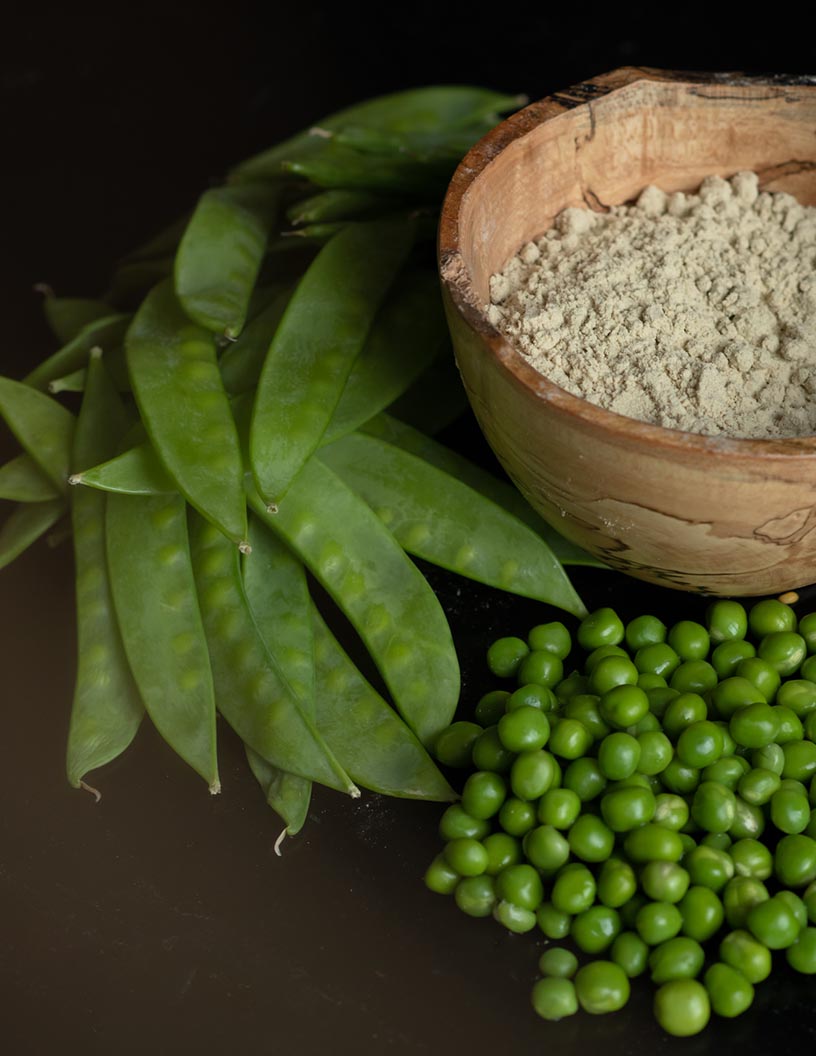


Pea Protein Processing Equipment Market Size 2024-2028
The pea protein processing equipment market size is forecast to increase by USD 46.2 million, at a CAGR of 3.2% between 2023 and 2028.
- The market is driven by the growing health and nutritional benefits associated with pea protein. Peas are a rich source of essential amino acids, making pea protein an attractive alternative to animal-derived proteins. This shift towards plant-based proteins is fueled by increasing consumer awareness and demand for healthier food options. Moreover, the expansion of pea protein processing plants signifies significant market growth. Companies are investing in advanced processing technologies to increase production capacity and cater to the burgeoning demand. However, this market is not without challenges. Strict regulations and standards for pea protein processing pose significant obstacles.
- Ensuring compliance with these regulations adds to the operational costs and complexity of the production process. Companies must navigate these challenges effectively to remain competitive in the market. To capitalize on opportunities and mitigate risks, strategic planning and innovation are essential. Companies can explore partnerships, mergers and acquisitions, and technology collaborations to stay ahead of the competition and meet evolving consumer demands.
What will be the Size of the Pea Protein Processing Equipment Market during the forecast period?
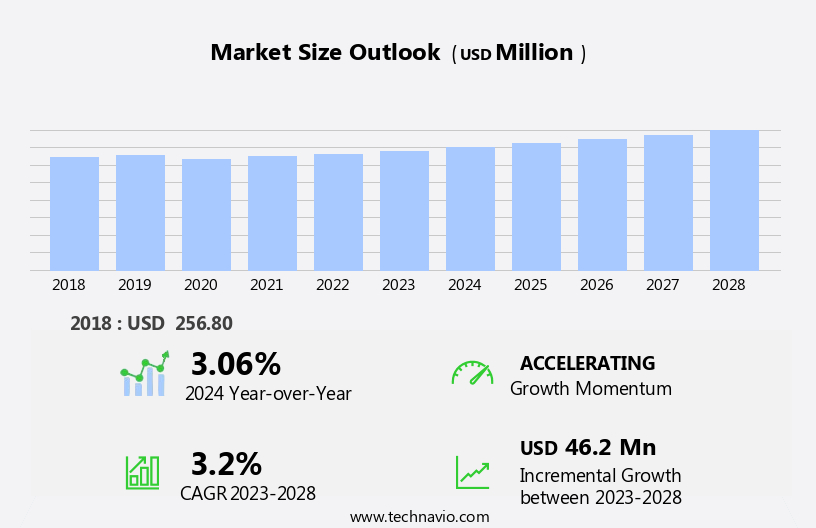
Explore in-depth regional segment analysis with market size data - historical 2018-2022 and forecasts 2024-2028 - in the full report.
Request Free Sample
The pea protein processing market continues to evolve, driven by the increasing demand for plant-based alternatives in various sectors. Pea protein, known for its high emulsifying capacity, nutritional value, and amino acid profile, is gaining popularity in bakery products, meat alternatives, sports nutrition, and other food applications. Manufacturers are investing in advanced equipment designs to improve process efficiency, reduce carbon footprint, and enhance product quality. Intellectual property plays a crucial role in market dynamics, with companies continually seeking to differentiate their offerings through patented technologies. Mass transfer and extrusion processing are key techniques used in pea protein production.
The focus on energy efficiency, water consumption, and process control is essential to minimize costs and ensure regulatory compliance. Food safety and allergen content are critical considerations, with stringent cleaning validation and corrosion resistance requirements. The market's continuous unfolding is influenced by various factors, including feed efficiency, particle size distribution, heat transfer, and solvent extraction. The use of sustainable agriculture practices, bio-based products, and circular economy principles is becoming increasingly important. Pea protein's environmental impact and economic feasibility are under constant scrutiny. Process simulation, land use, and return on investment are essential factors in the decision-making process for manufacturers.
The ongoing research and development in pea protein processing aim to optimize processes, enhance functional properties, and reduce the environmental impact. The market's dynamic nature is further influenced by regulatory compliance, safety standards, and wear resistance. Enzymatic hydrolysis, water holding capacity, and gelation properties are critical factors in ensuring product quality and consistency. The market's future growth is expected to be driven by the increasing demand for plant-based alternatives and the ongoing innovation in pea protein processing technology.
How is this Pea Protein Processing Equipment Industry segmented?
The pea protein processing equipment industry research report provides comprehensive data (region-wise segment analysis), with forecasts and estimates in "USD million" for the period 2024-2028, as well as historical data from 2018-2022 for the following segments.
- Method
- Wet fractionation
- Dry fractionation
- Application
- Food
- Healthcare products
- Others
- Geography
- North America
- US
- Europe
- Germany
- UK
- APAC
- China
- Japan
- Rest of World (ROW)
- North America
.
By Method Insights
The wet fractionation segment is estimated to witness significant growth during the forecast period.
Pea protein processing involves fractionation, a crucial step in separating protein, starch, and fiber components in peas. Two primary methods, dry and wet fractionation, are employed. Wet fractionation is favored for producing pea protein isolates, which contain over 85% protein. These isolates are integral to various applications, including nutraceuticals, sports nutrition, and functional foods, leading to a surge in their production. Wet fractionation's energy-efficient process ensures minimal water consumption and reduced carbon footprint. Pea protein isolates' high nutritional value, allergen-free status, and excellent solubility make them a preferred choice in dairy alternatives and bakery products. Moreover, their amino acid profile closely resembles that of animal proteins, making them suitable for animal feed.
Process control and cleaning validation are essential in ensuring food safety and maintaining product quality. Corrosion resistance and materials of construction with stainless steel are crucial for equipment longevity. Pea protein extraction techniques, such as enzymatic hydrolysis and solvent extraction, optimize protein concentration and yield. The market for pea protein processing equipment is driven by the growing demand for plant-based foods, sustainable agriculture, and regulatory compliance. Equipment design focuses on mass transfer, heat transfer, and fluid dynamics for efficient processing. Circular economy principles are integrated into the production process, with process optimization and product development aimed at reducing waste and improving feed efficiency.
Functional properties, such as emulsifying capacity, water holding capacity, gelation properties, and foaming properties, are essential for various food applications. The market's economic feasibility and environmental impact are continually assessed, with bio-based products and circular economy principles being prioritized for long-term sustainability.
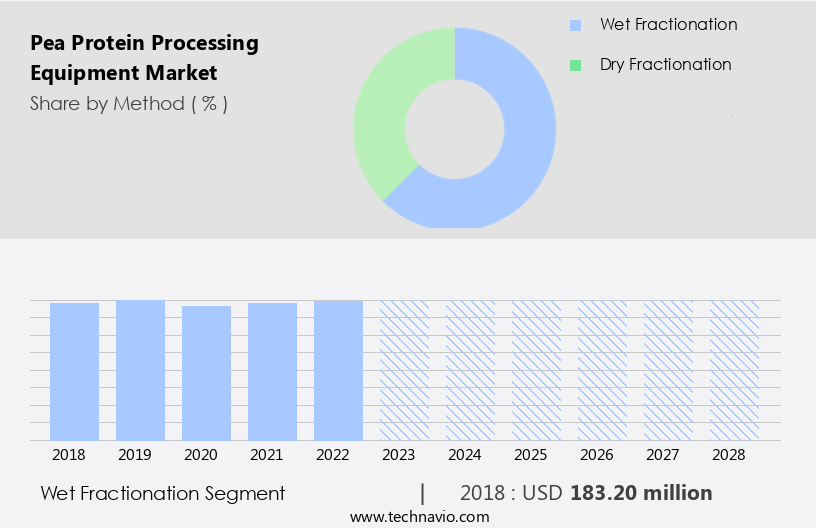
The Wet fractionation segment was valued at USD 183.20 million in 2018 and showed a gradual increase during the forecast period.
Regional Analysis
North America is estimated to contribute 40% to the growth of the global market during the forecast period. Technavio's analysts have elaborately explained the regional trends and drivers that shape the market during the forecast period.
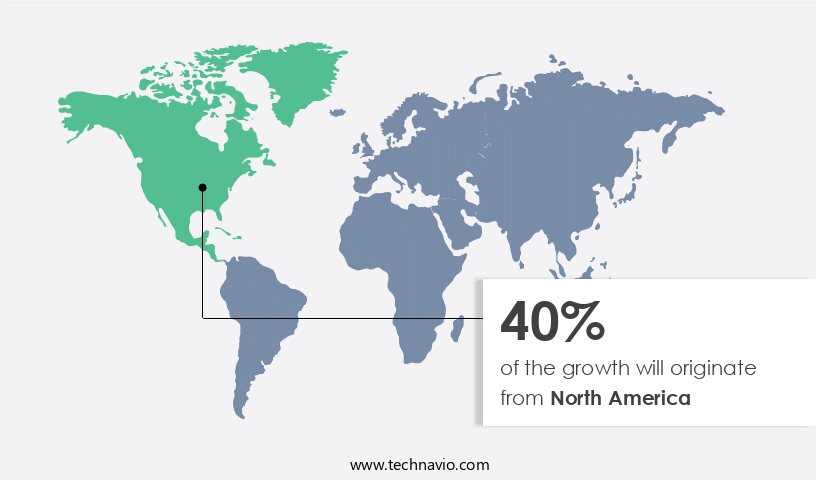
The demand for pea protein isolates as a substitute for whey protein in the nutraceutical industry is surging, leading to an expansion of production facilities and a subsequent increase in the utilization of advanced pea protein processing equipment. The market is witnessing significant growth, with North America being the leading region. The US holds the largest market share in this region. The rising preference for plant-based proteins among health-conscious consumers, particularly bodybuilders, is driving this trend. Manufacturers are focusing on improving protein solubility, reducing allergen content, enhancing energy efficiency, and ensuring food safety in their production processes.
Equipment design and process control are crucial factors in achieving these objectives. Pea protein processing involves various stages such as solvent extraction, protein concentration, and pea protein extraction. Heat transfer, mass transfer, and fluid dynamics play a vital role in the processing of pea protein isolates. Energy-efficient equipment and sustainable agricultural practices are essential to minimize the carbon footprint and ensure economic feasibility. Regulatory compliance and safety standards are paramount in the production of pea protein isolates for food applications, including bakery products, meat alternatives, sports nutrition, and dairy alternatives. Materials of construction, such as stainless steel, are chosen for their corrosion resistance and wear resistance.
Cleaning validation and process simulation are critical for maintaining product quality and ensuring product differentiation. The market is also witnessing a shift towards circular economy principles and the use of bio-based products. Pea protein processing equipment manufacturers are focusing on process optimization, improving functional properties like emulsifying capacity, water holding capacity, gelation properties, and foaming properties, and enhancing nutritional value, including amino acid profile and feed efficiency. Environmental impact, water consumption, and process simulation are also essential considerations in the design and development of new equipment.
Market Dynamics
Our researchers analyzed the data with 2023 as the base year, along with the key drivers, trends, and challenges. A holistic analysis of drivers will help companies refine their marketing strategies to gain a competitive advantage.
What are the key market drivers leading to the rise in the adoption of Pea Protein Processing Equipment Industry?
- Pea protein's health and nutritional benefits serve as the primary market driver, as this plant-based source of protein is increasingly sought after for its superior nutritional profile and ability to cater to various dietary needs and preferences.
- Pea protein is a nutrient-dense plant-based protein source, renowned for its rich amino acid profile. Among these, branched-chain amino acids (BCAA), including leucine, isoleucine, and valine, are noteworthy. BCAA plays a crucial role in maintaining muscle growth and energy production during workouts. Additionally, it aids in reducing body fat. Pea protein is an ideal source of nutrition for various demographics, particularly children and the elderly.
- It contains lysine, an essential amino acid that contributes to lowering cholesterol levels and supports bone growth, skin, and tendon development. Furthermore, pea protein is advantageously low in carbohydrates, sugars, and fats, while offering a substantial calcium content. This protein source caters to diverse dietary requirements and health-conscious consumers.
What are the market trends shaping the Pea Protein Processing Equipment Industry?
- Pea protein processing plant expansions represent a significant market trend in the protein industry. This growth is driven by increasing consumer demand for plant-based protein sources and advancements in pea protein production technology.
- The market is witnessing significant growth due to the rising demand for pea protein in various industries, including food and beverages, animal feed, and dairy alternatives. Food safety and cost analysis are crucial factors influencing the market's growth. Pea protein offers advantages such as high protein solubility, low allergen content, and energy efficiency, making it a preferred choice over other proteins. Manufacturers focus on improving particle size distribution, cleaning validation, and corrosion resistance to enhance production efficiency and product quality. Pea protein's growing popularity as a dairy alternative is driving the need for advanced heat transfer and process control technologies.
- Additionally, water consumption is a critical concern, and companies are investing in energy-efficient technologies to minimize their environmental footprint. Animal feed is another significant market for pea protein, and the demand for sustainable and cost-effective protein sources is driving growth. Companies are investing in modernizing their processing facilities to meet the increasing demand for pea protein and to maintain a competitive edge. For instance, in 2022, a group of companies in Canada and Germany announced multi-million-dollar investments to build new processing plants for pea and lupin and pulse processing facilities, respectively. These investments will help increase production capacities and cater to the growing demand for pea protein.
What challenges does the Pea Protein Processing Equipment Industry face during its growth?
- The stringent regulations and standards governing the processing of pea protein present a significant challenge to the industry's growth trajectory.
- The market is witnessing significant growth due to increasing demand for plant-based proteins in various food applications. Pea protein offers several advantages, such as high emulsifying capacity, nutritional value, and desirable amino acid profile. To ensure consumer safety and authenticity, several certifications and standards are mandatory for pea protein processing manufacturers. These include Non-GMO Project Verified, USDA Certified Organic, Allergy-Friendly, Gluten-Free, Certified Vegan, and Kosher. Non-GMO Project Verified certification ensures that the pea protein product is not made through genetic engineering or any other genetic modification techniques. USDA Certified Organic label guarantees that the products are processed according to internationally accepted standards.
- Allergy-Friendly certification certifies that the product is free from eight leading allergens such as peanut, tree nut, dairy, shellfish, wheat, egg, soy, and fish. Moreover, the environmental impact of pea protein processing is a critical concern for manufacturers. They are focusing on reducing carbon footprint and improving feed efficiency through mass transfer and extrusion processing techniques. These efforts are essential in reducing the environmental impact and enhancing the sustainability of pea protein production. Pea protein is increasingly being used in various food applications such as bakery products, meat alternatives, and sports nutrition. Its versatility and nutritional benefits make it a preferred choice for manufacturers in these industries.
- The equipment design for pea protein processing must be robust and immersive to ensure optimal production and yield. In conclusion, the pea protein processing market is driven by various factors such as consumer demand, certifications, environmental concerns, and product applications. Manufacturers must focus on these factors to stay competitive and meet the evolving needs of the industry. Recent research indicates continued growth in the pea protein market, making it an exciting space for innovation and investment.
Exclusive Customer Landscape
The pea protein processing equipment market forecasting report includes the adoption lifecycle of the market, covering from the innovator's stage to the laggard's stage. It focuses on adoption rates in different regions based on penetration. Furthermore, the pea protein processing equipment market report also includes key purchase criteria and drivers of price sensitivity to help companies evaluate and develop their market growth analysis strategies.
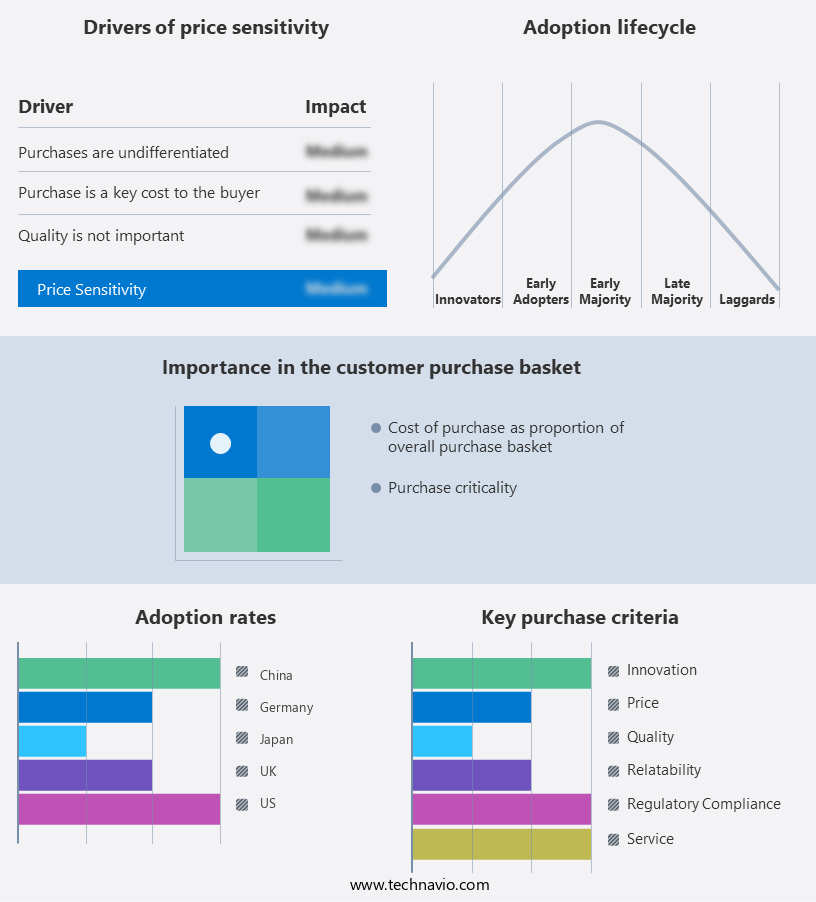
Customer Landscape
Key Companies & Market Insights
Companies are implementing various strategies, such as strategic alliances, pea protein processing equipment market forecast, partnerships, mergers and acquisitions, geographical expansion, and product/service launches, to enhance their presence in the industry.
AKYUREK TECHNOLOGY - This company specializes in supplying advanced pea protein processing technology.
The industry research and growth report includes detailed analyses of the competitive landscape of the market and information about key companies, including:
- AKYUREK TECHNOLOGY
- Alfa Laval AB
- Alvan Blanch Development Co.
- Andritz AG
- Buhler AG
- Erich NETZSCH GmbH and Co. Holding KG
- Flottweg SE
- GEA Group AG
- Hillenbrand Inc.
- Hosokawa Micron Corp.
- JK Machinery Sro
- John Bean Technologies Corp.
- Jwala Techno Engineering Pvt. Ltd.
- Koch Industries Inc.
- Pollak Sala Sro
- Prater Industries Inc.
- ProEx Food LLC
- Satake Corp.
- SiccaDania
- Sturtevant Inc.
- Zanichelli Meccanica Spa
Qualitative and quantitative analysis of companies has been conducted to help clients understand the wider business environment as well as the strengths and weaknesses of key industry players. Data is qualitatively analyzed to categorize companies as pure play, category-focused, industry-focused, and diversified; it is quantitatively analyzed to categorize companies as dominant, leading, strong, tentative, and weak.
Recent Development and News in Pea Protein Processing Equipment Market
- In February 2023, DuPont Nutrition & Biosciences, a leading global food and nutrition company, announced the expansion of its pea protein production capacity by 60% at its Wichita, Kansas, facility. This expansion aims to meet the growing demand for plant-based proteins and strengthens DuPont's position in the market (DuPont Press Release, 2023).
- In April 2024, ADM and NutriLeads, a Danish food ingredient company, entered into a strategic partnership to develop and commercialize pea-based functional ingredients. This collaboration combines ADM's pea protein production capabilities with NutriLeads' expertise in health and wellness ingredients, creating innovative pea protein-based solutions for the food and beverage industry (ADM Press Release, 2024).
- In May 2024, Roquette, a leading global specialty food ingredients supplier, unveiled its new pea protein processing plant in France. This â¬200 million investment represents the largest single-site pea protein production facility in Europe, positioning Roquette as a key player in the European the market (Roquette Press Release, 2024).
- In January 2025, FrieslandCampina, a Dutch dairy cooperative, launched its new pea protein ingredient, PeaPro, in the US market. PeaPro offers a high protein content, excellent taste, and functionality, making it a valuable addition to the company's plant-based protein portfolio and expanding its presence in the North American market (FrieslandCampina Press Release, 2025).
Research Analyst Overview
- The pea protein processing market witnesses dynamic activity as key players invest in advanced equipment to produce concentrates, isolates, hydrolysates, and texturized forms. Heat exchangers and automated systems streamline production processes, ensuring efficient energy utilization and product consistency. Sustainability certifications, such as organic and non-GMO, are increasingly important for brand management and consumer appeal. Control systems enable real-time monitoring of product quality, ensuring compliance with nutritional labeling regulations and minimizing pesticide residues and heavy metals analysis. Pea protein blends and isolates are gaining popularity due to their versatility in various food applications. Economic modeling and financial analysis are crucial for market positioning and product launch strategies.
- Life cycle assessment and carbon footprint analysis are essential for companies to demonstrate their commitment to sustainability. Process analytics and data analytics provide valuable insights into consumer behavior and market trends, enabling effective marketing strategies. Microbial analysis and product quality control are vital for maintaining food safety and regulatory compliance. Sustainability certifications, nutritional labeling, and product positioning are key factors influencing consumer preferences. Overall, the pea protein processing market is driven by a focus on innovation, efficiency, and sustainability.
Dive into Technavio's robust research methodology, blending expert interviews, extensive data synthesis, and validated models for unparalleled Pea Protein Processing Equipment Market insights. See full methodology.
|
Market Scope |
|
|
Report Coverage |
Details |
|
Page number |
171 |
|
Base year |
2023 |
|
Historic period |
2018-2022 |
|
Forecast period |
2024-2028 |
|
Growth momentum & CAGR |
Accelerate at a CAGR of 3.2% |
|
Market growth 2024-2028 |
USD 46.2 million |
|
Market structure |
Fragmented |
|
YoY growth 2023-2024(%) |
3.06 |
|
Key countries |
US, UK, China, Germany, and Japan |
|
Competitive landscape |
Leading Companies, Market Positioning of Companies, Competitive Strategies, and Industry Risks |
What are the Key Data Covered in this Pea Protein Processing Equipment Market Research and Growth Report?
- CAGR of the Pea Protein Processing Equipment industry during the forecast period
- Detailed information on factors that will drive the growth and forecasting between 2024 and 2028
- Precise estimation of the size of the market and its contribution of the industry in focus to the parent market
- Accurate predictions about upcoming growth and trends and changes in consumer behaviour
- Growth of the market across North America, Europe, APAC, Middle East and Africa, and South America
- Thorough analysis of the market's competitive landscape and detailed information about companies
- Comprehensive analysis of factors that will challenge the pea protein processing equipment market growth of industry companies
We can help! Our analysts can customize this pea protein processing equipment market research report to meet your requirements.
 RIA -
RIA - 
