



Perishable Goods Transportation Market Size 2026-2030
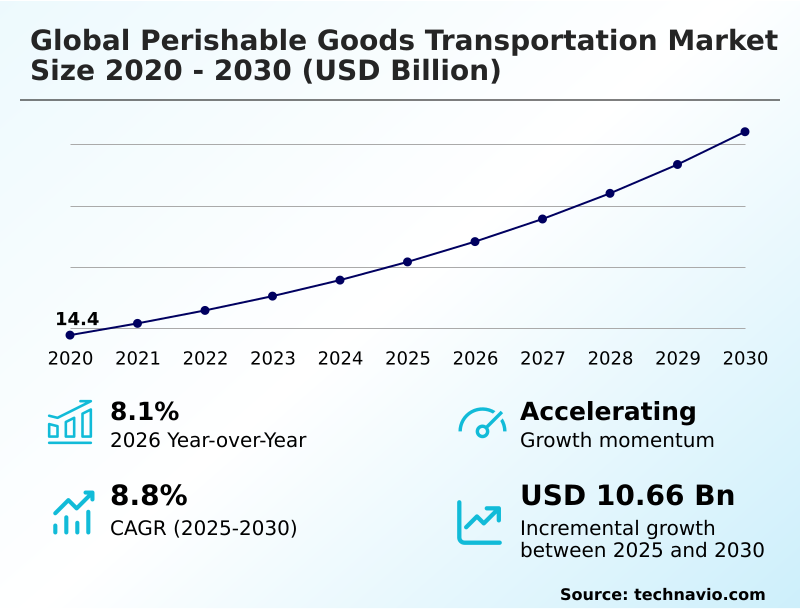
The perishable goods transportation market size is valued to increase by USD 10.66 billion, at a CAGR of 8.8% from 2025 to 2030. Rising global demand for biopharmaceuticals will drive the perishable goods transportation market.
Major Market Trends & Insights
- APAC dominated the market and accounted for a 35.9% growth during the forecast period.
- By Product - MPS segment was valued at USD 7.26 billion in 2024
- By Mode of Transportation - Road transportation segment accounted for the largest market revenue share in 2024
Market Size & Forecast
- Market Opportunities: USD 16.65 billion
- Market Future Opportunities: USD 10.66 billion
- CAGR from 2025 to 2030 : 8.8%
Market Summary
- The perishable goods transportation market is an essential component of global trade, centered on maintaining the integrity of temperature-sensitive products. This sector's growth is driven by the rising consumer demand for fresh foods and the global expansion of the pharmaceutical industry.
- Success hinges on a sophisticated interplay of technology and logistics, including refrigerated container logistics and advanced cold chain freight management. A key trend involves leveraging IoT integration for real-time temperature monitoring, ensuring an unbroken cold chain from origin to destination.
- For instance, a pharmaceutical distributor uses active cooling systems and GPS tracking to transport a batch of vaccines across continents, with automated alerts flagging any temperature deviation, thereby preventing millions in product loss.
- However, the industry grapples with challenges such as high energy consumption and the complexity of multi-modal logistics, pushing operators toward more sustainable practices like adopting cryogenic cooling technology. The need for a verifiable chain of custody, often managed through blockchain for traceability, is becoming a standard requirement, enhancing transparency and trust among stakeholders.
What will be the Size of the Perishable Goods Transportation Market during the forecast period?
Get Key Insights on Market Forecast (PDF) Get Free Sample
How is the Perishable Goods Transportation Market Segmented?
The perishable goods transportation industry research report provides comprehensive data (region-wise segment analysis), with forecasts and estimates in "USD million" for the period 2026-2030, as well as historical data from 2020-2024 for the following segments.
- Product
- MPS
- Dairy
- Fruits and vegetables
- Bakery and confectionery
- Mode of transportation
- Road transportation
- Air transportation
- Others
- End-user
- Food and beverages
- Healthcare and pharma
- Others
- Geography
- North America
- US
- Canada
- Mexico
- Europe
- Germany
- UK
- France
- APAC
- China
- Japan
- India
- South America
- Brazil
- Argentina
- Middle East and Africa
- Saudi Arabia
- UAE
- South Africa
- Rest of World (ROW)
- North America
By Product Insights
The mps segment is estimated to witness significant growth during the forecast period.
The MPS segment, encompassing meat, poultry, and seafood, is critical within the perishable goods transportation market, defined by its stringent cold chain requirements.
These products necessitate precise, uninterrupted temperature-controlled shipping, often at deep-freeze levels down to -25°C, to inhibit microbial growth and preserve quality. The logistics for this sector involve specialized reefer cargo handling and controlled atmosphere technology to prevent degradation during transit.
Efficient cold chain freight management is paramount, with advanced thermal packaging solutions ensuring product integrity. Adherence to strict regulatory standards for phytosanitary inspections is non-negotiable.
Implementing real-time temperature monitoring has been shown to reduce spoilage events by over 20%, ensuring that high-value protein shipments maintain quality from origin to destination, supported by robust cold storage logistics.
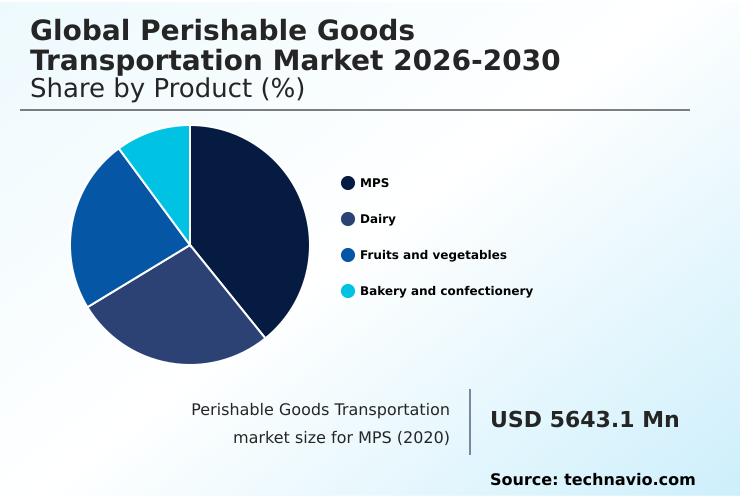
The MPS segment was valued at USD 7.26 billion in 2024 and showed a gradual increase during the forecast period.
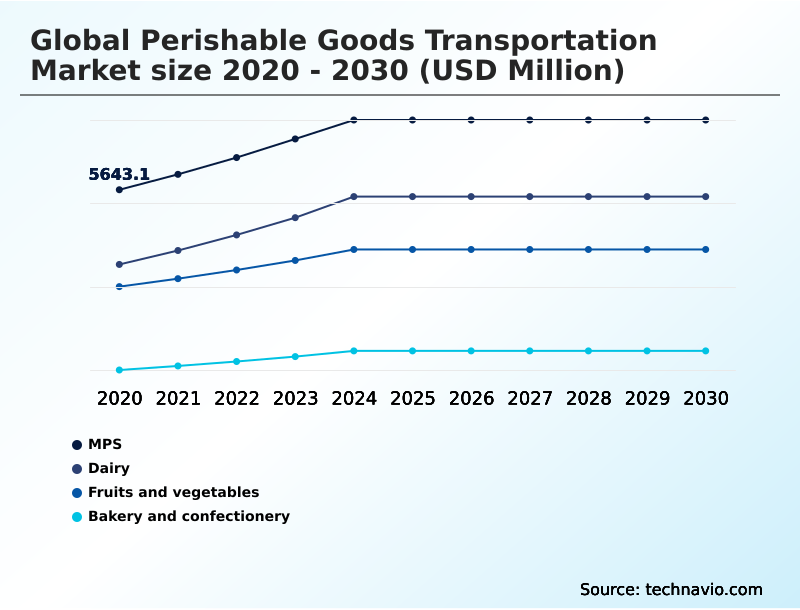
Regional Analysis
APAC is estimated to contribute 35.9% to the growth of the global market during the forecast period.Technavio’s analysts have elaborately explained the regional trends and drivers that shape the market during the forecast period.
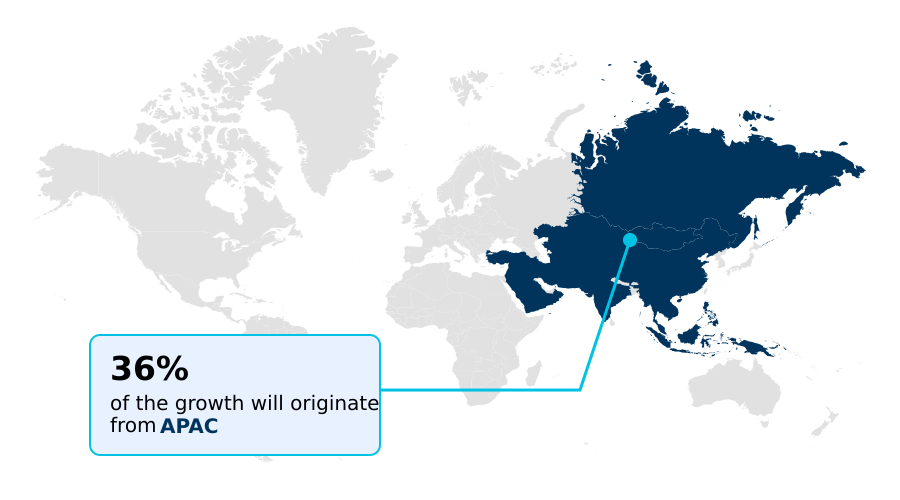
See How Perishable Goods Transportation Market Demand is Rising in APAC Get Free Sample
The geographic landscape of the perishable goods transportation market is characterized by diverse regional dynamics.
The APAC region is experiencing the fastest expansion, accounting for over 35% of the market's incremental growth, fueled by rising disposable incomes and demand for imported goods. This necessitates rapid development in refrigerated port handling and inland temperature-controlled freight brokerage.
In contrast, North America and Europe represent mature markets focused on technological optimization, including advanced cold chain technology and IoT-enabled fleet management to enhance efficiency. These regions see high adoption of electric refrigerated trucks for last-mile delivery.
South America remains a critical export hub, particularly for fresh produce, relying on sophisticated ocean freight logistics to maintain product quality over long distances. The Middle East is investing heavily in cold storage infrastructure to ensure food security.
Market Dynamics
Our researchers analyzed the data with 2025 as the base year, along with the key drivers, trends, and challenges. A holistic analysis of drivers will help companies refine their marketing strategies to gain a competitive advantage.
- Optimizing the global perishable goods transportation market 2026-2030 requires a multi-faceted approach addressing specific logistical challenges. The comparison between active vs passive cooling systems for perishable transport is central to cost-benefit analyses, as active systems offer precise control for high-value pharmaceuticals while passive solutions suit shorter transits.
- Sustainable practices in cold chain logistics are becoming a competitive differentiator, moving beyond compliance to meet consumer demand for eco-friendly supply chains. For instance, firms using cryogenic cooling for last-mile delivery report lower carbon footprints than those with conventional diesel units.
- The role of blockchain in perishable goods traceability is expanding, providing an immutable record that enhances food safety and builds trust. The impact of multi-modal transport on cold chain integrity remains a key focus, as seamless transitions between air, sea, and land are crucial to prevent temperature excursions.
- Furthermore, best practices for pharmaceutical cold chain management are evolving with the rise of biologics, demanding stricter protocols and advanced monitoring technologies to ensure efficacy and compliance.
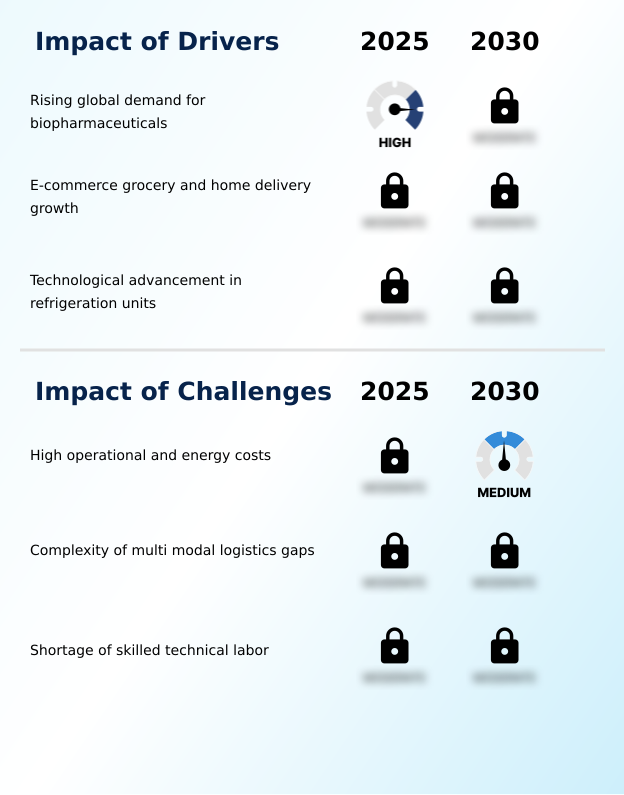
What are the key market drivers leading to the rise in the adoption of Perishable Goods Transportation Industry?
- The rising global demand for biopharmaceuticals is a key driver propelling growth in the perishable goods transportation market.
- Market growth is propelled by several key drivers, most notably the expansion of global biopharmaceutical logistics and the boom in e-commerce grocery services.
- The demand for temperature-controlled shipping for high-value biologics has spurred investment in specialized active cooling systems and thermal packaging. This has led to a 20% year-over-year increase in demand for certified pharma-grade transport.
- Simultaneously, the rise of online grocery platforms necessitates a robust last-mile delivery network, where electric refrigerated trucks are being deployed to enhance sustainability.
- Innovations in transport refrigeration units, such as the development of all-electric trailer refrigeration systems, are reducing fuel consumption by as much as 30% for fleet operators.
- This technological progress in cold chain technology is critical for improving efficiency, reducing operational costs, and meeting evolving consumer and regulatory expectations.
What are the market trends shaping the Perishable Goods Transportation Industry?
- The integration of advanced IoT sensors across the supply chain is an emerging market trend. This development enhances real-time visibility and integrity for temperature-sensitive products.
- Key trends are reshaping the perishable goods transportation market, with digitalization and sustainability at the forefront. The widespread adoption of advanced IoT integration is providing unprecedented visibility, as embedded sensors in reefer cargo enable continuous condition monitoring. This technology has been shown to improve on-time, in-full deliveries by up to 12%.
- Another significant trend is the shift toward sustainable cryogenic cooling technology, which uses natural refrigerants to reduce carbon emissions by over 25% compared to diesel-powered units. The use of blockchain for traceability is also gaining traction, creating an immutable ledger of temperature logs that enhances trust.
- Furthermore, advancements in controlled atmosphere technology are extending the shelf life of fresh produce, reducing waste and opening new international markets for exporters using reefer containers and specialized maritime logistics.
What challenges does the Perishable Goods Transportation Industry face during its growth?
- High operational and energy costs present a key challenge affecting the growth and profitability of the industry.
- The perishable goods transportation market confronts significant operational hurdles, primarily high energy costs and logistical complexities. The expense of powering refrigeration units across a multi-modal logistics network remains a primary concern, with fuel and electricity accounting for a substantial portion of operating budgets, sometimes increasing total trip costs by up to 25% during price spikes.
- Furthermore, gaps in the cold chain network, especially during transfers between transport modes, create vulnerabilities that can lead to product spoilage. A shortage of skilled labor, particularly technicians versed in modern transport refrigeration units and drivers trained for perishable freight, exacerbates these issues.
- This scarcity can increase labor costs by 15-20% and leads to longer equipment downtime, impacting service reliability and overall profitability in the temperature-controlled logistics sector.
Exclusive Technavio Analysis on Customer Landscape
The perishable goods transportation market forecasting report includes the adoption lifecycle of the market, covering from the innovator’s stage to the laggard’s stage. It focuses on adoption rates in different regions based on penetration. Furthermore, the perishable goods transportation market report also includes key purchase criteria and drivers of price sensitivity to help companies evaluate and develop their market growth analysis strategies.
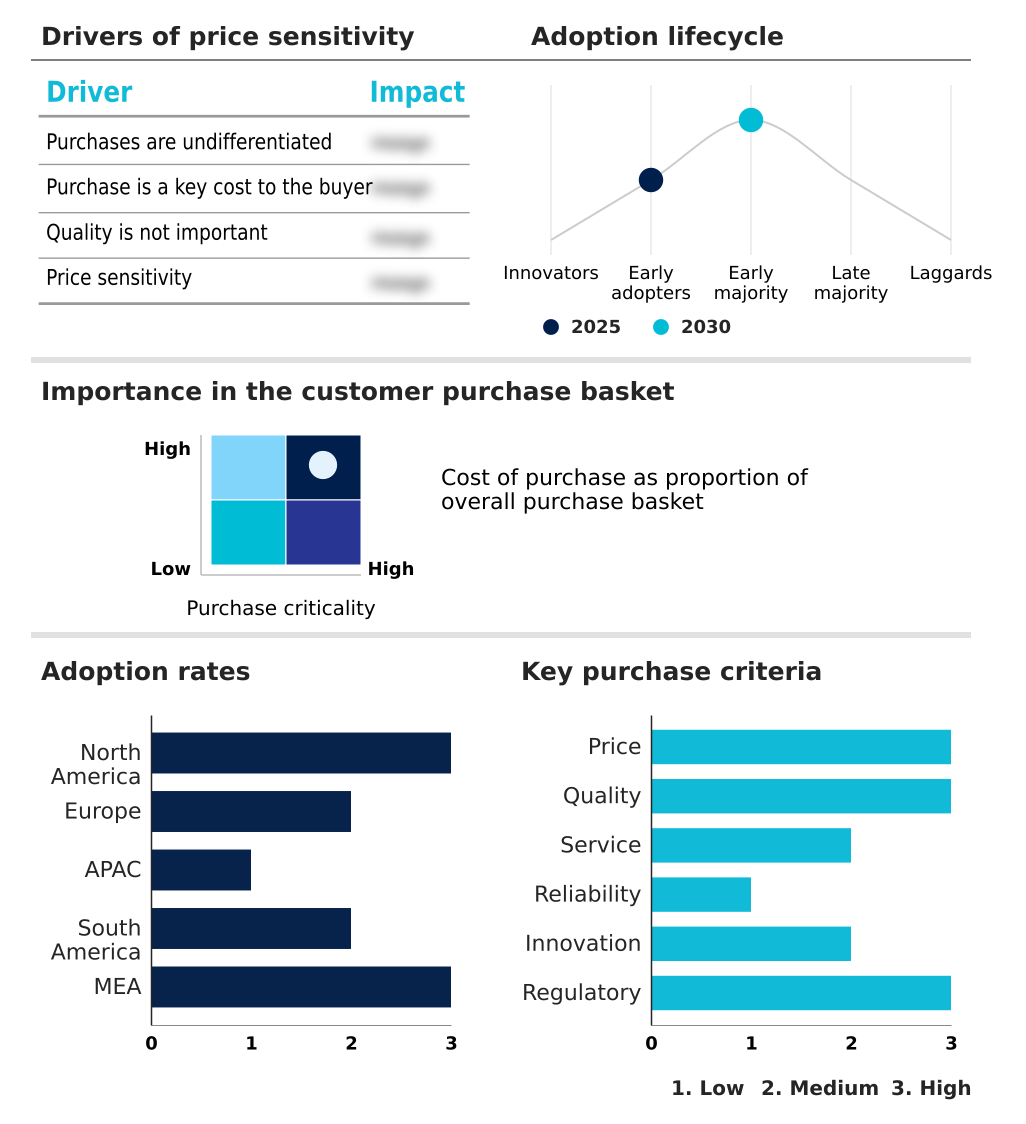
Customer Landscape of Perishable Goods Transportation Industry
Competitive Landscape
Companies are implementing various strategies, such as strategic alliances, perishable goods transportation market forecast, partnerships, mergers and acquisitions, geographical expansion, and product/service launches, to enhance their presence in the industry.
Africa Express Line Ltd. - Offerings include integrated cold chain solutions and temperature-controlled shipping, ensuring verifiable chain of custody for sensitive goods through advanced IoT integration and real-time temperature monitoring.
The industry research and growth report includes detailed analyses of the competitive landscape of the market and information about key companies, including:
- Africa Express Line Ltd.
- AP Moller Maersk AS
- Bay and Bay Transportation
- C H Robinson Worldwide Inc.
- CMA CGM Group
- Columbian Logistics Network
- COSCO Shipping Ports Ltd.
- CRST The Transportation Solution
- DHL International GmbH
- FST Logistics
- Hanson Logistics Ltd.
- Hapag Lloyd AG
- Hellmann Worldwide Logistics
- Kuehne Nagel Management AG
- Mitsui O.S.K. Lines Ltd.
- Orient Overseas Container Line
- Schenker AG
- Swift Cargo Pvt. Ltd.
- VersaCold Logistics Services
- Wincanton Plc
Qualitative and quantitative analysis of companies has been conducted to help clients understand the wider business environment as well as the strengths and weaknesses of key industry players. Data is qualitatively analyzed to categorize companies as pure play, category-focused, industry-focused, and diversified; it is quantitatively analyzed to categorize companies as dominant, leading, strong, tentative, and weak.
Recent Development and News in Perishable goods transportation market
- In August, 2024, Wincanton partnered with a major retailer to deploy autonomous cooling systems in its distribution centers, aiming to enhance energy efficiency and operational autonomy.
- In October, 2024, Hellmann Worldwide Logistics expanded its specialized healthcare logistics network by opening a new certified facility in South America to support the growing regional pharmaceutical market.
- In January, 2025, CRST The Transportation Solution expanded its specialized temperature-controlled fleet to better serve the growing demand for pharmaceutical logistics across the Midwest and Eastern seaboard.
- In May, 2025, Hapag Lloyd implemented a new digital platform that simplifies the booking process for refrigerated shipments, improving booking accuracy and customer experience.
Dive into Technavio’s robust research methodology, blending expert interviews, extensive data synthesis, and validated models for unparalleled Perishable Goods Transportation Market insights. See full methodology.
| Market Scope | |
|---|---|
| Page number | 302 |
| Base year | 2025 |
| Historic period | 2020-2024 |
| Forecast period | 2026-2030 |
| Growth momentum & CAGR | Accelerate at a CAGR of 8.8% |
| Market growth 2026-2030 | USD 10657.1 million |
| Market structure | Fragmented |
| YoY growth 2025-2026(%) | 8.1% |
| Key countries | US, Canada, Mexico, Germany, UK, France, Italy, Spain, The Netherlands, China, Japan, India, South Korea, Australia, Indonesia, Brazil, Argentina, Chile, Saudi Arabia, UAE, South Africa, Turkey and Israel |
| Competitive landscape | Leading Companies, Market Positioning of Companies, Competitive Strategies, and Industry Risks |
Research Analyst Overview
- The perishable goods transportation market is advancing through the integration of sophisticated technologies to ensure product integrity across complex supply chains. A core focus is on maintaining a verifiable chain of custody using solutions like blockchain for traceability, which is becoming a boardroom-level priority for mitigating risk and ensuring compliance.
- The industry relies on specialized infrastructure, including refrigerated warehousing and advanced transport refrigeration units with capabilities such as variable speed compressors. The adoption of smart logistics platforms enables real-time temperature monitoring and predictive maintenance, crucial for high-value shipments in biopharmaceutical logistics. Key components such as active cooling systems and thermal management solutions are essential for this.
- Operators are leveraging multi-temperature refrigerated trailers for operational efficiency, with some achieving a 15% improvement in asset utilization. This technological shift, coupled with a focus on sustainable cryogenic cooling and efficient last-mile delivery networks, defines the competitive landscape.
- The market's evolution is driven by the need for precise temperature-controlled freight brokerage and robust cold chain technology to meet stringent regulatory demands.
What are the Key Data Covered in this Perishable Goods Transportation Market Research and Growth Report?
-
What is the expected growth of the Perishable Goods Transportation Market between 2026 and 2030?
-
USD 10.66 billion, at a CAGR of 8.8%
-
-
What segmentation does the market report cover?
-
The report is segmented by Product (MPS, Dairy, Fruits and vegetables, and Bakery and confectionery), Mode of Transportation (Road transportation, Air transportation, and Others), End-user (Food and beverages, Healthcare and pharma, and Others) and Geography (North America, Europe, APAC, South America, Middle East and Africa)
-
-
Which regions are analyzed in the report?
-
North America, Europe, APAC, South America and Middle East and Africa
-
-
What are the key growth drivers and market challenges?
-
Rising global demand for biopharmaceuticals, High operational and energy costs
-
-
Who are the major players in the Perishable Goods Transportation Market?
-
Africa Express Line Ltd., AP Moller Maersk AS, Bay and Bay Transportation, C H Robinson Worldwide Inc., CMA CGM Group, Columbian Logistics Network, COSCO Shipping Ports Ltd., CRST The Transportation Solution, DHL International GmbH, FST Logistics, Hanson Logistics Ltd., Hapag Lloyd AG, Hellmann Worldwide Logistics, Kuehne Nagel Management AG, Mitsui O.S.K. Lines Ltd., Orient Overseas Container Line, Schenker AG, Swift Cargo Pvt. Ltd., VersaCold Logistics Services and Wincanton Plc
-
Market Research Insights
- The dynamics of the perishable goods transportation market are shaped by a push for greater efficiency and sustainability. Adoption of variable speed compressors has improved energy efficiency in transport refrigeration units by up to 30%, a significant cost-saving measure for operators.
- Meanwhile, the implementation of sustainable cryogenic cooling technologies is growing, with some fleets reporting a 25% reduction in carbon emissions. This shift is reinforced by the adoption of multi-temperature refrigerated trailers, which enhance asset utilization by over 15% by allowing mixed cargo loads. These advancements address both economic pressures and environmental mandates, positioning technologically advanced providers for greater market share.
- The focus remains on optimizing the entire cold chain network, from refrigerated warehousing to final delivery.
We can help! Our analysts can customize this perishable goods transportation market research report to meet your requirements.
 RIA -
RIA - 
