



Polymeric Nanoparticles Market Size 2024-2028
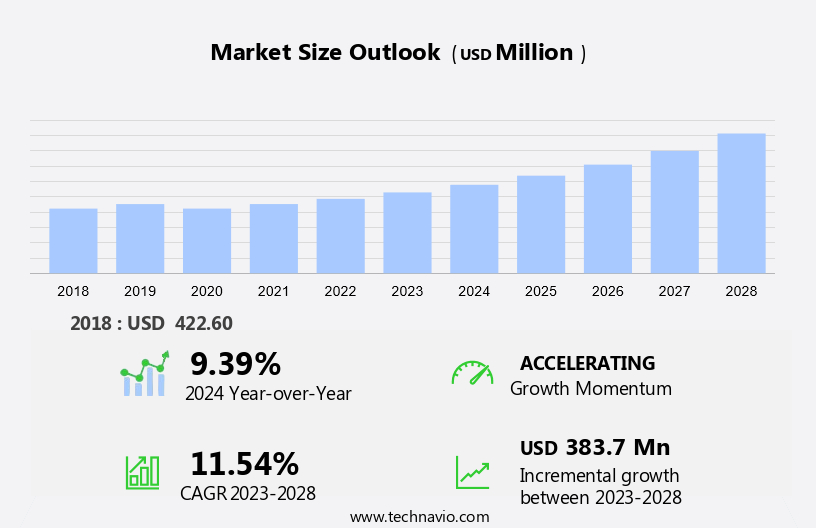
The polymeric nanoparticles market size is forecast to increase by USD 383.7 billion at a CAGR of 11.54% between 2023 and 2028. The polymeric nanoparticles (PNs) market is experiencing significant growth due to the increasing application of these nanomaterials in various industries, particularly in consumer electronics. Biodegradable polymers, such as Polyhydroxyalkanoates (PHAs) and Poly(alkyl cyanoacrylates) (PACAs), are gaining popularity in the production of PNs due to their eco-friendly properties. The electronics industry is leveraging PNs for their unique properties, such as enhanced electrical conductivity and improved optical performance.
Moreover, the increasing focus on nanotechnology products research is driving the market growth. However, the highly complicated manufacturing process poses a significant challenge to market expansion. Albumin and lactic acid are among the commonly used materials in the synthesis of PNs, further expanding their applications in biomedical fields. Despite the challenges, the market is expected to continue its growth trajectory, fueled by the potential of PNs in various industries.
Market Analysis
Nanoparticles, a class of advanced nanomaterials, have gained significant attention in the field of nanomedicine due to their unique properties and potential applications in drug delivery systems. These nanoparticles are primarily made of macromolecular polymers, including polyesters, poly-alkyl-cyanoacrylates, and amphiphilic block copolymers. The production methods, such as emulsion polymerization and double emulsion, utilize monomers to create these nanoparticles. The pharmacological and biopharmaceutical properties of polymeric nanoparticles make them ideal carriers for various drugs, including anticancer compounds. These nanocarriers have shown promising results in cancer treatment, enhancing the efficacy of chemotherapy and radiation therapy.
Moreover, they help overcome multidrug resistance, a significant challenge in cancer treatment, by delivering drugs directly to the tumor site. The tumor microenvironment, characterized by hypoxia, angiogenesis, and metabolic acidosis, poses unique challenges for effective drug delivery. Polymeric nanoparticles can address these challenges by improving the solubility and stability of drugs, targeting specific cells, and protecting them from degradation. The potential of these nanoparticles in cancer immunotherapy is vast, with ongoing research in animal models and further exploration in the development of novel therapeutic strategies.
Market Segmentation
The market research report provides comprehensive data (region-wise segment analysis), with forecasts and estimates in "USD million" for the period 2024-2028, as well as historical data from 2018-2022 for the following segments.
- End-user
- Pharmaceutical
- Electronics
- Others
- Geography
- North America
- Canada
- US
- Europe
- Germany
- France
- APAC
- China
- South America
- Middle East and Africa
- North America
By End-user Insights
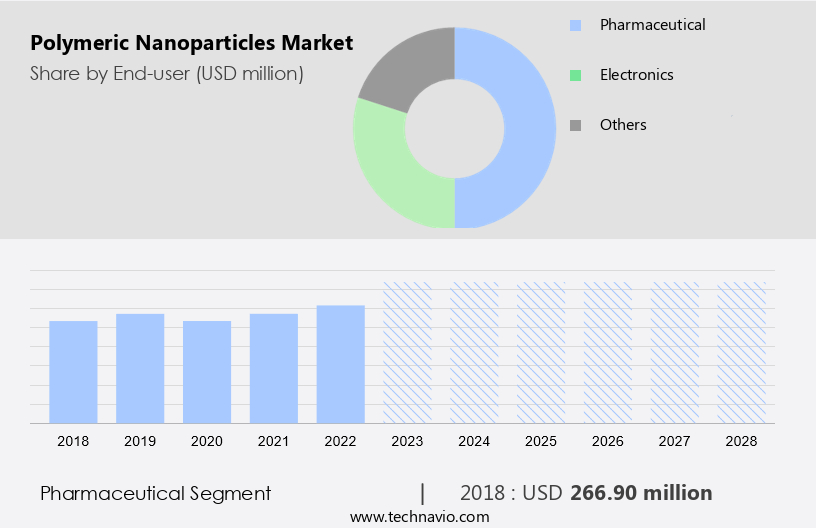
The pharmaceutical segment is estimated to witness significant growth during the forecast period.The global market for polymeric nanoparticles is experiencing significant growth due to their increasing utilization in various pharmaceutical and medical applications. These nanoparticles, which range from monomers to micelles and are formed through the use of emulsifiers and initiator molecules, offer several advantages. Their small size ensures targeted delivery to specific tissues or organs, while their biocompatibility with cells and tissues makes them suitable for use in nanomedicine. Moreover, their biodegradability, water-solubility, non-toxicity, long shelf life, and storage stability make them ideal for carrying drugs, enzymes, DNA, or genes. In the healthcare sector, polymeric nanoparticles are being extensively researched for their pharmacological and biopharmaceutical properties.
Moreover, they are particularly useful in cancer treatments, vaccinations, and diagnostics, among other therapeutic applications. High energy radiation is often used to synthesize these nanoparticles, ensuring their uniform size and composition. Overall, the growing demand for advanced and effective therapeutics is driving the growth of the market.
Get a glance at the market share of various segments Request Free Sample
The pharmaceutical segment was valued at USD 266.90 million in 2018 and showed a gradual increase during the forecast period.
Regional Insights
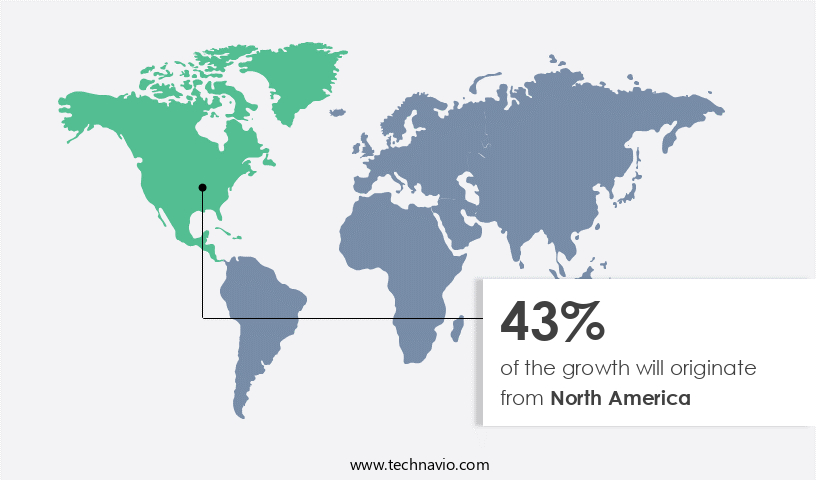
North America is estimated to contribute 43% to the growth of the global market during the forecast period. Technavio's analysts have elaborately explained the regional trends and drivers that shape the market during the forecast period.
For more insights on the market share of various regions Request Free Sample
The market in North America, specifically in the US and Canada, is experiencing a notable growth trend. These nanoparticles, fabricated from monomers, play a crucial role in enhancing the therapeutic properties of various substances, such as antimicrobial phytochemicals. By employing micelles and emulsifiers, the nanoparticles facilitate controlled release, increased water solubility, and reduced cytotoxicity, thereby augmenting the antibacterial efficacy of these compounds. The burgeoning demand for nanomaterial-based therapeutics, driven by the increasing use of medicinal phytochemicals in the pharmaceutical industry, is fueling the market expansion. Government funding and technological advancements are further propelling research and development efforts in this sector. The pharmacological and biopharmaceutical properties of polymeric nanoparticles render them indispensable in numerous applications, including drug delivery, gene therapy, and diagnostics. Consequently, the market is poised for substantial growth in the foreseeable future.
Market Dynamics
Our researchers analyzed the data with 2023 as the base year, along with the key drivers, trends, and challenges. A holistic analysis of drivers will help companies refine their marketing strategies to gain a competitive advantage.
Market Driver
The growing application of polymeric nanoparticles in the electronics industry is the key driver of the market. The global market for polymeric nanoparticles is projected to experience substantial growth in the upcoming years, driven by their increasing application in the electronics industry. These nanoparticles, derived from macromolecular polymers such as polyesters, poly-alkyl-cyanoacrylates, and amphiphilic block copolymers, offer desirable properties like enhanced electrical conductivity, superior dimensional stability, and elevated heat resistance. In the realm of electronics, nanotechnology plays a pivotal role in creating smaller, faster, and more energy-efficient devices.
Moreover, nanoparticles, specifically in electronics, augment the functionality of electrical devices, amplify memory chip densities, and decrease power consumption and transistor size in integrated circuits. Moreover, nanotechnology facilitates advancements in magnetic nanoparticles for data storage, printable and flexible electronics, and refined display technologies through the employment of quantum computing and conductive nanomaterials. The potential applications of nanoelectronics span beyond display screens in electronic devices, extending to a multitude of electronic products, applications, and operations.
Market Trends
Increasing focus on nanotechnology research is the upcoming trend in the market. Nanotechnology, a cutting-edge field involving the production and biomanufacturing of nanoscale materials, has gained significant attention due to its potential applications in various industries, including healthcare. Macromolecular polymers, such as polyesters, poly-alkyl-cyanoacrylates, and amphiphilic block copolymers, play a crucial role in the development of nanoparticles for drug delivery systems.
Furthermore, these nanoparticles, including PEGylated polyesters, can be produced using methods like emulsion polymerization and double emulsion, enhancing their therapeutic efficacy. The use of nanotechnology in pharmaceuticals offers numerous benefits, including improved bioavailability, targeted drug delivery, and increased stability. This technology is anticipated to revolutionize the healthcare sector by addressing complex health issues and reducing production costs.
Market Challenge
A highly complicated manufacturing process is a key challenge affecting market growth. Nanoparticle synthesis is a complex process that requires advanced formulation expertise beyond traditional parenteral medicine production, which involves merely mixing an Active Pharmaceutical Ingredient (API) with a buffer and excipient blend. To create the desired forms, compositions, and size distributions, various manufacturing techniques are employed, including the emulsion polymerization method and double emulsion method.
Moreover, macromolecular polymers, such as polyesters, poly-alkyl-cyanoacrylates, and amphiphilic block copolymers, are commonly used in nanoparticle production. PEGylated polyesters are a notable example of these polymers, which are widely used due to their biocompatibility and ability to prolong circulation time in the body. The applications of nanoparticles span various industries and technologies, with a significant focus on the pharmaceutical sector. The demand for nanoparticles is driven by their ability to provide precise particle size control, which is essential for many applications.
Exclusive Customer Landscape
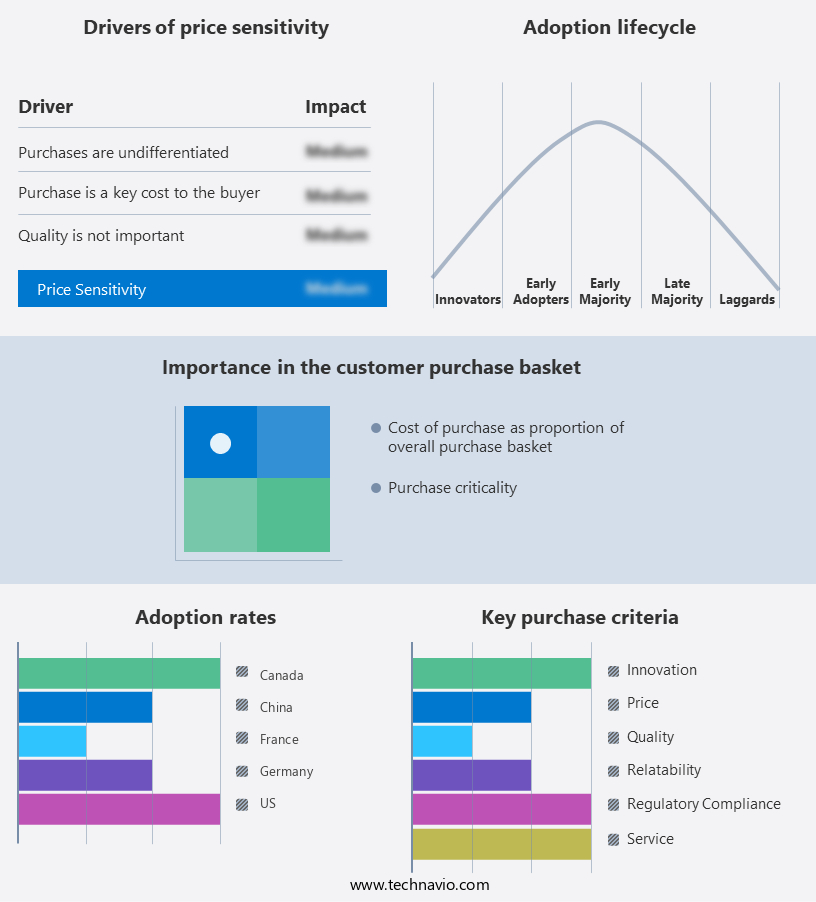
The market forecasting report includes the adoption lifecycle of the market, covering from the innovator's stage to the laggard's stage. It focuses on adoption rates in different regions based on penetration. Furthermore, the report also includes key purchase criteria and drivers of price sensitivity to help companies evaluate and develop their market growth analysis strategies.
Customer Landscape
Key Companies & Market Insights
Companies are implementing various strategies, such as strategic alliances, partnerships, mergers and acquisitions, geographical expansion, and product/service launches, to enhance their presence in the market.
Aphios Corp. - The company offers polymeric nanoparticles that include biodegradable polymer noospheres for the nanoencapsulation and controlled release of therapeutic proteins and viral vaccine antigens.
The market research and growth report includes detailed analyses of the competitive landscape of the market and information about key companies, including:
- Attonuclei SAS
- Blacktrace Holdings Ltd.
- CD Bioparticles.
- Creative PEGWorks
- Danaher Corp.
- Hybrid Plastics Inc.
- IDEX Corp.
- Merck and Co. Inc.
- Nanoshel LLC
- Nanovex Biotechnologies SL
- Phosphorex Inc.
- Renejix Pharma Solutions
- SINTEF
- Sisco Research Laboratories Pvt. Ltd.
Qualitative and quantitative analysis of companies has been conducted to help clients understand the wider business environment as well as the strengths and weaknesses of key market players. Data is qualitatively analyzed to categorize companies as pure play, category-focused, industry-focused, and diversified; it is quantitatively analyzed to categorize companies as dominant, leading, strong, tentative, and weak.
Research Analyst Overview
Polymeric nanoparticles, a type of nanomaterial, have gained significant attention in the biomedical field due to their potential as effective drug delivery systems. These nanoparticles are primarily made from macromolecular polymers such as polyesters, poly-alkyl-cyanoacrylates, and amphiphilic block copolymers. PEGylated polyesters, in particular, are widely used due to their biocompatibility and ability to prolong circulation time in the body. The production of polymeric nanoparticles involves various methods, including emulsion polymerization and double-emulsion techniques. Monomers, emulsifiers, and initiator molecules are crucial components in the synthesis process. High energy radiation can also be used to initiate the polymerization reaction. These nanoparticles exhibit excellent pharmacological and biopharmaceutical properties, making them suitable for various applications, including cancer treatment.
Moreover, chemotherapy and radiation therapy are common modalities where polymeric nanoparticles act as nanocarriers for anticancer compounds. They help overcome multidrug resistance and improve therapeutic efficacy by targeting solid tumors and the tumor microenvironment. The biopharmaceutical features of polymeric nanoparticles, such as size, shape, surface charge, and biodegradability, significantly influence their pharmacokinetic properties and therapeutic efficacy. Biodegradable polymers like polyalkylcyanoacrylates, albumin, and polyhydroxyalkanoates are commonly used in the production of these nanoparticles. Inorganic nanosystems, such as liposomes, are also used in combination with polymeric nanoparticles to enhance their therapeutic potential. Good manufacturing practices ensure the production of high-quality, consistent nanoparticles for various applications.
Further, in summary, polymeric nanoparticles, made from various macromolecular polymers, are promising nanomaterial-based therapeutics for cancer treatment. Their unique properties, including biocompatibility, biodegradability, and ability to target specific areas, make them an attractive alternative to traditional drug delivery systems.
|
Market Scope |
|
|
Report Coverage |
Details |
|
Page number |
132 |
|
Base year |
2023 |
|
Historic period |
2018-2022 |
|
Forecast period |
2024-2028 |
|
Growth momentum & CAGR |
Accelerate at a CAGR of 11.54% |
|
Market growth 2024-2028 |
USD 383.7 million |
|
Market structure |
Fragmented |
|
YoY growth 2023-2024(%) |
9.39 |
|
Regional analysis |
North America, Europe, APAC, South America, and Middle East and Africa |
|
Performing market contribution |
North America at 43% |
|
Key countries |
US, Germany, China, France, and Canada |
|
Competitive landscape |
Leading Companies, Market Positioning of Companies, Competitive Strategies, and Industry Risks |
|
Key companies profiled |
Aphios Corp., Attonuclei SAS, Blacktrace Holdings Ltd., CD Bioparticles., Creative PEGWorks, Danaher Corp., Hybrid Plastics Inc., IDEX Corp., Merck and Co. Inc., Nanoshel LLC, Nanovex Biotechnologies SL, Phosphorex Inc., Renejix Pharma Solutions, SINTEF, and Sisco Research Laboratories Pvt. Ltd. |
|
Market dynamics |
Parent market analysis, market growth inducers and obstacles, market forecast, fast-growing and slow-growing segment analysis, COVID-19 impact and recovery analysis and future consumer dynamics, market condition analysis for the forecast period |
|
Customization purview |
If our market report has not included the data that you are looking for, you can reach out to our analysts and get segments customized. |
What are the Key Data Covered in this Market Research and Growth Report?
- CAGR of the market during the forecast period
- Detailed information on factors that will drive the market growth and forecasting between 2024 and 2028
- Precise estimation of the size of the market and its contribution of the market in focus to the parent market
- Accurate predictions about upcoming market growth and trends and changes in consumer behaviour
- Growth of the market across North America, Europe, APAC, South America, and Middle East and Africa
- Thorough analysis of the market's competitive landscape and detailed information about companies
- Comprehensive analysis of factors that will challenge the growth of market companies
We can help! Our analysts can customize this market research report to meet your requirements. Get in touch
 RIA -
RIA - 
