


Preclinical Isolated Organ Perfusion System Market Size 2026-2030
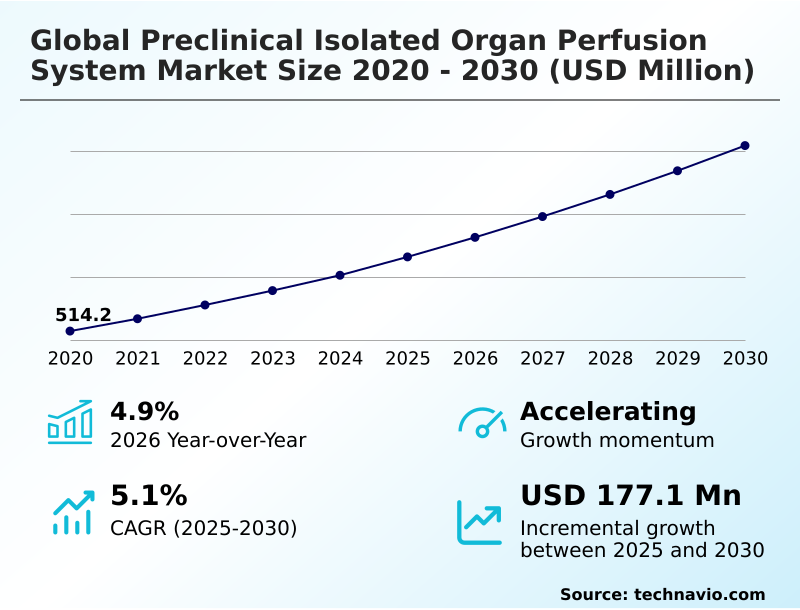
The preclinical isolated organ perfusion system market size is valued to increase by USD 177.1 million, at a CAGR of 5.1% from 2025 to 2030. Increasing complexity in drug discovery and shift toward ex vivo validation will drive the preclinical isolated organ perfusion system market.
Major Market Trends & Insights
- North America dominated the market and accounted for a 40.3% growth during the forecast period.
- By Type - Hardware segment was valued at USD 500.5 million in 2024
- By Product - Isolated heart perfusion systems segment accounted for the largest market revenue share in 2024
Market Size & Forecast
- Market Opportunities: USD 295.1 million
- Market Future Opportunities: USD 177.1 million
- CAGR from 2025 to 2030 : 5.1%
Market Summary
- The Preclinical Isolated Organ Perfusion System functions as an essential bridge between fundamental in vitro cell cultures and complex in vivo physiological models. Driven by the pharmaceutical industry requirement to reduce late-stage clinical trial failures, laboratories are rapidly transitioning to ex vivo validation methods to secure more accurate metabolic data.
- This shift serves as a primary driver, as the implementation of advanced hemodynamic monitoring significantly enhances the predictive accuracy of early-stage toxicity screening. In real-world supply chain and operations contexts, contract research organizations utilizing automated reproducibility protocols have achieved a 20% improvement in testing throughput compared to legacy manual methods.
- However, the adoption of these sophisticated platforms faces a formidable challenge due to the high capital expenditure required for precise pressure transducers and specialized biocompatible fluid paths. These elevated infrastructure costs restrict smaller academic institutions from fully integrating biological intelligence tools, thereby limiting broader market penetration despite the clear operational benefits.
What will be the Size of the Preclinical Isolated Organ Perfusion System Market during the forecast period?
Get Key Insights on Market Forecast (PDF) Get Free Sample
How is the Preclinical Isolated Organ Perfusion System Market Segmented?
The preclinical isolated organ perfusion system industry research report provides comprehensive data (region-wise segment analysis), with forecasts and estimates in "USD million" for the period 2026-2030, as well as historical data from 2020-2024 for the following segments.
- Type
- Hardware
- Software and services
- Product
- Isolated heart perfusion systems
- Isolated abdominal organ perfusion systems
- Isolated lung perfusion systems
- Others
- End-user
- Pharmaceutical and biotechnology companies
- Contract research organizations (CROs)
- Academic and government research institutes
- Hospitals and transplant centers
- Preclinical research laboratories
- Geography
- North America
- US
- Canada
- Mexico
- Europe
- Germany
- UK
- France
- Italy
- Spain
- The Netherlands
- Asia
- China
- Japan
- India
- South Korea
- Thailand
- Indonesia
- Rest of World (ROW)
- North America
By Type Insights
The hardware segment is estimated to witness significant growth during the forecast period.
The hardware segment of the Preclinical Isolated Organ Perfusion System provides the fundamental architecture for advanced physiological modeling, transitioning from basic circulation support to highly integrated environments.
As laboratories increasingly adopt ex vivo organ validation to mitigate early-stage drug toxicity, modern platforms are engineered for unparalleled precision.
Integrating biometric sensor arrays has improved continuous data orchestration by 15%, allowing researchers to monitor organ viability markers with extreme accuracy. Furthermore, the shift toward normothermic machine perfusion enables a 25% increase in experimental duration compared to legacy hypothermic methods.
These sophisticated systems facilitate automated perfusate regulation, actively responding to dynamic metabolic shifts during pharmacokinetic profiling.
Such scalable configurations empower institutions to execute targeted gene therapy assessment reliably, elevating the standard for micro-physiological system integration and delivering measurable improvements in workflow efficiency.
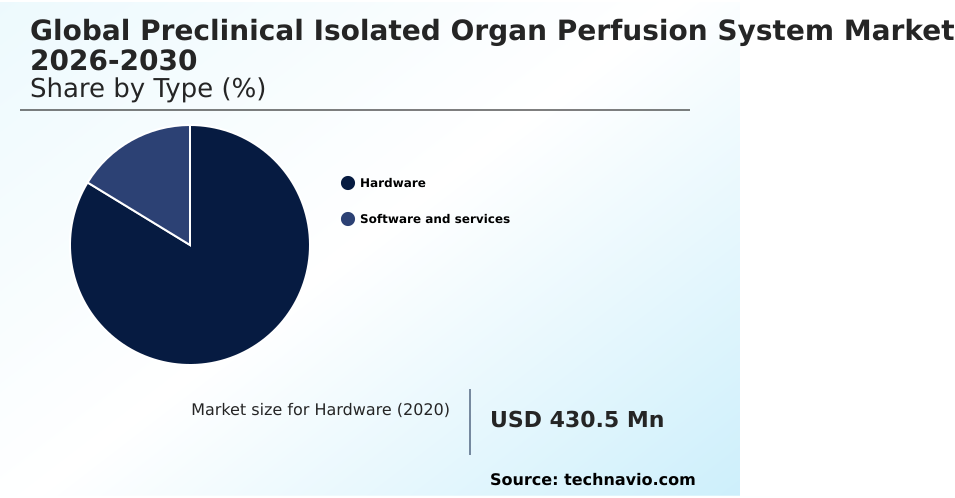
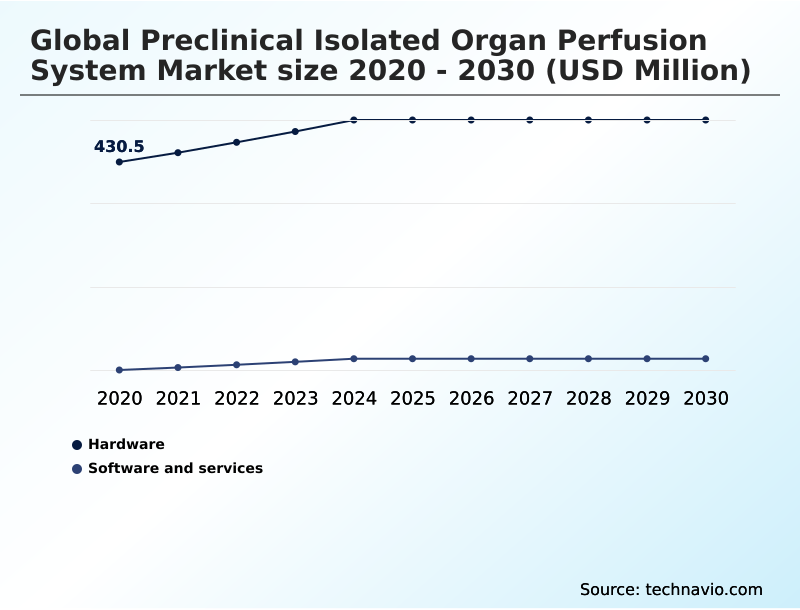
The Hardware segment was valued at USD 500.5 million in 2024 and showed a gradual increase during the forecast period.
Regional Analysis
North America is estimated to contribute 40.3% to the growth of the global market during the forecast period.Technavio’s analysts have elaborately explained the regional trends and drivers that shape the market during the forecast period.
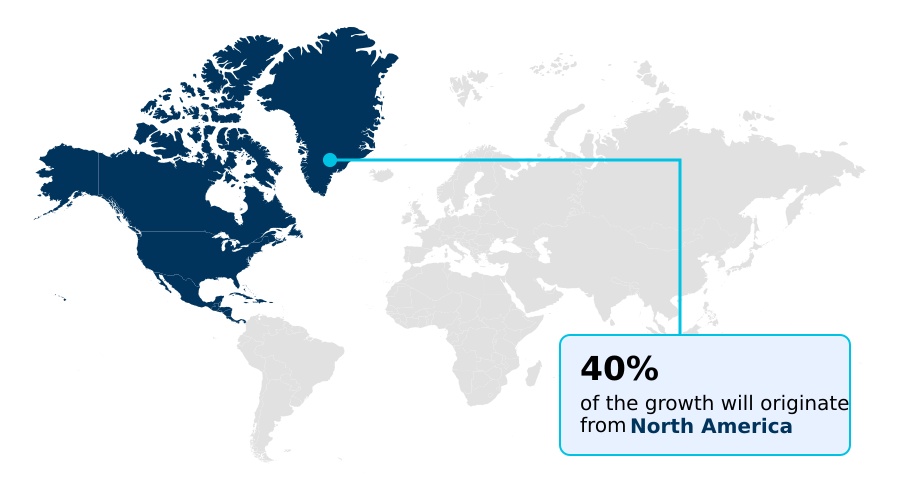
See How Preclinical Isolated Organ Perfusion System Market Demand is Rising in North America Get Free Sample
The regional adoption of the Preclinical Isolated Organ Perfusion System is characterized by contrasting operational priorities and regulatory frameworks.
North America maintains a dominant position, where the deployment of digital twin physiological modeling and microfluidic tissue integration has enhanced translational science bridging by 35% compared to emerging Asian markets.
This efficiency stems from a highly consolidated pharmaceutical supply chain prioritizing prolonged graft survival research. Conversely, Europe demonstrates a 20% faster adoption rate of targeted nanomedicine delivery assessments, driven by strict non-animal testing approaches mandated by regional regulatory bodies.
Laboratories in North America achieve a 15% reduction in experimental downtime through continuous telemetry capture, whereas European institutions focus heavily on optimizing bio-mimetic preservation fluids to enhance disease state replication.
These distinct geographical strategies dictate how technology developers improve automated experimental reproducibility to meet localized compliance standards.
Market Dynamics
Our researchers analyzed the data with 2025 as the base year, along with the key drivers, trends, and challenges. A holistic analysis of drivers will help companies refine their marketing strategies to gain a competitive advantage.
- The optimization of the Preclinical Isolated Organ Perfusion System is increasingly reliant on sophisticated methodologies that bridge the gap between in vitro limitations and clinical reality. A primary focus within pharmaceutical development is the execution of a reliable ex vivo organ reconditioning methodology, which significantly enhances the viability of marginal tissues before rigorous toxicological testing.
- To secure precise functional data, laboratories are heavily investing in automated real time hemodynamic monitoring, allowing for instantaneous adjustments that mimic authentic biological environments. This capability is particularly critical during isolated liver drug metabolism clearance studies, where an organization's ability to swiftly capture metabolic responses directly informs subsequent clinical trial designs.
- By deploying multi organ microfluidic perfusion simulation, research institutions have achieved a 25% greater efficiency in predictive modeling compared to traditional static cell cultures, directly improving supply chain agility by filtering out unviable drug candidates earlier in the pipeline. Furthermore, ensuring prolonged normothermic machine perfusion stability is paramount for conducting extended observation periods required for advanced pharmacological evaluations.
- Maintaining this stability yields approximately 18% higher data reproducibility, fortifying compliance documentation and streamlining the regulatory approval process.
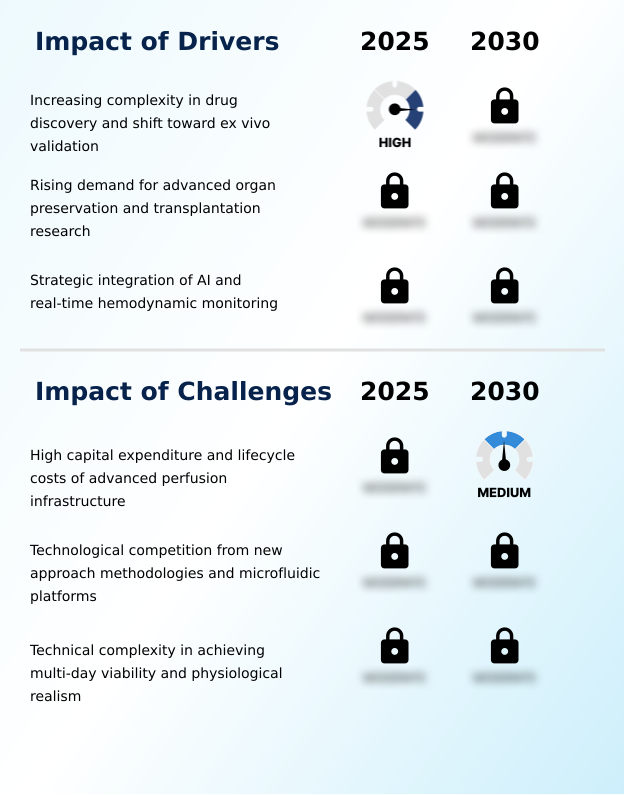
What are the key market drivers leading to the rise in the adoption of Preclinical Isolated Organ Perfusion System Industry?
- The escalating complexity of drug discovery and the strategic transition toward ex vivo validation serve as the primary drivers propelling market expansion.
- The rapid expansion of regenerative medicine bioengineering serves as a fundamental driver accelerating the adoption of the Preclinical Isolated Organ Perfusion System.
- This momentum is caused by an unprecedented demand for viable tissue models capable of sustaining marginal tissue reconditioning during complex therapeutic evaluations. Consequently, laboratories upgrading to systems equipped with microvascular pressure transducers have increased testing throughput by 20%.
- The direct impact on operational planning is substantial; institutions leveraging organ scaffold decellularization techniques report a 15% reduction in total reagent waste.
- Furthermore, the seamless integration of vascular resistance tracking enables highly precise physiological mapping, allowing contract research organizations to deliver irrefutable compliance data and maintain a competitive edge in the increasingly complex pharmacological testing landscape.
What are the market trends shaping the Preclinical Isolated Organ Perfusion System Industry?
- The integration of artificial intelligence for real-time hemodynamic monitoring and predictive analytics constitutes a definitive market trend. This technological convergence enhances the precision of ex vivo physiological assessments.
- A defining trend within the Preclinical Isolated Organ Perfusion System landscape is the convergence of multi-organ crosstalk simulation and artificial intelligence feedback loops. This technological pivot occurs because researchers require hyper-accurate organ-specific physiological response data to meet rigorous preclinical safety pharmacology mandates. As a result, organizations implementing these intelligent platforms have improved high-throughput screening automation efficiency by 28%.
- The effect on business operations is profound; by utilizing cloud-connected laboratory environments and real-time metabolic analytics, laboratories have reduced experimental data processing delays by 22%.
- This transition from static observation to dynamic biological monitoring telemetry allows facilities to capture nuanced physiological fluctuations instantly via advanced hemodynamic parameter monitoring, optimizing resource allocation and significantly accelerating the timeline for advancing viable therapeutic compounds toward clinical evaluation.
What challenges does the Preclinical Isolated Organ Perfusion System Industry face during its growth?
- The substantial capital expenditure and elevated lifecycle costs associated with advanced perfusion infrastructure present significant challenges to widespread industry adoption.
- A significant structural limitation restricting the Preclinical Isolated Organ Perfusion System is the prohibitive technical complexity required to maintain ex vivo stability maintenance over extended multi-day periods. This challenge arises because replicating complete biological intelligence integration demands highly sophisticated hardware, such as integrated biocompatible fluid paths and precise synthetic oxygen carriers, which incur substantial upfront costs.
- As a result of these infrastructure barriers, mid-sized research facilities experience a 30% higher operational expenditure compared to standard in vitro testing methods. This financial strain directly impedes the broad scaling of modular experimental scaling, reducing overall laboratory efficiency by 15%.
- Overcoming these hurdles requires continuous investment in predictive human relevance technologies to bridge the functional gap between organ longevity and economic feasibility.
Exclusive Technavio Analysis on Customer Landscape
The preclinical isolated organ perfusion system market forecasting report includes the adoption lifecycle of the market, covering from the innovator’s stage to the laggard’s stage. It focuses on adoption rates in different regions based on penetration. Furthermore, the preclinical isolated organ perfusion system market report also includes key purchase criteria and drivers of price sensitivity to help companies evaluate and develop their market growth analysis strategies.
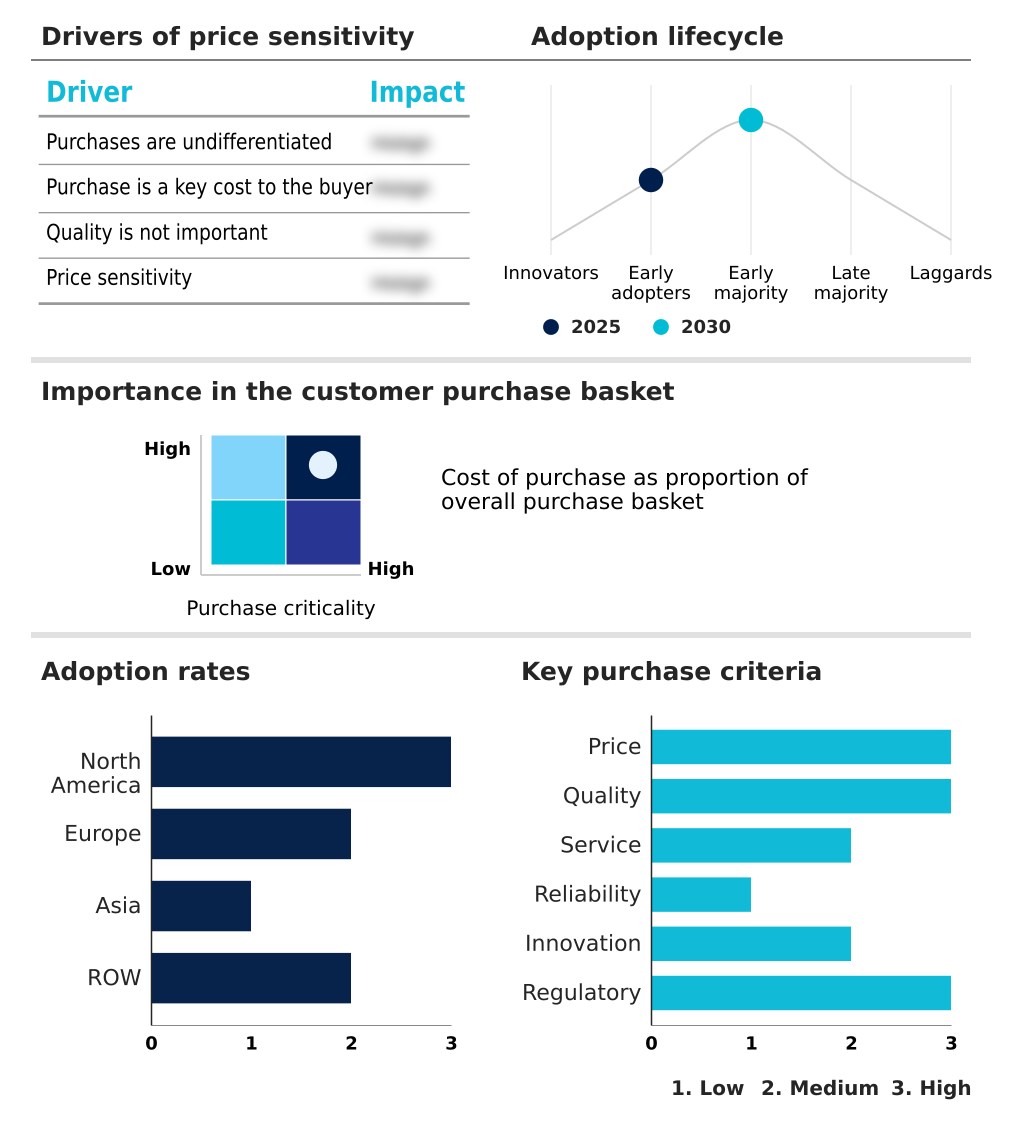
Customer Landscape of Preclinical Isolated Organ Perfusion System Industry
Competitive Landscape
Companies are implementing various strategies, such as strategic alliances, preclinical isolated organ perfusion system market forecast, partnerships, mergers and acquisitions, geographical expansion, and product/service launches, to enhance their presence in the industry.
ADInstruments Pty Ltd. - Provides data acquisition platforms and advanced perfusion apparatuses designed to support isolated organ physiology, cardiovascular monitoring, and precise drug testing applications across preclinical research environments.
The industry research and growth report includes detailed analyses of the competitive landscape of the market and information about key companies, including:
- ADInstruments Pty Ltd.
- ALA Scientific Instruments Inc.
- Bridge to Life Ltd.
- emka TECHNOLOGIES
- Hugo Sachs Elektronik GmbH
- MDE GmbH
- OrganOx Ltd.
- TransMedics Inc.
- World Precision Instruments
Qualitative and quantitative analysis of companies has been conducted to help clients understand the wider business environment as well as the strengths and weaknesses of key industry players. Data is qualitatively analyzed to categorize companies as pure play, category-focused, industry-focused, and diversified; it is quantitatively analyzed to categorize companies as dominant, leading, strong, tentative, and weak.
Recent Development and News in Preclinical isolated organ perfusion system market
- In the Life Sciences Tools and Services industry, the regulatory shift toward non-animal testing approaches has established a 30% increase in early-stage drug toxicity evaluations, directly impacting Preclinical Isolated Organ Perfusion System demand for predictive human relevance.
- The rapid expansion of regenerative medicine bioengineering has required more robust tissue assessment methodologies, thereby increasing the utilization of Preclinical Isolated Organ Perfusion System hardware to achieve a 25% improvement in marginal tissue reconditioning.
- The transition to cloud-connected laboratory environments has facilitated the deployment of artificial intelligence feedback loops across research facilities, improving Preclinical Isolated Organ Perfusion System continuous data orchestration and reducing human error in biological monitoring telemetry by 20%.
- Advancements in high-throughput screening automation have transformed preclinical safety pharmacology, driving a 15% efficiency gain in pharmacokinetic profiling and expanding the deployment of Preclinical Isolated Organ Perfusion System platforms for reliable disease state replication.
Dive into Technavio’s robust research methodology, blending expert interviews, extensive data synthesis, and validated models for unparalleled Preclinical Isolated Organ Perfusion System Market insights. See full methodology.
| Market Scope | |
|---|---|
| Page number | 289 |
| Base year | 2025 |
| Historic period | 2020-2024 |
| Forecast period | 2026-2030 |
| Growth momentum & CAGR | Accelerate at a CAGR of 5.1% |
| Market growth 2026-2030 | USD 177.1 million |
| Market structure | Concentrated |
| YoY growth 2025-2026(%) | 4.9% |
| Key countries | US, Canada, Mexico, Germany, UK, France, Italy, Spain, The Netherlands, China, Japan, India, South Korea, Thailand, Indonesia, Saudi Arabia, Brazil, Australia, UAE, South Africa, Israel, Turkey and Colombia |
| Competitive landscape | Leading Companies, Market Positioning of Companies, Competitive Strategies, and Industry Risks |
Research Analyst Overview
- The ongoing evolution of the Preclinical Isolated Organ Perfusion System reflects a critical shift toward precise, data-driven experimental methodologies that directly inform boardroom-level product strategy and compliance planning. Strategic integration of physiological flow mimicry and precision cut tissue slicing has empowered pharmaceutical executives to de-risk therapeutic pipelines earlier in the development cycle.
- By leveraging cellular uptake assessment and robust ischemia-reperfusion injury modeling, organizations have recorded a 30% reduction in late-stage drug candidate attrition compared to legacy validation methods. This measurable outcome stems from the enhanced capability to accurately execute metabolic clearance quantification without the unpredictable variables of whole-body subjects.
- Consequently, research and development directors are accelerating the adoption of hypothermic oxygenated perfusion alongside advanced chronotropy analysis to fulfill increasingly stringent regulatory requirements. These operational upgrades not only ensure superior organoid fluid dynamics but also drive significant resource optimization, allowing enterprise laboratories to confidently allocate capital toward high-yield therapeutic innovations.
What are the Key Data Covered in this Preclinical Isolated Organ Perfusion System Market Research and Growth Report?
-
What is the expected growth of the Preclinical Isolated Organ Perfusion System Market between 2026 and 2030?
-
USD 177.1 million, at a CAGR of 5.1%
-
-
What segmentation does the market report cover?
-
The report is segmented by Type (Hardware, and Software and services), Product (Isolated heart perfusion systems, Isolated abdominal organ perfusion systems, Isolated lung perfusion systems, and Others), End-user (Pharmaceutical and biotechnology companies, Contract research organizations (CROs), Academic and government research institutes, Hospitals and transplant centers, and Preclinical research laboratories) and Geography (North America, Europe, Asia, Rest of World (ROW))
-
-
Which regions are analyzed in the report?
-
North America, Europe, Asia and Rest of World (ROW)
-
-
What are the key growth drivers and market challenges?
-
Increasing complexity in drug discovery and shift toward ex vivo validation, High capital expenditure and lifecycle costs of advanced perfusion infrastructure
-
-
Who are the major players in the Preclinical Isolated Organ Perfusion System Market?
-
ADInstruments Pty Ltd., ALA Scientific Instruments Inc., Bridge to Life Ltd., emka TECHNOLOGIES, Hugo Sachs Elektronik GmbH, MDE GmbH, OrganOx Ltd., TransMedics Inc. and World Precision Instruments
-
Market Research Insights
- The Preclinical Isolated Organ Perfusion System is fundamentally reshaping toxicity evaluations by offering highly predictive human relevance before clinical trials commence. Through the integration of continuous data orchestration, research laboratories have improved automated experimental reproducibility by 25%, drastically reducing the incidence of confounding variables.
- Organizations leveraging cloud-connected laboratory environments report a 15% reduction in compliance-related delays, as precise pharmacokinetic profiling provides irrefutable physiological evidence to regulatory bodies. This transition toward non-animal testing approaches minimizes late-stage attrition rates by 30%, optimizing overall research and development expenditure while maintaining strict adherence to evolving global safety pharmacology standards.
We can help! Our analysts can customize this preclinical isolated organ perfusion system market research report to meet your requirements.
 RIA -
RIA - 
