
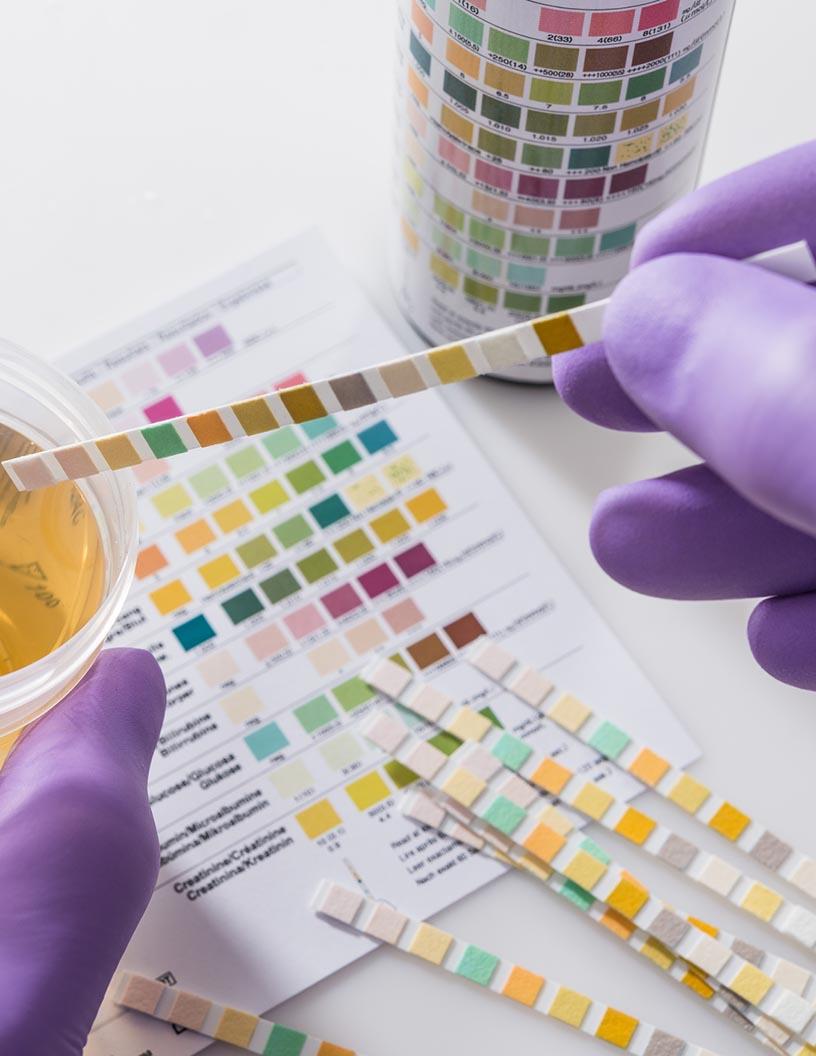


Protein Detection And Quantification Market Size 2024-2028
The protein detection and quantification market size is forecast to increase by USD 767.7 million at a CAGR of 6.2% between 2023 and 2028.
- The market is experiencing significant growth, driven by the increasing advances in proteomics research and the rising popularity of personalized medicine. Protein detection and quantification techniques play a crucial role in understanding the molecular mechanisms underlying various diseases and developing targeted therapies. The market's expansion is further fueled by the growing demand for accurate and reliable protein measurement methods in clinical diagnostics and research applications. However, several challenges hinder market growth. Regulatory hurdles impact adoption, as stringent regulations and approval processes increase the time and cost of bringing new protein detection and quantification technologies to market. Additionally, supply chain inconsistencies temper growth potential due to the complexities of sourcing high-quality reagents and maintaining their stability during transportation and storage.
- The lack of skilled laboratory professionals also poses a significant challenge, as the intricacies of protein detection and quantification techniques require specialized expertise. Companies seeking to capitalize on market opportunities must navigate these challenges effectively by investing in research and development, establishing robust supply chains, and providing comprehensive training programs for laboratory personnel.
What will be the Size of the Protein Detection And Quantification Market during the forecast period?

- The market is driven by the increasing demand for Good Laboratory Practice (GLP) and Good Manufacturing Practice (GMP) compliant workflows in research and clinical applications. Standard Operating Procedures (SOPs) are essential for optimizing protein signaling workflows, including sample preparation, cell culture, and protein expression. Protein kinase inhibitors and validation studies play a crucial role in clinical validation and regulatory compliance. Data management, including data security and storage, is essential for ensuring the accuracy and reliability of protein function and interaction data. Reference materials and control materials are integral to quality control and analytical validation in protein trafficking and protein degradation studies.
- Protein modification and protein stability are key areas of research, requiring advanced liquid handling and lab automation technologies. Sample handling and tissue samples are critical components of protein detection and quantification workflows, with a focus on optimizing protein structure analysis and quality assurance. Protein kinases and protein interaction studies require rigorous quality control and regulatory compliance, with a growing emphasis on data security and quality assurance. In the realm of protein function analysis, data management and regulatory compliance are paramount, with a focus on optimizing sample handling and protein expression workflows. Protein trafficking and protein degradation studies require advanced techniques for sample preparation and analytical validation, ensuring the accuracy and reliability of data.
- Overall, the market is characterized by a focus on workflow optimization, regulatory compliance, and data management, with a growing emphasis on advanced technologies for protein modification, protein stability, and protein interaction analysis.
How is this Protein Detection And Quantification Industry segmented?
The protein detection and quantification industry research report provides comprehensive data (region-wise segment analysis), with forecasts and estimates in "USD million" for the period 2024-2028, as well as historical data from 2018-2022 for the following segments.
- Product
- Kits and reagents
- Instruments
- Services
- Geography
- North America
- US
- Canada
- Europe
- Germany
- UK
- APAC
- China
- Rest of World (ROW)
- North America
By Product Insights
The kits and reagents segment is estimated to witness significant growth during the forecast period.
The market is experiencing significant growth, driven by the increasing demand for advanced techniques in pharmaceutical research, personalized medicine, and therapeutic development. Artificial intelligence and machine learning are revolutionizing the industry, enabling more accurate and efficient analysis of proteins. Single-cell analysis and next-generation sequencing are also gaining popularity for their ability to provide deeper insights into protein expression and function. Clinical trials and clinical diagnostics are major applications of protein detection and quantification, with precision medicine and point-of-care diagnostics driving the need for more sensitive and specific assays. High-throughput screening and data analysis are essential for drug discovery and biopharmaceutical development, while food safety and environmental monitoring require robust and reliable protein detection methods.
Kits and reagents remain the largest segment of the market due to their high availability and vast applicability. Their repeated use in protein detection and quantification studies, along with the availability of kits and reagents sold with compatible instruments at lower prices, further boosts demand. Protein engineering and the development of protein standards are crucial for improving the accuracy and consistency of protein detection and quantification methods. Image processing and data interpretation are critical components of protein detection and quantification, with digital imaging and mass spectrometry providing valuable data for qualitative and quantitative analysis. Biomarker discovery and validation are ongoing areas of research, with flow cytometry and Western blot techniques commonly used for their ability to detect specific proteins.
Assay development and target validation are essential steps in the research and development process, with protein detection and quantification playing a crucial role in advancing scientific understanding and driving innovation.

The Kits and reagents segment was valued at USD 773.70 million in 2018 and showed a gradual increase during the forecast period.
Regional Analysis
North America is estimated to contribute 39% to the growth of the global market during the forecast period.Technavio’s analysts have elaborately explained the regional trends and drivers that shape the market during the forecast period.

The market in North America witness significant growth due to substantial investments in healthcare research and testing, particularly in the US. Pharmaceutical companies' increasing focus on drug discovery and development, driven by the potential of personalized medicine and therapeutic advancements, further propels market expansion. The region's robust healthcare infrastructure, with strong distribution networks in the US and Canada, supports market growth. In the US, the surge in research projects, fueled by the promise of regenerative medicine and increasing awareness, contributes to market dynamics. Advanced technologies, such as artificial intelligence, digital imaging, next-generation sequencing, flow cytometry, and mass spectrometry, play a crucial role in protein detection and quantification, enabling advancements in areas like biomarker discovery, target validation, and assay development.
Clinical trials, high-throughput screening, and precision medicine also drive market trends. Furthermore, the emergence of point-of-care diagnostics, home testing, and data analysis tools cater to the need for quicker and more accessible protein quantification. The food safety, environmental monitoring, and biopharmaceutical development sectors also contribute to market growth. Protein engineering, image processing, machine learning, and protein standards further enhance the capabilities of protein detection and quantification techniques, broadening their applications.
Market Dynamics
Our researchers analyzed the data with 2023 as the base year, along with the key drivers, trends, and challenges. A holistic analysis of drivers will help companies refine their marketing strategies to gain a competitive advantage.
What are the Protein Detection And Quantification market drivers leading to the rise in the adoption of Industry?
- Proteomics research, marked by significant advancements, serves as the primary catalyst for market growth.
- Proteins are essential biomolecules that play a pivotal role in various functions within the human body. Two significant types of proteins are antibodies and enzymes, which perform critical roles in protecting the body and carrying out essential functions, respectively. Proteomics research, which involves the large-scale study of proteins and their functions, employs advanced techniques such as image processing, machine learning, and data analysis. These technologies enable the detection and quantification of proteins, contributing to drug discovery, biopharmaceutical development, clinical diagnostics, precision medicine, and point-of-care diagnostics.
- The application of these techniques in protein research facilitates a deeper understanding of post-translational modifications and their influence on protein functioning. Machine learning algorithms and high-throughput screening methods, in particular, have immersed the field in harmonious advancements, emphasizing precision and accuracy. Protein detection and quantification are vital components of scientific research and development, driving innovation in healthcare, pharmaceuticals, and biotechnology.
What are the Protein Detection And Quantification market trends shaping the Industry?
- The rising preference for personalized medicine is a notable trend in the current healthcare market. This approach to treatment, which caters to individual patient needs, is gaining significant traction and is expected to shape the industry in the near future.
- Protein detection and quantification solutions have gained significant attention in the life sciences sector due to their role in personalized medicine. These solutions enable early disease detection and the selection of accurate treatment methods, contributing to a reduction in mortality rates. In the realm of research and development, microarray technology plays a crucial part in analyzing critical biological complications, such as genomic variations and inherited syndromes, which are responsible for diseases like cardiovascular conditions and cancer. The genetic composition of an individual is vital in determining health and susceptibility to chronic diseases. The increasing awareness of genetic diseases is driving advancements and development in personalized medicine, which focuses on targeted drug development.
- Assay development, biomarker validation, and environmental monitoring are integral components of this field. Techniques like Western blot, mass spectrometry, and target validation are essential for protein detection and quantification. By utilizing these advanced technologies, researchers can identify and assess proteins, providing valuable insights into disease mechanisms and potential therapeutic targets.
How does Protein Detection And Quantification market faces challenges face during its growth?
- The insufficient supply of proficient laboratory professionals poses a significant challenge to the expansion and progression of the industry.
- Protein detection and quantification play a pivotal role in pharmaceutical research, particularly in the realm of personalized medicine and therapeutic development. Advanced technologies, such as artificial intelligence, single-cell analysis, digital imaging, next-generation sequencing, and limit of quantification techniques, are transforming the way proteins are identified and measured. These innovations enable researchers to gain a deeper understanding of protein functions and interactions, which is essential for the development of new therapeutics. In the context of clinical trials, accurate protein quantification is crucial for assessing drug efficacy and monitoring disease progression. For instance, researchers must consider the molecular weight of the protein, the appropriate buffer solution, and the protein's stability before initiating protein crystallization experiments.
- These factors, among others, significantly impact the success of the research. The field of medical laboratory science is experiencing a workforce shortage, necessitating the need for advanced, efficient, and user-friendly protein detection and quantification tools. By leveraging these technologies, researchers can streamline their workflows, reduce errors, and enhance the overall quality of their research. Consequently, the demand for these solutions is expected to grow, driven by the increasing importance of protein research in pharmaceutical R&D and personalized medicine.
Exclusive Customer Landscape
The protein detection and quantification market forecasting report includes the adoption lifecycle of the market, covering from the innovator’s stage to the laggard’s stage. It focuses on adoption rates in different regions based on penetration. Furthermore, the protein detection and quantification market report also includes key purchase criteria and drivers of price sensitivity to help companies evaluate and develop their market growth analysis strategies.

Customer Landscape
Key Companies & Market Insights
Companies are implementing various strategies, such as strategic alliances, protein detection and quantification market forecast, partnerships, mergers and acquisitions, geographical expansion, and product/service launches, to enhance their presence in the industry.
Abcam plc - The company specializes in protein analysis, providing a robust solution through its BCA Protein Quantification Kit. This kit enables accurate detection and quantification of total protein content in various samples, enhancing research and development efforts in diverse industries. By utilizing a colorimetric assay, the kit offers high sensitivity and precision, ensuring reliable results. The versatile application scope encompasses various sample types, including cell lysates, tissue homogenates, and culture media, making it an indispensable tool for researchers and scientists.
The industry research and growth report includes detailed analyses of the competitive landscape of the market and information about key companies, including:
- Abcam plc
- Agilent Technologies Inc.
- Bio Rad Laboratories Inc.
- Biofidus AG
- Cell Signaling Technology Inc.
- Danaher Corp.
- General Electric Co.
- Inanovate Inc.
- Intertek Group Plc
- Labome
- Laboratoire AGUETTANT
- Merck KGaA
- Molecular Device LLC
- Perkin Elmer Inc.
- Promega Corp.
- Protagen Protein Services GmbH
- RayBiotech Life Inc.
- Sartorius AG
- Shimadzu Corp.
- Thermo Fisher Scientific Inc.
Qualitative and quantitative analysis of companies has been conducted to help clients understand the wider business environment as well as the strengths and weaknesses of key industry players. Data is qualitatively analyzed to categorize companies as pure play, category-focused, industry-focused, and diversified; it is quantitatively analyzed to categorize companies as dominant, leading, strong, tentative, and weak.
Recent Development and News in Protein Detection And Quantification Market
- In February 2024, Thermo Fisher Scientific, a leading life sciences solutions provider, introduced the PhosphoSelect Quantitative Dot Blot Assay, expanding its protein detection offerings (Thermo Fisher Scientific Press Release). This innovative assay enables researchers to quantify phosphorylated proteins with high sensitivity and specificity, addressing a significant need in the life sciences research community.
- In July 2025, Qiagen and PerkinElmer announced a strategic partnership to integrate Qiagen's sample and assay technologies with PerkinElmer's detection and imaging systems, aiming to streamline workflows and enhance the overall protein quantification process (Qiagen Press Release). This collaboration is expected to provide customers with more efficient and comprehensive solutions, catering to the growing demand for automation and high-throughput protein analysis.
- In October 2024, Merck KGaA completed the acquisition of Versatis AG, a Swiss company specializing in biosensors for protein detection and quantification (Merck KGaA Press Release). This acquisition strengthened Merck KGaA's position in the life sciences sector, providing them with advanced biosensor technology and expanding their product portfolio.
- In March 2025, the U.S. Food and Drug Administration (FDA) granted approval to Siemens Healthineers for its Atellica Solution, an integrated, fully automated, and versatile platform for clinical chemistry, immunochemistry, and clinical immunology assays, including protein quantification (Siemens Healthineers Press Release). This approval marks a significant milestone for Siemens Healthineers, enabling them to offer a comprehensive solution for protein detection and quantification in clinical laboratories.
Research Analyst Overview
The market continues to evolve, driven by advancements in technology and applications across various sectors. In the realm of pharmaceutical research, personalized medicine and therapeutic development rely heavily on the accurate identification and measurement of proteins for drug targeting and efficacy assessment. Single-cell analysis is another burgeoning area, enabling researchers to explore protein expression at an individual cell level. Limit of quantification and limit of detection are critical parameters in protein detection, with continuous improvements in these metrics driving market growth. Qualitative and quantitative analysis techniques, such as Western blot, mass spectrometry, and digital imaging, are essential tools for protein characterization and biomarker discovery.
Moreover, emerging technologies like artificial intelligence, machine learning, and next-generation sequencing are revolutionizing data interpretation and analysis, allowing for more precise and efficient protein identification and quantification. The applications of these technologies extend to clinical trials, clinical diagnostics, biopharmaceutical development, and point-of-care diagnostics. Furthermore, protein engineering and protein standards play a pivotal role in ensuring consistency and accuracy in protein measurement. Image processing and assay development are ongoing areas of focus, as researchers strive for more automated and streamlined workflows. Environmental monitoring and food safety also benefit from protein detection and quantification, ensuring the safety and quality of our food supply and the health of our ecosystems.
Overall, the market is a dynamic and evolving landscape, with ongoing advancements and innovations shaping its future applications and growth.
Dive into Technavio’s strong research methodology, blending expert interviews, extensive data synthesis, and validated models for unparalleled Protein Detection And Quantification Market insights. See full methodology.
|
Market Scope |
|
|
Report Coverage |
Details |
|
Page number |
139 |
|
Base year |
2023 |
|
Historic period |
2018-2022 |
|
Forecast period |
2024-2028 |
|
Growth momentum & CAGR |
Accelerate at a CAGR of 6.2% |
|
Market growth 2024-2028 |
USD 767.7 million |
|
Market structure |
Fragmented |
|
YoY growth 2023-2024(%) |
5.8 |
|
Key countries |
US, Germany, Canada, China, and UK |
|
Competitive landscape |
Leading Companies, Market Positioning of Companies, Competitive Strategies, and Industry Risks |
What are the Key Data Covered in this Protein Detection And Quantification Market Research and Growth Report?
- CAGR of the Protein Detection And Quantification industry during the forecast period
- Detailed information on factors that will drive the growth and forecasting between 2024 and 2028
- Precise estimation of the size of the market and its contribution of the industry in focus to the parent market
- Accurate predictions about upcoming growth and trends and changes in consumer behaviour
- Growth of the market across North America, Europe, Asia, and Rest of World (ROW)
- Thorough analysis of the market’s competitive landscape and detailed information about companies
- Comprehensive analysis of factors that will challenge the protein detection and quantification market growth of industry companies
We can help! Our analysts can customize this protein detection and quantification market research report to meet your requirements.