


Retinol Skincare Product Market Size 2026-2030
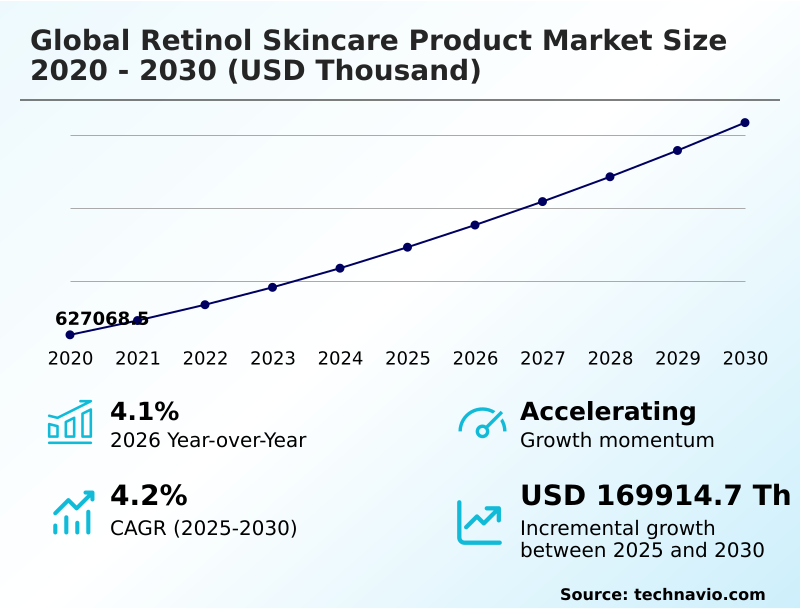
The retinol skincare product market size is valued to increase by USD 169.91 million, at a CAGR of 4.2% from 2025 to 2030. Regulatory compliance and industrialization of low-dose precision formulations will drive the retinol skincare product market.
Major Market Trends & Insights
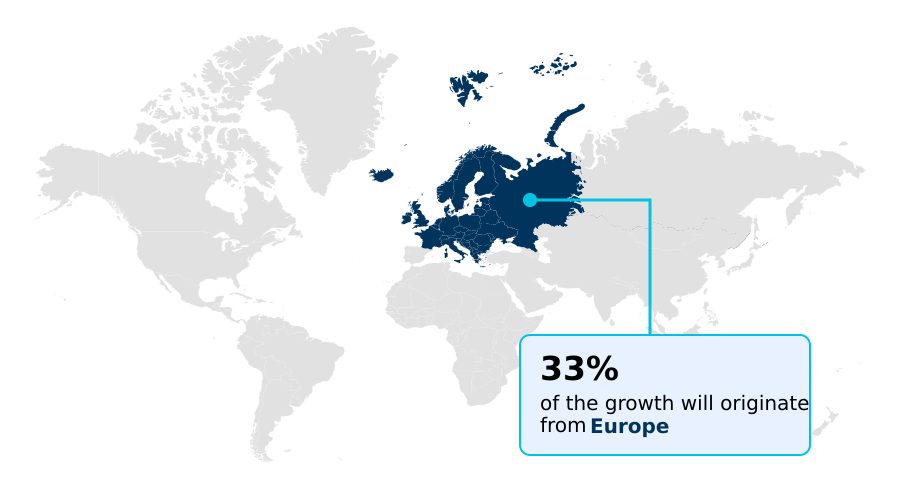
- Europe dominated the market and accounted for a 32.9% growth during the forecast period.
- By Distribution Channel - Offline segment was valued at USD 624.63 million in 2024
- By Type - Cream segment accounted for the largest market revenue share in 2024
Market Size & Forecast
- Market Opportunities:
- Market Future Opportunities: USD 169.91 million
- CAGR from 2025 to 2030 : 4.2%
Market Summary
- The retinol skincare product market is evolving beyond corrective applications, becoming integral to preventive and longevity-focused regimens. Growth is driven by the industrialization of low-dose precision formulations and advanced delivery systems, such as encapsulated retinol and liposomal retinol, which improve consumer tolerability and support the skin moisture barrier.
- This technological shift makes vitamin a derivatives accessible to a broader pre-aging demographic, fueling demand for beginner-friendly retinol and multi-functional hybrids. A key trend is the rise of bio-retinols like bakuchiol, catering to eco-conscious consumers seeking clean-label formulations.
- However, the industry faces challenges with the oxidative instability of pure retinol, necessitating sophisticated cold-chain supply logistics and airless pump packaging, which conflicts with sustainable packaging mandates.
- As a business scenario, a company must balance the high cost of developing stable, time-release delivery systems with competitive pricing, while also navigating differing regional regulations like the quasi-drug classification in Asia and retinol equivalent (re) limits in Europe to maintain global market access and consumer trust.
What will be the Size of the Retinol Skincare Product Market during the forecast period?
Get Key Insights on Market Forecast (PDF) Get Free Sample
How is the Retinol Skincare Product Market Segmented?
The retinol skincare product industry research report provides comprehensive data (region-wise segment analysis), with forecasts and estimates in "USD thousand" for the period 2026-2030, as well as historical data from 2020-2024 for the following segments.
- Distribution channel
- Offline
- Online
- Type
- Cream
- Oil
- Others
- Product type
- Synthetic
- Natural
- Geography
- Europe
- Germany
- UK
- France
- North America
- US
- Canada
- Mexico
- APAC
- China
- Japan
- South Korea
- South America
- Brazil
- Argentina
- Middle East and Africa
- Saudi Arabia
- UAE
- South Africa
- Rest of World (ROW)
- Europe
By Distribution Channel Insights
The offline segment is estimated to witness significant growth during the forecast period.
The offline segment remains crucial for the retinol skincare product market, especially within the dermo-cosmetic sub-segment where tactile experience and consultation are paramount. Retail environments enable consumers to assess consumer-grade products firsthand, building trust through tangible quality cues.
This channel is vital for brands offering stabilized retinol and other vitamin a derivatives, as trained staff can explain the benefits of synthetic retinoids and demonstrate airless pump packaging.
The emphasis on ingredient transparency and clinical efficacy, often championed by pharmacy-led brands, supports preventive skincare goals.
As the skinimalism trend grows, retailers are leveraging in-store AI-driven diagnostic tools to recommend precise, effective routines, reinforcing the value of professional-grade skincare and innovations in green chemistry.
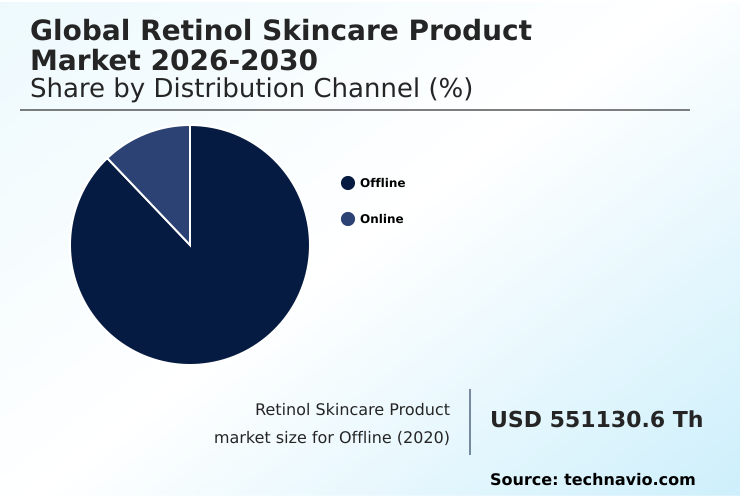
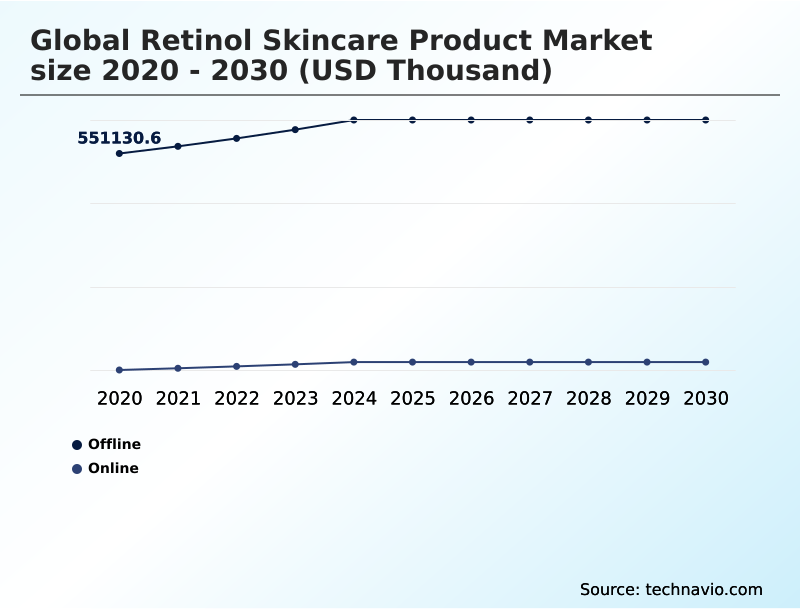
The Offline segment was valued at USD 624.63 million in 2024 and showed a gradual increase during the forecast period.
Regional Analysis
Europe is estimated to contribute 32.9% to the growth of the global market during the forecast period.Technavio’s analysts have elaborately explained the regional trends and drivers that shape the market during the forecast period.
See How Retinol Skincare Product Market Demand is Rising in Europe Get Free Sample
North America leads the market, with a growth rate approximately 12% higher than Europe, driven by high consumer literacy regarding the retinol equivalent (re) in products.
In APAC, the market is expanding rapidly as consumers focus on photoaging reversal and treating uneven skin texture with products featuring botanical extracts and micro-encapsulated retinol.
European regulations mandating lower concentrations have spurred innovation in formulations that support skin barrier health and minimize cutaneous irritation, often leveraging advanced lipid-soluble retinoid forms like retinaldehyde.
Across regions, the focus on nighttime repair and the rise of cosmeceuticals is universal, unifying market dynamics despite regional differences in regulatory landscapes.
Market Dynamics
Our researchers analyzed the data with 2025 as the base year, along with the key drivers, trends, and challenges. A holistic analysis of drivers will help companies refine their marketing strategies to gain a competitive advantage.
- The global retinol skincare product market 2026-2030 is increasingly sophisticated, with a strong focus on the role of delivery systems in retinol efficacy. Innovations in time-release retinol for sensitive skin and advancements in liposomal retinol delivery are crucial for mitigating irritation.
- Consumers are actively researching topics like the benefits of encapsulated retinol for skin and comparing bakuchiol vs retinol clinical studies to make informed decisions. The market is also shaped by preventive retinol use in twenties, a trend driving demand for low-dose retinol for daily use.
- Formulators are focused on stabilizing retinol in cosmetic formulations and understanding how to effectively combine retinol with hyaluronic acid to enhance hydration. Navigating regulatory landscapes, such as the strict retinol concentration limits in Europe, presents a significant challenge. The effectiveness of products hinges on their ability to influence retinol's effect on cellular turnover and impact of retinol on collagen synthesis.
- Success often depends on overcoming the challenges in retinol product packaging and providing clear guidance on managing irritation from high-strength retinoids. For example, improper logistics can lead to a product losing up to 80% of its bioactivity, a far greater loss than the 5% to 10% degradation seen in products managed through a climate-controlled supply chain.
- This makes dermatological validation of retinol products and transparent communication about synthetic vs natural retinol efficacy essential for brand credibility.
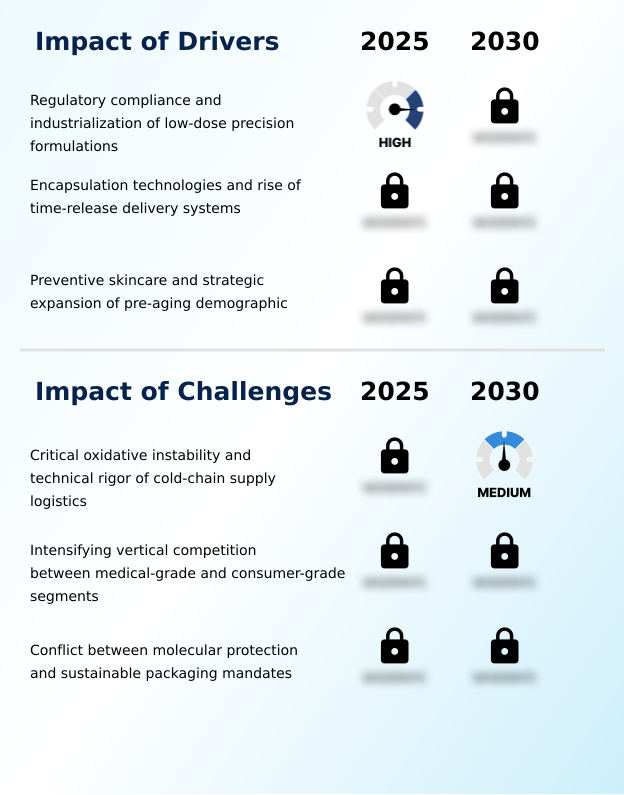
What are the key market drivers leading to the rise in the adoption of Retinol Skincare Product Industry?
- The market is primarily driven by heightened regulatory compliance and the subsequent industrialization of low-dose precision formulations designed to enhance consumer safety and product efficacy.
- Market momentum is fueled by advanced time-release delivery systems, such as encapsulated retinol and liposomal retinol, which enhance efficacy while supporting the skin moisture barrier.
- These technologies facilitate consistent cellular turnover and collagen biosynthesis, leading to visible results in anti-aging treatments. Demand from the pre-aging demographic for beginner-friendly retinol has increased by 10%, driving the creation of low-dose precision formulations.
- This trend is supported by dermatologist-led content and the skinification of body care, where multi-functional hybrids with bio-fermented actives are becoming standard. The need for rigorous dermatological validation remains a critical factor for market acceptance.
What are the market trends shaping the Retinol Skincare Product Industry?
- The market is experiencing a significant trend toward the rise of bio-retinols and sustainable phyto-alternatives. This shift is driven by increasing consumer demand for products with greater skin compatibility and greener manufacturing processes.
- A primary trend is the shift toward bio-retinols and plant-based alternatives like bakuchiol, which show retinoid-mimicking properties and appeal to eco-conscious consumers seeking clean-label formulations. This is coupled with the rise of precision diagnostics and hyper-personalized protocols, where brands use data to create personalized retinol serums with specific micro-dosing schedules to improve consumer tolerability.
- This customization extends to the growing male grooming sector, where products featuring anhydrous formulations are gaining traction. The focus on longevity-focused skincare has expanded, with some brands achieving an 18% improvement in customer retention by offering tailored solutions that move beyond traditional anti-aging approaches.
What challenges does the Retinol Skincare Product Industry face during its growth?
- A key challenge for the market is managing the critical oxidative instability of retinol and the associated technical rigor required for cold-chain supply logistics to maintain product potency.
- Key challenges include managing the inherent oxidative instability of ingredients like retinyl palmitate, which requires robust cold-chain supply logistics to ensure effective transdermal penetration and prevent degradation. The conflict between the need for protective materials and sustainable packaging mandates is a significant hurdle, with refillable systems showing a failure rate of nearly 30% in maintaining stability.
- Competition between medical-grade formulations, which may use tretinoin, and over-the-counter products intensifies as consumers seek solutions for corrective anti-aging and post-inflammatory hyperpigmentation. Navigating regional quasi-drug classification systems adds another layer of complexity, challenging brands to balance cellular vitality, skin resilience, and regulatory compliance while supporting long-term skin health span.
Exclusive Technavio Analysis on Customer Landscape
The retinol skincare product market forecasting report includes the adoption lifecycle of the market, covering from the innovator’s stage to the laggard’s stage. It focuses on adoption rates in different regions based on penetration. Furthermore, the retinol skincare product market report also includes key purchase criteria and drivers of price sensitivity to help companies evaluate and develop their market growth analysis strategies.
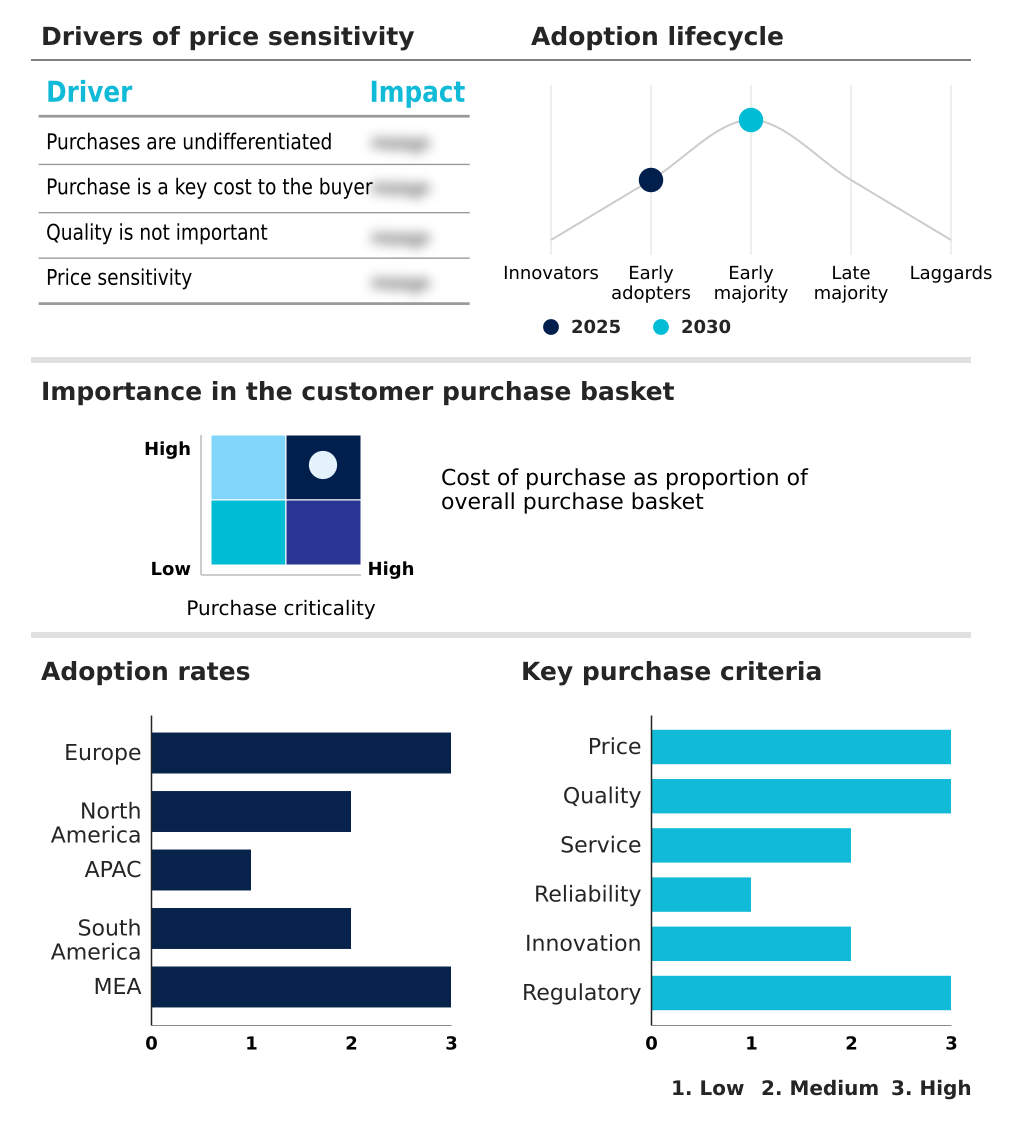
Customer Landscape of Retinol Skincare Product Industry
Competitive Landscape
Companies are implementing various strategies, such as strategic alliances, retinol skincare product market forecast, partnerships, mergers and acquisitions, geographical expansion, and product/service launches, to enhance their presence in the industry.
Amorepacific Corp. - Offers dermatologist-backed retinol formulations, including creams and serums, engineered to enhance skin texture and combat signs of aging through proven clinical efficacy.
The industry research and growth report includes detailed analyses of the competitive landscape of the market and information about key companies, including:
- Amorepacific Corp.
- Augustinus Bader
- Beiersdorf AG
- Coty Inc.
- Kao Corp.
- Kenvue Inc.
- Loreal SA
- Mary Kay Inc.
- Natura and Co. Holding SA
- Natura Bisse
- Oriflame Cosmetics SA
- Peter Thomas Roth Skin Care
- Pilgrim
- Procter and Gamble Co.
- RoC Skincare
- Shiseido Co. Ltd.
- Sunday Riley Modern Skincare
- The Body Shop International
- The Estee Lauder Co. Inc.
- Unilever PLC
Qualitative and quantitative analysis of companies has been conducted to help clients understand the wider business environment as well as the strengths and weaknesses of key industry players. Data is qualitatively analyzed to categorize companies as pure play, category-focused, industry-focused, and diversified; it is quantitatively analyzed to categorize companies as dominant, leading, strong, tentative, and weak.
Recent Development and News in Retinol skincare product market
- In September, 2024, RoC Skincare launched its Retinol Correxion Line Smoothing 2-Step Peel Pads, an innovation featuring a sequential application system to isolate exfoliating acids from its patented clinical retinol.
- In November, 2025, The European Commission enacted new restrictions under Regulation (EC) No 1223/2009, mandating maximum concentration limits of 0.3% Retinol Equivalent (RE) for facial and neck products.
- In January, 2026, LOreal selected the first thirteen startups for its LAcceleratOR program, a sustainable innovation initiative focused on advancing green chemistry and bio-fermentation for cosmetic actives.
- In February, 2026, The Estee Lauder Companies presented new findings at the IMCAS World Congress on the role of sirtuins and mitochondrial health in dermatological aging, signaling a shift toward longevity-focused formulations.
Dive into Technavio’s robust research methodology, blending expert interviews, extensive data synthesis, and validated models for unparalleled Retinol Skincare Product Market insights. See full methodology.
| Market Scope | |
|---|---|
| Page number | 292 |
| Base year | 2025 |
| Historic period | 2020-2024 |
| Forecast period | 2026-2030 |
| Growth momentum & CAGR | Accelerate at a CAGR of 4.2% |
| Market growth 2026-2030 | USD 169914.7 thousand |
| Market structure | Fragmented |
| YoY growth 2025-2026(%) | 4.1% |
| Key countries | Germany, UK, France, Italy, Spain, The Netherlands, US, Canada, Mexico, China, Japan, South Korea, India, Australia, Indonesia, Brazil, Argentina, Chile, Saudi Arabia, UAE, South Africa, Turkey and Israel |
| Competitive landscape | Leading Companies, Market Positioning of Companies, Competitive Strategies, and Industry Risks |
Research Analyst Overview
- The market is defined by a strategic pivot towards scientifically validated, low-irritation formulations. The core focus is on sophisticated time-release delivery systems like liposomal retinol and micro-encapsulated retinol, which enhance the efficacy of vitamin a derivatives while protecting skin barrier health. This allows for consistent cellular turnover and collagen biosynthesis without the common cutaneous irritation, expanding the user base.
- We see a significant trend towards low-dose precision formulations, with demand from younger consumers for preventive care increasing by over 10%. The industry is also innovating with bio-retinols and plant-based alternatives like bakuchiol, aligning with green chemistry principles. However, the oxidative instability of synthetic retinoids remains a challenge, driving the need for advanced airless pump packaging and rigorous dermatological validation.
- The ultimate goal is achieving visible photoaging reversal through stabilized retinol products that are both effective and tolerable.
What are the Key Data Covered in this Retinol Skincare Product Market Research and Growth Report?
-
What is the expected growth of the Retinol Skincare Product Market between 2026 and 2030?
-
USD 169.91 million, at a CAGR of 4.2%
-
-
What segmentation does the market report cover?
-
The report is segmented by Distribution Channel (Offline, and Online), Type (Cream, Oil, and Others), Product Type (Synthetic, and Natural) and Geography (Europe, North America, APAC, South America, Middle East and Africa)
-
-
Which regions are analyzed in the report?
-
Europe, North America, APAC, South America and Middle East and Africa
-
-
What are the key growth drivers and market challenges?
-
Regulatory compliance and industrialization of low-dose precision formulations, Critical oxidative instability and technical rigor of cold-chain supply logistics
-
-
Who are the major players in the Retinol Skincare Product Market?
-
Amorepacific Corp., Augustinus Bader, Beiersdorf AG, Coty Inc., Kao Corp., Kenvue Inc., Loreal SA, Mary Kay Inc., Natura and Co. Holding SA, Natura Bisse, Oriflame Cosmetics SA, Peter Thomas Roth Skin Care, Pilgrim, Procter and Gamble Co., RoC Skincare, Shiseido Co. Ltd., Sunday Riley Modern Skincare, The Body Shop International, The Estee Lauder Co. Inc. and Unilever PLC
-
Market Research Insights
- Market dynamics are shaped by a pronounced shift toward clinical efficacy and enhanced consumer tolerability, moving beyond traditional corrective anti-aging narratives. The adoption of AI-driven diagnostic tools has empowered brands to offer personalized retinol serums, improving customer adherence and reducing product abandonment rates by over 25%.
- This focus on customization supports the growing skinimalism trend and caters to the expanding male grooming sector. Demand from the pre-aging demographic for preventive skincare has surged, with some brands reporting a 10% increase in sales from younger cohorts seeking beginner-friendly retinol.
- The industry is also pivoting to clean-label formulations and bio-retinols, aligning with the clean beauty movement and the preferences of eco-conscious consumers.
We can help! Our analysts can customize this retinol skincare product market research report to meet your requirements.
 RIA -
RIA - 
