


Safety Instrumented Systems Market Size 2024-2028
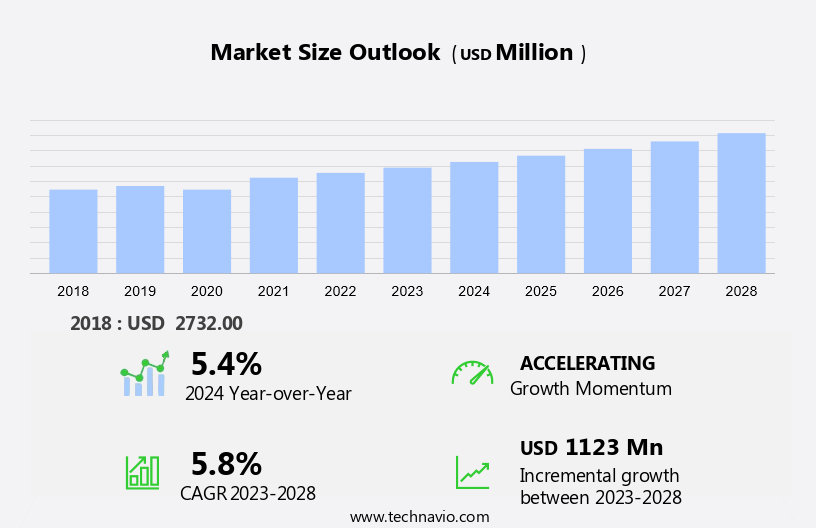
The safety instrumented systems market size is forecast to increase by USD 1.12 billion at a CAGR of 5.8% between 2023 and 2028.
- The Safety Instrumented Systems (SIS) market is experiencing significant growth due to the increasing demand in various industries such as oil and gas, petrochemical, and agricultural commodities. One of the primary drivers for this growth is the growth in the usage of automation systems to enhance safety and efficiency in production processes. Additionally, the adoption of advanced technologies like digital infrastructure, molecular diagnostics, and point-of-care (POC) techniques for sepsis diagnostics and blood culture analysis is contributing to the market expansion.
- However, the market faces challenges such as cybersecurity threats and the need for safety system engineering to ensure the reliability and effectiveness of SIS. As oil prices continue to fluctuate, the focus on implementing cost-effective and efficient safety solutions is becoming increasingly important. Companies must prioritize cybersecurity measures to protect against potential breaches and invest in research and development to stay competitive In the market.
What will be the Size of the Safety Instrumented Systems Market During the Forecast Period?
- The Safety Instrumentation Systems (SIS) market plays a crucial role in maintaining industrial process safety and ensuring regulatory compliance across various industries. These systems are designed to detect and respond to potential hazards, preventing accidents and minimizing risks. Industrial processes encompassing sectors such as chemicals and petrochemicals, power generation, oil and gas, food and beverages, automotive manufacturing, and others, are subject to stringent safety regulations. Safety instrumentation systems are essential components of industrial safety management, providing critical safety functions for processes involving toxic gases, hazardous chemicals, and high-energy applications. Safety instrumentation systems consist of safety switches, emergency shutdown systems (ESD), safety sensors, and other safety components. These systems enable hazard identification, risk assessment, and implementation of safety measures. They are integral to industrial safety management, ensuring the protection of workers, assets, and the environment.
- Similarly, safety regulations mandate the implementation of safety instrumentation systems in industries to prevent accidents and minimize risks. In the event of toxic gas incidents or other hazardous conditions, these systems facilitate quick response and effective mitigation. Advanced technologies such as the Industrial Internet of Things (IIoT) and Artificial Intelligence (AI) are increasingly being integrated into safety instrumentation systems. Remote monitoring and cloud-based solutions enable real-time data analysis and predictive maintenance, enhancing system reliability and reducing downtime. Safety instrumentation systems are essential in industries where safety is paramount. In power generation, they protect against power grows and electrical faults. In the oil and gas sector, they ensure the safe operation of drilling and production processes. In the food and beverage industry, they prevent contamination and ensure product safety. In automotive manufacturing, machine safety is a top priority. Safety instrumentation systems enable the implementation of safety measures, ensuring worker safety and product quality. In the petrochemical industry, these systems protect against hazardous chemical reactions and ensure environmental protection.
- Furthermore, safety instrumentation systems are a vital investment for industries seeking to maintain a safe and compliant operational environment. By implementing these systems, industries can mitigate risks, prevent accidents, and ensure regulatory compliance. In summary, the Safety Instrumentation Systems market plays a crucial role in maintaining industrial process safety and ensuring regulatory compliance across various industries. These systems are essential for detecting and responding to potential hazards, preventing accidents, and minimizing risks. With the integration of advanced technologies such as IIoT and AI, safety instrumentation systems are becoming more efficient and effective, enabling real-time data analysis and predictive maintenance.
How is this Safety Instrumented Systems Industry segmented and which is the largest segment?
The safety instrumented systems industry research report provides comprehensive data (region-wise segment analysis), with forecasts and estimates in "USD billion" for the period 2024-2028, as well as historical data from 2018-2022 for the following segments.
- Application
- Emergency shutdown systems
- Fire and gas monitoring and control
- Others
- Geography
- APAC
- China
- India
- Europe
- Germany
- North America
- US
- South America
- Middle East and Africa
- APAC
By Application Insights
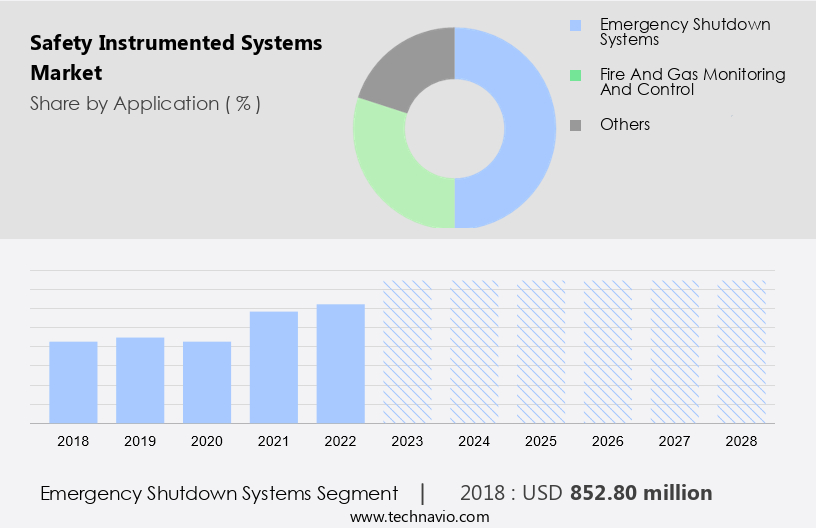
- The emergency shutdown systems segment is estimated to witness significant growth during the forecast period.
In the market, Emergency Shut Down (ESD) systems held the largest share in 2023. This growth can be attributed to the increasing intricacy of manufacturing and industrial processes. The number of industrial accidents has been on the rise in recent years, necessitating advanced safety systems. In industries such as oil and gas, where security concerns are paramount, the demand for ESD systems is particularly high. For instance, in countries like Mexico, where pipelines are susceptible to attacks and theft, automated and reliable emergency shutdown systems that enable remote operations are in high demand. These factors are anticipated to fuel market growth throughout the forecast period. The market is witnessing significant expansion due to the increasing complexity of manufacturing and industrial applications. The market's growth is driven by the increasing number of industrial accidents and the growing importance of safety in various industries, particularly in oil and gas.
In countries where pipeline security is a concern, such as Mexico, there is a high demand for automated and dependable emergency shutdown systems that support remote operations. These factors are expected to propel market growth throughout the forecast period. In the industrial sector, safety is a top priority, and safety instrumented systems play a crucial role in ensuring the safety and reliability of processes. The oil and gas industry, in particular, has seen a growth in demand for these systems due to heightened security concerns and the need for remote operations. In countries where pipeline security is a significant issue, such as Mexico, the demand for automated and dependable emergency shutdown systems is particularly high. These factors are expected to drive the growth of the market In the coming years. The market is witnessing expansion due to the increasing complexity of manufacturing and industrial processes. The market's growth is fueled by the rising number of industrial accidents and the growing importance of safety in various industries, particularly In the oil and gas sector.
Get a glance at the Safety Instrumented Systems Industry report of share of various segments Request Free Sample
The emergency shutdown systems segment was valued at USD 852.80 million in 2018 and showed a gradual increase during the forecast period.
Regional Analysis
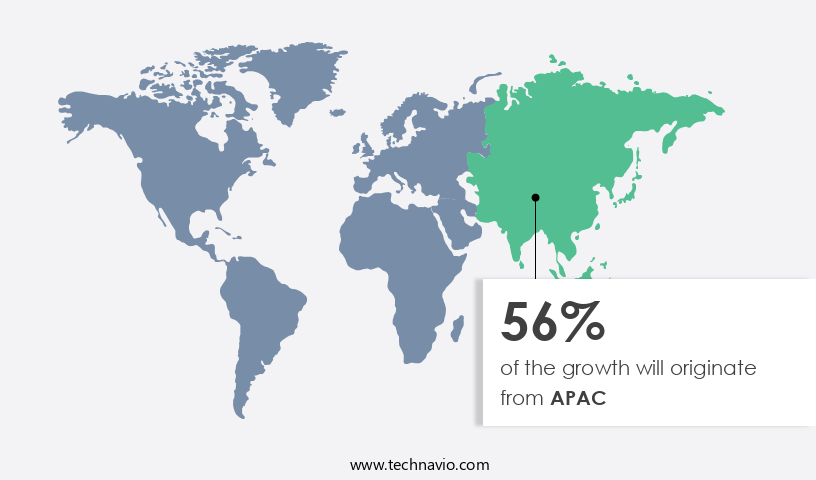
- APAC is estimated to contribute 56% to the growth of the global market during the forecast period.
Technavio's analysts have elaborately explained the regional trends and drivers that shape the market during the forecast period.
For more insights on the market share of various regions, Request Free Sample
Safety Instrumented Systems (SIS) are essential components in safeguarding various industrial processes and automation systems by delivering protective functions. The engineering of safety systems involves a systematic approach to identifying hazards, specifying safety requirements, and maintaining the systems throughout a plant's lifecycle. The expansion of the petrochemical and power generation sectors significantly contributes to the growth of the market.
As the process industry progresses towards stricter safety standards, advanced control systems, such as emergency shutdown systems (ESD) and safety interlock systems, become crucial for maintaining profitability while adhering to evolving requirements. These systems manage critical components like steam turbines, compressors, and variable speed drives. The Industrial Automation sector's integration of Internet of Things (IoT) and Artificial Intelligence (AI) technologies further enhances safety measures, ensuring optimal performance and flexibility in industrial applications.
Market Dynamics
Our researchers analyzed the data with 2023 as the base year, along with the key drivers, trends, and challenges. A holistic analysis of drivers will help companies refine their marketing strategies to gain a competitive advantage.
What are the key market drivers leading to the rise In the adoption of Safety Instrumented Systems Industry?
The growth in usage in oil and gas, chemical, and other industries is the key driver of the market.
- Safety Instrumented Systems (SIS) consist of sensors, logic solvers, and final control elements designed to transition a process to a safe state when specific conditions are breached. The advantages of SIS over conventional safety systems are driving market expansion. The chemicals and petrochemicals sector, known for its continuous development, requires infrastructure upgrades and solutions to address aging safety issues. Traditional safety systems, which rely on electrical control systems and are hardwired, pose potential risks to personnel, assets, and the environment. To mitigate these risks, the petrochemical industry is increasingly adopting SIS.
- Furthermore, these systems offer numerous benefits, including extended field life, decreased unplanned downtime, reduced annual maintenance costs, elimination of unexpected repair expenses, and compliance with current safety standards. Cloud-based solutions and AI integration are revolutionizing SIS, enabling remote monitoring and predictive maintenance. Functional safety standards, such as Safety Integrity Levels (SIL), ensure the reliability and performance of SIS in critical applications. Integrated safety solutions, including pressure control and temperature control, further enhance process safety and efficiency. SIS applications extend beyond the chemicals and petrochemicals sector, encompassing industries like pharmaceuticals and captive power generation. By delivering enhanced safety, reliability, and efficiency, SIS is a vital investment for businesses seeking to minimize risks and optimize operations.
What are the market trends shaping the Safety Instrumented Systems Industry?
The rise in adoption of automation systems is the upcoming market trend.
- Automation control systems play a crucial role In the oil and gas sector, ensuring process accuracy and efficiency. Despite the volatility in crude oil prices since 2014, companies in this industry continue to invest in automated processes for their oil and gas plants. One such system extensively used is Distributed Control Systems (DCS). These systems facilitate better control over the production process, which is essential In the continuous and complex monitoring environment of the oil and gas industry. Safety regulations and industrial safety management are paramount in this sector, with a focus on preventing accidents, particularly toxic gas incidents.
- In power generation, food and beverage, and oil and gas industries, safety switches are integral components of safety instrumented systems (SIS). These systems are designed to minimize the risk of hazardous situations, ensuring the protection of personnel and the environment. The regulatory environment In the US is stringent, with various agencies overseeing safety and environmental regulations. Compliance with these regulations is crucial for companies to maintaIn their operations and reputation. The oil and gas industry's focus on safety and efficiency is driving the demand for advanced safety instrumented systems.
- Thus, the adoption of safety instrumented systems, including DCS and safety switches, is essential for the oil and gas industry to maintain operational efficiency, ensure safety, and comply with regulatory requirements. These systems contribute significantly to preventing accidents, minimizing environmental pollution, and enhancing overall industrial safety management.
What challenges does the Safety Instrumented Systems Industry face during its growth?
Cybersecurity threats are key challenges affecting the industry's growth.
- In the oil and gas sector, the implementation of Automated Systems, including Level Control, Flow Control, Sensors, Controllers, Actuators, and Software, has significantly enhanced productivity and efficiency. However, these systems come with a heightened risk of cybersecurity threats, particularly cyberattacks. The increasing use of Communication Networks, Data Analytics, Wireless Technologies, and Remote Monitoring Systems has expanded the industry's digital footprint, making it more vulnerable to cyber threats. Cyberattacks on infrastructure such as drilling rigs can lead to operational failures and unethical data usage. The potential consequences of these attacks can range from minor disruptions to major catastrophes. With the proliferation of connected devices and web-based communication, the risk of network vulnerability has escalated.
- To mitigate these risks, companies are investing in advanced cybersecurity solutions. These solutions include firewalls, intrusion detection systems, and encryption technologies. Additionally, implementing strict access control policies, regular software updates, and employee training programs can help strengthen the cybersecurity posture of organizations In the oil and gas industry. In summary, while the benefits of automated systems In the oil and gas sector are undeniable, the heightened risk of cyberattacks necessitates a cybersecurity strategy. Companies must prioritize cybersecurity to protect their infrastructure, data, and operations from potential threats.
Exclusive Customer Landscape
The safety instrumented systems market forecasting report includes the adoption lifecycle of the market, market growth and forecasting, covering from the innovator's stage to the laggard's stage. It focuses on adoption rates in different regions based on penetration. Furthermore, the safety instrumented systems market report also includes key purchase criteria and drivers of price sensitivity to help companies evaluate and develop their market growth analysis strategies.
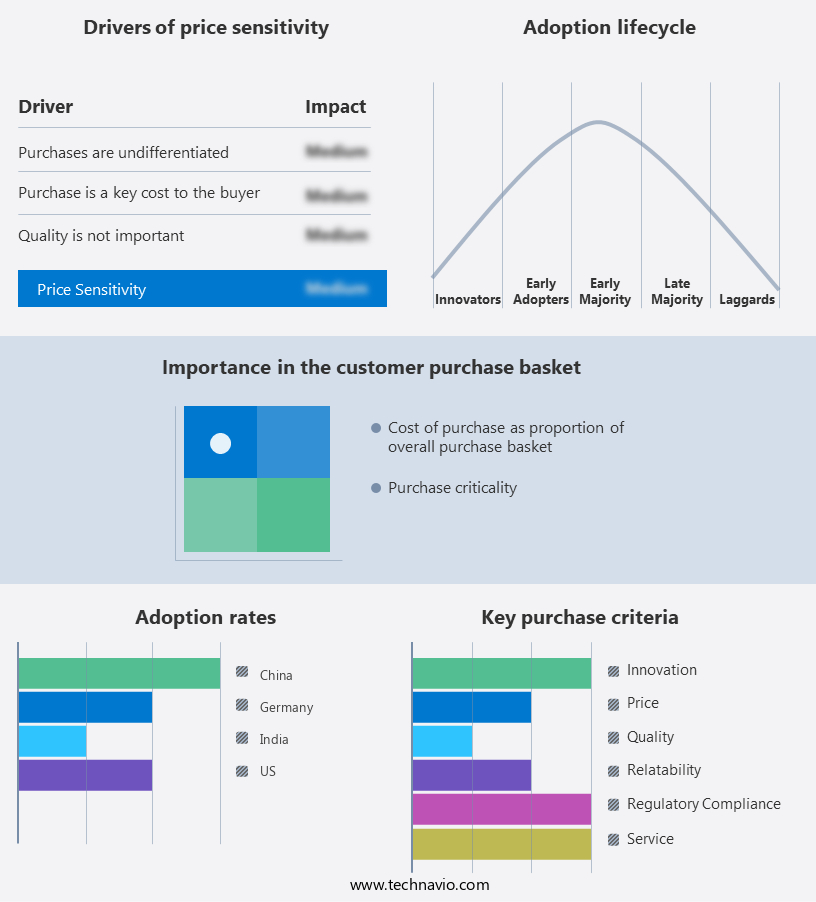
Customer Landscape
Key Companies & Market Insights
Companies are implementing various strategies, such as strategic alliances, safety instrumented systems market forecast, partnerships, mergers and acquisitions, geographical expansion, and product/service launches, to enhance their presence In the industry. The industry research and growth report includes detailed analyses of the competitive landscape of the market and information about key companies, including:
- ABB
- Emerson Electric Co.
- General Electric Co.
- HIMA Paul Hildebrandt GmbH
- Honeywell International Inc.
- Indian Devices & Engineering Corp.
- INTECH Process Automation Inc.
- Johnson Controls International Plc.
- Mitsubishi Electric Corp.
- OMRON Corp.
- Pilz GmbH and Co. KG
- Rockwell Automation Inc.
- Schlumberger Ltd.
- Schneider Electric SE
- SGS SA
- Siemens AG
- SIS-TECH Solutions
- Yokogawa Electric Corp.
Qualitative and quantitative analysis of companies has been conducted to help clients understand the wider business environment as well as the strengths and weaknesses of key industry players. Data is qualitatively analyzed to categorize companies as pure play, category-focused, industry-focused, and diversified; it is quantitatively analyzed to categorize companies as dominant, leading, strong, tentative, and weak.
Research Analyst Overview
Safety instrumented systems (SIS) play a crucial role in industrial safety management by preventing accidents and ensuring environmental protection in various sectors. The regulatory environment for industrial safety is stringent, with regulations governing power generation, oil and gas, food and beverage, automotive manufacturing, and other industries. Safety instrumentation systems are essential in industries prone to toxic gas incidents, such as petrochemical and chemical plants. Safety system engineering is employed to identify hazards and implement safety measures using advanced technologies like IoT, artificial intelligence (AI), and digital infrastructure. SIS components include safety switches, sensors, controllers, actuators, and communication networks. These systems are integral to machine safety, emergency shutdown systems (ESD), and safety interlock systems.
Functional safety standards like SIL ensure safety integrity levels in critical industrial processes. Pharmaceutical manufacturing and captive power generation also rely on safety instrumentation systems for process control, including temperature, pressure, and flow control. Remote monitoring systems and cloud-based solutions enable real-time data analytics, enhancing safety management and reducing geopolitical risks. Safety equipment, such as sensors and controllers, are integral to wastewater treatment plants and other applications. The oil and gas industry's focus on safety measures, including IIoT and AI, has led to the adoption of integrated safety solutions. Safety instrumentation systems are also crucial In the automotive manufacturing sector, ensuring machine safety and environmental protection.
|
Market Scope |
|
|
Report Coverage |
Details |
|
Page number |
165 |
|
Base year |
2023 |
|
Historic period |
2018-2022 |
|
Forecast period |
2024-2028 |
|
Growth momentum & CAGR |
Accelerate at a CAGR of 5.8% |
|
Market growth 2024-2028 |
USD 1.12 billion |
|
Market structure |
Fragmented |
|
YoY growth 2023-2024(%) |
5.4 |
|
Key countries |
US, China, Germany, and India |
|
Competitive landscape |
Leading Companies, Market Positioning of Companies, Competitive Strategies, and Industry Risks |
What are the Key Data Covered in this Safety Instrumented Systems Market Research and Growth Report?
- CAGR of the Safety Instrumented Systems industry during the forecast period
- Detailed information on factors that will drive the growth and forecasting between 2024 and 2028
- Precise estimation of the size of the market and its contribution of the industry in focus to the parent market
- Accurate predictions about upcoming growth and trends and changes in consumer behaviour
- Growth of the market across APAC, Europe, North America, South America, and Middle East and Africa
- Thorough analysis of the market's competitive landscape and detailed information about companies
- Comprehensive analysis of factors that will challenge the safety instrumented systems market growth of industry companies
We can help! Our analysts can customize this safety instrumented systems market research report to meet your requirements.
 RIA -
RIA - 
