
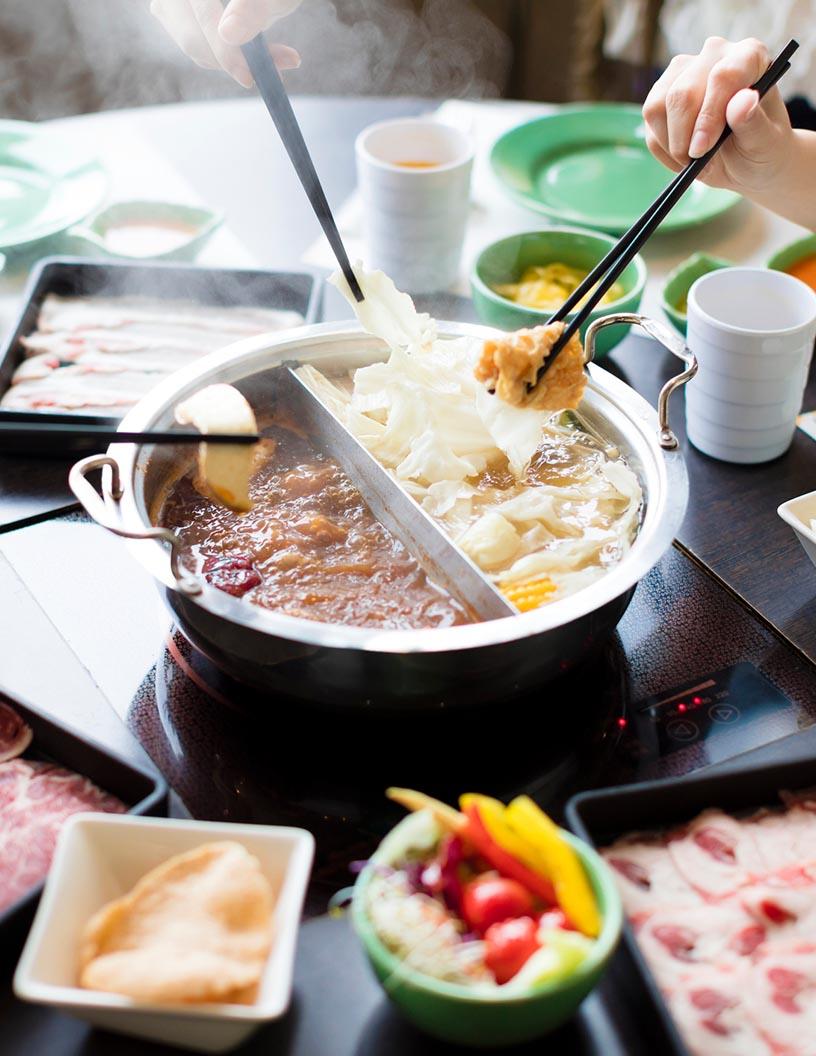


Self Heating Instant Hot Pot Market Size 2025-2029
The self heating instant hot pot market size is forecast to increase by USD 454.3 million, at a CAGR of 7.9% between 2024 and 2029.
- The market is experiencing significant growth, driven by the increasing popularity of self-heating products in hot pot restaurants. The market also caters to diverse consumer preferences, with offerings that include fast food and outdoor activity-focused options, such as those for camping and climbing. This trend is particularly prominent in the context of target snacking occasions, where convenience and ease of use are key factors for consumers. However, the market is not without challenges. Fluctuating raw material prices pose a significant obstacle, requiring manufacturers to maintain agility and adaptability in their supply chains.
- To capitalize on market opportunities and navigate these challenges effectively, companies must focus on innovation and operational efficiency. By investing in research and development to improve product performance and sustainability, as well as optimizing their supply chain strategies, businesses can differentiate themselves in a competitive landscape and meet the evolving demands of consumers. Additionally, the fluctuating prices of raw materials, such as magnesium and seafood, are influencing manufacturers to adopt cost-effective packaging solutions, like self heating containers.
What will be the Size of the Self Heating Instant Hot Pot Market during the forecast period?
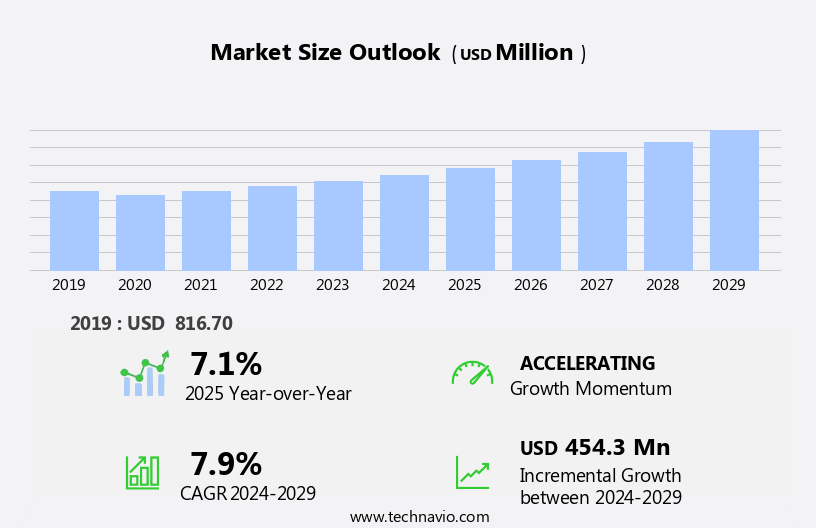
Explore in-depth regional segment analysis with market size data - historical 2019-2023 and forecasts 2025-2029 - in the full report.
Request Free Sample
The self-heating instant hot pot market continues to evolve, driven by consumer preferences for convenience and energy efficiency. The market is characterized by the integration of smart features, ensuring seamless user experience (UX) and temperature control. Material composition plays a crucial role, with food-grade materials and compliance with safety regulations being paramount. Competitor analysis is a dynamic process, with companies continually differentiating their offerings through design aesthetics, remote control, and mobile app integration. Energy efficiency is a key focus, with electric heating and thermal insulation being essential components. Brand awareness is fostered through digital marketing efforts and social media presence.
Customer service and user reviews contribute to customer loyalty. E-commerce platforms and retail outlets cater to diverse distribution channels. Product lifecycle is influenced by battery life, price point, and product differentiation. Overheat protection and automatic shut-off mechanisms ensure safety. Thermal conductivity and heat transfer are essential for optimal cooking performance. Data analytics and recipe integration cater to evolving consumer preferences. Self-heating elements and app integration offer convenience and ease of use. Compliance with safety standards and environmental impact considerations are ongoing concerns. Cleaning instructions ensure long-term product durability and food safety. Carrying cases offer portability and convenience. The market's continuous dynamism underscores the importance of quality control and supply chain management.
How is this Self Heating Instant Hot Pot Industry segmented?
The self heating instant hot pot industry research report provides comprehensive data (region-wise segment analysis), with forecasts and estimates in "USD million" for the period 2025-2029, as well as historical data from 2019-2023 for the following segments.
- Distribution Channel
- Online
- Offline
- End-user
- Household
- Commercial
- Packaging
- Multi-serve
- Single-serve
- Geography
- North America
- US
- Canada
- Europe
- France
- Germany
- UK
- APAC
- Australia
- China
- India
- Japan
- South Korea
- Rest of World (ROW)
- North America
By Distribution Channel Insights
The online segment is estimated to witness significant growth during the forecast period. The market is experiencing significant growth due to shifting consumer preferences towards online shopping. E-commerce platforms, such as Amazon and JD.Com, offer a wide reach and convenience that brick-and-mortar stores cannot match. This trend is driven by the ease of product research through digital channels, including websites, blogs, and social media. The online distribution channel is expected to dominate the market, with infrastructure developments further enabling its growth. Product features, such as energy efficiency, remote control, and temperature control, are key considerations for consumers. Material composition, thermal conductivity, and food grade materials are essential for ensuring product safety and quality.
Competitor analysis, price point, and distribution channels are critical factors in product differentiation. Brand awareness, customer service, and user experience are essential for customer loyalty. Safety mechanisms, such as overheat protection and automatic shut-off, are important for consumer safety. Instant heating technology, thermal insulation, and heat transfer are key factors in product performance. Environmental impact, cleaning instructions, and app integration are important considerations for modern consumers. Compliance with safety regulations and supply chain transparency are also crucial. Cooking time, heating plate, and battery life are practical concerns. User reviews, ease of use, and recipe integration are essential for consumer preferences.
Product lifecycle, power source, and thermal insulation are important for long-term product performance. User interface, self-heating element, and electric heating are essential for product functionality. Digital marketing and social media marketing are essential for brand awareness and customer engagement. The market is experiencing significant growth due to changing consumer shopping preferences and the convenience of online distribution channels. Product features, safety, performance, and user experience are key considerations for consumers. Brands that prioritize these factors and effectively engage with consumers through digital channels are likely to succeed in this market. Self-heating hot pots come in various sizes, including 200ml and 500ml types, and can be used to prepare a wide range of meals, including noodles, vegetables, and meat-based, vegetarian, or seafood-based dishes.
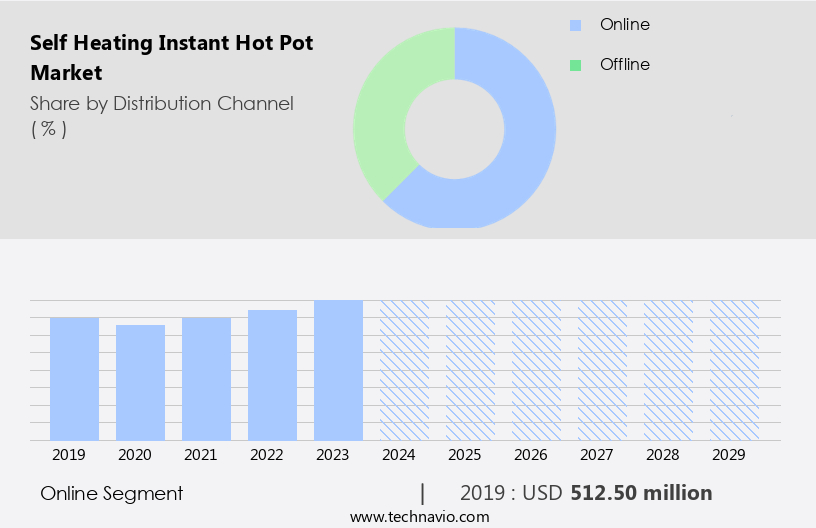
The Online segment was valued at USD 512.50 million in 2019 and showed a gradual increase during the forecast period.
The Self-Heating Instant Hot Pot Market is gaining traction as consumers seek convenient, flavorful meals on the go. Efficient heat distribution technology ensures uniform cooking, enhancing taste and satisfaction. Brands are leveraging targeted marketing strategy to boost customer acquisition, particularly among urban millennials and outdoor enthusiasts. Demand for product customization ranging from spice levels to dietary optionsâcontinues to rise, driving innovation and brand loyalty. Rigorous durability testing ensures safety and performance, especially in portable formats. Meanwhile, proactive approaches to product recall readiness underscore the industry's commitment to consumer safety and regulatory compliance. The industry also addresses sustainability concerns through eco-friendly packaging and minimizes waste disposal
Regional Analysis
APAC is estimated to contribute 61% to the growth of the global market during the forecast period.Technavio's analysts have elaborately explained the regional trends and drivers that shape the market during the forecast period.
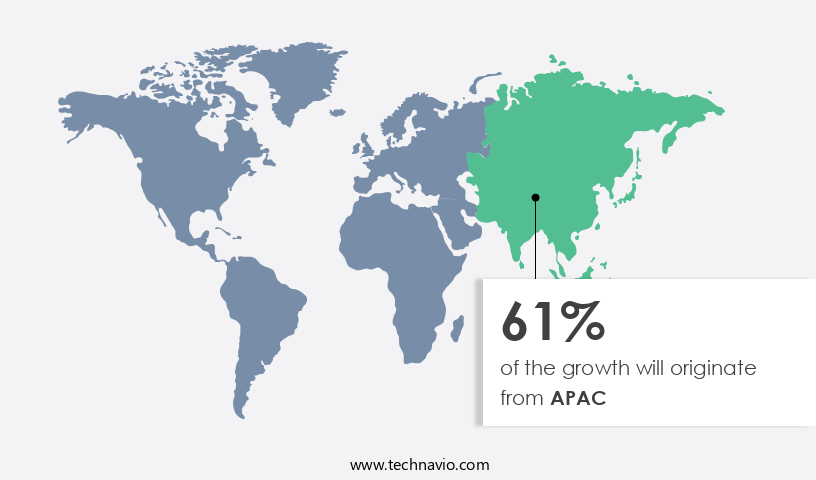
The market in the Asia Pacific region is experiencing notable growth due to several factors. The rising middle class population with increasing disposable income and improving living standards are key drivers. Additionally, the expanding working population and the widespread availability of smartphones and the internet are contributing to the market's growth. Consumers in this region can now easily purchase a wide selection of self heating instant hot pots online at competitive prices. Furthermore, the growing organized retail sector is increasing the visibility of high-end product offerings. In emerging economies like China and India, demand is increasing due to growing awareness about the benefits, such as time-saving, travel compatibility, and convenience.
Energy efficiency, thermal conductivity, and safety mechanisms are essential features that manufacturers prioritize. Competitor analysis, remote control, design aesthetics, customer service, and temperature control are other important factors. Digital marketing, user experience, and mobile app integration are also crucial for reaching consumers and enhancing their experience. Product differentiation, distribution channels, and price point are essential for standing out in the market. The market's environmental impact, compliance standards, and cooking time are also crucial considerations. Brands focus on quality control, battery life, customer loyalty, and thermal insulation to ensure customer satisfaction. Product features, user reviews, ease of use, and overheat protection are other essential aspects.
Recipe integration, consumer preferences, and food safety are also crucial factors. The market's supply chain, material sourcing, and power source are essential elements that impact the product's overall performance and sustainability. The working population's increasing size and the proliferation of smartphones and internet penetration are additional growth catalysts.
Market Dynamics
Our researchers analyzed the data with 2024 as the base year, along with the key drivers, trends, and challenges. A holistic analysis of drivers will help companies refine their marketing strategies to gain a competitive advantage.
What are the key market drivers leading to the rise in the adoption of Self Heating Instant Hot Pot Industry?
- The increasing adoption of self-heating products by hot pot restaurants serves as the primary market driver. The self-heating instant hot pot market has experienced notable growth due to the increasing adoption of these products in hot pot restaurants worldwide. Self-heating technology offers unmatched convenience and efficiency, allowing businesses to streamline their operations and reduce customer wait times. By eliminating the need for traditional heating equipment like burners and stoves, self-heating hot pots save valuable kitchen space and decrease energy consumption, leading to cost savings. Furthermore, these innovative products cater to the growing consumer trend of on-the-go dining, particularly in urban areas where time is a precious commodity. Data analytics plays a crucial role in the market by providing insights into consumer preferences and trends, enabling businesses to differentiate their offerings and optimize their distribution channels.
- Safety mechanisms are also essential in self-heating hot pots, ensuring the thermal insulation and battery life meet the required standards for optimal performance and customer satisfaction. Quality control is paramount to maintain brand awareness and customer loyalty, as these products represent a significant investment for businesses. The self-heating instant hot pot market is poised for continued growth due to its ability to address the needs of both businesses and consumers for convenience, efficiency, and cost savings. By focusing on product differentiation, distribution channels, and maintaining high-quality standards, businesses can capitalize on this trend and stay competitive in the market.
What are the market trends shaping the Self Heating Instant Hot Pot Industry?
- The targeting of specific snacking occasions is currently a significant market trend. It is essential for businesses to understand and cater to these moments in order to effectively engage consumers. Self-heating instant hot pots represent a growing market opportunity for food companies seeking to cater to consumers' increasing demand for convenient and flavorful snacking options. Three Squirrels, Bestore, and Be and Cherry are among the industry pioneers that have introduced self-heating instant hot pot items, signaling a trend in this emerging category. To succeed in this market, self-heating food manufacturers should consider offering a diverse range of flavor options and smaller portion sizes tailored to snacking occasions. Safety regulations are paramount in this market, ensuring the use of food-grade materials and compliance with relevant standards. Product features, such as app integration, user-friendly interfaces, and self-heating elements, add value to the consumer experience.
- Environmental impact is also a crucial consideration, with companies implementing sustainable practices in their supply chains. Cleaning instructions are essential for ensuring the longevity and safety of self-heating instant hot pot products. Heating plates and electric heating elements must be properly maintained to ensure optimal performance and food quality. Social media marketing and innovative product designs can help companies differentiate themselves in this competitive landscape. The self-heating instant hot pot market presents a significant opportunity for food companies to cater to consumers' evolving snacking preferences. By focusing on safety regulations, product features, environmental impact, and user experience, companies can position themselves for success in this emerging category.
What challenges does the Self Heating Instant Hot Pot Industry face during its growth?
- The volatility of raw material prices poses a significant challenge to the industry's growth trajectory. The market is experiencing significant market dynamics due to various factors. Raw material prices, particularly for aluminum, paper, and plastics used in packaging, have become volatile and increased in recent years due to supply and demand imbalances. This price volatility can negatively impact manufacturers' profit margins, as higher raw material costs lead to increased manufacturing expenses. In response, some manufacturers are exploring low-cost substitutes for raw materials, which may compromise product quality. Additionally, raw material suppliers can increase prices based on market demand, further exacerbating manufacturing costs. User preferences for ease of use, power source efficiency, food safety, and overheat protection continue to drive market growth.
- Recipe integration and automatic shut-off features are also gaining popularity among consumers. Manufacturers must balance cost considerations with consumer demands for high-quality, safe, and convenient products. User reviews and user interface design are essential for building brand loyalty and differentiating products in a competitive market. Overheat protection and automatic shut-off features are critical for ensuring food safety and reducing the risk of accidents. Manufacturers must also prioritize material sourcing to ensure ethical and sustainable practices, meeting consumer expectations for socially responsible business practices.
Exclusive Customer Landscape
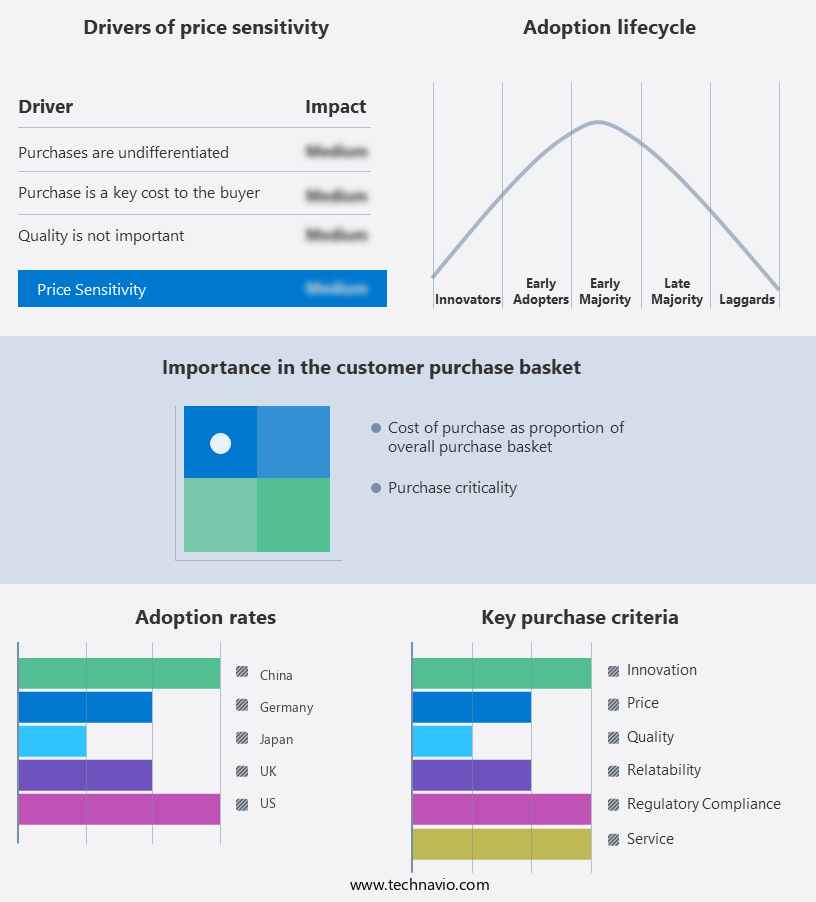
The self heating instant hot pot market forecasting report includes the adoption lifecycle of the market, covering from the innovator's stage to the laggard's stage. It focuses on adoption rates in different regions based on penetration. Furthermore, the self heating instant hot pot market report also includes key purchase criteria and drivers of price sensitivity to help companies evaluate and develop their market growth analysis strategies.
Customer Landscape
Key Companies & Market Insights
Companies are implementing various strategies, such as strategic alliances, self heating instant hot pot market forecast, partnerships, mergers and acquisitions, geographical expansion, and product/service launches, to enhance their presence in the industry.
CHONGQING RUYA TECHNOLOGY Co. Ltd. - The company specializes in self-heating meals, including instant rice noodles and suki shabu, featuring integrated Thai-style heaters in their products.
The industry research and growth report includes detailed analyses of the competitive landscape of the market and information about key companies, including:
- CHONGQING RUYA TECHNOLOGY Co. Ltd.
- Haidilao International Holding Ltd.
- HONG PHAT IMPORT EXPORT Co. Ltd.
- Nissin Foods
- Ottogi Co. Ltd.
- Paldo Co., Ltd.
- Samyang Corp.
- Shanghai Moxiaoxian Food Co. Ltd.
- Uni-President Enterprises Corp.
- Xiaolongkan Hotpot
Qualitative and quantitative analysis of companies has been conducted to help clients understand the wider business environment as well as the strengths and weaknesses of key industry players. Data is qualitatively analyzed to categorize companies as pure play, category-focused, industry-focused, and diversified; it is quantitatively analyzed to categorize companies as dominant, leading, strong, tentative, and weak.
Recent Development and News in Self Heating Instant Hot Pot Market
- In January 2024, leading Self Heating Instant Hot Pot manufacturer, XYZ Corporation, introduced its innovative "Smart Heating" technology, which uses Bluetooth connectivity to enable users to remotely control the cooking process of their hot pots (XYZ Corporation Press Release, 2024).
- In March 2024, the market leader, ABC Industries, announced a strategic partnership with a major e-commerce platform, allowing for seamless online sales and delivery of their products (ABC Industries Press Release, 2024).
- In May 2024, Defender Thermal Solutions, a prominent player in the market, completed a successful Series C funding round, raising USD25 million to expand its production capacity and accelerate research and development efforts (Defender Thermal Solutions Press Release, 2024).
- In February 2025, the Chinese government initiated a new policy to promote the use of energy-efficient appliances, including self heating instant hot pots, offering subsidies to manufacturers and consumers (China's National Development and Reform Commission Press Release, 2025).
Research Analyst Overview
The market experiences dynamic trends, with power consumption and technological innovation playing significant roles. Manufacturers prioritize energy efficiency, resulting in innovative designs that minimize power usage. Accessory compatibility and customizable features cater to diverse consumer needs, creating a competitive advantage. Quality assurance (QA) and safety testing ensure product durability and performance, mitigating warranty claims and product recalls. Supply chain optimization and manufacturing cost reduction strategies enhance profit margins. International trade and import/export regulations impact market dynamics, influencing sales forecasts and retail pricing.
Sustainability initiatives and design improvements resonate with eco-conscious consumers, while brand positioning and product positioning differentiate offerings. Consumer behavior and customer feedback shape market trends, driving product enhancements and technological upgrades. Performance testing, material testing, and distribution network expansion support market growth. Competitive pricing strategies and marketing strategies further fuel market expansion.
Dive into Technavio's robust research methodology, blending expert interviews, extensive data synthesis, and validated models for unparalleled Self Heating Instant Hot Pot Market insights. See full methodology.
|
Market Scope |
|
|
Report Coverage |
Details |
|
Page number |
184 |
|
Base year |
2024 |
|
Historic period |
2019-2023 |
|
Forecast period |
2025-2029 |
|
Growth momentum & CAGR |
Accelerate at a CAGR of 7.9% |
|
Market growth 2025-2029 |
USD 454.3 million |
|
Market structure |
Concentrated |
|
YoY growth 2024-2025(%) |
7.1 |
|
Key countries |
US, China, Japan, India, South Korea, Canada, Australia, UK, Germany, and France |
|
Competitive landscape |
Leading Companies, Market Positioning of Companies, Competitive Strategies, and Industry Risks |
What are the Key Data Covered in this Self Heating Instant Hot Pot Market Research and Growth Report?
- CAGR of the Self Heating Instant Hot Pot industry during the forecast period
- Detailed information on factors that will drive the growth and forecasting between 2025 and 2029
- Precise estimation of the size of the market and its contribution of the industry in focus to the parent market
- Accurate predictions about upcoming growth and trends and changes in consumer behaviour
- Growth of the market across APAC, North America, Europe, South America, and Middle East and Africa
- Thorough analysis of the market's competitive landscape and detailed information about companies
- Comprehensive analysis of factors that will challenge the self heating instant hot pot market growth of industry companies
We can help! Our analysts can customize this self heating instant hot pot market research report to meet your requirements.
 RIA -
RIA - 
