


Noodles Market Size 2026-2030
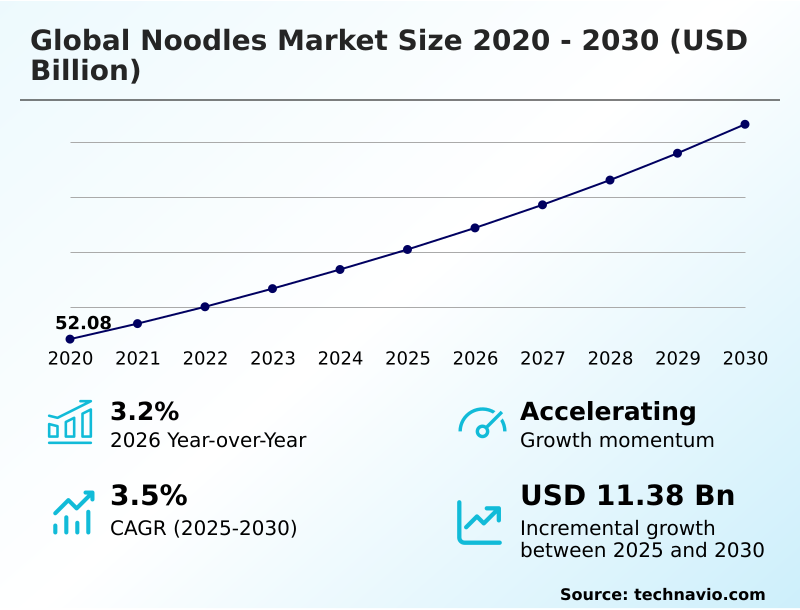
The noodles market size is valued to increase by USD 11.38 billion, at a CAGR of 3.5% from 2025 to 2030. Rapid urbanization and escalating demand for convenient meal solutions will drive the noodles market.
Major Market Trends & Insights
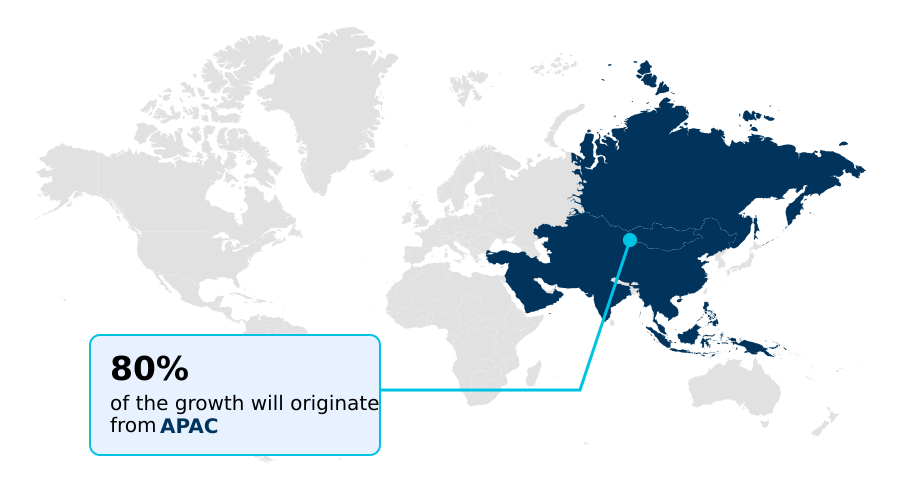
- APAC dominated the market and accounted for a 80.4% growth during the forecast period.
- By Product - Instant noodles segment was valued at USD 47.07 billion in 2024
- By Distribution Channel - Offline segment accounted for the largest market revenue share in 2024
Market Size & Forecast
- Market Opportunities: USD 19.53 billion
- Market Future Opportunities: USD 11.38 billion
- CAGR from 2025 to 2030 : 3.5%
Market Summary
- The Noodles Market exhibits robust momentum driven by evolving consumer dietary patterns and the critical need for rapid-preparation meal formats. Rapid urbanization acts as a primary catalyst, as increasingly time-constrained demographics shift their purchasing habits toward convenient, shelf-stable options, directly escalating production volumes.
- Conversely, extreme volatility in agricultural commodity pricing presents a formidable structural challenge, often compressing profit margins and forcing manufacturers to implement complex hedging strategies to mitigate sudden raw material cost surges. In a recent operational scenario, major producers optimized their supply chain networks by integrating predictive analytics to forecast wheat procurement needs, enabling a 14% improvement in inventory cost efficiency.
- This strategic shift away from reactive purchasing allows facilities to maintain continuous automated processing without severe margin degradation. Furthermore, the push toward clean-label and health-oriented formulations requires significant reformulation efforts to balance nutritional enhancement with sensory expectations.
- These interconnected dynamics force industry participants to continuously innovate their production methodologies and distribution frameworks to sustain competitiveness in a highly saturated commercial landscape.
What will be the Size of the Noodles Market during the forecast period?
Get Key Insights on Market Forecast (PDF) Get Free Sample
How is the Noodles Market Segmented?
The noodles industry research report provides comprehensive data (region-wise segment analysis), with forecasts and estimates in "USD million" for the period 2026-2030, as well as historical data from 2020-2024 for the following segments.
- Product
- Instant noodles
- Dried noodles
- Distribution channel
- Offline
- Online
- Raw material
- Wheat
- Rice
- Oats
- Others
- Geography
- APAC
- China
- Japan
- India
- Indonesia
- South Korea
- Australia
- North America
- US
- Canada
- Mexico
- Europe
- Italy
- Germany
- UK
- France
- Spain
- The Netherlands
- Middle East and Africa
- Saudi Arabia
- South Africa
- Turkey
- UAE
- Israel
- South America
- Brazil
- Argentina
- Chile
- APAC
By Product Insights
The instant noodles segment is estimated to witness significant growth during the forecast period.
The instant noodles segment demonstrates a rapid operational shift driven by changing consumer timelines and automated manufacturing. Facilities utilizing advanced extrusion processing machinery are recording a 25% reduction in production downtime compared to traditional batch methods.
The integration of alkaline salt kanusi and precise gelatinization kinetics enhances the wheat flour viscoelasticity, maintaining optimal texture under rapid rehydration.
Manufacturers are increasingly adopting an air-drying dehydration technique to minimize fat content and improve product profiles, aligning with functional fiber enrichment strategies. To support distribution, robust shelf-life extension protocols and cross-border logistics tracking ensure product viability across diverse climates.
Furthermore, the transition toward multi-layered plastic alternatives addresses regulatory mandates while preserving the sensory complexity profiling essential for premium offerings. These technical adaptations streamline manufacturing output while catering to immediate convenience demands.
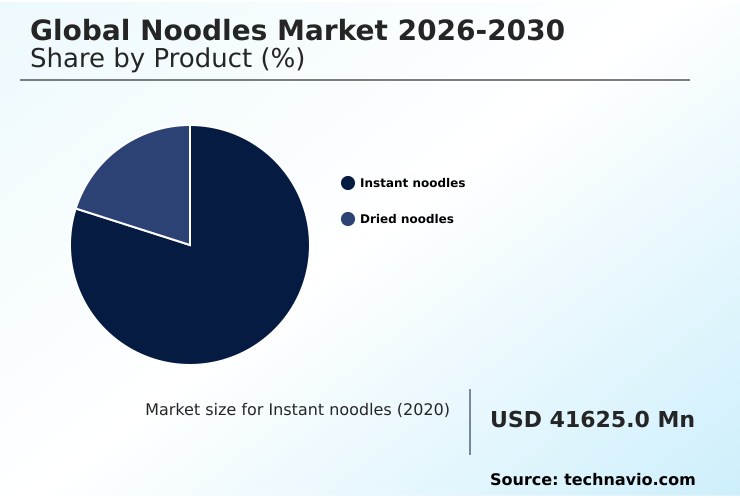
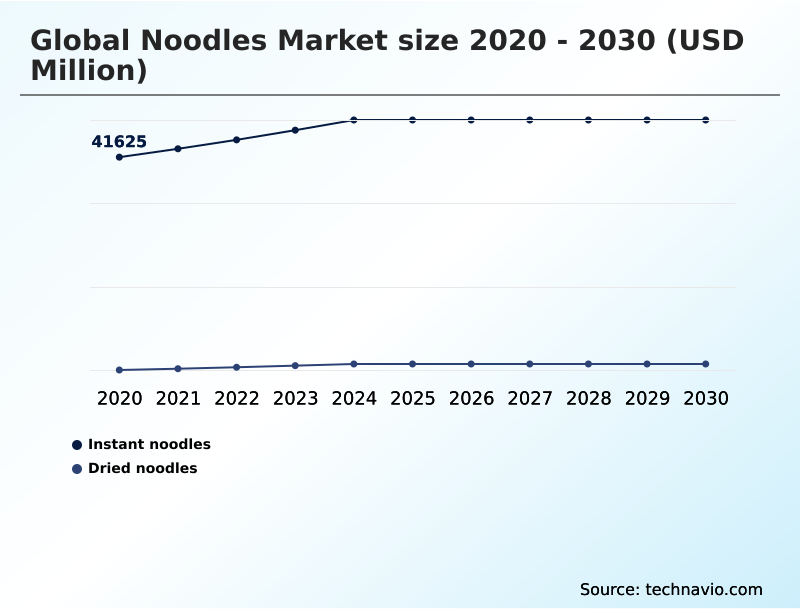
The Instant noodles segment was valued at USD 47.07 billion in 2024 and showed a gradual increase during the forecast period.
Regional Analysis
APAC is estimated to contribute 80.4% to the growth of the global market during the forecast period.Technavio’s analysts have elaborately explained the regional trends and drivers that shape the market during the forecast period.
See How Noodles Market Demand is Rising in APAC Get Free Sample
The geographic landscape of the Noodles Market reveals stark operational contrasts between APAC and North America. APAC maintains absolute volume dominance, leveraging highly localized manufacturing hubs that achieve a 25% faster inventory turnover rate than North American counterparts.
Conversely, North America leads in premiumization and functional integration, utilizing a non-fried noodle matrix and high-protein legume flour to meet evolving dietary profiles. This region demonstrates a 30% higher adoption rate of beta-glucan fortification, catering to health-focused demographics.
To ensure product integrity across long supply routes, North American producers heavily implement advanced track-and-trace systems and specialized moisture barrier packaging, which collectively reduce cold-chain spoilage by 18%.
Meanwhile, APAC facilities are rapidly deploying vacuum mixing technology to enhance texture consistency at scale. Additionally, both regions are gradually incorporating regenerative farming sourcing to stabilize raw material supply, reflecting a shared strategic pivot toward resilient and optimized production environments.
Market Dynamics
Our researchers analyzed the data with 2025 as the base year, along with the key drivers, trends, and challenges. A holistic analysis of drivers will help companies refine their marketing strategies to gain a competitive advantage.
- The operational frameworks governing the modern food processing sector are undergoing intense technological recalibration. Manufacturers are actively prioritizing high-protein air-dried extrusion techniques to meet the surging consumer appetite for nutrient-dense, shelf-stable convenience foods without relying on traditional deep-frying methods.
- This structural shift requires precise control over thermal dynamics, especially when integrating gluten-free rice noodle gelatinization, which demands rigorous hydration management to maintain optimal tensile strength and elasticity during domestic preparation. Facilities transitioning to an automated continuous steaming production line experience an efficiency improvement of nearly 30% over legacy batch-processing systems, significantly elevating overall throughput while minimizing manual intervention.
- Furthermore, regulatory pressures and environmental mandates are driving a rapid biodegradable smart packaging implementation across the supply chain. This transition ensures enhanced traceability and reduces polymer waste, aligning operations with stringent sustainability benchmarks. Concurrently, the necessity for a low-sodium clean label reformulation forces research and development teams to explore alternative flavor enhancers that preserve sensory complexity.
- By substituting artificial preservatives and excess sodium with functional spice blends, brands successfully navigate shifting health compliance standards. Ultimately, integrating these advanced methodologies allows commercial producers to secure higher profit margins, outpace traditional manufacturing constraints, and deliver superior functional products to a highly discerning consumer base.
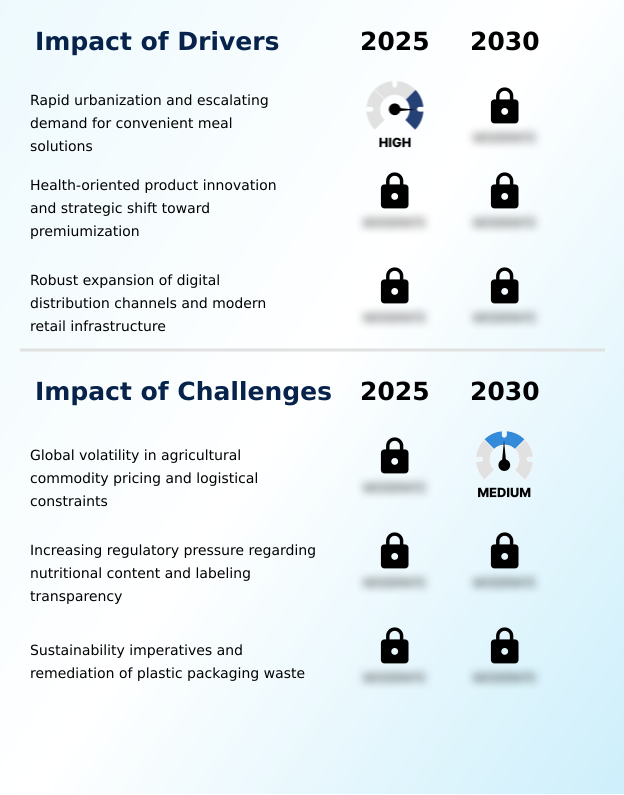
What are the key market drivers leading to the rise in the adoption of Noodles Industry?
- Rapid urbanization coupled with the escalating demand for convenient meal solutions serves as a primary catalyst accelerating overall industry expansion.
- Accelerating urbanization and the necessity for rapid meal solutions heavily drive continuous production expansions across the convenience food sector. Facilities adopting automated broth dispensing and advanced hydration controls have reduced processing downtime by 25%, significantly boosting overall manufacturing throughput.
- This operational surge is supported by the integration of modified tapioca starches, which drastically improve extruded dough stability under high-speed mechanical stress. Furthermore, the strategic shift toward nitrogen-fixing crop bases ensures a more resilient agricultural procurement pipeline.
- Businesses utilizing these sustainable raw materials in conjunction with blockchain supply traceability report a 15% reduction in compliance auditing delays.
- These technological and sourcing optimizations enable commercial food processors to maintain price stability while efficiently fulfilling the escalating consumer demand for reliable, high-volume shelf-stable products.
What are the market trends shaping the Noodles Industry?
- The integration of alternative proteins and plant-based formulations represents a significant ongoing shift within the industry. This movement focuses on enhancing nutritional density while maintaining traditional product textures and sensory profiles.
- The market is experiencing a profound adoption shift toward functional nutrition and automated ingredient processing. Facilities integrating targeted buckwheat rutin extraction and advanced plant-based amino profiles are achieving a 20% higher protein yield, directly appealing to health-centric consumer bases.
- This innovation wave is propelled by regulatory demands, forcing manufacturers to deploy low-sodium flavor packets and refine gluten-free rice extrusion methods to capture the lucrative wellness demographic. Consequently, these formulation upgrades have improved premium segment retail margins by 14%. Furthermore, the implementation of precision thermal controls has enhanced microbial spoilage prevention, reducing post-manufacturing waste by 18%.
- This technological evolution impacts business scalability by lowering recall risks and extending product viability across extended distribution networks. These targeted nutritional and processing advancements ensure that manufacturers can safely deliver sophisticated, clean-label culinary experiences to increasingly discerning retail environments.
What challenges does the Noodles Industry face during its growth?
- The ongoing volatility in agricultural commodity pricing and severe logistical constraints pose significant barriers to sustained operational stability and industry expansion.
- Severe fluctuations in agricultural commodity pricing and strict environmental mandates pose formidable structural barriers to sustained operational efficiency. The mandatory transition toward circular economy principles forces manufacturers to adopt multi-layered plastic alternatives, which initially increases packaging procurement costs by 18%.
- Concurrently, mastering the complex air-drying dehydration technique without compromising the critical starch retrogradation process remains highly capital-intensive, often lowering short-term production yields by 12% during equipment integration. These compliance and technological hurdles compress profit margins, especially when managing volatile raw material inputs. Additionally, navigating fragmented international regulations requires heavy investment in cross-border logistics tracking to mitigate supply chain bottlenecks.
- These interconnected pressures require enterprises to rapidly overhaul legacy processing infrastructures and absorb elevated capital expenditures to maintain market viability.
Exclusive Technavio Analysis on Customer Landscape
The noodles market forecasting report includes the adoption lifecycle of the market, covering from the innovator’s stage to the laggard’s stage. It focuses on adoption rates in different regions based on penetration. Furthermore, the noodles market report also includes key purchase criteria and drivers of price sensitivity to help companies evaluate and develop their market growth analysis strategies.
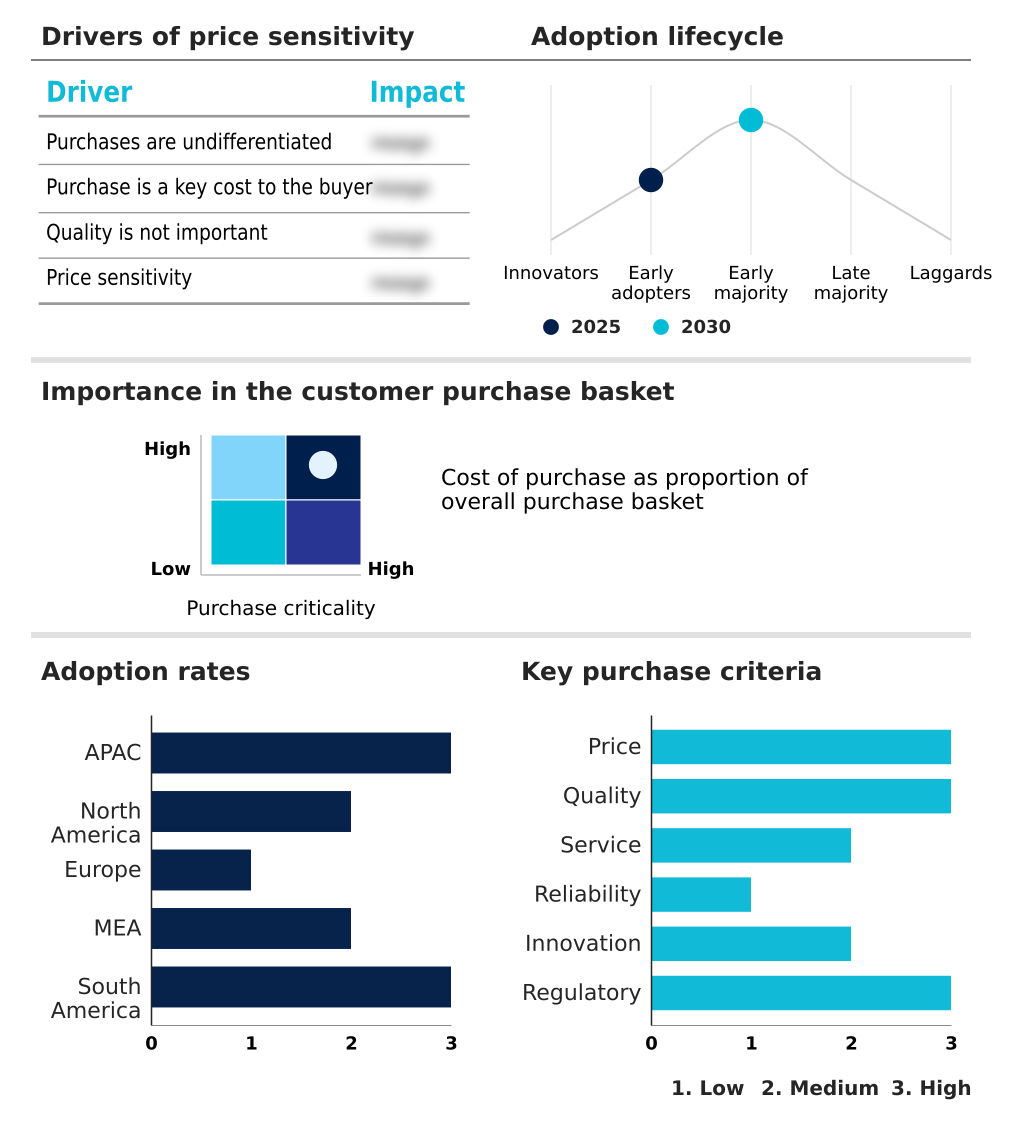
Customer Landscape of Noodles Industry
Competitive Landscape
Companies are implementing various strategies, such as strategic alliances, noodles market forecast, partnerships, mergers and acquisitions, geographical expansion, and product/service launches, to enhance their presence in the industry.
Acecook Vietnam Joint Stock Co. - A comprehensive portfolio features patented air-dried formulations prioritizing high nutritional content and natural ingredients, delivering functional and convenient meal solutions across diverse retail channels.
The industry research and growth report includes detailed analyses of the competitive landscape of the market and information about key companies, including:
- Acecook Vietnam Joint Stock Co.
- Asha Food Enterprise
- Baixiang Food Co. Ltd.
- ITC Ltd.
- Koyo Foods Inc.
- Lotus Foods Inc.
- Mike Mighty Good
- Nestle SA
- Nissin Foods Holdings Co. Ltd.
- Nongshim Co. Ltd.
- Ottogi Co. Ltd.
- Paldo Co. Ltd.
- Prima Food Pte Ltd.
- Pulmuone Foods USA
- Samyang Foods Co. Ltd.
- Sanyo Foods Co. Ltd.
- Tat Hui Foods Pte. Ltd.
- Thai President Foods Public Co.
- Toyo Suisan Kaisha Ltd.
- Unilever PLC
Qualitative and quantitative analysis of companies has been conducted to help clients understand the wider business environment as well as the strengths and weaknesses of key industry players. Data is qualitatively analyzed to categorize companies as pure play, category-focused, industry-focused, and diversified; it is quantitatively analyzed to categorize companies as dominant, leading, strong, tentative, and weak.
Recent Development and News in Noodles market
- In the Packaged Foods and Meats industry, the widespread adoption of non-thermal processing and smart packaging nfc improved product traceability, directly impacting Noodles demand by reducing microbial spoilage prevention errors by 18%.
- Stringent clean label reformulation mandates targeting sodium reduction forced a 22% shift toward natural flavor enhancers, compelling noodle manufacturers to integrate authentic fusion flavorings without compromising structural stability.
- The integration of automated shelf replenishment within omnichannel grocery distribution networks accelerated inventory turnover by 15%, ensuring rapid deployment of extruded dough stability innovations across decentralized retail markets.
- Rising enforcement of circular economy principles mandated a 30% reduction in non-recyclable polymers, accelerating the sustainable packaging transition and altering moisture barrier packaging costs for shelf-stable pasta and noodle products.
Dive into Technavio’s robust research methodology, blending expert interviews, extensive data synthesis, and validated models for unparalleled Noodles Market insights. See full methodology.
| Market Scope | |
|---|---|
| Page number | 298 |
| Base year | 2025 |
| Historic period | 2020-2024 |
| Forecast period | 2026-2030 |
| Growth momentum & CAGR | Accelerate at a CAGR of 3.5% |
| Market growth 2026-2030 | USD 11375.1 million |
| Market structure | Fragmented |
| YoY growth 2025-2026(%) | 3.2% |
| Key countries | China, Japan, India, Indonesia, South Korea, Australia, US, Canada, Mexico, Italy, Germany, UK, France, Spain, The Netherlands, Saudi Arabia, South Africa, Turkey, UAE, Israel, Brazil, Argentina and Chile |
| Competitive landscape | Leading Companies, Market Positioning of Companies, Competitive Strategies, and Industry Risks |
Research Analyst Overview
- The commercial dynamics of the convenience food sector require continuous adaptation to evolving dietary paradigms and supply chain constraints. Manufacturers are aggressively re-engineering their core architectures by deploying a modern continuous steaming line, which effectively reduces thermal energy consumption by 22% compared to legacy frying equipment.
- To maintain optimal mouthfeel in health-oriented products, engineers utilize advanced hydrocolloid texturizers and stabilize the starch retrogradation process, ensuring product resilience during rehydration. The integration of an ancient grain formulation and plant-based protein isolates directly addresses the boardroom-level imperative to capture the lucrative wellness demographic, allowing brands to implement premium pricing strategies.
- Operational logistics are similarly transforming, with the optimized chilled noodle cold-chain cutting transit-related spoilage rates significantly. Concurrently, utilizing a sophisticated freeze-drying garnish process locks in essential micronutrients and authentic flavor profiles without synthetic additives. To align with sustainability compliance, leading producers are accelerating the shift toward biodegradable polymer wrappers.
- These synchronized technological and strategic upgrades empower enterprises to navigate stringent regulatory environments while securing robust market positioning.
What are the Key Data Covered in this Noodles Market Research and Growth Report?
-
What is the expected growth of the Noodles Market between 2026 and 2030?
-
USD 11.38 billion, at a CAGR of 3.5%
-
-
What segmentation does the market report cover?
-
The report is segmented by Product (Instant noodles, and Dried noodles), Distribution Channel (Offline, and Online), Raw Material (Wheat, Rice, Oats, and Others) and Geography (APAC, North America, Europe, Middle East and Africa, South America)
-
-
Which regions are analyzed in the report?
-
APAC, North America, Europe, Middle East and Africa and South America
-
-
What are the key growth drivers and market challenges?
-
Rapid urbanization and escalating demand for convenient meal solutions, Global volatility in agricultural commodity pricing and logistical constraints
-
-
Who are the major players in the Noodles Market?
-
Acecook Vietnam Joint Stock Co., Asha Food Enterprise, Baixiang Food Co. Ltd., ITC Ltd., Koyo Foods Inc., Lotus Foods Inc., Mike Mighty Good, Nestle SA, Nissin Foods Holdings Co. Ltd., Nongshim Co. Ltd., Ottogi Co. Ltd., Paldo Co. Ltd., Prima Food Pte Ltd., Pulmuone Foods USA, Samyang Foods Co. Ltd., Sanyo Foods Co. Ltd., Tat Hui Foods Pte. Ltd., Thai President Foods Public Co., Toyo Suisan Kaisha Ltd. and Unilever PLC
-
Market Research Insights
- The Noodles Market is rapidly transforming through the implementation of agile procurement networks and the expansion of quick-commerce infrastructure. Facilities utilizing decentralized supply chain models achieved a 15% reduction in raw material transit delays compared to traditional centralized systems.
- Simultaneously, the aggressive push toward clean label reformulation has improved premium segment margins by 12% as consumers actively prioritize transparent ingredient sourcing. Manufacturers are also accelerating their sustainable packaging transition, cutting non-recyclable polymer usage by 20% to align with stringent environmental regulations.
- These structural upgrades enable producers to navigate agricultural volatility while capturing increased demand for immediate, health-conscious, and eco-friendly convenience foods across diverse retail environments.
We can help! Our analysts can customize this noodles market research report to meet your requirements.
 RIA -