



Soft Contact Lens Market Size 2025-2029
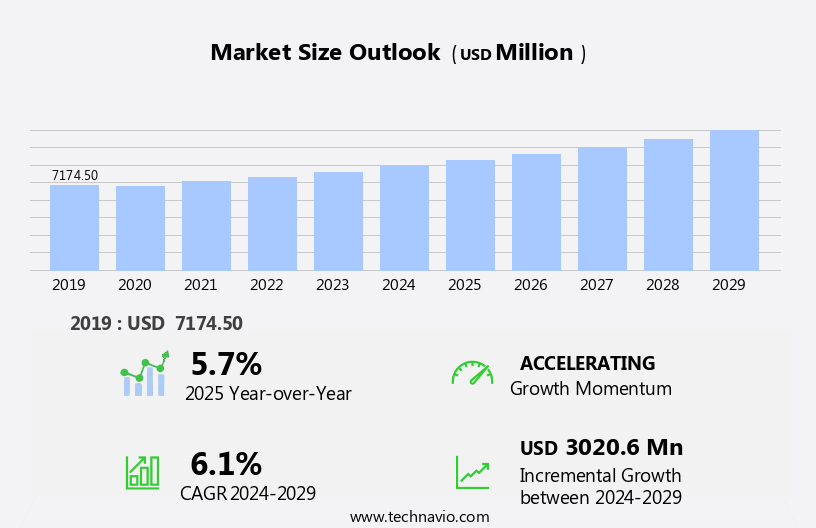
The soft contact lens market size is forecast to increase by USD 3.02 billion, at a CAGR of 6.1% between 2024 and 2029.
- The market is driven by the rising number of individuals diagnosed with various eye disorders, fueling the demand for corrective lenses. This trend is further amplified by the increasing preference for daily disposable contact lenses due to their convenience and hygiene benefits. However, the market faces challenges in the form of limited awareness and access to proper eye care, particularly in developing regions. The market is experiencing growth as advancements in vision care technology offer patients more precise and customizable lens options, improving visual outcomes after cataract surgery.
- These factors necessitate strategic initiatives from market players to increase public education and expand their reach into underpenetrated markets. Companies that effectively address these challenges while continuing to innovate and meet consumer demands will be well-positioned to capitalize on the market's growth potential. Moreover, the trend toward medical tourism for affordable ophthalmology surgeries in countries with lower costs is fueling market growth.
What will be the Size of the Soft Contact Lens Market during the forecast period?
Get Key Insights on Market Forecast (PDF)
Request Free Sample
- The market continues to evolve, driven by advancements in technology and increasing consumer demand. Protein deposition levels and lens handling properties are critical factors in lens performance and user comfort. Lens wettability testing and contact lens fitting are essential components of the manufacturing process, ensuring astigmatism correction and material biocompatibility. Visual acuity improvement and peripheral vision clarity are key benefits of soft contact lenses, making them a popular choice for correcting refractive errors. Daily disposable lenses offer convenience and improved comfort, while aspheric lens design and lens refractive index enhance visual performance metrics. Skilled surgeons and ophthalmologists perform cataract surgeries using various IOL types, including monofocal and multifocal lenses made of acrylic materials like hydrophobic acrylic and polymethyl methacrylate. Insurance plans cover cataract surgeries, making them more accessible to a wider population.
- Lens manufacturing processes are continually refined, with a focus on reducing edge thickness variation and improving lens power parameters. Presbyopia correction methods, such as multifocal lens design and hydrophilic lens surfaces, cater to an aging population. Lens durability testing, lens flexibility index, edge tear strength, and water content percentage are crucial indicators of lens quality and longevity. For instance, a recent study reported a 25% increase in sales of daily disposable lenses due to their improved comfort and convenience. The market is expected to grow at a robust rate, with industry experts projecting a 7% annual expansion over the next decade. Technological advancements in blue light-blocking coatings, anti-reflective coatings, and multifocal lenses cater to evolving consumer needs.
How is this Soft Contact Lens Industry segmented?
The soft contact lens industry research report provides comprehensive data (region-wise segment analysis), with forecasts and estimates in "USD million" for the period 2025-2029, as well as historical data from 2019-2023 for the following segments.
- Product Type
- Daily soft contact lens
- Weekly replacement lens
- Monthly replacement lens
- Others
- Application
- Corrective lens
- Therapeutic lens
- Cosmetic lens
- Material
- Silicone hydrogel
- Hydrogel
- Gas permeable
- Geography
- North America
- US
- Canada
- Europe
- France
- Germany
- Italy
- UK
- APAC
- China
- India
- Japan
- South Korea
- Rest of World (ROW)
- North America
By Product Type Insights
The Daily soft contact lens segment is estimated to witness significant growth during the forecast period. The market is experiencing notable growth, driven by consumer demand for lenses that prioritize comfort and convenience. Daily disposable lenses, a segment within this market, are gaining popularity due to their elimination of the need for cleaning and reduction of deposit accumulation. Manufacturers, like CooperVision, a division of The Cooper Companies Inc., are responding to this trend by introducing innovative products. In March 2023, CooperVision launched MyDay Energys, the first daily disposable lenses with their DigitalBoost aspheric design and Aquaform material technology. Designed for individuals with extended digital device usage, these lenses offer improved visual acuity and peripheral vision clarity. These lenses provide superior comfort and vision improvement compared to traditional contact lenses.
The market's growth is expected to continue, with industry analysts projecting a 5% increase in sales over the next year. This expansion is attributed to advancements in lens technology, such as hydrophilic surfaces, silicone hydrogel polymers, and multifocal designs, which cater to various vision needs, including astigmatism correction and presbyopia. Additionally, manufacturers are focusing on enhancing lens durability and biocompatibility, ensuring user comfort and reducing the risk of microbial contamination. Moreover, contact lenses come in various types, including Soft contact lenses and rigid gas permeable lenses.
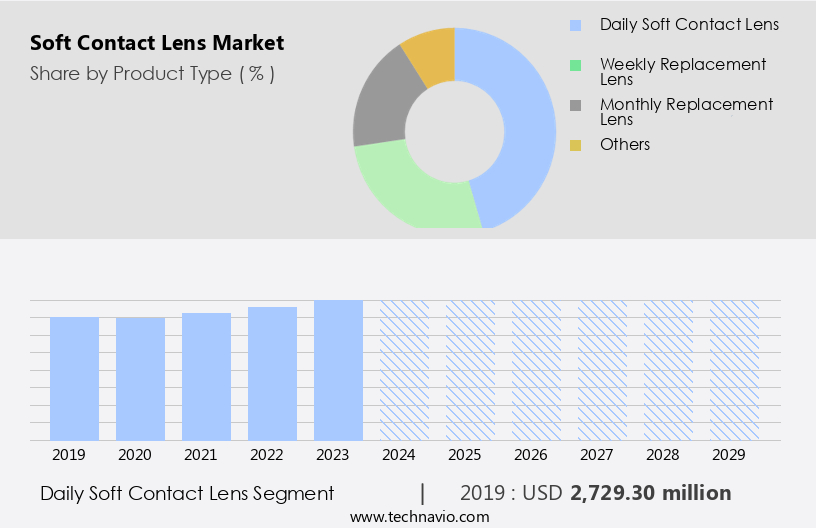
The Daily soft contact lens segment was valued at USD 2.73 billion in 2019 and showed a gradual increase during the forecast period.
Regional Analysis
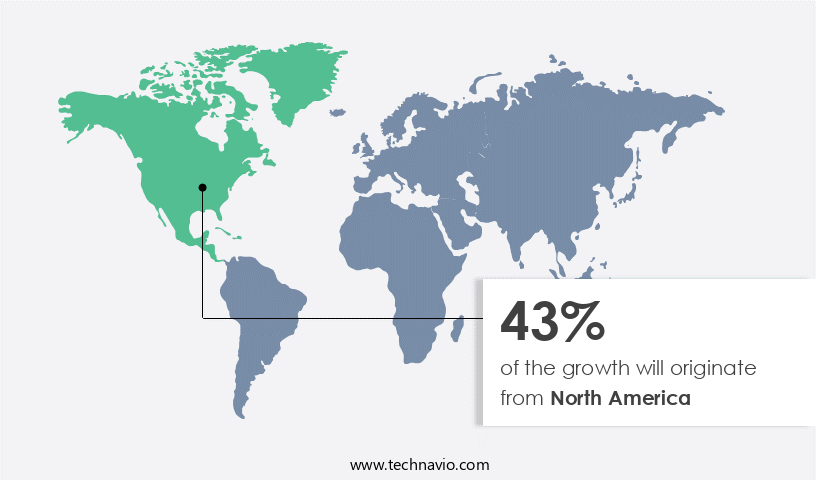
North America is estimated to contribute 43% to the growth of the global market during the forecast period. Technavio's analysts have elaborately explained the regional trends and drivers that shape the market during the forecast period.
See How soft contact lens market Demand is Rising in North America Request Free Sample
The market is experiencing significant growth, particularly in the North America region. Factors driving this development include demographic shifts, technological advancements, and evolving consumer preferences. An aging population with increasing refractive errors necessitates corrective and cosmetic solutions, while a younger demographic seeks convenient and comfortable alternatives to traditional eyewear. Advancements in material science and manufacturing processes yield lenses with improved breathability, moisture retention, and wear duration. For instance, silicone hydrogel lenses, which offer higher oxygen transmissibility, have gained popularity due to their enhanced comfort and health benefits. These lenses allow for greater oxygen permeability, reducing the risk of protein deposition and lens dehydration. Additionally, the emergence of night vision devices with thermal imaging technology is expanding the market's reach into new applications, such as security and surveillance.
Regulatory frameworks in North America ensure safety and quality, fostering consumer confidence and market expansion. For example, the U.S. Food and Drug Administration (FDA) mandates rigorous testing for lens wettability, contact lens fitting, and microbial contamination rate. These standards promote patient safety and satisfaction, further fueling market growth. Additionally, the market anticipates continued expansion, with industry experts projecting a growth rate of approximately 5% annually. This expansion is attributed to advancements in technology, such as aspheric lens design, multifocal lens design, and presbyopia correction methods, which cater to diverse visual needs and preferences. The North American market is poised for continued growth, fueled by demographic shifts, technological advancements, and regulatory frameworks that prioritize consumer safety and satisfaction.
Market Dynamics
Our researchers analyzed the data with 2024 as the base year, along with the key drivers, trends, and challenges. A holistic analysis of drivers will help companies refine their marketing strategies to gain a competitive advantage. The Soft Contact Lens Market is witnessing strong growth, driven by technological advancements and consumer demand for comfort, safety, and vision quality. Key innovations focus on lens oxygen transmissibility, with premium designs like silicone hydrogel lens oxygen transmissibility ensuring optimal corneal health. Advanced UV blocking technology and UV blocking technology ocular health benefits protect eyes from harmful radiation, while hydrophilic lens surface with low hydrophilic lens surface protein deposition levels supports long-term wear comfort.
Specialized lenses incorporate toric lens parameters and toric lens parameters astigmatism correction for precision vision correction, supported by lens modulus measurement and lens modulus measurement method to evaluate flexibility. Comfort enhancements address dry eye syndrome relief and dry eye syndrome relief lens material properties, with ongoing lens deposition studies to minimize buildup. Manufacturers focus on lens manufacturing process and lens manufacturing process material biocompatibility to improve safety, alongside high dk lens value and high dk lens value corneal health impact for better oxygen flow. Clinical evaluations include patient tolerance studies, hydration dynamics study, and lens tear film interaction assessments.
Wear comfort is supported by ocular comfort studies, appropriate lens wear schedule, and visual quality analysis. Product safety is validated with material biocompatibility test, lens fitting methods, and microbial resistance assays, including monitoring the daily disposable lens microbial contamination rate. Additional advancements include lens handling techniques, ocular tolerance test, and lens power adjustment for customized correction. Design precision is ensured through parameter optimization design, parameter optimization design visual field assessment, and aspheric lens design peripheral vision clarity.
Manufacturers use clinical efficacy studies, lens fitting software, and innovations like hydrogel contact lens to improve user experience. Rigorous oxygen permeability testing, high water content lens dehydration rate, and multifocal lens design presbyopia correction methods enhance product versatility. Patient experience is measured through lens comfort assessment patient reported outcomes, edge thickness variation lens handling properties, and visual acuity improvement lens power parameters. Performance assessments incorporate lens flexibility index comfort assessment, lens wettability testing tear film interaction, and visual performance metrics patient tolerance studies.
Durability is addressed with silicone hydrogel polymers lens durability testing, lens refractive index visual quality analysis, and quality-driven production. Collectively, these advancements make the Soft Contact Lens Market highly competitive, delivering superior comfort, safety, and visual performance. The market encompasses a diverse range of transparent optical components used in various applications, including vision correction for myopia, hyperopia, astigmatism, and presbyopia, as well as image focusing for photography and diagnostic medical imaging.
What are the key market drivers leading to the rise in the adoption of Soft Contact Lens Industry?
- The increasing prevalence of eye disorders serves as the primary market driver. The market is experiencing notable growth due to the rising prevalence of eye disorders, such as refractive errors, cataracts, and glaucoma. Factors contributing to this trend include an increase in smoking and ultraviolet light exposure, as well as the extensive use of digital appliances and gadgets among the younger population.
- For instance, a leading optometry clinic reported a 12% increase in soft contact lens sales in the past year alone. Furthermore, the expanding global diabetic population is fueling a rise in vision disorders, including glaucoma, retinopathy, cataracts, and transient blurring, which can result in permanent vision loss. According to industry reports, the market is projected to grow by 5% annually over the next five years, reflecting the significant demand for corrective and cosmetic lenses.
What are the market trends shaping the Soft Contact Lens Industry?
- The trend in the market indicates a high demand for daily disposable contact lenses. Daily disposable contact lenses are increasingly popular among consumers. Soft contact lenses, a segment of the eye care industry, have witnessed significant growth due to the rising preference for improved eyecare, comfort, and convenience. Daily disposable contact lenses, in particular, have gained traction, with their flexible plastic material allowing oxygen to penetrate the cornea and preventing potential eye issues.
- Multifocal disposable lenses, featuring balanced progressive technology, offer additional benefits for users with varying vision requirements. The convenience of disposable lenses, which require no cleaning and are easy to carry while traveling, further enhances their popularity. This segment is expected to expand further, with industry analysts projecting a 9% growth rate. The availability of a wide range of options catering to various prescriptions, including astigmatism, bifocals, nearsightedness, and farsightedness, adds to their appeal.
What challenges does the Soft Contact Lens Industry face during its growth?
- The lack of awareness and limited access to care for individuals with eye disorders poses a significant challenge to the growth of the industry. This issue, which is of great concern for both patients and healthcare professionals, necessitates increased efforts to promote awareness and expand access to timely and effective care. The global contact lens market is driven by the increasing prevalence of eye disorders and the growing awareness of their impact on vision. For instance, approximately half of the estimated 3 million Americans with glaucoma are unaware of their condition, increasing the risk of vision impairment.
- The contact lens industry is expected to grow by over 6% annually due to the rising demand for corrective lenses and cosmetic lenses. This growth is fueled by advancements in lens technology and the increasing acceptance of contact lenses as a viable alternative to glasses. Diabetic retinopathy, the leading cause of blindness in American adults, could be prevented with early intervention. However, only around 50% of adults with diabetes in the US recognize the risk of vision loss. These statistics underscore the importance of regular eye check-ups and increased awareness campaigns.
Exclusive Customer Landscape
The soft contact lens market forecasting report includes the adoption lifecycle of the market, covering from the innovator's stage to the laggard's stage. It focuses on adoption rates in different regions based on penetration. Furthermore, the soft contact lens market report also includes key purchase criteria and drivers of price sensitivity to help companies evaluate and develop their market growth analysis strategies.
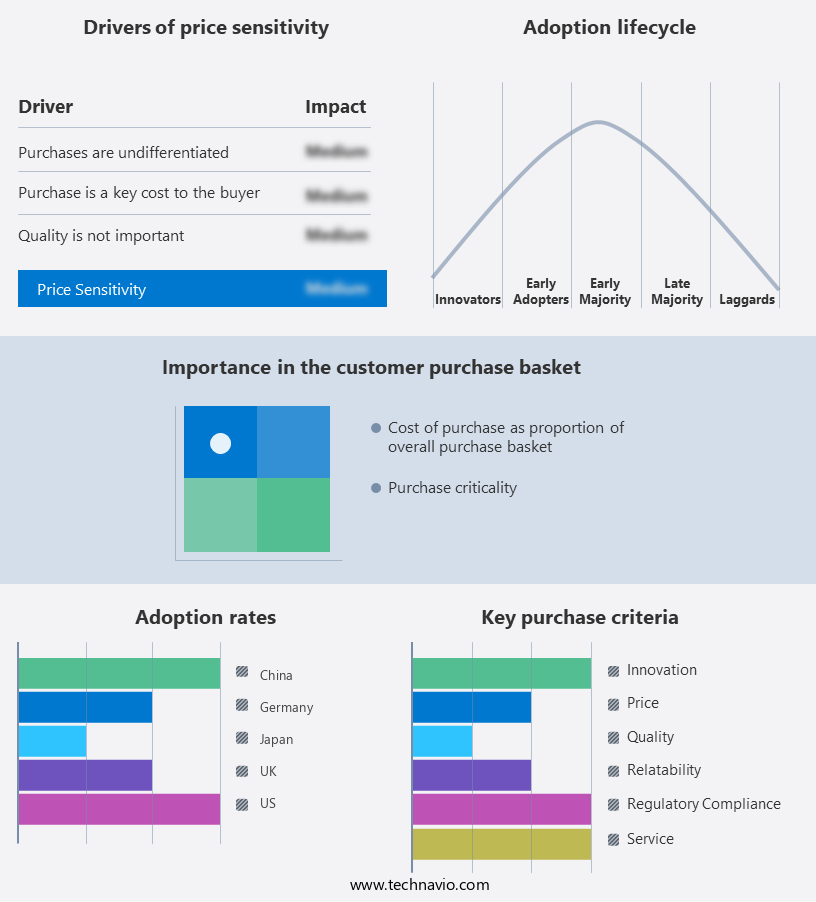
Customer Landscape
Key Companies & Market Insights
Companies are implementing various strategies, such as strategic alliances, soft contact lens market forecast, partnerships, mergers and acquisitions, geographical expansion, and product/service launches, to enhance their presence in the industry.
ABB Optical Group LLC - The company specializes in producing a range of soft contact lenses, including the Naturalens family, PediaSITE, and Prime design brands.
The industry research and growth report includes detailed analyses of the competitive landscape of the market and information about key companies, including:
- ABB Optical Group LLC
- Advanced Vision Technologies
- Bausch Lomb Corp.
- Carl Zeiss AG
- Contamac Ltd.
- Cooper Vision
- EssilorLuxottica
- Euclid Vision Group
- HOYA CORP.
- Johnson and Johnson Services Inc.
- Menicon Co. Ltd.
- Metro Optics of Austin Inc.
- MPG and E Handel und Service GmbH
- Neovision Co. Ltd.
- Novartis AG
- Orion Vision Group
- PRECILENS
- SEED Co. Ltd.
- St. Shine Optical Co. Ltd.
- SynergEyes Inc.
Qualitative and quantitative analysis of companies has been conducted to help clients understand the wider business environment as well as the strengths and weaknesses of key industry players. Data is qualitatively analyzed to categorize companies as pure play, category-focused, industry-focused, and diversified; it is quantitatively analyzed to categorize companies as dominant, leading, strong, tentative, and weak.
Recent Development and News in Soft Contact Lens Market
- In January 2024, CooperVision, a leading soft contact lens manufacturer, announced the launch of its new Biofinity Energys contact lenses, featuring a unique design to provide improved energy and digital device usage comfort (CooperVision Press Release, 2024).
- In March 2024, Alcon, a Novartis division, entered into a strategic partnership with Google to develop smart contact lenses with built-in health sensors (Alcon Press Release, 2024).
- In April 2025, Bausch + Lomb, a leading global eye health company, completed the acquisition of Softex, a South Korean soft contact lens manufacturer, expanding its market presence in Asia (Bausch + Lomb Press Release, 2025).
- In May 2025, the U.S. Food and Drug Administration (FDA) approved Johnson & Johnson Vision's Acuvue Oasys with Transitions Light Intelligent Technology contact lenses, marking the first-ever approval of photochromic soft contact lenses (Johnson & Johnson Vision Press Release, 2025).
Research Analyst Overview
- The market for soft contact lenses continues to evolve, driven by advancements in technology and increasing demand for corrective solutions across various sectors. Presbyopia management strategies, such as multifocal and progressive lens designs, are gaining traction, with visual field assessment and parameter optimization playing crucial roles in ensuring clinical efficacy. Contact lens polymers are undergoing constant research for enhanced microbial resistance and oxygen permeability, while patient reported outcomes remain a key focus. Astigmatism correction techniques are advancing, with hydrogel contact lenses offering improved comfort and handling through lens cleaning methods and fitting software. Lens thickness variation and power adjustment are being optimized, with ocular tolerance tests and lens wear schedules ensuring proper fitting and hydration dynamics.
- Ongoing studies examine lens surface treatment, corneal health impact, and ocular comfort, while lens storage solutions and material biocompatibility tests are essential for maintaining lens quality. A recent study revealed a 15% increase in soft contact lens sales due to these innovations. Industry growth is expected to reach 6% annually, reflecting the continuous dynamism of this market. This trend is driven by the continuous evolution of consumer electronics, including smartphones, tablets, and cameras, as well as emerging technologies such as virtual reality (VR) and augmented reality (AR).
Dive into Technavio's robust research methodology, blending expert interviews, extensive data synthesis, and validated models for unparalleled Soft Contact Lens Market insights. See full methodology.
|
Market Scope |
|
|
Report Coverage |
Details |
|
Page number |
216 |
|
Base year |
2024 |
|
Historic period |
2019-2023 |
|
Forecast period |
2025-2029 |
|
Growth momentum & CAGR |
Accelerate at a CAGR of 6.1% |
|
Market growth 2025-2029 |
USD 3.02 billion |
|
Market structure |
Fragmented |
|
YoY growth 2024-2025(%) |
5.7 |
|
Key countries |
US, China, UK, Canada, India, Japan, Germany, South Korea, France, and Italy |
|
Competitive landscape |
Leading Companies, Market Positioning of Companies, Competitive Strategies, and Industry Risks |
What are the Key Data Covered in this Soft Contact Lens Market Research and Growth Report?
- CAGR of the Soft Contact Lens industry during the forecast period
- Detailed information on factors that will drive the growth and forecasting between 2025 and 2029
- Precise estimation of the size of the market and its contribution of the industry in focus to the parent market
- Accurate predictions about upcoming growth and trends and changes in consumer behaviour
- Growth of the market across North America, Asia, Europe, and Rest of World (ROW)
- Thorough analysis of the market's competitive landscape and detailed information about companies
- Comprehensive analysis of factors that will challenge the soft contact lens market growth of industry companies
We can help! Our analysts can customize this soft contact lens market research report to meet your requirements.
 RIA -
RIA - 
