


Speech To Speech Translation Market Size 2024-2028
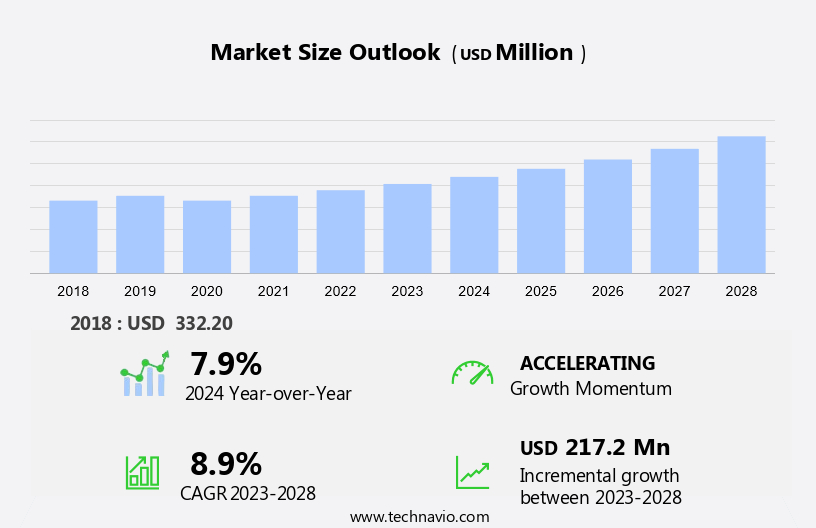
The speech to speech translation market size is forecast to increase by USD 217.2 million at a CAGR of 8.9% between 2023 and 2028.
- Speech-to-speech translation is a rapidly evolving market, driven by the increasing demand for multilingual communications in various sectors. Contact centers and military organizations are major contributors to this growth, as they require real-time translation services for effective communication. The adoption of AI-enhanced speech-to-speech translation technology is on the rise, with software solutions gaining popularity in mobile applications and web applications. Machine translation (MT) and speech recognition technologies form the foundation of S2S translation systems. The future of S2S translation lies in continued advancements in machine translation, speech recognition, and deep learning technologies. The electronics industry and business tours also present significant opportunities for this market. However, challenges such as varying internet costs and coverage globally, as well as the need for high voice recognition accuracy, remain key considerations. One Hour Translation (OHT) and virtual assistants like Google Assistant are leading the way in providing quick and accurate translation solutions. Overall, the market is expected to grow steadily due to the increasing need for seamless multilingual communication in various industries.
What will be the Size of the Speech To Speech Translation Market During the Forecast Period?
- The speech-to-speech (S2S) translation market is witnessing significant growth due to the increasing need for effective cross-lingual communication in various sectors. This market caters to both business-to-business (B2B) and business-to-consumer (B2C) applications, encompassing international business, tourism, and various industries with language differences. Language barriers pose a significant challenge in international business, leading to communication gaps that can hinder business reach and intercultural exchange. Speech-to-speech translation technology addresses this issue by enabling real-time translation between spoken languages, making it an essential tool for global enterprises. In the travel and tourism industry, S2S translation plays a crucial role in enhancing the travel experience for tourists.
- With the rise in international tourism and smartphone ownership, there is a growing demand for portable translation devices that can provide instant translations, making travel more accessible and convenient. The healthcare sector also benefits significantly from S2S translation technology. Effective communication between medical professionals and patients with language barriers is essential for accurate diagnoses and treatments. S2S translation technology ensures that medical consultations are efficient and effective, improving patient care and outcomes. Speech synthesis, a critical component of S2S translation, converts text into spoken words, enhancing accessibility for individuals with visual impairments. This technology has a wide range of applications, including education, entertainment, and daily life assistance.
- Deep network architecture and advanced algorithms enable high inference speed, ensuring real-time translations that are accurate and efficient. The B2B market for S2S translation is driven by the need for seamless communication between international businesses and their partners. This technology facilitates cross-border transactions, negotiations, and collaborations, reducing the communication gap and increasing business opportunities. In summary, the speech-to-speech translation market is a growing sector that addresses the communication challenges posed by language differences in various industries. This technology bridges the gap between different cultures and languages, enhancing intercultural exchange, improving business efficiency, and providing better accessibility for individuals with visual impairments.
How is this Speech To Speech Translation Industry segmented and which is the largest segment?
The speech to speech translation industry research report provides comprehensive data (region-wise segment analysis), with forecasts and estimates in "USD million" for the period 2024-2028, as well as historical data from 2018-2022 for the following segments.
- Type
- Hardware
- Software
- Geography
- North America
- Canada
- Mexico
- US
- Europe
- Germany
- UK
- France
- Italy
- APAC
- China
- India
- Japan
- South America
- Middle East and Africa
- North America
By Type Insights
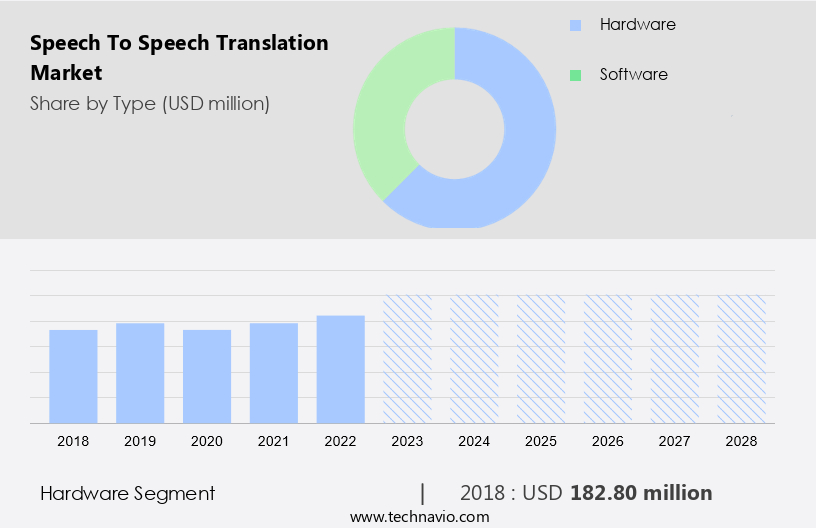
- The hardware segment is estimated to witness significant growth during the forecast period.
Speech-to-speech translation technology enables users to convert spoken words into text on their screens, streamlining communication. This technology combines speech recognition and translation processes, which are facilitated by speech recognition software. Various digital voice recorders and speech recognition programs are available In the market. Notable companies In the speech-to-speech translation hardware sector include Philips and Olympus. Examples of such hardware include headsets and foot pedals, which connect to users' computers and allow for direct listening to dictations.
Moreover, utilizing a foot pedal significantly enhances transcription efficiency. Contact centers, military organizations, and businesses in the electronics markets increasingly rely on multilingual communications, making speech-to-speech translation a valuable tool. Voice recognition accuracy is crucial, with One Hour Translation (OHT) and virtual assistants like Google Assistant setting high standards. Speech-to-speech translation technology is beneficial for industries requiring real-time language translation, such as business tours. This technology's integration into mobile applications and web applications further broadens its reach and utility.
Get a glance at the Speech to Speech Translation Industry report of share of various segments Request Free Sample
The hardware segment was valued at USD 182.80 million in 2018 and showed a gradual increase during the forecast period.
Regional Analysis
- North America is estimated to contribute 47% to the growth of the global market during the forecast period.
Technavio's analysts have elaborately explained the regional trends and drivers that shape the market during the forecast period.
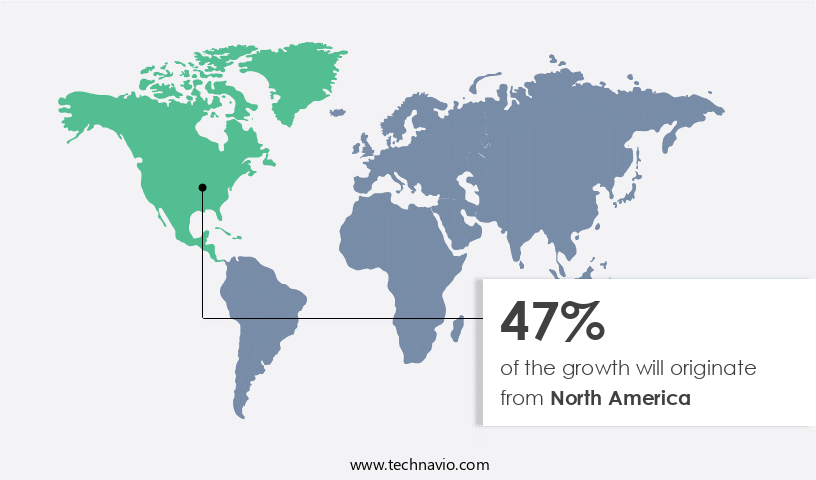
For more insights on the market share of various regions, Request Free Sample
In North America, the market is experiencing significant growth due to the widespread adoption of advanced technologies. Key industries such as healthcare, retail, media and entertainment, and public safety and law enforcement are driving market expansion. The US is a major contributor to the North American market, given its early adoption of technological innovations. The healthcare sector's growth, along with retail and manufacturing, is expected to increase the demand for speech-to-speech translation solutions during the forecast period. North America's revenue share is substantial due to its status as a technology pioneer, making it an attractive market for startups, SMEs, and established players alike.
Speech-to-speech translation technology is particularly valuable in cross-cultural exchange, travel and tourism, and business process outsourcing (BPO). For instance, visually impaired individuals can benefit from this technology during international travels. In the medical field, speech-to-speech translation can improve communication between healthcare providers and patients with language barriers. Furthermore, mobile phones equipped with this technology can facilitate seamless communication between businesses and their clients. Artificial Intelligence (AI) and the Internet of Things (IoT) are revolutionizing the speech-to-speech translation market. AI-powered solutions enable real-time, accurate translations, while IoT integration allows for seamless connectivity between devices. As a result, businesses can streamline their operations and enhance their customer experience. Overall, the North American speech-to-speech translation market is poised for continued growth due to its numerous applications and the region's technological advancements.
Market Dynamics
Our researchers analyzed the data with 2023 as the base year, along with the key drivers, trends, and challenges. A holistic analysis of drivers will help companies refine their marketing strategies to gain a competitive advantage.
What are the key market drivers leading to the rise In the adoption of Speech To Speech Translation Industry?
Demand from growing BPO sector is the key driver of the market.
- The market is experiencing significant growth due to the expanding Business Process Outsourcing (BPO) sector. As larger companies focus on their core business functions, they are increasingly outsourcing non-essential tasks to BPO firms. These firms play a crucial role in managing customer interactions, enabling businesses to better understand their clientele through speech analysis. Speech-to-speech translation technology is a valuable tool in this regard, as it unlocks hidden insights from customer calls by converting spoken language into written text. Machine Learning algorithms and Deep network architectures power this technology, making it an essential component In the BPO sector.
- IoT devices and smartphones, which are increasingly commonplace, facilitate the use of this technology through standalone and server based applications, as well as hybrid solutions. The growing intercultural interest and the need for effective communication across languages further fuel the market's expansion. In summary, the market is poised for strong growth due to the expanding BPO sector, the proliferation of IoT devices, and the increasing need for effective communication across languages.
What are the market trends shaping the Speech To Speech Translation Industry?
An increase in adoption of AI-enhanced speech-to-speech translation is the upcoming market trend.
- The integration of Artificial Intelligence (AI) in Speech-to-Speech (S2S) translation is a significant development In the global market during the forecast period. This advancement enhances the efficiency of categorizing voice and speech data using machine learning algorithms. By analyzing words, acoustics, and sentiments automatically and swiftly, hidden opinions and emotions can be derived, adding depth to the data analysis. Unstructured S2S translation data necessitate categorization for effective analysis. With the proliferation of big data, the volume and diversity of data are expanding at an unprecedented rate.
- AI-based categorization of speech data plays a crucial role in enabling businesses and individuals to overcome communication barriers in international travel, cross-lingual communication in international business, and tourism. The B2C and B2B markets for portable translation devices are expected to grow substantially due to the increasing need for seamless cross-lingual communication. As a professional virtual assistant, I can help you navigate this trend and provide insights on how to leverage AI-powered S2S translation solutions for your business needs.
What challenges does the Speech To Speech Translation Industry face during its growth?
Varied Internet costs and coverage globally is a key challenge affecting the industry growth.
- Speech-to-speech translation is a significant market that utilizes advanced technologies like artificial intelligence and machine learning to provide automated translations. Voice synthesis plays a crucial role in delivering accurate translations, especially In the context of voice wearable devices and social media platforms. However, one of the major challenges in this market is the latency experienced during data transmission from the cloud infrastructure. This latency, which can be unpredictable and difficult to measure, is exacerbated when the cloud environment is large and requires high computation. Moreover, network congestion on the customer's WAN or data exchanges between cloud services can lead to even greater delays.
- These delays can result in increased costs for users of multiple cloud service providers. To mitigate these challenges, it's essential to prioritize internet connectivity and optimize cloud infrastructure for speech to speech translation services. By doing so, businesses can deliver accurate and timely translations, enhancing customer experience and driving growth In the market. From a business perspective, it's crucial to stay updated on the latest trends and best practices to maintain a competitive edge.
Exclusive Customer Landscape
The speech to speech translation market forecasting report includes the adoption lifecycle of the market, market growth and forecasting, covering from the innovator's stage to the laggard's stage. It focuses on adoption rates in different regions based on penetration. Furthermore, the speech to speech translation market report also includes key purchase criteria and drivers of price sensitivity to help companies evaluate and develop their market growth analysis strategies.
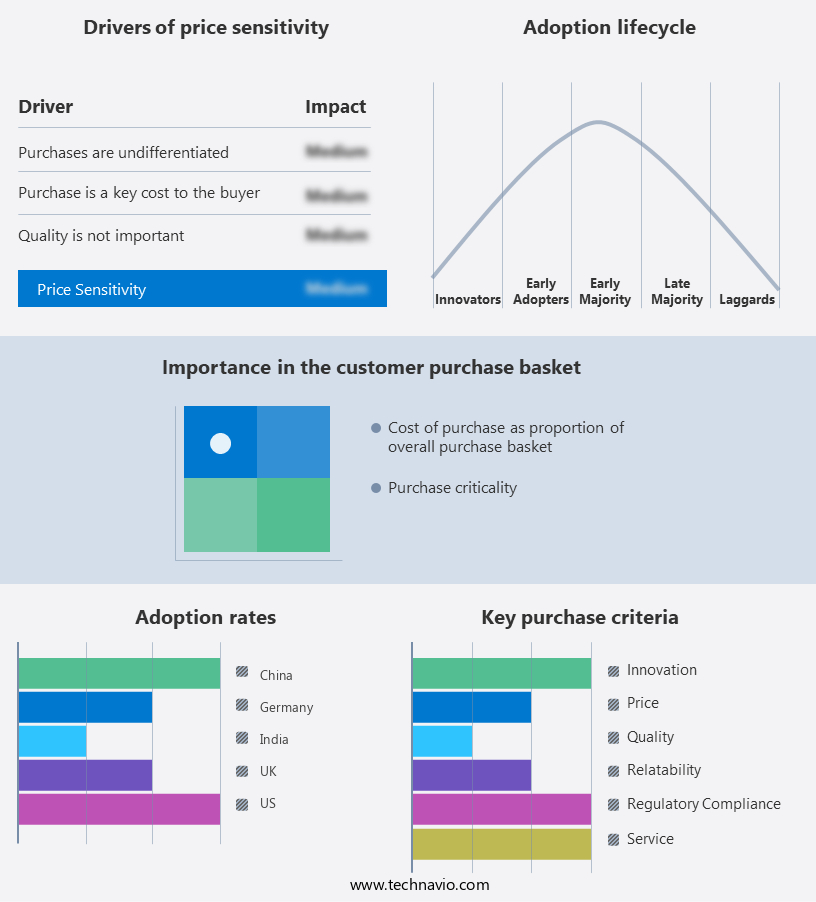
Customer Landscape
Key Companies & Market Insights
Companies are implementing various strategies, such as strategic alliances, speech to speech translation market forecast, partnerships, mergers and acquisitions, geographical expansion, and product/service launches, to enhance their presence In the industry. The industry research and growth report includes detailed analyses of the competitive landscape of the market and information about key companies, including:
- Alphabet Inc.
- Baidu Inc.
- Cheetah Mobile
- ECTACO Inc.
- InterActiveCorp
- International Business Machines Corp.
- Jarvisen
- Langogo Inc.
- Lingmo International Pty Ltd.
- Mesay
- Microsoft Corp.
- Mirai Translate Inc.
- Pairaphrase LLC
- Shenzhen TimeKettle Technology Co. Ltd.
- SOURCENEXT CORP.
- SpeechTrans
- Travis GT BV
- TripLingo LLC
- Waverly Labs
Qualitative and quantitative analysis of companies has been conducted to help clients understand the wider business environment as well as the strengths and weaknesses of key industry players. Data is qualitatively analyzed to categorize companies as pure play, category-focused, industry-focused, and diversified; it is quantitatively analyzed to categorize companies as dominant, leading, strong, tentative, and weak.
Research Analyst Overview
Speech-to-speech (S2S) translation technology is revolutionizing cross-lingual communication in various sectors, including international travel, business, and tourism. Language differences can create significant communication barriers, hindering international business deals and personal connections. S2S translation technology addresses this issue by enabling real-time, accurate translation of spoken language between two or more parties. This technology is not limited to text-based machine translation (MT) but extends to speech synthesis and voice recognition. Portable translation devices, mobile applications, and web applications are popular forms of S2S technology, catering to both the B2C and B2B markets. Contact centers, military operations, and multilingual communications are significant industries benefiting from this technology.
S2S translation technology is also essential for visually impaired individuals, medical professionals, and travelers with language barriers. Advancements in artificial intelligence (AI), machine learning (ML), and deep network architecture have led to significant improvements in voice recognition accuracy, inference speed, and translation efficiency. Real-time accent translation, one hour translation (OHT), and voice synthesis are some of the latest features in S2S technology. The integration of S2S technology with electronics markets, business tours, and immigration services is expanding its reach and facilitating cross-cultural exchange. S2S technology's potential applications are vast, including voice wearable devices, social media, and internet connectivity.
Its integration with Google Assistant, smartphones, and business process outsourcing (BPO) is transforming the way we communicate and conduct business globally. Overall, S2S translation technology is a game-changer in overcoming linguistic barriers and enhancing communication efficiency.
|
Market Scope |
|
|
Report Coverage |
Details |
|
Page number |
161 |
|
Base year |
2023 |
|
Historic period |
2018-2022 |
|
Forecast period |
2024-2028 |
|
Growth momentum & CAGR |
Accelerate at a CAGR of 8.9% |
|
Market growth 2024-2028 |
USD 217.2 million |
|
Market structure |
Fragmented |
|
YoY growth 2023-2024(%) |
7.9 |
|
Key countries |
US, India, China, UK, Germany, Japan, France, Canada, Italy, and Mexico |
|
Competitive landscape |
Leading Companies, Market Positioning of Companies, Competitive Strategies, and Industry Risks |
What are the Key Data Covered in this Speech To Speech Translation Market Research and Growth Report?
- CAGR of the Speech To Speech Translation industry during the forecast period
- Detailed information on factors that will drive the growth and forecasting between 2024 and 2028
- Precise estimation of the size of the market and its contribution of the industry in focus to the parent market
- Accurate predictions about upcoming growth and trends and changes in consumer behaviour
- Growth of the market across North America, Europe, APAC, South America, and Middle East and Africa
- Thorough analysis of the market's competitive landscape and detailed information about companies
- Comprehensive analysis of factors that will challenge the speech to speech translation market growth of industry companies
We can help! Our analysts can customize this speech to speech translation market research report to meet your requirements.
 RIA -
RIA - 
