


Spoolable Pipes Market Analysis North America, APAC, Europe, Middle East and Africa, South America - US, Germany, UK, Canada, China, Japan, France, India, Spain, South Korea - Size and Forecast 2024-2028

Spoolable Pipes Market Analysis North America, APAC, Europe, Middle East and Africa, South America - US, Germany, UK, Canada, China, Japan, France, India, Spain, South Korea - Size and Forecast 2024-2028

Published: Nov 2024 172 Pages SKU: IRTNTR74334

Market Overview at a Glance

$616.8 Mn
Market Opportunity
5.2%
CAGR
4.8
YoY growth 2023-2024(%)

Spoolable Pipes Market Size 2024-2028

The spoolable pipes market size is forecast to increase by USD 616.8 million, at a CAGR of 5.2% between 2023 and 2028.

  • The market is witnessing significant growth, driven primarily by the increasing trend towards ultra-deep drilling activities. This technique, which involves drilling beyond 30,000 feet, necessitates the use of flexible pipes, such as spoolable pipes, to ensure efficient and cost-effective drilling operations. However, the market also faces challenges due to the fragility of spoolable pipes. These pipes, which are made of thermoplastic materials, are susceptible to damage from high temperatures and pressures, requiring careful handling and maintenance. As the drilling industry continues to push the boundaries of deep drilling, companies must address these challenges to capitalize on the market's potential.
  • Effective solutions could include the development of more durable materials, advanced manufacturing techniques, and improved installation and maintenance processes. By addressing these challenges, market participants can seize opportunities in the expanding ultra-deep drilling sector and stay competitive in the dynamic the market.

What will be the Size of the Spoolable Pipes Market during the forecast period?
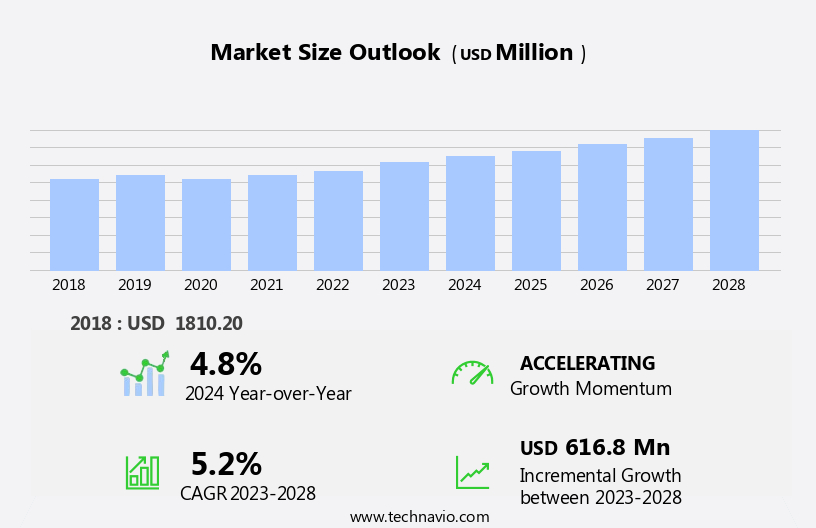
Spoolable Pipes Market Size

Explore in-depth regional segment analysis with market size data - historical 2018-2022 and forecasts 2024-2028 - in the full report.  
Request Free Sample

The market continues to evolve, driven by advancements in technology and the expanding applications across various sectors. Protective coatings play a crucial role in ensuring the longevity and performance of these pipes, with entities such as polyurethane and epoxy coatings gaining prominence. Pipe fittings, including electrofusion welding and flanged connections, facilitate seamless integration in pipeline networks. Pneumatic testing, fluid dynamics, and pressure testing are essential components of pipeline management systems, ensuring optimal flow rate and pressure drop. Corrosion inhibitors and pipe rehabilitation techniques, including fiber-reinforced polymer pipes and pipe lining, mitigate the impact of corrosion on pipeline integrity.

Industrial pipelines, including high-pressure pipes and chemical pipelines, require robust solutions for insulation, with acoustic and thermal insulation proving effective. Mechanical engineering innovations, such as directional drilling and trenchless technology, enable efficient pipe installation and minimize disruption. Pipeline networks encompass a diverse range of applications, from water pipelines and oil pipelines to gas pipelines and hydrostatic testing. The ongoing development of pipeline management systems, welding techniques, and non-destructive testing ensures continuous improvement in pipeline integrity management. Material science advances continue to influence the market, with an emphasis on corrosion resistance and the use of reinforced pipes. Ball valves, check valves, globe valves, and butterfly valves ensure efficient control and maintenance of pipeline systems.

The market's continuous dynamism is further reflected in the adoption of innovative technologies, such as pipe bursting and pipe pigging, and the ongoing research and development in pipeline networks and fluid dynamics.

How is this Spoolable Pipes Industry segmented?

The spoolable pipes industry research report provides comprehensive data (region-wise segment analysis), with forecasts and estimates in "USD million" for the period 2024-2028, as well as historical data from 2018-2022 for the following segments.

  • Type
    • Thermoplastic
    • Thermoset
  • Geography
    • North America
      • US
      • Canada
    • Europe
      • France
      • Germany
      • Spain
      • UK
    • APAC
      • China
      • India
      • Japan
      • South Korea
    • Rest of World (ROW)

    By Type Insights

    The thermoplastic segment is estimated to witness significant growth during the forecast period.

    Spoolable thermoplastic pipes, including reinforced thermoplastic pipes (RTP), offer durability and strength comparable to steel pipes. With corrosion resistance and the ability to withstand pressures ranging from 200-4,000 psi, these pipes are a viable alternative. Available in diameters from 2 inches to 8 inches, their multi-layer coatings ensure enhanced durability. The top coating is typically a thermoplastic barrier. Varieties of spoolable composite RTPs exist, such as glass fiber, carbon fiber, aramid fiber, and tape-reinforced plastic pipes. Manufactured from PE and PEX, these pipes provide reliable solutions in various industries. Fluid dynamics, pipe installation, and pipeline networks in civil engineering benefit from the flexibility and ease of installation offered by spoolable pipes.

    Trenchless technology, including directional drilling, is facilitated by these pipes, reducing the need for extensive excavation. Additionally, pipe rehabilitation and pipe bursting are enhanced by their robust nature. Pipe fittings, including electrofusion welding and solvent welding, can be easily integrated, while non-destructive testing ensures pipeline integrity. Thermal insulation and pipe insulation maintain optimal temperatures, and pressure testing ensures safety. Pipe inspection and leak detection are facilitated by these pipes, ensuring minimal downtime. Ball valves, check valves, and globe valves are seamlessly integrated, providing efficient control. Pressure drop and pipe bends are effectively managed, ensuring optimal flow rate in industrial pipelines, chemical pipelines, oil pipelines, and pipeline networks.

    Material science continues to advance, enhancing the properties of these pipes.
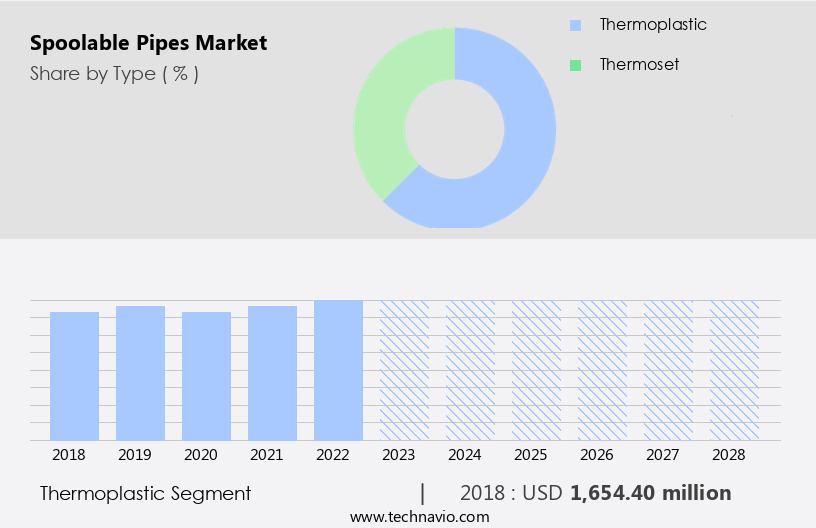
    Spoolable Pipes Market Size

    Request Free Sample

    The Thermoplastic segment was valued at USD 1654.40 million in 2018 and showed a gradual increase during the forecast period.

    Regional Analysis

    North America is estimated to contribute 40% to the growth of the global market during the forecast period.Technavio’s analysts have elaborately explained the regional trends and drivers that shape the market during the forecast period.
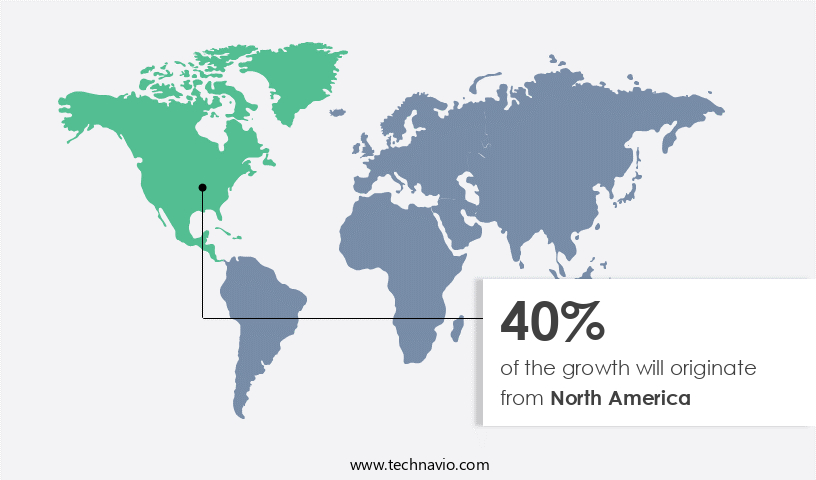
    Spoolable Pipes Market Share by Geography

     Request Free Sample

    The midstream sector in North America's oil and gas industry is experiencing notable growth, primarily driven by the expansion of shale oil resources in the region. This upstream sector growth is catalyzing investments in various infrastructure areas, including oil and gas storage facilities, gathering and processing facilities, export terminals, and pipelines. New investments span oil and gas pipelines, refineries, and oil product pipelines, as well as surface and lease equipment. The US is expected to account for a significant portion of these investments, with an estimated capital expenditure of approximately USD790-USD800 million between 2018 and 2035. Advancements in civil engineering techniques, such as trenchless technology and directional drilling, facilitate efficient pipe installation and minimize environmental impact.

    High-pressure pipes, including steel, PVC, and reinforced pipes, are increasingly being used for gas pipelines to ensure optimal flow rate and pressure drop. Corrosion resistance is a crucial factor in pipe selection, leading to the widespread use of epoxy coatings, polyurethane coatings, and pipe lining. Pipeline networks require regular maintenance and inspection to ensure their integrity. Non-destructive testing (NDT) techniques, such as ultrasonic testing and X-ray inspection, are essential for detecting leaks and pipe damage. Hydrostatic testing and pneumatic testing are used to ensure pipeline pressure resistance and prevent potential bursts. Flexible pipes, such as fiber-reinforced polymer pipes, are gaining popularity due to their flexibility and resistance to external forces.

    Industrial pipelines, including chemical and oil pipelines, require specialized materials and welding techniques, such as electrofusion welding and butt fusion welding, for their construction. Pipeline management systems and pipeline integrity management are crucial for maintaining pipeline performance and safety. Material science plays a significant role in developing new pipe materials and coatings to enhance pipeline durability and efficiency. Pipeline pigging, a process used to clean and maintain pipelines, is essential for maintaining optimal flow rates and preventing pipe corrosion. Ball valves, check valves, and globe valves are commonly used for pipeline control and regulation. In conclusion, the North American oil and gas industry's midstream sector is undergoing significant growth, driven by the development of shale oil resources.

    Innovations in pipe materials, installation techniques, and pipeline management systems are essential for ensuring pipeline efficiency, safety, and longevity.

    Market Dynamics

    Our researchers analyzed the data with 2023 as the base year, along with the key drivers, trends, and challenges. A holistic analysis of drivers will help companies refine their marketing strategies to gain a competitive advantage.

    What are the key market drivers leading to the rise in the adoption of Spoolable Pipes Industry?

    • The primary advantage of spoolable pipes over traditional metallic pipes is the key market driver, as spoolable pipes offer benefits such as easier installation, reduced project costs, and increased efficiency in construction. 

    • Spoolable pipes, including composite pipes and Reels of Tape Pipes (RTPs), have gained significant traction in various industries such as oil and gas, irrigation, sewage, and water supply. In the oil and gas sector, these pipes are becoming increasingly preferred over traditional metallic pipes due to their numerous advantages. One of the primary reasons for this shift is their superior corrosion resistance, which is a significant issue with metallic pipes like iron and steel. Additionally, spoolable pipes are lighter in weight, resulting in reduced transportation and installation costs.
    • Furthermore, these pipes exhibit enhanced fatigue resistance, making them an economical alternative to welded steel line pipes, which can save up to 30%-70% on installation and maintenance costs. Overall, the adoption of spoolable pipes is driven by their ability to offer improved performance, durability, and cost savings compared to conventional metallic pipes.

    What are the market trends shaping the Spoolable Pipes Industry?

    • Ultra-deep drilling activities are experiencing a significant increase and are becoming the latest market trend in the oil and gas industry. This upward trend is driven by advancements in technology and the potential for discovering substantial resources at greater depths.

    • The oil and gas industry continues to explore and develop ultra-deep-water fields, pushing pipeline technology to new depths. Spanning from 3,000 to 5,000 feet below the surface, these fields require advanced technologies and equipment for pipe installation. In response, the industry is upgrading pipeline systems, including production flowlines, injection lines, and transportation pipelines. Spoolable thermoplastic pipes, both onshore and offshore, play a crucial role in this evolution. These pipes offer advantages such as high burst pressure, flexibility, and ease of installation using trenchless technology. Additionally, they can be insulated with acoustic materials, ensuring efficient performance in extreme conditions. High-pressure pipes, including steel and PVC varieties, are also enhanced with pipe coating for durability and protection during hydrostatic testing.
    • Directional drilling and civil engineering techniques further facilitate pipe installation in challenging terrains. Overall, the oil and gas industry's focus on deep-sea drilling necessitates continuous advancements in pipeline technology, with spoolable thermoplastic pipes being a significant contributor to this progress.

    What challenges does the Spoolable Pipes Industry face during its growth?

    • The fragility of spoolable pipes poses a significant challenge to the industry's growth, necessitating continuous research and innovation to enhance their durability and reliability. 

    • Spoolable pipes, consisting of composite and reinforced thermoplastic varieties, are susceptible to failure due to installation-related issues and two primary damaging factors: pipe abrasion and pipe impact. Pipe abrasion arises from the presence of sharp objects, such as rocks and rough soil, which come into contact with the pipes and cause wear and tear. Conversely, pipe impact results from the collision of heavy objects, like large rocks, onto the pipes during backfilling. To mitigate these risks, protective coatings, corrosion inhibitors, and pipe fittings are employed. Protective coatings, such as polyurethane, shield pipes from external damage.
    • Corrosion inhibitors prevent internal damage caused by chemical reactions. Pipe fittings ensure a secure connection between pipe sections and enhance the overall pipe system's structural integrity. Advancements in technologies like electrofusion welding, pneumatic testing, and fluid dynamics have improved the manufacturing and installation processes, reducing the likelihood of installation-related deficiencies. Additionally, pipeline management systems, including gate valves and mechanical engineering, facilitate efficient pipeline operation and maintenance. Fiber-reinforced polymer pipes and high-density polyethylene (HDPE) pipes have gained popularity due to their durability and resistance to external factors, making them suitable alternatives to traditional steel pipes.
    • Industrial pipelines, including water pipelines and pipe rehabilitation projects, increasingly utilize these advanced materials and technologies to minimize the risks of pipe failure.

    Exclusive Customer Landscape

    The spoolable pipes market forecasting report includes the adoption lifecycle of the market, covering from the innovator’s stage to the laggard’s stage. It focuses on adoption rates in different regions based on penetration. Furthermore, the spoolable pipes market report also includes key purchase criteria and drivers of price sensitivity to help companies evaluate and develop their market growth analysis strategies.
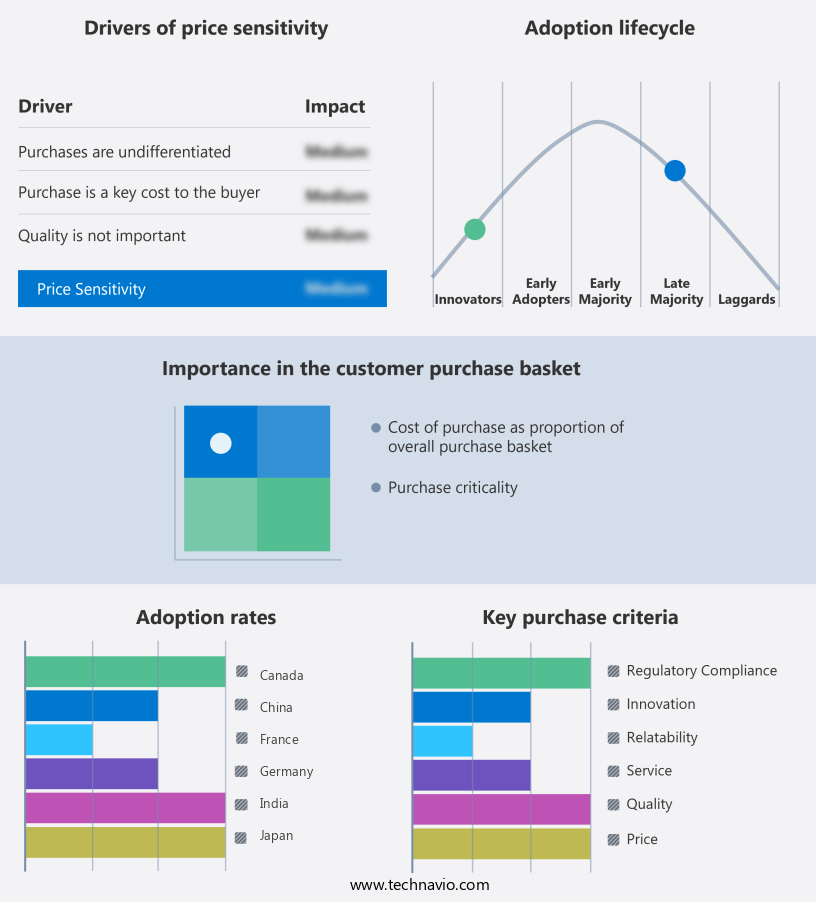
    Spoolable Pipes Market Share by Geography

     Customer Landscape

    Key Companies & Market Insights

    Companies are implementing various strategies, such as strategic alliances, spoolable pipes market forecast, partnerships, mergers and acquisitions, geographical expansion, and product/service launches, to enhance their presence in the industry.

    Baker Hughes Co. - The company specializes in manufacturing and supplying Cosmoplast PPR pipes and fittings, available in sizes from 20mm to 160mm, delivering reliable and efficient solutions for various industries. These products ensure durability, resistance to chemicals, and ease of installation. The company's commitment to quality and innovation sets it apart in the market.

    The industry research and growth report includes detailed analyses of the competitive landscape of the market and information about key companies, including:

    • Baker Hughes Co.
    • Changchun Gaoxiang Special Pipe Co. Ltd.
    • Cosmoplast Ind. Co. LLC
    • Flexpipe Modular Material Handing System
    • FlexSteel Pipeline Technologies Inc.
    • Future Pipe Industries
    • Hebei Heng An Tai Pipeline Co. Ltd.
    • NOV Inc.
    • Mattr Corp.
    • Smartpipe Technologies
    • Strohm B.V.
    • TechnipFMC plc
    • Victrex Plc
    • Wienerberger AG

    Qualitative and quantitative analysis of companies has been conducted to help clients understand the wider business environment as well as the strengths and weaknesses of key industry players. Data is qualitatively analyzed to categorize companies as pure play, category-focused, industry-focused, and diversified; it is quantitatively analyzed to categorize companies as dominant, leading, strong, tentative, and weak.

    Recent Development and News in Spoolable Pipes Market

    • In January 2024, Nextep, a leading spoolable pipes manufacturer, announced the launch of its new XtraFlex product line, featuring enhanced durability and flexibility for oil and gas applications. This development was aimed at catering to the increasing demand for efficient and cost-effective piping solutions in the energy sector (Nextep Press Release, 2024).
    • In March 2024, Saipem, a major player in engineering and construction, entered into a strategic partnership with Spooltech, a spoolable pipes specialist, to expand its offerings in the oil and gas market. This collaboration aimed to leverage Spooltech's expertise in manufacturing and Saipem's strengths in engineering and project execution (Saipem Press Release, 2024).
    • In May 2024, Tenaris, a global steel tubes and related services company, completed the acquisition of Pipelife, a European pipe manufacturer specializing in spoolable pipes. This strategic move aimed to strengthen Tenaris' presence in the European market and expand its product portfolio (Tenaris Press Release, 2024).
    • In February 2025, the U.S. Department of Energy granted a USD5 million grant to a consortium led by Tuboscope, a spoolable pipes provider, to develop advanced materials for spoolable pipes, aiming to enhance their performance and reduce their environmental impact (U.S. Department of Energy Press Release, 2025).

    Research Analyst Overview

    • The market encompasses various pipeline manufacturing processes, including centrifugal casting and pipe laying barges, which facilitate efficient production. Pipeline design standards, such as API and ASME, ensure safety and integrity. UV curing and pipe threading machines expedite manufacturing, while pipe bending machines and pipe cutting machines enable customization. Pipeline construction equipment, like pipe laying barges and pipe laying equipment, are essential for installation. Pipeline safety regulations mandate the use of leak detection sensors, corrosion monitoring systems, and emergency pipeline repair kits. Environmental regulations necessitate the adoption of eco-friendly pipe materials, such as epoxy resins, in pipeline design.
    • Pipeline integrity assessment and fatigue analysis are crucial for maintaining pipeline safety and longevity. Remote monitoring, SCADA systems, and pipeline stress analysis enable real-time tracking and proactive maintenance. Pipe rehabilitation technologies, including pipe support systems and pipe repair kits, extend pipeline life. Pipeline security and pipeline safety regulations require the implementation of advanced welding equipment and pipe threading machines to ensure secure connections. Spiral wound pipes and pipe manufacturing processes cater to the growing demand for lightweight and durable piping solutions. Pipe laying barges and pipe bending machines facilitate the installation of pipe rehabilitation technologies, ensuring minimal disruption to operations.
    • UV curing and pipe stress analysis contribute to the overall efficiency and effectiveness of pipeline construction projects.

    Dive into Technavio’s robust research methodology, blending expert interviews, extensive data synthesis, and validated models for unparalleled Spoolable Pipes Market insights. See full methodology.

    Market Scope

    Report Coverage

    Details

    Page number

    172

    Base year

    2023

    Historic period

    2018-2022

    Forecast period

    2024-2028

    Growth momentum & CAGR

    Accelerate at a CAGR of 5.2%

    Market growth 2024-2028

    USD 616.8 million

    Market structure

    Concentrated

    YoY growth 2023-2024(%)

    4.8

    Key countries

    US, Germany, UK, Canada, China, Japan, France, India, Spain, and South Korea

    Competitive landscape

    Leading Companies, Market Positioning of Companies, Competitive Strategies, and Industry Risks

    Request Free Sample

    What are the Key Data Covered in this Spoolable Pipes Market Research and Growth Report?

    • CAGR of the Spoolable Pipes industry during the forecast period
    • Detailed information on factors that will drive the growth and forecasting between 2024 and 2028
    • Precise estimation of the size of the market and its contribution of the industry in focus to the parent market
    • Accurate predictions about upcoming growth and trends and changes in consumer behaviour
    • Growth of the market across North America, APAC, Europe, Middle East and Africa, and South America
    • Thorough analysis of the market’s competitive landscape and detailed information about companies
    • Comprehensive analysis of factors that will challenge the spoolable pipes market growth of industry companies

    We can help! Our analysts can customize this spoolable pipes market research report to meet your requirements.

    Get in touch


    1 Executive Summary

    • 1.1 Market overview
      • Executive Summary - Chart on Market Overview
      • Executive Summary - Data Table on Market Overview
      • Executive Summary - Chart on Global Market Characteristics
      • Executive Summary - Chart on Market by Geography
      • Executive Summary - Chart on Market Segmentation by Type
      • Executive Summary - Chart on Incremental Growth
      • Executive Summary - Data Table on Incremental Growth
      • Executive Summary - Chart on Company Market Positioning

    2 Technavio Analysis

    • 2.1 Analysis of price sensitivity, lifecycle, customer purchase basket, adoption rates, and purchase criteria
      • Analysis of price sensitivity, lifecycle, customer purchase basket, adoption rates, and purchase criteria
    • 2.2 Criticality of inputs and Factors of differentiation
      • Overview on criticality of inputs and factors of differentiation
    • 2.3 Factors of disruption
      • Overview on factors of disruption
    • 2.4 Impact of drivers and challenges
      • Impact of drivers and challenges in 2023 and 2028

    3 Market Landscape

    • 3.1 Market ecosystem
      • Parent Market
      • Data Table on - Parent Market
    • 3.2 Market characteristics
      • Market characteristics analysis
    • 3.3 Value chain analysis
      • Value Chain Analysis

    4 Market Sizing

    • 4.1 Market definition
      • Offerings of companies included in the market definition
    • 4.2 Market segment analysis
      • Market segments
    • 4.3 Market size 2023
      • 4.4 Market outlook: Forecast for 2023-2028
        • Chart on Global - Market size and forecast 2023-2028 ($ million)
        • Data Table on Global - Market size and forecast 2023-2028 ($ million)
        • Chart on Global Market: Year-over-year growth 2023-2028 (%)
        • Data Table on Global Market: Year-over-year growth 2023-2028 (%)

      5 Historic Market Size

      • 5.1 Global Spoolable Pipes Market 2018 - 2022
        • Historic Market Size - Data Table on Global Spoolable Pipes Market 2018 - 2022 ($ million)
      • 5.2 Type segment analysis 2018 - 2022
        • Historic Market Size - Type Segment 2018 - 2022 ($ million)
      • 5.3 Geography segment analysis 2018 - 2022
        • Historic Market Size - Geography Segment 2018 - 2022 ($ million)
      • 5.4 Country segment analysis 2018 - 2022
        • Historic Market Size - Country Segment 2018 - 2022 ($ million)

      6 Qualitative Analysis

      • 6.1 AI impact on Global Spoolable Pipes Market

        7 Five Forces Analysis

        • 7.1 Five forces summary
          • Five forces analysis - Comparison between 2023 and 2028
        • 7.2 Bargaining power of buyers
          • Bargaining power of buyers - Impact of key factors 2023 and 2028
        • 7.3 Bargaining power of suppliers
          • Bargaining power of suppliers - Impact of key factors in 2023 and 2028
        • 7.4 Threat of new entrants
          • Threat of new entrants - Impact of key factors in 2023 and 2028
        • 7.5 Threat of substitutes
          • Threat of substitutes - Impact of key factors in 2023 and 2028
        • 7.6 Threat of rivalry
          • Threat of rivalry - Impact of key factors in 2023 and 2028
        • 7.7 Market condition
          • Chart on Market condition - Five forces 2023 and 2028

        8 Market Segmentation by Type

        • 8.1 Market segments
          • Chart on Type - Market share 2023-2028 (%)
          • Data Table on Type - Market share 2023-2028 (%)
        • 8.2 Comparison by Type
          • Chart on Comparison by Type
          • Data Table on Comparison by Type
        • 8.3 Thermoplastic - Market size and forecast 2023-2028
          • Chart on Thermoplastic - Market size and forecast 2023-2028 ($ million)
          • Data Table on Thermoplastic - Market size and forecast 2023-2028 ($ million)
          • Chart on Thermoplastic - Year-over-year growth 2023-2028 (%)
          • Data Table on Thermoplastic - Year-over-year growth 2023-2028 (%)
        • 8.4 Thermoset - Market size and forecast 2023-2028
          • Chart on Thermoset - Market size and forecast 2023-2028 ($ million)
          • Data Table on Thermoset - Market size and forecast 2023-2028 ($ million)
          • Chart on Thermoset - Year-over-year growth 2023-2028 (%)
          • Data Table on Thermoset - Year-over-year growth 2023-2028 (%)
        • 8.5 Market opportunity by Type
          • Market opportunity by Type ($ million)
          • Data Table on Market opportunity by Type ($ million)

        9 Customer Landscape

        • 9.1 Customer landscape overview
          • Analysis of price sensitivity, lifecycle, customer purchase basket, adoption rates, and purchase criteria

        10 Geographic Landscape

        • 10.1 Geographic segmentation
          • Chart on Market share by geography 2023-2028 (%)
          • Data Table on Market share by geography 2023-2028 (%)
        • 10.2 Geographic comparison
          • Chart on Geographic comparison
          • Data Table on Geographic comparison
        • 10.3 North America - Market size and forecast 2023-2028
          • Chart on North America - Market size and forecast 2023-2028 ($ million)
          • Data Table on North America - Market size and forecast 2023-2028 ($ million)
          • Chart on North America - Year-over-year growth 2023-2028 (%)
          • Data Table on North America - Year-over-year growth 2023-2028 (%)
        • 10.4 APAC - Market size and forecast 2023-2028
          • Chart on APAC - Market size and forecast 2023-2028 ($ million)
          • Data Table on APAC - Market size and forecast 2023-2028 ($ million)
          • Chart on APAC - Year-over-year growth 2023-2028 (%)
          • Data Table on APAC - Year-over-year growth 2023-2028 (%)
        • 10.5 Europe - Market size and forecast 2023-2028
          • Chart on Europe - Market size and forecast 2023-2028 ($ million)
          • Data Table on Europe - Market size and forecast 2023-2028 ($ million)
          • Chart on Europe - Year-over-year growth 2023-2028 (%)
          • Data Table on Europe - Year-over-year growth 2023-2028 (%)
        • 10.6 Middle East and Africa - Market size and forecast 2023-2028
          • Chart on Middle East and Africa - Market size and forecast 2023-2028 ($ million)
          • Data Table on Middle East and Africa - Market size and forecast 2023-2028 ($ million)
          • Chart on Middle East and Africa - Year-over-year growth 2023-2028 (%)
          • Data Table on Middle East and Africa - Year-over-year growth 2023-2028 (%)
        • 10.7 South America - Market size and forecast 2023-2028
          • Chart on South America - Market size and forecast 2023-2028 ($ million)
          • Data Table on South America - Market size and forecast 2023-2028 ($ million)
          • Chart on South America - Year-over-year growth 2023-2028 (%)
          • Data Table on South America - Year-over-year growth 2023-2028 (%)
        • 10.8 US - Market size and forecast 2023-2028
          • Chart on US - Market size and forecast 2023-2028 ($ million)
          • Data Table on US - Market size and forecast 2023-2028 ($ million)
          • Chart on US - Year-over-year growth 2023-2028 (%)
          • Data Table on US - Year-over-year growth 2023-2028 (%)
        • 10.9 Germany - Market size and forecast 2023-2028
          • Chart on Germany - Market size and forecast 2023-2028 ($ million)
          • Data Table on Germany - Market size and forecast 2023-2028 ($ million)
          • Chart on Germany - Year-over-year growth 2023-2028 (%)
          • Data Table on Germany - Year-over-year growth 2023-2028 (%)
        • 10.10 UK - Market size and forecast 2023-2028
          • Chart on UK - Market size and forecast 2023-2028 ($ million)
          • Data Table on UK - Market size and forecast 2023-2028 ($ million)
          • Chart on UK - Year-over-year growth 2023-2028 (%)
          • Data Table on UK - Year-over-year growth 2023-2028 (%)
        • 10.11 Canada - Market size and forecast 2023-2028
          • Chart on Canada - Market size and forecast 2023-2028 ($ million)
          • Data Table on Canada - Market size and forecast 2023-2028 ($ million)
          • Chart on Canada - Year-over-year growth 2023-2028 (%)
          • Data Table on Canada - Year-over-year growth 2023-2028 (%)
        • 10.12 China - Market size and forecast 2023-2028
          • Chart on China - Market size and forecast 2023-2028 ($ million)
          • Data Table on China - Market size and forecast 2023-2028 ($ million)
          • Chart on China - Year-over-year growth 2023-2028 (%)
          • Data Table on China - Year-over-year growth 2023-2028 (%)
        • 10.13 Japan - Market size and forecast 2023-2028
          • Chart on Japan - Market size and forecast 2023-2028 ($ million)
          • Data Table on Japan - Market size and forecast 2023-2028 ($ million)
          • Chart on Japan - Year-over-year growth 2023-2028 (%)
          • Data Table on Japan - Year-over-year growth 2023-2028 (%)
        • 10.14 France - Market size and forecast 2023-2028
          • Chart on France - Market size and forecast 2023-2028 ($ million)
          • Data Table on France - Market size and forecast 2023-2028 ($ million)
          • Chart on France - Year-over-year growth 2023-2028 (%)
          • Data Table on France - Year-over-year growth 2023-2028 (%)
        • 10.15 India - Market size and forecast 2023-2028
          • Chart on India - Market size and forecast 2023-2028 ($ million)
          • Data Table on India - Market size and forecast 2023-2028 ($ million)
          • Chart on India - Year-over-year growth 2023-2028 (%)
          • Data Table on India - Year-over-year growth 2023-2028 (%)
        • 10.16 Spain - Market size and forecast 2023-2028
          • Chart on Spain - Market size and forecast 2023-2028 ($ million)
          • Data Table on Spain - Market size and forecast 2023-2028 ($ million)
          • Chart on Spain - Year-over-year growth 2023-2028 (%)
          • Data Table on Spain - Year-over-year growth 2023-2028 (%)
        • 10.17 South Korea - Market size and forecast 2023-2028
          • Chart on South Korea - Market size and forecast 2023-2028 ($ million)
          • Data Table on South Korea - Market size and forecast 2023-2028 ($ million)
          • Chart on South Korea - Year-over-year growth 2023-2028 (%)
          • Data Table on South Korea - Year-over-year growth 2023-2028 (%)
        • 10.18 Market opportunity by geography
          • Market opportunity by geography ($ million)
          • Data Tables on Market opportunity by geography ($ million)

        11 Drivers, Challenges, and Opportunity/Restraints

        • 11.1 Market drivers
          • 11.2 Market challenges
            • 11.3 Impact of drivers and challenges
              • Impact of drivers and challenges in 2023 and 2028
            • 11.4 Market opportunities/restraints

              12 Competitive Landscape

              • 12.1 Overview
                • 12.2 Competitive Landscape
                  • Overview on criticality of inputs and factors of differentiation
                • 12.3 Landscape disruption
                  • Overview on factors of disruption
                • 12.4 Industry risks
                  • Impact of key risks on business

                13 Competitive Analysis

                • 13.1 Companies profiled
                  • Companies covered
                • 13.2 Company ranking index
                  • Company ranking index
                • 13.3 Market positioning of companies
                  • Matrix on companies position and classification
                • 13.4 Cosmoplast Ind. Co. LLC
                  • Cosmoplast Ind. Co. LLC - Overview
                  • Cosmoplast Ind. Co. LLC - Product / Service
                  • Cosmoplast Ind. Co. LLC - Key offerings
                  • SWOT
                • 13.5 FlexSteel Pipeline Technologies Inc.
                  • FlexSteel Pipeline Technologies Inc. - Overview
                  • FlexSteel Pipeline Technologies Inc. - Product / Service
                  • FlexSteel Pipeline Technologies Inc. - Key offerings
                  • SWOT
                • 13.6 Future Pipe Industries
                  • Future Pipe Industries - Overview
                  • Future Pipe Industries - Product / Service
                  • Future Pipe Industries - Key offerings
                  • SWOT
                • 13.7 Hebei Heng An Tai Pipeline Co. Ltd.
                  • Hebei Heng An Tai Pipeline Co. Ltd. - Overview
                  • Hebei Heng An Tai Pipeline Co. Ltd. - Product / Service
                  • Hebei Heng An Tai Pipeline Co. Ltd. - Key offerings
                  • SWOT
                • 13.8 NOV Inc.
                  • NOV Inc. - Overview
                  • NOV Inc. - Business segments
                  • NOV Inc. - Key news
                  • NOV Inc. - Key offerings
                  • NOV Inc. - Segment focus
                  • SWOT
                • 13.9 Mattr Corp.
                  • Mattr Corp. - Overview
                  • Mattr Corp. - Business segments
                  • Mattr Corp. - Key news
                  • Mattr Corp. - Key offerings
                  • Mattr Corp. - Segment focus
                  • SWOT
                • 13.10 Strohm B.V.
                  • Strohm B.V. - Overview
                  • Strohm B.V. - Product / Service
                  • Strohm B.V. - Key news
                  • Strohm B.V. - Key offerings
                  • SWOT
                • 13.11 TechnipFMC plc
                  • TechnipFMC plc - Overview
                  • TechnipFMC plc - Business segments
                  • TechnipFMC plc - Key news
                  • TechnipFMC plc - Key offerings
                  • TechnipFMC plc - Segment focus
                  • SWOT
                • 13.12 Victrex Plc
                  • Victrex Plc - Overview
                  • Victrex Plc - Business segments
                  • Victrex Plc - Key offerings
                  • Victrex Plc - Segment focus
                  • SWOT
                • 13.13 Wienerberger AG
                  • Wienerberger AG - Overview
                  • Wienerberger AG - Business segments
                  • Wienerberger AG - Key offerings
                  • Wienerberger AG - Segment focus
                  • SWOT

                14 Appendix

                • 14.1 Scope of the report
                  • 14.2 Inclusions and exclusions checklist
                    • Inclusions checklist
                    • Exclusions checklist
                  • 14.3 Currency conversion rates for US$
                    • Currency conversion rates for US$
                  • 14.4 Research methodology
                    • Research methodology
                  • 14.5 Data procurement
                    • Information sources
                  • 14.6 Data validation
                    • Data validation
                  • 14.7 Validation techniques employed for market sizing
                    • Validation techniques employed for market sizing
                  • 14.8 Data synthesis
                    • Data synthesis
                  • 14.9 360 degree market analysis
                    • 360 degree market analysis
                  • 14.10 List of abbreviations
                    • List of abbreviations

                  Research Methodology

                  Technavio presents a detailed picture of the market by way of study, synthesis, and summation of data from multiple sources. The analysts have presented the various facets of the market with a particular focus on identifying the key industry influencers. The data thus presented is comprehensive, reliable, and the result of extensive research, both primary and secondary.

                  INFORMATION SOURCES

                  Primary sources

                  • Manufacturers and suppliers
                  • Channel partners
                  • Industry experts
                  • Strategic decision makers

                  Secondary sources

                  • Industry journals and periodicals
                  • Government data
                  • Financial reports of key industry players
                  • Historical data
                  • Press releases

                  DATA ANALYSIS

                  Data Synthesis

                  • Collation of data
                  • Estimation of key figures
                  • Analysis of derived insights

                  Data Validation

                  • Triangulation with data models
                  • Reference against proprietary databases
                  • Corroboration with industry experts

                  REPORT WRITING

                  Qualitative

                  • Market drivers
                  • Market challenges
                  • Market trends
                  • Five forces analysis

                  Quantitative

                  • Market size and forecast
                  • Market segmentation
                  • Geographical insights
                  • Competitive landscape

                  Interested in this report?

                  Get your sample now to see our research methodology and insights!

                  Download Now

                  Frequently Asked Questions

                  Spoolable Pipes market growth will increase by $ 616.8 mn during 2024-2028 .

                  The Spoolable Pipes market is expected to grow at a CAGR of 5.2% during 2024-2028 .

                  Spoolable Pipes market is segmented by Type( Thermoplastic, Thermoset)

                  Baker Hughes Co., Changchun Gaoxiang Special Pipe Co. Ltd., Cosmoplast Ind. Co. LLC, Flexpipe Modular Material Handing System, FlexSteel Pipeline Technologies Inc., Future Pipe Industries, Hebei Heng An Tai Pipeline Co. Ltd., NOV Inc., Mattr Corp., Smartpipe Technologies, Strohm B.V., TechnipFMC plc, Victrex Plc, Wienerberger AG are a few of the key vendors in the Spoolable Pipes market.

                  North America will register the highest growth rate of 40% among the other regions. Therefore, the Spoolable Pipes market in North America is expected to garner significant business opportunities for the vendors during the forecast period.

                  US, Germany, UK, Canada, China, Japan, France, India, Spain, South Korea

                  • Advantages of spoolable pipes over traditional metallic pipesSpoolable pipes such as spoolable composite pipes and RTPs is the driving factor this market.
                  • are widely used in the oil and gas is the driving factor this market.
                  • irrigation is the driving factor this market.
                  • sewage is the driving factor this market.
                  • and water supply industries. In the oil and gas industry is the driving factor this market.
                  • these pipes are increasingly accepted as an efficient alternative to conventional metal pipes because of their distinct advantages is the driving factor this market.
                  • such as better corrosion resistance is the driving factor this market.
                  • lightweight is the driving factor this market.
                  • and improved fatigue resistance. These pipes are also cost-effective alternatives to metallic pipes as they save up to 30%-70% of the installation and maintenance costs that are required in welded steel line pipes.Some of the advantages of spoolable pipes over conventional metallic pipes are mentioned below:Spoolable pipes is the driving factor this market.
                  • such as RTPs is the driving factor this market.
                  • are non-corrosive is the driving factor this market.
                  • whereas metallic pipes is the driving factor this market.
                  • such as iron and steel pipes is the driving factor this market.
                  • are corrosive. Metallic pipes are protected using a corrosion-proof layer.The inner surface of spoolable pipes is smooth is the driving factor this market.
                  • which helps in the transportation of fluids and prevents deposition. On the other hand is the driving factor this market.
                  • metallic pipes have a rough inner surface is the driving factor this market.
                  • which causes fluid deposition in pipes and hampers the pace of transportation.Metallic pipes are more prone to leakage owing to the presence of several joints is the driving factor this market.
                  • whereas spoolable pipes need fewer joints is the driving factor this market.
                  • which eliminates leakage problems.Spoolable pipes are lightweight and flexible is the driving factor this market.
                  • which eases their installation process. In contrast is the driving factor this market.
                  • metallic pipes are heavy and require a lot of auxiliary equipment and a big installation team to carry out the installation process.The service life of spoolable pipes is almost twice that of metal pipes.Spoolable pipes require much less maintenance as compared to metallic pipes because of their high resistance to corrosion and fatigue.The abovementioned advantages of spoolable pipes over conventional metallic pipes increase their adoption in different applications. Therefore is the driving factor this market.
                  • the demand for spoolable pipes is likely to increase is the driving factor this market.
                  • which is the driving factor this market.
                  • in turn is the driving factor this market.
                  • will drive the growth of the market during the forecast period. is the driving factor this market.

                  The Spoolable Pipes market vendors should focus on grabbing business opportunities from the Thermoplastic segment as it accounted for the largest market share in the base year.
