



Wire Harness Market Size 2026-2030
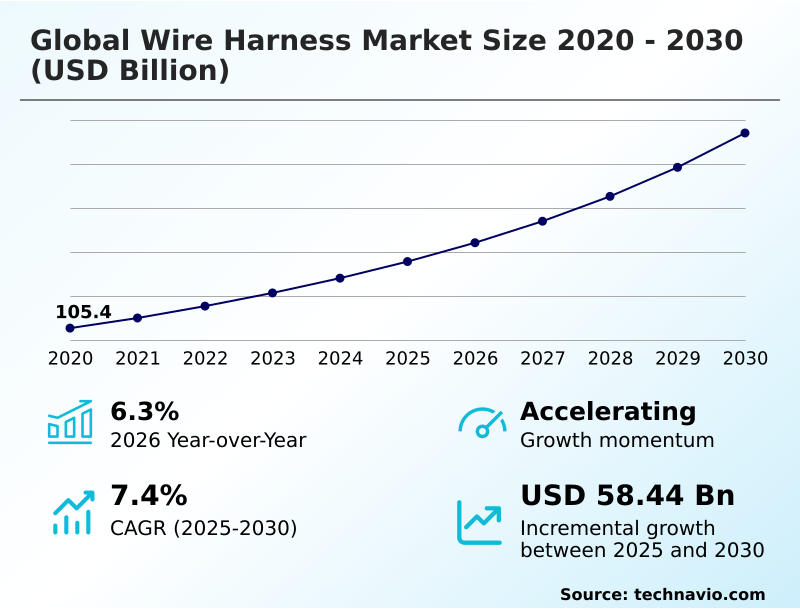
The wire harness market size is valued to increase by USD 58.44 billion, at a CAGR of 7.4% from 2025 to 2030. EV growth driving high-voltage harness ramp-up will drive the wire harness market.
Major Market Trends & Insights
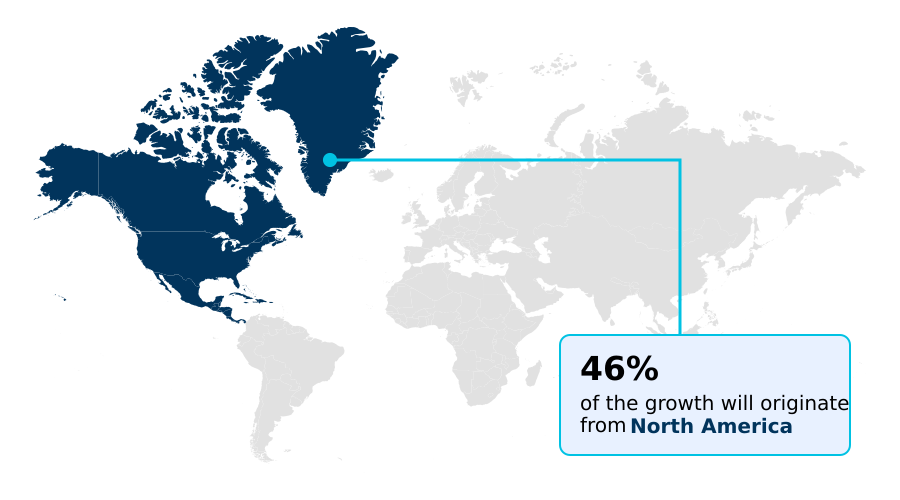
- North America dominated the market and accounted for a 45.8% growth during the forecast period.
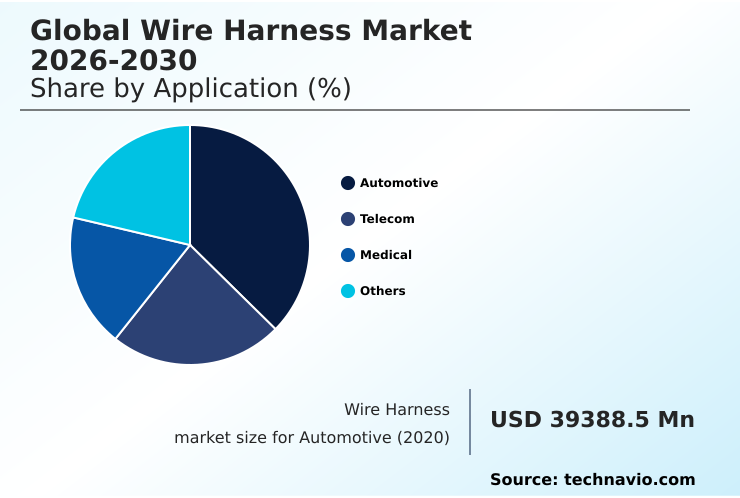
- By Application - Automotive segment was valued at USD 48.21 billion in 2024
- By Material - PVC segment accounted for the largest market revenue share in 2024
Market Size & Forecast
- Market Opportunities: USD 88.69 billion
- Market Future Opportunities: USD 58.44 billion
- CAGR from 2025 to 2030 : 7.4%
Market Summary
- The wire harness market serves as the critical nervous system for modern technology, evolving far beyond simple power delivery. Its trajectory is shaped by the immense demands of powertrain electrification, which requires robust high-voltage harness solutions capable of managing unprecedented power loads. This is complemented by a push toward miniaturized harness design for increasingly compact medical and consumer electronics.
- However, the industry grapples with significant manufacturing complexity stemming from high degrees of wire harness customization, where bespoke designs for aerospace and industrial automation limit economies of scale.
- For instance, a Tier-1 automotive supplier transitioning to a modular harness design for a new electric vehicle platform must re-tool its entire assembly process, integrating advanced robotics and quality control systems to handle high-flexibility cabling. This scenario highlights the balance between meeting specialized client needs and maintaining production efficiency.
- The adoption of lightweight harness solutions and advanced materials remains a key focus to optimize performance across all sectors.
What will be the Size of the Wire Harness Market during the forecast period?
Get Key Insights on Market Forecast (PDF) Get Free Sample
How is the Wire Harness Market Segmented?
The wire harness industry research report provides comprehensive data (region-wise segment analysis), with forecasts and estimates in "USD million" for the period 2026-2030, as well as historical data from 2020-2024 for the following segments.
- Application
- Automotive
- Telecom
- Medical
- Others
- Material
- PVC
- Vinyl
- Thermoplastic elastomer
- Polyurethane
- Polyethylene
- Product type
- Electric wires
- Connectors
- Terminals
- Others
- Type
- Data transmission
- Wiring
- Geography
- North America
- US
- Canada
- Mexico
- Europe
- Germany
- UK
- France
- APAC
- China
- Japan
- India
- South America
- Brazil
- Argentina
- Colombia
- Middle East and Africa
- Saudi Arabia
- UAE
- South Africa
- Rest of World (ROW)
- North America
By Application Insights
The automotive segment is estimated to witness significant growth during the forecast period.
The automotive segment is foundational to the wire harness market, driven by the profound shift in electrical architecture design. The transition to electric vehicle architecture necessitates complex high-voltage harness systems for powertrain electrification and advanced safety systems.
Concurrently, the integration of advanced driver-assistance systems (ADAS) requires high-bandwidth communication capabilities, pushing the boundaries of data transmission protocols.
In response, manufacturers are adopting lightweight harness solutions and modular zonal architecture, with some designs reducing physical complexity by up to 25%.
This evolution toward software-defined vehicles depends on robust signal and power solutions and specialized harness systems to ensure reliability and performance, reshaping vehicle nervous systems from the ground up.
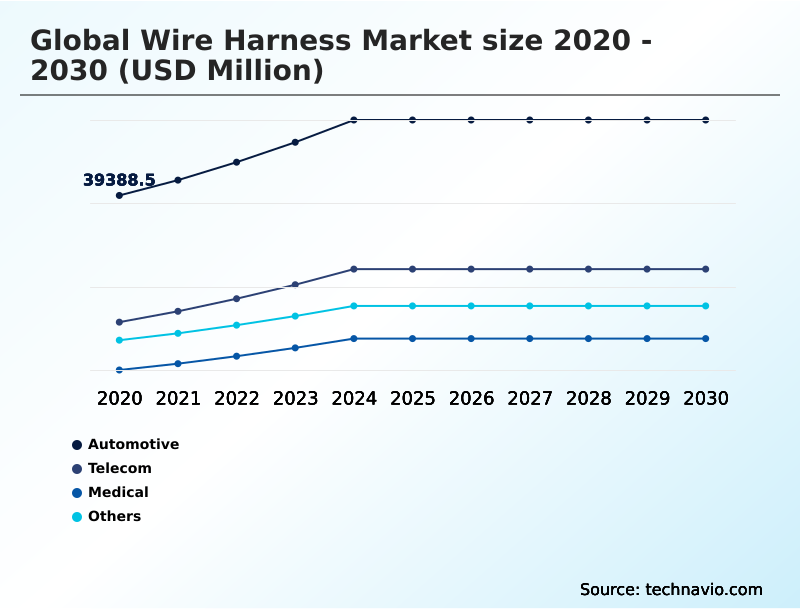
The Automotive segment was valued at USD 48.21 billion in 2024 and showed a gradual increase during the forecast period.
Regional Analysis
North America is estimated to contribute 45.8% to the growth of the global market during the forecast period.Technavio’s analysts have elaborately explained the regional trends and drivers that shape the market during the forecast period.
See How Wire Harness Market Demand is Rising in North America Get Free Sample
The global wire harness market's geographic landscape is characterized by a strategic division of labor, with APAC contributing over 45% of the market's incremental growth.
This region, particularly China, leads in volume production of components for electric vehicle architecture and consumer electronics, leveraging vast manufacturing ecosystems.
In contrast, North America and Europe are epicenters for high-value applications, focusing on advanced driver-assistance systems (ADAS) and complex aerospace wiring standards.
A notable trend is the nearshoring of production to hubs in Mexico and Eastern Europe, which enhances supply chain resilience for Western markets. For example, facilities in Mexico have demonstrated a 15% reduction in lead times for North American OEMs.
This dynamic showcases a market balancing cost-effective scale with high-tech specialization, driven by demands for everything from smart grid connectivity to specialized harness systems.
Market Dynamics
Our researchers analyzed the data with 2025 as the base year, along with the key drivers, trends, and challenges. A holistic analysis of drivers will help companies refine their marketing strategies to gain a competitive advantage.
- The evolution of the wire harness market is increasingly defined by niche applications and advanced engineering requirements. The demand for a high-voltage harness for commercial EVs is pushing the boundaries of thermal management for EV harnesses and high-voltage connector safety standards.
- Simultaneously, the industry-wide push for efficiency is accelerating the adoption of lightweight materials, where overcoming aluminum wire harness corrosion resistance is a key research focus. This trend towards lightweight harness for fuel efficiency is mirrored in aerospace, where every gram impacts operational costs.
- Beyond transportation, the need for a miniaturized harness for medical devices and flexible printed circuits in consumer electronics highlights a move toward micro-scale precision. In industrial settings, a custom wire harness for industrial robotics is essential for reliable operation, while a ruggedized harness for mining equipment must withstand extreme conditions.
- The entire production lifecycle is also being reimagined, with the automated wire harness assembly process becoming a critical differentiator. Firms that have adopted this automation report defect rates nearly half those of manual facilities. This is complemented by a focus on sustainable materials in automotive wiring, reflecting a broader commitment to a circular economy in wire harness production.
- As systems become more complex, factors like EMI shielding for high-frequency signals, the impact of zonal architecture on harness design, and the advantages of solid-state power distribution are becoming central to innovation. The integration of technologies like fiber-optic integration in data centers and specialized EV battery management system wiring further illustrates the market's diversification.
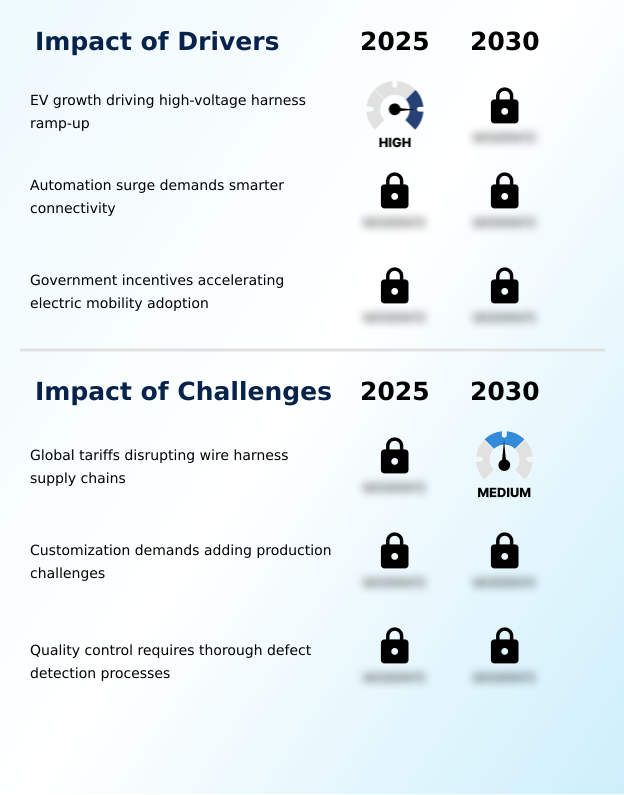
What are the key market drivers leading to the rise in the adoption of Wire Harness Industry?
- The accelerating growth of the electric vehicle market is a key driver, fueling a substantial ramp-up in demand for high-voltage wire harnesses.
- The market's primary growth drivers are rooted in the electrification and automation of key global industries.
- The ramp-up in EV charging infrastructure and powertrain electrification is a dominant force, as the wiring content in an average electric vehicle is more than double that of its internal combustion counterpart.
- This surge requires advanced thermal management systems and robust high-voltage connectors. Concurrently, the expansion of industrial automation connectivity fuels demand for durable, high-flexibility cabling in smart factories.
- Facilities that have upgraded to advanced industrial automation connectivity report up to a 25% increase in operational uptime.
- These powerful drivers, spanning from automotive to industrial sectors, are accelerating innovation in both power delivery and data communication technologies, including automotive ethernet.
What are the market trends shaping the Wire Harness Industry?
- The growing demand for compact device integration is driving a significant trend toward miniaturized harnesses. This shift addresses critical needs for space efficiency and lightweight designs in modern electronics.
- Key market trends are reshaping wire harness design and application, driven by demands for greater efficiency and functionality. The adoption of lightweight materials is critical, with aluminum wiring solutions reducing harness mass by up to 30% compared to traditional copper, directly enhancing EV range. In parallel, the trend toward miniaturized harness design is enabling more compact and feature-rich electronics.
- Innovations in high-density interconnects and flexible printed circuits are supporting this shift, with some high-bandwidth communication systems achieving a 40% increase in data throughput within the same physical footprint. Furthermore, there is a growing emphasis on precision engineering and the use of high-performance alloys to ensure durability in high-stress environments.
- These trends collectively push the industry toward more sophisticated and integrated electrical systems.
What challenges does the Wire Harness Industry face during its growth?
- Disruptions across supply chains caused by global tariffs present a key challenge to the wire harness industry's growth.
- The wire harness market navigates significant operational challenges that impact cost and scalability. High customization requirements for applications like aerospace and industrial robotics introduce manufacturing complexity, with bespoke projects often extending development lead times by as much as 50% compared to standardized products.
- This complexity is compounded by stringent quality control mandates, where advanced optical inspection systems are needed to achieve over 99% defect detection accuracy, thereby minimizing rework. Furthermore, volatile global tariffs disrupt intricate supply chains, affecting the cost and availability of critical components for high-voltage powertrains and data-centric vehicle architecture.
- These hurdles necessitate a focus on modular vehicle design and resilient sourcing strategies to maintain profitability and market responsiveness.
Exclusive Technavio Analysis on Customer Landscape
The wire harness market forecasting report includes the adoption lifecycle of the market, covering from the innovator’s stage to the laggard’s stage. It focuses on adoption rates in different regions based on penetration. Furthermore, the wire harness market report also includes key purchase criteria and drivers of price sensitivity to help companies evaluate and develop their market growth analysis strategies.
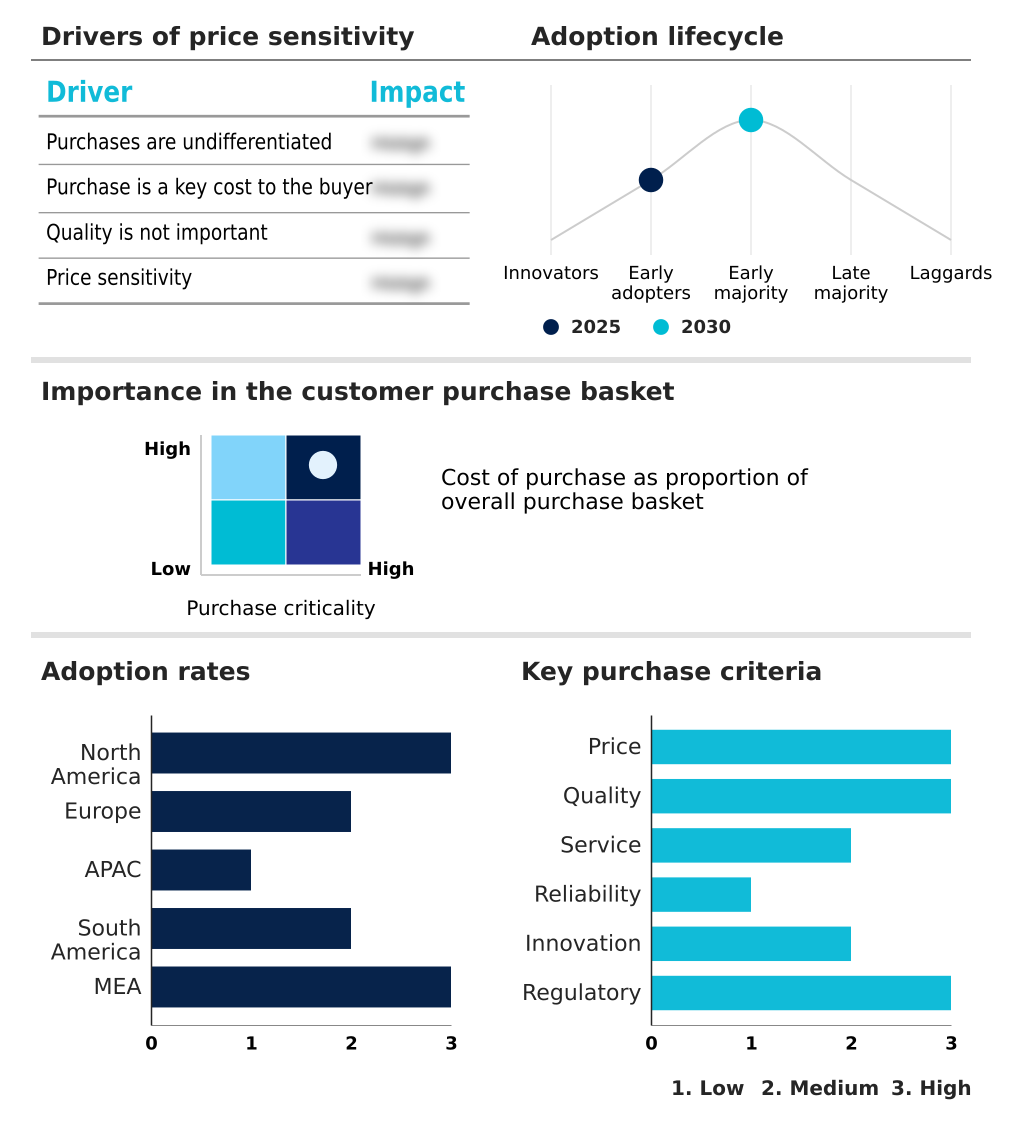
Customer Landscape of Wire Harness Industry
Competitive Landscape
Companies are implementing various strategies, such as strategic alliances, wire harness market forecast, partnerships, mergers and acquisitions, geographical expansion, and product/service launches, to enhance their presence in the industry.
Aptiv Plc - Offerings encompass engineered components for high-voltage power distribution, specialized data transfer, and advanced safety systems, reflecting a strategic focus on complex electrical architectures.
The industry research and growth report includes detailed analyses of the competitive landscape of the market and information about key companies, including:
- Aptiv Plc
- Cloom Tech
- Coroplast
- Dongguan Konnra Co., Ltd.
- Fujikura Co. Ltd.
- Furukawa Electric Co. Ltd.
- Lear Corp.
- Leoni AG
- Linkwings
- Motherson Group
- Nexans Autoelectric Group
- Omega Leads
- Prysmian S.p.A
- Sumitomo Electric Industries
- Wiringo
Qualitative and quantitative analysis of companies has been conducted to help clients understand the wider business environment as well as the strengths and weaknesses of key industry players. Data is qualitatively analyzed to categorize companies as pure play, category-focused, industry-focused, and diversified; it is quantitatively analyzed to categorize companies as dominant, leading, strong, tentative, and weak.
Recent Development and News in Wire harness market
- In February, 2025, Sumitomo Electric Industries announced the successful commercialization of an ultra-flexible high-voltage wire, specifically engineered to meet the tight routing constraints within compact electric vehicle battery packs.
- In March, 2025, Sumitomo Electric Industries inaugurated a specialized production facility in North Africa, dedicated to manufacturing high-speed data transmission harnesses to meet surging automotive connectivity demands.
- In April, 2025, TE Connectivity introduced a modular high-voltage connector system for heavy-duty commercial trucks, featuring an integrated safety interlock loop to enhance serviceability and reduce electrical risks.
- In May, 2025, Yazaki Corporation unveiled a new series of low-insertion-force terminals featuring a proprietary surface geometry that reduces manual assembly effort, improving ergonomics in large-scale harness production.
Dive into Technavio’s robust research methodology, blending expert interviews, extensive data synthesis, and validated models for unparalleled Wire Harness Market insights. See full methodology.
| Market Scope | |
|---|---|
| Page number | 320 |
| Base year | 2025 |
| Historic period | 2020-2024 |
| Forecast period | 2026-2030 |
| Growth momentum & CAGR | Accelerate at a CAGR of 7.4% |
| Market growth 2026-2030 | USD 58437.2 million |
| Market structure | Fragmented |
| YoY growth 2025-2026(%) | 6.3% |
| Key countries | US, Canada, Mexico, Germany, UK, France, Italy, Spain, The Netherlands, China, Japan, India, South Korea, Australia, Indonesia, Brazil, Argentina, Colombia, Saudi Arabia, UAE, South Africa, Israel and Turkey |
| Competitive landscape | Leading Companies, Market Positioning of Companies, Competitive Strategies, and Industry Risks |
Research Analyst Overview
- The wire harness market functions as a critical enabler of technological advancement, with its evolution dictated by the increasing complexity of modern electrical systems. The transition toward high-voltage powertrains and modular zonal architecture in vehicles is driving demand for sophisticated electrical distribution systems and specialized high-voltage harness solutions.
- Innovations in lightweight materials, including aluminum wiring and flexible printed circuits, are pivotal for enhancing efficiency. This trend is coupled with a push for high-speed data transmission capabilities, supported by automotive ethernet and optical fiber integration.
- At the boardroom level, the adoption of sustainable insulation materials and circular economy manufacturing is now a core strategic decision, directly impacting supply chain partnerships and compliance with global environmental mandates. The shift to solid-state power distribution in some platforms has demonstrated weight reductions of up to 30%.
- Concurrently, custom wire harness production relies on automated assembly and low-insertion-force terminals to manage complexity while ensuring reliability. The use of halogen-free materials and heat-resistant connectors in signal and power solutions addresses stringent safety and performance requirements across industries.
What are the Key Data Covered in this Wire Harness Market Research and Growth Report?
-
What is the expected growth of the Wire Harness Market between 2026 and 2030?
-
USD 58.44 billion, at a CAGR of 7.4%
-
-
What segmentation does the market report cover?
-
The report is segmented by Application (Automotive, Telecom, Medical, and Others), Material (PVC, Vinyl, Thermoplastic elastomer, Polyurethane, and Polyethylene), Product Type (Electric wires, Connectors, Terminals, and Others), Type (Data transmission, and Wiring) and Geography (North America, Europe, APAC, South America, Middle East and Africa)
-
-
Which regions are analyzed in the report?
-
North America, Europe, APAC, South America and Middle East and Africa
-
-
What are the key growth drivers and market challenges?
-
EV growth driving high-voltage harness ramp-up, Global tariffs disrupting wire harness supply chains
-
-
Who are the major players in the Wire Harness Market?
-
Aptiv Plc, Cloom Tech, Coroplast, Dongguan Konnra Co., Ltd., Fujikura Co. Ltd., Furukawa Electric Co. Ltd., Lear Corp., Leoni AG, Linkwings, Motherson Group, Nexans Autoelectric Group, Omega Leads, Prysmian S.p.A, Sumitomo Electric Industries and Wiringo
-
Market Research Insights
- The wire harness market is defined by a rapid technological pivot, where traditional electrical frameworks are being re-engineered. The rise of electric vehicle architecture is compelling a shift toward high-voltage systems, with wiring content in EVs being over double that of internal combustion vehicles.
- Concurrently, smart factory wiring for industrial automation connectivity demands ruggedized harness assembly solutions that reduce maintenance-related downtime by over 15%. Innovations in advanced driver-assistance systems (ADAS) are fueling the need for high-fidelity signaling, while miniaturized harness design is enabling the development of more compact and sophisticated electronic devices.
- The integration of high-flexibility cabling ensures reliability in dynamic applications, from robotics to aerospace, underscoring the market's role as an enabler of next-generation technology.
We can help! Our analysts can customize this wire harness market research report to meet your requirements.
 RIA -
RIA - 
