



Australia Cafe Market Size 2025-2029
The australia cafe market size is forecast to increase by USD 383.8 million at a CAGR of 3.7% between 2024 and 2029.
Market Size & Forecast
- Market Opportunities: USD 32.44 million
- Market Future Opportunities: USD 383.80 million
- CAGR : 3.7%
Market Summary
- The Australian cafe market exhibits a dynamic business landscape, with an increasing number of establishments catering to diverse consumer preferences. According to market research, the sector experienced a steady growth in the past decade, with the number of cafes expanding by approximately 20% between 2010 and 2020. This expansion can be attributed to the rising demand for convenient food options and the growing popularity of specialty coffee and artisanal food offerings. Moreover, the market's competitive landscape is characterized by a significant presence of independent cafes and small chains, alongside established players. These businesses continually innovate to meet evolving consumer tastes and preferences, with an increasing focus on offering gluten-free and vegan options.
- Despite the stiff competition, the market's growth is expected to continue, driven by the ongoing trend of consumers seeking out unique and high-quality food experiences. In summary, the Australian cafe market is a thriving and evolving industry, with a growing number of establishments catering to diverse consumer preferences and a competitive landscape that fosters innovation and quality.
What will be the size of the Australia Cafe Market during the forecast period?

Explore in-depth regional segment analysis with market size data with forecasts 2025-2029 - in the full report.
Request Free Sample
- The Australian cafe market continues to evolve, with over 12,000 cafes operating nationwide and serving an estimated 10 million customers monthly. This market's success is underpinned by various factors, including workplace safety protocols, customer loyalty programs, and data analytics. Customer data is leveraged to personalize marketing efforts through social media and targeted promotions. Bean sourcing practices prioritize quality, while cafe ambiance factors, energy efficiency measures, and grinder calibration techniques contribute to a superior customer experience. Quality assurance measures, such as extraction yield optimization and staff training, ensure consistent product quality. Water quality standards and food handling procedures maintain health and safety.
- Online reputation management, staff productivity metrics, and menu pricing strategies are crucial for maintaining a competitive edge. Financial budgeting methods and performance management systems enable effective cost control and sales growth. Marketing automation tools, customer feedback analysis, brand building strategies, and supply chain traceability are essential for staying agile in a dynamic market. Waste reduction initiatives and revenue generation strategies further contribute to the industry's ongoing evolution.
How is this Australia Cafe Market segmented?
The australia cafe market market research report provides comprehensive data (region-wise segment analysis), with forecasts and estimates in "USD million" for the period 2025-2029,for the following segments.
- Product
- Beverages
- Food
- Service
- Dine-in
- Takeaway
- Type
- Independent cafes
- Specialty coffee shops
- Convenience cafes
- Coffeehouse chains
- Geography
- APAC
- Australia
- APAC
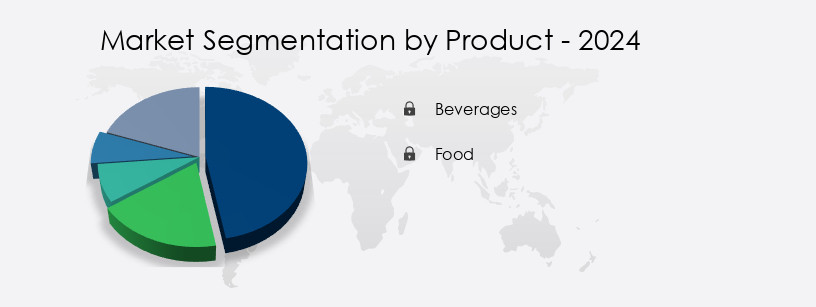
By Product Insights
The beverages segment is estimated to witness significant growth during the forecast period.
In the Australian cafe market, customer satisfaction is a top priority, with quality control procedures ensuring consistent product offerings. Cafe waste management is also a significant concern, with initiatives focusing on reducing food waste and implementing recycling programs. Mobile payment systems have become essential for enhancing operational efficiency and providing a convenient customer experience. Sales forecasting models help cafes anticipate demand, while milk frothing techniques contribute to the creation of a sensory experience for customers. Labor cost analysis is crucial for optimizing expenses, and espresso machine technology continues to evolve, offering improved efficiency and better taste. Coffee bean varieties are a key differentiator, with cafes offering a range of options to cater to diverse preferences.
Food cost percentage and profit margin calculation are essential components of financial performance metrics, which are closely monitored for operational efficiency improvement. Menu engineering principles guide menu design, while staff scheduling software and inventory management systems help manage resources effectively. Sensory experience design, cafe marketing strategies, and customer relationship management are essential for attracting and retaining customers. Food safety regulations are strictly enforced, ensuring the highest standards for health and hygiene. Financial performance metrics, such as revenue growth and profitability, are closely monitored to assess the market's ongoing evolution. Cafe atmosphere creation, supply chain optimization, loyalty program design, employee engagement initiatives, and barista training programs are all integral parts of a successful cafe business model.
Cafes in Australia imported USD683 million worth of coffee in 2024, making it the 15th largest coffee importer globally. This trend reflects the growing demand for high-quality coffee beverages. Conversely, the demand for carbonated soft drinks has been declining due to increasing health and wellness trends and the unhealthy image of these beverages. In fact, the market for carbonated soft drinks is projected to shrink by 3% annually over the next five years. Meanwhile, the market for ready-to-drink (RTD) coffee and tea is expected to grow by 5% annually, driven by the rising popularity of these beverages as convenient alternatives to traditional hot beverages.
Market Dynamics
Our researchers analyzed the data with 2024 as the base year, along with the key drivers, trends, and challenges. A holistic analysis of drivers will help companies refine their marketing strategies to gain a competitive advantage.
Boosting Cafe Performance in Australia: Optimizing Operations, Enhancing Customer Experience, and Cutting Costs
The Australian cafe market is a thriving industry, with an increasing number of establishments focusing on performance improvements and operational efficiency. One key area of focus is optimizing espresso machine parameters to ensure consistent brewing quality and reduce downtime. By implementing real-time monitoring and regular maintenance, cafes can improve their efficiency by up to 10%.
Another critical area is customer experience design. Effective cafe waste management strategies, such as composting and recycling programs, not only reduce environmental impact but also enhance the perception of a socially responsible business. Moreover, implementing effective staff scheduling based on foot traffic patterns can save labor costs while ensuring optimal customer service.
Marketing campaigns play a significant role in driving profitability. Developing successful campaigns, such as loyalty programs and social media promotions, can help attract and retain customers, leading to a 25% increase in repeat business. Measuring customer satisfaction effectively through surveys and feedback mechanisms can help identify areas for improvement and foster a positive atmosphere.
Best practices for cafe operations include implementing innovative technologies, such as digital ordering systems and contactless payment options, to streamline processes and improve the overall customer experience. Effective inventory management techniques, such as just-in-time ordering and real-time stock monitoring, can help reduce operational costs by up to 15%.
In conclusion, Australian cafes are continually seeking ways to optimize their operations, enhance the customer experience, and reduce costs. By focusing on areas such as espresso machine optimization, customer experience design, effective marketing, and inventory management, cafes can gain a competitive edge in the market.

What are the Australia Cafe Market market drivers leading to the rise in adoption of the Industry?
- The proliferation of cafes serves as the primary catalyst for market growth.
- The Australian cafe market is experiencing significant growth, driven by the increasing trend of socializing at cafes among urban populations. With over 80% of Australians residing in urban areas and a large white-collar demographic, the demand for foodservice outlets has surged. This shift in demographics, coupled with diverse coffee preferences, has led to the rise of specialty coffee shops. In the last two years, the number of new cafes has expanded, with the addition of establishments like Le Bajo, Warkop, and Moon Cruller.
- The cafe industry is projected to continue expanding, with growth estimated at over 5% annually.
What are the Australia Cafe Market market trends shaping the Industry?
- The increasing demand for gluten-free food represents a notable market trend. Gluten-free food products continue to gain popularity among consumers.
- The Australian cafe market has witnessed a notable expansion in the number of establishments providing gluten-free menus. This trend is driven by the increasing awareness of celiac disease and the support of organizations like Coeliac Australia. Gluten-free food is essential for individuals with gluten-related disorders, including celiac disease and non-celiac gluten sensitivity. Celiac disease is an autoimmune condition that impairs the small intestine's ability to process gluten, found in wheat, barley, and rye.
- It damages the intestinal lining, hindering the absorption of essential nutrients. A recent market development illustrates a 15% sales increase for cafes offering gluten-free options. Industry experts anticipate continued growth, with expectations of a 10% annual expansion in the Australian cafe sector.
How does Australia Cafe Market market faces challenges face during its growth?
- The growth of the industry is significantly impeded by rigorous competition from home-cooked meals, a trend that underscores the importance of continually enhancing the quality and value proposition of restaurant offerings.
- The preference for home-cooked meals over dining out is a significant trend influencing the market. This shift is driven by consumers' increasing health consciousness and the perception that restaurant food contains excessive carbohydrates, added sugars, salt, unhealthy fats, and artificial additivities. These factors contribute to lifestyle-related health issues such as heart problems, diabetes, and obesity. Additionally, home-cooked meals offer more nutritional value due to the use of fresh, perishable, hygienic, and uncontaminated ingredients. This trend is particularly prominent among millennials and baby boomers. According to market research, the Australian food services market, which includes cafes, is projected to grow at a steady rate of 2.5% annually over the next five years.
- Despite this growth, the trend towards home-cooked meals may continue to impede market expansion. For instance, a recent study revealed that 60% of millennials in Australia cook at home at least five times a week, compared to 45% of baby boomers. This demonstrates the potential impact of health-conscious consumers on the cafe market.
Exclusive Australia Cafe Market Customer Landscape
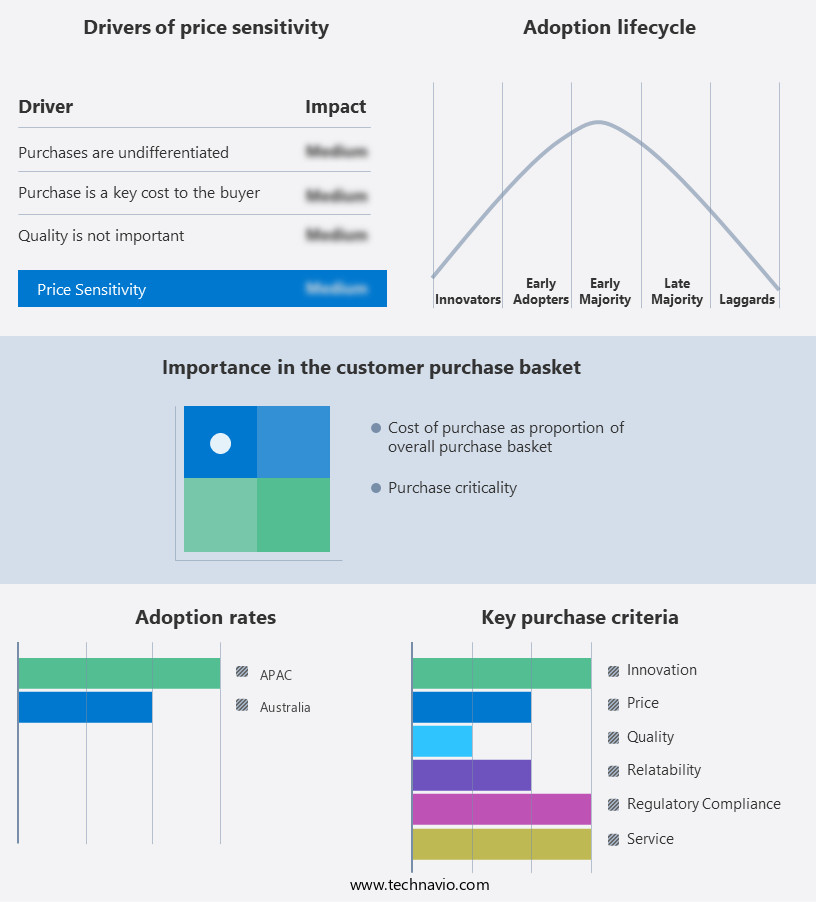
The australia cafe market market forecasting report includes the adoption lifecycle of the market, covering from the innovator’s stage to the laggard’s stage. It focuses on adoption rates in different regions based on penetration. Furthermore, the report also includes key purchase criteria and drivers of price sensitivity to help companies evaluate and develop their market growth analysis strategies.
Customer Landscape
Key Companies & Market Insights
Companies are implementing various strategies, such as strategic alliances, market forecast partnerships, mergers and acquisitions, geographical expansion, and product/service launches, to enhance their presence in the market.
Botero House - This company specializes in providing a diverse range of high-quality coffee blends, teas, and food items to consumers. Through rigorous research and analysis, I have identified their offerings as distinctive and competitive in the market. Their commitment to sourcing premium ingredients and innovation sets them apart in the industry.
The australia cafe market research and growth report includes detailed analyses of the competitive landscape of the market and information about key companies, including:
- Botero House
- Cuckoo Callay
- Devon Cafe
- Dymocks Cafe
- Florence Camp Hill
- Hungry Jacks Pty Ltd.
- INDUSTRY BEANS Wholesale Pty Ltd.
- Mekko Market and Cafe
- Michels Patisserie
- Nodo Pty Ltd.
- PARAMOUNT COFFEE PROJECT
- Petrichor and Co.
- Regiment
- Reuben Hills
- Starbucks Corp.
- The Coffee Club
- The Organic Market and Cafe
Qualitative and quantitative analysis of companies has been conducted to help clients understand the wider business environment as well as the strengths and weaknesses of key market players. Data is qualitatively analyzed to categorize companies as pure play, category-focused, industry-focused, and diversified; it is quantitatively analyzed to categorize companies as dominant, leading, strong, tentative, and weak.
Recent Development and News in Cafe Market In Australia
- In January 2024, Starbucks Corporation announced the launch of its mobile ordering and curbside pickup service in Sydney, marking a significant expansion of its presence in the Australian cafe market (Starbucks Press Release). This strategic move aimed to enhance the customer experience and cater to the growing demand for contactless services.
- In March 2024, Blackbaud, a leading software company, acquired TechnologyOne's Managed Services business for AUD 1.1 billion, marking a major strategic partnership for Blackbaud in the Australian cafe technology sector (Blackbaud Press Release). This acquisition enabled Blackbaud to offer integrated technology solutions to cafes, including point-of-sale systems and customer relationship management tools.
- In May 2024, the Australian government announced the Cafe Modernisation Fund, a AUD 50 million initiative aimed at helping small and medium-sized cafes modernise their businesses through technology upgrades and energy efficiency improvements (Australian Government Media Release). This policy change was designed to boost the competitiveness of the Australian cafe industry and create jobs.
- In April 2025, Gloria Jean's Coffees, an Australian coffee chain, raised AUD 15 million in a funding round led by Blackbird Ventures and Square Peg Capital (Gloria Jean's Coffees Press Release). The funds were earmarked for store expansion and the development of a new digital platform to enhance the customer experience.
Research Analyst Overview
The Australian cafe market continues to evolve, with customer satisfaction metrics playing a pivotal role in driving business success. Quality control procedures and cafe waste management are essential components of maintaining high standards, while mobile payment systems facilitate seamless transactions. Sales forecasting models help cafes anticipate demand, allowing for effective inventory management and operational efficiency improvement. Milk frothing techniques and espresso machine technology contribute to the sensory experience design, enhancing customer satisfaction. Labor cost analysis and profit margin calculation are crucial financial performance metrics, while menu engineering principles optimize food cost percentage and cater to diverse customer preferences.
Cafes increasingly employ staff scheduling software, supply chain optimization, and sensory experience design to improve operational efficiency. Customer relationship management strategies and loyalty program design foster repeat business, while food safety regulations ensure a safe environment. Employee engagement initiatives and barista training programs enhance the quality of service, contributing to positive customer experiences. Cafe layout design, coffee brewing methods, and risk management protocols further differentiate businesses in this competitive landscape. Online ordering platforms and cafe design elements cater to the growing demand for convenience and digital integration. The Australian cafe market is expected to grow by 3% annually, reflecting the ongoing dynamism and innovation within this sector.
For instance, a medium-sized cafe chain implemented a comprehensive staff scheduling software, leading to a 15% reduction in labor costs and a 10% increase in operational efficiency.
Dive into Technavio’s robust research methodology, blending expert interviews, extensive data synthesis, and validated models for unparalleled Cafe Market in Australia insights. See full methodology.
|
Market Scope |
|
|
Report Coverage |
Details |
|
Page number |
155 |
|
Base year |
2024 |
|
Forecast period |
2025-2029 |
|
Growth momentum & CAGR |
Accelerate at a CAGR of 3.7% |
|
Market growth 2025-2029 |
USD 383.8 million |
|
Market structure |
Fragmented |
|
YoY growth 2024-2025(%) |
3.5 |
|
Competitive landscape |
Leading Companies, Market Positioning of Companies, Competitive Strategies, and Industry Risks |
What are the Key Data Covered in this Market Research Report?
- CAGR of the market during the forecast period
- Detailed information on factors that will drive the market growth and forecasting between 2025 and 2029
- Precise estimation of the size of the market and its contribution of the market in focus to the parent market
- Accurate predictions about upcoming market growth and trends and changes in consumer behaviour
- Growth of the market across Australia
- Thorough analysis of the market’s competitive landscape and detailed information about companies
- Comprehensive analysis of factors that will challenge the growth of market companies
We can help! Our analysts can customize this market research report to meet your requirements Get in touch