

5G Chipset Market Analysis North America, Europe, APAC, South America, Middle East and Africa - US, China, Germany, UK, France, Canada, Japan, South Korea, Taiwan, Brazil - Size and Forecast 2024-2028

5G Chipset Market Analysis North America, Europe, APAC, South America, Middle East and Africa - US, China, Germany, UK, France, Canada, Japan, South Korea, Taiwan, Brazil - Size and Forecast 2024-2028

Published: Oct 2024 211 Pages SKU: IRTNTR80249

Market Overview at a Glance

$42.91 B
Market Opportunity
17.3%
CAGR
16.8
YoY growth 2023-2024(%)

5G Chipset Market Size 2024-2028

The 5g chipset market size is forecast to increase by USD 42.91 billion at a CAGR of 17.3% between 2023 and 2028.

  • The market is experiencing significant growth due to the increasing adoption of smart city projects and the launch of innovative 5G chipsets. The integration of 5G technology in various industries, including automotive, healthcare, and telecommunications, is driving market growth. However, production challenges persist, including the complexities of manufacturing 5G chipsets and ensuring compatibility with various devices and networks. These issues may hinder market expansion, but advancements in technology and collaborative efforts among industry players are expected to mitigate these challenges. Overall, the market is poised for robust growth, with the potential to revolutionize the way we connect and communicate.
  • What will be the Size of the 5G Chipset Market During the Forecast Period?
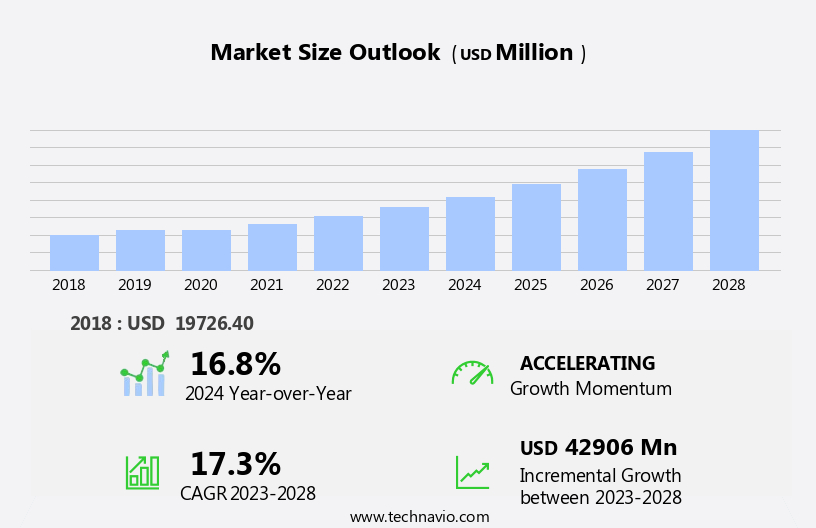
    5G Chipset Market Size

     Request Free Sample

  • The market is experiencing significant growth due to the increasing demand for high-speed internet and advanced network coverage. With the proliferation of cellular connections, Machine-to-Machine (M2M) IoT, and automotive adoption, mobile data traffic is surging, driving the need for low-latency infrastructure. Consumer electronics, artificial intelligence, and network optimization are also key sectors fueling the adoption of 5G technology. Self-organizing networks, beamforming optimization, design acceleration, dynamic resource allocation, edge computing, and industrial IoT are some of the innovative technologies shaping the market. Semiconductor manufacturers are addressing design challenges by developing compact form factors with high efficiency and data capacity to meet the demands of the market.
  • The market is witnessing intense competition among players, with frequent announcements of new chipsets in various frequency bands. The focus on delivering an optimal connectivity experience is a priority for both manufacturers and end-users.
  • How is this 5G Chipset Industry segmented and which is the largest segment?

    The 5g chipset industry research report provides comprehensive data (region-wise segment analysis), with forecasts and estimates in "USD million" for the period 2024-2028, as well as historical data from 2018-2022 for the following segments.

    • Type
      • RFICs
      • Modem
    • End-user
      • Mobile devices
      • Telecommunication infrastructure
      • Non-mobile devices
      • Automobile
    • Geography
      • North America
        • Canada
        • US
      • Europe
        • Germany
        • UK
        • France
      • APAC
        • China
        • Japan
        • South Korea
      • South America
        • Brazil
      • Middle East and Africa

      By Type Insights

      • The rfics segment is estimated to witness significant growth during the forecast period.

      Radio-frequency integrated circuits (RFICs) play a vital role In the market, facilitating wireless communication by converting analog and digital signals. These components are integral to 5G infrastructure, powering applications from smartphones and base stations to IoT devices. The market for RFICs is expanding due to the growing demand for high-speed, low-latency 5G networks. Key industries, such as automotive and industrial IoT, are driving this trend, necessitating advanced connectivity solutions. GCT Semiconductor's recent partnership with a leading infrastructure provider to develop Fixed Wireless Access (FWA) technology using their 5G modem chipset and RFIC solutions underscores this need. The market is characterized by its emphasis on high throughput, low latency, and mm Wave Technology.

      As 5G networks continue to roll out, RFICs will remain essential for delivering the high-speed, efficient connectivity that powers the digital transformation across various industries.
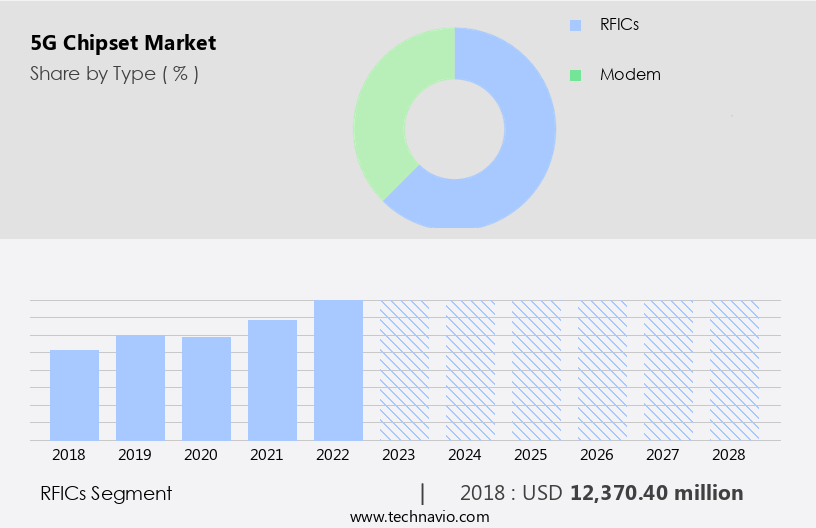
      5G Chipset Market Size

      Get a glance at the  5G Chipset Industry report of share of various segments Request Free Sample

      The RFICs segment was valued at USD 12.37 billion in 2018 and showed a gradual increase during the forecast period.

      Regional Analysis

      • North America is estimated to contribute 43% to the growth of the global market during the forecast period.

      Technavio’s analysts have elaborately explained the regional trends and drivers that shape the market during the forecast period.
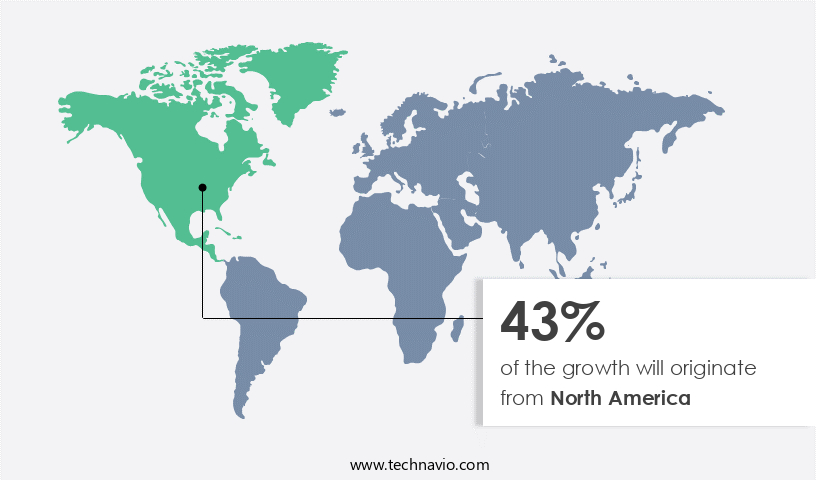
      5G Chipset Market Share by Geography

      For more insights on the market share of various regions, Request Free Sample

      The North American market holds substantial growth potential for 5G chipsets, fueled by the extensive rollout of 5G networks and the increasing adoption of 5G-enabled devices. In the US and Canada, over 300 million people, accounting for approximately 90% of the population, are covered by low-band 5G services from leading providers. Mid-band 5G coverage ranges from 210 to 300 million people. The deployment of mmWave technology in major urban areas underscores the region's dedication to advancing 5G infrastructure. With extensive network coverage, the demand for 5G chipsets in various devices, including consumer electronics, automotive, and industrial applications, is on the rise.

      Key industries, such as automation and the Internet of Things (IoT), are poised to benefit from the high-speed internet, low-latency infrastructure, and enhanced security offered by 5G technology. Semiconductor manufacturers, including MediaTek, are addressing design challenges, such as frequency bands, compact form factors, and data capacity, to deliver high-throughput, low-latency 5G chipsets for various applications. Strategic collaborations between semiconductor device manufacturers, smartphone OEMs, telecom players, and automotive manufacturers are driving innovation and customization in 5G chipsets. The regulatory landscape and geographic segmentation are also influencing the market dynamics.

      Market Dynamics

      Our  researchers analyzed the data with 2023 as the base year, along with the key drivers, trends, and challenges. A holistic analysis of drivers will help companies refine their marketing strategies to gain a competitive advantage.

      What are the key market drivers leading to the rise In the adoption of 5G Chipset Industry?

      Smart city projects is the key driver of the market.

    • The market is experiencing significant growth due to the increasing adoption of high-speed internet and advanced network coverage in various industries. Cellular connections have become essential for consumer electronics, automotive, and industrial applications, leading to a surge in mobile data traffic. To address the demands of low-latency infrastructure, semiconductor manufacturers like MediaTek are focusing on design acceleration, dynamic resource allocation, and beamforming optimization. Moreover, the integration of artificial intelligence, network optimization, self-organizing networks, and edge computing in 5G networks is enhancing security and customization. Strategic collaborations between smartphone OEMs, telecom players, and tech companies are driving the development of 5G modems and chipsets.
    • The automotive sector's adoption of 5G technology is also accelerating, with automotive plants implementing 5G networks for smart manufacturing and digital transformation. The expansion of IoT and M2M communication in various industries, including the automation industry and industrial IoT, is fueling the growth of the market. Private 5G networks and mmWave frequencies are gaining popularity for their high efficiency, compact form factors, and data capacity. Telecom operators are investing heavily in spectrum auctions to expand 5G connection coverage, and IP multimedia subsystem is becoming a crucial component of 5G networks. The 5G technology's high throughput, low latency, and millimeter wave technology are enabling data transmission speeds that were previously unimaginable.
    • The market's growth is further propelled by the increasing demand for connected devices and smart city projects, which aim to optimize urban infrastructure investments and improve citizen services. The challenges of design, frequency bands, and spectrum allocation are driving innovation and competition In the market.
    • What are the market trends shaping the 5G Chipset Industry?

      Launch of innovative 5G chipsets is the upcoming market trend.

    • The market is witnessing a notable shift towards the development of high-performance and cost-effective chipsets, fueled by intensifying competition among semiconductor manufacturers. This trend is crucial for expanding 5G technology adoption across various industries. For instance, Qualcomm's launch of the Snapdragon 4s Gen 2 chipset in March 2024 enables affordable 5G devices for Indian smartphone manufacturers, positioning Qualcomm against MediaTek In the entry-level market segment. Moreover, the industry's push for advanced solutions is evident through the introduction of high-speed modules like the Telit Cinterion FE990B34/40 family, which utilizes Qualcomm's Snapdragon X72 modem-RF system. These innovations aim to cater to the growing demand for low-latency infrastructure, network optimization, and edge computing in sectors such as automotive, consumer electronics, and industrial IoT.
    • Semiconductor devices with 5G capabilities are increasingly essential for enabling high-speed internet, network coverage, and cellular connections in various applications, including M2M communication, smart city projects, and urban infrastructure investments. Furthermore, strategic collaborations among leading manufacturers, telecom players, and smartphone OEMs are crucial for addressing design challenges, ensuring data capacity, and improving connectivity experience. The market's growth is also driven by the need for customization, skills and expertise, security enhancement, dynamic resource allocation, and mmWave frequencies. As the 5G networks continue to evolve, the demand for high throughput, low latency, and mm Wave Technology will remain a key focus for semiconductor manufacturers.
    • What challenges does the 5G Chipset Industry face during its growth?

      Production challenges is a key challenge affecting the industry growth.

    • The market is experiencing significant growth, driven by the demand for high-speed internet, network coverage expansion, and the increasing adoption of cellular connections in various industries. This market is witnessing dynamic changes, with consumer electronics, automotive, and industrial IoT sectors leading the way. The integration of artificial intelligence, network optimization, self-organizing networks, and edge computing is enhancing the capabilities of 5G technology. Semiconductor manufacturers like MediaTek are addressing the design challenges associated with 5G chipsets, focusing on high efficiency, compact form factors, and data capacity to improve the connectivity experience. The market is also witnessing strategic collaborations between leading manufacturers and telecom players to accelerate design and development.
    • The market is segmented by frequency bands, with mmWave frequencies gaining popularity due to their high throughput and low latency. The market is also witnessing the adoption of 5G modem chipsets for enhanced mobile broadband, ultra-reliable communications, and massive machine-type communications. However, the market faces challenges related to regulation, security enhancement, and customization, requiring skills and expertise to address these complexities. The market dynamics are influenced by geographic segmentation, with Asia Pacific leading the way in 5G network rollouts. The 5G networks are transforming industries, including smartphone OEMs, telecom operators, and urban infrastructure investments, enabling digital transformation and automation.
    • The automotive sector is also witnessing the adoption of 5G for smart city projects and self-driving cars. Despite these opportunities, the market faces challenges related to production, with semiconductor manufacturing requiring significant investment and expertise. The recent delay in Wolfspeed's semiconductor plant construction in Germany highlights the ongoing challenges of enhancing local chip production and decreasing reliance on Asian suppliers. In conclusion, the market is witnessing significant growth, driven by the demand for high-speed internet, network coverage expansion, and the adoption of cellular connections in various industries. The market is witnessing dynamic changes, with consumer electronics, automotive, and industrial IoT sectors leading the way.
    • However, the market faces challenges related to regulation, security enhancement, and production, requiring significant investment and expertise to address these complexities.
    • Exclusive Customer Landscape

      The 5g chipset market forecasting report includes the adoption lifecycle of the market, covering from the innovator’s stage to the laggard’s stage. It focuses on adoption rates in different regions based on penetration. Furthermore, the 5g chipset market report also includes key purchase criteria and drivers of price sensitivity to help companies evaluate and develop their market growth analysis strategies.
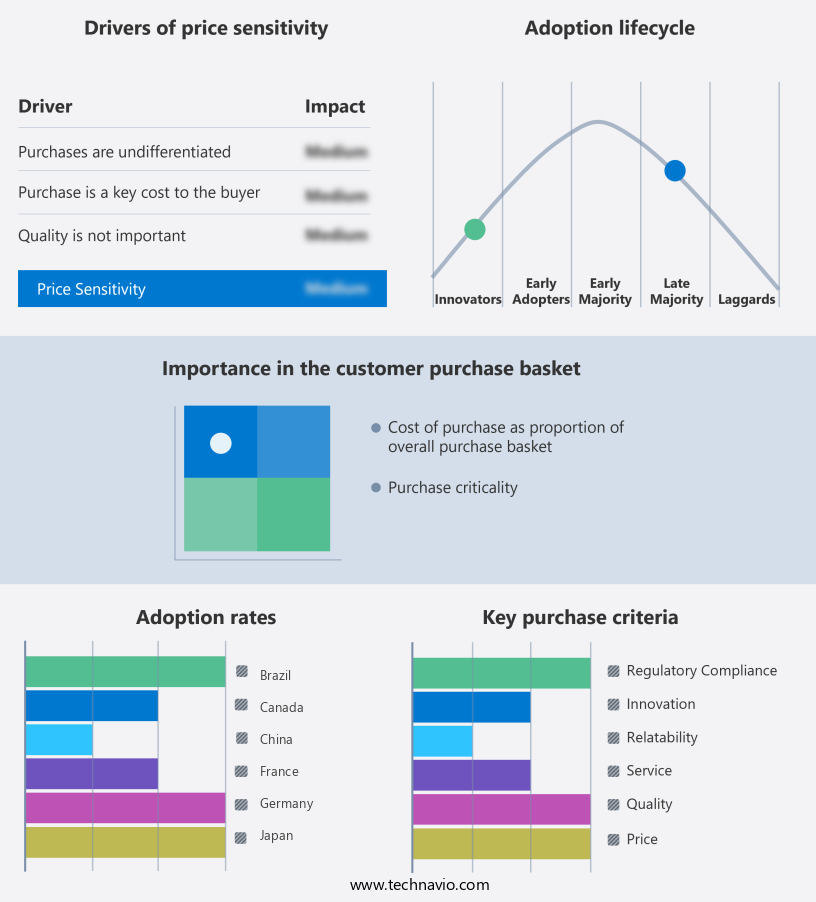
      5G Chipset Market Share by Geography

       Customer Landscape

      Key Companies & Market Insights

      Companies are implementing various strategies, such as strategic alliances, 5g chipset market forecast, partnerships, mergers and acquisitions, geographical expansion, and product/service launches, to enhance their presence In the industry.

      ASR Microelectronics Co. Ltd - The company specializes in providing advanced 5G chipset solutions for various applications, including 802.11 wireless LAN systems, access points, routers, wireless routers, and more. These chipsets enable seamless integration of 5G technology into these devices, enhancing their capabilities and improving connectivity. With a focus on innovation and performance, the company's offerings cater to the growing demand for faster and more reliable wireless communications.

      The industry research and growth report includes detailed analyses of the competitive landscape of the market and information about key companies, including:

      • ASR Microelectronics Co. Ltd
      • Broadcom Inc.
      • Fujitsu Ltd.
      • Huawei Technologies Co. Ltd.
      • Infineon Technologies AG
      • Intel Corp.
      • Marvell Technology Inc.
      • MediaTek Inc.
      • Micron Technology Inc.
      • Murata Manufacturing Co. Ltd.
      • Nokia Corp.
      • Qorvo Inc.
      • Qualcomm Inc.
      • Realtek Semiconductor Corp.
      • Samsung Electronics Co. Ltd.
      • Skyworks Solutions Inc.
      • Sony Group Corp.
      • STMicroelectronics International N.V.
      • ZTE Corp.

      Qualitative and quantitative analysis of companies has been conducted to help clients understand the wider business environment as well as the strengths and weaknesses of key industry players. Data is qualitatively analyzed to categorize companies as pure play, category-focused, industry-focused, and diversified; it is quantitatively analyzed to categorize companies as dominant, leading, strong, tentative, and weak.

      Research Analyst Overview

      The global market for 5G chipsets is experiencing significant growth as the next generation of cellular technology gains momentum. This technology, which promises high-speed internet, improved network coverage, and low-latency infrastructure, is poised to revolutionize various industries, from consumer electronics to automotive and industrial IoT. The demand for 5G chipsets is driven by several factors. The increasing adoption of automotive applications, such as connected cars and autonomous vehicles, necessitates the need for high-speed, low-latency connectivity. Furthermore, the rise of the Internet of Things (IoT) and the increasing number of connected devices require efficient data transmission and processing capabilities. The design challenges associated with 5G chipsets are numerous.

      The technology relies on millimeter wave technology, which operates at higher frequencies than previous generations. This requires compact form factors and high efficiency to minimize power consumption and heat generation. Moreover, the data capacity and connectivity experience demanded by 5G applications necessitate dynamic resource allocation, edge computing, and security enhancement. Leading manufacturers of semiconductor devices are investing heavily In the development of 5G chipsets. These companies are collaborating strategically to address the design challenges and offer customized solutions to meet the specific needs of various industries. For instance, Mediatek, a leading semiconductor manufacturer, has announced the development of a 5G chipset that supports both sub-6GHz and mmWave frequencies, offering high throughput and low latency.

      The market is also witnessing the emergence of 5G modems and modem chipsets, which are essential components of 5G networks. These devices enable enhanced mobile broadband, ultra-reliable communications, and low latency communications, making them crucial for various applications, including smartphone OEMs, telecom players, and smart city projects. The geographic segmentation of the market is diverse, with various regions investing in urban infrastructure to support the deployment of 5G networks. Telecom operators are also participating in spectrum auctions to secure the necessary frequencies for 5G connections. The IP multimedia subsystem (IMS) is expected to play a significant role In the deployment of 5G networks, enabling real-time, multimedia communication and enabling the automation industry to digitalize and transform.

      The automotive sector is also a significant contributor to the growth of the market. The increasing number of automotive plants and the shift towards smart manufacturing and automation are driving the demand for high-speed, low-latency connectivity. The use of 5G technology in automotive applications is expected to lead to improved safety, efficiency, and convenience, making it a game-changer for the automotive industry. In conclusion, the market is witnessing significant growth as the technology gains momentum. The demand for high-speed internet, network coverage, and low-latency infrastructure is driving the development of 5G chipsets, which are essential for various applications, including consumer electronics, automotive, and industrial IoT.

      The challenges associated with the design and development of 5G chipsets are numerous, but leading semiconductor manufacturers are investing heavily to address these challenges and offer customized solutions to meet the specific needs of various industries. The future of the market looks promising, with numerous opportunities for growth and innovation.

      Market Scope

      Report Coverage

      Details

      Page number

      211

      Base year

      2023

      Historic period

      2018-2022

      Forecast period

      2024-2028

      Growth momentum & CAGR

      Accelerate at a CAGR of 17.3%

      Market growth 2024-2028

      USD 42906 million

      Market structure

      Fragmented

      YoY growth 2023-2024(%)

      16.8

      Key countries

      US, China, Germany, UK, France, Canada, Japan, South Korea, Taiwan, and Brazil

      Competitive landscape

      Leading Companies, Market Positioning of Companies, Competitive Strategies, and Industry Risks

      Request Free Sample

      What are the Key Data Covered in this 5G Chipset Market Research and Growth Report?

      • CAGR of the 5G Chipset industry during the forecast period
      • Detailed information on factors that will drive the growth and forecasting between 2024 and 2028
      • Precise estimation of the size of the market and its contribution of the industry in focus to the parent market
      • Accurate predictions about upcoming growth and trends and changes in consumer behaviour
      • Growth of the market across North America, Europe, APAC, South America, and Middle East and Africa
      • Thorough analysis of the market’s competitive landscape and detailed information about companies
      • Comprehensive analysis of factors that will challenge the 5g chipset market growth of industry companies

      We can help! Our analysts can customize this 5g chipset market research report to meet your requirements.

      Get in touch


      Table of Contents not available.

      Research Methodology

      Technavio presents a detailed picture of the market by way of study, synthesis, and summation of data from multiple sources. The analysts have presented the various facets of the market with a particular focus on identifying the key industry influencers. The data thus presented is comprehensive, reliable, and the result of extensive research, both primary and secondary.

      INFORMATION SOURCES

      Primary sources

      • Manufacturers and suppliers
      • Channel partners
      • Industry experts
      • Strategic decision makers

      Secondary sources

      • Industry journals and periodicals
      • Government data
      • Financial reports of key industry players
      • Historical data
      • Press releases

      DATA ANALYSIS

      Data Synthesis

      • Collation of data
      • Estimation of key figures
      • Analysis of derived insights

      Data Validation

      • Triangulation with data models
      • Reference against proprietary databases
      • Corroboration with industry experts

      REPORT WRITING

      Qualitative

      • Market drivers
      • Market challenges
      • Market trends
      • Five forces analysis

      Quantitative

      • Market size and forecast
      • Market segmentation
      • Geographical insights
      • Competitive landscape

      Interested in this report?

      Get your sample now to see our research methodology and insights!

      Download Now

      Frequently Asked Questions

      5G Chipset market growth will increase by $ 42906 mn during 2024-2028.

      The 5G Chipset market is expected to grow at a CAGR of 17.3% during 2024-2028.

      5G Chipset market is segmented by Type( RFICs, Modem) End-user( Mobile devices, Telecommunication infrastructure, Non-mobile devices, Automobile)

      ASR Microelectronics Co. Ltd, Broadcom Inc., Fujitsu Ltd., Huawei Technologies Co. Ltd., Infineon Technologies AG, Intel Corp., Marvell Technology Inc., MediaTek Inc., Micron Technology Inc., Murata Manufacturing Co. Ltd., Nokia Corp., Qorvo Inc., Qualcomm Inc., Realtek Semiconductor Corp., Samsung Electronics Co. Ltd., Skyworks Solutions Inc., Sony Group Corp., STMicroelectronics International N.V., ZTE Corp. are a few of the key vendors in the 5G Chipset market.

      North America will register the highest growth rate of 43% among the other regions. Therefore, the 5G Chipset market in North America is expected to garner significant business opportunities for the vendors during the forecast period.

      US, China, Germany, UK, France, Canada, Japan, South Korea, Taiwan, Brazil

      • Smart city projectsThe expansion of smart city projects is emerging as a significant driver for the global 5G chipset market is the driving factor this market.
      • as urban areas increasingly turn to digital technologies to enhance citizen well-being and optimize public services. By integrating advanced connectivity solutions is the driving factor this market.
      • smart cities aim to foster sustainable environments while improving the efficiency of municipal operations. According to forecasts is the driving factor this market.
      • the global Internet of Things (IoT) industry related to smart cities is expected to grow significantly is the driving factor this market.
      • increasing from $298 billion in 2021 to more than approximately $648 billion by 2026. In the US alone is the driving factor this market.
      • city authorities are anticipated to invest in the manufacturing of semiconductors which includes 5G chipsets approximately $41 trillion over the next two decades to implement and benefit from these digital technologies. The effectiveness of smart city initiatives is heavily reliant on robust data utilization is the driving factor this market.
      • prompting several countries to adopt national data strategies. These strategies are designed to harness the potential of data in advancing smart city development. Countries such as Japan and the UK have established frameworks to promote open data access is the driving factor this market.
      • ensuring that information from public organizations is available in user-friendly formats. In addition is the driving factor this market.
      • many nations have implemented guidelines and regulatory measures focused on data privacy and security is the driving factor this market.
      • such as the Act on the Protection of Personal Information of Japan is the driving factor this market.
      • which aims to cultivate public trust. Furthermore is the driving factor this market.
      • standardized frameworks for smart cities are being developed is the driving factor this market.
      • enabling cohesive data management across diverse sources. Initiatives such as the Indian Data Exchange Platform and the UK PD 8100 standard exemplify efforts to create a unified approach to data interoperability. These factors collectively bolster the demand for advanced 5G chipsets is the driving factor this market.
      • facilitating the development of smarter urban environments. is the driving factor this market.

      The 5G Chipset market vendors should focus on grabbing business opportunities from the RFICs segment as it accounted for the largest market share in the base year.
