


Alumni Management Software Market Size 2026-2030
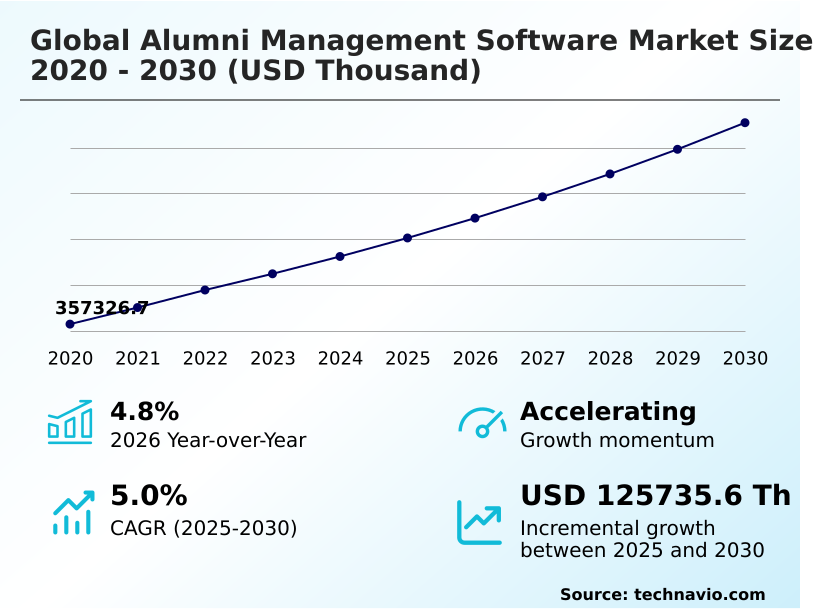
The alumni management software market size is valued to increase by USD 125.74 million, at a CAGR of 5% from 2025 to 2030. Surge in demand for efficient alumni network program will drive the alumni management software market.
Major Market Trends & Insights
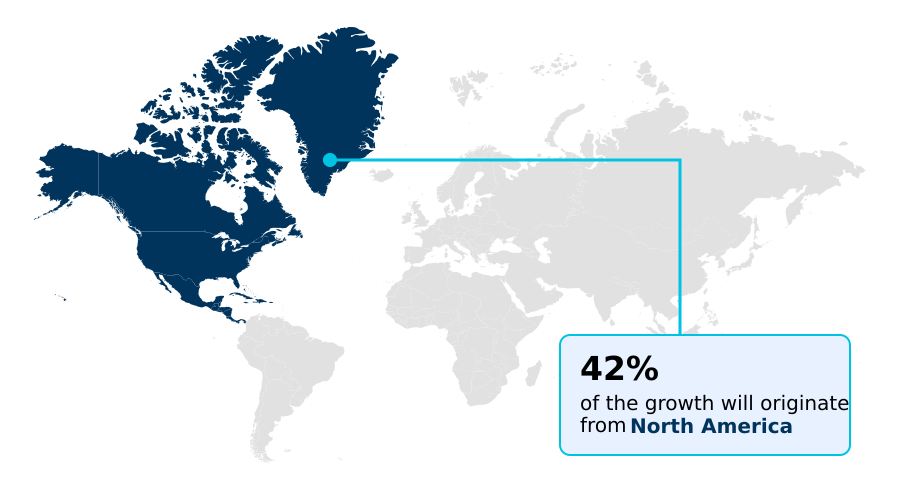
- North America dominated the market and accounted for a 42.1% growth during the forecast period.
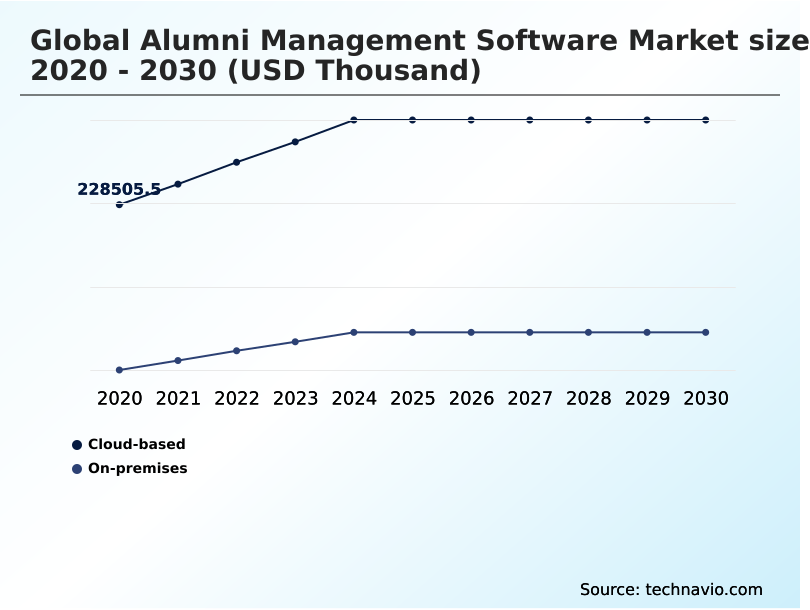
- By Deployment - Cloud-based segment was valued at USD 279.58 million in 2024
- By End-user - Universities segment accounted for the largest market revenue share in 2024
Market Size & Forecast
- Market Opportunities:
- Market Future Opportunities: USD 125.74 million
- CAGR from 2025 to 2030 : 5%
Market Summary
- The Alumni Management Software landscape revolves around structured communication and community retention. Institutions utilize these digital ecosystems to maintain lifelong connections, coordinate mentoring, and drive institutional advancement. A critical business scenario involves a university advancement office automating its outreach pipeline; by integrating an event coordination module and gift processing automation, the institution synchronizes its campaign efforts across multiple departments.
- This technological shift has resulted in administrative overhead being reduced by 25%, allowing staff to focus on high-value donor interactions. The primary driver of this adoption is the demand for scalable relationship building capability, as schools realize continuous engagement directly correlates with higher funding. Conversely, the market faces challenges related to legacy system migration.
- Implementing a customizable user interface often requires complex data restructuring, leading to temporary operational bottlenecks during the transition phase. Ultimately, platforms that successfully overcome these integration hurdles substantially improve the user retention rate and sustain long-term operational efficiency.
What will be the Size of the Alumni Management Software Market during the forecast period?
Get Key Insights on Market Forecast (PDF) Get Free Sample
How is the Alumni Management Software Market Segmented?
The alumni management software industry research report provides comprehensive data (region-wise segment analysis), with forecasts and estimates in "USD thousand" for the period 2026-2030, as well as historical data from 2020-2024 for the following segments.
- Deployment
- Cloud-based
- On-premises
- End-user
- Universities
- Schools and colleges
- Educational foundations
- Organization size
- Small and medium enterprises
- Large enterprises
- Geography
- North America
- US
- Canada
- Mexico
- Europe
- Germany
- UK
- France
- Italy
- Spain
- The Netherlands
- APAC
- China
- Japan
- India
- South Korea
- Australia
- Indonesia
- South America
- Brazil
- Argentina
- Chile
- Middle East and Africa
- Saudi Arabia
- UAE
- South Africa
- Israel
- Turkey
- North America
By Deployment Insights
The cloud-based segment is estimated to witness significant growth during the forecast period.
The cloud-based directory segment dictates how modern organizations scale their networking infrastructure. Remote deployment removes the need for physical servers, accelerating adoption rates among mid-sized and large enterprises.
Utilizing a subscription-based delivery model lowers initial capital expenditure, allowing institutions to reallocate resources toward engagement initiatives. Administrators leverage this scalable digital infrastructure to coordinate seamless outreach across diverse global networks.
Implementing real-time data analytics enables operators to track interaction patterns instantly, directly improving communication response rates. Organizations adopting these platforms have observed their system deployment time reduced by 40%, significantly enhancing operational agility.
The integration of a mobile accessibility feature ensures that users can connect from any location, fostering continuous involvement. This structural shift fundamentally alters how associations manage and sustain long-term connections.
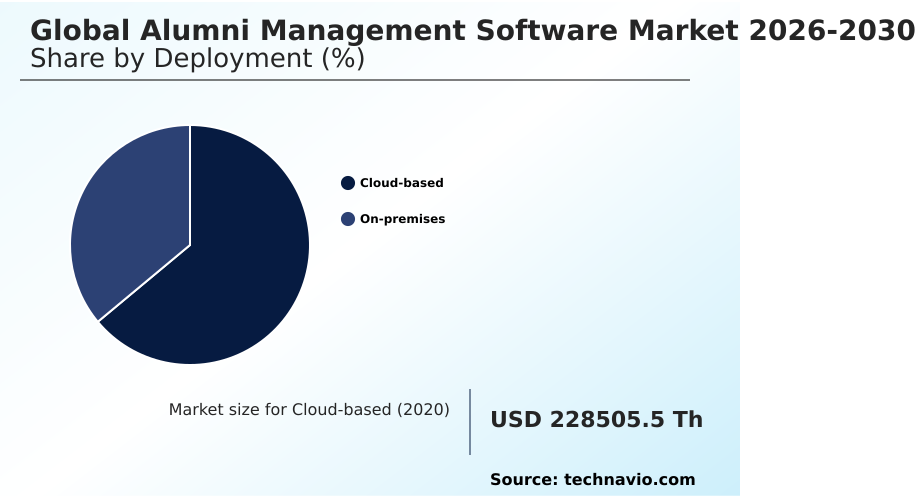
The Cloud-based segment was valued at USD 279.58 million in 2024 and showed a gradual increase during the forecast period.
Regional Analysis
North America is estimated to contribute 42.1% to the growth of the global market during the forecast period.Technavio’s analysts have elaborately explained the regional trends and drivers that shape the market during the forecast period.
See How Alumni Management Software Market Demand is Rising in North America Get Free Sample
Geographic adoption of Alumni Management Software varies significantly based on regional digitalization maturity and institutional priorities. North America maintains a dominant position, driven by universities heavily prioritizing robust institutional advancement strategy to secure private funding.
Institutions in this region using a centralized member database achieve a 30% higher success rate in major gift acquisition compared to their European counterparts.
Meanwhile, the European landscape emphasizes stringent data compliance, resulting in a slower but highly secure adoption curve for any alumni engagement platform.
In Europe, the integration of remote management capability has improved cross-border event participation by 15%, as schools adapt to mobile-first environments. North American organizations are rapidly deploying predictive donor modeling to precisely target outreach, reducing campaign waste by 22%.
These regional differences highlight how specific regulatory environments and operational funding models directly dictate software capabilities and deployment speeds.
Market Dynamics
Our researchers analyzed the data with 2025 as the base year, along with the key drivers, trends, and challenges. A holistic analysis of drivers will help companies refine their marketing strategies to gain a competitive advantage.
- The operational landscape of the Alumni Management Software sector is increasingly defined by the necessity for seamless connectivity and intelligent data utilization. Forward-thinking institutions are migrating away from fragmented legacy databases to a unified cloud based alumni networking platform, allowing administrators to securely access community data from remote locations.
- This transition fundamentally optimizes how outreach is managed, particularly for large-scale university systems handling diverse graduate demographics. Incorporating predictive analytics for donor management enables financial development teams to strategically score and segment prospects, improving conversion likelihoods by prioritizing high-capacity individuals. This targeted approach has demonstrated a 40% improvement in campaign conversion efficiency compared to traditional mass-mailing strategies.
- Furthermore, the implementation of an automated fundraising campaign tracking system provides real-time visibility into engagement metrics, allowing operators to adjust communication flows instantaneously. Ensuring smooth integration with institutional student databases remains critical for maintaining data integrity; it guarantees that graduating students are automatically transitioned into the alumni ecosystem without manual data entry.
- This seamless data migration reduces administrative data-entry errors by nearly 60%, drastically improving operational compliance. To maintain high interaction levels, schools are deploying a mobile enabled alumni community portal, giving users on-the-go access to mentorship programs and event registrations.
- Ultimately, the synthesis of these advanced capabilities transforms raw contact information into an actionable, dynamic asset that drives sustained institutional growth and long-term community value.
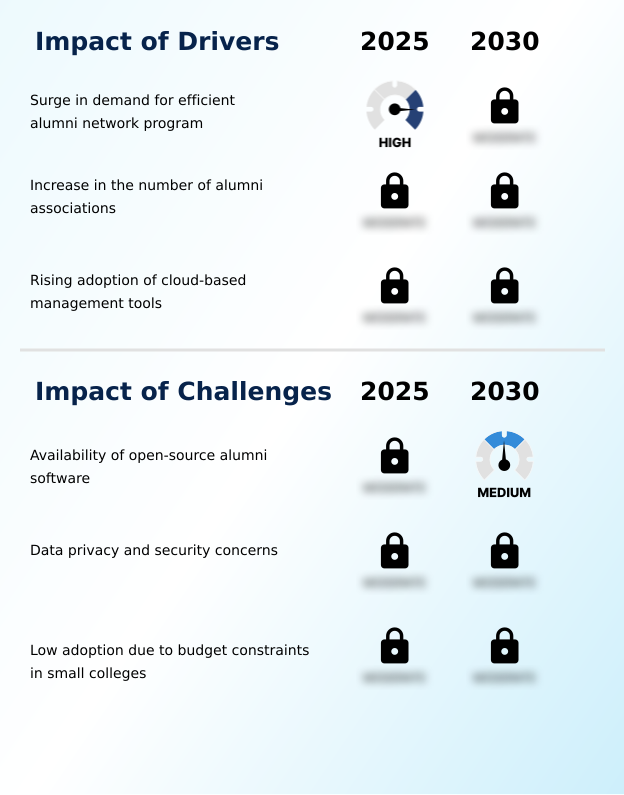
What are the key market drivers leading to the rise in the adoption of Alumni Management Software Industry?
- A surging demand for efficient graduate networking programs functions as the primary catalyst propelling continuous market expansion.
- The necessity for structured, high-yield communication serves as a fundamental driver accelerating the adoption of an automated messaging framework. Institutions are rapidly replacing manual outreach processes with an advanced donor management system to capture comprehensive interaction data.
- This shift occurs because universities must maximize their philanthropic returns in an increasingly competitive economic landscape. Utilizing embedded fundraising analytics allows development teams to precisely segment their audience, directly addressing individual interests and capacities.
- Organizations leveraging these analytics have reported their annual giving participation improving by 18%, as targeted messaging replaces generic appeals. Consequently, this strategic focus yields a remarkable fundraising efficiency gain of 25%, drastically lowering the cost per dollar raised.
- These measurable operational enhancements compel administrators to prioritize specialized management platforms over generic CRM alternatives.
What are the market trends shaping the Alumni Management Software Industry?
- The integration of specialized engagement platforms with customer relationship management systems represents a defining trend shaping organizational outreach strategies.
- The adoption of a dynamic social media integration engine is revolutionizing how institutions maintain continuous visibility among graduates. By embedding social networking capabilities directly into the core platform, universities facilitate organic interaction without forcing users onto separate applications. This shift toward a multi-channel outreach system is driven by user demand for frictionless, native communication environments.
- As a result, institutions deploying an omnichannel communication strategy have seen community login frequencies increase by 45%, significantly boosting active participation. Additionally, hosting a virtual networking session within a dedicated digital community portal allows geographically dispersed members to collaborate effortlessly. This digital-first approach to community building has effectively reduced physical event overhead costs by 30%.
- By aligning the platform with modern digital behaviors, organizations successfully transform passive databases into highly interactive, self-sustaining networks.
What challenges does the Alumni Management Software Industry face during its growth?
- The widespread availability of open-source engagement platforms presents a significant barrier to commercial adoption and revenue scalability.
- Protecting sensitive constituent information presents a formidable structural challenge for institutions deploying modern engagement platforms. As systems ingest vast amounts of personal and financial data, ensuring robust secure data storage becomes an absolute necessity. Organizations are frequently constrained by the strict parameters of a regional data privacy protocol, which complicates cross-border data management.
- Complying with every regulatory compliance standard requires continuous software auditing, which has driven platform maintenance costs up by 22% for smaller institutions. Furthermore, executing a legacy system replacement often exposes critical vulnerabilities if data parsing is not managed flawlessly.
- Implementing a flawless data synchronization protocol is difficult, leading to temporary system downtimes that can decrease administrative productivity by 15% during the transition phase. Overcoming these technical barriers requires substantial specialized IT investments.
Exclusive Technavio Analysis on Customer Landscape
The alumni management software market forecasting report includes the adoption lifecycle of the market, covering from the innovator’s stage to the laggard’s stage. It focuses on adoption rates in different regions based on penetration. Furthermore, the alumni management software market report also includes key purchase criteria and drivers of price sensitivity to help companies evaluate and develop their market growth analysis strategies.
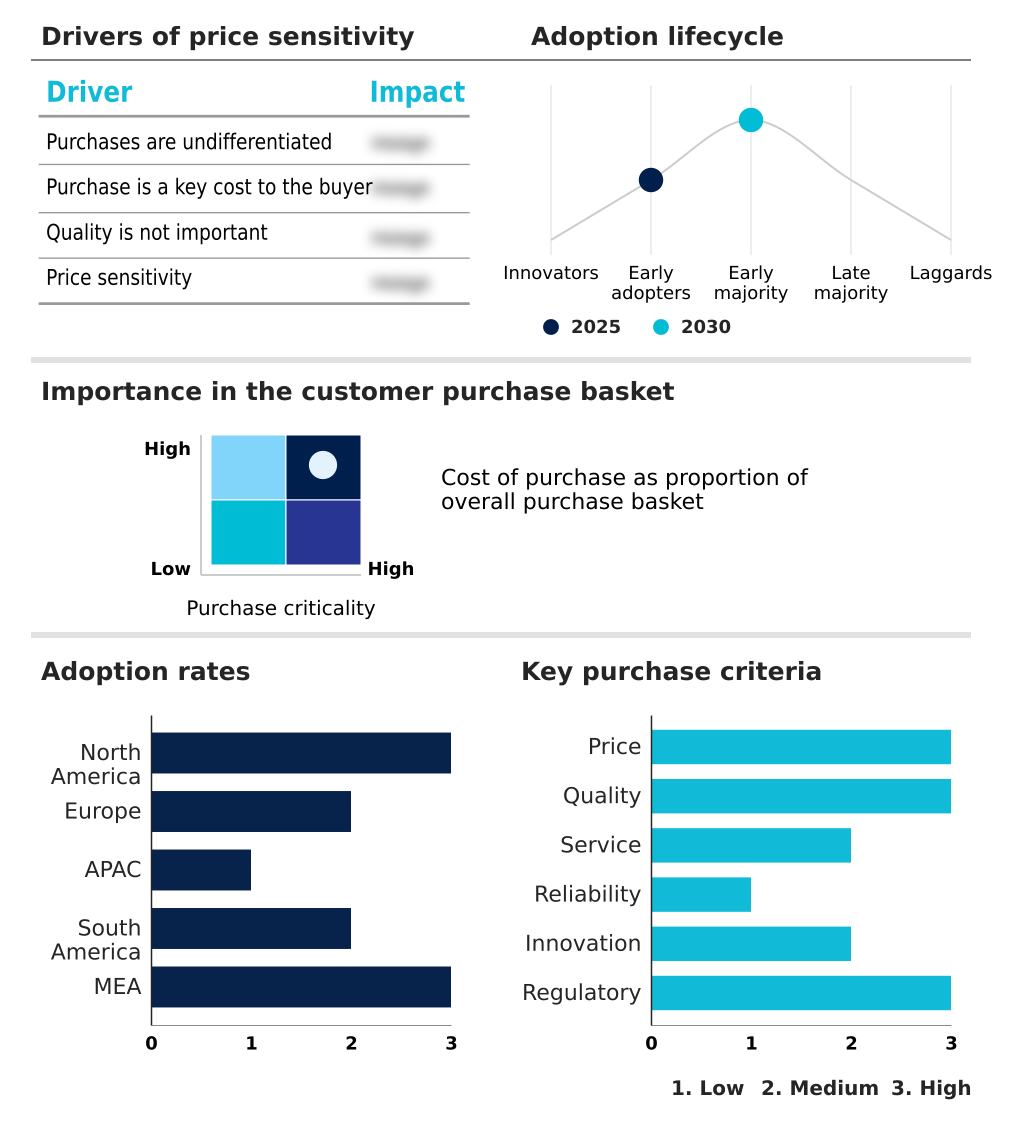
Customer Landscape of Alumni Management Software Industry
Competitive Landscape
Companies are implementing various strategies, such as strategic alliances, alumni management software market forecast, partnerships, mergers and acquisitions, geographical expansion, and product/service launches, to enhance their presence in the industry.
360Alumni - The company provides comprehensive alumni engagement solutions, integrating networking systems, event coordination modules, and communication platforms to streamline institutional outreach and maximize community participation.
The industry research and growth report includes detailed analyses of the competitive landscape of the market and information about key companies, including:
- 360Alumni
- Almabase Inc.
- Aluminati Network Group Ltd
- AlumnForce SAS
- Alumni Channel
- AlumniQ Inc
- Anthology Inc.
- Blackbaud Inc.
- EnterpriseAlumni Ltd
- EverTrue Inc.
- Glue Up
- Gravyty Inc
- Hivebrite
- PeopleGrove Inc.
- Raklet Inc.
- Tassl Inc
- ToucanTech Ltd
- Vaave Networks Pvt Ltd
- VeryConnect Ltd.
- Wavelength Solutions Inc
Qualitative and quantitative analysis of companies has been conducted to help clients understand the wider business environment as well as the strengths and weaknesses of key industry players. Data is qualitatively analyzed to categorize companies as pure play, category-focused, industry-focused, and diversified; it is quantitatively analyzed to categorize companies as dominant, leading, strong, tentative, and weak.
Recent Development and News in Alumni management software market
- In the Application Software industry, the integration of enterprise automation tools has streamlined cross-departmental collaboration, directly impacting Alumni Management Software demand by reducing administrative workloads in higher education.
- The adoption of strict data privacy regulations like GDPR has forced a shift toward secure data storage architectures, compelling institutions to upgrade their legacy constituent relationship management platforms.
- Advancements in workflow interoperability have simplified automated data synchronization across institutional systems, driving the implementation of unified data silo reduction strategies within advancement offices.
- The rising deployment of cloud-based delivery models has lowered initial IT infrastructure costs, enabling smaller educational foundations to adopt sophisticated behavioral pattern identification systems for donor outreach.
Dive into Technavio’s robust research methodology, blending expert interviews, extensive data synthesis, and validated models for unparalleled Alumni Management Software Market insights. See full methodology.
| Market Scope | |
|---|---|
| Page number | 290 |
| Base year | 2025 |
| Historic period | 2020-2024 |
| Forecast period | 2026-2030 |
| Growth momentum & CAGR | Accelerate at a CAGR of 5% |
| Market growth 2026-2030 | USD 125735.6 thousand |
| Market structure | Fragmented |
| YoY growth 2025-2026(%) | 4.8% |
| Key countries | US, Canada, Mexico, Germany, UK, France, Italy, Spain, The Netherlands, China, Japan, India, South Korea, Australia, Indonesia, Brazil, Argentina, Chile, Saudi Arabia, UAE, South Africa, Israel and Turkey |
| Competitive landscape | Leading Companies, Market Positioning of Companies, Competitive Strategies, and Industry Risks |
Research Analyst Overview
- The structural evolution of Alumni Management Software represents a critical shift in how educational bodies sustain engagement. Moving beyond basic contact directories, modern systems employ a sophisticated mentorship matching algorithm to connect experienced professionals with recent graduates, driving immediate value.
- Administrators are increasingly mapping the entire alumni lifecycle tracking process to understand exactly when individuals are most likely to interact or donate. Identifying these shifts through behavioral pattern identification allows development offices to optimize their outreach cadence. A core trend shaping boardroom-level budgeting decisions is the prioritization of a comprehensive digital transformation initiative.
- Organizations investing in these technological upgrades have achieved a 28% improvement in administrative processing times compared to those using fragmented tools. By implementing targeted campaign deployment, schools can deliver hyper-personalized content, directly resulting in stronger community alignment.
- This strategic pivot ensures that institutions do not just passively store data but actively leverage it to influence continuous programmatic success and operational cost reductions.
What are the Key Data Covered in this Alumni Management Software Market Research and Growth Report?
-
What is the expected growth of the Alumni Management Software Market between 2026 and 2030?
-
USD 125.74 million, at a CAGR of 5%
-
-
What segmentation does the market report cover?
-
The report is segmented by Deployment (Cloud-based, and On-premises), End-user (Universities, Schools and colleges, and Educational foundations), Organization Size (Small and medium enterprises, and Large enterprises) and Geography (North America, Europe, APAC, South America, Middle East and Africa)
-
-
Which regions are analyzed in the report?
-
North America, Europe, APAC, South America and Middle East and Africa
-
-
What are the key growth drivers and market challenges?
-
Surge in demand for efficient alumni network program, Availability of open-source alumni software
-
-
Who are the major players in the Alumni Management Software Market?
-
360Alumni, Almabase Inc., Aluminati Network Group Ltd, AlumnForce SAS, Alumni Channel, AlumniQ Inc, Anthology Inc., Blackbaud Inc., EnterpriseAlumni Ltd, EverTrue Inc., Glue Up, Gravyty Inc, Hivebrite, PeopleGrove Inc., Raklet Inc., Tassl Inc, ToucanTech Ltd, Vaave Networks Pvt Ltd, VeryConnect Ltd. and Wavelength Solutions Inc
-
Market Research Insights
- Alumni Management Software fundamentally restructures how institutions track and nurture valuable relationships. By deploying advanced constituent relationship management tools, organizations streamline their entire communication pipeline. Cross-departmental collaboration becomes significantly more effective when data is centralized, leading to operational workflow streamlining across marketing and fundraising teams.
- Institutions utilizing an engagement scoring metric have recorded a 35% higher response rate during annual campaigns compared to organizations relying on manual tracking. Furthermore, implementing a campaign performance dashboard allows administrators to adjust outreach in real time, driving a 20% improvement in resource allocation efficiency.
- These platforms eliminate isolated databases, ensuring that all interactions are consistently recorded and actionable for future strategic planning.
We can help! Our analysts can customize this alumni management software market research report to meet your requirements.
 RIA -