


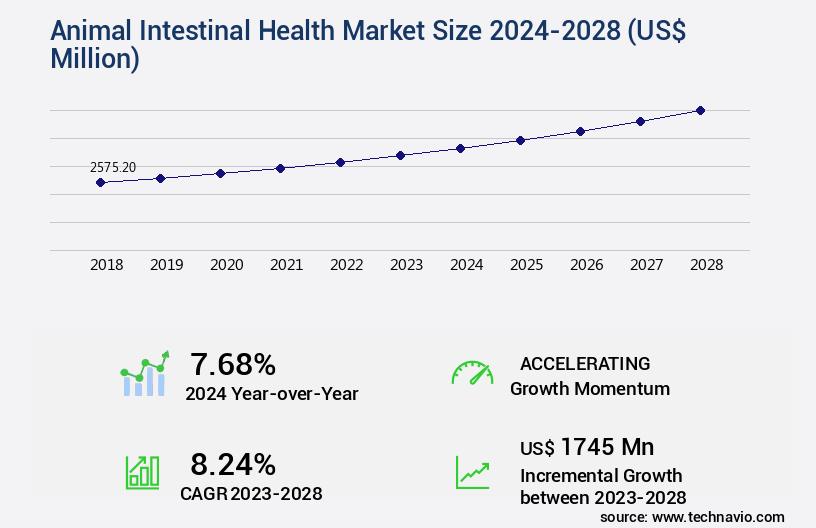
Animal Intestinal Health Market Size 2024-2028
The animal intestinal health market size is valued to increase USD 1.75 billion, at a CAGR of 8.24% from 2023 to 2028. Rising awareness regarding animals intestinal health will drive the animal intestinal health market.
Major Market Trends & Insights
- Asia dominated the market and accounted for a 35% growth during the forecast period.
- By Type - Probiotics segment was valued at USD 1.06 billion in 2022
- By Source - Plant based segment accounted for the largest market revenue share in 2022
Market Size & Forecast
- Market Opportunities: USD 107.28 million
- Market Future Opportunities: USD 1745.00 million
- CAGR from 2023 to 2028 : 8.24%
Market Summary
- The market encompasses a continually evolving landscape shaped by advancements in core technologies and applications, service types, and product categories. With rising awareness regarding animal intestinal health, the market is witnessing a surge in the adoption of natural growth promoters as an alternative to antibiotics. This shift is driven by increasing consumer demand for ethically-raised, antibiotic-free animal products. However, stringent regulations regarding different feed additives pose challenges for market growth. For instance, the European Union's ban on certain antibiotics as growth promoters has led to the development of alternative solutions.
- According to a recent study, the global market for animal intestinal health products is projected to account for over 20% share of the overall animal health market by 2025. This underscores the significant role and potential of this sector in the animal health industry.
What will be the Size of the Animal Intestinal Health Market during the forecast period?
Get Key Insights on Market Forecast (PDF) Request Free Sample
How is the Animal Intestinal Health Market Segmented ?
The animal intestinal health industry research report provides comprehensive data (region-wise segment analysis), with forecasts and estimates in "USD million" for the period 2024-2028, as well as historical data from 2018-2022 for the following segments.
- Type
- Probiotics
- Phytogenics
- Prebiotics
- Immunostimulants
- Source
- Plant based
- Microbial
- Geography
- North America
- US
- Europe
- Germany
- APAC
- China
- India
- Japan
- Rest of World (ROW)
- North America
By Type Insights
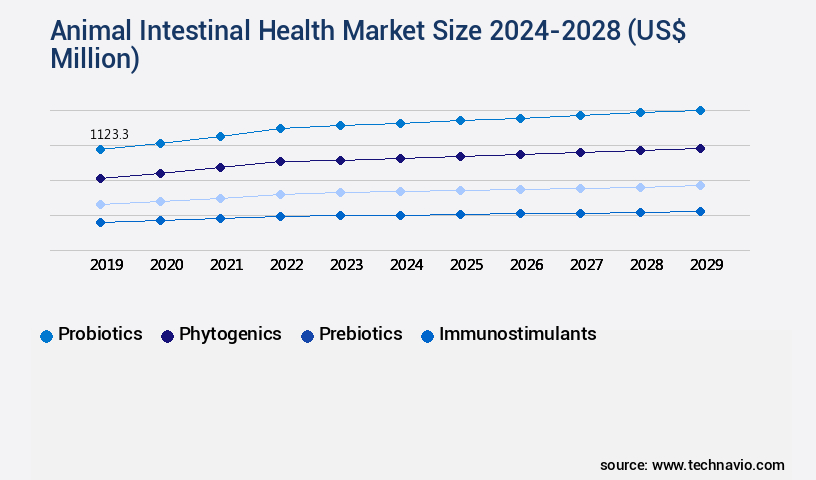
The probiotics segment is estimated to witness significant growth during the forecast period.
In the dynamic the market, the probiotics segment holds a significant market share, particularly in the cattle industry. Probiotics, which comprise live microbial feed supplements, contribute to improved animal health upon consumption. These supplements bolster growth, enhance digestive efficiency, and serve as a safe, effective alternative to antibiotics in the livestock sector. Research indicates that probiotics positively impact animal performance, contributing to increased growth, immunological response, nutrient digestibility and absorption, and improved meat quality. Furthermore, ongoing research focusing on specific probiotic strains, optimal dosages, and the intricate interactions between probiotics and the gut microbiota will pave the way for more effective probiotic mixes in animal feed and meat production.
This research will also provide insights into intestinal microbiota balance, intestinal inflammation markers, gut microbiome composition, immune system modulation, gut microbiota stability, and digestive enzyme activity. Additionally, the analysis of microbial interactions, intestinal barrier function, gut-brain axis interaction, feedstuff digestibility, dietary fiber impact, intestinal permeability assessment, epithelial cell turnover, pathogen colonization resistance, feed efficiency improvement, microbial metabolites production, ileal digestibility assessment, microbial functional genes, gut microbiota profiling, antimicrobial peptide expression, and fecal microbiota transplant will further advance our understanding of the role of probiotics in animal health.
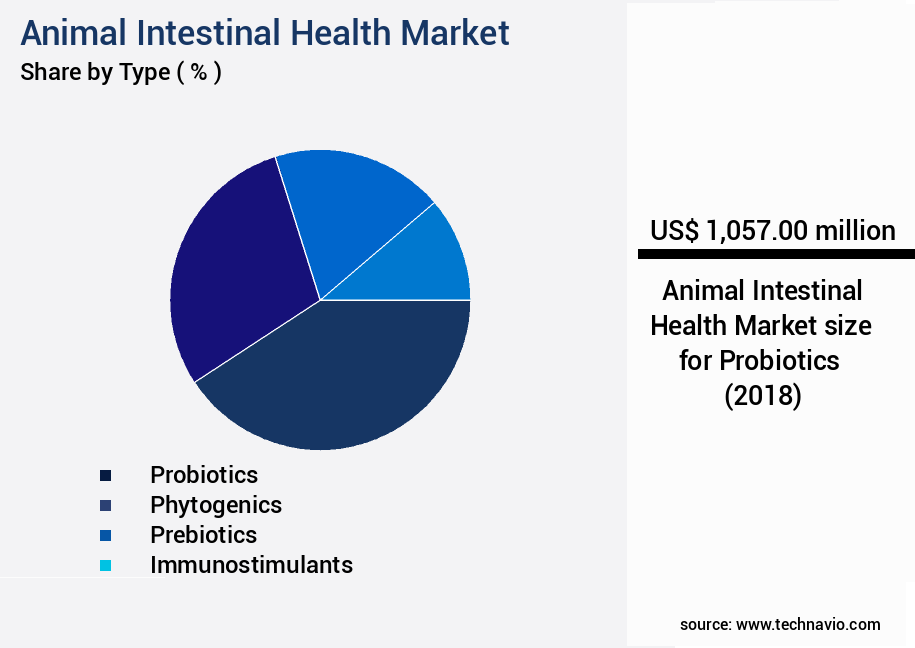
The Probiotics segment was valued at USD 1.06 billion in 2018 and showed a gradual increase during the forecast period.
Regional Analysis
Asia is estimated to contribute 35% to the growth of the global market during the forecast period.Technavio's analysts have elaborately explained the regional trends and drivers that shape the market during the forecast period.
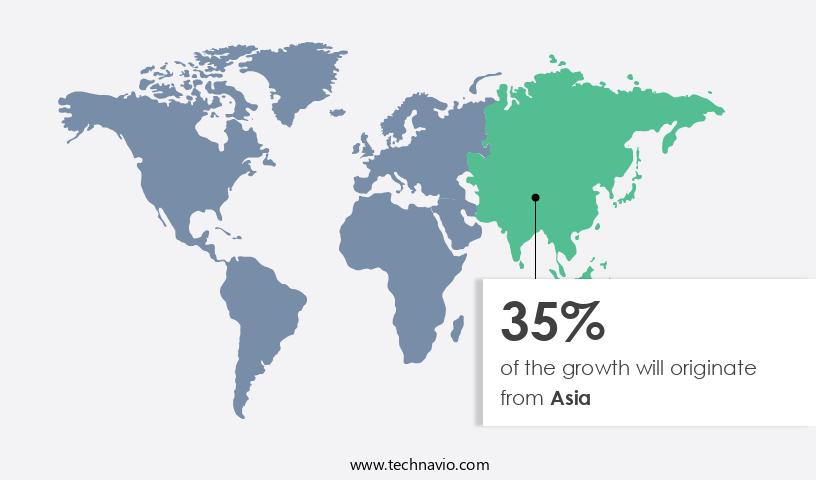
See How Animal Intestinal Health Market Demand is Rising in Asia Request Free Sample
The market is experiencing significant growth, driven primarily by the Asia region. This expansion is due in part to the rising demand for meat and meat products, particularly in countries like China, India, and South Korea. The Asia region's demand for poultry products is particularly noteworthy, leading to increased demand for feed products for broilers and layers. Additionally, the influence of Western diets on emerging economies in Asia is expected to boost the demand for beef and pork meat, further supporting market growth.
In response to this increased demand for meat protein, there is a corresponding rise in the adoption of feed additives and feed enzymes that enhance intestinal health in livestock and poultry animals. This market trend underscores the importance of maintaining optimal animal health to meet the growing demand for meat products in the Asia region.
Market Dynamics
Our researchers analyzed the data with 2023 as the base year, along with the key drivers, trends, and challenges. A holistic analysis of drivers will help companies refine their marketing strategies to gain a competitive advantage.
The global gut health market is evolving with strong emphasis on scientific validation of functional ingredients and their measurable outcomes. Research increasingly highlights probiotic effects on intestinal morphology and the evaluation effectiveness probiotic strains in swine, showing how beneficial microbes support nutrient absorption and tissue health. Complementing this, prebiotic influence on gut microbiota diversity and influence prebiotics on pathogen colonization emphasize how non-digestible substrates shape microbial communities and reinforce resilience against harmful organisms.
Dietary inputs remain central to performance outcomes. The impact dietary fiber on scfa production and assessment effects dietary fiber on gut health demonstrate the critical role of fiber in stimulating microbial activity, while measuring short chain fatty acid concentration provides direct indicators of metabolic benefits. Similarly, evaluation impact dietary protein on digestion connects nutrient utilization with digestive efficiency, with feed conversion ratio in poultry serving as a key performance benchmark in applied settings.
Analytical advancements are enabling deeper insights into microbiome dynamics. Characterization gut microbiome using 16s rRNA sequencing and quantification microbial diversity using alpha/beta metrics provide essential tools for mapping microbial ecosystems. Parallel approaches, such as measuring intestinal permeability using fitc-dextran, assessment intestinal barrier function integrity, and assessment intestinal health using qpcr methods, offer critical markers of physiological resilience.
Integration of analysis microbial metabolites using metabolomics and investigation gut-brain axis interactions reflects a shift toward understanding systemic impacts, linking gut microbiota and immune response to broader health outcomes. These insights are positioning the sector for innovative solutions that enhance animal performance and human wellness alike.
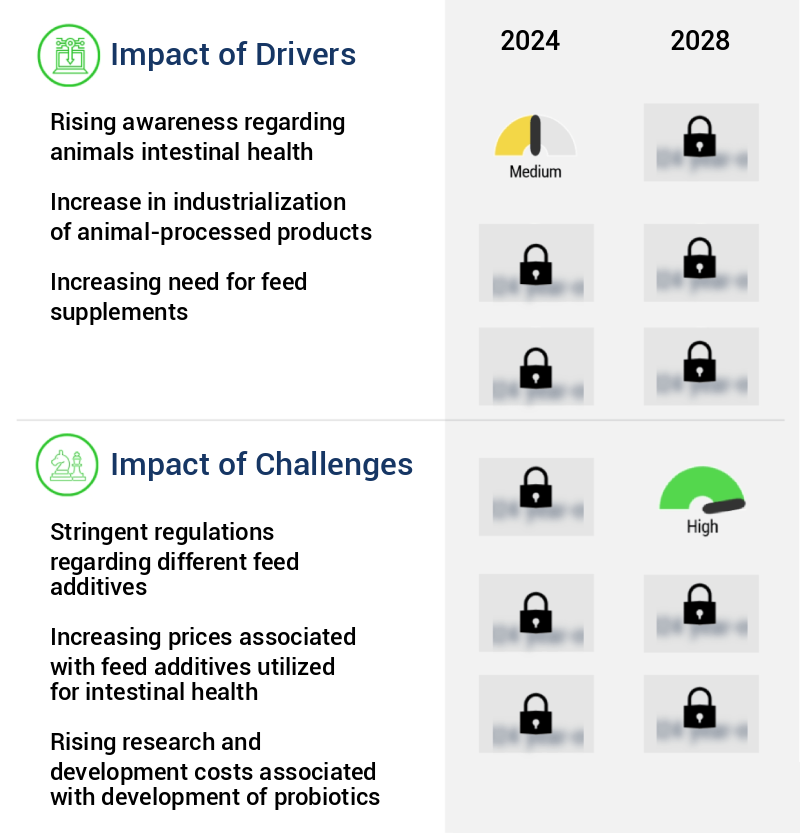
What are the key market drivers leading to the rise in the adoption of Animal Intestinal Health Industry?
- The significant rise in consciousness about the importance of intestinal health in animals is the primary factor fueling market growth.
- The market experiences significant growth due to increasing consumer awareness regarding the health benefits of animal protein. Improved bone health, enhanced immunity, and the prevention of protein deficiencies are some of the key advantages, fueling market expansion. Companies catering to this sector prioritize gut health for livestock and poultry farmers, offering dietary supplements. This focus on gut health aims to improve herd or flock health, which is a crucial factor in the overall productivity and profitability of farming operations.
- Furthermore, professionals like veterinarians and nutritionists play a vital role in reducing antibiotic use on farms by providing customized action plans and support. By implementing these strategies, the market continues to evolve, addressing the needs of farmers and consumers alike.
What are the market trends shaping the Animal Intestinal Health Industry?
- The trend in the market is toward increased adoption of natural growth promoters. This trend is mandated by growing consumer awareness and regulatory requirements.
- Animal growth promoters (AGPs) and performance enhancers play a significant role in the agricultural industry, offering market participants opportunities for innovation and growth. Two primary types of animal growth promoters exist: antibiotics and non-antibiotics. Antibiotic growth promoters (AGPs) are drugs that inhibit or destroy bacteria, administered at subtherapeutic doses to enhance overall animal growth and production. However, the overuse of antibiotics can lead to antibiotic resistance and residue accumulation in animals, raising concerns for consumer health and safety. The European Union has proposed a ban on AGPs due to these concerns, prompting the development of alternative, non-antibiotic growth promoters. Non-antibiotic growth promoters, such as phytogenics and probiotics, offer a safer, more sustainable alternative, enhancing animal performance through natural means.
- The market for non-antibiotic growth promoters is experiencing significant growth, as industry participants seek to address consumer demands for safer, more ethically produced livestock products. This shift towards non-antibiotic growth promoters represents a continuous evolution in the animal agriculture industry, driven by consumer preferences, regulatory pressures, and technological advancements.
What challenges does the Animal Intestinal Health Industry face during its growth?
- The stringent regulations governing different feed additives pose a significant challenge to the growth of the industry, requiring continuous compliance and adaptation to ensure product effectiveness and consumer safety.
- International regulatory bodies, including the US Food and Drug Administration (FDA), the US Center of Veterinary Medicine (CVM), the World Health Organization (WHO), the European Commission (EC), the European Food Safety Authority (EFSA), the Australian Pesticides and Veterinary Medicines Authority (APVMA), the Natural Health Product Directorate (NHPD), and the National Health Surveillance Agency (ANVISA), impose rigorous regulations on the utilization of various additives in feed manufacturing. These organizations oversee the application of diverse chemicals and components in feed processing. The implementation of regulatory initiatives poses hurdles for several feed additives, escalating the overall expense of product development.
- In order to introduce novel products in distinct territories, leading compound feed manufacturers are compelled to submit patent and approval applications, thereby augmenting production costs. This dynamic regulatory landscape necessitates continuous adaptation and innovation within the feed additives industry.
Exclusive Technavio Analysis on Customer Landscape
The animal intestinal health market forecasting report includes the adoption lifecycle of the market, covering from the innovator's stage to the laggard's stage. It focuses on adoption rates in different regions based on penetration. Furthermore, the animal intestinal health market report also includes key purchase criteria and drivers of price sensitivity to help companies evaluate and develop their market growth analysis strategies.
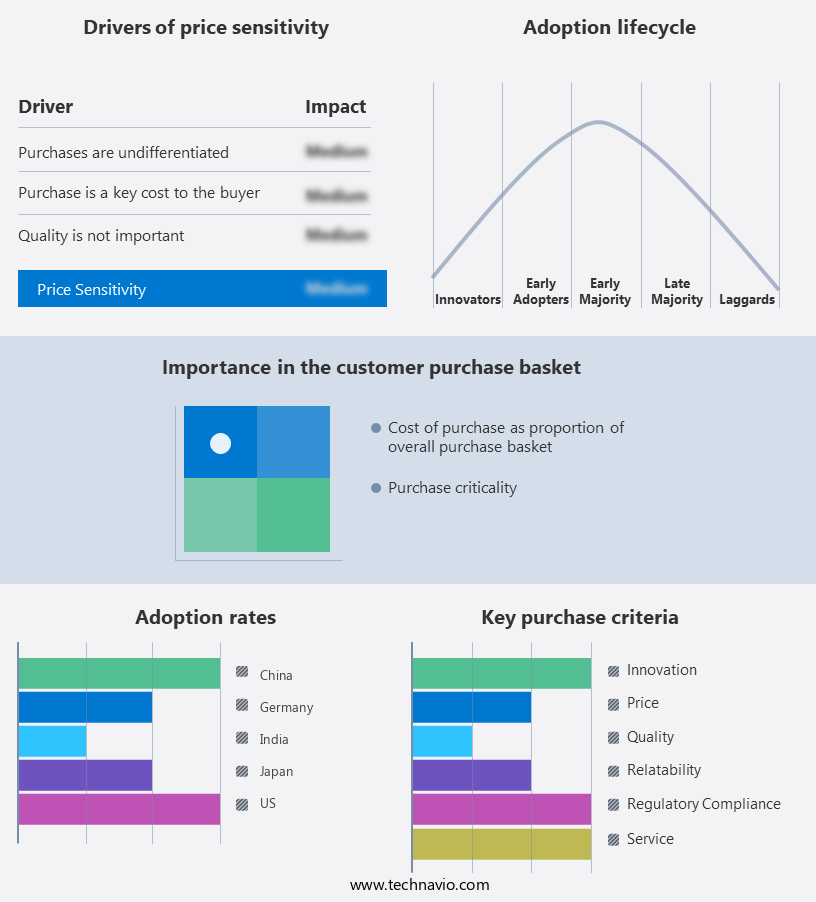
Customer Landscape of Animal Intestinal Health Industry
Competitive Landscape
Companies are implementing various strategies, such as strategic alliances, animal intestinal health market forecast, partnerships, mergers and acquisitions, geographical expansion, and product/service launches, to enhance their presence in the industry.
AB Agri Ltd. - This company specializes in producing animal intestinal health solutions, including Axcelera C and VistaPre-T. Their offerings aim to enhance gut health and promote overall animal wellbeing. By utilizing advanced research and development, they provide effective supplements for various species.
The industry research and growth report includes detailed analyses of the competitive landscape of the market and information about key companies, including:
- AB Agri Ltd.
- Adisseo Co.
- Agrihealth Ltd.
- Alltech Inc.
- Anco Animal Nutrition Competence
- Archer Daniels Midland Co.
- Arm and Hammer Animal and Food
- Beneo GmbH
- Cargill Inc.
- Chr Hansen Holding AS
- Dr. Eckel Animal Nutrition
- Evonik Industries AG
- International Flavors and Fragrances Inc.
- Kemin Industries Inc.
- Koninklijke DSM NV
- Land O Lakes Inc.
- Lesaffre and Cie
- Novozymes AS
- Nutreco N.V.
- Unique Biotech Ltd.
Qualitative and quantitative analysis of companies has been conducted to help clients understand the wider business environment as well as the strengths and weaknesses of key industry players. Data is qualitatively analyzed to categorize companies as pure play, category-focused, industry-focused, and diversified; it is quantitatively analyzed to categorize companies as dominant, leading, strong, tentative, and weak.
Recent Development and News in Animal Intestinal Health Market
- In January 2024, Merck Animal Health, a leading animal health company, launched a new product called IntestiGuard, an innovative intestinal health solution for swine, designed to improve nutrient absorption and reduce the risk of intestinal diseases (Merck Animal Health Press Release).
- In March 2024, Elanco Animal Health, a global animal health company, announced a strategic partnership with Bio-M Pharma, a leading European biotech company, to develop and commercialize a new line of probiotics for poultry (Elanco Animal Health Press Release).
- In April 2025, Zoetis, a global animal health company, completed the acquisition of Probiotics Plus, a Canadian company specializing in probiotics and prebiotics for livestock, for approximately USD350 million (Zoetis Press Release).
- In May 2025, the European Commission approved the use of a new intestinal health product, IntestAid, for chickens, developed by Ceva Santé Animale, a French animal health company, which is expected to improve gut health and productivity in the poultry industry (Ceva Santé Animale Press Release).
Dive into Technavio's robust research methodology, blending expert interviews, extensive data synthesis, and validated models for unparalleled Animal Intestinal Health Market insights. See full methodology.
|
Market Scope |
|
|
Report Coverage |
Details |
|
Page number |
162 |
|
Base year |
2023 |
|
Historic period |
2018-2022 |
|
Forecast period |
2024-2028 |
|
Growth momentum & CAGR |
Accelerate at a CAGR of 8.24% |
|
Market growth 2024-2028 |
USD 1745 million |
|
Market structure |
Fragmented |
|
YoY growth 2023-2024(%) |
7.68 |
|
Key countries |
US, China, India, Germany, and Japan |
|
Competitive landscape |
Leading Companies, Market Positioning of Companies, Competitive Strategies, and Industry Risks |
Research Analyst Overview
- The market is a dynamic and evolving landscape, driven by ongoing research and advancements in understanding the complex interplay between gut microbiota, nutrition, and animal health. This market encompasses various areas of focus, including gut microbiota diversity, prebiotic fiber fermentation, nutrient absorption efficiency, and probiotic strain selection. Prebiotic fiber fermentation plays a crucial role in the production of short-chain fatty acids (SCFAs), which serve as essential energy sources for gut microbiota. The balance of intestinal microbiota is critical for optimal health, as it influences intestinal inflammation markers and digestive health markers. Metagenomic sequencing analysis and prebiotic response evaluation are essential tools for assessing gut microbiome composition and understanding the impact of dietary fiber on microbial community structure.
- Probiotic strain selection is another vital aspect of the market, with strains chosen for their ability to modulate the immune system, improve gut microbiota stability, and enhance digestive enzyme activity. Microbial interactions analysis and mucin secretion regulation are also essential components, as they contribute to intestinal barrier function and the gut-brain axis interaction. Feedstuff digestibility and dietary fiber impact are closely related, as fiber sources influence feed conversion ratio and intestinal permeability assessment. Epithelial cell turnover and pathogen colonization resistance are essential factors in maintaining intestinal health, while feed efficiency improvement and microbial metabolites production contribute to overall animal performance.
- Microbial functional genes, gut microbiota profiling, antimicrobial peptide expression, and fecal microbiota transplant are emerging areas of research in the market. These advanced techniques offer new insights into the complex microbial ecosystem and the potential for developing innovative solutions to address various health challenges. In conclusion, the market is a continually unfolding landscape, with ongoing research and advancements shaping the market's activities and evolving patterns. The focus on gut microbiota diversity, prebiotic fiber fermentation, nutrient absorption efficiency, and probiotic strain selection is driving innovation and improving animal health and performance.
What are the Key Data Covered in this Animal Intestinal Health Market Research and Growth Report?
-
What is the expected growth of the Animal Intestinal Health Market between 2024 and 2028?
-
USD 1.75 billion, at a CAGR of 8.24%
-
-
What segmentation does the market report cover?
-
The report is segmented by Type (Probiotics, Phytogenics, Prebiotics, and Immunostimulants), Source (Plant based and Microbial), and Geography (Asia, North America, Europe, and Rest of World (ROW))
-
-
Which regions are analyzed in the report?
-
Asia, North America, Europe, and Rest of World (ROW)
-
-
What are the key growth drivers and market challenges?
-
Rising awareness regarding animals intestinal health, Stringent regulations regarding different feed additives
-
-
Who are the major players in the Animal Intestinal Health Market?
-
AB Agri Ltd., Adisseo Co., Agrihealth Ltd., Alltech Inc., Anco Animal Nutrition Competence, Archer Daniels Midland Co., Arm and Hammer Animal and Food, Beneo GmbH, Cargill Inc., Chr Hansen Holding AS, Dr. Eckel Animal Nutrition, Evonik Industries AG, International Flavors and Fragrances Inc., Kemin Industries Inc., Koninklijke DSM NV, Land O Lakes Inc., Lesaffre and Cie, Novozymes AS, Nutreco N.V., and Unique Biotech Ltd.
-
Market Research Insights
- The market encompasses a range of strategies aimed at optimizing the health and functionality of livestock and agricultural animals' gastrointestinal systems. Two key areas of focus are inflammation reduction and probiotic supplementation. According to recent studies, the global market for inflammation reduction strategies in animal intestinal health is projected to reach USD3.5 billion by 2026, growing at a compound annual growth rate of 5.2%. In contrast, the probiotic supplementation market is estimated to surpass USD4 billion by 2027, expanding at a CAGR of 6.5%. These figures underscore the significant investment and research dedicated to improving animal gut health through these methods.
- Probiotic supplementation, for instance, aids in maintaining a balanced gut microbiota, enhancing nutrient absorption, and bolstering the immune system. Meanwhile, inflammation reduction strategies, such as feed ingredient evaluation and metabolic profiling techniques, help minimize inflammation and promote intestinal integrity. Both approaches contribute to better animal performance indicators, including improved feed conversion ratios and increased weight gain.
We can help! Our analysts can customize this animal intestinal health market research report to meet your requirements.
 RIA -
RIA - 
