
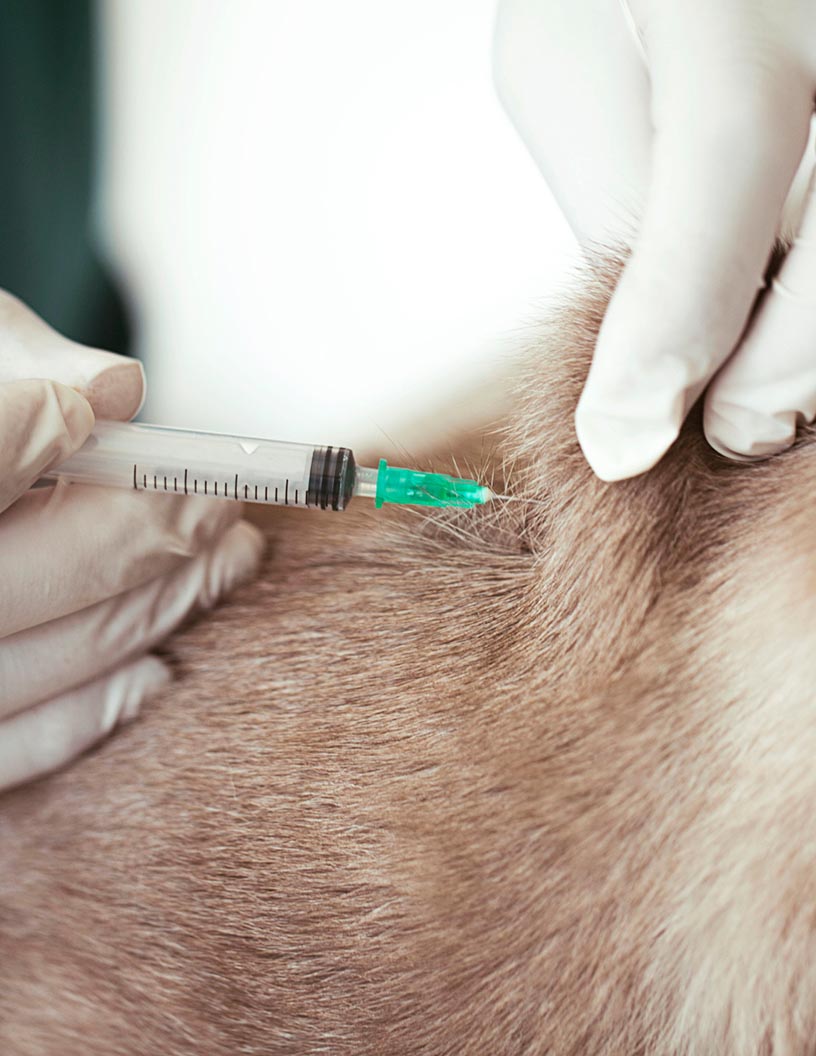


Animal Sedative Market Size 2024-2028
The animal sedative market size is forecast to increase by USD 169.2 million, at a CAGR of 5.25% between 2023 and 2028.
- The market is experiencing significant growth due to several key trends. The increasing prevalence of animal diseases necessitates the use of sedatives for veterinary procedures. Additionally, the growing adoption of pet animals as companions in North America is leading to an increased demand for animal sedatives. Strict government regulations ensure the safe and effective use of these drugs, further driving market growth. These trends are expected to continue shaping the market In the coming years. The report provides a comprehensive analysis of these factors and more, offering valuable insights for stakeholders In the animal healthcare industry.
What will be the Size of the Animal Sedative Market During the Forecast Period?
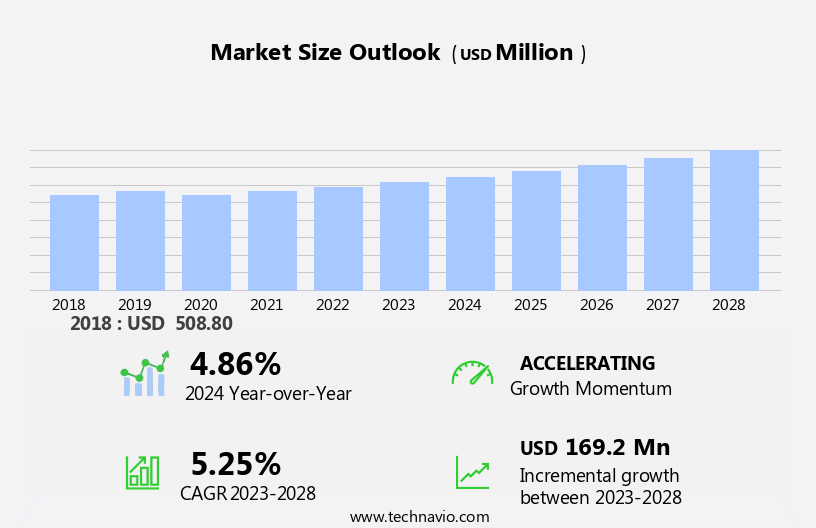
- The market is experiencing significant growth due to the increasing pet ownership rates and the rising prevalence of chronic diseases and surgical procedures in pets. According to market research, animal health expenditure is projected to expand at a steady pace, fueled by the demand for veterinary care and veterinary services. Pet surgeries, veterinary medications, and dental procedures are major contributors to this expenditure, necessitating the use of sedatives for effective treatment and improved patient comfort. Pet insurance and veterinary treatment have also played a crucial role In the growth of the market. The prevalence of zoonotic diseases and the need for disease diagnosis have further boosted the demand for sedatives, particularly those used for central nervous system disorders.
- Skilled personnel In the animal healthcare industry continue to research and develop advanced pharmacokinetics and pharmacodynamics of sedatives to ensure optimal efficacy and safety. Pet adoption rates and the growing awareness of animal healthcare have also contributed to the market's expansion. Animal diseases, including cancer, are a significant concern, leading to an increased focus on veterinary treatments and medical procedures. The Animal Cancer Foundation and other research organizations are actively working to improve the diagnosis and treatment of animal cancers, further driving the demand for sedatives in veterinary applications.
How is this Animal Sedative Industry segmented and which is the largest segment?
The animal sedative industry research report provides comprehensive data (region-wise segment analysis), with forecasts and estimates in "USD million" for the period 2024-2028, as well as historical data from 2018-2022 for the following segments.
- Type
- Parenteral
- Oral
- Geography
- North America
- Canada
- US
- Europe
- Germany
- UK
- Asia
- China
- Rest of World (ROW)
- North America
By Type Insights
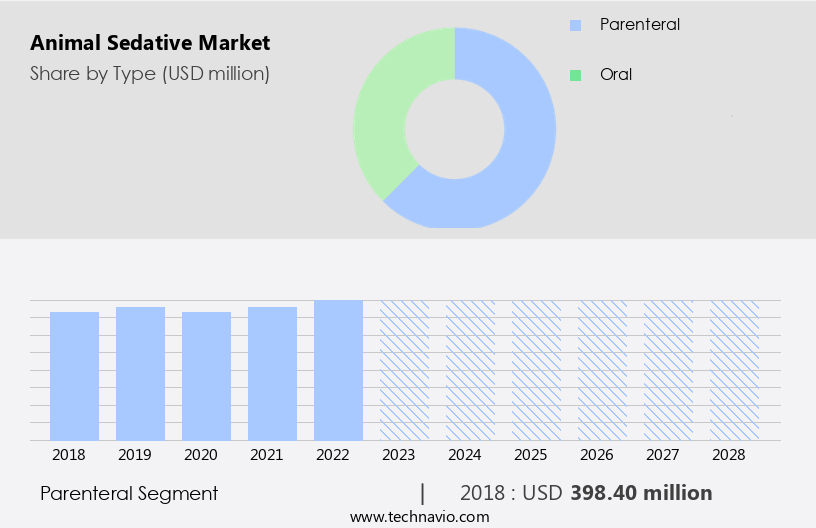
- The parenteral segment is estimated to witness significant growth during the forecast period.
Animal sedatives are essential medications used to induce a calm and relaxed state in animals for various reasons, including veterinary procedures, chronic diseases, and pet travel. These sedatives can be administered through different routes, primarily parenteral and oral. Parenteral administration, which involves injecting the sedative into an animal's body outside of the mouth and digestive tract, offers several advantages. For instance, it produces a quicker onset of action and higher bioavailability, as it bypasses the hepatic metabolism and the uncertainty of enteral absorptive processes. Commonly used parenteral sedatives include phenothiazines, benzodiazepines, butyrophenones, and opioids. Veterinary clinics and hospitals, including specialty centers, use these sedatives for veterinary treatments, surgeries, and diagnostic procedures.
Sedatives are also used for pain management, cancer prevention, and disease prevention. Adverse effects of sedatives include changes in respiratory rate, blood pressure, and cardiovascular collapse. Animal welfare organizations advocate for the use of sedatives to reduce anxiety and improve the quality of care during veterinary treatments. The veterinary associations and pharmaceutical companies offer training programs, workshops, and clinical research studies to enhance the understanding and use of sedatives in animal healthcare. Sedative products are available in various forms, including injectable solutions, tablets, and capsules, from hospital pharmacies and retail pharmacies.
Get a glance at the Animal Sedative Industry report of share of various segments Request Free Sample
The parenteral segment was valued at USD 398.40 million in 2018 and showed a gradual increase during the forecast period.
Regional Analysis
- North America is estimated to contribute 41% to the growth of the global market during the forecast period.
Technavio's analysts have elaborately explained the regional trends and drivers that shape the market during the forecast period.
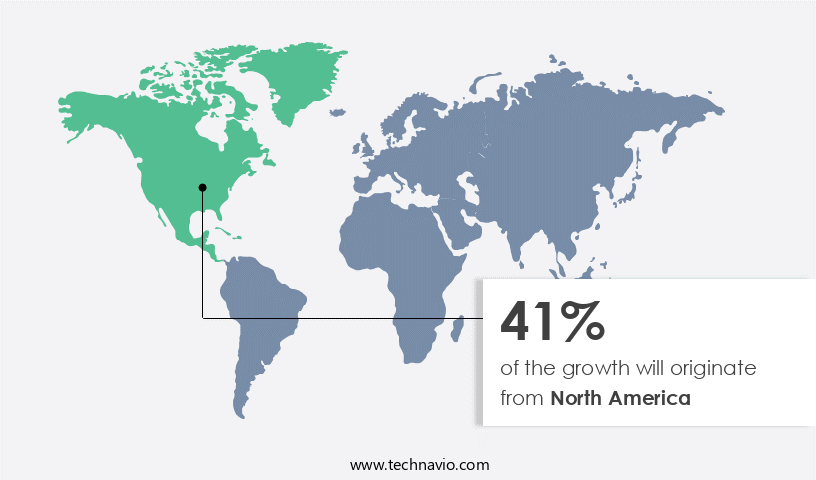
For more insights on the market share of various regions, Request Free Sample
The market in North America is significantly large due to increased pet ownership and healthcare expenditure. With approximately 69 million US households owning a dog in 2021, the demand for veterinary treatments, including sedatives, is high. The US market dominance is further reinforced by substantial investments in animal medical research and the prevalence of various animal diseases. Zoonotic diseases and the need for anxiety reduction during veterinary treatments and surgeries are major drivers for market growth. Animal sedatives, such as phenothiazines, benzodiazepines, butyrophenones, and their parenteral and oral forms, are essential for disease diagnosis, treatments, and pain management. The market encompasses veterinary clinics, hospitals, specialty centers, and retail pharmacies, providing various sedative products for small and large animals.
Market Dynamics
Our animal sedative market researchers analyzed the data with 2023 as the base year, along with the key drivers, trends, and challenges. A holistic analysis of drivers will help companies refine their marketing strategies to gain a competitive advantage.
What are the key market drivers leading to the rise In the adoption of Animal Sedative Industry?
The increasing prevalence of animal diseases is the key driver of the market.
- Animal health expenditure is significantly influenced by pet ownership and the need for veterinary care, particularly for pets with chronic diseases and those undergoing surgical procedures. Veterinary services, including veterinary hospitals, specialty centers, and practices, offer a range of veterinary medications, including animal sedatives, for disease diagnosis, treatments, and medical procedures such as orthopedic treatments and pain management. Animal sedatives, which include controlled substances like phenothiazines, benzodiazepines, and butyrophenones, are administered via parenteral and oral routes for anxiety reduction, adverse effects management, and to facilitate diagnostic procedures and surgeries. The veterinary market includes various sedative products for small and large animals, with a significant focus on dogs and cats.
- Veterinary associations and research institutions conduct clinical research studies to develop new sedative molecules and improve pharmacokinetics and pharmacodynamics. Training programs and workshops are also offered to equip skilled personnel with the necessary knowledge and techniques for administering sedatives safely and effectively. Zoonotic diseases, such as brucellosis, bacterial parasites, and cancer, pose a threat to both animal and human health. Prevention and treatment of these diseases require high-quality veterinary care and veterinary treatments, which can be costly. Animal welfare organizations and foundations, such as the Animal Cancer Foundation, advocate for cancer prevention and disease prevention measures to minimize the economic and societal impact of animal diseases.
What are the market trends shaping the Animal Sedative Industry?
Increasing adoption of pet animals is the upcoming market trend.
- The market has experienced significant growth due to the rising trend of pet ownership and the increasing prevalence of chronic diseases and surgical procedures in pets. According to the American Pet Products Association, approximately 67% of U.S. Households owned a pet in 2020, with dogs being owned by 45% and cats by 43%. This expansion in pet populations presents opportunities for veterinary practices to enhance their profitability. Pet surgeries and veterinary treatments, including orthopedic treatments and pain management, require the use of sedatives to ensure the safety and comfort of animals during medical procedures. Veterinary hospitals, specialty centers, and clinics offer a range of veterinary medications, including controlled substances such as phenothiazines, benzodiazepines, and butyrophenones, administered via parenteral or oral routes.
- Animal health expenditure In the U.S. has been on the rise, with veterinary care and services becoming increasingly important. Pet insurance, which covers veterinary treatments and medications, has also gained popularity. The Veterinary Association of America reports that diagnostic procedures, clinical research studies, and disease prevention are essential aspects of veterinary medicine. Animal welfare is a significant concern, with a focus on reducing anxiety and improving the quality of care. Sedative products are essential for managing anxiety in pets during travel or for treating conditions such as allergies, itching, and respiratory issues. Sedative molecules and drugs play a crucial role in enhancing the effectiveness of medical procedures, including surgery and cancer prevention.
What challenges does the Animal Sedative Industry face during its growth?
Stringent government regulations is a key challenge affecting the industry growth.
- The market is driven by the increasing pet ownership, chronic diseases, and surgical procedures in pets. According to the American Pet Products Association, approximately 68% of US households own a pet, leading to an increase in veterinary care and veterinary services. Pet surgeries, veterinary medications, and orthopedic treatments are major segments of the animal healthcare market. Veterinary associations promote training programs, workshops, and clinical research studies to improve veterinary treatments and disease diagnosis. Animal sedatives, which include controlled substances like phenothiazines, benzodiazepines, butyrophenones, and their parenteral and oral forms, are essential for managing animal anxiety, pain, and stress during diagnostic procedures, veterinary treatments, and medical procedures.
- These sedatives can reduce anxiety in pets during travel, alleviate allergies and itching, and provide pain management during surgeries and cancer treatments. The FDA regulates animal medicines, including sedatives, ensuring they meet the same safety, purity, and efficacy standards as human medicines. The approval process for animal sedatives can take five to seven years and cost tens of millions of dollars. The USDA, FDA, and EPA collaborate to approve animal medications, including sedatives and pesticides. The market is expected to grow due to the increasing animal healthcare expenditure, the rising number of pet insurance policies, and the growing focus on animal welfare and disease prevention.
Exclusive Customer Landscape
The animal sedative market forecasting report includes the adoption lifecycle of the market, covering from the innovator's stage to the laggard's stage. It focuses on adoption rates in different regions based on penetration. Furthermore, the animal sedative market report also includes key purchase criteria and drivers of price sensitivity to help companies evaluate and develop their market growth analysis strategies.
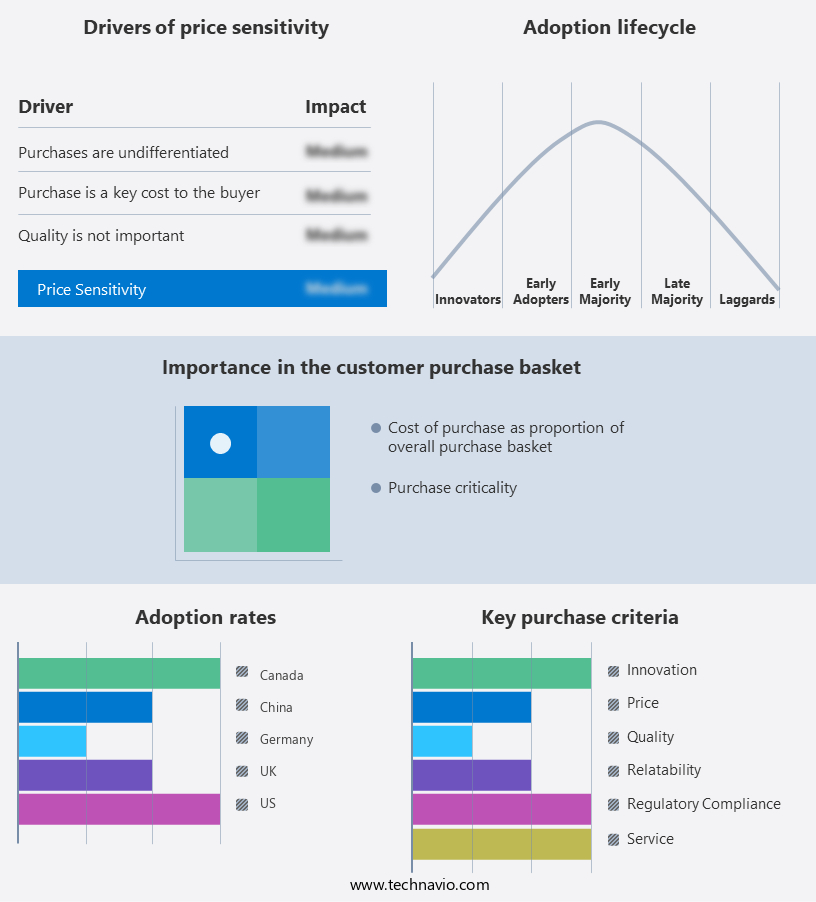
Customer Landscape
Key Companies & Market Insights
Companies are implementing various strategies, such as strategic alliances, animal sedative market forecast, partnerships, mergers and acquisitions, geographical expansion, and product/service launches, to enhance their presence In the industry.
The industry research and growth report includes detailed analyses of the competitive landscape of the market and information about key companies, including:
- Akorn Operating Co. LLC
- AmerisourceBergen Corp
- Bayer AG
- Bimeda Holdings Ltd.
- Boehringer Ingelheim International GmbH
- Ceva Sante Animale
- Chanelle Pharma Group
- Dechra Pharmaceuticals Plc
- Elanco Animal Health Inc.
- Jurox Pty Ltd.
- Konig SA
- Laboratorios Richmond
- Merck KGaA
- Modern Veterinary Therapeutics LLC
- Orion Corp.
- Ouro Fino Saude Animal Group
- Randlab Pty Ltd.
- Troy Laboratories Pty Ltd.
- Virbac Group
- Zoetis Inc.
Qualitative and quantitative analysis of companies has been conducted to help clients understand the wider business environment as well as the strengths and weaknesses of key industry players. Data is qualitatively analyzed to categorize companies as pure play, category-focused, industry-focused, and diversified; it is quantitatively analyzed to categorize companies as dominant, leading, strong, tentative, and weak.
Research Analyst Overview
The market encompasses a broad range of products used to manage anxiety, stress, and pain in various animal species. These sedatives can be administered through different routes, including parenteral and oral methods, to facilitate veterinary procedures, enhance animal welfare, and improve the overall quality of care. The demand for animal sedatives is driven by several factors. The increasing trend of pet ownership, particularly in developed regions, has led to a rise in veterinary expenditure on animal health. Chronic diseases and surgical procedures require veterinary intervention, leading to a higher need for sedatives to ensure the safety and comfort of animals during treatment.
Veterinary clinics and hospitals, as well as specialty centers, are significant consumers of animal sedatives. These institutions rely on sedatives to facilitate various diagnostic procedures, medical treatments, and surgeries. In addition, the use of sedatives is essential during veterinary training programs, workshops, and clinical research studies. Animal sedatives are used for various animal species, including small animals such as dogs and cats and large animals like livestock. The types of sedatives used vary depending on the animal's size, species, and the intended use. Phenothiazines, benzodiazepines, butyrophenones, and other sedative molecules are commonly used to manage anxiety, stress, and pain in animals.
Further, the sedative market includes a range of products, from injectable sedatives for parenteral administration to oral sedatives for easier administration. Hospital pharmacies and retail pharmacies are significant distributors of animal sedatives, making them readily available to veterinary practitioners. The use of animal sedatives is not without risks, and adverse effects can occur. Proper dosing and administration are crucial to minimize risks, such as respiratory rate and blood pressure changes, cardiovascular collapse, and allergic reactions. The market is expected to grow due to the increasing demand for improved animal welfare, the need for pain management during veterinary procedures, and the development of new sedative molecules and formulations.
|
Animal Sedative Market Scope |
|
|
Report Coverage |
Details |
|
Page number |
135 |
|
Base year |
2023 |
|
Historic period |
2018-2022 |
|
Forecast period |
2024-2028 |
|
Growth momentum & CAGR |
Accelerate at a CAGR of 5.25% |
|
Market growth 2024-2028 |
USD 169.2 million |
|
Market structure |
Fragmented |
|
YoY growth 2023-2024(%) |
4.86 |
|
Key countries |
US, Germany, UK, Canada, and China |
|
Competitive landscape |
Leading Companies, Market Positioning of Companies, Competitive Strategies, and Industry Risks |
What are the Key Data Covered in this Animal Sedative Market Research and Growth Report?
- CAGR of the Animal Sedative industry during the forecast period
- Detailed information on factors that will drive the Animal Sedative Market growth and forecasting between 2024 and 2028
- Precise estimation of the size of the market and its contribution of the industry in focus to the parent market
- Accurate predictions about upcoming growth and trends and changes in consumer behaviour
- Growth of the market across North America, Europe, Asia, and Rest of World (ROW)
- Thorough analysis of the market's competitive landscape and detailed information about companies
- Comprehensive analysis of factors that will challenge the animal sedative market growth of industry companies
We can help! Our analysts can customize this animal sedative market research report to meet your requirements.
 RIA -
RIA - 
