


Cell Culture Media And Reagents Market Size 2024-2028
The cell culture media and reagents market size is forecast to increase by USD 5.17 billion, at a CAGR of 8.11% between 2023 and 2028.
- The market is experiencing significant growth, driven by advancements in the life sciences industry. The increasing adoption of serum-free cell culture media over serum-based media is a key trend in this market. Serum-free media offer several advantages, including improved consistency, scalability, and cost-effectiveness. This shift is expected to continue as researchers seek to optimize cell culture conditions for various applications. However, the market faces challenges as well. The lack of skilled personnel is a significant obstacle. Cell culture media and reagents require specialized knowledge and expertise for their proper use. The shortage of trained personnel can hinder market growth and limit the adoption of advanced technologies.
- Additionally, the high cost of these products can be a barrier to entry for smaller organizations and research institutions. Despite these challenges, companies can capitalize on market opportunities by investing in research and development to create cost-effective, user-friendly products. Collaborating with academic institutions and offering training programs can also help address the skills gap and expand market reach.
What will be the Size of the Cell Culture Media And Reagents Market during the forecast period?
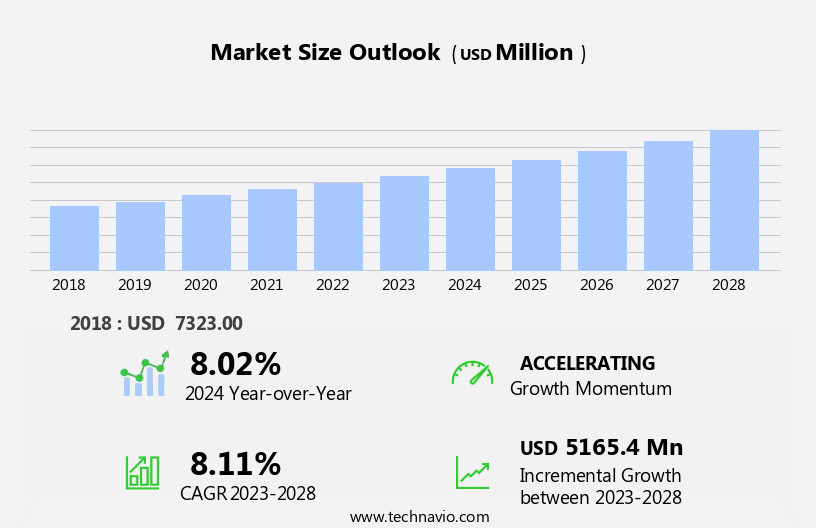
The market continues to evolve, driven by advancements in various sectors including stem cell research, in vitro diagnostics, and gene therapy. Primary cells, cell lines, and cell culture techniques are integral components of this dynamic market. Cell culture media, a crucial element in maintaining cell health and viability, is undergoing constant innovation with the development of serum-free media and basal media for specific cell types. Cell characterization and quality assurance are paramount in ensuring the efficacy of cell-based assays and therapeutic applications. In the realm of gene therapy, the demand for high-quality cell lines and media is escalating, as is the need for process development and downstream processing solutions.
In vitro diagnostics and pharmaceutical research are also significant contributors to the market's growth. Three-dimensional cell culture techniques and tissue engineering are gaining traction, necessitating advanced growth media and cell culture optimization strategies. Flow cytometry and cell morphology analysis play a vital role in monitoring cell proliferation, differentiation, and cell viability. The integration of therapeutic antibodies and recombinant proteins in cell culture systems further expands the market's scope. Cell line development, tissue engineering, and regenerative medicine are paving the way for novel therapeutic approaches. The single-use bioreactor and high-throughput screening technologies are essential tools in the development of these advanced applications.
Quality control and quality assurance are essential aspects of the market, ensuring the production of reliable and consistent products. The ongoing process of optimizing cell culture techniques and media formulations continues to unfold, driving market growth and innovation.
How is this Cell Culture Media And Reagents Industry segmented?
The cell culture media and reagents industry research report provides comprehensive data (region-wise segment analysis), with forecasts and estimates in "USD million" for the period 2024-2028, as well as historical data from 2018-2022 for the following segments.
- End-user
- Pharmaceutical and biotechnology industry
- Academic institutions and research laboratories
- Others
- Product
- Media
- Reagents
- Application
- Drug Discovery
- Tissue Engineering
- Cancer Research
- Vaccine Production
- Toxicity Testing
- Technology
- Liquid
- Single-use Systems
- Media Type
- Serum-Free
- Chemically Defined
- Classical
- Geography
- North America
- US
- Canada
- Europe
- France
- Germany
- UK
- Middle East and Africa
- UAE
- APAC
- China
- India
- Japan
- South Korea
- South America
- Brazil
- Rest of World (ROW)
- North America
By End-user Insights
The pharmaceutical and biotechnology industry segment is estimated to witness significant growth during the forecast period.
The pharmaceutical and biotechnology sector is witnessing significant growth as companies invest heavily in research and development (R&D) for the discovery and production of new drugs to address prevalent and emerging diseases. This shift in focus towards cell and gene therapy is driven by the potential of these treatments to provide effective solutions using engineered proteins, antibodies, and small molecules. For instance, the FDA's approval of the PROVENGE drug, which is a cell therapy product, underscores this trend. In vitro diagnostics, primary cells, and cell lines are crucial components in the development of these therapies.
Cell culture media and techniques, including serum-free media and 3D cell culture, play a vital role in maintaining cell viability, proliferation, and differentiation during the development process. Gene therapy and regenerative medicine applications require rigorous cell characterization, quality assurance, and quality control to ensure safety and efficacy. Cell-based assays, flow cytometry, and cell morphology analysis are essential tools for monitoring cell health and assessing cellular responses. Downstream processing, including protein purification and formulation development, is crucial for the production of recombinant proteins and therapeutic antibodies. Pharmaceutical research, academic institutions, and biotech companies are collaborating to optimize cell culture media, cell line development, and process development using single-use bioreactors and tissue engineering techniques.
High-throughput screening and cell banking are also essential for the efficient identification and preservation of promising cell lines and therapeutic candidates. These advancements in cell culture media and reagents are propelling the industry forward, enabling the production of innovative therapeutics and contributing to the growth of the pharmaceutical and biotechnology sector.
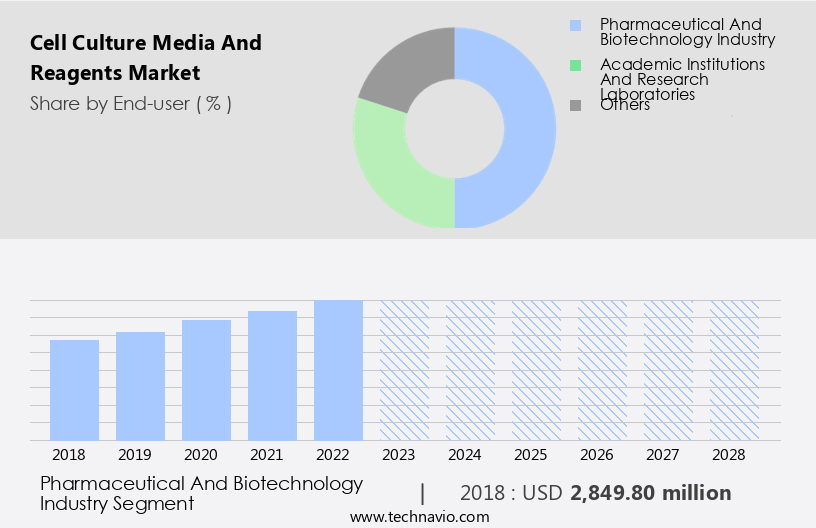
The Pharmaceutical and biotechnology industry segment was valued at USD 2.85 billion in 2018 and showed a gradual increase during the forecast period.
Regional Analysis
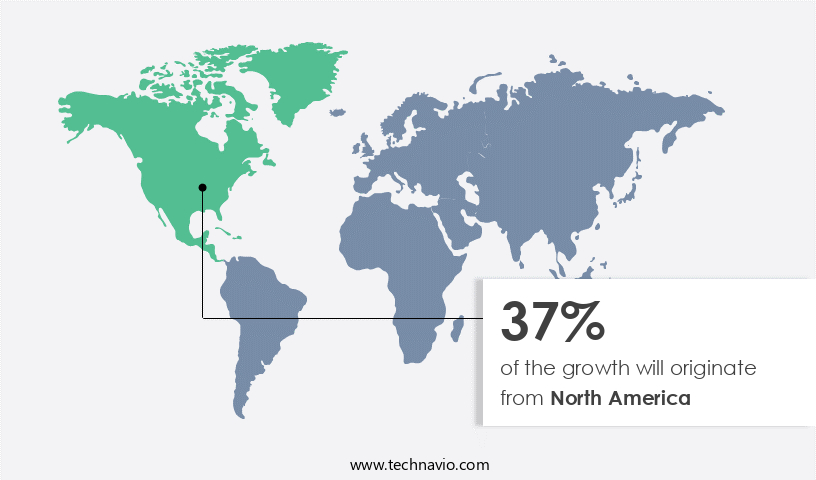
North America is estimated to contribute 37% to the growth of the global market during the forecast period.Technavio's analysts have elaborately explained the regional trends and drivers that shape the market during the forecast period.
The prevalence of chronic and infectious diseases, such as cancer, in North America has significantly increased, with an estimated 2.01 million new cancer cases and 611,720 deaths in the US in 2024, according to the National Institutes of Health (NIH). This trend has fueled the demand for research and development of new drugs and biologics, leading to a surge in demand for cell culture media and reagents. These essential components of cell culture techniques are used extensively in the production of primary cells, cell lines, and stem cells for various applications, including gene therapy, tissue engineering, pharmaceutical research, and drug discovery.
Cell culture media and reagents are integral to maintaining the health and viability of cells during in vitro diagnostics, cell characterization, and cell-based assays. Growth media, serum-free media, and basal media are essential for cell proliferation and differentiation, while cell morphology and cell viability are assessed using techniques such as flow cytometry and microscopy. Moreover, the advancements in cell culture optimization, 3D cell culture, and downstream processing have enabled the production of recombinant proteins, therapeutic antibodies, and cell lines for use in regenerative medicine and cell therapy. The single-use bioreactor and process development have streamlined the production of these biologics, ensuring consistent quality and reducing contamination risks.
Academic research and quality assurance and control are also significant contributors to the market, as they require large volumes of these essential reagents for research and development activities. High-throughput screening and quality control techniques are crucial for ensuring the purity and consistency of these biologics, making cell culture media and reagents indispensable tools in the scientific community.
Market Dynamics
Our researchers analyzed the data with 2023 as the base year, along with the key drivers, trends, and challenges. A holistic analysis of drivers will help companies refine their marketing strategies to gain a competitive advantage.
What are the key market drivers leading to the rise in the adoption of Cell Culture Media And Reagents Industry?
- The life sciences industry's advancements serve as the primary catalyst for market growth.
- The life sciences sector is experiencing significant advancements, driven by innovative technologies in healthcare and biomedicine. One such area of focus is genome editing, which involves making precise changes to deoxyribonucleic acid (DNA) using systems like clustered regularly interspaced short palindromic repeats (CRISPR). These experiments are crucial for disease research and understanding cellular mechanisms. To carry out these experiments, researchers require optimal cell growth conditions, leading to an increased demand for high-quality cell culture media and reagents. Downstream processing, cell banking, and cell-based assays are key applications for cell culture media and reagents in the life sciences industry.
- Quality assurance and control are paramount to ensure the reliability and accuracy of research results. Basal media and cell culture optimization are essential components of the cell culture process, enabling researchers to maintain consistent cell growth and achieve desired outcomes. In conclusion, the need for cell culture media and reagents is indispensable in the rapidly advancing field of life sciences, particularly in genome editing research. Ensuring quality and consistency in these essential reagents is crucial for successful experiments and scientific breakthroughs.
What are the market trends shaping the Cell Culture Media And Reagents Industry?
- The transition from serum-based to serum-free cell culture media is a current market trend in the biotechnology industry. This shift reflects the growing demand for advanced cell culture techniques that offer improved consistency, reproducibility, and cost-effectiveness in research and production processes.
- Cell culture media play a crucial role in the growth and maintenance of various cell types, including stem cells, primary cells, cell lines, and those used in gene therapy. The market for cell culture media and reagents is witnessing a significant shift from serum-based supplements to serum-free supplements. Serum-free media are gaining popularity due to the potential contamination risks associated with serum-based media like fetal bovine serum (FBS) and fetal calf serum (FCS). Protein concentrations in serum-based media are higher than the protein content required for mammalian cells, making it challenging for researchers to quantify the optimal protein content for cell growth.
- As a result, serum-free media, which consist of defined components, are increasingly being preferred for their consistency and reproducibility in cell culture techniques. In vitro diagnostics and gene therapy applications are major drivers of the market. Cell viability, growth, and overall health of cells are critical factors influencing the selection of appropriate cell culture media and reagents.
What challenges does the Cell Culture Media And Reagents Industry face during its growth?
- The scarcity of skilled personnel poses a significant challenge to the expansion and growth of the industry.
- Cell culture media and reagents play a crucial role in the successful growth and maintenance of cells for various applications, including cell characterization, therapeutic antibody production, cell line development, tissue engineering, and process development. Professionals, such as pharmacologists and cell culture scientists, are responsible for preparing and maintaining these cultures, requiring expertise in techniques like cell morphology assessment, cell proliferation measurement, and flow cytometry. The demand for these skills is high due to the complexities involved in cell culture processes, which necessitate a safe laboratory environment and adherence to rigorous work practices. However, the limited number of individuals with the necessary knowledge and training is a significant challenge.
- This shortage is further compounded by the lack of comprehensive education and training programs in emerging economies. To ensure optimal cell growth and functionality, professionals must possess a deep understanding of cell culture techniques and consumables. They are responsible for designing, modeling, and developing cell culture processes, while maintaining a safe and harmonious laboratory environment. The importance of these roles is underscored by the critical applications of cell culture media and reagents in fields such as therapeutic antibody production and tissue engineering.
Exclusive Customer Landscape
The cell culture media and reagents market forecasting report includes the adoption lifecycle of the market, covering from the innovator's stage to the laggard's stage. It focuses on adoption rates in different regions based on penetration. Furthermore, the cell culture media and reagents market report also includes key purchase criteria and drivers of price sensitivity to help companies evaluate and develop their market growth analysis strategies.
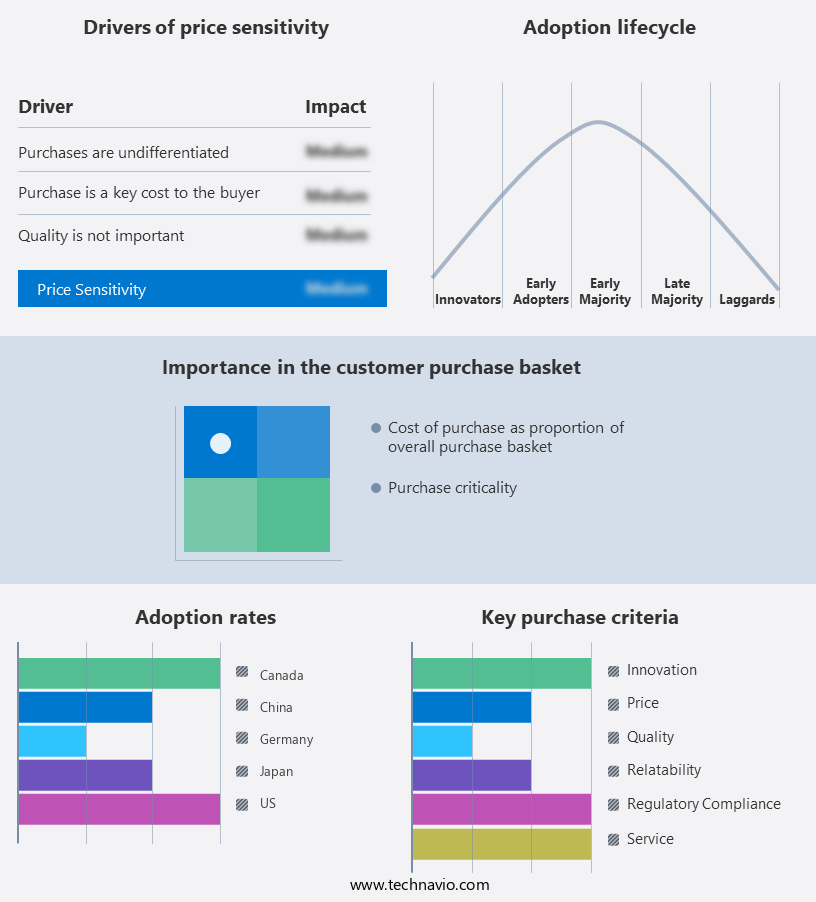
Customer Landscape
Key Companies & Market Insights
Companies are implementing various strategies, such as strategic alliances, cell culture media and reagents market forecast, partnerships, mergers and acquisitions, geographical expansion, and product/service launches, to enhance their presence in the industry.
Thermo Fisher Scientific - The company specializes in providing cell culture media and reagents, including basal media, serum-free media, and cell culture supplements, for scientific research applications. These essential components facilitate optimal cell growth and development in laboratory settings. The media and reagents are designed to meet rigorous research standards, ensuring consistency and reliability in experimental outcomes. By offering a comprehensive range of cell culture solutions, the company empowers researchers to advance their discoveries and make significant contributions to their respective fields.
The industry research and growth report includes detailed analyses of the competitive landscape of the market and information about key companies, including:
- Thermo Fisher Scientific
- Merck KGaA
- Corning Inc.
- Lonza Group
- GE Healthcare
- Sigma-Aldrich
- HiMedia Laboratories
- Irvine Scientific
- Cytiva
- Bio-Techne
- Promocell
- Becton Dickinson
- Takara Bio
- Miltenyi Biotec
- Sartorius AG
- CellGenix
- FUJIFILM Irvine
- Bio-Rad Laboratories
- STEMCELL Technologies
- Gibco
Qualitative and quantitative analysis of companies has been conducted to help clients understand the wider business environment as well as the strengths and weaknesses of key industry players. Data is qualitatively analyzed to categorize companies as pure play, category-focused, industry-focused, and diversified; it is quantitatively analyzed to categorize companies as dominant, leading, strong, tentative, and weak.
Recent Development and News in Cell Culture Media And Reagents Market
- In March 2023, Thermo Fisher Scientific, a leading life sciences solutions provider, announced the launch of its new HyClone Cell Culture Media portfolio. This innovative product line includes serum-free and chemically defined media designed to support the growth of various cell types for research and bioproduction applications (Thermo Fisher Scientific Press Release, 2023).
- In July 2024, Merck KGaA, a prominent player in the market, entered into a strategic partnership with Ginkgo Bioworks to develop custom media formulations for the latter's synthetic biology platform. This collaboration aims to optimize cell growth and productivity, thereby enhancing the overall efficiency of Ginkgo Bioworks' bioproduction processes (Merck KGaA Press Release, 2024).
- In October 2024, Sartorius AG, a global market leader in laboratory and production equipment and services, completed the acquisition of Regenerative Medicine Technologies (RMT), a specialist in the development and production of advanced cell culture media and reagents. This acquisition significantly expanded Sartorius AG's portfolio and strengthened its position in the biopharmaceutical market (Sartorius AG Press Release, 2024).
- In February 2025, the European Commission approved the new European Medicines Agency (EMA) guideline on the use of animal-derived components in the manufacturing of advanced therapy medicinal products (ATMPs). This regulatory approval paved the way for the adoption of alternative media and reagents derived from plant or synthetic sources, which are expected to reduce reliance on animal-derived components and improve the overall sustainability of the market (European Medicines Agency, 2025).
Research Analyst Overview
- The market is experiencing significant growth, driven by advancements in bioprocess automation and the increasing demand for precision medicine. Cell culture validation and analytics play crucial roles in ensuring drug safety and efficacy, as well as disease modeling and cell line characterization. Media optimization and media formulation are key areas of focus, with an emphasis on reagent purity and quality to maintain cell line stability and regulatory compliance. Disposable bioreactors and cell culture documentation are essential components of biopharmaceutical production, while cell line licensing and qualification are vital for ensuring consistent results.
- Media customization and cell culture regulations are also important trends, as personalized medicine and biotechnology innovation continue to shape the industry. Cell culture monitoring, safety, and training are ongoing concerns, as researchers strive to improve cell culture processes and ensure the integrity of their research.
Dive into Technavio's robust research methodology, blending expert interviews, extensive data synthesis, and validated models for unparalleled Cell Culture Media And Reagents Market insights. See full methodology.
|
Market Scope |
|
|
Report Coverage |
Details |
|
Page number |
173 |
|
Base year |
2023 |
|
Historic period |
2018-2022 |
|
Forecast period |
2024-2028 |
|
Growth momentum & CAGR |
Accelerate at a CAGR of 8.11% |
|
Market growth 2024-2028 |
USD 5165.4 million |
|
Market structure |
Fragmented |
|
YoY growth 2023-2024(%) |
8.02 |
|
Key countries |
US, Japan, China, Canada, Germany, UK, France, India, South Korea, UAE, and Brazil |
|
Competitive landscape |
Leading Companies, Market Positioning of Companies, Competitive Strategies, and Industry Risks |
What are the Key Data Covered in this Cell Culture Media And Reagents Market Research and Growth Report?
- CAGR of the Cell Culture Media And Reagents industry during the forecast period
- Detailed information on factors that will drive the growth and forecasting between 2024 and 2028
- Precise estimation of the size of the market and its contribution of the industry in focus to the parent market
- Accurate predictions about upcoming growth and trends and changes in consumer behaviour
- Growth of the market across North America, Asia, Europe, and Rest of World (ROW)
- Thorough analysis of the market's competitive landscape and detailed information about companies
- Comprehensive analysis of factors that will challenge the cell culture media and reagents market growth of industry companies
We can help! Our analysts can customize this cell culture media and reagents market research report to meet your requirements.
 RIA -
RIA - 
